Fishing New Mexico’s Reservoirs During Drawdown
For anglers in New Mexico, there's a unique challenge that often goes hand-in-hand with our beautiful, arid landscape: reservoir drawdown. Seeing your favorite fishing spot shrink, with exposed banks and receding water lines, can feel disheartening, almost like the lake is drying up before your eyes. But don't despair! This comprehensive guide is here to help you understand what drawdown means for fishing, how fish react, and how you can adapt your strategies to find success even when the water levels are low.
Understanding the Dynamics of Drawdown in New Mexico Reservoirs
Reservoir drawdown isn't just some random occurrence; it's a fundamental part of managing precious water resources in a high desert state like New Mexico. While it might look alarming to an uninitiated angler, it's often a calculated and necessary process. Understanding why it happens and how to read the signs can turn frustration into opportunity.
What Causes Reservoir Drawdown in the Land of Enchantment?
Drawdown, at its core, is the controlled release or natural decline of water levels in a reservoir. In New Mexico, a state intimately familiar with managing scarcity, this process is usually driven by a few key factors. The most significant often relates to irrigation demands. Our agricultural sectors, from the vast pecan groves in the south to various crop fields across the state, rely heavily on stored water. When growing seasons kick in, especially during hot, dry summers, water is released from reservoirs to sustain these vital crops. This is a primary reason you might see lakes like Elephant Butte or Caballo drop considerably.
Beyond agriculture, municipal water supplies for our cities and towns also play a crucial role. Communities need a consistent supply of drinking water, and reservoirs are often the primary source. Additionally, smaller amounts might be released for power generation in some systems, further contributing to fluctuating levels. And let's not forget the undeniable impact of drought conditions; when natural inflows from snowmelt and rainfall are low, reservoirs simply don't refill as quickly, exacerbating the drawdown effect. It's a complex balancing act, often dictated by state agencies and long-term water rights, making it a constant cycle we must live with. You can learn more about general conditions in the state by reading Fishing New Mexico During Drought Years.
It’s easy to look at a significantly drawn-down lake and feel like the fishing is "ruined," but that's rarely the full story. While the landscape changes dramatically, the fish are still there; they've simply adapted to their new, shrunken world. Instead of viewing it as a detriment, seasoned anglers often see these periods as a unique window into the hidden topography of a lake, revealing structures that are usually far out of sight.
Reading the Landscape: Signs of a Shrinking Fishery
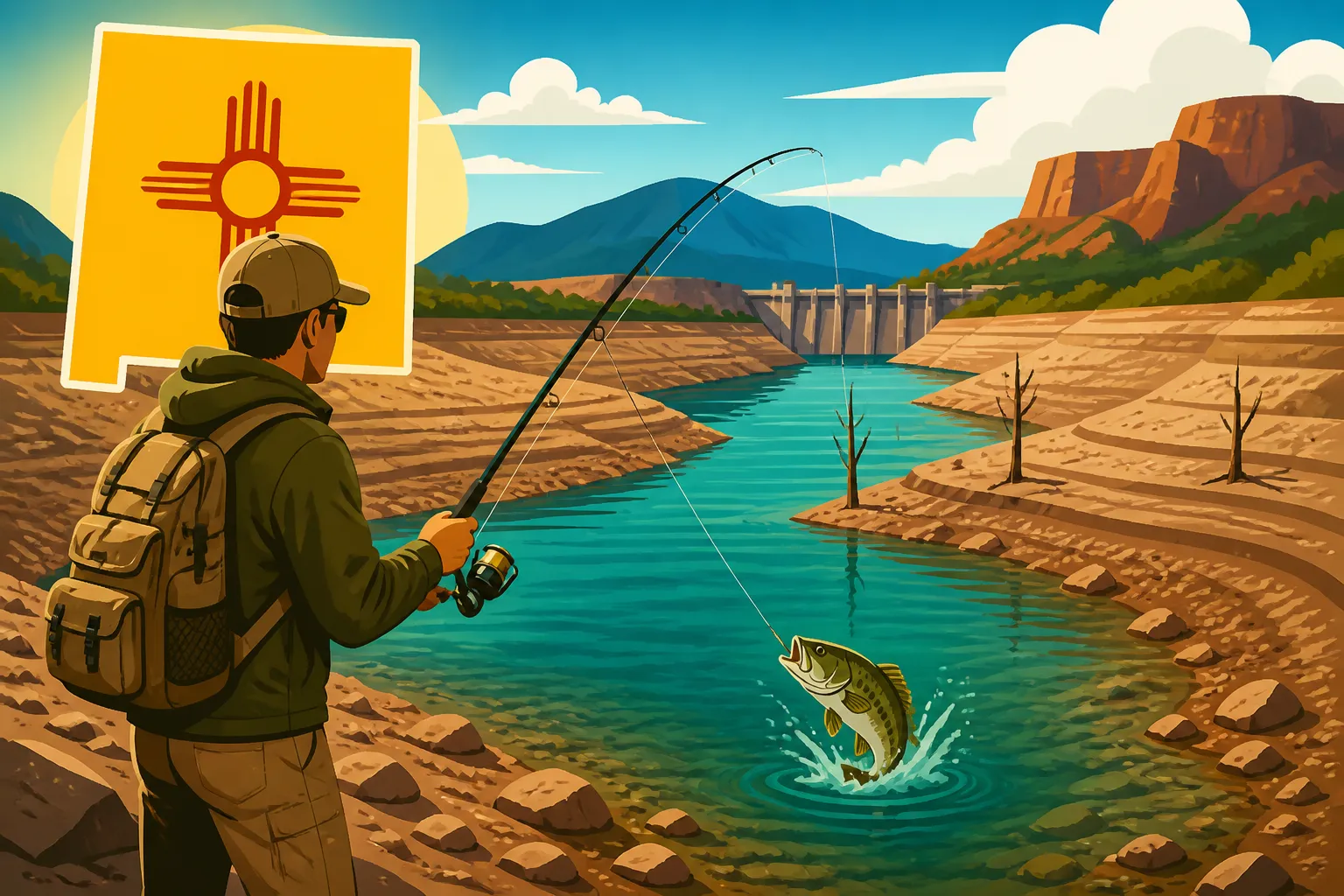
When you approach a New Mexico reservoir during a significant drawdown, the visual cues are often striking. You'll likely notice vast expanses of exposed shoreline that were once underwater, often appearing as cracked mudflats or rocky beaches. Tree stumps that were completely submerged might now stand tall and dry, remnants of a forgotten forest. Boat ramps can become dangerously shallow or entirely dry, extending into nowhere. Sometimes, you'll even see old docks far from the water's edge, silently testifying to where the lake level once was. These physical changes aren't just cosmetic; they fundamentally alter access and fish behavior.
What was once an easily accessible boat launch might now require a specialized 4×4 vehicle or be completely unusable, forcing boaters to seek out deeper, often less maintained, alternative ramps. For bank anglers, your familiar shoreline might have moved hundreds of yards away, meaning a much longer walk over sometimes challenging terrain to even reach the water. These changes demand adaptability and a keen eye for what the receding water has uncovered.
The mental shift here is crucial. Instead of fixating on the lost water, try to see the exposed land as a map. Those old roadbeds, submerged rock piles, humps, and creek channels that are now visible were once prime fish habitat. By observing these features, you gain invaluable knowledge about the lake's structure. You can mentally mark where those channels run, where the major drop-offs are, and where submerged cover once thrived. This "scouting" during low water can pay huge dividends when the water eventually returns, giving you an edge over anglers who only ever see the lake at full pool. It’s like getting a peek behind the curtain of the underwater world.
How Drawdown Reshapes the Underwater World and Fish Behavior
A shrinking reservoir fundamentally alters the aquatic environment, and consequently, the behavior of the fish that call it home. While it presents challenges, it also creates unique conditions that, if understood, can lead to surprisingly productive fishing.
Fish Concentration: A Double-Edged Sword
One of the most immediate and profound effects of drawdown is fish concentration. As the water volume decreases, fish are naturally funneled and confined into smaller, more restricted areas. For species like largemouth and smallmouth bass, walleye, crappie, and even catfish, this often means retreating to the deepest available pockets, existing creek channels, or the steepest drop-offs. Think of it like a shrinking room; everyone eventually has to crowd into the remaining space. This phenomenon can make fish easier to locate because they have fewer places to hide. Where they might have been spread across vast areas at full pool, they are now consolidated, often in predictable patterns tied to the deepest water or remaining structure. You might find a whole school of Walleye Fishing in New Mexico packed into a single cove that still holds depth.
However, this concentration is a double-edged sword. While it makes fish easier to find, it also subjects them to increased stress. Crowding can lead to competition for food, reduced oxygen levels (especially during hot weather), and heightened predator pressure. This stress can make them less aggressive, more wary, and consequently, less willing to bite. It's not uncommon for fish in highly concentrated, stressed environments to "lockjaw" or only respond to the most subtle presentations. Coldwater species, like certain trout, might struggle immensely in the warming, shrinking pools, making them particularly vulnerable. Warmwater species often adapt better, but even they feel the pressure of a reduced habitat. It's a game of survival, and while they're easier to find, convincing them to strike can be a real test of skill.
Identifying New Structure and Cover in Low Water
The silver lining of drawdown, as we touched on earlier, is the exposure of previously submerged terrain. This isn't just interesting scenery; it's an angler's goldmine for understanding lake structure. When water levels are low, you have an unparalleled opportunity to scout for features that will eventually be submerged again. Old roadbeds, sharp rock formations, underwater humps, distinct creek and river channels, and dense stands of submerged timber become clearly visible. These are not just random features; they are crucial fish highways, ambush points, and thermal refuges when the water eventually returns.
Imagine walking a dry lakebed and spotting a series of massive rock piles leading to a steep drop-off, or noticing how a defunct fence line extends far into what will eventually be deep water. These are the places fish will gravitate to. By taking photos, marking waypoints on a GPS, or simply sketching out mental notes, you're building an invaluable map for future fishing success. Knowing exactly where that brush pile sits, or where the old river channel snakes, when the lake is at full pool will give you a significant advantage. It's like getting a cheat sheet for the next fishing season.
Furthermore, existing cover in the remaining water becomes critically important. What might have been an expansive underwater forest at full pool could now be reduced to a few isolated trees or brush lines in deeper water. Fish will gravitate to these remaining cover options, seeking shelter from predators, ambush points for prey, and respite from the sun. Your task during drawdown is to identify these crucial remaining pieces of cover and understand how fish will utilize them in their shrunken habitat.
Strategic Adjustments for Successful Drawdown Fishing
Fishing during drawdown conditions demands a flexible approach. Your usual tactics might need significant modification, but with the right strategy, you can find success and even discover new favorite spots.
Locating Fish in Shrinking Habitats
The absolute first step to successful drawdown fishing is locating the fish, and this typically means finding the deepest water available. Fish, especially larger game fish, instinctively seek security and thermal refuge in depth. This might be the old river channel that snakes through the reservoir, the deepest parts of creek beds, or the steep faces of the dam. These areas offer stability in terms of temperature and oxygen, and often provide better protection from avian or land-based predators. During summer drawdowns, deep water can also offer cooler temperatures, which are vital for fish health.
If you're fishing from a boat, your electronics are your best friend. A good fish finder with side-imaging capabilities can reveal subtle depth changes, locate baitfish schools clustered in channels, and even pinpoint individual fish holding tight to submerged structure. For bank anglers, understanding the historical topography of the lake is crucial. Look at old maps or satellite images if possible, and mentally map out where those deep channels come closest to shore. Focus your efforts on these convergence points.
Beyond depth, pay close attention to any remaining submerged vegetation. While much plant life might perish as water recedes, small patches of resilient hydrilla, coontail, or pondweed can become magnets for baitfish, and consequently, for game fish. These patches offer cover, oxygen, and a food source. Also, look for transition areas: where a mud flat abruptly drops off into a rocky bottom, or where an old roadbed intersects a deep channel. These are classic ambush points where fish will lie in wait.
Lure and Bait Selection for Stressed Fish
Fish caught during drawdown conditions are often under more stress than those in full, stable waters. This stress usually translates into less aggressive feeding behavior, making finesse presentations more effective. Instead of loud, fast-moving lures, consider smaller, more subtle options. Think about downsized jigs, dropshot rigs, small shaky heads, or tiny crankbaits that mimic struggling or easy-to-catch baitfish. The retrieve should typically be slower, allowing fish ample time to inspect and commit. They're often looking for an easy meal, not a high-speed chase. For example, if you typically use large crankbaits for bass, you might switch to smaller jerkbaits or finesse worms. You can find a good selection of these smaller baits and tackle boxes on Amazon to keep your gear organized.
Natural bait can also be incredibly effective during these times. Worms, minnows, crayfish, or cut bait can appeal to fish that are more focused on calorie intake with minimal effort. What natural forage is still available in the reduced water volume? Mimicking that can be key. Even for traditional lure fishing, considering the natural color palette of the lake's forage base will increase your odds. For inspiration on techniques, check out Bass Fishing Techniques for New Mexico Lakes and adapt the principles to smaller baits and slower presentations.
Color choice also plays a significant role, particularly in what can be clearer, shallower water during drawdown. Natural colors like greens, browns, watermelon, or subtle blues are often best in clear conditions. In slightly stained or turbid water, something with a bit of flash or glow might help fish locate your offering. Don't be afraid to experiment. Keep a range of options on hand and be willing to switch if a particular presentation isn't working. Sometimes, a subtle change in color or lure profile is all it takes to trigger a bite from wary fish.
Accessing the Water and Navigating New Hazards
Accessing New Mexico reservoirs during drawdown can be one of the most significant logistical challenges, especially for boaters. Many public boat ramps might be too shallow to launch, or the ramp might simply end far short of the water's edge. This often means seeking out undeveloped areas, which might require a four-wheel-drive vehicle to navigate soft, exposed lakebeds, and even then, conditions can be tricky. Always exercise extreme caution and scout the launch area thoroughly before attempting to launch. Propellers are highly vulnerable to damage from newly exposed or barely submerged rocks and stumps. Consider using a jet drive or a smaller boat if conditions are particularly low. For general information on where to fish, see Best Places to Fish in New Mexico.
For bank anglers, while more shoreline might be exposed, the journey to the water can be longer and more arduous. You might have to trek across muddy, silty, or rocky terrain. Look for natural points, coves, and areas where the old creek channel or deepest water comes closest to shore, minimizing your walk. A lightweight, durable fishing backpack and comfortable, sturdy boots are essential for these excursions. Remember, you might be walking through areas that were underwater just weeks or months ago, so the ground can be unstable. For bank fishing gear ideas, read Best Rod for Bank Fishing New Mexico Lakes.
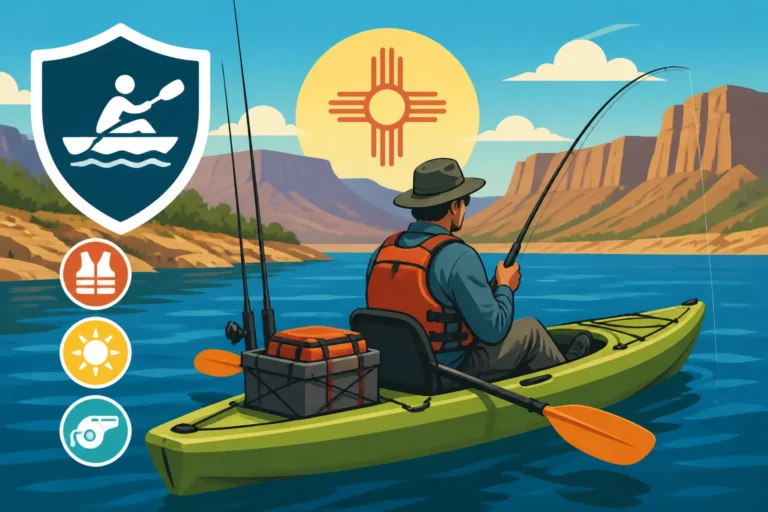
Safety is paramount during drawdown. Exposed mudflats can be deceptively soft and quickly bog down vehicles or swallow your boots. Always be aware of your footing and surroundings. Submerged hazards like rocks, stumps, old fences, and debris pose a significant risk to both boaters and waders. Always wear a life jacket, even in seemingly shallow water, as a slip on a slick rock could quickly become dangerous. It's also wise to let someone know your fishing plans and expected return time. A good pair of durable, waterproof wading boots with excellent traction is a must; many reliable options can be found on Amazon.
Essential Gear and Responsible Angling During Drawdown
Preparing correctly with the right gear and adopting a mindset of responsible angling becomes even more critical when fishing during reservoir drawdown. These conditions often put extra stress on fish and expose anglers to new environmental challenges.
Must-Have Gear for Low Water Conditions
Fishing in drawdown conditions requires a few essential pieces of gear that can make a big difference in comfort, safety, and success. First and foremost, a quality pair of polarized sunglasses is non-negotiable. They are paramount for cutting through glare on the water's surface, allowing you to spot submerged structure, hidden hazards, and even individual fish cruising in the clearer, shallower water. A good pair can be found easily on Amazon, and it's an investment that pays for itself many times over. Equally important are sturdy, comfortable wading boots or hiking boots with excellent ankle support and traction, capable of handling uneven, potentially slick, or muddy terrain.
For anglers with boats, a reliable depth finder or, ideally, a unit with side-imaging and GPS capabilities, transitions from a luxury to a necessity. This technology helps you accurately locate those crucial deep channels and submerged structure, as well as navigate around newly exposed or barely submerged obstacles that could damage your propeller or hull. A strong anchor with ample rode is also critical, allowing you to hold your position precisely in windy conditions when fishing smaller, concentrated areas. You might even consider a portable, waterproof tackle box, easily browsed and purchased on Amazon, to keep your essential gear dry and organized, especially if you're hiking to your spot.
Your tackle considerations should lean towards versatility and finesse. Bring a selection of smaller, lighter soft plastics, jig heads in various weights, and perhaps a few small crankbaits or jerkbaits. Don't forget basic safety items: a pair of fishing pliers for hook removal, a small first-aid kit for minor scrapes or cuts, and plenty of water to stay hydrated, especially under the New Mexico sun. A lightweight, collapsible landing net can also be invaluable for safely landing fish, particularly when dealing with awkward bank angles or soft bottom conditions.
Practicing Responsible Angling in Stressed Environments
When you're fishing a reservoir experiencing drawdown, it's crucial to remember that the fish you encounter are often under more stress than usual. Lower water levels can mean higher water temperatures, reduced oxygen, and increased predation pressure. Therefore, practicing responsible angling, especially if you intend to practice catch and release, becomes even more vital to the health of the fishery. Always handle fish with extreme care, minimizing their time out of the water.
When releasing fish, use wet hands to protect their delicate slime coat, which acts as their primary defense against disease. Support the fish horizontally, especially larger specimens, and gently revive them in the water, ensuring they are strong enough to swim away on their own. Consider using barbless hooks, which cause less damage and make hook removal quicker and easier, reducing stress on the fish. For more detailed guidance, consult Catch and Release Best Practices in New Mexico.
Beyond handling, responsible angling also means adhering strictly to all New Mexico Fishing Regulations Overview and bag limits. If you observe that a particular area is experiencing heavy fishing pressure and fish appear visibly stressed or are showing signs of disease, consider moving to a different location or even taking a break to allow the fish to recover. Conservation is a collective effort. By making informed choices and respecting the environment, we can help ensure that New Mexico's reservoirs remain viable and productive fisheries, even during the challenging periods of drawdown. Knowing when and where to fish responsibly, as outlined in New Mexico Fishing Season Calendar, is part of being a good steward of our natural resources.
| Feature | Normal Reservoir Conditions | Drawdown Conditions |
|---|---|---|
| Fish Distribution | Spread out, abundant habitat, varied depths | Concentrated in deeper pockets, channels, limited cover |
| Angler Access | Multiple boat ramps, extensive shoreline for bank fishing | Limited boat ramps, long walks to water for bank anglers |
| Cover/Structure | Submerged timber, rock piles, vegetation hidden | Exposed structures (roads, channels) visible; limited remaining submerged cover |
| Water Clarity | Can vary, but often more stable | Can be clearer in deep zones; potentially muddy in shallow, disturbed areas |
| Angler Strategy | Explore vast areas, diverse techniques | Focus on depth, finesse tactics, safety, and scouting |
Disclaimer
This article is for general informational purposes only and does not constitute professional advice. Laws, prices and regulations vary by location and change over time. Consult a qualified professional for guidance on your specific situation.