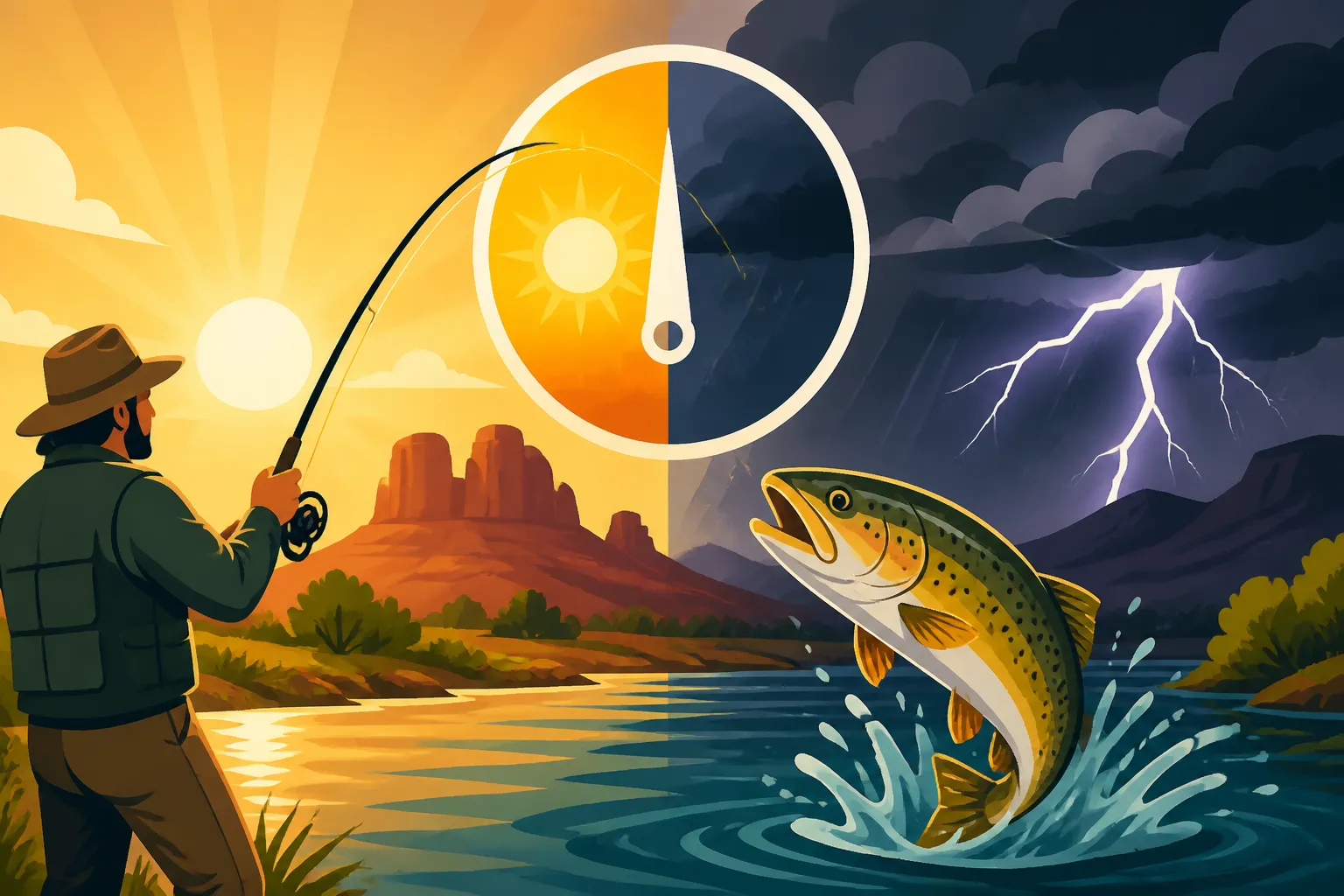
Best Time to Fish Before a Storm Rolls In
It's happened to every angler in New Mexico: you're out on the water, the bite is slow, and then you notice the clouds starting to build, or the wind shifts, and suddenly the fish turn on like a light switch. That fleeting window before a storm hits can offer some of the most exhilarating fishing, but it's often misunderstood, and frankly, a bit tricky to predict. This guide will help you understand the science, read the signs, and equip yourself to maximize your chances when those storm clouds start gathering over our beautiful high desert landscapes.
The Science Behind the Bite: Why Fish React to Approaching Storms
Many anglers swear by the pre-storm bite, and it's not just a fishing myth. Fish, like most animals, are incredibly attuned to changes in their environment. An approaching storm brings with it a cascade of shifts in atmospheric pressure, light, and water conditions, all of which can influence fish behavior dramatically. Understanding these elements is key to knowing when to hit the water.
Barometric Pressure: The Silent Stimulus
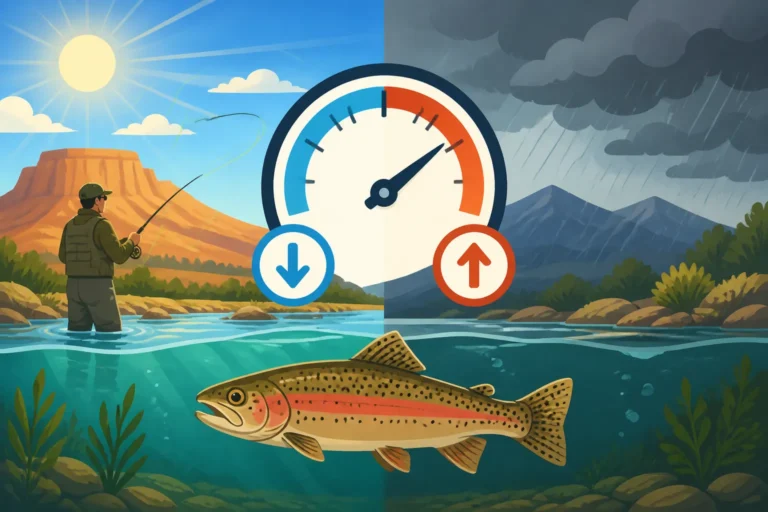
One of the most significant factors influencing fish before a storm is barometric pressure. Think of it like this: fish have an internal swim bladder that helps them regulate buoyancy. When the atmospheric pressure begins to drop rapidly, as it does before a storm, it can cause discomfort in their swim bladders. To compensate and equalize the pressure, fish often become more active, moving around more and, critically, feeding aggressively.
This is a survival instinct. They know bad weather is coming, and instinct tells them to fill up while the going is good, before the intense low pressure or the storm itself makes feeding difficult or less appealing. You'll often see trout, for instance, move from deeper, more stable waters into shallower riffles or feeding lanes. Bass might venture out from heavy cover they've been hiding in all day. It’s their last hurrah before hunkering down. The most intense feeding often occurs during the initial, steepest drop in pressure, right as the storm is about to break, but before it actually starts raining or thundering.
Light Conditions and Forage Availability
Beyond pressure, the change in light conditions plays a huge role. As heavy clouds roll in, the amount of light penetrating the water surface decreases significantly. This reduced light can make fish feel more secure and less vulnerable to predators. It's like flipping a switch on their caution radar. Species that are typically shy in bright sunlight, like many larger trout or walleye, become more confident and willing to move out of cover to feed.
This dimming light also affects their prey. Insect hatches can be triggered by sudden temperature or pressure changes, making food readily available. Baitfish might become disoriented or more active, presenting easier targets. Imagine a school of minnows suddenly darting erratically – that's a beacon for a hungry bass or a lurking pike. So, while you might be squinting at the darkening sky, the fish are seeing a prime opportunity for a meal.
Wind and Water Stirring
Before a full-blown storm hits, there’s often a period of increasing wind. While extreme wind can make fishing nearly impossible, a moderate breeze can actually be beneficial. This initial wind stirs up the water, creating ripples and small chop on the surface. These ripples break up the water's surface, making it harder for fish to spot you and your line, offering an extra layer of camouflage for anglers.
More importantly, a gentle wind can dislodge terrestrial insects from overhanging branches, or stir up detritus and baitfish from the bottom, effectively presenting a smorgasbord to hungry fish. This agitation can also oxygenate certain areas of the water body, drawing fish to those zones. However, there's a fine line. Too much wind, or a sudden, violent gust, will usually send fish seeking cover and make casting a nightmare for you. It's that sweet spot of increasing breeze, just before the real blow, that can be gold.
Reading the Skies: Identifying the Prime Pre-Storm Window in New Mexico
Okay, so we know why fish react, but the big question is when? New Mexico weather, especially in the high desert, can be notoriously fickle. One minute it's clear blue skies, the next you're dodging lightning. Learning to read the subtle cues of an approaching storm, and understanding the differences between storm types, can make all the difference.
Deciphering Weather Patterns: From Clear Skies to Changing Fronts
Becoming a savvy weather observer is a lifelong pursuit for any serious angler. While checking your phone's weather app is a good start, nothing beats observing the environment firsthand. Look for changes in cloud formation – rapidly building cumulus clouds often signal thunderstorms. A shift in wind direction, often from a southerly to a westerly or northerly flow, can indicate an approaching cold front. And of course, a sudden drop in temperature or a distinct "heavy" feeling in the air can precede a storm.
In New Mexico, particularly, the mountains can create their own microclimates. Storms might brew over the Sangre de Cristos and roll down into the valleys. Keep an eye on the horizon, not just overhead. Many anglers carry a small, portable barometer (you can find affordable options on Amazon) to track pressure changes more precisely. A rapidly falling barometer is your golden ticket. It validates the frustration of having seemingly good weather turn bad in an instant, but with observation, you can often predict that shift and leverage it.
Timing for Different Storm Types
Not all storms are created equal, and the timing of the "hot bite" window varies:
- Thunderstorms: These are often intense but relatively short-lived. The best fishing window is usually quite brief, right as the dark clouds are building and the pressure is dropping fast, just before the first rumble of thunder. Once the lightning starts, or the heavy rain hits, it's time to pack up. The fish will often shut down, and your safety is paramount.
- Cold Fronts: These fronts bring a more gradual and prolonged drop in barometric pressure. This can mean a longer, sustained period of increased fish activity before the front officially arrives. However, once the cold front passes and high, stable pressure settles in, fishing often becomes much tougher. Fish can get lockjaw for days after a significant cold front. Your best bet is to fish the leading edge.
- Monsoon Season: New Mexico's unique monsoon season brings predictable afternoon thunderstorms, typically from July through September. This means your mornings can be fantastic! The pressure begins to drop gradually in the late morning, and by early afternoon, fish are often very active before the daily storms roll in. Plan your trips around this: fish early, get off the water before the severe weather. If you're looking for more detailed information, our article on Fishing During Monsoon Season in New Mexico has excellent advice.
When to Hold 'Em and When to Fold 'Em
Knowing when to leave is as important as knowing when to start. As exhilarating as the pre-storm bite can be, safety should always come first. Lightning is a serious threat, especially on open water or near tall trees. If you hear thunder, it’s already too close. Pack it in. Flash floods are another real danger in New Mexico, particularly in arroyos and canyons that can fill with rushing water in minutes. Keep an eye on distant storm clouds, even if they're not directly overhead. Rising water levels can also create dangerous currents in rivers and streams.
It's tempting to try and squeeze in "just one more cast," but it's never worth the risk. A good rule of thumb: if you feel the hair on your arms stand up, or your rod starts to hum, drop everything and seek shelter immediately. Remember, the fish will still be there tomorrow (or after the storm passes and things settle).
Strategic Approaches: Gear and Techniques for Pre-Storm Success
You've read the signs, the pressure is dropping, and the fish are stirring. Now, how do you capitalize on this fleeting window of opportunity? It's all about having the right gear and adapting your presentation to the conditions.
Essential Gear for Pre-Storm Angling
Being prepared for unpredictable weather is non-negotiable in New Mexico. Here’s a quick checklist:
- Rain Gear: A high-quality, waterproof rain jacket and pants are crucial. You can find excellent, durable options on Amazon that won't break the bank. Layering is key, as temperatures can drop quickly.
- Barometer: As mentioned, a portable barometer can be a fantastic tool for pinpointing that optimal pressure drop. Many fishing watches now include this feature, or you can find dedicated handheld units on Amazon.
- Polarized Sunglasses: Even with cloud cover, polarized lenses help cut glare and allow you to see into the water, spotting fish or structure more easily.
- Sturdy Landing Net: When fish are aggressive, they can put up a strong fight. A good landing net helps you quickly and safely land your catch, especially if you plan to Catch and Release Best Practices in New Mexico.
- Extra Layers: New Mexico weather can be wild. A sudden storm can drop temperatures significantly. Always have an extra fleece or waterproof shell.
When it comes to lures and baits, you might want to consider choices that stand out in lower light or agitated water. Think brighter colors, lures with rattles, or those that create more vibration. For specific recommendations, check out our guides on Best Lures for New Mexico Trout and Best Lures for New Mexico Bass.
Adapting Your Presentation
With fish often more aggressive, you can afford to be more assertive with your presentation.
- Faster Retrieves: If you're using lures or spinners, a slightly faster retrieve can often trigger a reaction strike from an actively feeding fish. They might be less scrutinizing and more impulsive.
- Varying Depths: Fish can move around a lot during a pressure drop. Don't be afraid to try different depths. Start shallower, then work your way deeper until you find where they're holding.
- Targeting Structure: Fish will often relate to structure (rock piles, submerged trees, weed lines) both for ambush points and for potential shelter. During pre-storm activity, they might move out from deeper cover to the edges of this structure to feed.
- Consider Water Clarity: If the pre-storm wind has muddied the water, switch to darker, more opaque baits or lures that provide a strong silhouette, or go with noisier options that fish can locate by vibration.
Targeting Specific New Mexico Species
Different fish species will react to pre-storm conditions in unique ways. Knowing these nuances can help you fine-tune your approach.
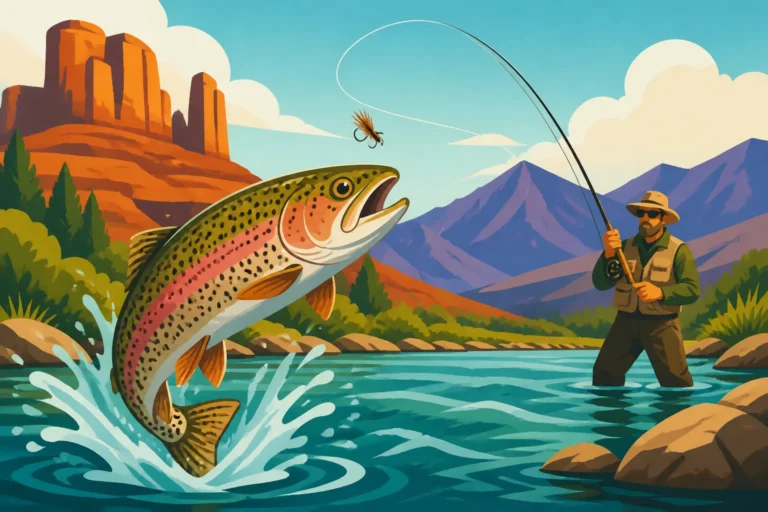
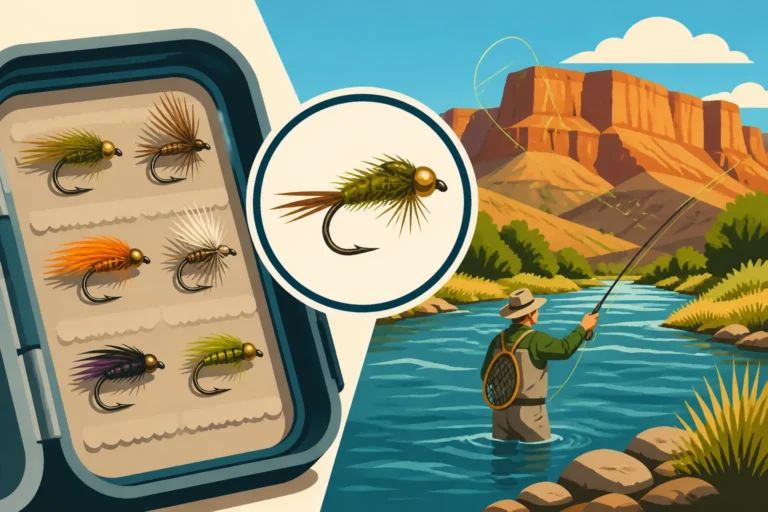
- Trout: For our beautiful New Mexico trout species, including the Rainbow Trout Fishing in New Mexico found in many of our waters, the pre-storm window can be fantastic. They might become more aggressive, hitting nymphs and streamers with gusto. Sometimes, a sudden gust of wind will knock terrestrials into the water, making grasshopper or beetle patterns deadly on a fly rod. Focus on areas where they might be staging to feed, like the heads of pools or along current seams. Our Trout Species in New Mexico article has more on what you might encounter.
- Bass: Both largemouth and smallmouth bass in New Mexico lakes tend to become incredibly active before a storm. Topwater lures can be explosive as the light dims and bass get into an aggressive mood. Spinnerbaits, chatterbaits, and crankbaits can also be very effective as they create vibration and mimic fleeing baitfish. If you're fishing one of the many lakes known for Largemouth Bass Fishing in New Mexico, this is your prime time.
- Walleye: Often elusive, walleye can offer an incredible bite just before a storm. They might move shallower or become more willing to chase down a jig or crankbait. Focus on transition areas where they might move from deeper haunts to shallower feeding flats. Lakes known for Walleye Fishing in New Mexico like Conchas or Ute can really turn on.
Safety, Ethics, and Post-Storm Considerations
While the focus is on the excitement of fishing before a storm, it's vital to maintain a balanced perspective. Your well-being and responsible angling practices are paramount, and understanding what happens after the storm can also inform your future fishing plans.
Prioritizing Your Well-being
We can't stress this enough: no fish is worth risking your life. New Mexico's high desert environment means that storms can bring not just lightning, but also sudden, intense downpours that lead to flash flooding. River levels can rise dramatically, turning calm waters into raging torrents. Banks can become slick and unstable. Always have an escape route in mind, especially if you're fishing in a canyon or an arroyo. Inform someone of your fishing plans and expected return time.
If you find yourself caught in an unexpected storm, seek immediate shelter. Get off the water, away from tall trees, and avoid being the highest point in an open field. If you're on a boat, head for shore as quickly and safely as possible. Being prepared with good rain gear means you might stay dry if you get caught, but it won't protect you from lightning.
Respecting the Environment and Wildlife
During these high-pressure moments of pre-storm feeding, fish can be particularly vulnerable. If you're practicing catch and release, be extra mindful of how you handle the fish. Rapid pressure changes and the stress of being caught can take a toll. Minimize their time out of the water, handle them gently with wet hands, and ensure they are revived properly before release. Our guide on Catch and Release Best Practices in New Mexico offers comprehensive advice on how to do this responsibly.
It's also important to be aware of your surroundings. Increased winds can blow trash, and heavy rains can wash pollutants into waterways. Pack out everything you pack in, and if you see litter, consider taking a moment to pick it up. We are stewards of these beautiful New Mexico fishing grounds.
What Happens After the Storm?
Once the storm has passed, the fishing conditions often change significantly. Generally, right after a major storm, especially a cold front, fishing tends to slow down. The fish, having fed aggressively, may enter a post-frontal funk, becoming lethargic and less willing to bite. The barometer will be high and stable, which often correlates with tougher fishing.
However, if it was a warm rain, or if the storm brought fresh water and cooler temperatures without a dramatic cold front, things can sometimes pick up again. Runoff from heavy rains can flush nutrients and insects into the water, but it can also muddy the water and disorient fish. If you're keen to understand how to fish when the waters are churning, our detailed article on Fishing After Runoff in New Mexico is a great resource.
Ultimately, understanding the "before" the storm bite is about being informed, prepared, and safe. New Mexico offers incredible fishing opportunities, and knowing how to navigate the vagaries of its weather will only enhance your experience, helping you land more fish and create lasting memories. Keep an eye on the sky, feel the changes in the air, and be ready to cast when that prime window opens! For a broader understanding of fishing throughout the year, explore our Best Time of Year to Fish in New Mexico and New Mexico Fishing Season Dates and Limits guides. And don't forget to review your Best Fishing Gear for New Mexico Anglers to ensure you're always ready for whatever the weather throws at you.
Disclaimer
This article is for general informational purposes only and does not constitute professional advice. Laws, prices and regulations vary by location and change over time. Consult a qualified professional for guidance on your specific situation.