How to Fish High Mountain Lakes in Summer
There's nothing quite like the allure of New Mexico's high mountain lakes in the summer. Picture it: crystal-clear, glacier-fed waters nestled among towering peaks, alpine meadows blooming, and the crisp, clean air invigorating your spirit. It's a truly magical experience, but let's be honest, successfully fishing these pristine, often remote, bodies of water presents a whole different set of challenges than your average roadside pond. If you've ever felt frustrated by the lack of bites in seemingly perfect conditions, or simply wondered how to approach these unique fisheries, this guide is for you. We'll delve deep into the strategies and gear you need to turn those stunning vistas into memorable catches.
Understanding the High Mountain Lake Environment in Summer
Fishing high mountain lakes isn't just about showing up with a rod and reel. These environments are distinct, and understanding their unique characteristics is the first step to success. The thin air, intense sun, and sometimes fickle weather create a specific habitat that influences trout behavior.
Unique Challenges of High-Altitude Fishing
Forget what you know about fishing lowland lakes; high-altitude environments play by different rules. First, the air is thinner, which means the sun's UV rays are far more intense. You can get sunburned incredibly quickly, even on a cloudy day, and the glare off the water can make it nearly impossible to spot fish without proper eye protection. The weather is also famously unpredictable; a calm, sunny morning can quickly turn into an afternoon thunderstorm, complete with hail and dramatic temperature drops. This rapid change means you need to be prepared for anything, not just for your comfort but for your safety.
Secondly, these lakes are often fed by snowmelt, keeping the water surprisingly cold, even in the dog days of summer. This constant cold water impacts everything from insect hatches to fish metabolism. Trout in these waters tend to be wilder, more wary, and often less numerous than their stocked cousins in more accessible locations. They're also often smaller, but what they lack in size, they make up for in beauty and fight. The limited food sources, combined with intense predation from birds of prey and other animals, means these fish are opportunists, but they're also incredibly sensitive to disturbance. It’s a delicate balance that makes success feel earned.
When the Ice Melts and the Fish Get Active
The high mountain lakes in New Mexico typically thaw out in late spring or early summer, sometimes as late as June, depending on the snowpack. This period, often called "ice-out," can be absolutely phenomenal for fishing. As the ice recedes, the water begins to warm slightly, triggering insect activity and making the trout more active as they shake off their winter dormancy. This is when you'll find a flurry of activity, as fish try to pack on calories before the toughest parts of summer. Knowing When New Mexico's High Lakes Thaw Out? can give you a significant advantage in planning your trips.
Early summer, right after ice-out and through July, is often the prime window. The fish are hungry, and hatches are usually abundant. You might encounter vibrant caddis, mayflies, and even terrestrial insects blown in from the shore. The water levels will likely be at their highest due to snowmelt runoff, but as summer progresses into August and September, water levels may drop slightly, and the fish might move into deeper, cooler pockets. Late summer and early fall can still be excellent, especially as the trout start to feel the urgency of colder weather approaching, but the peak for surface activity often tapers off a bit as the season matures.
Essential Gear and Tackle for High Mountain Lakes
When you're hiking into remote locations, every ounce of gear counts. You want reliable, effective tackle without overburdening your pack. This isn't the time for a heavy, bulky bass setup.
Rods, Reels, and Line Selection
For high mountain trout, finesse and portability are key. A lightweight spinning rod, typically in the 5 to 6.5-foot range with a light or ultralight action, is perfect. This allows for delicate presentations while still having enough backbone to handle a feisty cutthroat or rainbow. Pair it with a small, quality spinning reel (size 1000 or 2000) spooled with 4-6 pound test monofilament or fluorocarbon line. Monofilament offers a bit more stretch, which can be forgiving with light line and strong fish, while fluorocarbon is nearly invisible in the clear water and offers greater sensitivity. Many anglers find a balance by using monofilament as their main line and then adding a short fluorocarbon leader for stealth.
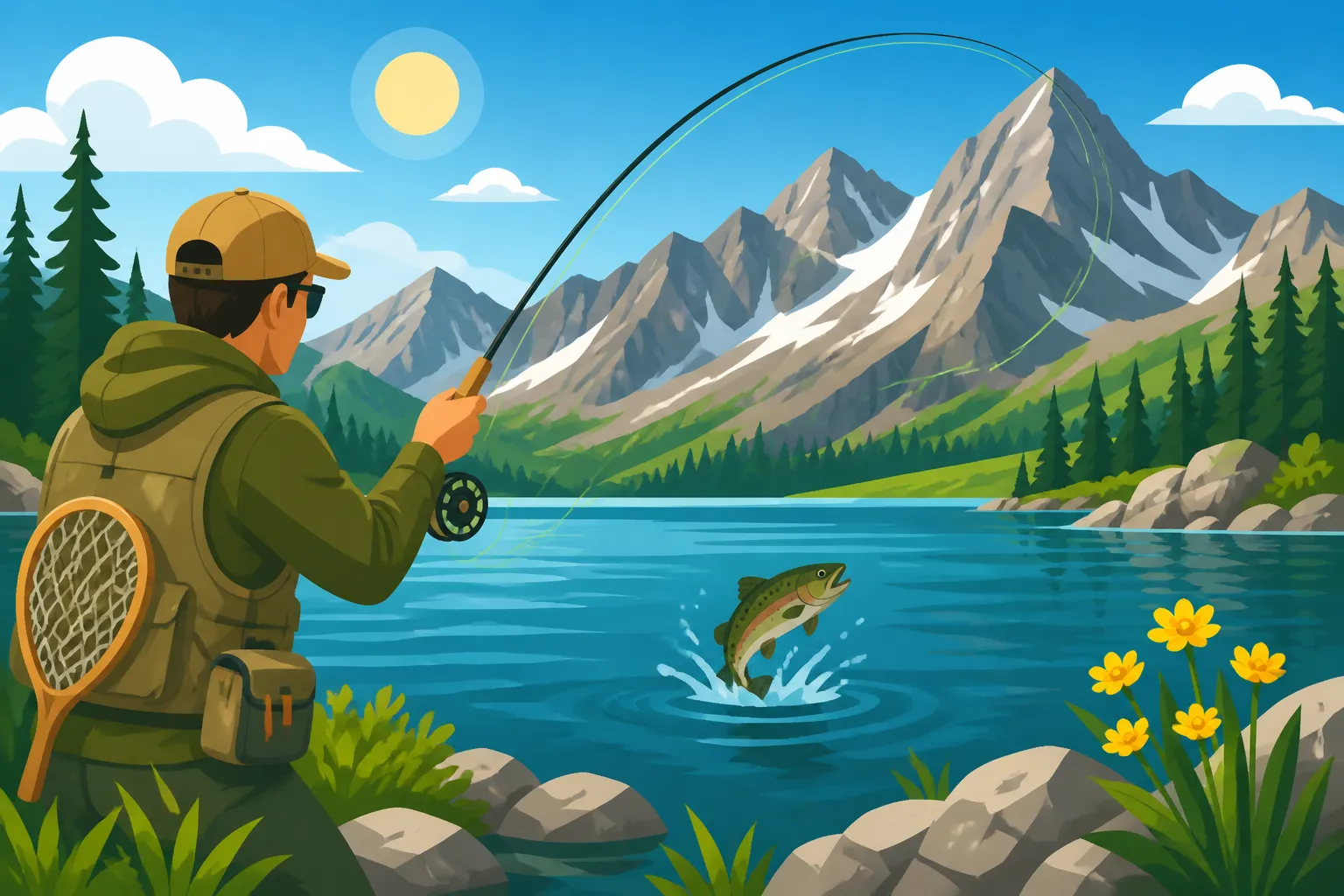
If fly fishing is your passion, a 3-weight or 4-weight fly rod in a 7.5 to 9-foot length is ideal. These lighter rods handle smaller flies and offer a delicate presentation, which is crucial for spooky high-country trout. A weight-forward floating line is versatile for most situations, but having a spare spool with an intermediate sink-tip can be invaluable for getting flies down to deeper fish during midday lulls. Remember, compactness is a bonus for backcountry travel, so consider multi-piece rods that break down easily and fit into a backpack. You can often find great deals on these kinds of specialized setups on platforms like Amazon.
Lures, Baits, and Flies That Produce
The clear waters of high mountain lakes mean that artificial lures and flies often need to mimic natural food sources closely. Think small, natural, and sometimes flashy to trigger a reaction strike. For spin fishermen, small inline spinners like a #0 or #1 Panther Martin, Mepps Aglia, or Rooster Tail in gold, silver, or black are perennial favorites. Small spoons such as a 1/8 oz Kastmaster or Thomas Buoyant also work exceptionally well, especially when cast far and retrieved slowly. Tiny jigs, like a 1/32 oz or 1/16 oz Trout Magnet or micro-jigs, tipped with a small piece of PowerBait or a Gulp! Minnow, can also be deadly. When it comes to finding Best Lures for New Mexico Trout, versatility is key, as conditions can change rapidly.
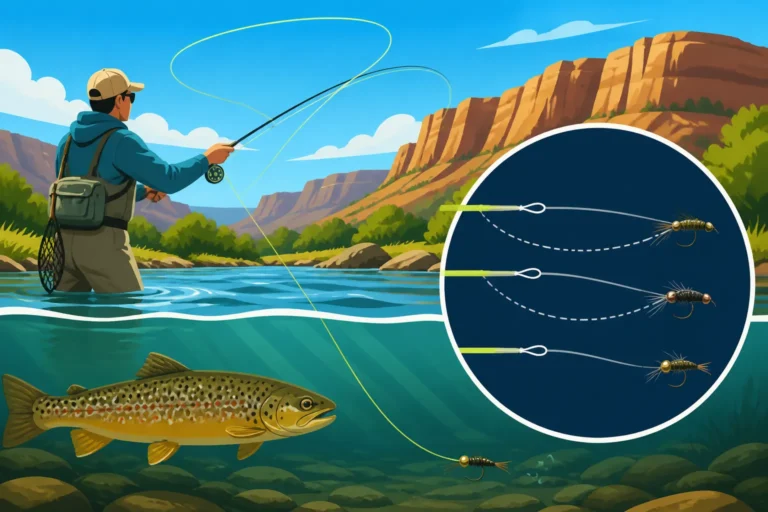
Fly anglers should carry a good selection of both dry flies and nymphs. For dries, patterns like Parachute Adams, Elk Hair Caddis, Mosquito, and various ant or beetle imitations in sizes #14-18 are essential for when fish are rising to insects on the surface. For subsurface action, Prince Nymphs, Pheasant Tail Nymphs, Hare's Ear Nymphs, and even small Woolly Buggers (black, olive, or brown) in sizes #12-16 are excellent choices. Don't forget terrestrial patterns like hoppers and stimulators, especially later in the summer when grasshoppers are abundant in the surrounding meadows. While many high mountain lakes are artificial-lure-only, if bait fishing is permitted, a small container of worms (like red wigglers) or PowerBait (in chartreuse or rainbow) can be incredibly effective, especially for stocked trout. You can learn more about Best Bait for New Mexico Trout for specific situations.
Apparel and Essential Backcountry Safety Gear
Preparation for a high mountain lake trip extends far beyond just fishing tackle. Your personal gear is paramount for comfort and safety. Layering is non-negotiable. Start with a moisture-wicking base layer, add an insulating mid-layer (fleece or down), and top it off with a waterproof and windproof shell. Temperatures can swing wildly from chilly mornings to warm afternoons, then back to freezing if a storm rolls in. A wide-brimmed hat, polarized sunglasses (to cut glare and protect your eyes from intense UV), and plenty of high SPF sunscreen are absolute must-haves. When hiking in, a good Best Fishing Backpack for Hiking to High Lakes will make all the difference, comfortably carrying your gear and provisions. Consider a pack that offers good ventilation and weight distribution.
Beyond apparel, a few safety items are critical. A reliable water filter or purification tablets are essential, as you'll need to stay hydrated. A comprehensive first-aid kit, a headlamp (even for day trips, just in case), and a fire starter are basic emergency items. Always carry a map and compass or a GPS device/smartphone with downloaded offline maps, as cell service is often nonexistent. Inform someone of your itinerary and expected return time. A personal locator beacon (PLB) or satellite messenger like a Garmin inReach is a wise investment for truly remote trips. Also, don't underestimate the importance of insect repellent in some areas. A strong Best Sunscreen for High-Altitude Fishing Trips is also crucial for exposed conditions.
Strategic Approaches to Finding and Catching High Mountain Trout
Finding trout in these expansive, clear lakes can feel like searching for a needle in a haystack. But with a strategic approach and keen observation, you can significantly increase your chances of success.
Reading the Water and Identifying Holding Zones
High mountain trout, especially wild ones, are masters of camouflage and efficiency. They're not going to expend energy unless they have to, so they'll hold in areas that offer protection, food, and cover. Start by looking for structure along the shoreline: large rocks, fallen trees, submerged logs, or ledges. These spots provide cover from predators and current, as well as ambush points for passing prey. Inlets and outlets, where streams flow into or out of the lake, are also prime locations, as they often carry in food and oxygenate the water.
Look for changes in depth; drop-offs and submerged points often concentrate fish. In shallower areas, watch for deeper channels or pockets. The clearer the water, the more you'll need to be stealthy; approach the water's edge slowly and keep a low profile to avoid spooking fish. Observe the surface for any signs of feeding activity—a subtle dimple might indicate a trout sipping insects, while a more aggressive splash could mean a larger fish chasing prey. If you're on a multi-day trip, taking note of these active zones throughout the day can inform your strategy for subsequent fishing sessions.
Effective Techniques for Different Situations
Once you've identified potential holding areas, it's time to present your offering. For bank anglers, fan casting is an effective way to cover a lot of water. Cast to different depths and retrieve at varying speeds until you find what the fish are responding to. A slow, steady retrieve with occasional pauses often works best, especially with spinners and spoons. If you're using bait, a simple slip-sinker rig or a bobber setup can be effective, allowing your bait to drift naturally near the bottom or suspend at a desired depth.
Wading can allow you to reach areas inaccessible from the bank, but always proceed with caution in unfamiliar waters, especially if the bottom is rocky or slippery. If you're using a float tube or a small, lightweight kayak, you unlock even more potential. These crafts allow you to cover vast stretches of water, access deeper sections, and position yourself perfectly for casting to structure. When fishing from a float tube, try to stay quiet and make long casts to avoid spooking fish directly beneath you. Many anglers find How to Fish From an Inflatable Float Tube to be an incredibly effective and relaxing way to explore these waters. For those who prefer a more rigid craft, Kayak Fishing Techniques for New Mexico Lakes can provide a stable platform for longer excursions.
Timing Your Attack: Best Times of Day and Seasonal Considerations
Just like with any fishing, timing is often everything. In high mountain lakes during summer, the best fishing often occurs during the "golden hours" – early morning, from first light until a few hours after sunrise, and late evening, from a couple of hours before sunset until dusk. During these cooler periods, insects are more active, and trout feel more comfortable moving into shallower water to feed. This is when you're most likely to see surface activity and have success with dry flies or shallow-running lures.
Mid-day can be challenging. The intense sun drives fish into deeper, cooler water, and they become less active. This is when nymphing, streamer fishing, or using weighted lures to target deeper holding spots becomes more effective. However, don't write off midday entirely, especially if a cloud cover moves in or a thunderstorm approaches, which can briefly kick-start a feeding frenzy. Understanding Best Time of Day to Catch Trout in Summer Heat can really help you maximize your limited time on the water.
Seasonally, early summer (post-thaw) is often the easiest, as fish are hungry and widespread. As summer progresses, the fish might become more selective and move deeper. Early fall, with its cooler temperatures and often vibrant foliage, can also offer fantastic fishing as trout feed heavily in preparation for winter.
Conservation and Ethics in Fragile Ecosystems
The beauty and solitude of New Mexico's high mountain lakes are precious. As anglers, we have a responsibility to protect these fragile ecosystems.
Catch and Release Best Practices
Many of New Mexico's high mountain lakes are managed as catch-and-release fisheries or have strict limits on trout, especially for native species like the Rio Grande Cutthroat. Even where you can keep fish, practicing catch and release for a significant portion of your catch helps sustain healthy populations. Always use barbless hooks (or pinch down the barbs on your hooks) as they cause less damage and are easier to remove. Minimize handling the fish; keep it in the water as much as possible. If you must handle it, do so with wet hands and support its body, especially its belly. Avoid squeezing the fish or touching its gills. A quick photo is fine, but get the fish back into the water as soon as possible. Gently revive it if necessary, holding it facing into the current or moving it slowly back and forth until it swims away under its own power. These practices are detailed in Catch and Release Best Practices in New Mexico and are vital for the longevity of these fisheries.
Leave No Trace Principles
The "Leave No Trace" philosophy is paramount in backcountry environments. Whatever you pack in, you must pack out – and that means everything, including food scraps, fishing line, and human waste. Plan ahead and prepare by understanding the specific regulations for the area you're visiting. Camp in designated areas if available, and keep your campsites clean. Respect wildlife by observing from a distance and never feeding them. Pack out all garbage, even if it's biodegradable. Bury human waste at least 200 feet from water sources and trails. By adhering to these principles, we ensure that these breathtaking high mountain lakes remain pristine for generations of anglers to come. The overall New Mexico Trout Fishing Rules also include these considerations.
High Mountain Lake Fishing Strategy Comparison
Here's a quick look at the pros and cons of different fishing methods commonly used in New Mexico's high mountain lakes during summer:
| Method | Pros | Cons | Best For |
|---|---|---|---|
| Spin Fishing | Easy to learn, covers water quickly, versatile with many lure types. | Can be less subtle than fly fishing, requires carrying lures. | Beginners, covering large areas, targeting deeper fish, windy conditions. |
| Fly Fishing | Highly subtle presentation, excellent for selective trout and hatches. | Steeper learning curve, can be challenging in windy conditions, requires precise casting. | Educated trout, active hatches, clear water, sight fishing. |
| Bait Fishing | Often highly effective, particularly for stocked fish or slower days. | May not be permitted in all waters, fish can swallow hooks, requires keeping bait fresh. | Beginners, kids, difficult bite days (where permitted). |
| Wading | Allows access to areas inaccessible from shore, stealthy approach. | Limited range, can be hazardous in deep/fast water, requires proper waders and boots. | Smaller lakes, specific shoreline structure, stalking visible fish. |
| Float Tube | Excellent mobility, stealthy, allows access to deeper water. | Requires carrying extra gear, can be slow, challenging in strong winds or large lakes. | Medium to large lakes, calm conditions, reaching offshore structure. |
| Kayak | More stable than float tube, greater speed, good for covering distance. | Heavier to transport (especially to remote lakes), more expensive, can still be affected by wind. | Larger lakes, longer trips, covering significant water, moderate winds. |
When you're packing for these high-elevation trips, remember that every piece of gear you bring needs to justify its weight and bulk. Items bought from places like Amazon can often save you money and offer lightweight options suitable for backpacking. Consider multi-purpose items and always prioritize safety. Understanding the characteristics of various Trout Species in New Mexico can also help you tailor your approach to what you're likely to encounter. For general tips that apply to all high-altitude fishing, check out our guide on High Altitude Fishing Tips for New Mexico.
Fishing New Mexico's high mountain lakes in summer is an experience that transcends mere angling. It's an opportunity to connect with nature, test your skills, and create memories in some of the most stunning landscapes the state has to offer. Go prepared, stay safe, and fish thoughtfully, and you'll find these trips incredibly rewarding.
Disclaimer
The information provided in this guide is for general informational purposes only and does not constitute legal advice. Fishing regulations and conditions in New Mexico can change, and it is the angler's responsibility to consult the most current New Mexico Department of Game and Fish regulations before engaging in any fishing activity. Always prioritize safety and environmental stewardship when enjoying the outdoors.