Best Time to Fish New Mexico After Spring Runoff
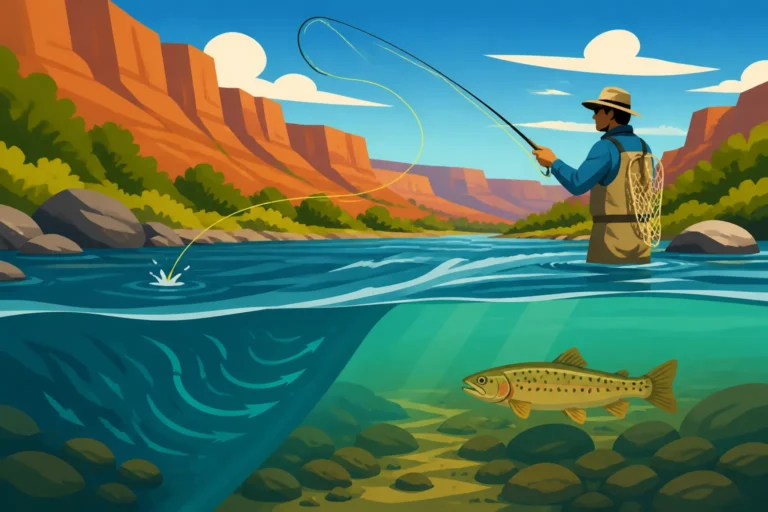
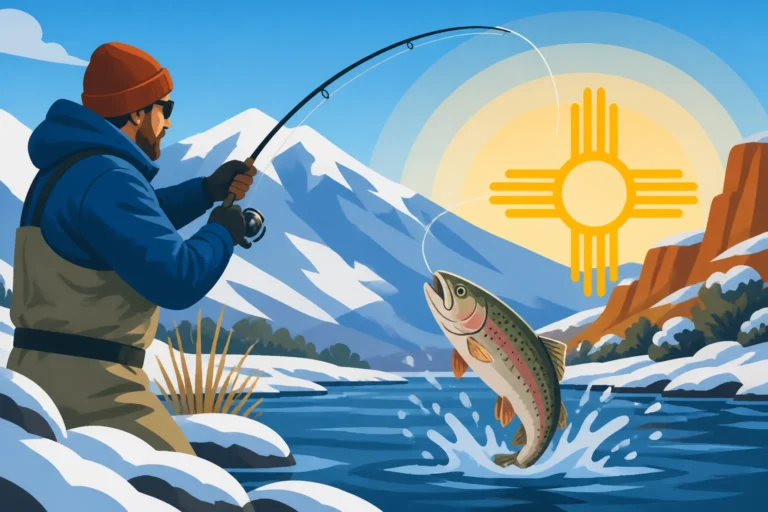
It's a familiar sight for many New Mexico anglers: spring arrives, the sun shines, and you're itching to hit your favorite river or lake, only to find the water a churning, muddy torrent. That post-winter anticipation quickly turns to frustration as swollen rivers seem unfishable. This guide will walk you through how to understand spring runoff in New Mexico, identify the optimal fishing windows when conditions improve, and equip you with the strategies and gear needed to find success as the waters settle.
Understanding Spring Runoff in New Mexico
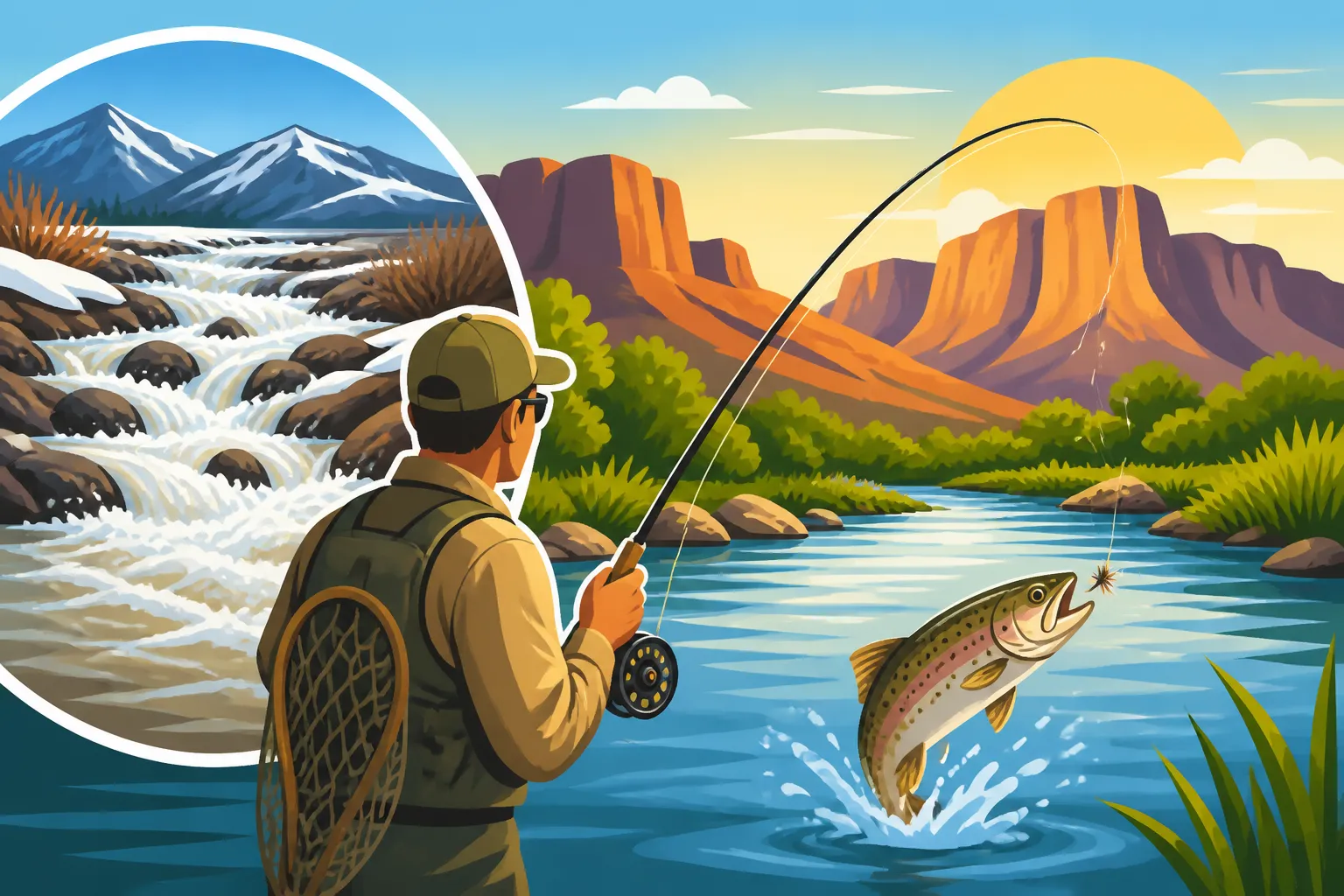
New Mexico’s diverse landscape, with its towering mountains and vast desert plains, means that spring runoff is a critical, yet often challenging, period for fishing. Unlike regions that experience consistent rainfall, our waters are heavily dependent on the winter snowpack melting down from peaks like the Sangre de Cristos and the Jemez Mountains. This annual melt is a vital lifeblood for our rivers and reservoirs, but it can turn prime fishing spots into raging, murky torrents for weeks or even months. The sheer volume of cold, silty water drastically alters the aquatic environment, making it incredibly difficult for fish to see your offerings and for you to navigate the powerful currents. It's a waiting game, and knowing what to watch for can make all the difference between a wasted trip and a memorable day on the water.
The Dynamics of Snowmelt and River Flow
The exact timing and intensity of New Mexico's spring runoff are always a bit of a gamble, largely dictated by how much snow we get in the winter and how quickly it melts in the spring. A heavy snowpack, coupled with a sudden warming trend or significant spring rains, can lead to a rapid and dramatic increase in river flows. Think of rivers like the Rio Grande or the Pecos River, which can transform from manageable flows into roaring rapids, carrying not just water but also a substantial amount of sediment and debris.
High-elevation streams, typically found in national forests like the Santa Fe National Forest or Carson National Forest, often see a later and more prolonged runoff due to their colder temperatures. Lower elevation rivers and their tributaries, however, might experience an earlier, more intense pulse of runoff. This influx of water increases current speeds dramatically, scouring riverbeds and making it hard for fish to hold their positions or for anglers to present a lure effectively. It's a natural cycle, but it means patience is definitely a virtue for those looking to fish these moving waters.
Impact on Water Clarity and Temperature
Beyond the sheer volume and speed, spring runoff profoundly impacts two other crucial factors for fishing: water clarity and temperature. As snow melts and rivers swell, they pick up a tremendous amount of silt, mud, and organic matter from the banks and surrounding landscape. This sediment turns the water a cloudy, often chocolate-milk brown, severely reducing visibility. For a fish, especially those that rely on sight to feed, this means your perfectly tied fly or meticulously chosen lure simply disappears in the murk. It's like trying to find a needle in a haystack when the haystack is swirling past you at high speed.
Compounding this challenge is the sudden drop in water temperature. Snowmelt is, by its nature, very cold. When this frigid water rushes into streams and lakes, it can significantly lower the overall water temperature, particularly in the upper layers. For cold-blooded creatures like fish, a rapid temperature drop can slow their metabolism, making them less active and less inclined to feed aggressively. They might retreat to deeper, more stable thermal zones, or simply hunker down and conserve energy. This combination of poor visibility and cold, lethargic fish is why fishing during peak runoff is often a fruitless endeavor. You're not just fighting the current, you're fighting the very instincts of the fish.
Identifying the "Sweet Spot" After Runoff Subsides
The key to successful post-runoff fishing in New Mexico isn't just waiting it out; it's knowing when the waiting period is over and the waters are transitioning into prime fishing conditions. This "sweet spot" is when the high flows begin to recede, the water clarity starts to improve, and temperatures begin to stabilize or warm. It's a dynamic period, and conditions can change day by day, so being vigilant and knowing what signs to look for is crucial. Anglers who hit the water at just the right moment often find incredible fishing, as fish that have been hunkered down or displaced become active and hungry again. It requires a bit of detective work, but the rewards are well worth the effort.
Reading Water Conditions: Clarity and Flow Rate
One of the most immediate indicators that runoff is subsiding is a noticeable improvement in water clarity. You'll start to see a gradual shift from that murky brown to a more greenish or tea-stained color, and eventually, if you're lucky, back to a clearer hue. A good rule of thumb is to look for at least 1-2 feet of visibility, especially in rivers. If you can clearly see the rocks or your wading boots at that depth, you're likely in a much better position. You can also monitor this by simply visiting a local river access point regularly or by checking online resources like the U.S. Geological Survey (USGS) streamflow gauges, which provide real-time data on river levels and flow rates for many New Mexico rivers. A declining hydrograph (the graph showing flow over time) is a clear sign that the water is dropping.
As the flow rate decreases, the river's current becomes less aggressive, and the overall volume of water starts to shrink within its banks. This means fish can move more freely and hold in spots they couldn't during peak flows. When observing the water, look for visible seams, eddies, and slower pockets behind large rocks or logs—these are prime holding areas for fish. For streams like the upper Pecos River or sections of the Rio Chama, a dropping and clearing trend means fish will start to spread out from their deep-water refuges. Remember, while a slight stain to the water can actually be beneficial, offering fish a sense of security, excessively muddy water is still a no-go.
Monitoring Local Reports and Forecasts
In addition to your own observations, leveraging local knowledge and official reports is paramount for timing your post-runoff adventures. Always check the long-range weather forecast, paying close attention to overnight lows and daytime highs in the mountain regions where snowmelt originates. A prolonged cold snap can delay runoff, while a sudden heatwave can trigger another surge.
Another invaluable resource is the New Mexico Department of Game and Fish (NMDGF) website. They often provide updates on river conditions, stocking schedules, and lake levels, which are critical for planning your trips. Local tackle shops, especially those catering to fly anglers near rivers like the San Juan River or the Rio Grande, are goldmines of real-time information. Shop owners and guides are usually out on the water constantly and know exactly what's happening. Many also have websites or social media pages where they post daily reports. Don't be shy about calling them up for the latest intel. Checking platforms like social media groups dedicated to New Mexico fishing can also offer anecdotal, real-time reports from fellow anglers, giving you a better picture of current conditions. This blend of direct observation, scientific data, and local expertise will give you the best chance of hitting that perfect post-runoff window.
Strategies for Successful Fishing During Post-Runoff Transition
Once the runoff starts to wane and the waters begin to clear, fish that have been hunkered down or displaced become active and hungry. This transition period presents unique opportunities, but it also demands a shift in your approach. You can't just throw the same old lure in the same old spot and expect results. Successful post-runoff fishing is all about adapting your techniques to the changing environment, understanding where fish will now hold, and what they're willing to eat. This often means being a bit more versatile with your tackle and more observant of the water around you.
Targeting Rivers and Streams
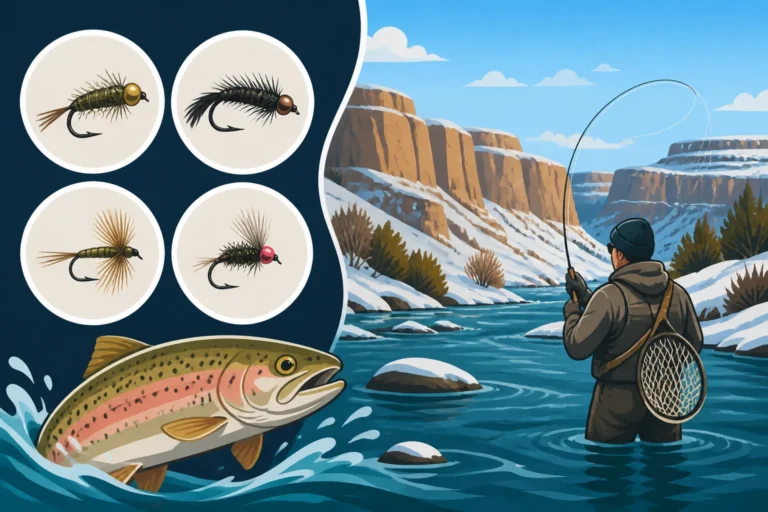
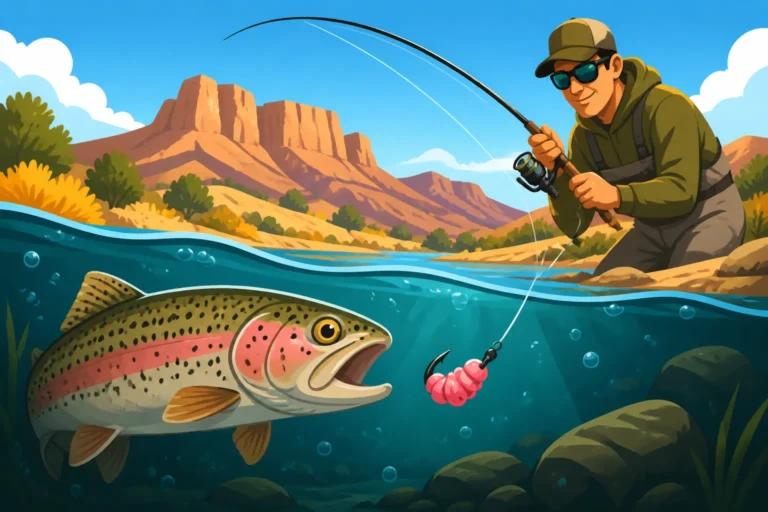
As river flows stabilize and clarity improves, fish will begin to move out of their deep, slow-water refuges and into areas where food is more readily available. However, the water might still have a slight stain or higher flow than normal, which calls for specific tactics. For trout, consider using larger, brighter flies or lures that create more vibration. Patterns like Woolly Buggers in black or olive, or brightly colored San Juan Worms, can be very effective in slightly off-color water. For spinning gear, classic inline spinners like those from Mepps or Panther Martin in gold, silver, or fluorescent colors can attract attention. These offerings provide a stronger profile and more visual cues that fish can pick up in reduced visibility. You might also find luck with PowerBait or natural baits like worms, especially for stocked trout.
Focus your efforts on slower currents, eddies, and seams where the fast water meets the slow. Fish will expend less energy holding in these spots and will be positioned to ambush food washing down the main current. Look for structure like large rocks, submerged logs, or undercut banks – these are natural holding areas where trout feel safe and have easy access to passing food. When considering How Dam Releases Affect San Juan River Fishing or How Runoff Timing Changes San Juan River Flows, remember that tailwaters below dams often stabilize faster than free-flowing rivers, offering earlier opportunities. Don't be afraid to fish slightly heavier line than usual if the water is still a bit murky, as the reduced visibility will make it less apparent to the fish.
Fishing New Mexico's Lakes and Reservoirs
Lakes and reservoirs respond differently to runoff than rivers. While they might experience an initial surge of turbid water from inflowing rivers and tributaries, their larger volume often means they clear and stabilize faster than river systems. As the water begins to warm after the cold snowmelt, fish in lakes and reservoirs will become more active. This is often an excellent time to target species like bass, walleye, and even trout that have been stocked.
For warm-water species, look for them to move into shallower coves, points, and flats, especially those with emerging vegetation, as these areas warm up quickly and attract baitfish. Largemouth bass will often be in feeding mode, hitting crankbaits, spinnerbaits, or even soft plastics fished along the newly accessible shorelines. Walleye, often found in deeper sections during the winter, might push into shallower structures or flats to feed as temperatures rise. Trolling with crankbaits or jigging spoons can be effective. For trout in lakes like Heron Lake or Eagle Nest Lake, they might still be deeper early in the post-runoff period but will eventually cruise the shallower waters as insect hatches begin or if NMDGF has recently performed a New Mexico trout stocking. Understanding the Best Time of Year to Fish in New Mexico for various species is key, and the post-runoff period often signals the beginning of prime lake fishing, leading into excellent Summer Fishing in New Mexico opportunities.
Essential Gear and Preparations for Post-Runoff Fishing
Successfully navigating the post-runoff period in New Mexico means more than just knowing where and when to cast; it's also about having the right tools for the job and being prepared for varying conditions. The transition from high, cold, murky water to clearer, warmer, and more stable flows can happen quickly, so your gear needs to be versatile enough to adapt. Being well-equipped not only increases your chances of catching fish but also ensures your safety and comfort on the water, which is particularly important when dealing with potentially unpredictable water levels.
Selecting Appropriate Tackle and Bait
When heading out during the post-runoff transition, versatility in your tackle box is your best friend. For river fishing, a medium-light spinning rod (6' to 7') paired with a 2000-2500 series reel spooled with 6-8 lb monofilament or fluorocarbon line is a great all-around choice. This setup allows you to cast a variety of lures and baits effectively. For baits, pack a diverse selection: live worms (nightcrawlers or mealworms) are always a reliable choice, and prepared baits like PowerBait (in bright colors like chartreuse or orange) can be incredibly effective for stocked trout in still-murky water. For lures, carry an assortment of inline spinners, small spoons, and even some jigs.
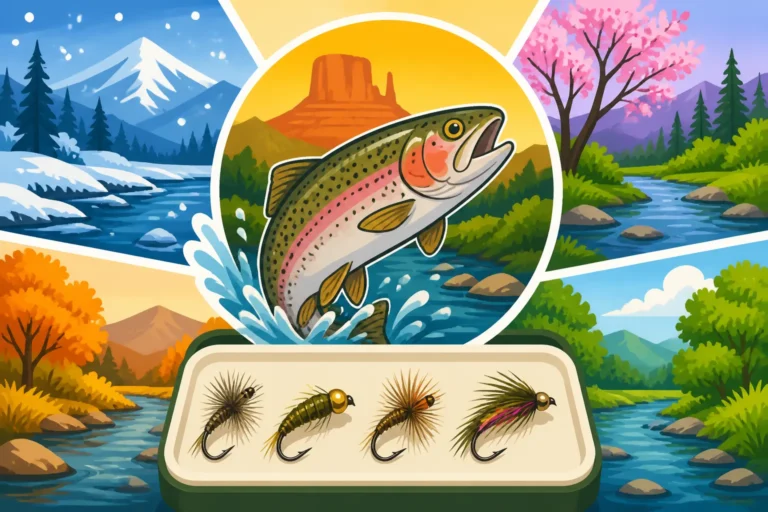
Fly anglers should be prepared with a range of patterns. Larger nymphs (e.g., stoneflies, Pat's Rubber Legs), San Juan Worms, and heavier streamers (e.g., Woolly Buggers) are excellent for initial post-runoff conditions when water may still be slightly off-color or high. As the water clears, you can transition to smaller nymph patterns and eventually dry flies as insect hatches become more prevalent. Don't forget split shot or weighted leaders to help your offerings get down in faster currents. Many of these versatile items can be easily found on platforms like Amazon, making it convenient to stock up. When deciding what to bring, consider checking out guides on Best Lures for New Mexico Trout or Best Bait for New Mexico Trout for more specific recommendations.
Safety and Comfort Considerations
Fishing after spring runoff, while rewarding, can still present challenges. Water levels might be dropping but currents can remain strong, and temperatures can still be quite cool, especially in the mornings or at higher elevations. Layered clothing is crucial. Start with a moisture-wicking base layer, add insulating layers (fleece or wool), and top it with a waterproof and windproof outer shell. Even if it feels warm at home, mountain waters can quickly chill you.
Wading safety cannot be overstressed. Invest in a good pair of sturdy wading boots with good traction, and consider using a wading staff for added stability, especially if the current is still strong or the riverbed is slick. Always wear a wading belt to prevent your waders from filling completely with water should you take a tumble. Check the weather forecast for sudden changes, including afternoon thunderstorms common in New Mexico. Sun protection, even on cloudy days, is essential due to our high altitude; bring a wide-brimmed hat, polarized sunglasses (which also help you see into the water better), and high SPF sunscreen. Finally, always let someone know where you're going and when you expect to return, especially if you're venturing into more remote areas. Basic preparations like knowing How to Get a New Mexico Fishing License and reviewing the New Mexico Fishing Regulations Overview are also crucial for any trip.
| Water Condition | River/Stream Tactic | Lake/Reservoir Tactic | Recommended Lures/Baits |
|---|---|---|---|
| High, Murky Flow (Early Post-Runoff) | Target eddies, seams, slow pockets; fish close to banks. Use heavy sink tips for flies. | Fish inflows where baitfish congregate. Target shallower, warming bays. | Large, dark streamers (black, olive), San Juan Worms, brightly colored PowerBait, large inline spinners (gold, fluorescent), worms. |
| Medium Flow, Stained Water | Focus on current seams, riffles, and behind structure. Drift nymphs or larger wet flies. | Cruise shorelines, points, and submerged structures. Look for active feeding fish. | Pat's Rubber Legs, Pheasant Tail Nymphs, Egg Patterns, crankbaits, jigs, spinnerbaits, shiners. |
| Normal Flow, Clearing Water | Wader-friendly access; target varied habitat. Dry-dropper rigs, smaller nymphs, eventually dry flies. | Target entire water column. Fish structure, open water, or follow bait schools. | Caddis, Mayfly, Baetis nymphs and dry flies, small spoons, senkos, topwater lures for bass, trolling for trout/walleye. |
| Cooler Water Temp | Fish deeper, slower pools; focus mid-day. | Fish deeper areas or sun-exposed banks. | Nymphs, streamers, PowerBait, jigs, deeper diving crankbaits. |
| Warming Water Temp | Fish faster riffles, oxygenated water; early mornings and late evenings. | Fish shallower actively. | Dry flies, lighter nymphs, spinnerbaits, topwater, jerkbaits. |
Disclaimer
Fishing conditions and regulations in New Mexico can change. Always consult the latest New Mexico Department of Game and Fish (NMDGF) regulations and local advisories before planning your trip. Be aware of private land designations and always secure appropriate permissions before fishing on private property. Your safety and adherence to local laws are your responsibility.