Summer Fishing in New Mexico
Ah, summer fishing in New Mexico. It sounds idyllic, doesn't it? Picture warm sunshine, clear waters, and eager fish. But for those of us who actually live and breathe angling in the Land of Enchantment, summer often brings its own unique set of challenges: scorching heat, dangerously low water levels, and fish that suddenly seem to vanish into thin air. It can be incredibly frustrating to hit your favorite spot only to find conditions have completely changed. This guide is here to cut through that frustration, offering realistic, in-depth advice on how to adapt your strategies and still find incredible success during the hotter months in New Mexico.
Understanding New Mexico's Summer Fishing Landscape
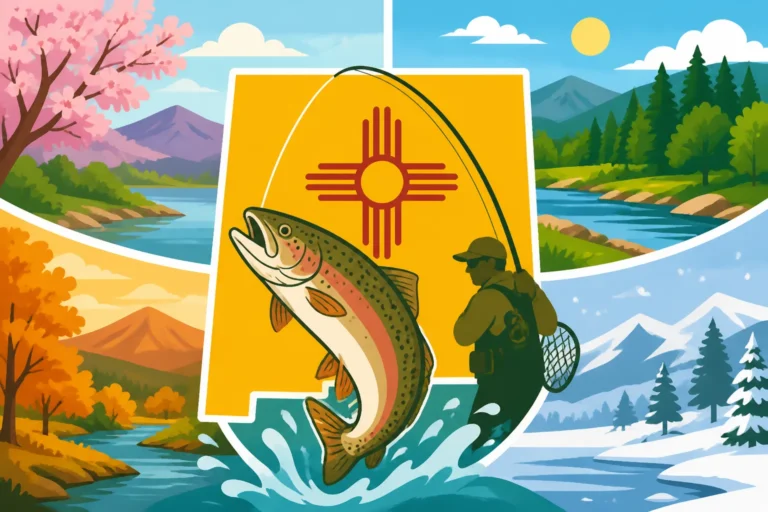
When the calendar flips to summer in New Mexico, it's not just the kids getting out of school; it's a profound shift in the entire aquatic ecosystem. Anglers often face a completely different game than they might in spring or fall, and understanding these changes is the first step toward a successful outing. The harsh realities of a high-desert summer mean adapting is not just an option, it's a necessity.
The Impact of Heat and Drought
New Mexico's summers are famously hot, and that intense heat has a direct, often detrimental, effect on our waterways. Water temperatures can rise significantly, especially in shallower lakes and slower-moving rivers. This isn't just uncomfortable for us; it's a critical factor for fish. Warmer water holds less dissolved oxygen, which can stress fish, making them lethargic and less inclined to feed actively. In severe cases, prolonged high temperatures can even lead to fish kills, particularly for coldwater species like trout.
Beyond temperature, New Mexico is no stranger to drought. Extended dry spells can lead to drastically lowered water levels in many of our beloved lakes and reservoirs. When water levels drop, fish habitats shrink, concentrating fish in smaller areas, but also potentially stranding them or cutting off access to crucial feeding grounds. Shallow waters heat up even faster, exacerbating the oxygen problem. It's a double-edged sword for anglers; while fish might be concentrated, they're often under immense stress, making them finicky and hard to entice. Knowing how to read these conditions and understand their implications for fish behavior is crucial for anyone trying to enjoy summer fishing in New Mexico.
Seasonal Changes in Fish Behavior
Fish aren't static creatures; their behavior is intrinsically linked to environmental conditions, and summer conditions in New Mexico trigger some very specific changes. Coldwater species, especially trout, become incredibly sensitive to warm water. They'll actively seek out thermal refuges – deeper pools, spring-fed areas, or the cold flows of tailwater fisheries like the San Juan River. During the hottest parts of the day, trout will often shut down completely, conserving energy and trying to survive. This means your prime trout window might shrink to just a couple of hours around dawn and dusk, or require a visit to specific, consistently cold waters.
Warmwater species, on the other hand, often thrive in the heat, but their activity patterns shift dramatically. Bass, walleye, and crappie might move from shallower, sun-baked areas into deeper, cooler water, often hugging structure like ledges, submerged trees, or rock piles. They become more active during the twilight hours – early morning, late evening, and even throughout the night. Catfish are perhaps the most tolerant of the heat, often becoming incredibly active at night when the water surface cools slightly, making summer nights prime time for whisker fish. Understanding these behavioral shifts is paramount to choosing the right location and technique for the species you're targeting. For a more complete picture of how fish behave year-round, check out our guide on New Mexico Fishing by Season.
Best Summer Fishing Spots in New Mexico
New Mexico offers a diverse range of fishing opportunities, but in the summer, selecting the right location is perhaps even more critical than at other times of the year. You can't just expect every spot to produce like it does in spring. Summer success often hinges on targeting specific types of water that either remain cool or cater to warm-water species that thrive in the heat.
High Mountain Lakes and Streams
When the lowlands are baking, the high country offers a blissful escape and some of the best summer trout fishing New Mexico has to offer. The elevation means cooler ambient temperatures, which in turn keeps the water in high mountain lakes and streams at a much more comfortable, oxygen-rich level for trout. Places like Fenton Lake, nestled in the Jemez Mountains, often get regular stockings and maintain a vibrant trout population throughout the summer. It’s a fantastic spot for both bait and lure fishing, and often, the surrounding scenery is just as rewarding as the catch.
Further north, Eagle Nest Lake, a large, high-altitude lake near the town of Eagle Nest, is renowned for its trophy trout and kokanee salmon. While it can still warm up on the surface during peak summer, deeper waters remain cold, making trolling a popular and effective method. For those who prefer moving water, the countless small streams crisscrossing the Pecos Wilderness and within the Gila National Forest offer exceptional opportunities for wild trout, including native Rio Grande Cutthroat. These smaller streams require a more adventurous spirit, often involving a hike, but the reward of pristine, unpressured fishing in a cool, shaded environment is well worth the effort. Always remember to check our guide to New Mexico Trout Fishing Rules before heading out to these sensitive areas.
Large Reservoirs for Warmwater Species
While trout seek refuge from the heat, New Mexico’s large reservoirs truly come alive with warm-water species during the summer. These expansive bodies of water, though they can warm considerably, offer deep-water sanctuaries where bass, walleye, crappie, and striped bass can thrive by retreating to cooler depths during the hottest parts of the day. Elephant Butte Lake is the undisputed king of warmwater fishing in New Mexico. It's famous for its striped bass, which offer an incredible fight, and also holds healthy populations of largemouth and smallmouth bass, walleye, and catfish. Fishing here in the summer often means focusing on submerged structure, humps, and ledges, or fishing during the cooler dawn and dusk hours. For a comprehensive look, our Elephant Butte Lake Fishing Guide is a must-read.
Navajo Lake, in the northwest, is another fantastic option, offering a unique blend. While it's known for its excellent trout and kokanee salmon fishing in its colder arms, its main body also supports healthy populations of bass and northern pike. Conchas Lake, located in eastern New Mexico, is a fantastic destination for walleye, crappie, and channel catfish, with excellent opportunities for boat anglers to target deeper contours. Ute Lake, also in the east, is another reliable spot for walleye and bass. These reservoirs often require anglers to think about depth and current more than stream fishing, utilizing electronics to locate fish holding in thermal layers.
Tailwaters and Quality Waters
When it comes to consistent, year-round trout fishing, New Mexico’s tailwater fisheries are absolute treasures, especially during the summer. A tailwater is a river section immediately downstream from a dam, where water released from the bottom of the reservoir maintains a consistently cold temperature. The most famous example, and for good reason, is the San Juan River Quality Waters below Navajo Dam. This stretch of river maintains a constant, frigid flow of about 42 degrees Fahrenheit, creating an unparalleled trout habitat that remains productive even when air temperatures soar well above 100 degrees.
The consistent water temperature means the trout in the San Juan River Quality Waters are less stressed and more active than their counterparts in free-flowing streams. Anglers can expect phenomenal nymphing and dry fly fishing opportunities throughout the summer months. Other tailwaters, such as the Chama River below Abiquiu Dam, also offer cooler fishing opportunities, though perhaps not with the same consistency as the San Juan. These fisheries are true gems, providing a reliable escape from the heat and a chance to pursue some of the state's largest, healthiest trout. If you're planning a trip to this renowned fishery, be sure to consult our detailed San Juan River Fishing Guide.
Essential Techniques for Summer Success
Summer fishing in New Mexico demands a different playbook than other seasons. Fish behave differently, and successful anglers are those who can adapt their techniques to the prevailing conditions. Don't be afraid to try new approaches or venture out at unconventional times; that's often when the magic happens.
Early Morning and Late Evening Strategies
One of the most effective ways to beat the summer heat and find active fish is to embrace the "golden hours" – the couple of hours immediately after sunrise and before sunset. During these cooler periods, water temperatures are at their lowest for the day, and fish are often more willing to venture into shallower feeding grounds. For bass anglers, this means prime topwater action. Throwing poppers, walk-the-dog lures, or frogs over weed beds or along shaded banks can lead to explosive strikes. The visual thrill of a topwater bite at dawn is simply unmatched.
For trout anglers in streams and rivers, early mornings are best for targeting rising fish with dry flies as insects hatch, or for nymphing before the sun hits the water directly and pushes fish into deeper, faster currents. In larger reservoirs, walleye and crappie might move into shallower humps or points to feed, making them more accessible to jigging or casting crankbaits. As the sun sets, the water cools again, often triggering another feeding window. This is also when predatory fish like striped bass at Elephant Butte can become very active, pushing baitfish to the surface. And as darkness truly falls, the world of night fishing opens up, especially for catfish, which become incredibly active. Our guide on New Mexico Night Fishing Guide offers even more insights into this unique approach.
Targeting Deeper Waters
As the sun climbs higher and water temperatures rise, many fish species, particularly cold-water inhabitants like trout in lakes and warm-water species like bass and walleye in reservoirs, retreat to deeper, cooler water. This means anglers need to adjust their tactics to reach these submerged sanctuaries. For lake trout and kokanee salmon, this often involves trolling with downriggers or lead-core line to present lures and flies at precise depths, sometimes 30 to 60 feet or more. Electronic fish finders become indispensable tools for locating schools of baitfish and the predators that follow them.
For bass, walleye, and crappie in reservoirs, learning to "read" your electronics to identify submerged structure like old river channels, rock piles, ledges, and timber is key. Techniques such as vertical jigging with spoons or blade baits, drop-shotting soft plastics, or slowly working Carolina-rigged worms can be incredibly effective when fish are hugging the bottom in cooler water. Even in rivers, deep holes and undercut banks offer thermal refuge for trout, requiring careful presentation of nymphs or weighted streamers to get your offering down to their level. The deeper you go, the cooler the water, and often, the more active the fish will be during the midday heat.
Adapting to Monsoon Season
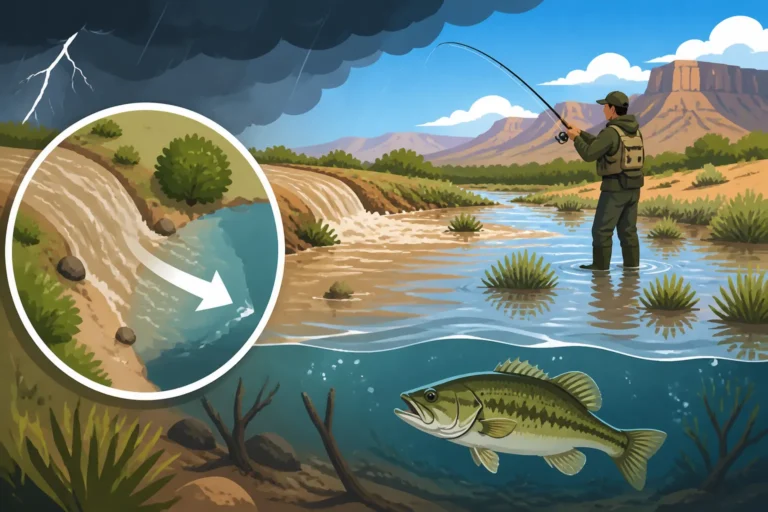
Summer in New Mexico isn't just about heat; it's also about the monsoon season, typically from July through September. These intense, localized thunderstorms can dramatically alter fishing conditions in a matter of hours. While the rain itself might bring temporary cooling, the resulting runoff can quickly turn clear rivers into chocolate milk, making fishing challenging if not impossible in some areas. However, this isn't always a bad thing! The surge of fresh water and nutrients can sometimes trigger a feeding frenzy, especially after the initial murkiness begins to settle.
When rivers blow out and become muddy, it's often best to seek out tributaries that might not be as affected, or focus on lake arms that are less impacted by a specific stream. Alternatively, targeting the edges of the muddy water where it meets clearer water can be productive, as baitfish and predators congregate in these transition zones. Scent becomes incredibly important in turbid water; using baits with strong odors for catfish or adding scent to your lures for bass can make a huge difference. For river anglers, fishing immediately before a storm front can be phenomenal, as barometric pressure drops, often triggering fish to feed. After a heavy rain, focusing on eddies and slower pockets of water where fish can escape the main current and where food might wash into can also yield results. Understanding how these dramatic weather changes affect the water is crucial for Fishing New Mexico's Rivers After Heavy Rain.
Gear and Preparation for New Mexico's Summer
Getting your gear dialed in for New Mexico's summer conditions is just as important as knowing where and when to fish. The scorching sun, potential for sudden storms, and the need to cover ground (sometimes literally!) all play a role in what you should bring along. Don't let a lack of preparation cut your fishing trip short.
Crucial Gear for Hot Weather Fishing
When fishing in New Mexico's summer, sun protection isn't just a recommendation; it's a necessity. The high altitude means the sun's rays are incredibly intense. A wide-brimmed hat is essential, offering shade for your face, ears, and neck. Pair this with a good pair of polarized sunglasses to reduce glare and help you spot fish or structure under the water's surface. Long-sleeved, lightweight, and breathable shirts made from technical fabrics are far better than a simple cotton t-shirt, as they offer UPF protection and wick away sweat. Don't forget high-SPF sunscreen for any exposed skin. Hydration is critical – carry significantly more water than you think you'll need, especially if you're hiking to a remote stream or spending a full day on an open lake. A good cooler, easily found on Amazon, is invaluable for keeping drinks and snacks cool, and for properly storing any fish you plan to keep fresh.
Beyond sun safety, comfortable, quick-drying footwear is a must. If you're wading, proper wading boots with good grip are paramount for navigating slippery rocks. For general bank fishing, sturdy hiking shoes or sandals (depending on the terrain) will serve you well. A fishing backpack or vest that allows you to carry your essentials without being cumbersome is also incredibly helpful, especially for those treks to high mountain lakes.
Specialized Tackle for Summer Species
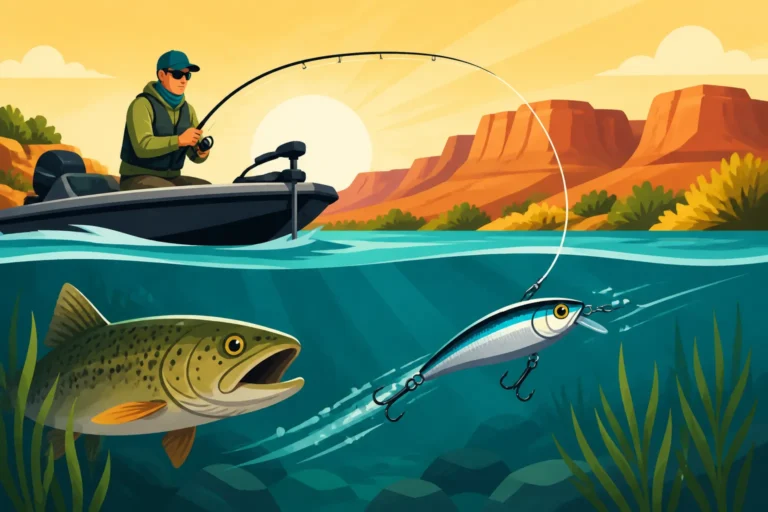
Your tackle selection needs to reflect the species you're targeting and their summer behaviors. For bass in reservoirs, topwater lures (poppers, frogs, walking baits) are excellent for low-light conditions. As the sun gets high, switch to deeper presentations with crankbaits, jigs, or Texas-rigged soft plastics like worms and creature baits. Look for lures in natural colors, or those with some flash to attract attention in deeper, darker water. Our guide on the Best Lures for New Mexico Bass has more specific recommendations.
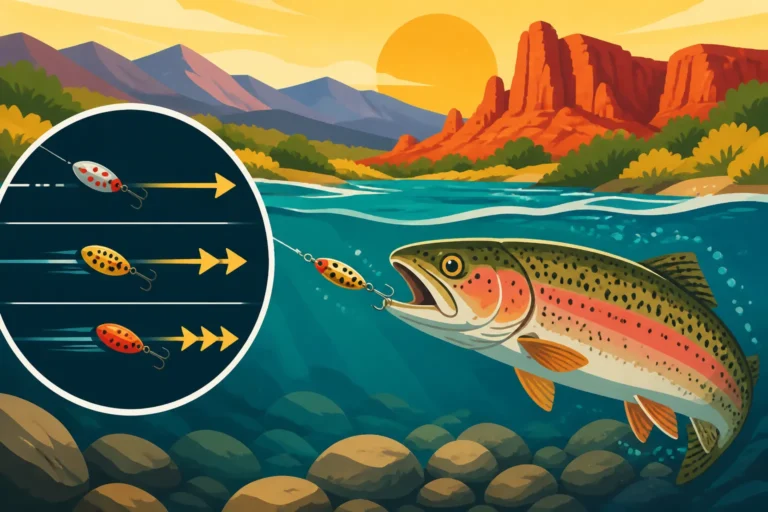
For trout, especially in high-country streams or tailwaters, a lighter setup is usually best. Fly anglers will want a selection of terrestrials (ants, hoppers, beetles) and small nymphs (zebra midges, RS2s, small pheasant tails) that imitate insects present in the warmer months. Spin fishermen can do well with small spinners like Mepps or Panther Martins, or ultra-light spoons. If you're targeting larger lake trout, heavier jigs or trolling spoons are often necessary. Catfish anglers will find success with stink baits, cut bait (like shad), or even hot dogs fished on the bottom, especially at night. Having a variety of options allows you to adapt to whatever the fish are biting.
Boating and Access Considerations
If you plan to fish New Mexico's large reservoirs during the summer, boaters must be particularly mindful of water levels. Drought conditions can significantly impact access, making some boat ramps unusable or requiring more caution when launching and navigating. Always check the current water levels and ramp conditions for your chosen lake before heading out. Shallow areas that might have been navigable in spring could be bone dry or dangerously submerged with hidden obstacles in summer. For details on getting your vessel ready, consult our guide on New Mexico Boat Registration and Titling Guide.
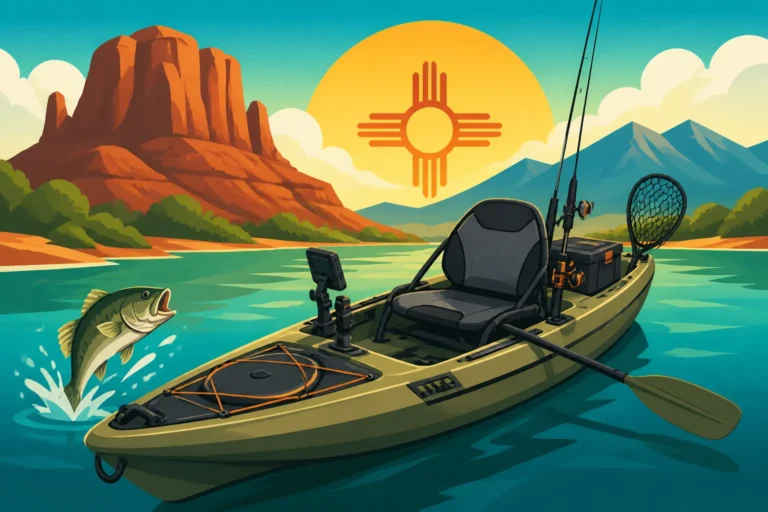
Kayak fishing has become incredibly popular for good reason, offering quiet access to areas that larger boats can't reach, and providing an intimate experience with the water. Kayaks are excellent for exploring smaller coves or fishing along shorelines for bass and panfish. For those without a boat, many lakes offer bank fishing access, but be prepared for potential crowds at popular spots, especially on weekends. Always respect private property and be aware of any restrictions on public lands. When heading to remote streams, always inform someone of your plans, and carry a map and compass or GPS device – cell service is often nonexistent in the backcountry. For the best selection of gear to get started, you can find many options for boats, kayaks, and safety equipment on Amazon.
Species-Specific Summer Tactics
Understanding how different fish species react to New Mexico's summer conditions is key to maximizing your catch. While some general principles apply, a tailored approach will always yield better results.
Trout in Summer
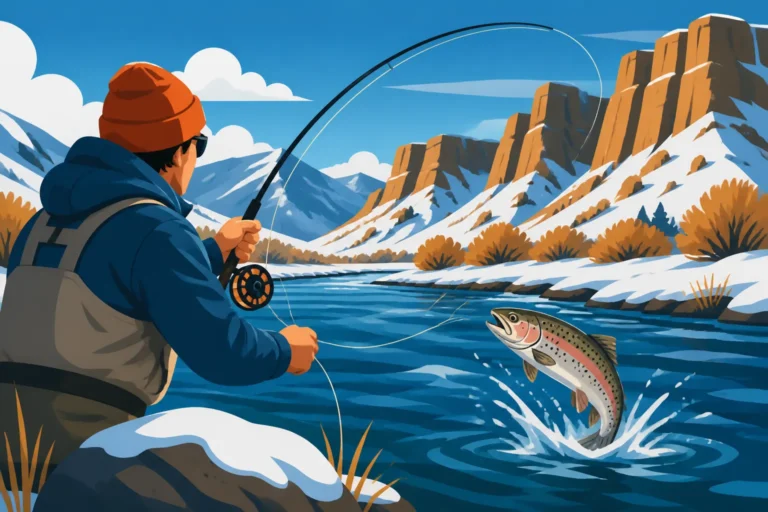
Summer trout fishing in New Mexico demands a strategic approach. Forget those lazy midday casts in shallow riffles; in warm weather, trout are looking for refuge. Your best bet for rainbow, brown, and cutthroat trout will be in high-altitude streams and lakes, where the water stays naturally cooler. Think places like the higher reaches of the Pecos River or the numerous pristine waters in the Carson National Forest. Here, terrestrials like grasshopper or ant patterns are often deadly on a fly rod, as insects inevitably fall into the water. For spin anglers, small, subtle spinners fished upstream into deep pools or below shaded banks can be effective.
Beyond the mountains, the cold, consistent flows of tailwater fisheries like the San Juan River Quality Waters are a true summer sanctuary for trout. These fish are less affected by ambient air temperatures and will feed actively throughout the day, though often requiring delicate presentations with tiny nymphs. During the heat of the day, trout in all waters will often hold in deeper, oxygenated pockets or fast-moving currents. When you do catch a trout in warmer water, it's crucial to practice proper Catch and Release Best Practices in New Mexico. Minimize handling, keep the fish in the water as much as possible, and revive it gently before release. These fish are already stressed, and careful handling significantly improves their chances of survival.
Bass in Summer
Summer is prime time for bass fishing in New Mexico's many reservoirs, but it's a game of timing and depth. Largemouth and smallmouth bass are warm-water creatures, and while they enjoy the heat, they will retreat to cooler, deeper water during the blazing midday sun. Your best chances for explosive action will be during the first few hours of daylight and the last few hours before dark. During these periods, bass will often move shallow to feed, making topwater lures incredibly effective. Imagine the thrill of a big largemouth blowing up on a frog bait as the sun peeks over the horizon at Conchas Lake!
As the sun rises, you'll need to follow the bass deeper. Look for submerged structure like old roadbeds, creek channels, rock piles, or standing timber. Using a fish finder to locate these features and identify schools of baitfish is invaluable. Techniques like Texas rigging soft plastics, Carolina rigging, or deep-diving crankbaits can entice strikes from fish holding in 15 to 30 feet of water. Don't overlook night fishing for bass; they become incredibly active after dark, especially around lighted areas like marinas or docks, feeding on unsuspecting baitfish.
Catfish and Walleye
Catfish truly come into their own during the hot New Mexico summer. They thrive in warm water and are notorious nocturnal feeders, making summer nights an ideal time to target them. Channel catfish are abundant in most New Mexico reservoirs and larger rivers like the Rio Grande. Using smelly baits such as cut bait, prepared stink baits, or even shrimp on a bottom rig is highly effective. Look for them in deeper holes in rivers, or along the edges of channels and flats in lakes. A summer evening spent bank fishing for catfish, perhaps at Ute Lake or Elephant Butte, is a classic New Mexico experience.
Walleye, another popular warm-water species, can also be caught throughout the summer, though they tend to prefer slightly cooler temperatures than catfish. At places like Conchas Lake or Elephant Butte Lake, walleye will often relate to submerged points, humps, and ledges during the day, retreating to deeper water. Trolling with crankbaits or spinner rigs, or vertical jigging with jigs tipped with worms or minnows, are proven tactics. Like bass, walleye will often move shallower to feed during low-light conditions, so early mornings and late evenings can be productive for casting. Finding them often involves covering water, either by boat or by systematically working likely bank spots with various presentations. For specific insights into catching these species, make sure to read our detailed guide on Fishing New Mexico's Reservoirs During Summer Heat.
Here's a quick look at some prime summer fishing spots and what to target:
| Location Type | Prime Spots | Target Species | Recommended Techniques |
|---|---|---|---|
| High Mountain Lakes | Fenton Lake, Eagle Nest Lake | Rainbow, Brown, Kokanee Salmon | Trolling, bait (PowerBait), small spinners, fly fishing |
| High Mountain Streams | Pecos River (upper), Gila streams | Wild Trout (Cutthroat, Brown) | Fly fishing (terrestrials, nymphs), ultra-light spinners |
| Large Reservoirs | Elephant Butte, Conchas, Ute Lake | Striped Bass, Largemouth Bass, Walleye, Catfish | Topwater (early/late), deep jigging, trolling, cut bait |
| Tailwater Fisheries | San Juan River Quality Waters | Rainbow, Brown Trout | Nymphing (small flies), dry fly (hatches), streamers |
Disclaimer
Fishing regulations and conditions in New Mexico can change rapidly due to environmental factors, stocking schedules, and policy updates. Always consult the latest New Mexico Department of Game and Fish regulations handbook or their official website before planning any fishing trip to ensure you are compliant with all current laws, bag limits, and special water restrictions. This guide is for informational purposes only and should not be considered legal advice.