Best Kayak Setup for New Mexico Lake Fishing
There's nothing quite like the freedom of fishing New Mexico's expansive lakes from a kayak, but without the right setup, you might find yourself battling the elements more than the fish. Many anglers struggle with stability, storage, and adapting their small craft to diverse fishing conditions, making a peaceful day on the water turn into a frustrating gear management challenge. This guide will walk you through setting up your kayak specifically for the unique demands and incredible opportunities that New Mexico lake fishing offers, ensuring you're prepared for anything from a breezy day on Elephant Butte to a calm morning on Heron Lake.
Why Kayak Fishing in New Mexico Lakes is a Game-Changer (and Sometimes a Challenge)
New Mexico might be known for its high desert and mountains, but it boasts some fantastic lakes and reservoirs perfect for angling. Kayak fishing has exploded in popularity here, and for good reason. It offers an intimate connection with the water and access to spots that bigger boats can't reach, but it also presents its own set of considerations.
The Allure of Kayak Fishing for New Mexico Anglers
Think about it: gliding silently across a calm lake at dawn, a subtle ripple the only disturbance you make, getting right into those shallow coves or tight pockets of submerged timber where the big bass lurk. That's the magic of kayak fishing. You gain incredible stealth, which is a huge advantage when targeting wary fish in clear New Mexico waters. Unlike powerboats, a kayak allows you to approach fishing spots without spooking fish, giving you a better chance at that trophy catch.
Moreover, kayaks can access areas that are simply off-limits to larger vessels, whether it's due to shallow water, submerged hazards, or simply a lack of suitable ramps. This means you can often find solitude and untouched fishing grounds, even on popular lakes like Navajo Lake or Elephant Butte Lake. The portability of kayaks also means you can launch almost anywhere, from designated ramps to quiet shoreline spots, opening up a world of possibilities for exploration and discovery. It's a fantastic way to truly experience the natural beauty of New Mexico while pursuing your passion for fishing.
Navigating New Mexico's Diverse Waters from a Kayak
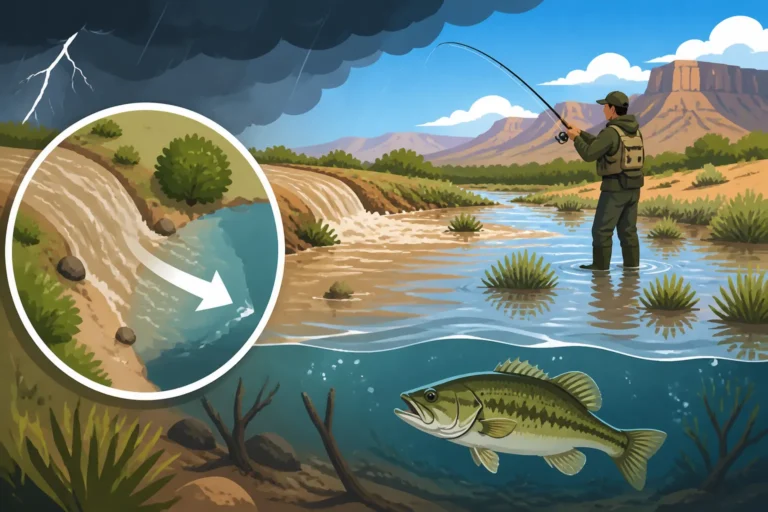
While the allure is strong, New Mexico's lakes aren't always glass-smooth. They can be incredibly diverse, from vast, open impoundments like Elephant Butte, which can whip up significant waves in an afternoon breeze, to more sheltered, high-mountain lakes. Wind is a major factor on many of our larger reservoirs. A strong gust can quickly push an unanchored kayak across a prime fishing spot or make paddling a real workout. Understanding how wind affects fishing at Elephant Butte Lake, for instance, is crucial for planning your day.
Then there's the depth. Some lakes feature deep channels, while others have extensive shallow flats. Your kayak setup needs to be versatile enough to handle both. You'll also encounter different types of shorelines and bottom structures, from rocky points ideal for smallmouth bass to muddy flats favored by catfish. The sheer size of some of these lakes also means you might be paddling considerable distances, making efficiency and comfort paramount. Choosing the right kayak, therefore, isn't just about what looks good; it's about what performs best under these specific conditions.
Choosing the Right Kayak for New Mexico's Waters
The first, and arguably most important, step in building your ideal kayak fishing setup is selecting the right kayak itself. This isn't a one-size-fits-all decision, as New Mexico's waters present a variety of environments.
Stability and Capacity: Your Kayak's Foundation
When you're out on a New Mexico lake, especially if you plan on standing to cast or reel in a big one, stability is king. Sit-on-top kayaks are generally the go-to choice for fishing due to their inherent stability and ease of entry and exit. They're also much simpler to get back onto if you happen to take an unplanned swim, which is a significant safety factor. A wider beam (the width of the kayak) usually translates to more stability, though it might sacrifice some paddling speed. Look for kayaks in the 30-36 inch width range for a good balance.
Beyond stability, consider the kayak's weight capacity. This isn't just about your body weight; it needs to accommodate all your gear – rods, tackle boxes, cooler, electronics, and any fish you might keep. Overloading your kayak compromises its stability and can make it sit too low in the water, impacting performance and safety. Always check the manufacturer's maximum weight capacity and factor in a buffer for unexpected items or a particularly successful fishing trip. For serious anglers who carry a lot of equipment, a kayak with a higher capacity will make your day much more enjoyable and safe.
Propulsion Options: Paddle, Pedal, or Power?
How you move your kayak across the water profoundly affects your fishing experience, especially on bigger New Mexico lakes. Each propulsion method has its pros and cons, and the best choice often depends on your budget, fitness, and fishing style.
-
Paddle Kayaks: The traditional choice, paddle kayaks are typically the most affordable and lightweight. They require upper body strength and can be slower, especially against wind or current. However, they offer simplicity and quietness, allowing for stealthy approaches to fish. For smaller lakes or rivers, or for anglers who enjoy the physical workout, a good quality paddle kayak is an excellent option. When choosing a paddle, make sure it's appropriately sized for your height and kayak width to maximize efficiency and reduce fatigue. You can find a wide range of durable paddles on platforms like Amazon.
-
Pedal Kayaks: These have become incredibly popular in recent years for fishing. Pedal drives allow you to use your legs, which are generally stronger than your arms, for propulsion. This frees up your hands for casting, reeling, and managing your tackle, making them ideal for trolling or maintaining position in windy conditions. Brands like Hobie and Old Town are well-known for their pedal systems. While more expensive, the hands-free advantage for fishing is undeniable. Many anglers find that Are Pedal Kayaks Good for New Mexico Lakes? is a question easily answered with a resounding "yes" once they experience the difference.
-
Power Kayaks (Trolling Motors): For maximum range, speed, and hands-free operation, some anglers opt to add a trolling motor to their fishing kayak. This can be a game-changer on vast bodies of water like Elephant Butte or Conchas Lake, allowing you to cover significant distances with minimal effort. Trolling motors are fantastic for precise boat positioning, fighting strong winds, or trolling multiple lines. However, they require a battery, adding weight and requiring charging. You'll also need to consider Do You Need a Trolling Motor for Kokanee Fishing? if you plan to target those deep-dwelling salmon, as it can make maintaining consistent speed and depth much easier. Remember to check New Mexico's boat registration rules for motorized kayaks, as even a small trolling motor might change the requirements.
Essential Gear for Your New Mexico Fishing Kayak
Once you have your kayak, it's time to deck it out with the accessories that transform it from a recreational boat into a highly efficient fishing machine. The right gear makes all the difference in comfort, convenience, and success on the water.
Anchoring and Positioning Systems
Maintaining your position is critical for effective kayak fishing, especially in New Mexico's often windy and current-prone lakes and rivers. Nothing is more frustrating than drifting off a prime fishing spot just as you get a bite.
-
Anchor Trolley Systems: An anchor trolley is an absolute must-have for kayak anglers. It's a simple rope system that runs from bow to stern on both sides of your kayak, allowing you to easily deploy and retrieve your anchor from any point along the side of your kayak. This lets you pivot your boat to face the wind or current, casting effectively without drifting or needing to re-anchor constantly. You can find complete anchor trolley kits, often including the anchor and rope, on Amazon, or you can piece one together yourself.
-
Shallow Water Anchors: For fishing in shallower areas, particularly for bass in coves or flats, a stake-out pole or shallow water anchor is incredibly convenient. These fiberglass or aluminum poles simply stick into the soft bottom, instantly holding your kayak in place without the fuss of a traditional anchor. They're quick to deploy and retrieve, making them perfect for stealthy, short-term stops.
-
Drift Socks/Flipping Anchors: When the wind is strong, but you still want to cover water slowly, a drift sock is your friend. It's essentially a parachute that deploys in the water, creating drag and slowing your drift. This is particularly useful for covering large flats or trolling areas at a controlled speed. Some anglers also use a "flipping anchor" – a small, heavy anchor on a short rope that they can quickly drop and retrieve to hold their position while making a few quick casts in a tight spot, offering a tactical advantage when working structure. Choosing the Best Kayak Anchor for Windy Reservoirs depends on your specific needs and the typical conditions you face.
Storage and Organization Solutions
A cluttered kayak is an unsafe and inefficient kayak. Keeping your gear organized and easily accessible is paramount, especially in a small space.
-
Fishing Crates and Rod Holders: The humble milk crate has been a kayak fishing staple for years, and for good reason. It provides a customizable, accessible storage hub for tackle, tools, and extra gear. Many anglers rig them with PVC pipes to create vertical rod holders. You can also purchase purpose-built kayak fishing crates that come with integrated rod holders, pliers holders, and even cutting boards. Having dedicated Best Rod Holders for Boat Fishing New Mexico Lakes (kayaks included!) ensures your rods are safe and out of the way when paddling or fighting a fish, but quickly accessible when needed.
-
Dry Bags and Waterproof Storage: New Mexico weather can be unpredictable, and splashes are inevitable on a kayak. Investing in good quality dry bags is essential for protecting your electronics, wallet, keys, phone, and any other water-sensitive items. Smaller dry bags can be clipped to your seat or bungees, while larger ones can fit in hatches or on the tankwell. Many kayaks also feature built-in waterproof hatches, but extra dry storage never hurts. For items like your phone or car keys, consider a small, submersible hard case for ultimate protection. Securing your valuables in a Best Dry Bag for Kayak Fishing Gear ensures they're safe from both splashes and accidental capsizes.
Electronics and Safety
Modern kayak fishing often incorporates advanced electronics, but basic safety gear should always be your top priority.
-
Fish Finders/GPS: A fish finder is a game-changer for understanding the underwater world, especially on New Mexico's deeper lakes. It helps you locate fish, identify structure, and monitor water temperature and depth. Many units also include GPS, which is invaluable for marking productive spots, navigating large bodies of water, and finding your way back to your launch point, particularly on expansive areas like Elephant Butte Lake Fishing Guide. When Choosing a Fish Finder for Deep Reservoirs, look for models with CHIRP sonar for clearer target separation and good screen visibility in bright sunlight. There are many compact, battery-powered options perfect for kayaks.
-
Personal Flotation Devices (PFDs): This isn't optional; it's non-negotiable. Always wear a PFD while kayak fishing. New Mexico regulations, like those nationwide, require PFDs. Choose a PFD specifically designed for paddling, as these often have thinner backs to accommodate kayak seats and larger armholes for unrestricted movement. There are also inflatable PFDs that are less bulky and comfortable to wear all day, inflating automatically or manually if you go into the water. Knowing the Life Jacket Requirements for New Mexico Boaters is crucial, and wearing one is even more so.
-
Lights, Whistles, and Communication: Even if you plan to be off the water before dark, unexpected delays can occur. A 360-degree white light is legally required if you're on the water after sunset or before sunrise. A whistle or other sound-producing device is also a safety essential for signaling. Always carry a fully charged cell phone in a waterproof case, and consider a VHF radio for communicating with other boats or shore in areas with poor cell service. These seemingly small items are part of the Required Safety Gear on a New Mexico Boat and can make a big difference in an emergency.
Rigging Your Kayak for Specific New Mexico Lake Species
New Mexico's diverse lakes host a variety of popular game fish, from hard-fighting bass and walleye to elusive trout and kokanee salmon. Optimizing your kayak setup for the species you're targeting can significantly increase your success.
Setup for Bass and Walleye
When you're chasing largemouth and smallmouth bass, or the delicious walleye, your kayak setup will focus on mobility, quick access to multiple lures, and effective fish finding. These species often relate to structure and cover, so being able to position your kayak precisely is key.
For bass, consider multiple rod holders within easy reach, allowing you to quickly switch between a topwater frog, a Texas-rigged worm, and a crankbait. Vertical rod holders on a tackle crate are great for this. A solid anchor system, whether it's an anchor trolley with a small grappling anchor or a shallow water pole, will help you pick apart submerged timber, rock piles, or weed lines without drifting away. Since bass fishing often involves casting to visible cover or structure, precise boat positioning with a pedal drive or even a small trolling motor, if equipped, will give you an edge. Many anglers also find that having a dedicated "landing area" on the bow or stern for lipping bass or quickly unhooking them helps keep the cockpit clear. When fishing for bass, like those found in the Best New Mexico Lakes for Bass, quick lure changes and precise casting are paramount, making an organized tackle system crucial.
Walleye fishing often involves trolling or jigging deeper water. For trolling, multiple rod holders that project outwards from the kayak are invaluable. Many kayak anglers install flush-mount rod holders behind their seat or adjustable rail-mounted holders to spread out their lines. A good fish finder is absolutely essential for walleye, as they are often found near bottom structure or specific depth contours. You'll want to be able to mark schools of baitfish and individual fish. If you're running a trolling motor, a strong battery is needed to power both your motor and your electronics for a full day on the water. For those hot summer days targeting deeper walleye, consider adding a cooler or insulated bag that's easily accessible to keep your catch fresh.
Setup for Trout and Kokanee
Targeting trout and kokanee salmon from a kayak in New Mexico often means dealing with colder water and sometimes deeper depths. Your setup will lean towards trolling gear and depth management.
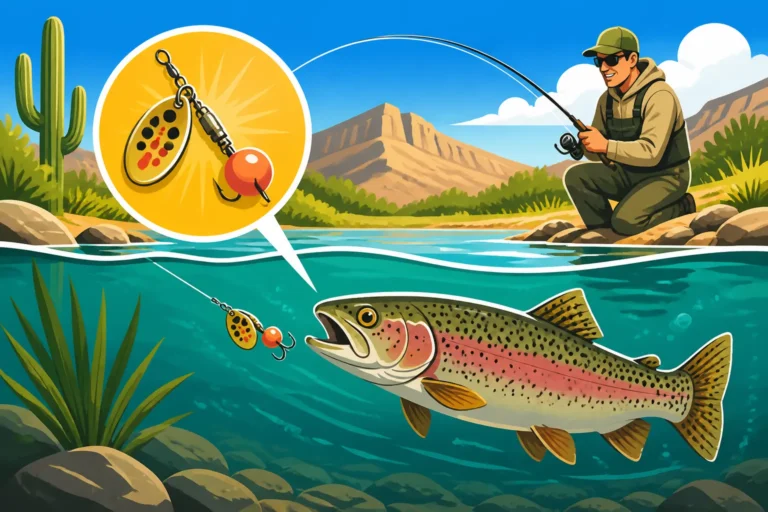
For standard stocked trout in many New Mexico lakes and urban ponds, a relatively simple setup is fine. A single rod holder and a small tackle box with PowerBait, spinners, and spoons will get the job done. However, if you're chasing larger trout in places like the San Juan River or high-mountain lakes, or the elusive kokanee salmon in lakes like Heron Lake or Navajo Lake, your rigging becomes more specialized. Trolling is a primary method for these species. This means a reliable trolling motor (or pedal drive if you're up for the workout) to maintain a consistent speed. Many kokanee anglers utilize downriggers – small devices that deploy a heavy weight with your line attached via a release clip, allowing you to present lures at very specific depths. You can find compact, manual downriggers designed specifically for kayaks.
A good fish finder with temperature readings is especially helpful for trout and kokanee, as these fish often hold in specific temperature bands. You'll want to be able to identify the thermocline and target depths where fish are actively feeding. Multiple rod holders are also useful for trolling, allowing you to experiment with different lures and depths simultaneously. For species like kokanee, knowing how to troll for kokanee at Navajo Lake involves precise depth, speed, and lure choices, and your kayak setup needs to support that. Finally, always have a good landing net with a rubberized mesh (better for the fish and prevents hooks from tangling) for safely landing and releasing these delicate cold-water species.
Kayak Maintenance and Longevity for New Mexico Anglers
Taking care of your kayak and gear ensures it lasts for many seasons of New Mexico fishing adventures. A little preventative maintenance goes a long way in keeping your investment sound and your time on the water worry-free.
Post-Trip Care and Storage
After every trip, especially after fishing in brackish or silty waters, it's a good habit to rinse your kayak thoroughly with fresh water. This removes dirt, sand, and any corrosive elements that could damage the hull or fittings over time. Pay special attention to pedal drives or trolling motors, rinsing any moving parts or electrical connections. Allow everything to air dry completely before storing.
Proper storage is crucial for the longevity of your kayak. Store it out of direct sunlight to prevent UV damage, which can degrade plastic over time, making it brittle and faded. Ideally, store your kayak indoors, or at least under a cover. If storing outdoors, ensure it's elevated off the ground to prevent contact with moisture and pests. Many anglers use wall mounts, hoists, or sawhorse-style racks. Make sure the kayak is supported evenly to prevent warping of the hull. For any gear like PFDs or dry bags, wash them if needed, let them dry completely, and store them in a cool, dry place away from direct sunlight.
Gear Upgrades and Replacements Over Time
Like any piece of fishing equipment, your kayak gear will eventually need upgrades or replacements. It's a natural part of the process, and often, these upgrades can enhance your fishing experience significantly. For instance, if you started with a basic paddle kayak and find yourself wanting more hands-free control, upgrading to a pedal drive system or adding a trolling motor might be your next step. You can often find great deals on these accessories through retailers like Amazon, allowing you to progressively enhance your setup without breaking the bank all at once.
Electronics, such as fish finders, evolve quickly, offering better screens, more advanced sonar, and integrated mapping. If your old unit is struggling to mark fish effectively or the battery life is dwindling, it might be time for an upgrade. Similarly, inspect your PFDs, paddles, and other safety gear annually for wear and tear. Sun exposure and prolonged use can degrade materials. Replacing worn ropes, bungee cords, or corroded hardware ensures your kayak remains safe and functional. Think of it as investing in your passion; smart upgrades keep you on the water, catching more fish, and enjoying the incredible scenery that New Mexico offers.
Building the best kayak setup for New Mexico lake fishing is a journey, not a destination. It evolves with your experience, your target species, and the places you love to explore. By prioritizing stability, smart propulsion, and efficient gear organization, you'll be well on your way to countless memorable days on New Mexico's stunning waters. From the serene high-mountain lakes to the vast expanses of our major reservoirs, your properly rigged kayak will be your ticket to adventure.
Kayak Fishing Setup Comparison Table
| Feature / Consideration | Paddle Kayak Setup | Pedal Kayak Setup | Trolling Motor Kayak Setup |
|---|---|---|---|
| Initial Cost | Low | Medium-High | Medium-High (kayak + motor + battery) |
| Effort | High (arms, core) | Medium (legs) | Low (hands-free) |
| Speed/Range | Medium-Low | Medium-High | High |
| Stealth | High | High | Medium (slight motor hum) |
| Hands-Free Fishing | Low | High | High |
| Wind Resistance | High impact | Medium impact | Low impact |
| Maintenance | Low | Medium | Medium-High (battery care) |
| Ideal For | Small lakes, rivers, budget-conscious, fitness | Versatile, larger lakes, trolling, hands-free | Large lakes, covering distance, fighting wind/current, precise control |
| Key Accessories | Quality paddle, anchor trolley | Anchor trolley, rod holders | Anchor trolley, deep cycle battery, charger, specific rod holders |
Disclaimer
This article is for general informational purposes only and does not constitute professional advice. Laws, prices and regulations vary by location and change over time. Consult a qualified professional for guidance on your specific situation.