How to Fish Overflow Areas After a Storm
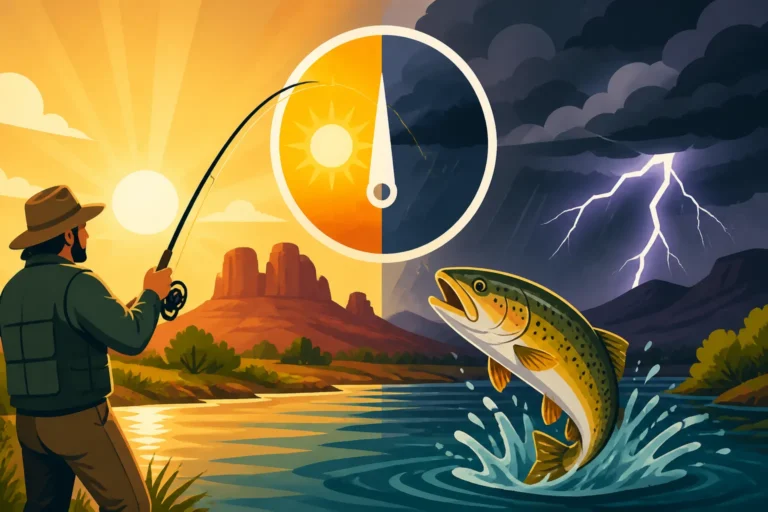
Oh, the joy (and sometimes headache!) of fishing in New Mexico, especially when Mother Nature decides to turn on the faucet. We've all been there: a big storm rolls through, dumps a ton of rain, and suddenly your favorite clear-water stream looks like a chocolate milkshake, or a familiar lake swells into uncharted territory. It can feel like your usual fishing spots are completely ruined, but trust me, those overflow areas created by heavy rains and runoff can actually hold some incredible fishing opportunities if you know how to approach them. This guide is all about helping you understand these unique post-storm conditions and showing you how to target fish that are eager to feed in the newly flooded zones.
Understanding Overflow and Its Impact on Fish Behavior
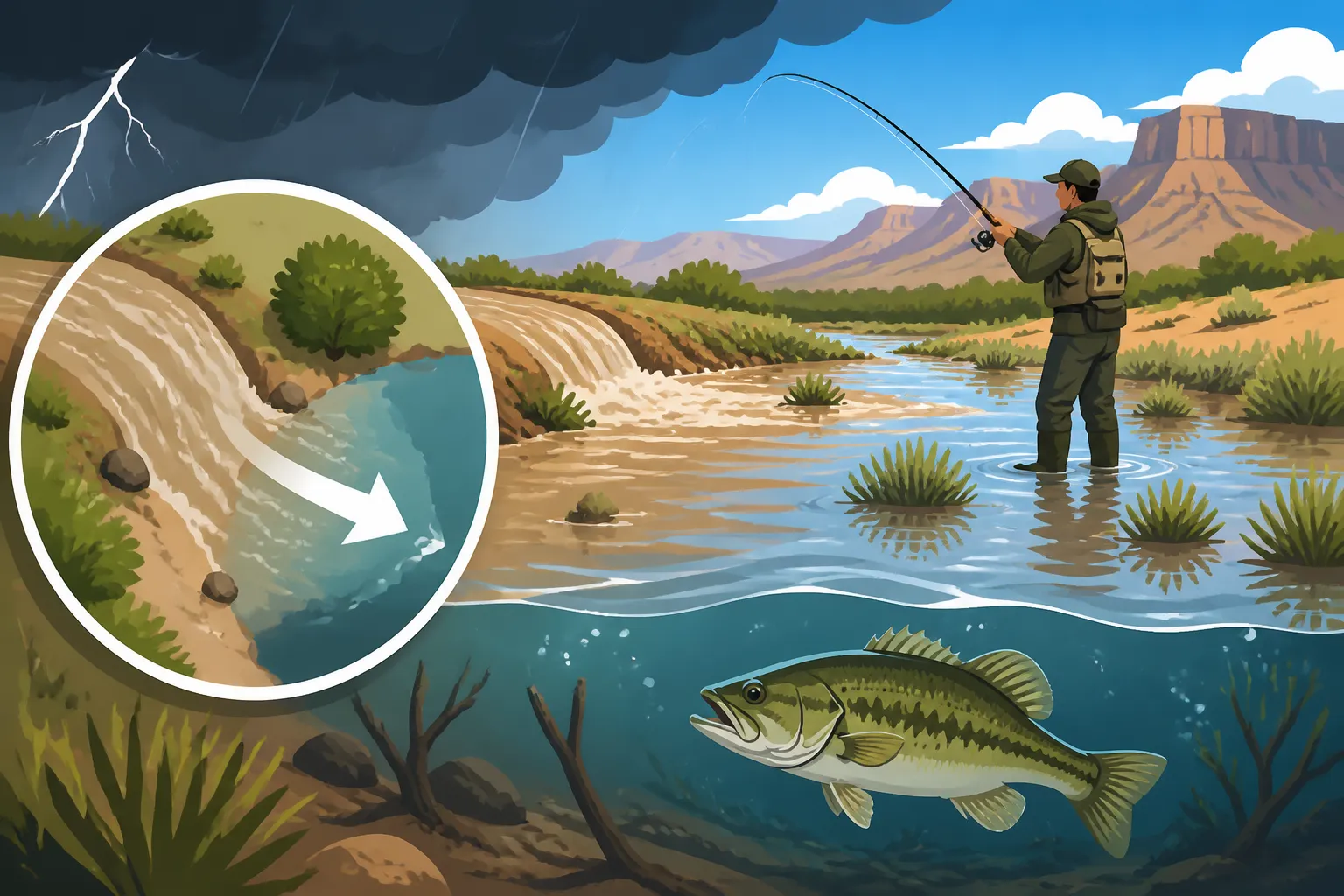
When heavy rains hit New Mexico, especially during monsoon season or intense spring thaws, the landscape changes dramatically. Arroyos that were bone-dry minutes before can become raging torrents, rivers swell, and lake levels can rise considerably, pushing water into areas that are normally dry. This phenomenon, often referred to as "overflow" or "runoff," completely reshapes the aquatic environment and, crucially, influences how fish behave. It’s not just about more water; it’s about a whole new dynamic.
What is "Overflow" in the New Mexico Context?
In the Land of Enchantment, "overflow" isn't just a generic term for high water. Here, it specifically refers to situations where water bodies—be they rivers, lakes, or even temporary ponds formed by intense local downpours—expand beyond their normal banks. This could be a river like the Rio Grande or the Pecos River spilling out into adjacent floodplains, or a lake like Elephant Butte or Conchas Lake creeping up its shoreline, inundating terrestrial vegetation and structure. Even ephemeral washes, known as arroyos, that feed into larger systems can create localized overflow zones.
Think about it: one day you're walking across a dry, grassy field next to a stream, and the next, that field is underwater, connected to the main flow. This new, expanded habitat is what we're talking about. These are typically shallow areas, often with new cover (like submerged bushes or grass), and they're usually rich in newly introduced food sources. Understanding the specific nature of these overflow zones in New Mexico, with its high desert and mountainous terrain, is key to successfully fishing them.
How Rain and Runoff Change the Aquatic Environment
The immediate aftermath of a storm brings a cascade of changes to the water. First, water clarity plummets. All that rain washes sediment, dirt, and organic matter from the surrounding land into the water, turning it murky or even opaque. This might seem like a deterrent, but it can actually work in your favor, as fish feel more secure in stained water and their reliance on sight diminishes, making other senses more important.
Second, water levels and flow rates increase. Rivers become faster, and lakes expand. This can dislodge bottom-dwelling insects, wash terrestrial insects and worms into the water, and create new currents and eddies. Fish, being opportunists, will often relocate to take advantage of these new flows and the food they bring.
Third, and perhaps most importantly, is the introduction of new food sources and cover. Rain washes all sorts of goodies into the water: worms, grubs, insects, and even small rodents or amphibians get swept in. The rising water also floods shoreline vegetation, creating instant cover and ambush points for predatory fish. For a fish, it’s like a buffet has just opened in a new, sheltered dining room. This is why learning How Does Monsoon Season Affect New Mexico Fishing? is so crucial for anglers.
Why Fish Move into Overflow Areas
Fish aren't just swimming around aimlessly in the new high water; they're there for very specific, survival-driven reasons. The primary drivers are food, cover, and often, a temporary respite from the increased current in the main channel.
- Abundant Food: As mentioned, the influx of terrestrial insects and worms is like a siren call. Fish sense these new food items being washed into their environment and will actively move into shallower, flooded areas to feast. They're looking for easy meals that the high water has delivered right to their fins.
- New Cover and Ambush Points: The flooded vegetation provides instant shelter from predators (like birds of prey or larger fish) and offers perfect ambush points for them to hunt smaller prey. A submerged brush pile or a patch of flooded reeds becomes a temporary fortress where fish can feel safe and hunt effectively. This is particularly true for species seeking protection from strong currents in the main river channels.
- Escape from Strong Currents: In rivers, the main channel can become a powerful, energy-draining highway after a heavy rain. Fish will often move into slower, shallower overflow areas or eddies where they can conserve energy and find food without fighting the main current. These calmer zones are vital resting and feeding areas during high flow.
- Warmer Water: Shallow overflow areas, especially in lakes, can warm up faster than the main body of water, attracting baitfish and, consequently, the predatory game fish that feed on them.
Essential Gear and Techniques for Overflow Fishing
Fishing overflow areas after a storm requires a slightly different approach than your typical clear-water tactics. The changed environment—murky water, increased currents, and new cover—means you need to adapt your gear and techniques to be successful. Don't be afraid to leave your finesse setups at home for a bit; this is often a time for bolder presentations.
Best Baits and Lures for Murky, High-Water Conditions
When the water is stained or muddy, fish rely more on their other senses: lateral line (to detect vibrations), smell, and taste. This changes the game significantly.
- Live Bait is King: Nothing beats the natural scent and movement of live bait in murky water. Worms (nightcrawlers, red wigglers) are absolutely phenomenal after a rain, mimicking the very food sources being washed into the water. Minnows, if legal and available, are also excellent, especially for predatory fish like bass and walleye. Shrimp, popular for catfish, also work wonders. You can often find a good selection of worms at local bait shops or through online retailers like Amazon if you want to stock up ahead of time.
- Scented Artificials: If you prefer artificial lures, focus on those that are heavily scented or can be tipped with scent. Soft plastic worms, creature baits, and jigs can be coated with scent attractants to give fish an extra reason to strike. Think about the profile and action too – a bulky, slow-moving bait can be easier for fish to locate in low visibility.
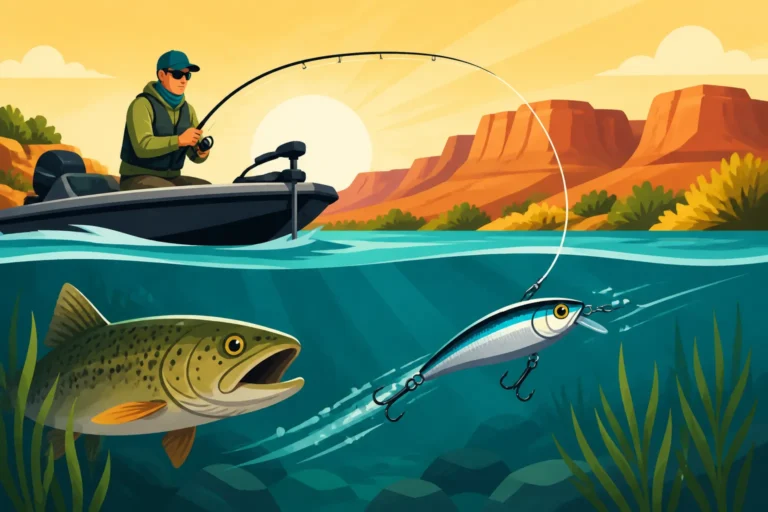
- Vibrating and Noisy Lures: Lures that create a lot of vibration or noise are fantastic for attracting fish in muddy water. Spinnerbaits, chatterbaits, and lipless crankbaits send out strong vibrations that fish can detect with their lateral line from a distance. Topwater lures with propellers or noisy rattles can also be surprisingly effective, especially in slightly clearer overflow areas, as fish look up for displaced terrestrial insects.
- Bright Colors: While natural colors often dominate in clear water, bright, fluorescent colors like chartreuse, orange, or hot pink can be highly visible in stained water, offering a strong visual cue that helps fish pinpoint your lure.
For more ideas, check out resources on Best Lures for New Mexico Bass or even Best Bait for New Mexico Trout, keeping in mind the specific conditions.
Rods, Reels, and Line for Handling Strong Currents and Debris
Your tackle needs to be robust enough to handle the increased power of the water and the potential for snags.
- Rods: Opt for a medium-heavy to heavy action rod. This gives you the backbone needed to cast heavier baits, penetrate strong currents, and muscle fish out of submerged cover. A longer rod (7 to 7.5 feet) can also help with longer casts and keeping your line out of the water, preventing debris from getting caught.
- Reels: A sturdy baitcasting reel or a robust spinning reel with a good drag system is essential. You’ll want a reel that can handle the stress of pulling fish against current and potential snags. Smooth casting is always a plus, especially if you're hitting specific pockets of water.
- Line: This is crucial. Forget your super-light finesse lines for now. Monofilament or fluorocarbon in the 12-20 lb test range is a good starting point for most warm-water species in these conditions. If you're targeting larger fish in heavy cover, consider braided line in the 30-50 lb range, especially if you're using heavy lures or pitching into thick stuff. Braid offers excellent strength and sensitivity, helping you feel subtle bites even in current. Always check your line for abrasions regularly, as debris in the water can quickly fray it.
Safety First: Wading and Bank Fishing Precautions
High water conditions are inherently more dangerous. Please prioritize safety above all else.
- Wading: If you plan to wade, exercise extreme caution. Water levels can rise rapidly, and currents can be much stronger than they appear. Always use a sturdy wading staff to probe the bottom ahead of you and maintain balance. Never wade alone, and always let someone know where you're going and when you expect to return. Waders should fit properly, and a wading belt is not just for comfort; it can prevent your waders from filling completely with water if you take a spill. Consider a pair of durable wading boots from a reputable brand you can find on Amazon that offer excellent grip on slippery surfaces.
- Bank Fishing: Even from the bank, be aware of unstable ground. Saturated soil can give way, especially near undercut banks. Watch for debris floating downstream and potential hazards like submerged branches or fences that could create dangerous snags. Keep a safe distance from fast-moving water and avoid trying to retrieve snagged lures if it puts you at risk. Remember to review the New Mexico Fishing Regulations Overview before heading out, as high water might temporarily affect access or specific rules.
- Weather Awareness: Storms can pop up quickly in New Mexico. Keep a close eye on weather forecasts and be prepared to pack up and leave if conditions worsen. Lightning, flash floods, and sudden downpours are real threats.
Locating Prime Overflow Fishing Spots in New Mexico
Finding fish in overflow conditions isn't about casting aimlessly into the expanded water. It's about understanding where fish are most likely to concentrate based on their needs for food, cover, and refuge from strong currents. Think like a fish: where would you go to find an easy meal and stay safe?
Identifying Natural Funnels and Eddies
Fish are energy misers. They will always seek out spots where food is delivered to them, or where they can rest while still being close to feeding opportunities.
- Funnels and Pinch Points: Look for areas where the overflowing water narrows or funnels into a smaller channel before rejoining the main body. These "pinch points" concentrate both fish and the food being washed in. Fish will stage in front of, within, and just behind these funnels, waiting for a meal to drift by.
- Eddies and Current Breaks: These are goldmines. An eddy is a section of water where the current swirls back on itself or is significantly reduced, usually found behind an obstruction like a large rock, a point of land, or a submerged tree. Fish will stack up in these calmer waters to escape the main current, yet they are perfectly positioned to dart out and grab food as it gets swept past the current break. On rivers like the San Juan River or the Rio Chama, these spots can be incredibly productive after heavy flows.
- Confluence Zones: Where a smaller, swollen feeder creek or arroyo meets a larger river or lake, you'll often find excellent fishing. The incoming water from the tributary brings a fresh batch of nutrients and food, creating a smorgasbord that fish can't resist. These mixing zones can be transition areas where fish hold, moving between the new inflow and the existing water.
Man-Made Structures as Fish Holding Areas
Natural features aren't the only places where fish will congregate. Human-made structures can become prime habitats during high water events.
- Roadbeds and Bridges: Old, submerged roadbeds or the areas around bridge pilings and abutments are fantastic. The roadbed itself acts as an underwater ridge that fish can hold near, and the bridge structures create current breaks and cover. Think about the shade and depth changes these structures offer. Fish will often sit on the calmer side of a pilings, just out of the main current, waiting for an unsuspecting bug or baitfish to float by.
- Culverts and Spillways: Any place where water is being channeled or flowing out of a contained area (like a culvert draining a field, or a spillway from a dam) will attract fish. These spots are essentially man-made funnels for food and often have some current breaks. Be extra cautious around active spillways, as they can be very dangerous, but the calmer water downstream or to the sides can be productive.
- Boat Ramps and Docks: As lake levels rise, boat ramps become submerged, and floating docks might expand into areas that were previously land. These structures provide excellent cover, shade, and often retain some of the terrestrial vegetation, making them attractive to fish. The corners and edges of submerged docks are classic ambush points.
Timing Your Approach: When to Hit the Overflow
Timing is everything when it comes to overflow fishing. Too soon, and the water might be too turbulent and muddy; too late, and the fish might have dispersed.
- During or Immediately After the Rain: If the rain is light to moderate, fishing during the event can be fantastic. The rain itself washes food into the water, and the low light conditions can make fish more active. However, if the rain is heavy and prolonged, it might be better to wait until the downpour subsides.
- The "Window of Opportunity": The sweet spot is often 12-48 hours after the heaviest rains have passed and the water begins to drop slightly, or at least stabilize, but is still very discolored and high. This is when the initial rush of debris has settled a bit, but the water is still nutrient-rich and oxygenated, and the fish are actively feeding on the influx of food. This is a great time to implement tactics for How to Fish Muddy Water in New Mexico.
- Extended Periods of High Water: If water levels remain high for several days or weeks, fish will settle into these new patterns. The overflow areas will become more established feeding grounds. Keep an eye on the New Mexico Fishing Season Dates and Limits, as fish behavior might change seasonally within these high-water periods.
- Check Local Conditions: Before heading out, it’s always smart to check local river gauges or reservoir levels if available. Websites or apps that track streamflows and lake levels can give you a crucial heads-up on current conditions.
Targeting Specific New Mexico Species in Overflow Conditions
New Mexico boasts a diverse array of fish species, and how they react to overflow conditions can vary. While some species will thrive in the newly available habitat and food, others might be more challenging to target. Knowing what to expect from your target species will help you refine your approach.
Warm Water Species vs. Cold Water Species in Overflow
The impact of overflow often differs significantly between warm water and cold water fisheries.
- Warm Water Species (Bass, Catfish, Crappie, Walleye): These are generally the prime targets in overflow conditions.
- Bass (Largemouth and Smallmouth): Bass absolutely love flooded cover. They'll move right into submerged bushes, grass, and trees to ambush baitfish, frogs, and worms. Use spinnerbaits, chatterbaits, Texas-rigged worms, or jigs pitched right into the thick stuff. The murky water gives them a sense of security to feed aggressively. Many of New Mexico’s lakes, like Elephant Butte Lake or Conchas Lake, are excellent for this.
- Catfish (Channel and Flathead): Catfish are incredibly active during and after rain events. The increased flow washes natural food (worms, insects) into the water, and they use their keen sense of smell to locate it. They’ll often be found cruising the edges of the main current, in eddies, or in freshly flooded areas. Stink baits, cut bait, or good old nightcrawlers are highly effective. For specific regulations on these fish, check out New Mexico Warm Water Fish Bag Limits.
- Crappie: Crappie will often move shallower into flooded timber or brush piles, especially if those areas contain smaller baitfish. Small jigs tipped with scent or small minnows under a bobber are great choices.
- Walleye: While often associated with deeper water, walleye will move into shallower, turbid areas to feed on baitfish that have become disoriented by the high water. Crankbaits that run shallow or jigs hopped along the bottom near current breaks can be effective.
- Cold Water Species (Trout – Rainbow, Brown, Cutthroat): Trout can be a bit more finicky, especially if the water gets too muddy or the temperature swings dramatically.
- Increased Food Source: Like warm water species, trout will feast on worms and insects washed in by the rain. A "worm hatch" after a storm can lead to incredible fishing using natural worms or artificial patterns like San Juan Worms.
- Turbidity Issues: If the water becomes extremely muddy, trout might retreat to clearer pockets or slightly deeper water where they can still see to feed. Visibility is more critical for them than for catfish, for example.
- Location: Look for trout in eddies, seams where fast water meets slow water, or in areas where a clear tributary might be feeding into a larger, muddier river. They will hold close to the bottom to avoid the strongest currents. For more detailed rules, especially regarding specific species like the Rio Grande Cutthroat, consult the New Mexico Trout Fishing Rules.
- Approach: For trout, focus on larger, more visible flies (like big streamers or nymph patterns that imitate worms) or lures that create vibration, rather than tiny, subtle presentations. PowerBait, which offers strong scent and visual appeal, can also be effective in these conditions for stocked trout.
Navigating Local Regulations During High Water Events
While the fish might be biting, it's absolutely critical to remember that all standard New Mexico fishing regulations still apply, and sometimes high water can even introduce special considerations.
- License and Stamps: Always ensure you have your valid New Mexico Fishing License Guide and any required stamps, such as the New Mexico Habitat Stamp and Validation Requirements. Game wardens are always out, rain or shine!
- Bag and Possession Limits: These don't change just because the water is high. Know the specific limits for the species you're targeting in the waters you're fishing. For instance, the New Mexico Trout Bag and Possession Limits are very specific.
- Method of Take: Be mindful of legal methods. Some waters might have specific restrictions on bait, lures, or even types of hooks. High water doesn't nullify these rules.
- Access Restrictions: Sometimes, due to flooding or unsafe conditions, certain areas might be temporarily closed to public access. Always respect closures and private property signs. If roads are flooded or washed out, don't risk it. This is where understanding broader state regulations, such as those covered in the New Mexico Fishing Regulations Overview, becomes vital.
- Catch and Release: If practicing catch and release, be extra gentle with fish that might already be stressed by fluctuating water conditions. Minimize handling time and ensure they are revived sufficiently before release. Learning good New Mexico Catch and Release Regulations is always a great habit.
Gear Checklist for New Mexico Overflow Fishing
To make sure you're fully prepared for your post-storm angling adventure, here's a quick checklist of items you'll want to have on hand. Being organized can make all the difference when conditions are challenging.
| Item Category | Essential Gear | Notes |
|---|---|---|
| Rods & Reels | Medium-heavy to heavy action rod (7-7.5 ft), baitcasting or robust spinning reel. | Provides power for casting heavier lures and handling strong fish in current. |
| Line | 12-20 lb monofilament or fluorocarbon; 30-50 lb braided line for heavy cover. | Stronger line is crucial for navigating debris and powerful currents. |
| Baits & Lures | Live worms (nightcrawlers), scented soft plastics (worms, creature baits), spinnerbaits, chatterbaits, lipless crankbaits, bright-colored jigs, cut bait (for catfish). | Focus on scent, vibration, and visibility in murky water. |
| Terminal Tackle | Heavier weights (bullet, egg, pyramid sinkers), durable hooks (wide gap, circle hooks), sturdy swivels and snaps, extra leaders (fluorocarbon). | You'll likely lose more tackle to snags in debris. Be prepared with plenty of spares. |
| Safety Gear | PFD (personal flotation device) if near deep or fast water, sturdy wading staff, first-aid kit, waterproof headlamp/flashlight, whistle, sturdy wading boots with good grip. | Safety is paramount in high water. Never underestimate currents or slippery banks. A good PFD is a wise investment, even if you don't plan to wade deeply. |
| Clothing | Waterproof rain gear (jacket and pants), quick-dry layers, sun protection (hat, polarized sunglasses – you can find great options on Amazon), sturdy, waterproof hiking boots if bank fishing. | Weather can be unpredictable after a storm. Stay dry and protected from sun and elements. |
| Essentials | Valid New Mexico Fishing License, pliers (for hook removal), line cutters, small tackle box or bag (e.g., a waterproof fishing backpack found on Amazon), bug spray, water bottles, snacks, camera (optional). | Keep your license accessible! Pliers are essential for safe hook removal, especially with aggressive bites. |
| Navigation | Phone with weather app and maps, physical map of the area, compass (optional). | Keep an eye on changing conditions and know your surroundings. Signal can be spotty in remote areas. |
Fishing overflow areas after a storm can be one of the most exciting and rewarding experiences in New Mexico. It's a chance to see familiar waters in a whole new light and to tap into aggressive feeding patterns that don't occur in normal conditions. Remember to stay safe, adapt your techniques, and always respect the power of nature. With the right approach, you can turn a potentially "ruined" fishing day into an unforgettable adventure.
Disclaimer
This article is for general informational purposes only and does not constitute professional advice. Laws, prices and regulations vary by location and change over time. Consult a qualified professional for guidance on your specific situation.