How Soon After Stocking Should You Fish a Lake?
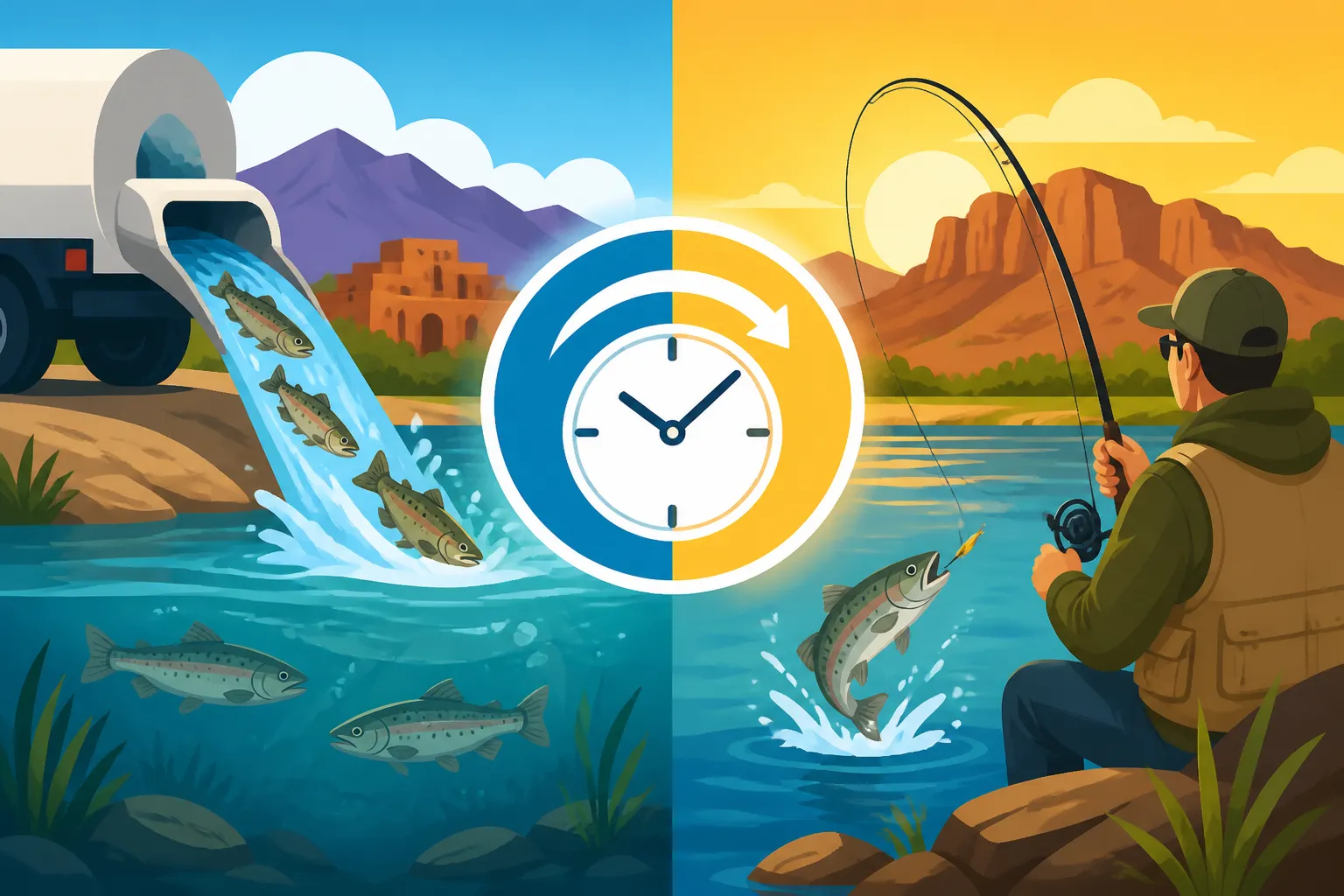
There’s a special kind of buzz that runs through the New Mexico fishing community when news of a trout stocking hits. You see those notifications, hear the whispers, or check the latest reports, and suddenly, that urge to grab your gear and head out to your favorite lake or stream is almost irresistible. But then the nagging question creeps in: how soon is too soon after the fish truck has left? Should you be there waiting, rod in hand, or is it better to give those newly introduced fish a little time to settle in? It's a question many of us have wrestled with, trying to balance eager anticipation with practical angling strategy, and this guide is here to help you navigate that decision for your next New Mexico fishing adventure.
The Immediate Rush: Pros and Cons of Fishing Right After a Stocking
The idea of being the first one to cast a line after a fresh stocking is incredibly appealing, and for good reason! Sometimes, those first few hours or even the first day can be incredibly productive. However, there are also downsides to this approach that many anglers overlook.
Why the Initial Hours Can Be Golden
When a load of hatchery-raised trout, or even warm water species, is introduced into a new environment, they're often disoriented, a little stressed, and, frankly, quite hungry. They've been raised in a relatively controlled environment, likely fed pelleted food, and suddenly they're in open water with different light, sounds, and an entirely new food source (or lack thereof). This discombobulation can make them less wary of anglers and their offerings.
Think of it this way: these fish are often used to seeing a human figure approach their tank and then food appearing. When you cast a PowerBait, a spinner, or even a fly that mimics their hatchery feed, it can be an easy meal for them. Many experienced anglers swear by getting to the lake within hours of a stocking, especially if the weather is mild and the fish haven't had a chance to disperse or get wise. This is particularly true for smaller, community ponds or sections of rivers that are heavily stocked. You might experience some of the fastest action of the season.
The Downside of Rushing Out Too Quickly
However, the "first come, first served" mentality can also lead to frustration. While some fish might be naive, others become instantly skittish. The sudden change in environment, coupled with the immediate pressure from dozens of anglers all casting at once, can shut them down. Imagine being dropped into a new, strange place and then immediately having a crowd of giants trying to snag you – it’s stressful!
Furthermore, freshly stocked fish often school up tightly for protection. If you're not casting into that specific school, or if they've moved to deeper water to escape the commotion, you might find yourself with an empty stringer while others seem to be pulling them in left and right. There's also the issue of water conditions. If the stocking happened during a sudden cold snap, or if the water temperature is dramatically different from their hatchery home, the fish might go into shock and become lethargic, refusing to bite for a day or two. It's not always a guaranteed feeding frenzy. You might just end up standing shoulder-to-shoulder with other hopeful anglers, all of you wondering why the fish aren't biting.
Understanding Stocked Fish Behavior in New Mexico Waters
To truly understand the best time to fish after a stocking, you need to put yourself in the scales of the fish, so to speak. Their survival instincts, the type of fish, and the environment they're introduced into all play a huge role.
The Hatchery to Wild Transition: A Fish's Perspective
Hatchery fish are, by design, less "wild" than their counterparts born in rivers and lakes. They're accustomed to a consistent feeding schedule and a relatively safe environment. When released, they face several immediate challenges:
- Predation: New Mexico's waters, even stocked ponds, are home to natural predators like larger fish, birds of prey, and even raccoons. The hatchery fish lack the ingrained evasive maneuvers of wild fish.
- Food Source: While they might initially be hungry, their learned diet of pellets is suddenly replaced by insects, crustaceans, smaller fish, or algae. It takes time for them to recognize and hunt these new food sources effectively.
- Shelter: They need to find places to hide from predators and current, as well as areas with comfortable water temperatures and oxygen levels. This often means seeking out submerged structures, deep pockets, or shaded areas.
This transition period can last anywhere from a few hours to several days. During this time, they might either bite aggressively out of hunger and confusion, or they might completely shut down and seek refuge while they adjust.
Factors That Influence Stocked Fish Activity
Several environmental and biological factors dictate how quickly stocked fish will become active and willing to bite:
Water Temperature
This is arguably the most critical factor. Fish are cold-blooded, and their metabolism is directly tied to water temperature. If the hatchery water was significantly warmer or colder than the lake they're dropped into, they will experience thermal shock. Trout, for example, thrive in cooler water, generally between 45-65°F. If they're put into water outside this range, they'll be stressed and less likely to feed. For instance, if you're fishing a high-mountain lake like Eagle Nest Lake for Rainbow Trout Fishing in New Mexico in early spring, and they've just stocked fish from a warmer hatchery, those trout might take a day or two to acclimate to the chill.
Water Clarity and Flow
Clear water allows fish to see better, but it also makes them more visible to predators and more wary of lines and lures. Murky water, on the other hand, can make feeding difficult but offers more cover. In rivers like the Rio Grande or Pecos, if the stocking coincides with high runoff, the increased flow and turbidity can make fish scatter and become hard to locate. They might seek calmer eddies or slack water.
Time of Day and Weather Conditions
Fish behavior changes with light levels. Early morning and late evening often provide the best conditions for feeding, as the light is low and temperatures are cooler. A sudden storm or a bright, cloudless day right after a stocking can also impact their willingness to bite. Overcast days or light rain often provide excellent conditions, as it can reduce direct sunlight and make fish feel more secure.
Strategic Timing: The Sweet Spot for Post-Stocking Success
So, considering all these variables, what's the optimal time to fish after a stocking? It's not always an exact science, but there are definitely strategies that increase your odds.
The "Day After" Approach
For many New Mexico waters, waiting just one day after a stocking can often be the sweet spot. This gives the fish a chance to:
- Disperse: They won't be as tightly schooled, making them easier to target.
- Acclimate: They'll have a little time to adjust to the new water temperature and chemistry.
- Find Shelter: They'll have discovered some structure or deeper areas where they feel safe.
- Regain Appetite: The initial shock might wear off, and hunger will set in.
By waiting a day, you often avoid the heaviest crowds, which means less pressure on the fish and a more enjoyable experience for you. This allows them to settle into a more natural feeding pattern, even if it's still influenced by their hatchery upbringing.
The 2-3 Day Window for Wary Fish
If you're targeting particularly large or notoriously skittish stocked fish, or if the fishing pressure was extremely high immediately after the stocking, waiting 2-3 days might be even better. During this period, the fish will have started exploring their new home more thoroughly, looking for natural food sources, and becoming a bit more accustomed to their surroundings.
They might also start to respond to different baits and lures than they would have on day one. For example, if they were initially hitting PowerBait like crazy, after a few days, they might be more interested in a small spinner or a nymph fly as their natural instincts kick in. This window also gives you time to research the New Mexico Fishing Regulations Overview for the specific water body, ensuring you're using appropriate methods.
Table: Weighing Your Options for Post-Stocking Fishing
Let's break down the pros and cons to help you decide when to head out:
| Factor | Immediate Fishing (0-12 hours post-stocking) | Delayed Fishing (1-3 days post-stocking) |
|---|---|---|
| Fish Orientation | Disoriented, may bite out of confusion/hunger | Beginning to acclimate, less stressed, may seek natural food |
| Angler Pressure | Very High – crowded, competition for spots | Moderate to Low – fewer anglers, more space |
| Fish Behavior | Can be aggressive or completely shut down (thermal shock) | More predictable feeding patterns, less skittish |
| Bait Preference | Often still prefer hatchery-like baits (e.g., PowerBait) | May start responding to natural baits/lures (worms, spinners, flies) |
| Catch Rate | Potentially very high initially, then drops off quickly | More consistent catch rate over a longer period |
| Overall Enjoyment | Can be frustratingly crowded, or incredibly exciting | More relaxed experience, better chance to hone skills and explore |
Maximizing Your Chances When Fishing Stocked Waters
Whether you decide to go immediately or wait a bit, there are several things you can do to improve your success when fishing New Mexico's stocked lakes and rivers.
Choosing the Right Gear and Bait
Stocked fish, especially trout, often have a strong preference for certain baits because that’s what they’re used to. PowerBait Fishing Tips for New Mexico are essential here. Brightly colored dough baits, corn, or small worms are often very effective in the days following a stocking. Simple lures like Kastmasters, Rooster Tails, or Panther Martins in flashy colors can also trigger aggressive strikes from disoriented fish.
For fly anglers, smaller nymphs or egg patterns that mimic hatchery pellets can be very successful. As the fish settle in, you might shift to more natural patterns like San Juan Worms, Copper Johns, or small emergers. Make sure your Best Rod Setup for New Mexico Trout Fishing is appropriate for the size of fish being stocked and the water body you're targeting. You can find a wide variety of these essential items, from a good tackle box to an assortment of lures, on Amazon.
Locating the Fish
Stocking trucks usually release fish from easily accessible points like boat ramps, dams, or designated shoreline access areas. While many fish will linger around these points, others will quickly seek out more natural cover. Look for:
- Drop-offs: Areas where the bottom quickly deepens provide both shelter and cooler water.
- Submerged Structure: Fallen trees, rock piles, or artificial fish habitats offer excellent cover.
- Inlets and Outlets: Moving water can concentrate food sources and oxygen, attracting fish.
- Shaded Areas: Overhanging trees or shadowed banks provide relief from direct sunlight.
Sometimes, after a stocking, the fish might cruise the shorelines in search of food before moving to deeper water. Walking and casting can be an effective way to locate these fish.
Practicing Patience and Observation
Fishing, especially for recently stocked fish, often requires a bit of detective work. If the bite isn't immediate, don't get discouraged. Try different depths, different retrieves, and different baits. Watch other anglers – what are they using? Where are they casting? Are they having success? Don't be afraid to move around the lake or river until you find an area where the fish are more active.
Remember that ethical angling practices are crucial, especially in high-traffic stocked areas. If you’re planning on Catch and Release Best Practices in New Mexico, handle fish gently, use barbless hooks, and try to minimize their time out of water.
Beyond the Initial Stocking: Long-Term Strategies
While the first few days post-stocking are often the most productive, many anglers prefer to fish stocked waters throughout the season. The fish that survive the initial feeding frenzy quickly adapt and become more challenging to catch, offering a more rewarding experience.
Adapting to Wiser Fish
After a week or two, stocked fish become "wilder." They learn to avoid obvious baits, recognize lines and leaders, and actively hunt natural prey. This is when your angling skills really come into play. You'll need to use lighter lines, more subtle presentations, and baits or flies that accurately mimic the natural food sources in that particular water body.
This is also where knowing your New Mexico Fishing Season Dates and Limits becomes important, as different species will be more active at certain times of the year. For instance, in spring, trout might be found closer to the surface, while in summer, they'll retreat to deeper, cooler water. A good fish finder can be a game-changer on larger reservoirs, helping you locate schools that have moved offshore. You can easily find portable fish finders, even smaller, affordable models for bank fishing, on Amazon.
Seasonal Considerations for New Mexico Stocking Programs
New Mexico's stocking programs often follow a seasonal schedule, particularly for trout.
- Spring: Heaviest stockings occur as waters warm up but before they get too hot. This is a prime time for consistent action.
- Summer: Stockings may slow down or shift to higher elevation lakes and streams where water temperatures remain cool. Fishing strategies will need to focus on early mornings, late evenings, or deeper water.
- Fall: As temperatures drop, trout become very active again, and stockings increase. This can be one of the best times for both quantity and quality of fish.
- Winter: Some waters, especially those that remain ice-free, continue to receive stockings. Ice Fishing in New Mexico also sees stockings in applicable lakes.
Always check the New Mexico Department of Game and Fish website for the most current How Often Are New Mexico Lakes Stocked? and stocking reports. This information is your best friend when planning a trip. Knowing which Trout Species Found in New Mexico are being stocked, such as rainbow or brown trout, can also influence your bait and technique choices.
The Verdict: When to Go?
There's no single, universally "best" answer to "how soon after stocking should you fish a lake?" The optimal timing is a dynamic balance between the initial flurry of activity, the fish's adjustment period, and the fishing pressure.
For sheer numbers and an easier catch, getting there within 12-24 hours of a stocking can be very productive, especially if the weather is stable and the fish aren't under immediate shock. This strategy is popular for new anglers or families looking for a high-probability catch. Just be prepared for crowds!
However, for a more relaxed experience, slightly wiser fish, and a chance to truly hone your angling skills, waiting 2-3 days often yields more consistent action with fewer people around. The fish will have started to behave more naturally, making the challenge and the reward greater.
Ultimately, the best advice is to observe, adapt, and don't be afraid to try different strategies. Keep an eye on local stocking reports, consider the weather, and most importantly, get out there and enjoy the incredible New Mexico fishing opportunities!
Disclaimer
This article is for general informational purposes only and does not constitute professional advice. Laws, prices and regulations vary by location and change over time. Consult a qualified professional for guidance on your specific situation.