Kayak Fishing Techniques for New Mexico Lakes
For many anglers in New Mexico, the dream of reaching those untouched pockets of water, silently gliding past the crowds, and experiencing an intimate connection with nature can feel out of reach, especially on our vast, open lakes. Traditional boats can be cumbersome, expensive, and limited in shallow areas. This comprehensive guide is designed to help you unlock the full potential of kayak fishing across New Mexico's diverse lakes, offering practical techniques and essential insights to transform your angling adventures.
Getting Started with Kayak Fishing in New Mexico
Kayak fishing has exploded in popularity, and for good reason. It offers a unique blend of exercise, tranquility, and unparalleled access to fishing spots that bigger boats simply can't reach. But jumping into it, especially on New Mexico's large, often windy reservoirs or high-altitude mountain lakes, requires a bit more thought than just grabbing a paddle. Understanding the specific advantages and how to choose the right vessel for our unique waters is your first step toward success.
Advantages of Kayak Fishing
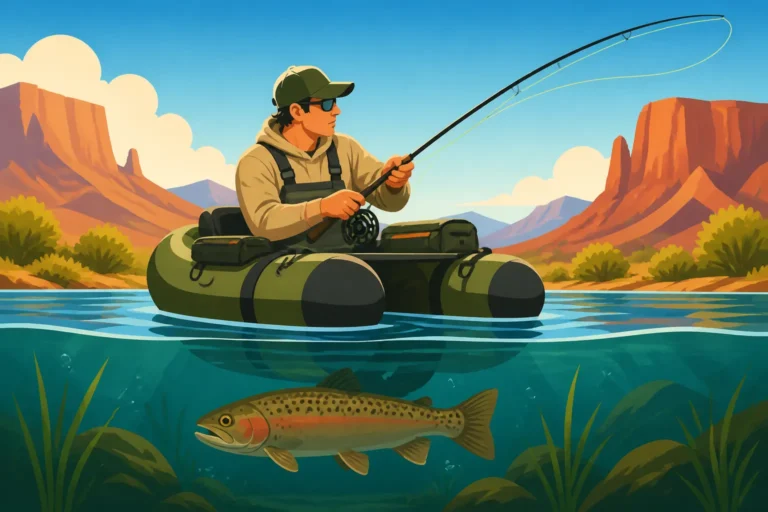
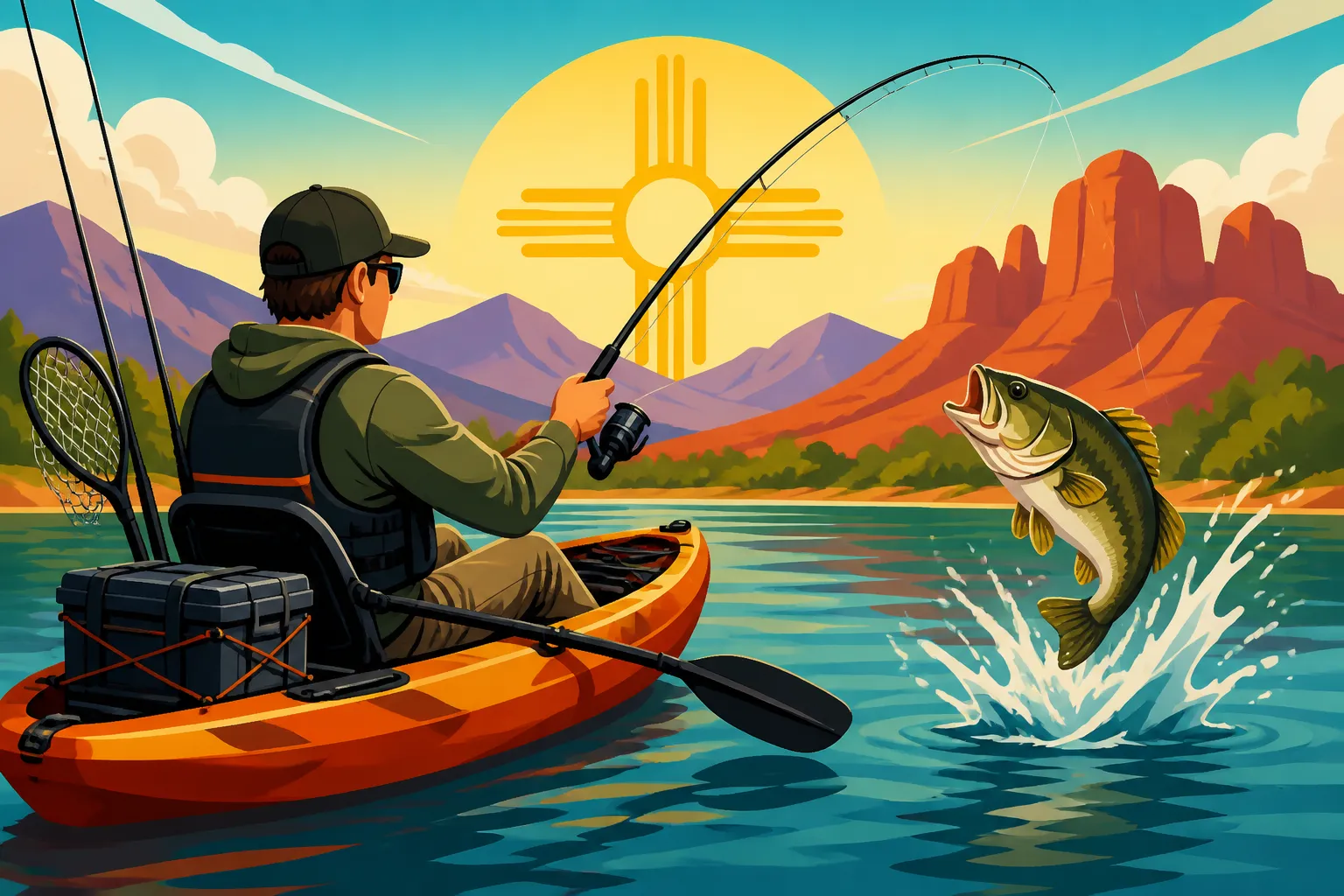
Let's be honest, hauling a big bass boat or even a modest jon boat to a distant New Mexico lake can be a real production. Gas prices, launching fees, maintenance – it all adds up. Kayak fishing dramatically cuts down on these overheads. You can often launch from more informal access points, avoiding busy ramps, and the sheer portability of a kayak means you can explore smaller, less pressured waters that powerboats can't even dream of. Imagine silently paddling into a quiet cove on Elephant Butte Lake, the only sound being the gentle dip of your paddle, while a monster striper or largemouth lurks just beneath the surface, undisturbed by a roaring outboard.
Beyond the cost and access, there's a profound sense of stealth and connection with the environment. A kayak allows you to approach fish with minimal disturbance, often leading to more strikes and a more natural fishing experience. The low profile means you're less affected by wind than a taller boat, though wind still presents its own challenges. Plus, for many, it's a fantastic workout and a way to truly immerse themselves in the stunning landscapes of our state, from the red rock canyons of Navajo Lake to the alpine beauty of Fenton Lake. The ability to easily portage over small obstacles or through very shallow water opens up incredible backcountry fishing opportunities that are simply impossible otherwise.
Choosing the Right Kayak for New Mexico Waters
Picking the perfect kayak isn't a one-size-fits-all deal, especially when you consider the variety of New Mexico's fishing environments. You've got everything from the vast, open expanses of Elephant Butte and Navajo lakes to the narrower, calmer stretches of Heron Lake or smaller, high-mountain trout lakes. For open water and larger reservoirs, a longer, wider sit-on-top kayak generally offers better stability and tracking, which is crucial when battling waves or strong winds. Look for models in the 12 to 14-foot range with a good beam (width) for stability when casting or reeling in a big fish. Pedal-drive kayaks, like those from Hobie or Old Town, have become incredibly popular because they free up your hands for fishing, which is a huge advantage, especially when trolling or maneuvering around structure. However, they come with a higher price tag.
If you're primarily targeting smaller, calmer lakes or rivers, a shorter, lighter kayak (10-12 feet) might be more maneuverable and easier to transport. Sit-in kayaks can offer more protection from the elements, which is a plus during cooler mornings or evenings, but they can be harder to get in and out of, especially if you're a larger angler. Regardless of type, ensure your chosen kayak has ample storage for tackle, a cooler, and safety gear. Many fishing kayaks come with built-in rod holders, tackle storage, and even mounting points for fish finders. Consider the material too: rotomolded plastic is durable and affordable, while thermoformed or composite kayaks are lighter but more expensive. Always check the weight capacity to ensure it can comfortably hold you, your gear, and your anticipated catch. For more detailed insights, you might want to read our guide on Best Kayaks for Elephant Butte Lake to understand specific features beneficial for larger waters.
Essential Gear and Rigging for New Mexico Kayak Anglers
Once you've got your kayak, the next step is outfitting it correctly. This isn't just about throwing your fishing rods in; it's about making sure you're safe, efficient, and comfortable for a full day on the water. New Mexico's weather can be unpredictable, and our lakes can get surprisingly rough, so safety is paramount. Then, it's about optimizing your setup to maximize your fishing potential, from electronics to tackle organization.
Must-Have Safety and Navigation Gear
Safety isn't a suggestion; it's a requirement, especially on expansive New Mexico waters where help might not be immediately available. The absolute first item on your list should be a well-fitting personal flotation device (PFD). Wear it, don't just store it. Capsizing can happen quickly, even on calm days, and a PFD is your best friend. A whistle or air horn is also critical for signaling in an emergency or attracting attention from other boaters. Don't forget a first-aid kit – small cuts and scrapes are common, and a basic kit can handle most minor incidents.
For navigation, especially on large lakes like Navajo or Elephant Butte, a reliable GPS device or a smartphone with a waterproof case and downloaded maps is invaluable. This helps you track your location, mark fishing spots, and navigate back to your launch point, particularly if fog rolls in or you get disoriented. A paddle leash is a cheap but crucial item to prevent losing your paddle if you drop it or capsize. Consider a marine-band VHF radio for direct communication with emergency services or other boaters, especially if you're fishing alone or far from shore. Finally, always check the weather forecast before heading out. New Mexico can experience sudden strong winds and thunderstorms, making conditions on the water dangerous very quickly. For more information on what's legally required, refer to our New Mexico Boat Registration and Titling Guide.
Setting Up Your Kayak for Fishing Success
Optimizing your kayak's layout can significantly enhance your fishing experience. The goal is to keep essential gear accessible yet secure, minimizing clutter and maximizing casting room. Start with rod holders: most fishing kayaks come with flush-mount holders, but adjustable, external rod holders are fantastic for trolling or holding a rod ready for action. You can find a wide variety of these on Amazon, often bundled with mounting hardware. Look for holders that swivel and adjust to different angles.
Next, consider your tackle management. A small, waterproof tackle box or bag that fits securely between your legs or in a front hatch is ideal. You want quick access to your most-used lures and tools without having to twist awkwardly. A milk crate or specialized fishing crate can be invaluable for holding multiple tackle boxes, a small cooler, and providing a stable platform for mounting additional accessories like a fish finder or camera. Secure everything with bungee cords or leashes. Losing a favorite rod or tackle box overboard in choppy water is incredibly frustrating. Think about where your landing net will be stored – easily accessible for quickly netting a fish, but out of the way when paddling. A compact, rubberized net is best for easy catch and release, minimizing harm to the fish.
Rods, Reels, and Tackle for Kayak Fishing
The rods and reels you choose for kayak fishing should balance power with manageability in a confined space. Shorter rods, generally 6 to 7 feet, are often preferred because they're easier to cast and handle without snagging the kayak or paddle. For multi-species angling, a medium-action spinning rod paired with a 2500-3000 series reel spooled with 10-15 lb braided line is a versatile setup for targeting everything from bass and walleye to trout. The braid offers sensitivity and strength, and you can attach a fluorocarbon leader for stealth. You can check out a range of options on Amazon to see what fits your budget and specific needs.
Your tackle selection will, of course, depend on your target species and the specific lake. For bass and walleye, keep a variety of crankbaits, jig heads, soft plastics (like Texas rigs), and topwater lures. For trout and salmon, small spoons, spinners, PowerBait, and fly patterns (if appropriate) are key. Be mindful of space; don't bring your entire tackle shop. Focus on versatile lures in proven colors. A small, waterproof box containing an assortment of hooks, weights, swivels, and extra leaders is always a good idea. Consider a pair of fishing pliers and line clippers attached to a retractable lanyard – you'll use them constantly, and they're easy to drop. Having a specific Kayak Fishing Gear for New Mexico Lakes checklist can ensure you don't forget anything vital for your next trip.
Strategic Techniques for New Mexico's Diverse Lakes
Kayaks open up new possibilities, but they also demand a different approach to fishing. You're closer to the water, often moving slower, and your stealth is a major asset. Understanding how to leverage these attributes, especially when targeting specific fish species or dealing with challenging conditions, is key to consistent success on New Mexico's diverse impoundments.
Targeting Warmwater Species from a Kayak
New Mexico's warmwater lakes, like Elephant Butte, Conchas, and Ute Lake, are prime territory for bass, walleye, and striped bass. From a kayak, your stealth allows you to approach shoreline cover, submerged brush, and rocky points without spooking fish. For largemouth bass, focus on pitching jigs or Texas-rigged soft plastics into dense cover, working spinnerbaits along weed lines, or throwing topwater frogs over lily pads in the calmer back coves. Your low profile makes accurate, short-distance casting a breeze. For smallmouth bass, target rocky banks, humps, and drop-offs with crankbaits, tubes, or small swimbaits.
Walleye, often found deeper, can be effectively targeted by trolling from your kayak. With a pedal-drive kayak, you can maintain a consistent speed while deploying crankbaits or spinner-worm harnesses along contours or over submerged structure. If you're paddling, a small electric trolling motor can be a game-changer for maintaining speed and saving energy. Jigging spoons or blade baits vertically over marked fish or structure is another highly effective technique. For the hard-fighting striped bass at Elephant Butte, look for schooling baitfish on your fish finder and cast large swimbaits, topwater plugs, or bucktail jigs into the frenzy. The ability to quickly paddle into a surface boil gives kayakers a huge advantage here. You can also explore Trolling Techniques for New Mexico Lakes for species like walleye and stripers.
Kayak Fishing for New Mexico Trout and Salmon
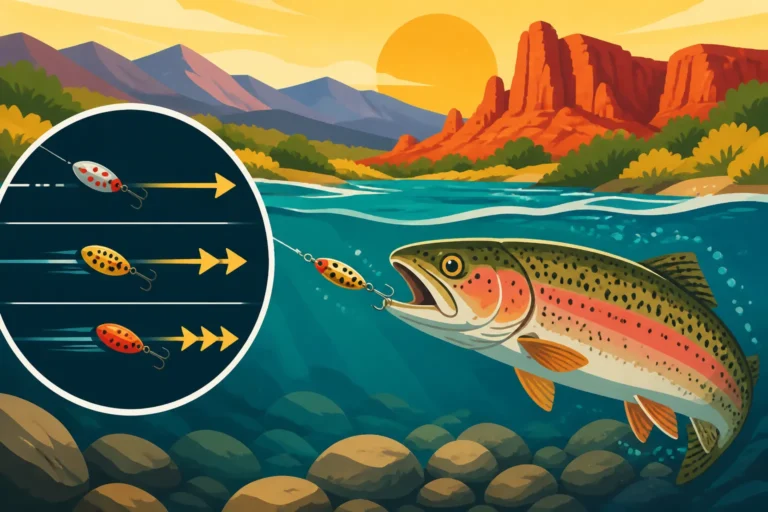
New Mexico is renowned for its trout and kokanee salmon fisheries, and a kayak is an excellent platform for pursuing them on lakes like Navajo, Heron, Eagle Nest, and many high-mountain ponds. For stocked rainbow trout in smaller lakes or ponds, simple techniques like still-fishing with PowerBait or worms under a bobber can be very effective. Your kayak allows you to reach the deeper, cooler waters where trout often hold. Trolling small spoons or spinners (like Panther Martin or Mepps) slowly along drop-offs or across the lake basin is another proven method. Many anglers find success using a small lead-core line or a downrigger to present lures at specific depths.
When targeting kokanee salmon, particularly during their pre-spawn and snagging seasons at Navajo and Heron lakes, trolling is paramount. Small dodgers or flashers paired with kokanee bugs, wedding rings, or corn-tipped hooks are the go-to. The ability to precisely control your speed and follow contours from a kayak can significantly increase your success rate. For wild trout in high-mountain lakes, stealth and accurate casting with small spinners, dry flies, or nymphs are key. Your kayak lets you access untouched shorelines and work structure that bank anglers can't reach. Having a diverse selection of Best Lures for New Mexico Trout is crucial for these varied conditions.
Mastering Wind and Current from a Kayak
One of the biggest frustrations for New Mexico kayak anglers is undoubtedly the wind. Our open lakes can transform from glassy calm to white-capping choppiness in minutes. Mastering wind and current is less about fighting it and more about using it to your advantage. When possible, try to fish with the wind at your back, allowing it to propel you along productive shorelines or drifts. This conserves energy and allows for longer, more accurate casts. If the wind is too strong, look for sheltered coves, the lee side of islands, or areas near tall bluffs that offer some protection.
A drag chain or drift sock can be an invaluable tool to slow your drift on windy days, allowing you to thoroughly fish an area without constantly paddling. Anchor poles or small folding anchors (like a grapple anchor) are essential for holding your position over structure or in a current. However, always be mindful of anchoring in strong currents; too much pressure on a short rope can be dangerous. Pedal-drive kayaks offer a distinct advantage in windy conditions, as they allow for hands-free propulsion and easier course correction. Learn to "feather" your paddle or pedal subtly to maintain your position or make slight adjustments without spooking fish. Paying attention to the wind direction and choosing your launch and fishing spots accordingly can make or break a day on the water.
Advanced Kayak Fishing Tactics and Considerations
Once you've got the basics down, you might be wondering how to take your kayak fishing to the next level. This often involves integrating technology, adapting to the dynamic New Mexico environment, and always keeping conservation in mind. These advanced tactics can significantly boost your success and ensure you're fishing responsibly.
Utilizing Electronics and Anchoring Systems
Modern electronics have revolutionized kayak fishing. Even small fish finders with GPS capabilities can make a huge difference. Devices like the Garmin Striker or Humminbird PiranhaMAX series offer excellent value, providing crucial information about depth, water temperature, bottom structure, and most importantly, the presence of fish. They can be mounted on a track system or a portable suction cup mount, making them easy to install and remove. Pairing your fish finder with a portable power source, like a small sealed lead-acid or lithium battery, means you can take it anywhere. The GPS function is fantastic for marking productive fishing spots, submerged brush piles, or subtle contour changes that you want to revisit.
Advanced anchoring systems are another key upgrade. While a traditional anchor or anchor pole works, sophisticated shallow-water anchors like the Power-Pole Micro or Minn Kota Talon are becoming popular among kayak anglers. These systems allow you to silently deploy and retract an anchor at the push of a button, keeping you firmly in place in shallow water or when battling strong currents. For deeper water, a versatile anchor trolley system lets you shift your anchor point from bow to stern, allowing you to position your kayak optimally relative to the wind or current, ensuring you can cast effectively into your target zone. When considering these upgrades, remember that a fully rigged kayak can be a significant investment, but the benefits in fishing efficiency and enjoyment are often worth it.
Overcoming Environmental Challenges
New Mexico's diverse environment presents unique challenges for kayak anglers. Our high-altitude lakes, for instance, can see drastic temperature swings. Early mornings can be frigid, even in summer, requiring proper layering. As the day progresses, the sun can become intense, making sun protection (wide-brimmed hats, long-sleeved UPF clothing, sunscreen, and polarized sunglasses) absolutely essential. Weather can change rapidly; a clear morning can turn into an afternoon thunderstorm, complete with lightning and hail. Always be prepared with rain gear and keep an eye on the sky.
Drought conditions and fluctuating water levels are also common, especially on our large reservoirs. This can dramatically alter fish patterns, revealing new structure or making familiar spots unfishable. Using online resources from the New Mexico Department of Game and Fish (NMDGF) or even checking local marina websites for current water levels before you go is a smart move. When water levels are low, be cautious of submerged hazards, and be prepared to launch from less-than-ideal spots. Conversely, rising waters can push fish into newly flooded vegetation, creating fantastic opportunities. Adapting your techniques to these changing conditions, from exploring different depths to targeting new cover, is crucial for consistent success. You can often find the Best Time of Year to Fish in New Mexico by monitoring these environmental factors.
Responsible Kayak Fishing and Conservation
As kayak anglers, we have a unique responsibility to practice conservation and minimize our impact on the environment. Because we can access remote areas, it's even more important to leave no trace. Pack out everything you pack in, including fishing line, lure packaging, and any trash. Be mindful of fragile ecosystems, particularly around smaller high-mountain lakes or sensitive riparian zones. When launching and landing, try to avoid disturbing vegetation.
Practicing proper catch and release techniques is vital, especially for native or sensitive species like Rio Grande cutthroat trout. Handle fish minimally, keep them in the water as much as possible, use a rubberized net to protect their slime coat, and revive them gently before release. Consider using barbless hooks, or crimp down the barbs on your hooks, as this makes hook removal much easier and less traumatic for the fish. Adhering to all New Mexico Fishing Regulations Overview, including bag limits, size restrictions, and special regulations for specific waters (like the San Juan River Special Trout Water), is not just a legal obligation but an ethical one. By being responsible stewards of our waterways, we ensure that the incredible experience of kayak fishing in New Mexico remains for future generations. For more detailed tips, check out our guide on Catch and Release Best Practices in New Mexico.
Popular New Mexico Lakes for Kayak Fishing
New Mexico boasts an incredible array of lakes, each offering a distinct kayak fishing experience. From vast desert reservoirs teeming with bass and stripers to serene alpine lakes holding native trout, there's a perfect paddling destination for every angler. Let's explore some of the top spots and what makes them special for kayak fishing.
Kayaking Elephant Butte Lake
Elephant Butte Lake, New Mexico's largest body of water, is a legendary destination for warmwater species, and it offers incredible opportunities for kayak anglers. While its vastness can be intimidating, the kayak's stealth and maneuverability truly shine here. Focus on the extensive shoreline, which features countless coves, points, and submerged rock formations. Largemouth and smallmouth bass hold tight to cover, making them ideal targets for accurate casts from a kayak. Striped bass are a major draw, and kayak anglers can often paddle swiftly to actively feeding schools, casting topwater plugs or large spoons into the frenzy.
The sheer size of Elephant Butte means you'll want to plan your trips carefully, considering wind direction and potential paddling distances. Launching from various state park units like Monticello Point or Rock Canyon can give you access to different sections of the lake. Bringing a fish finder is highly recommended to locate submerged humps, channels, and baitfish schools in the deeper sections. While a pedal-drive kayak can be a huge asset for covering water, even paddle kayaks can find fantastic fishing by sticking to specific coves or points. Remember the intense New Mexico sun and bring plenty of water and sun protection.
Kayaking Navajo Lake and Heron Lake
Moving north, Navajo Lake offers a completely different, yet equally rewarding, kayak fishing experience. Known for its clear, deep waters and stunning red rock canyons, Navajo is a premier destination for kokanee salmon, rainbow trout, brown trout, and even northern pike. Kayak anglers excel here, particularly when trolling for kokanee. The long, winding arms of the lake provide endless stretches for precise trolling runs using downriggers or lead-core lines. Your kayak allows you to hug the contours and stay over prime kokanee habitat, often near the dam or in the deeper sections of the lake's arms.
Heron Lake, located near Chama, is a designated "no-wake" lake, making it an absolute paradise for kayak anglers. The calm waters are perfect for a peaceful day of fishing for kokanee salmon, rainbow trout, and even some sizable lake trout. The no-wake rule means you won't be battling boat chop, allowing for incredibly stable casting and trolling. Heron is especially popular during the kokanee snagging season, where kayakers can position themselves effectively to intercept migrating salmon. The lake's clear waters and scenic beauty make it an unforgettable experience. For specifics on the best times and techniques, explore our Navajo Lake Kokanee Salmon Fishing and Heron Lake Kokanee Salmon Fishing guides.
Exploring Smaller Lakes and Ponds
Don't overlook New Mexico's numerous smaller lakes, ponds, and even urban fisheries. These often get less pressure from powerboaters and can offer fantastic, accessible kayak fishing opportunities. Lakes like Storrie Lake near Las Vegas, NM, or Bill Evans Lake near Silver City, offer excellent trout and bass fishing in more intimate settings. Urban ponds, regularly stocked by the NMDGF, are perfect for a quick evening trip or introducing kids to kayak fishing. Your kayak gives you a distinct advantage over bank anglers, allowing you to reach deeper water, access weed beds, and fish around obstacles.
These smaller waters often have diverse ecosystems, from calm reedy sections to open areas perfect for trolling. You might find fantastic panfish action for bluegill and crappie in the shallows, while deeper sections hold larger trout or bass. Transporting your kayak to these spots is usually straightforward, as many have easy put-in access. They are also excellent places to refine your paddling skills and experiment with new techniques before tackling the bigger waters. Remember to consult the New Mexico Fishing Season Calendar for stocking schedules and specific regulations for each smaller body of water. Ultimately, a kayak can unlock nearly every fishing spot in the state, making New Mexico an unparalleled adventure for the paddle-powered angler.
Disclaimer
The information provided in this guide is for general informational purposes only and is not intended as legal advice. Fishing regulations, conditions, and best practices can change. Always consult the most current New Mexico Department of Game and Fish regulations before heading out on the water. Exercise caution and prioritize safety on all fishing excursions.