Kayak Fishing Gear for New Mexico Lakes
Navigating the vast, often windy waters of New Mexico's lakes in a kayak can feel like a daunting task, especially when you're just starting out and trying to figure out what gear you really need. It’s easy to get caught up in the sheer volume of choices, wondering if you're forgetting something critical for safety or comfort, or if you're just buying unnecessary gadgets. This guide is here to cut through the noise, offering a comprehensive breakdown of essential kayak fishing gear specifically tailored for the unique challenges and incredible opportunities that New Mexico's lakes present.
Choosing the Right Kayak for New Mexico Waters
Picking the perfect kayak for your New Mexico fishing adventures is the foundational step. It’s not just about what looks cool; it's about what will perform best for the kind of fishing you want to do and the specific waters you'll be exploring, from the vast open expanses of Elephant Butte to the quieter, colder waters of Heron Lake. You'll need to consider stability, propulsion, and overall size.
Understanding Kayak Types and Stability
New Mexico's lakes can get pretty choppy, especially larger reservoirs like Elephant Butte Lake or Navajo Lake when the wind picks up. For this reason, stability is often paramount for kayak anglers.
A sit-on-top (SOT) kayak is almost universally recommended for fishing, particularly for beginners. These kayaks are incredibly stable, making it easier to cast, reel in fish, and even stand up to sight fish if you choose a wider, purpose-built fishing model. If you do happen to tip over, re-entry is generally much simpler than with a sit-in kayak, which is a huge plus in cooler water temperatures or when you're out there alone. The open deck also offers plenty of space for gear, which is always a consideration for anglers. You'll often find scupper holes that allow water to drain, keeping your deck relatively dry, although you might want scupper plugs in colder conditions to prevent cold water from splashing up.
Sit-in kayaks, while offering more protection from the elements and sometimes tracking a bit better in a straight line, can be less stable and more challenging for re-entry if capsized. While some experienced anglers use them, especially in very calm, smaller waters, for the general New Mexico lake angler, a sit-on-top is usually the way to go for the best balance of safety and functionality. When you're dealing with big fish or windy conditions, that extra stability means everything.
Propulsion Methods: Paddle, Pedal, or Motorized
How you move your kayak across the water greatly impacts your fishing experience, especially when you're covering long distances or trying to stay on a bite.
Traditional paddle kayaks are still a fantastic option, offering simplicity, a great workout, and direct connection with the water. They are generally lighter and less expensive than other options. However, paddling constantly can be tiring, especially against wind or current, and it means one hand is often occupied, making it harder to cast or handle a fish at the same time. For shorter trips or smaller, more sheltered lakes, a paddle kayak is perfectly adequate. Look for a comfortable, adjustable paddle that matches your height and kayak width.
Pedal-drive kayaks have revolutionized kayak fishing for many. Systems like Hobie's MirageDrive or Native Watercraft's Propel Drive allow you to propel the kayak using your legs, freeing up your hands for fishing. This is a game-changer when you're trying to troll, hold your position against a light breeze, or simply cover more water without constant arm fatigue. The ability to "hands-free" fish drastically improves your efficiency and enjoyment, particularly on large lakes where you might be chasing schooling fish or covering extensive areas. Many pedal-drive kayaks are also designed with superior stability, accommodating standing anglers.
Then there are motorized options, typically small electric trolling motors. While adding a motor significantly increases weight and complexity, it also offers the ultimate in hands-free propulsion and speed, allowing you to quickly move between spots or fight strong winds. Some kayaks are designed from the ground up to integrate a trolling motor, while others can be aftermarket fitted. You'll need to consider battery weight and life, charging, and the additional regulations that come with motorized vessels (even kayaks). For serious tournament anglers or those who want to maximize their time on the water, a motorized kayak can be a powerful tool, but it also increases the investment significantly. Always double-check New Mexico Boat Registration and Titling Guide and local regulations if you plan to motorize your kayak.
Kayak Size, Weight, and Capacity
The dimensions and weight of your kayak are practical considerations that directly impact transportation, launching, and on-water performance.
Longer kayaks (12-14 feet) generally track straighter and are faster through the water, making them ideal for covering long distances on big New Mexico lakes like Navajo Lake or Ute Lake. They also offer more storage space, which is crucial if you plan on multi-day trips or simply carry a lot of gear. However, they are heavier, harder to transport, and less maneuverable in tight spaces or smaller coves. For an in-depth look, check out Best Kayak Length for Reservoir Fishing.
Shorter kayaks (10-12 feet) are lighter, easier to transport, and more agile. They might be a better choice if you primarily fish smaller ponds, rivers, or want something easier to handle solo. However, they tend to be slower and can be more susceptible to wind, making paddling more challenging on large, open reservoirs.
The weight capacity is also vital. Always ensure that the combined weight of you, your gear, and any fish you might catch remains well within the manufacturer's stated capacity. Overloading a kayak not only makes it less stable and harder to paddle but can also be incredibly dangerous, especially in rough water conditions. Consider the types of fish you'll be targeting; a stringer full of big striped bass from Elephant Butte will add significant weight.
Essential Safety Gear for Kayak Anglers
When you're out on the water, especially on large, remote New Mexico lakes, safety isn't just a suggestion—it's paramount. The weather can change quickly, and currents or sudden wakes can throw you off balance. Being prepared for the unexpected is a critical part of a successful and responsible kayak fishing trip.
Personal Flotation Devices PFDs
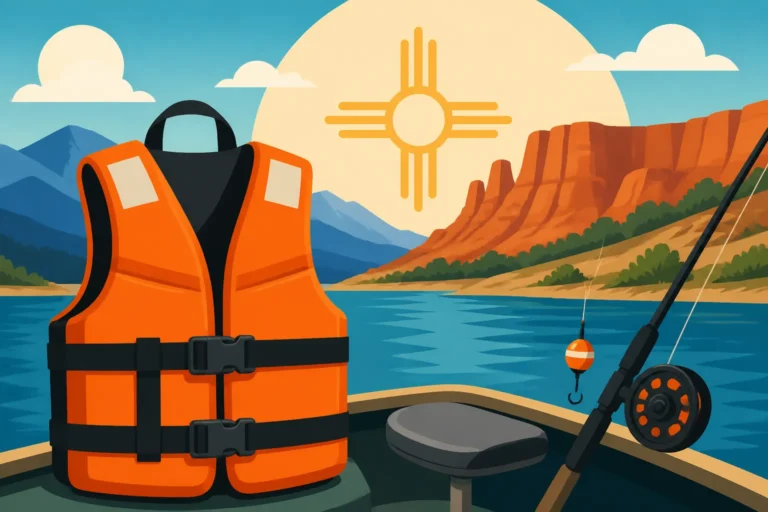
Hands down, the most important piece of safety gear for any kayak angler is a properly fitted personal flotation device (PFD), commonly known as a life jacket. In New Mexico, like most places, there are specific Personal Flotation Device Rules for Paddle Boards and kayaks. It's not enough to just have one in your kayak; you should wear it. Modern fishing PFDs are designed with comfort and utility in mind, featuring ample pockets for small tackle, pliers, and other essentials, as well as attachment points for tools.
Look for a PFD that allows for a full range of motion, particularly for casting and paddling, and ensure it fits snugly without being restrictive. There are various types, from vest-style PFDs to inflatable models. While inflatables are less bulky, they require regular maintenance and may not be suitable for all situations, particularly if you're unconscious. A vest-style PFD offers inherent buoyancy and is a reliable choice for most kayak anglers. Never compromise on a PFD; it could literally save your life.
Signaling Devices and Communication
If you get into trouble on the water, you need a way to call for help or signal your location. New Mexico's lakes can be vast and sometimes sparsely populated, so visibility and communication are key.
A whistle is a simple, inexpensive, and incredibly effective signaling device. It requires minimal effort to produce a loud, far-reaching sound that can alert nearby boaters or shore-based individuals to your presence or distress. Attach it to your PFD or kayak in an easily accessible spot. Beyond a whistle, consider a signal mirror for bright, sunny days, which can reflect sunlight over long distances. For nighttime or low-light conditions, a bright, waterproof flashlight or a mounted 360-degree white light is crucial, making you visible to other boaters. A small, battery-operated strobe light attached to your PFD can also be a lifesaver if you end up in the water after dark.
For communication, a fully charged cell phone in a waterproof case is a good start, but remember that cell service can be spotty or nonexistent in many remote areas of New Mexico. A VHF marine radio is a much more reliable option for communicating with other boaters and emergency services on larger bodies of water. Even a small handheld unit can provide peace of mind. For the ultimate peace of mind in very remote areas, a personal locator beacon (PLB) or satellite messenger device, like those from Garmin InReach or Spot, can be invaluable, allowing you to send distress signals or check-in messages even without cell service.
First Aid, Hydration, and Emergency Preparedness
Beyond direct water safety, being prepared for common mishaps or environmental challenges is essential for any outdoor adventure in New Mexico.
A well-stocked, waterproof first aid kit is a must. It should contain essentials for treating minor cuts, scrapes, insect bites, blisters, and headaches. Consider adding any personal medications you might need. New Mexico's sun can be intense, so sunscreen, lip balm with SPF, and a wide-brimmed hat are non-negotiable. Dehydration is a real risk, even on the water, so carry plenty of water—more than you think you'll need—in a reusable water bottle or a hydration bladder system. Electrolyte tablets can also be beneficial on long, hot days.
Beyond personal needs, a basic emergency repair kit for your kayak can save a trip. Duct tape, a multi-tool, and possibly a patch kit for inflatable kayaks can address minor issues on the fly. It's also smart to have a small dry bag to keep essentials like your phone, car keys, and wallet safe and dry. For detailed safety equipment requirements, refer to Required Safety Gear on a New Mexico Boat.
Kayaking Apparel and Personal Comfort
Fishing from a kayak in New Mexico means you'll be exposed to the elements for extended periods. The Land of Enchantment offers glorious sunshine, but also chilly mornings, strong winds, and even sudden rain showers. Dressing appropriately for comfort and protection can make or break your fishing experience.
Layering for Varied Weather Conditions
New Mexico's weather, especially in higher elevations or during shoulder seasons, can be incredibly dynamic. What starts as a crisp morning can quickly turn into a warm afternoon, only to be followed by a windy, cool evening. Layering is your best strategy.
Start with a moisture-wicking base layer. Materials like merino wool or synthetic fabrics (polyester, polypropylene) are excellent because they pull sweat away from your skin, keeping you dry and comfortable. Cotton, while seemingly comfortable, absorbs moisture and stays wet, which can quickly lead to chilling, especially if you get splashed. Over your base layer, add an insulating mid-layer for warmth. A fleece jacket or a synthetic puffer vest works well. These layers should be easy to remove or put on as temperatures fluctuate.
Finally, an outer shell layer provides protection from wind and rain. A lightweight, waterproof, and breathable jacket is ideal. Look for features like adjustable cuffs and hoods that can be cinched down to keep out the elements. This layering system allows you to adapt to changing conditions without having to carry an entire wardrobe. Remember, even if the forecast looks clear, a sudden afternoon thunderstorm is not unheard of, especially during monsoon season.
Sun Protection: More Than Just Sunscreen
The New Mexico sun, particularly at higher altitudes, can be incredibly intense. Sun protection should be a top priority for kayak anglers, as you'll be exposed to direct sunlight and reflected glare from the water for hours.
Beyond high-SPF sunscreen (and reapplying it frequently!), consider full-coverage clothing designed for sun protection. UPF-rated shirts (long-sleeved, of course) are a fantastic investment, offering built-in protection that doesn't wash or sweat off. Look for light colors that reflect sunlight. A wide-brimmed hat is essential to protect your face, ears, and neck, and many fishing-specific hats also feature a neck gaiter or cape for extra coverage. Polarized sunglasses are also a must, not just for protecting your eyes from harmful UV rays, but also for cutting glare on the water, allowing you to spot fish or submerged structure. This can be a huge advantage when trying to locate cruising trout or bass.
Don't forget the back of your hands; sun gloves are a great addition, preventing sunburn and providing a better grip on your rod. Even on cloudy days, UV rays penetrate, so consistent sun protection is vital to prevent long-term skin damage.
Footwear and Wading Gear
Your feet are going to get wet, it's almost a guarantee in a kayak. Choosing the right footwear provides comfort, grip, and protection.
For most warm-weather kayak fishing, quick-drying sandals, water shoes, or old athletic shoes are perfectly suitable. Look for options with good grip, as boat ramps and shorelines can be slippery. Neoprene socks can add a layer of warmth and comfort if you're dealing with cooler water. For colder conditions, or if you anticipate launching from muddy banks or wading into shallow areas, a pair of lightweight wading boots or rubber boots might be more appropriate. These offer better protection against sharp rocks, unseen debris, and colder water.
While full waders aren't typically necessary while in a kayak, if you plan to wade fish before or after your kayak session, or launch in particularly cold conditions, chest waders might be useful. However, if wearing waders in a kayak, always ensure you have a wading belt cinched tight and that your PFD is worn and properly fitted. Getting a kayak full of water while wearing waders can be extremely dangerous if you capsize.
Fishing Rods, Reels, and Tackle Management from a Kayak
Fishing from a kayak presents unique challenges and opportunities for tackle selection and organization. Space is at a premium, and efficiency is key. You can't just throw everything in the boat like you might in a larger bass boat.
Rod and Reel Selection for Kayak Fishing
When selecting rods for kayak fishing, consider their length, action, and the types of fish you're targeting. Shorter rods (6 to 7 feet) are generally preferred because they are easier to manage in the confined space of a kayak. A long rod can be cumbersome when casting, fighting a fish around the bow or stern, or simply transporting.
For trout fishing in New Mexico's lakes, a medium-light spinning rod (6 to 6.5 feet) paired with a 1000 or 2000 series spinning reel spooled with 4-8 lb test monofilament or fluorocarbon is a versatile setup. This will handle anything from stocked rainbows to kokanee salmon. If you're targeting larger species like bass or walleye, stepping up to a medium-action spinning or baitcasting rod (6.5 to 7 feet) with a 2500-3000 series reel and 8-12 lb test line will give you more power and backbone. Brands like St. Croix, Ugly Stik, and Shimano offer excellent options that are durable enough for the rigors of kayak fishing.
The type of reel often comes down to personal preference. Spinning reels are versatile and great for a wide range of lures and techniques, especially for lighter baits. Baitcasting reels offer more control and power for heavier lures and can be great for targeting bigger fish with precision casts. Whatever you choose, ensure your reels are well-maintained and rinsed after saltwater exposure, even if just from splash.
Rod Holders and Securement
One of the biggest frustrations for kayak anglers is not having a secure place for their rods, especially when paddling, netting a fish, or retying. Rod holders are absolutely essential.
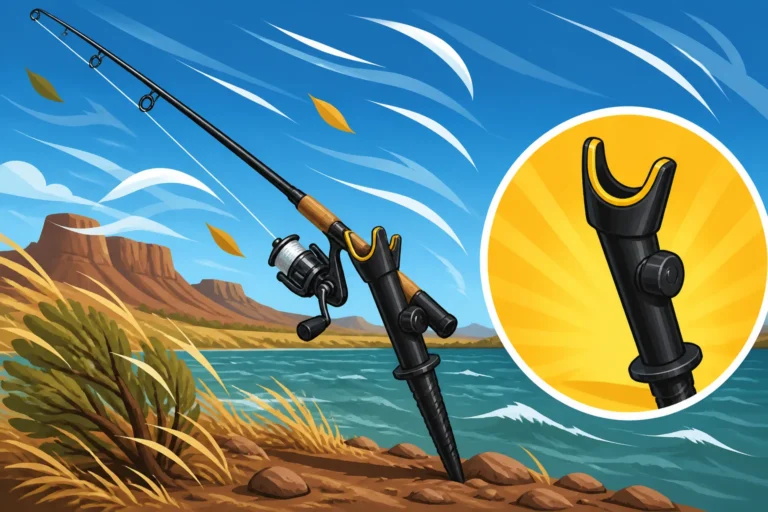
Many fishing kayaks come with flush-mount rod holders molded into the hull behind the seat. These are great for safely storing rods while paddling or when not actively fishing, keeping them out of the way. However, they don't offer great access for trolling or quick grabs. For active fishing, adjustable rod holders that mount to track systems or gunwales are invaluable. Brands like Scotty and Ram Mounts offer a wide range of options that allow you to position your rod precisely for trolling, drift fishing, or simply keeping it within easy reach. These often swivel and tilt, letting you adjust the angle to keep your line in the strike zone or prevent snags.
Always have a system for securing your rods, even when they're in a rod holder. Leashes or bungee cords can prevent a valuable rod and reel combo from going overboard if you hit a wake, capsize, or a large fish tries to rip it out of the holder. Losing a favorite setup in the depths of Elephant Butte Lake is a sure way to ruin your day.
Tackle Storage and Organization
Space in a kayak is limited, so efficient tackle storage is crucial. You can't bring every lure you own, so focus on what's essential for your target species and typical fishing conditions.
Small, waterproof tackle boxes or bags designed for kayak fishing are ideal. These often feature trays that fit snugly into hatches or bungeed areas on the deck. Brands like Plano and Bass Pro Shops offer excellent waterproof tackle storage solutions. Consider using soft-sided tackle bags that are more flexible and can conform to the contours of your kayak's storage areas. If you're targeting trout, bring a selection of spinners, spoons, PowerBait, and maybe a few small jigs. For bass, jigs, worms, and a few crankbaits are good to have.
Keep your frequently used items—pliers, line cutters, and a few go-to lures—in a readily accessible spot, perhaps in a pocket on your PFD or a small storage pod mounted near your seat. Avoid bringing excessive amounts of tackle; a minimalist approach often works best, forcing you to focus on effective techniques rather than constantly changing lures. When planning a trip to a specific location like San Juan River Fishing Guide, research the common baits and lures used there to optimize your selection.
Navigation, Anchoring, and Electronics for Kayak Fishing
In the vast and sometimes featureless expanses of New Mexico's larger lakes, having the right tools for navigation, staying in place, and finding fish can dramatically improve your success and safety. From basic maps to advanced electronics, these tools become your eyes and anchors.
GPS and Mapping for Navigation
Losing your bearings on a large lake, especially when focusing on fishing, is easier than you might think. Fog, changing light, or just getting caught up in the pursuit of fish can lead you astray.
A reliable GPS unit or a smartphone with mapping apps is crucial for navigation. Many dedicated fish finders now include detailed GPS mapping capabilities, allowing you to mark waypoints for productive fishing spots, submerged structure, or even your launch point. This is invaluable for returning to a hot bite or safely finding your way back to shore in low visibility. Apps like Navionics or C-MAP on a waterproofed smartphone can also provide detailed lake contours and navigation features. Ensure your device is fully charged and protected in a waterproof case, and consider bringing a portable power bank for extended trips.
Understanding lake contours and depths can also help you identify potential fish-holding structure even before you cast a line. These maps often highlight drop-offs, humps, and submerged creek channels where fish love to hide. Familiarize yourself with the area you plan to fish beforehand; having a general idea of landmarks and your intended route can enhance safety, especially if electronics fail.
Fish Finders and Depth Sounders
For many kayak anglers, a fish finder is a game-changer. It provides an underwater view, revealing depth, water temperature, structure, and most importantly, fish.
Modern fish finders, even compact models designed for kayaks, offer a wealth of information. They can show you baitfish schools, individual game fish, and the topography of the lake bottom—all critical for locating productive fishing areas. Look for models with CHIRP sonar for clearer target separation and Down Imaging or Side Imaging for more detailed views of structure beneath and to the sides of your kayak. Transducer mounting options for kayaks include suction cups, through-hull kits, or scupper-hole mounts. Brands like Humminbird, Lowrance, and Garmin offer excellent compact units suitable for kayaks. Many of these units also incorporate GPS, combining navigation and fish-finding into one device.
While a fish finder isn't strictly necessary for every type of kayak fishing, it can significantly increase your efficiency, especially when targeting suspended fish like kokanee salmon at Navajo Lake or searching for walleye in deep water. It helps you understand what's beneath you, allowing you to present your lures more effectively and avoid unproductive water. When you’re fishing a big, unfamiliar lake, that insight is golden. For more on this, check out Choosing a Fish Finder for Deep Reservoirs.
Anchoring Systems for Kayaks
Maintaining your position is often critical for effective fishing, whether you're working a specific piece of structure, battling wind, or setting up for a specific cast. Kayak anchoring systems differ significantly from those used on larger boats.
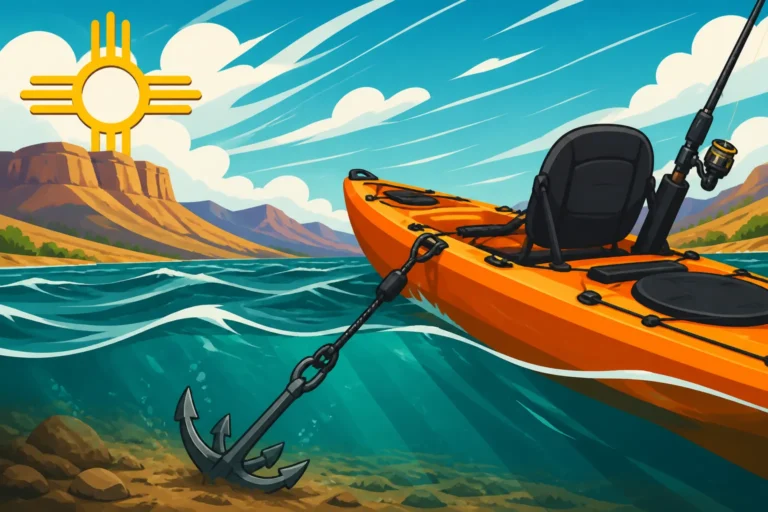
A small grappling anchor (1.5-3 lbs) is a common choice for kayaks. Its folding tines allow it to grip various bottom types, and it's compact for storage. Pair it with at least 50 feet of anchor line and an anchor trolley system. An anchor trolley is a rope loop system that runs along the side of your kayak, allowing you to deploy your anchor from either the bow or the stern, adjusting your position relative to the wind or current. This is a must-have for safe and effective anchoring, as it prevents your kayak from becoming a weather vane and makes it much easier to retrieve the anchor.
Another popular option, especially for soft bottoms or calm conditions, is a stake-out pole or a drag chain. A stake-out pole is a solid rod that can be pushed into the lakebed, offering silent and instant shallow-water anchoring. A drag chain, usually a small length of heavy chain, simply slows your drift rather than completely stopping you, which can be ideal for covering large flats or finding active fish. Regardless of the system, always carry an anchor release mechanism or a float to quickly detach from your anchor if an emergency arises or a large fish takes you for a ride. To learn more about selecting the right anchor, see Best Kayak Anchor for Windy Reservoirs.
Transportation, Launching, and Storage
Getting your kayak to and from the water, and storing it safely, are practical considerations that significantly impact your overall fishing experience. The easier these processes are, the more often you'll find yourself on the water.
Kayak Transportation Methods
Unless you live right on the water, you'll need a way to transport your kayak to your chosen New Mexico fishing spot. The method you choose depends on the size and weight of your kayak, your vehicle, and your budget.
Roof racks are the most common solution for transporting kayaks on top of a vehicle. There are various types, from simple foam blocks and straps to sophisticated racks with assist loaders from brands like Thule or Yakima. Make sure your roof rack system is rated for the weight of your kayak and that the kayak is securely tied down at both the bow and stern, preventing it from shifting or lifting at highway speeds. Always double-check your tie-downs before driving, especially on long trips to lakes like Heron Lake or Conchas Lake.
For heavier kayaks, especially pedal-drive or motorized models, a small utility trailer or a specialized kayak trailer can be a game-changer. Trailers eliminate the need to lift a heavy kayak onto a roof and provide ample space for additional gear. This is particularly useful if you frequently fish with a lot of equipment or multiple kayaks. Some trailers are designed specifically for kayak hauling, featuring padded bunks and storage boxes. While a trailer represents an additional investment and requires a vehicle with a tow hitch, it dramatically simplifies the loading and unloading process, saving your back and more time for fishing.
Launching and Landing Your Kayak
Once you've arrived at the lake, getting your kayak into and out of the water requires a bit of technique and the right tools. New Mexico's boat ramps can range from paved and easily accessible to rough, unmaintained dirt tracks.
A kayak cart (also known as a trolley or dolly) is an absolute must-have for moving your kayak from your vehicle to the water's edge, especially if the parking area is far from the launch. These carts typically feature a sturdy frame and wheels, allowing you to strap your kayak on and roll it with ease, saving you from having to drag it or carry it long distances. Look for models with all-terrain wheels if you frequently launch from sandy or rocky shores.
When launching, scout the area for submerged obstacles, sharp rocks, or slippery surfaces. If possible, launch from a sandy beach or a gentle slope. Try to keep your gear organized and secured before launching, so you're not fumbling with tackle boxes in the current. For landing, approach the shore slowly and cautiously, avoiding any obstacles. Once you're grounded, carefully exit your kayak, secure it, and then unload your gear. If you're fishing alone, consider investing in a self-righting system for your kayak, or practicing re-entry in shallow water.
Storage Solutions for Kayaks
Proper storage is essential to protect your investment and ensure your kayak remains in good condition for years to come. Leaving it exposed to the elements can lead to UV damage, warping, and premature wear.
For long-term storage, keep your kayak out of direct sunlight and off the ground. A garage, shed, or covered patio is ideal. Kayak wall mounts or hoists are excellent space-saving solutions, lifting your kayak off the floor and out of the way. If storing outdoors, use a UV-resistant kayak cover to protect it from sun, rain, and debris. Ensure the kayak is clean and dry before storing to prevent mold and mildew growth.
For shorter periods, such as overnight at a campsite near a lake, secure your kayak to a tree or other fixed object with a cable lock to deter theft. Remove any valuable electronics, rods, or tackle. Store your kayak upside down or on its side to prevent water from pooling inside and to reduce sun exposure to the hull. Consistent, thoughtful storage will prolong the life of your kayak and keep it ready for your next New Mexico fishing adventure. For information on potential boat titling needs, you can review New Mexico Boat Titling and Registration.
Kayak Modifications and Accessories for Enhanced Fishing
Once you have your basic kayak and safety gear, you might start thinking about customizing your setup to maximize its fishing potential and your comfort. Kayaks are incredibly adaptable, and a few key modifications can turn a good fishing platform into a great one.
Track Systems and Mounting Solutions
One of the most popular and versatile modifications for fishing kayaks is the addition of track systems and various mounting solutions. Many modern fishing kayaks come with integrated gear tracks, but if yours doesn't, aftermarket kits are readily available.
These universal tracks, typically made of aluminum or durable plastic, allow you to slide and lock in a wide array of accessories without drilling permanent holes in your kayak. This modularity is fantastic because you can move rod holders, fish finder mounts, camera mounts, and other accessories to different positions depending on your fishing style or the conditions of the day. For instance, you might want your rod holders further forward for trolling or closer to you for quick access. Brands like Scotty and Ram Mounts offer excellent track-mounted accessories that simply slide in and tighten down. This flexibility ensures your setup is always optimized, whether you're fly fishing the San Juan River Quality Waters Section or jigging for walleye in a deep reservoir.
If you don't have tracks, flush-mount bases can be drilled into specific locations, but always plan carefully before drilling. Use marine-grade silicone sealant to ensure waterproof seals on any drilled holes. This adaptability makes your kayak a truly personalized fishing machine.
Seating and Ergonomics Upgrades
Let's be honest, those stock kayak seats can sometimes leave a lot to be desired, especially after a long day on the water. Upgrading your seat can significantly improve your comfort and endurance.
Many fishing kayaks now come with elevated, frame-style seats that resemble small lawn chairs. These are a huge improvement over traditional molded-in or pad-style seats, offering better back support, improved visibility (especially for sight fishing), and drier seating by getting you off a wet hull. If your kayak doesn't have one, look into aftermarket elevated seats that can be retrofitted. Even a simple padded stadium seat or an inflatable cushion can make a world of difference. When you're comfortable, you can stay on the water longer and focus more on fishing, rather than on a nagging backache.
Beyond the seat, consider foot peg adjustments. Proper leg and foot positioning is important for comfort and for applying leverage when paddling or pedaling. Ensure your foot pegs are set so your knees are slightly bent and comfortable. Small comfort additions, like padded thigh braces or grip tape in key areas, can also enhance your overall experience. Remember, kayak fishing is a marathon, not a sprint, and comfort plays a huge role in your enjoyment.
Specialized Storage and Organization Add-ons
While you already have basic tackle storage, there are many specialized add-ons that can further refine your organization and access to gear.
Transducer arms and battery boxes specifically designed for kayaks make mounting your fish finder's transducer and protecting its battery much cleaner and more efficient. These keep wires tidy and components safe from water exposure. For those bringing live bait, a small, aerated bait bucket that can be mounted to the kayak or kept in a designated area can be invaluable. This keeps your bait fresh and lively, especially on hot days. Some anglers even add insulated cooler bags or soft-sided coolers that fit perfectly into kayak hatches or bungee areas, allowing them to keep drinks, snacks, or even their catch cool and fresh.
Deck bags and cargo crates are also popular additions. A milk crate with PVC rod holders zip-tied to the sides is a classic, inexpensive solution for holding extra rods, tackle boxes, and other gear directly behind your seat. More advanced models feature integrated tackle storage, trays, and water-resistant materials. These allow you to keep frequently accessed items secure and organized on your deck, meaning less rummaging through hatches and more time fishing. For more ideas on outfitting your kayak, check out Best Kayak Setup for New Mexico Lake Fishing.
Table: Kayak Types for New Mexico Fishing – A Quick Comparison
To help you visualize the differences and make an informed choice, here's a quick comparison of the most common kayak types suitable for fishing New Mexico's diverse lakes and rivers.
| Feature | Sit-on-Top (SOT) Paddle Kayak | Sit-on-Top Pedal Kayak | Sit-in Kayak (Recreational) |
|---|---|---|---|
| Stability | High, especially wider models | Very High, often designed for standing | Moderate to Low |
| Propulsion | Paddle | Pedal Drive (hands-free) | Paddle |
| Re-entry if Capsized | Easy, usually from the water | Easy, usually from the water | Challenging, requires bailing |
| Comfort | Moderate, can upgrade seat | High, often elevated seats | Moderate, can be cramped |
| Speed | Moderate | Moderate to Fast | Moderate to Fast (tracking) |
| Gear Capacity | Good, open deck, hatches | Excellent, ample storage | Limited, small cockpit/hatches |
| Best for NM Waters | Versatile, good for most lakes and rivers | Large lakes, windy conditions, covering distance | Calm, small lakes, sheltered rivers |
| Pros | Affordable, simple, stable, easy re-entry | Hands-free fishing, excellent for trolling, very stable | Protection from elements, good tracking, often lighter |
| Cons | Hands occupied with paddling, slower over distance | More expensive, heavier, more complex maintenance | Less stable, difficult re-entry, limited gear space |
Disclaimer
This article is for general informational purposes only and does not constitute professional advice. Laws, prices and regulations vary by location and change over time. Consult a qualified professional for guidance on your specific situation.