Ice Fishing Gear for New Mexico
The thrill of ice fishing in New Mexico is undeniable, but it comes with unique challenges, especially the unpredictable mountain weather and varied ice conditions across our stunning lakes. Many anglers get frustrated trying to figure out what gear truly stands up to the biting winds and frozen waters of places like Eagle Nest or Bluewater Lake, often ending up cold, uncomfortable, or unprepared. This comprehensive guide will walk you through all the essential ice fishing gear you need to stay safe, warm, and successful on New Mexico's frozen waters, making your winter angling adventures enjoyable and productive.
The Essentials: What You Absolutely Can't Fish Without
Stepping out onto a frozen lake in New Mexico isn't like a leisurely summer day on the water. The conditions can be harsh, and being underprepared isn't just uncomfortable, it can be downright dangerous. Before you even think about your rod or tackle, your personal protection and basic shelter are paramount.
Proper Layering and Outerwear for New Mexico's Cold
The biggest mistake an ice angler can make is underestimating the cold. New Mexico's high-altitude lakes, even on sunny days, can have brutal wind chills that cut right through inadequate clothing. You’re not just battling the air temperature, but also the reflective cold from the ice itself, and often, persistent wind that makes things feel exponentially colder. Getting cold is miserable, distracting, and saps your energy quickly, turning what should be a peaceful day into a survival test.
Effective layering is your first line of defense. Start with a moisture-wicking base layer – think merino wool or synthetic materials, never cotton, which traps moisture and will leave you feeling clammy and cold. Over that, build with insulating layers like fleece jackets or down vests, which provide warmth without excessive bulk, allowing you to adjust as your activity level or the weather changes. For example, when you're drilling holes, you might shed a layer, but once you're stationary, you'll want it back on.
Your outer shell needs to be both waterproof and windproof. A good quality ice fishing suit, often a two-piece bib and jacket set, is specifically designed for these conditions. Look for features like reinforced knees, padded seating areas, and flotation assistance built into the suit, which can be a lifesaver in an emergency. Brands like StrikerICE or Eskimo are popular for their durable and warm options, and you can often find a selection of these robust outerwear choices at outdoor retailers like Bass Pro Shops or by browsing options on Amazon. Don't forget insulated, waterproof boots rated for extreme cold, along with thick wool socks, warm gloves or mittens (with removable liners are a plus for handling fish), and a balaclava or warm hat to protect your head and face from the elements. Staying warm means you can stay out longer and focus on fishing, not shivering.
Safety Gear: Because the Ice Demands Respect
Ice fishing in New Mexico requires a healthy respect for the ice. Conditions can vary greatly not only from lake to lake but even across different areas of the same lake, especially early and late in the season. There's no such thing as "perfectly safe" ice, and being prepared for the worst is a non-negotiable part of the sport. The frustration of not knowing the ice thickness or accidentally venturing onto questionable ice is a common fear, but with the right safety gear, you can mitigate many risks.
First and foremost, an ice auger is not just for drilling fishing holes; it's also your primary tool for checking ice thickness as you go. Drill a hole every few steps when you're moving onto unfamiliar ice. Additionally, a spud bar (a heavy chisel-like tool) is excellent for testing ice ahead of you, especially near shorelines or inlets where ice can be thinner due to currents or springs. You hit the ice ahead of you; if it breaks in one hit, it’s too thin. If it takes several, you’re likely good. Always follow the guidelines for How Thick Does Ice Need to Be to Fish Safely? to ensure a safe outing.
Beyond testing, personal safety items are critical. Ice picks, worn around your neck, are vital for self-rescue if you fall through; they give you something to grip the ice with to pull yourself out. A length of rope (at least 50 feet) with a weighted bag on one end can be thrown to someone who has fallen through. A whistle can help signal for help if you're in distress. Fishing with a buddy is perhaps the best safety measure of all, as a second person can provide immediate assistance. Remember, the safest ice is never completely stagnant; there's always a risk, and being equipped for it is part of responsible ice angling in New Mexico.
Shelter from the Wind and Snow: Ice Shacks and Sleds
New Mexico's winter weather, especially in higher elevations, can be incredibly dynamic. One moment it's calm, the next, a stiff wind whips across the lake, making standing still unbearable, or snow starts falling, reducing visibility and adding to the cold. Trying to fish without protection from these elements is a recipe for a short and uncomfortable trip. Many anglers quickly learn the value of a portable shelter after their first exposed experience.
Portable ice shelters, often called ice shacks or pop-up shanties, provide an invaluable refuge. These shelters come in various sizes, from one-person flip-over models that attach to a sled to larger hub-style tents that can accommodate several anglers and gear. They block the wind, provide insulation, and allow you to use a small heater to create a comfortable fishing environment. This means you can stay out longer, focus better on your fishing, and enjoy the experience even when the weather turns foul. When looking for a shelter, consider how many people you typically fish with and the ease of setup and transport. Lightweight models are great for hiking to more remote spots, while heavier ones offer more space and warmth but require a different transportation strategy, such as a sturdy sled.
Speaking of sleds, these are indispensable for hauling your gear across the ice. Whether you're using a small hand-pulled utility sled or a larger, purpose-built ice fishing sled designed to carry a shelter, auger, tackle, and more, a good sled prevents you from having to make multiple trips or strain yourself carrying heavy loads. Many shelters are integrated with sled bases, making them a single, easy-to-move unit. A robust sled, especially one with a strong tow rope and perhaps even a hitch for an ATV or snowmobile, is essential for getting your precious gear and your shelter onto the ice efficiently, ensuring you have everything you need for a comfortable and productive day.
Rods, Reels, and Line: Precision for Frozen Water
Ice fishing isn't just "fishing with a short rod." The unique dynamics of fishing through a small hole in the ice demand specialized tackle. You're typically jigging vertically in a small column of water, often targeting fish that might be less active in cold temperatures. Your equipment needs to be sensitive enough to detect subtle bites, strong enough to handle fish, and durable enough to withstand freezing conditions.
The Right Rods for Different Species and Depths
When it comes to ice fishing rods, length is key – and generally, shorter is better. While you might use an 8-foot rod for bass in open water, ice fishing rods usually range from 24 to 36 inches. This shorter length provides several advantages: it allows you to fish comfortably inside an ice shelter, reduces line slap against the ice, and offers greater control for delicate jigging motions over a small hole. However, within this range, different lengths and actions are better suited for specific scenarios and fish species found in New Mexico's frozen lakes.
For smaller panfish like bluegill or crappie, which might be found in lakes like Storrie Lake, ultra-light to light action rods, typically 24-28 inches, are ideal. These rods have very sensitive tips that detect even the lightest nibbles from finicky panfish. The lighter power allows for a more subtle presentation of tiny jigs and provides a good fight from smaller fish without overpowering them. Conversely, if you're targeting larger species such as walleye at Conchas Lake or trout at Eagle Nest Lake, you'll want a medium-light to medium action rod, generally 28-32 inches. These rods offer more backbone to handle stronger fish and provide better leverage for setting hooks into tougher mouths, while still maintaining enough tip sensitivity for detecting bites.
For the biggest game in New Mexico's frozen waters, like the formidable tiger muskie at Bluewater Lake, you'll need a heavy-action rod, often 36 inches or more. These stout rods are designed to absorb powerful runs and provide the lifting power necessary to pull a large, thrashing fish through a relatively small hole. The extra length can also help in fighting fish that try to dive under the ice. Each rod choice is a deliberate decision, matching the tool to the task, ensuring you have the right balance of sensitivity, power, and control to make the most of your time on the ice. Best Ice Fishing Rod Length for Panfish is a great resource if you want to dive deeper into specific rod lengths.
Reels Designed for Icy Conditions
Just like rods, ice fishing reels have specific features that make them suitable for sub-freezing temperatures and vertical jigging. You’re often working with lighter lines and smaller lures, and a conventional spinning reel designed for open water might struggle in the cold. The last thing you want is a reel freezing up or sticking when you’ve got a fish on the line.
Spinning reels are the most common choice for ice fishing due to their versatility and ease of use. Look for models specifically designed for cold weather, which often have larger handles or grips that are easier to operate with gloves on. A smooth, reliable drag system is crucial, as trout, walleye, and even larger panfish can make powerful runs, and a sticky drag can lead to snapped lines or lost fish. Many anglers opt for smaller, lightweight spinning reels (e.g., 500 or 1000 size) for panfish and slightly larger ones (e.g., 2000 size) for bigger trout or walleye, ensuring a balanced setup with their chosen rod.
Another popular option, especially for panfish and specialized trout techniques, is an inline ice reel. These reels resemble fly reels in their design, with the spool rotating in line with the rod. The main advantage of an inline reel is that it eliminates line twist, which can be a significant problem with spinning reels when jigging repeatedly. Less line twist means more natural lure presentation and fewer tangles. While they might take a little getting used to, particularly for those accustomed to spinning reels, their direct feel and twist-free operation can be a real game-changer for finesse presentations. When choosing any reel, ensure it has minimal exposed moving parts that can freeze, and consider one that can be easily lubricated with cold-weather grease to keep it operating smoothly.
Line Choices: Visibility, Strength, and Stretch
The line you choose for ice fishing is arguably more critical than in open water, as the water is often clearer, and fish can be more finicky. You need a line that offers a delicate balance of low visibility, sufficient strength, minimal stretch for hook sets, and resistance to freezing. There are several popular choices, and each has its specific advantages for New Mexico's ice fishing scene.
Monofilament line is a common and affordable choice, especially for beginners. Its stretch acts as a shock absorber, which can be beneficial when fighting hard-pulling fish on short rods. However, too much stretch can hinder sensitive bite detection and solid hook sets. It's also more prone to absorbing water and freezing onto the spool or through the guides, especially thinner diameters. For New Mexico's clear high-country lakes, using a low-visibility clear or fluorocarbon-coated mono is a good strategy for wary trout.
Fluorocarbon line is a favorite among experienced ice anglers. It offers very low visibility underwater, making it nearly invisible to fish, which is a huge advantage in clear ice water. It has less stretch than monofilament, providing better sensitivity and more powerful hook sets. Fluorocarbon also absorbs less water, making it more resistant to freezing. The main drawback is that it's typically more expensive than mono and can be a bit stiffer, sometimes leading to more memory in cold conditions. For the discerning angler targeting elusive trout or walleye, the advantages of fluorocarbon often outweigh the cost.
Braided line is increasingly popular, especially for deeper water or when targeting larger, hard-fighting fish. It has virtually no stretch, offering extreme sensitivity to detect even the faintest bites, and immense strength for its diameter. The downside is its high visibility, so it's almost always used with a fluorocarbon leader (typically 3-6 feet) tied on with a strong knot like a double uni or FG knot. Braided line can also absorb water and freeze up, becoming stiff and potentially shedding ice crystals, which can be annoying. However, when fishing deep for kokanee or big lake trout in waters like Navajo Lake or Heron Lake, the sensitivity and power of braid, coupled with a fluorocarbon leader, can be an unbeatable combination.
| Line Type | Pros | Cons | Best Use Case in NM Ice Fishing |
|---|---|---|---|
| Monofilament | Affordable, good stretch (shock absorber) | High visibility, absorbs water, more stretch | Beginners, panfish, general trout |
| Fluorocarbon | Low visibility, low stretch, good sensitivity | Stiffer, more expensive | Wary trout, walleye, clear water |
| Braided with Leader | Extreme sensitivity, high strength, no stretch | High visibility (needs leader), absorbs water | Deep water, large fish (tiger muskie, lake trout) |
Augers: Breaking Through the Ice Barrier
The first, and often most laborious, step in ice fishing is creating a hole through what can be several feet of solid ice. Without a reliable way to do this, your fishing trip is a non-starter. The right auger makes this initial effort manageable, allowing you to quickly get to the fishing action rather than exhausting yourself before you even drop a line. Choosing the right auger involves considering the type of power, blade size, and maintenance, all crucial for New Mexico's varying ice conditions.
Manual, Propane, or Electric? Choosing Your Power
The choice of auger often comes down to personal preference, budget, and the typical ice conditions you encounter. Each type offers distinct advantages and disadvantages.
Manual augers are the most traditional and budget-friendly option. They require pure muscle power to turn the blades and cut through the ice. These are excellent for early season ice that's only a few inches thick or for smaller holes for panfish. They are lightweight, require no fuel or batteries, and are virtually maintenance-free. However, if you're dealing with thick, late-season ice (over a foot or more) or need to drill many holes, a manual auger can quickly become a significant workout, often leading to fatigue. For anglers who fish occasionally or prefer to stay close to shore where ice is thinner, a manual auger is perfectly adequate. Many anglers keep one as a backup even if they have a powered option.
Propane augers, like those from Eskimo or Jiffy, are powerful and reliable workhorses. They use readily available propane canisters, eliminating the need to mix gasoline and oil, and they start easily even in extreme cold. They can cut through very thick ice quickly and efficiently, making them ideal for drilling numerous holes or tackling the deep ice found on high-altitude lakes after a prolonged cold snap. One minor drawback is the exhaust fumes, which can be an issue if you're fishing inside a completely enclosed ice shelter without ventilation. Also, propane performance can be slightly affected by very high altitudes where oxygen is thinner, potentially leading to a bit less power than at sea level, though usually not enough to be a significant problem for most New Mexico lakes. Best Ice Fishing Auger for New Mexico delves into specific model recommendations.
Electric augers, often powered by rechargeable lithium-ion batteries, are the newest and increasingly popular kid on the block. Brands like ION and Strikemaster lead this segment. They are incredibly quiet, produce no fumes, and offer impressive power, often rivaling gas augers, especially for punching multiple holes quickly. The main considerations are battery life, which can be affected by extreme cold (though newer batteries are much more resilient), and the need for charging. Carrying a spare battery is often recommended for extended trips or very cold days. Electric augers are a fantastic option for those who value quiet operation, convenience, and eco-friendliness, and they are becoming a staple for many dedicated New Mexico ice anglers.
Auger Blade Maintenance and Care
Regardless of the type of auger you choose, the sharpness and condition of its blades are paramount. Dull blades will turn even the most powerful auger into a frustrating struggle, making it harder to cut through ice and increasing the effort required. Proper maintenance ensures your auger performs optimally and lasts for many seasons on the ice.
After each use, especially when you're done for the day, it's crucial to clean your auger blades. Remove any ice accumulation, wipe them dry, and if possible, apply a light coat of WD-40 or a similar rust-preventative spray, especially if the blades are steel. This prevents rust, which can quickly dull blades and compromise their cutting ability. Always store your auger with a blade guard on. This not only protects you from the sharp edges but also protects the blades from accidental damage when transporting or storing the auger, ensuring they stay pristine for your next outing.
Even with the best care, auger blades will eventually dull. When you notice your auger isn't cutting as efficiently, or you're expending more effort than usual, it's time to sharpen or replace the blades. Many manufacturers offer replacement blades that can be easily swapped out. Some specialized shops can sharpen blades, but often, buying a new set is the most convenient and effective solution to ensure peak performance. Having sharp blades means you can quickly and effortlessly cut holes, allowing you more time to fish and less time struggling with equipment, especially important when the wind is howling on a frozen lake.
Ice Scoops and Skimmers: Keeping Your Hole Open
Once you've drilled your hole, your work isn't quite done. As you fish, ice chips and slush will accumulate in the hole, and in freezing temperatures, a thin layer of ice can quickly form over your hole, hindering your ability to fish or even retrieve a catch. This is where simple, yet essential, tools like ice scoops and skimmers come into play.
An ice scoop is essentially a large, perforated ladle designed to quickly remove slush and ice chips from your fishing hole. The perforations allow water to drain while retaining the ice, making cleanup efficient. It's a tool you'll use constantly throughout the day, especially if you're jigging actively and generating a lot of ice displacement, or if you're fishing in a heated shelter where melting and refreezing is a common occurrence. Keeping your hole clear is vital for seeing light penetrate the water, allowing your lure to attract fish, and for unimpeded hook sets and fish retrieval.
In addition to keeping your hole clear of drilling debris, a good skimmer helps manage the constant battle against refreezing. Even if you're not actively fishing, the exposed water in your hole will try to freeze over. A quick sweep with an ice skimmer every few minutes can prevent a thick layer of ice from forming, saving you the frustration of having to break through it with your hand or the butt of your rod. Some anglers will also use a large piece of plywood or an ice hole cover to insulate the hole when not actively fishing, especially in extreme cold or windy conditions. These small, inexpensive tools are often overlooked but are absolutely indispensable for a smooth and enjoyable ice fishing experience in New Mexico.
Tackle and Bait: Attracting Fish in a Frozen World
Fishing through a small hole in the ice demands a different approach to tackle and bait than open-water angling. Fish in colder water are often less active, their metabolism slows, and they might be more lethargic. Therefore, your lures and baits need to be highly enticing, presented precisely, and often, quite subtle to elicit a strike.
Jigs and Lures for New Mexico's Ice Species
The world of ice fishing lures is vast, but for New Mexico's popular ice fishing species like trout, kokanee, walleye, and even crappie, certain styles consistently produce results. The key is often downsizing your presentation and focusing on subtle movements and attractive profiles.
For trout, especially the stocked rainbow and brown trout found in many of New Mexico's ice fishing lakes such as Fenton Lake or Eagle Nest Lake, small jigging spoons and tungsten jigs are highly effective. Jigging spoons, like those from Lindy or Northland, flash and flutter on the drop, mimicking injured baitfish. Tip them with a small piece of corn, a mealworm, or a Gulp! maggot for added scent and attraction. Tungsten jigs are popular because their density allows them to sink quickly and present a smaller profile than lead jigs of the same weight, which can be crucial for finicky fish. These are often fished with a single live or artificial maggot, wax worm, or a small soft plastic tail. Different colors, from natural browns and greens to bright glow-in-the-dark options, can be effective depending on water clarity and light conditions. Best Lures for New Mexico Trout offers more specific recommendations.
Walleye, found in lakes like Conchas Lake, often respond well to aggressive presentations with slightly larger jigging spoons or blade baits. These lures provide more vibration and flash, which can attract walleye from a greater distance in deeper water. Dead sticking (fishing with a stationary rod and bait in a second hole) with a minnow can also be incredibly effective for less active walleye. For panfish like crappie and bluegill, tiny ice jigs tipped with a single wax worm, spike, or a very small soft plastic are the go-to. These micro-presentations are essential for enticing bites from fish with small mouths and often very subtle feeding habits. Experimenting with different colors and retrieve speeds throughout the day is part of the fun and often the key to success.
Live Bait and Scent: The Ultimate Attractant
While artificial lures certainly have their place, sometimes nothing beats the real thing. Live bait provides natural scent, taste, and movement that can be irresistible to fish, especially when their metabolism is slow in cold water. In New Mexico, live bait regulations can vary, so always check the current New Mexico Fishing Regulations Overview before heading out.
For trout and panfish, small live baits like mealworms, wax worms, and maggots (spikes) are incredibly effective. These are typically threaded onto a small jig or a plain hook fished under a bobber or on a dead stick. The subtle wiggling action and natural scent can trigger bites when fish are ignoring artificial presentations. You can purchase these at most bait and tackle shops, and keeping them alive and fresh in the cold requires a bit of care, often a small insulated container or bait puck. PowerBait, though not live bait, is also a staple for stocked trout, offering a strong scent and buoyant presentation that keeps your hook off the bottom.
For larger species like walleye or even some larger trout, live minnows can be a game-changer. Fished on a quick-strike rig or a simple hook-and-sinker setup, a lively minnow can attract predatory fish with its erratic swimming. Keeping minnows alive in a bait bucket with an aerator is essential. The movement and scent plume from live bait can often be the difference between a slow day and a successful one, providing a powerful draw that artificials sometimes can't match in the cold, clear waters beneath the ice.
Tackle Boxes and Organization for the Ice
The last thing you want when ice fishing is fumbling through a disorganized mess of tackle with freezing cold hands. Efficient organization is crucial, not only for convenience but also for protecting your gear from the elements.
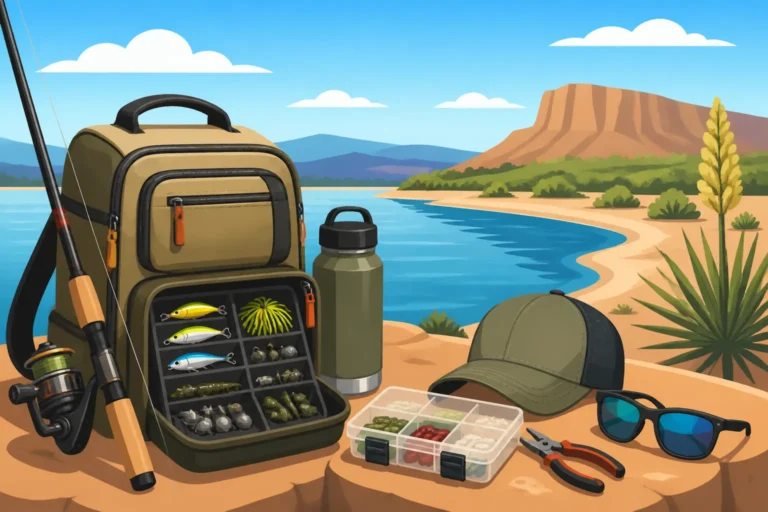
A good ice fishing tackle box or bag should be designed to handle the cold and often wet conditions. Many anglers prefer soft-sided tackle bags with multiple compartments and sturdy zippers, which are less prone to cracking in the cold than hard plastic boxes. These bags often have dedicated pockets for jig boxes, pliers, line spools, and other accessories. Look for bags that are waterproof or water-resistant to protect your lures and tools from snow and slush. Within the main bag, smaller, clear plastic utility boxes are excellent for organizing individual types of jigs, hooks, and swivels. This allows you to quickly locate the specific lure or component you need without exposing your entire tackle collection to the cold.
Beyond the main tackle storage, consider smaller, specialized organizers. A "pocket pack" filled with your most-used jigs and hooks can be invaluable for quick lure changes without having to open up your main bag in the biting wind. Pliers, line clippers, and a small measuring tape should be readily accessible, perhaps clipped to your jacket or stored in an easy-access pocket. By keeping your tackle well-organized, protected from the elements, and within easy reach, you maximize your fishing time and minimize frustration, allowing you to focus on the subtle art of catching fish through the ice. You can find a vast array of organizational solutions at any major outdoor retailer like Bass Pro Shops or through online stores such as Amazon.
Electronics and Accessories: Seeing Beneath the Ice
In ice fishing, you're essentially blind to what's happening beneath your hole. Unlike open water, where you can often read the water, ice fishing requires you to rely on technology to locate fish, understand their behavior, and present your lure effectively. Modern electronics have revolutionized the sport, turning guesswork into informed strategy.
Fish Finders and Flashers: Your Underwater Eyes
Imagine fishing without knowing if there's even a single fish below you. That's what ice fishing without a fish finder feels like. These devices are arguably the single most important piece of electronics for serious ice anglers, providing a real-time window into the underwater world. They eliminate the guesswork and dramatically increase your success rate.
Flashers are traditional ice fishing sonars that display sonar returns as colored lines on a circular dial, indicating depth and the presence of fish and your lure. Brands like Vexilar and Marcum are legendary in the ice fishing community. The beauty of a flasher is its real-time, instantaneous display; there's no lag, allowing you to see your lure in the water column and watch how fish react to it. You can precisely jig your lure to entice a bite, seeing fish approach, hesitate, and ideally, strike. This interactive element is addictive and incredibly effective, especially when targeting suspended fish like kokanee salmon at Heron Lake or deep-water walleye.
More advanced LCD fish finders, similar to those used in open water, are also popular. These units, like Garmin's Striker series or Humminbird's ICE Helix, offer a more detailed, historical view of the sonar returns, often with zoom functions and the ability to mark waypoints. Many newer models incorporate GPS, allowing you to mark productive spots, navigate back to them easily, and even view lake maps. Some even come with built-in mapping for various New Mexico lakes. While flashers excel at real-time interpretation, LCD units provide a broader picture and advanced features. Whichever you choose, having an electronic eye beneath the ice transforms your fishing from a waiting game into an active, strategic hunt.
Portable Power for Your Devices
All these fantastic electronics, from flashers to cell phones, need power, and on the ice, access to an electrical outlet is a luxury you won't have. Reliable portable power is essential to keep your gear running throughout the day, ensuring you don't miss out on crucial information or lose contact with the outside world.
Most flashers and fish finders come with their own dedicated 12-volt battery and charger, typically sealed lead-acid or lithium-ion. These batteries are designed to provide hours of power in cold conditions. It's always a good idea to fully charge your batteries before each trip, and for longer outings or multi-day excursions, bringing a spare battery can prevent an early end to your electronic assistance. Modern lithium-ion batteries are lighter and hold a charge better in the cold than older lead-acid versions, making them a worthwhile upgrade if your unit uses them.
Beyond your primary fish finder battery, consider a portable power bank for charging smaller devices like your smartphone, headlamp, or even a small portable fan (yes, even in winter, sometimes you need air circulation in a warm shelter!). These power banks are compact, lightweight, and can provide multiple charges for your USB-powered gadgets. They are especially useful for keeping your phone charged for emergencies or for taking photos and videos of your catches. Ensuring you have adequate, reliable power for all your electronics means you can leverage every technological advantage at your disposal, making your ice fishing trip safer, more comfortable, and more successful.
Heaters, Lights, and Other Comforts
While the core mission is catching fish, being warm, well-lit, and comfortable can significantly extend your time on the ice and enhance the overall experience. Battling the elements endlessly gets old fast, and these creature comforts make ice fishing a truly enjoyable winter pastime.
A portable propane heater is often considered the ultimate luxury in an ice shelter. Brands like Mr. Heater are incredibly popular for their safe, efficient, and reliable propane heaters that can quickly warm up an enclosed space. This allows you to shed bulky gloves, thaw out your hands, and even dry out damp gear. When using a heater in an enclosed space, proper ventilation is absolutely critical to prevent carbon monoxide buildup; always ensure you have a vent or window slightly open, even on the coldest days. The ability to sit in a shirt-sleeve environment while a blizzard rages outside your shelter is a game-changer.
Good lighting is also essential, especially for early morning starts or late evening finishes. A quality headlamp is indispensable for walking to and from your spot in the dark, setting up your gear, and tying knots. Inside the shelter, LED lanterns or strip lights, often battery-powered, provide ambient light without consuming much power. Some anglers even use small puck lights that attach to the ceiling of their shelter. These lights allow you to see your tackle, operate your electronics, and handle fish without struggling in dim conditions. Finally, don't forget a comfortable chair or bucket. A five-gallon bucket with a padded swivel seat is a classic choice, serving as both a seat and a storage container. These small comforts add up, making your New Mexico ice fishing adventures much more enjoyable.
Transportation and Hauling Gear
Getting your gear onto the ice efficiently and safely is a critical aspect of ice fishing, especially when you consider the sometimes-long treks across large frozen lakes or snowy terrain. You might have an auger, a shelter, tackle, electronics, a heater, and more, all needing to be transported. Struggling with unwieldy gear before you even start fishing is a common frustration that can be easily avoided with proper planning and the right hauling methods.
Sleds, ATV/UTVs, and Snowmobiles for Access
How you transport your gear depends largely on the distance you need to cover and the amount of equipment you're bringing. For shorter distances or lighter loads, a simple utility sled is indispensable. These plastic sleds, often with high sides, are designed to be pulled by hand and can carry an surprising amount of gear, including your auger, tackle box, and a smaller portable shelter. A sturdy tow rope is essential, and some anglers customize their sleds with additional tie-down points or dividers to keep gear organized and secure during transit. This is often the primary mode of transport for anglers walking onto smaller, accessible lakes.
For larger lakes or when you're bringing a substantial amount of gear, motorized assistance becomes a major advantage. All-terrain vehicles (ATVs) and utility task vehicles (UTVs) are popular choices for accessing ice fishing spots in New Mexico. They can carry heavy loads, traverse snowy terrain, and handle varying ice conditions more easily than walking. Remember to always check local regulations regarding vehicle use on ice and practice extreme caution, especially regarding ice thickness. A good set of studded tires or tracks can provide crucial traction on slick ice or deep snow. New Mexico Boat Registration for Anglers often includes information on other motorized recreation on lakes, so it's a good place to double-check rules.
Snowmobiles are another excellent option, offering speed and maneuverability over deep snow and across vast frozen expanses. Many ice anglers attach a tow-behind sled directly to their snowmobile, creating a highly efficient system for moving their entire setup. When using any motorized vehicle on the ice, safety should be your top priority. Always assess ice conditions, avoid known thin spots, and never travel alone. Carrying a shovel, tow rope, and a fully charged cell phone (or satellite messenger in remote areas) are prudent safety measures, ensuring you can deal with unforeseen circumstances on New Mexico's expansive winter landscapes.
Keeping Your Gear Organized and Secure
Once you’ve chosen your mode of transport, the next challenge is ensuring your gear stays organized, protected, and doesn't bounce out or get damaged during transit. There’s nothing worse than arriving at your spot only to find your lures scattered or a rod broken.
Utilize bungee cords, ratchet straps, or rope to secure everything tightly to your sled or vehicle. For soft-sided gear like ice shelters, consider a cover or tarp to protect it from snow, slush, and road grime. Harder items like augers should be secured with their blade guards on and ideally placed in a way that minimizes movement. Many dedicated ice fishing sleds have integrated attachment points and even molded compartments designed to hold specific items like propane tanks or augers securely.
Inside your shelter or tackle bags, use smaller containers and organizers to keep items from shifting. For instance, sensitive electronics like fish finders should be stored in their protective cases or wrapped in soft material. Consider waterproof bags for extra clothing or electronics to protect them from moisture. The goal is to create a system where everything has its place and is easily accessible once you arrive at your fishing spot, but also remains safe and sound while you're getting there. A well-organized setup means less time spent rummaging and more time focused on the fish.
Preparing Your Vehicle for Winter Conditions
If you're driving to your ice fishing destination in New Mexico, especially if it involves mountain roads or unplowed access points, your vehicle needs to be just as prepared as your fishing gear. Winter conditions can be harsh, and a breakdown can quickly turn into a serious situation.
Ensure your vehicle is in good working order before heading out. This means checking tire pressure (and having good winter tires or chains if snow is expected), topping off all fluids (antifreeze, windshield wiper fluid), checking your battery, and ensuring your heater and defroster are functioning correctly. Carry an emergency kit that includes jumper cables, a flashlight, blankets, extra warm clothing, a first-aid kit, and non-perishable food and water. Having a shovel, sand, or cat litter for traction can also be a lifesaver if you get stuck in snow or ice.
Finally, always be aware of road conditions and weather forecasts. New Mexico's mountains can receive heavy snowfall quickly, making travel treacherous. Inform someone of your travel plans and expected return time. Parking legally and safely is also important, ensuring you don't block access roads or get your vehicle stuck in a snowdrift while you're out on the ice. Preparing your vehicle meticulously ensures a safe journey to and from your ice fishing adventure, allowing you to focus on the excitement of the catch rather than worrying about getting stranded.
Staying Safe and Comfortable on New Mexico Ice
Ice fishing in New Mexico offers an incredible opportunity to enjoy the state's beautiful winter landscapes and catch some fantastic fish. However, the unique environment demands a proactive approach to safety and comfort. Overlooking these aspects can quickly turn an enjoyable outing into a miserable or even dangerous one.
Essential Safety Practices for Ice Anglers
No amount of gear can replace good judgment and adherence to safety protocols when on the ice. The frozen surface of a lake, while appearing solid, is a dynamic and potentially dangerous environment. Every ice angler, regardless of experience, should prioritize safety.
The fundamental rule is: "When in doubt, don't go out." Never assume ice is safe. Always verify ice thickness as you go, especially on unfamiliar bodies of water or at the start and end of the season. A minimum of four inches of clear, solid ice is generally recommended for walking, but this increases for groups, ATVs, or snowmobiles. Be extra cautious near inlets, outlets, pressure ridges, and areas with dark spots, which can indicate thinner ice. Keep an eye out for local ice condition reports, but remember these are general and conditions can change rapidly. How Thick Does Ice Need to Be to Fish Safely? is an excellent resource to review before any trip.
Always fish with a buddy or inform someone of your plans, including your exact location and expected return time. Carry a fully charged cell phone in a waterproof bag, but understand that cell service can be spotty in remote New Mexico locations. Dress in layers, wear a PFD (personal flotation device) if you're venturing onto questionable ice or using an ATV, and always have ice picks accessible around your neck. A throw rope and a whistle are also invaluable. If someone does fall through, remember the "reach, throw, row, go" principle: try to reach them with something, throw them a rope, if in a boat, row to them, and only go into the water as a last resort and if you are trained and equipped for cold-water rescue.
Staying Warm and Dry: Battling the Elements
Beyond the initial layering, maintaining warmth and dryness throughout your ice fishing trip in New Mexico is a continuous battle against the elements. Getting wet from slush or snow, or simply becoming chilled over hours of exposure, can lead to hypothermia and a prematurely ended trip.
Start with your feet. Insulated, waterproof boots rated for sub-zero temperatures are a must. Combine them with high-quality wool or synthetic socks, perhaps even two pairs, ensuring they don't restrict circulation. Keeping your feet warm and dry prevents discomfort and helps maintain overall body temperature. Many anglers will bring an extra pair of socks to change into if their first pair gets damp.
Hands are another critical area. A good pair of insulated, waterproof gloves or mittens is essential. For detailed tasks like tying knots or baiting hooks, fingerless gloves or mittens with flip-back finger covers allow for dexterity while still providing warmth. Some anglers even use hand warmers inside their gloves on particularly cold days. Furthermore, a warm hat that covers your ears, a balaclava, or a neck gaiter will prevent significant heat loss from your head and neck. Finally, consider bringing a large, insulated thermos with hot coffee, tea, or soup. Warm drinks do wonders for morale and can help raise your core body temperature on a frigid New Mexico day. A portable heater inside a shelter offers the ultimate refuge, allowing you to truly warm up and dry out if needed.
Ice Fishing with Kids: Gear and Tips
Introducing children to ice fishing can be a fantastic way to bond and enjoy New Mexico's winter wonderland, but it requires extra planning and attention to detail to ensure their safety and enjoyment. A cold, bored, or uncomfortable child will quickly sour on the experience.
Kid-specific gear is a great starting point. Children lose heat faster than adults, so ensuring they are dressed in proper layers, including a warm, waterproof ice suit, insulated boots, thick socks, and multiple pairs of waterproof mittens, is paramount. Often, a full-body snowsuit is easier for kids than separate bibs and jackets. Consider a youth-sized PFD, especially if they are new to the ice. A small, lightweight ice fishing rod and reel combo that fits their hands will make it easier for them to manage their line and feel bites. Many brands offer beginner-friendly combos at affordable prices at stores like Bass Pro Shops.
Keeping kids engaged and comfortable is key. A heated ice shelter provides a warm, protected space where they can take breaks, eat snacks, and warm up. Bring plenty of snacks and hot drinks to keep their energy up. Short fishing sessions are often better than long ones; start with an hour or two and extend if they're still having fun. Focus on the experience rather than just catching fish. Teach them about ice safety, show them how to use the fish finder, and let them help with small tasks. Bring along some non-fishing activities like books or small games for when they lose interest in their line. By prioritizing their warmth, safety, and enjoyment, you can create cherished memories and potentially foster a lifelong love for ice fishing in New Mexico.
Disclaimer
This article is for general informational purposes only and does not constitute professional advice. Laws, prices and regulations vary by location and change over time. Consult a qualified professional for guidance on your specific situation.