Do You Need to Register a Canoe in New Mexico?
It's easy to assume that those sleek, simple canoes, the kind you paddle silently across a calm lake or down a gentle river, wouldn't require the same bureaucratic hoops as a big motorboat. Many folks, especially those new to water sports or fishing in New Mexico, get tripped up on exactly this point, wondering if their quiet, paddle-powered craft needs to be registered. This guide is here to clear up that confusion, diving deep into New Mexico's specific rules for canoe registration, making sure you're compliant and ready for your next adventure.
Understanding New Mexico's Boat Registration Basics
Navigating the rules for watercraft can feel a bit like trying to read a river when the current is murky. For most people, when they hear "boat registration," their minds immediately jump to speedboats, pontoon boats, or at least something with a gas engine humming away in the back. It’s a common misconception that anything without a roaring motor is automatically exempt from the paperwork. However, New Mexico's regulations are designed to encompass a broader range of vessels, and understanding these foundational definitions is key to knowing where your canoe stands.
What Constitutes a "Vessel" in New Mexico?
In New Mexico, the term "vessel" is pretty inclusive, encompassing almost any watercraft that's used or capable of being used as a means of transportation on the water. This definition is broad by design, ensuring that most things that float and carry people or gear are covered by general safety guidelines and, where applicable, registration requirements. It doesn't discriminate based on size, material, or propulsion method right off the bat, which is why a small fishing boat and a large cabin cruiser both fall under the general umbrella of "vessel."
The critical distinction often comes down to how the vessel is propelled. Is it purely human-powered, like a traditional canoe or kayak? Or does it have some form of mechanical propulsion? This initial classification is the first step in determining whether a trip to the Motor Vehicle Division (MVD) is in your future. Even if your canoe seems basic, it's still a "vessel" in the eyes of the law, which means you need to pay attention to the specific caveats that follow regarding power.
The Role of Motors in Registration Requirements
Here's where the rubber meets the road, or rather, where the propeller meets the water, in the context of registration. New Mexico's boat registration laws are primarily concerned with mechanically propelled vessels. This means if your canoe is, at any point, going to be pushed through the water by anything other than your muscles, you're likely entering registration territory. It's not just about gasoline engines either; electric motors, even small, quiet trolling motors, are considered mechanical propulsion.
This detail often surprises canoe owners. Many assume a small electric trolling motor is too insignificant to trigger official registration. "It's barely more powerful than a strong paddler," some might think. But from a legal standpoint, the presence of any mechanical means of propulsion, regardless of horsepower or size, typically shifts a vessel into the "registrable" category. This is a crucial point that distinguishes many canoes from their purely paddle-powered counterparts.
Why Registration Matters
Beyond simply following the rules, registering a boat, including a motorized canoe, serves several important purposes. First and foremost, it's about identification and accountability. In case of an accident, theft, or an emergency on the water, registered vessels can be easily identified and tracked. This enhances safety for everyone enjoying New Mexico's beautiful lakes and rivers.
Secondly, registration fees contribute to the upkeep and management of the state's waterways. These funds often go towards things like maintaining public boat ramps, improving water quality, and funding conservation efforts that benefit anglers and recreational boaters alike. So, while it might feel like an extra step, it's part of a larger system designed to protect and enhance our natural resources. Understanding these benefits can make the process feel less like a chore and more like a contribution to the community you enjoy. You can find more details on this topic in New Mexico Boat Titling and Registration.
When Your Canoe ABSOLUTELY Needs Registration
This is the golden question for many canoe owners: "When does my simple canoe become a registered vessel?" The answer, as we've hinted, almost always boils down to one thing: mechanical propulsion. It's not about the canoe itself, but how you choose to power it.
The Motorized Canoe Rule
If your canoe has any kind of motor attached to it, even a small one, it absolutely needs to be registered in New Mexico. This is perhaps the most significant rule to remember for canoe enthusiasts. It doesn't matter if it's a powerful outboard engine or a tiny, silent electric trolling motor; the moment you add a motor, your canoe transitions from an unregistered, human-powered craft to a mechanically propelled vessel subject to registration.
Think about it this way: the state wants to know which motorized vessels are operating on its waters. This helps with safety enforcement, environmental tracking, and proper resource management. The distinction is clear: if you paddle, you're usually exempt. If you power, you're usually required to register. This applies whether the motor is permanently mounted or just clipped on for a single fishing trip.
Beyond Just Outboards: Trolling Motors and Electric Propulsion
One of the biggest sources of confusion is the perception that "motorized" only means internal combustion engines. This is a common pitfall. New Mexico, like most states, includes electric trolling motors in its definition of mechanical propulsion. These quiet, efficient motors are incredibly popular with anglers who want to cover more water without the noise and fumes of a gas engine, making them a common addition to canoes for fishing.
So, if you picked up a sleek new canoe and then thought, "Hey, a small Minn Kota or a Watersnake trolling motor from Bass Pro Shops would really help me get to those hidden coves," be prepared for the registration process. Even if that motor is only 30 pounds of thrust and runs off a small battery, it still counts. Many folks have been caught off guard by this, assuming their low-impact electric setup didn't qualify. It’s critical to remember that any engine, whether it sips gas or hums on electricity, fundamentally changes the vessel's registration status. This concept is explored further in Do Electric Trolling Motors Need Registration in New Mexico?.
Scenarios Where It's Easy to Overlook Registration
It's astonishing how easily good intentions can lead to unwitting violations. One common scenario is when an angler borrows a friend's canoe, then decides to attach their personal trolling motor for a day on Cochiti Lake. The friend’s canoe was previously paddle-only, but with the motor, it suddenly requires registration, even if only for that one outing. Another instance involves someone who primarily paddles but occasionally uses a motor for long distances or against strong currents. They might rationalize that since it’s not always motorized, it doesn’t need continuous registration.
Additionally, the rise of affordable electric motors available on platforms like Amazon means more people are adding power to their canoes than ever before. This accessibility, combined with a lack of awareness of the specific regulations, creates a perfect storm for overlooked registration requirements. It's not about trying to skirt the law, but often a genuine lack of understanding of the nuances involved in what truly constitutes a "motorized vessel" in the eyes of the New Mexico MVD.
When Your Canoe Does NOT Need Registration
Now for the good news for traditionalists! If you love the simplicity of human power and the quiet glide of a paddle, New Mexico makes it easy for you. There are clear exemptions that ensure many canoes remain free from the registration requirement, allowing you to focus on the tranquility of the water.
Paddle-Powered Simplicity: The Manual Canoe Exemption
If your canoe relies solely on human propulsion—that means paddles, oars, or even poling—then you do not need to register it in New Mexico. This exemption is a nod to the traditional nature of canoeing and recognizes that these vessels pose a different set of regulatory concerns compared to their motorized counterparts. It’s a huge relief for purists who value the quiet, low-impact experience of paddling.
This means you can grab your canoe, your paddles, and head out to your favorite fishing spot on a serene river or lake without worrying about registration numbers or decals. This also extends to other human-powered vessels, as we'll discuss, maintaining a consistent approach across similar watercraft. This simple rule encourages more people to get out on the water, promoting a healthy, active lifestyle without unnecessary administrative hurdles.
Other Exemptions for Smaller Watercraft
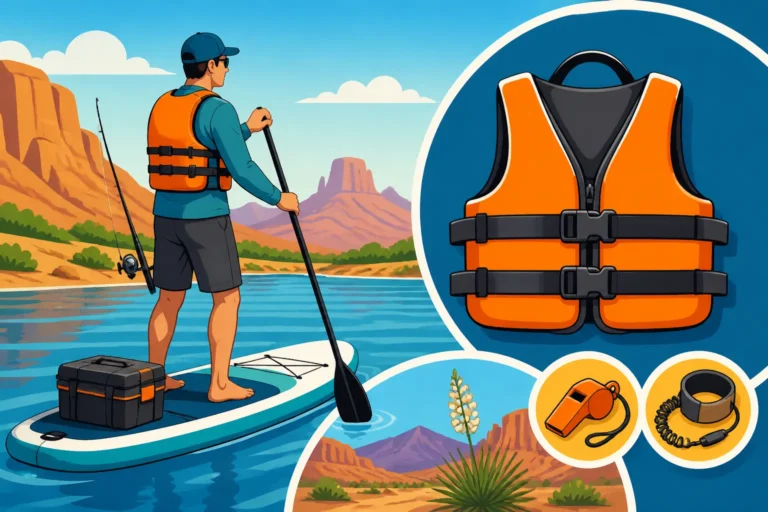
The "human-powered" exemption isn't just for canoes. New Mexico extends this courtesy to a range of other similar small watercraft. Kayaks, stand-up paddleboards, rowboats, rafts, and even small sailboats that are solely wind- or human-propelled generally fall into this exempt category. This consistency makes it easier for recreational users to understand the rules across different types of paddlecraft. So, if you're out on a float tube at a local pond or kayaking down the Rio Grande, as long as you're powering it yourself, you're usually good to go on the registration front.
However, a quick word of caution: while these vessels might not need registration, they still need to adhere to general boating safety laws. This includes carrying proper safety equipment, such as life jackets for every person onboard, and adhering to navigation rules. Just because you don't need a registration number doesn't mean you can ignore common-sense safety practices on the water. For more on what's required, check out Required Safety Gear on a New Mexico Boat.
Practical Implications for Canoe Anglers
For the angler who prefers a canoe, these exemptions offer incredible freedom. You can explore remote areas, access shallow waters, and enjoy the peace and quiet without the added cost or paperwork of registration. This is particularly appealing for fly fishermen or those who enjoy stealthy approaches to their quarry. Imagine silently gliding into a secluded cove on Elephant Butte Lake, your paddle dipping gently, not a sound of a motor to spook the fish.
However, the moment you consider adding even a small trolling motor to enhance your fishing experience, you need to mentally switch gears and prepare for registration. Many canoe anglers love the versatility that a small motor offers, especially on larger bodies of water or when fighting against wind and current. Just be aware that this convenience comes with the responsibility of compliance. It’s a trade-off that many find worthwhile, but it’s crucial to understand the rules before you power up.
The Registration Process for a Motorized Canoe
So, you've decided to add a motor to your canoe, or perhaps you bought a canoe that already came equipped with one. Now what? The process for registering a motorized canoe in New Mexico is straightforward, but it does require attention to detail and a few specific documents. Don't worry, it's not as daunting as it might seem.
Gathering Your Documents
Before you head to the Motor Vehicle Division (MVD) or an authorized agent, you'll need to collect some essential paperwork. The most important document is proof of ownership for your canoe. This could be a manufacturer's statement of origin (MSO) if it's new, a bill of sale if you bought it used, or even a previous registration certificate if you're transferring ownership. Make sure the bill of sale clearly identifies the canoe, including its make, model, and any hull identification number (HIN) if it has one.
You'll also need proof of ownership for the motor if it was purchased separately, again, typically a bill of sale. Sometimes, particularly with older or very small trolling motors, a bill of sale might not be readily available, but having one for the canoe itself is paramount. Be prepared to show your New Mexico driver's license or state ID, and if applicable, any lien information if you financed the purchase. Having everything organized beforehand will save you a lot of time and potential headaches at the MVD office.
Where to Go: MVD and Authorized Agents
Once you have your documents in order, you have a couple of options for where to register your motorized canoe. The primary place is any New Mexico Motor Vehicle Division (MVD) office. You can usually find the nearest location through the state's official MVD website. Wait times can vary, so it's often a good idea to check if appointments are available or if there are specific times of day that are less busy.
Alternatively, New Mexico also utilizes authorized MVD agents. These are often private businesses, like certain dealerships or title services, that are licensed to process vehicle and vessel registrations. They can sometimes offer a quicker or more convenient experience, though they might charge a small service fee in addition to the standard registration costs. It's worth checking if there's an authorized agent closer to you or one with better reviews for efficiency. These agents are especially useful for getting your New Mexico Annual Fishing License and handling other fishing-related paperwork at the same time.
Displaying Your Registration: Numbers and Decals
After successfully registering your motorized canoe, you'll receive your registration certificate, a decal, and instructions for displaying your registration numbers. The registration numbers must be painted or permanently attached to both sides of the forward half of the canoe, in block letters at least three inches high, contrasting sharply with the color of the background. The letters and numbers must be separated by a space or hyphen.
The validation decal, which proves your registration is current, also needs to be affixed to the forward half of the port (left) side of the canoe, typically within six inches of the registration number. This ensures that law enforcement officers can quickly identify that your motorized canoe is properly registered and ready for the water. Failure to display these correctly can result in a fine, so take the time to do it right. It’s a small detail that makes a big difference in staying compliant.
Canoe Registration at a Glance
To quickly summarize the key differences in registration requirements for canoes in New Mexico:
| Feature | Manual Canoe (Paddle-Powered) | Motorized Canoe (Any Motor) |
|---|---|---|
| Registration? | No, generally exempt | Yes, always required |
| Titling? | No, generally exempt | Yes, usually required |
| HIN Required? | Often present, but not for registration | Yes, essential for registration |
| Decals/Numbers? | No | Yes, required on both sides |
| Cost? | None (for registration) | Yes, varies by length & power |
| Proof of Ownership? | Good to have for personal records | Essential for registration & titling |
| Why? | Human-powered, low impact | Mechanical propulsion, safety tracking |
This table provides a concise overview, but remember that the specifics of the law are in the details discussed above. Always double-check the latest regulations if you're unsure, especially if you're considering adding a motor to your current setup.
Final Thoughts on Canoe Registration in New Mexico
The world of New Mexico fishing is filled with incredible opportunities, from tranquil high-mountain lakes to vast reservoirs like Navajo Lake. Whether you prefer the serene solitude of a paddle-powered canoe or the added reach a small motor provides, understanding the rules of the water is paramount. While many simple canoes can glide across the surface without needing a single piece of registration paperwork, the moment you introduce any form of mechanical propulsion—even a small, quiet trolling motor you picked up from Amazon—the game changes.
It's not about adding unnecessary hurdles; it's about ensuring safety, protecting our precious natural resources, and maintaining a clear system for all recreational users. So, before you launch your canoe, take a moment to consider how you'll be powering it. If it's just you and a paddle, enjoy the freedom. If there's a motor involved, even a little one, make that quick stop at the MVD your first step. Being prepared means less hassle and more time enjoying the beautiful waters of the Land of Enchantment.
Disclaimer
This article is for general informational purposes only and does not constitute professional advice. Laws, prices and regulations vary by location and change over time. Consult a qualified professional for guidance on your specific situation.