Best Coolers for Keeping Fish Fresh in New Mexico
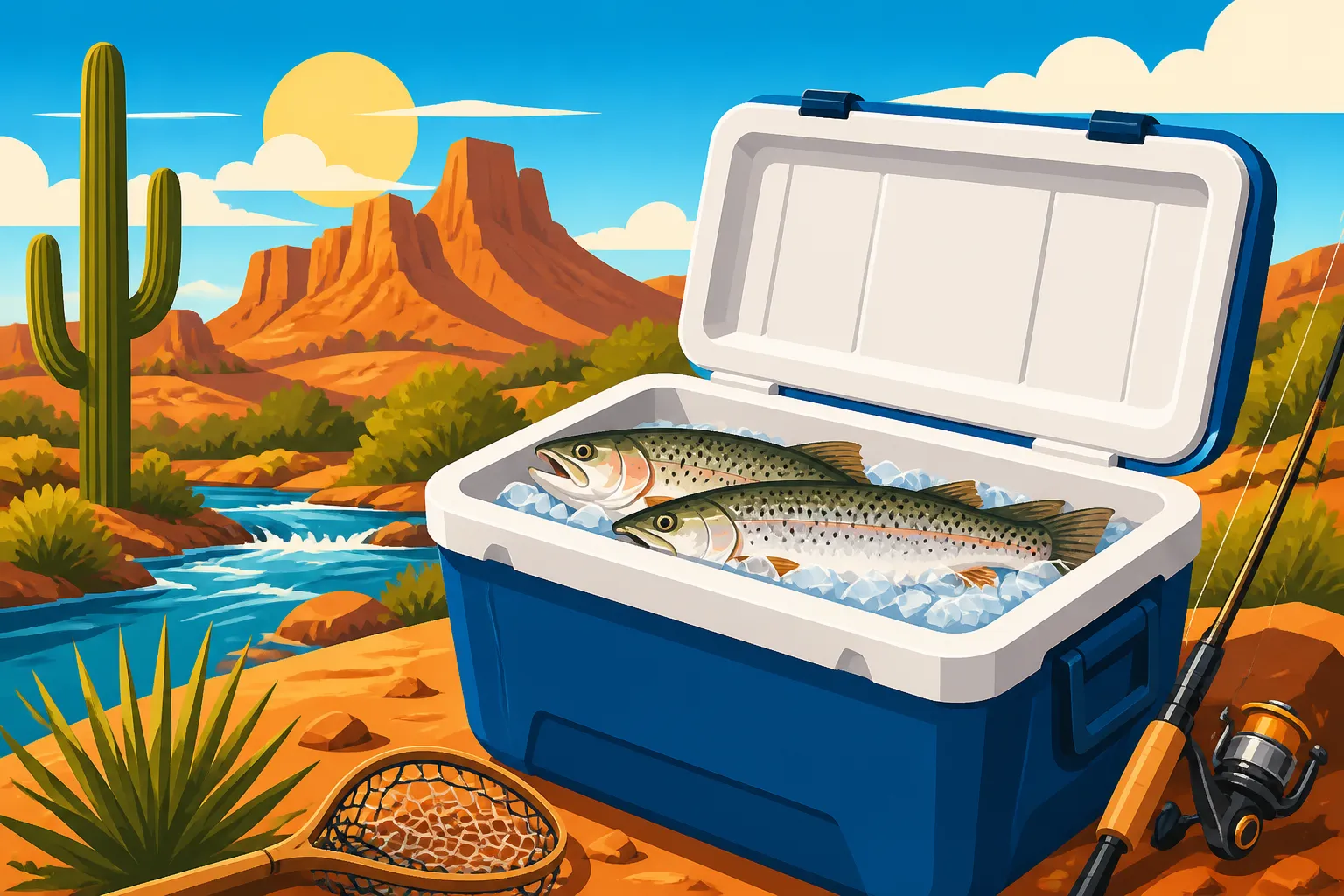
There's nothing quite like the thrill of reeling in a beautiful catch in New Mexico, whether it's a feisty trout from the San Juan River or a big striper from Elephant Butte Lake. But let's be honest, the excitement can quickly fade if you're worried about your hard-earned fish spoiling in the trunk of your car under the relentless New Mexico sun. Keeping your catch fresh, delicious, and safe for the dinner table isn't just a nice-to-have; it's absolutely essential, and it all starts with having the right cooler. This guide will help you navigate the often-confusing world of fishing coolers, ensuring your next New Mexico adventure ends with perfectly preserved fish.
Why Cooler Choice Matters in New Mexico's Climate
New Mexico’s diverse landscapes offer incredible fishing opportunities, but they also present unique challenges when it comes to keeping your catch fresh. The Land of Enchantment lives up to its name with stunning scenery, but the high desert environment means intense sun exposure and often rapidly fluctuating temperatures, which can turn your prized catch into a culinary disappointment if you’re not prepared.
The Challenge of High Desert Heat
Picture this: you've spent a glorious morning on Navajo Lake, pulling in some beautiful kokanee salmon. The sun is beaming down, the air is dry, and you're miles from home. Without a proper cooler, that fish will start to deteriorate almost immediately. The internal temperature of a fish rises quickly in warm air, accelerating bacterial growth and enzyme activity that lead to spoilage. This isn't just about taste; it's about food safety. A flimsy cooler with subpar insulation simply won't cut it when you're dealing with midday temperatures that can soar, even in the shoulder seasons. Many an angler has learned this lesson the hard way, opening their cooler to find a sad, defrosted mess rather than pristine fillets.
The dry climate can also work against you. While it might feel cooler than humid heat, the dry air actually causes ice to sublime faster, turning directly from solid to gas, which means your ice melts quicker than you might expect. Factor in the intense UV rays that penetrate many cooler materials, and you realize that a basic picnic cooler just isn't designed for the rigors of a multi-hour fishing trip in places like Elephant Butte Lake or the Pecos River. You need something engineered to withstand these specific conditions and maintain a consistently cold environment.
Beyond Just Keeping Ice
It's easy to think of a cooler as just a box for ice, but for serious anglers in New Mexico, it needs to be so much more. A truly effective fishing cooler offers a holistic approach to fish preservation. It's not just about how long it keeps ice; it's about how it protects the fish from physical damage, contamination, and even the transfer of unwanted odors. Imagine you’re on a remote stretch of the Rio Chama, and your cooler suddenly springs a leak. Not only do you lose your precious ice, but your vehicle becomes a smelly, fishy mess.
Durability is paramount. Fishing gear gets knocked around. You're loading it into trucks, sliding it across boat decks, and perhaps even dragging it over rocky terrain. A good fishing cooler is built to take a beating, with sturdy hinges, robust latches, and thick walls that can withstand impact. Furthermore, proper sealing mechanisms prevent water from sloshing out and keep external contaminants from getting in. You also want features that make cleaning easy, because nothing ruins a cooler faster than lingering fish smells and residues. A thoughtfully designed cooler considers the entire journey of your catch, from the moment it leaves the water until it reaches your kitchen.
Key Features to Look For in a New Mexico Fishing Cooler
Choosing the right cooler for fishing in New Mexico requires a closer look at its construction and features. Not all coolers are created equal, and what works for a tailgate party might not be sufficient for preserving your catch after a long day chasing trout in the Gila National Forest. You really want to invest in something that’s up to the task.
Superior Insulation and Ice Retention
This is arguably the most critical feature. The ability of a cooler to hold ice, especially for extended periods in warm weather, directly correlates to its insulation quality. Modern high-performance coolers often utilize rotomolded construction, a process that creates a single, seamless piece of plastic for both the interior and exterior shells. This design virtually eliminates weak points and allows for consistent, dense insulation to be injected between the walls. Think about coolers from brands you might find at Bass Pro Shops; they've been designed with this level of performance in mind.
Look for coolers with walls that are several inches thick, typically filled with pressure-injected polyurethane foam. This dense foam provides an exceptional thermal barrier. Beyond the walls, inspect the lid. It should also be heavily insulated and fit snugly with a freezer-grade gasket seal. This gasket is crucial for preventing warm air from leaking in and cold air from escaping. Finally, pay attention to the latches. Heavy-duty rubber or T-handle latches create a tight, secure compression seal, further locking in the cold. A good latch system not only keeps the cold inside but also prevents accidental spills, a blessing on a rocky New Mexico road.
Durability for Rugged New Mexico Adventures
New Mexico fishing often involves rough terrain, bumpy roads, and gear that gets thrown around. Your cooler needs to be as tough as the environment you're fishing in. Look for robust materials; high-density polyethylene (HDPE) is a common choice for its impact resistance. Inspect the hardware: hinges should be heavy-duty, often made from stainless steel or a similarly durable, corrosion-resistant material that won't rust or break after a few trips. Handles should be strong and comfortable, preferably with a grip that won't slip when wet or when you're moving a fully loaded, heavy cooler. Many premium coolers feature molded-in handles or sturdy rope handles with rubber grips.
Another often-overlooked aspect of durability is the overall construction. A cooler built with quality materials and solid craftsmanship will withstand years of abuse, from being slid across boat decks to being dropped from a truck bed. Consider how you'll secure your cooler; many feature integrated tie-down slots or points that allow you to strap it down in your truck bed or on your boat, preventing it from sliding around and getting damaged (or damaging other gear) during transit. The last thing you want is a cracked cooler miles from civilization.
Practical Features for Anglers
While insulation and durability are paramount, a few thoughtful design elements can significantly enhance the functionality of a fishing cooler. An integrated drain plug is a must-have, allowing for easy draining of meltwater or cleaning without having to tip the entire cooler. Look for larger drain plugs that allow for quicker emptying, especially after a long day. Non-slip feet or rubberized pads on the bottom of the cooler are incredibly useful, preventing it from sliding around on wet boat decks or uneven ground, ensuring stability and safety.
Some coolers go a step further, offering features specifically tailored for fishing. An integrated ruler molded into the lid can be incredibly handy for quickly measuring your catch to ensure it meets New Mexico Fishing Regulations Overview and slot limits. Internal baskets or dividers can help keep bait separate from your catch, or prevent delicate fillets from being crushed by ice. Bottle openers, cup holders, and even padded tops that double as a casting platform or extra seating are also common additions. While these aren't strictly necessary for keeping fish fresh, they certainly add to the overall convenience and utility of your cooler, making your time on the water more enjoyable.
Types of Coolers Best Suited for New Mexico Fishing
The world of coolers has expanded far beyond the basic plastic box. For New Mexico anglers, understanding the different types available can help you select the perfect one for your specific fishing style, whether you're fly-fishing a pristine stream or trolling for big fish on a vast reservoir. Each type has its strengths and ideal applications.
Hard-Sided Roto-Molded Coolers
These are the workhorses of the fishing world, especially for multi-day trips or when targeting larger species. Roto-molded coolers, often referred to as "premium" or "high-performance" coolers, are renowned for their exceptional ice retention and extreme durability. Brands you might find on Amazon often highlight these features, and for good reason. Their thick, insulated walls and robust construction mean they can withstand virtually anything you throw at them, from rough boat rides on Elephant Butte Lake Fishing Guide to being bounced around in the back of a pickup on unpaved roads.
The primary advantage of hard-sided rotomolded coolers is their ability to maintain internal temperatures for days, even a week or more, depending on the model and conditions. This is crucial when you're planning an extended fishing trip or if you know you'll be out in the intense New Mexico sun for a long time. They come in a wide range of sizes, from compact personal coolers to massive chests capable of holding dozens of large fish. While they are typically heavier and more expensive than other options, their longevity and superior performance make them a worthwhile investment for serious anglers who demand the best in terms of freshness and durability.
Soft-Sided Coolers and Backpack Coolers
For those who prioritize portability and ease of transport, soft-sided coolers and backpack coolers are an excellent choice. These are perfect for shorter fishing excursions, wading trips on rivers like the San Juan, or when you need to hike into more remote fishing spots. They are significantly lighter than their hard-sided counterparts and often feature comfortable shoulder straps or backpack designs, making them easy to carry along with your Best Rods and Reels for New Mexico Trout Fishing and other gear.
While their ice retention typically doesn't match that of high-performance hard-sided coolers, modern soft-sided options have come a long way. Many now feature advanced insulation materials and leak-proof zippers that can keep contents cold for 24-48 hours, which is perfectly adequate for a day trip or an overnight campout. They are also much more flexible, allowing them to fit into tighter spaces, such as a kayak or canoe. Their ease of cleaning and relatively lower price point make them a popular choice for anglers who value convenience and mobility, or for those who don't need multi-day ice retention but still want dependable freshness for their Trout Fishing Techniques for New Mexico catch.
Specialized Fish Bags and Kill Bags
When you're targeting really big fish, or simply need to maximize space on a boat, specialized fish bags or "kill bags" become invaluable. These aren't your typical picnic coolers. They are essentially heavy-duty, insulated tarpaulin bags designed specifically for holding large fish. Their flexible shape allows them to conform to awkward spaces on a boat deck and accommodate long, unwieldy fish that wouldn't fit in a traditional rigid cooler.
Fish bags are often favored by saltwater anglers, but they are equally effective for large freshwater species like striped bass from Elephant Butte Lake or even for keeping multiple smaller fish fresh on a charter. They typically feature heavy-gauge vinyl exteriors, thick closed-cell foam insulation, and strong, leak-proof zippers. The ability to fold them flat when empty is a huge space-saving advantage. While they might not be as robust as a rotomolded cooler for impacts, their primary purpose is superior insulation and easy storage for large, often messy, catches. Many come with drain plugs and are designed for easy cleaning, ensuring that your catch, whether it's a big catfish or several Kokanee Salmon Fishing in New Mexico, stays cold and protected until you get back to shore.
Here's a quick comparison of these cooler types:
| Feature | Hard-Sided Roto-Molded | Soft-Sided / Backpack | Specialized Fish Bags |
|---|---|---|---|
| Ice Retention | Excellent (Multi-day) | Good (1-2 days) | Excellent (Multi-day) |
| Durability | Exceptional | Good | Good (Puncture-resistant) |
| Portability | Low (Heavy/Bulky) | High (Lightweight/Flexible) | Moderate (Flexible, but can be heavy when full) |
| Cost | High | Moderate | Moderate to High |
| Best Use Case | Long trips, large catches, extreme conditions | Day trips, hiking, kayak fishing, small to medium catches | Large fish, maximizing boat space, tournament fishing |
| Typical Capacity | 20-150+ quarts | 10-40 quarts | 40-200+ quarts |
Sizing Your Cooler for New Mexico Fishing Trips
One of the most common mistakes anglers make is choosing a cooler that's either too small or unnecessarily large. Getting the size right is crucial for efficient cooling and overall convenience on your New Mexico fishing adventures. A cooler that's too small means your fish might not fit, or you'll need to pack it too tightly, compromising ice longevity. Too large, and you're hauling around unnecessary weight and space, and your ice will melt faster due to more air volume to keep cold.
Matching Capacity to Your Catch
When thinking about cooler size, consider what you're typically catching and how much. Are you planning to keep a limit of trout from a small stream, or are you hoping for several large bass from a reservoir like Conchas Lake? For trout anglers, a 20-35 quart cooler might be perfectly adequate for a day's catch, easily holding a limit of rainbow or brown trout packed in ice. If you're targeting larger fish like walleye or striped bass, especially if you plan to keep your full daily limit, you'll need something considerably larger, perhaps in the 50-70 quart range. A full limit of sizeable stripers from Elephant Butte, for example, would quickly overwhelm a smaller cooler.
It's helpful to remember the general rule that you need at least a 2:1 ratio of ice to fish by volume for optimal cooling and ice retention. This means if you expect to keep 10 pounds of fish, you'll want space for at least 20 pounds of ice. Also, consider the length of your target species. Long fish like pike or larger trout might require a cooler with sufficient internal length, not just volume, to lay flat without being bent, which is better for preservation and presentation. Always err slightly on the side of larger if you're unsure, but remember the balance between capacity and portability.
Space and Portability Considerations
Beyond the fish themselves, think about how the cooler will fit into your overall fishing setup. If you're bank fishing or wading a river, a heavy, oversized cooler is going to be a burden to carry, especially when full. For these situations, a smaller, more portable hard-sided cooler or even a quality soft-sided option would be much more practical. If you're fishing from a boat, consider the deck space available. A large rotomolded cooler can take up significant room, potentially hindering movement or access to other gear. Measure your boat's storage areas or truck bed to ensure a good fit.
Also, consider how you'll be transporting the cooler when it's fully loaded. A 70-quart cooler packed with ice and fish can easily weigh over 100 pounds, requiring two people or a specialized cart to move comfortably. If you often fish solo, you might opt for two smaller coolers rather than one massive one, making loading and unloading much easier. For kayak anglers, a compact cooler or fish bag that can be secured to the deck is crucial, balancing capacity with the limited space and stability concerns of a kayak. Planning ahead for both your catch and your transport logistics will lead to a much smoother and more enjoyable fishing trip in New Mexico.
Best Practices for Maximizing Cooler Performance
Having a top-of-the-line cooler is only half the battle. To truly keep your fish fresh in New Mexico's challenging climate, you need to employ some best practices that maximize your cooler's performance. These aren't just tips; they're essential steps for preserving your catch.
Pre-Chilling is Key
One of the biggest mistakes anglers make is throwing warm items, including their cooler itself, directly into the mix with ice. Your cooler's insulation works best when it's already cold. Think of it like preheating an oven, but in reverse. If you put ice into a cooler that's at ambient air temperature, a significant portion of that ice will be used just to cool down the cooler's internal walls and air, rather than cooling your fish.
To pre-chill effectively, put a bag of sacrificial ice or several frozen water bottles into your empty cooler the night before your trip, or at least several hours beforehand. Let it sit with the lid closed. This will bring the internal temperature of the cooler down significantly. Just before you head out, dump out the sacrificial ice (or save the frozen water bottles for later use) and then pack your fresh ice and fish. This simple step can add hours, if not a full day, to your ice retention, especially crucial when you're fishing under the intense New Mexico sun or on longer trips targeting New Mexico Fishing Season Dates and Limits.
The Right Ice and Ice Management
Not all ice is created equal when it comes to cooler performance. Cubed ice, while readily available, has a large surface area and melts relatively quickly. Block ice, on the other hand, has a much smaller surface area in relation to its volume, making it melt much slower. For multi-day trips or extremely hot conditions, a combination of both is ideal: layer some block ice on the bottom for long-term cooling, then add cubed ice around your fish to fill voids and provide immediate, widespread cold contact. Frozen gel packs can also supplement ice, providing consistent cold without the meltwater.
When packing your cooler, create a good layer of ice on the bottom, then arrange your fish on top, adding more ice between and over them. Try to fill any empty space with ice or even crumpled newspaper if you run out, as air pockets can accelerate melting. Avoid draining meltwater immediately if you're keeping whole fish; the icy water actually helps keep the fish cold. However, if you've already filleted your fish and want to avoid them sitting in water, you might consider using internal dry bags or keeping them separate with dedicated ice packs. Always keep your cooler lid closed as much as possible, as every time you open it, warm air rushes in, melting your ice faster.
Proper Fish Preparation Before Cooling
The quality of your cooler can only do so much if the fish aren't handled properly immediately after being caught. For the best-tasting and safest fish, proper preparation is paramount. The goal is to get the fish cold as quickly as possible and to minimize bacterial growth. For many species, bleeding the fish immediately after catching it is a critical step. This removes blood from the flesh, which can otherwise spoil quickly and give the meat a "gamey" taste. A simple cut to the gills and letting the fish bleed out in a bucket of water or directly into the lake for a minute or two can make a huge difference.
After bleeding, you might consider gutting the fish if you're on a multi-day trip or anticipate a long drive home. Removing the guts eliminates a major source of bacteria. Rinse the body cavity thoroughly with clean, cold water. Once cleaned, place the fish directly into your pre-chilled cooler on a bed of ice. Make sure the fish are fully surrounded by ice, not just resting on top of it. Some anglers even use a clean, damp cloth to wipe down the fish exterior before icing them to remove any slime or debris. Remember, freshwater from melting ice can sometimes cause fish flesh to become waterlogged if exposed directly for too long, so if you're particular about texture, consider wrapping cleaned fish in plastic bags before burying them in ice, or keep your drain plug open if you prefer a drier environment. New Mexico Catch and Release Regulations are important, but for fish you intend to keep, proper handling makes all the difference.
Where to Find Your Ideal Fishing Cooler
Once you've determined the type and size of cooler best suited for your New Mexico fishing adventures, the next step is actually acquiring one. Luckily, you have several excellent avenues for finding a cooler that meets your specific needs and budget.
Online Retailers and Their Benefits
Shopping online offers an unparalleled selection and convenience, making it a fantastic starting point for your cooler search. Retailers like Amazon, for instance, boast an enormous inventory of coolers from countless brands, ranging from budget-friendly options to high-end, expedition-grade models. This vast selection means you can easily compare features, read detailed product specifications, and scour hundreds, if not thousands, of customer reviews to get real-world insights into a cooler's performance and durability. Many anglers find the ability to read feedback from others who have used the cooler in similar conditions invaluable.
Beyond selection, online shopping often provides competitive pricing and the convenience of doorstep delivery. You can browse from the comfort of your home, avoiding trips to multiple stores. Keep an eye out for seasonal sales or special promotions, which can often lead to significant savings on higher-priced coolers. Just be sure to double-check shipping costs and return policies, especially for larger, heavier items. The detailed information available online can really help you make an informed decision about a cooler that will stand up to the demands of New Mexico Fishing by Season year-round.
Specialty Outdoor and Fishing Stores
While online shopping offers breadth, visiting a dedicated outdoor or fishing store provides an invaluable hands-on experience and access to expert advice. Large retailers like Bass Pro Shops are excellent places to physically inspect a cooler before you buy it. You can open and close the latches, test the hinge strength, feel the insulation thickness, and get a true sense of its size and weight. This tactile experience can be crucial, especially for larger coolers where dimensions and how they fit into your vehicle or boat are important considerations.
Furthermore, the staff at these specialty stores are often avid anglers themselves. They can offer personalized recommendations based on your specific New Mexico fishing locations, target species, and trip durations. Want to know if a certain cooler can handle the summer heat at Elephant Butte Lake Fishing Guide or if it’s practical for a day trip to the San Juan River Fishing Guide? They've likely tried it or heard feedback from local customers. This expert guidance, combined with the ability to see and feel the product, can help you make a confident purchase, knowing you're investing in a cooler that's truly up to the task of keeping your New Mexico catch fresh.
Disclaimer
This article is for general informational purposes only and does not constitute professional advice. Laws, prices and regulations vary by location and change over time. Consult a qualified professional for guidance on your specific situation.