New Mexico Fishing by Season
You've decided to tackle the incredible fishing opportunities here in New Mexico, and let me tell you, it's a fantastic journey. However, one of the biggest head-scratchers for folks, especially those new to the Land of Enchantment, is figuring out when and where to cast a line. Our state's diverse landscapes, from scorching southern deserts to snow-capped northern mountains, mean that fishing isn't a "one-size-fits-all" endeavor. Fish behavior changes dramatically with the seasons, and what works at Elephant Butte Lake in July certainly won't cut it on the San Juan River in January. This comprehensive guide will walk you through what to expect, how to prepare, and where to find the best action throughout New Mexico's distinct fishing seasons, helping you unlock year-round angling success.
Understanding New Mexico's Climate and Its Impact on Fishing
New Mexico is often called a "land of contrasts," and nowhere is that more true than in its climate and, consequently, its fishing. We have everything from low-elevation desert reservoirs to alpine lakes nestled above 10,000 feet. This incredible diversity is what makes New Mexico fishing so unique, but it also means you need to understand the nuances of each season.
High Desert Contrasts: From Southern Lakes to Northern Mountains
Imagine driving from Elephant Butte Lake, a vast southern reservoir simmering under the summer sun, to a cool, rushing trout stream high in the Sangre de Cristo Mountains near Taos. These two locations, while in the same state, can feel like different worlds, especially in terms of fishing conditions. Southern lakes and rivers, like parts of the Rio Grande below Albuquerque or Elephant Butte and Caballo Lakes, experience long, hot summers and relatively mild winters. These waters are often prime for warm water species such as bass, catfish, and walleye.
Head north, and the story changes completely. Our mountain streams and high-elevation lakes, like those in the Pecos Wilderness or around Chama, have much shorter warm seasons and long, cold winters with significant snowpack. These are your prime trout fisheries, where species like rainbow, brown, and native Rio Grande cutthroat trout thrive in colder, oxygen-rich waters. The transition zones in between, like the middle Rio Grande or some of the larger reservoirs in central New Mexico, offer a mix of both warm and cold water opportunities depending on the time of year and specific water temperatures. This geographical variety means that even when one area is slow, another might be red-hot, if you know where to look.
Water Temperatures and Fish Metabolism
The driving force behind fish activity, regardless of species, is water temperature. Fish are cold-blooded, meaning their metabolism, feeding patterns, and general energy levels are directly tied to the temperature of the water they inhabit. In colder water, their metabolism slows down significantly. They eat less frequently, move slower, and are generally less aggressive. This is why winter fishing often requires more patience and finesse.
Conversely, as water temperatures rise in spring and summer, fish metabolism speeds up. They need more food to sustain their higher energy levels, leading to more active feeding frenzies. However, there's a sweet spot. If the water gets too warm, especially in shallow areas or during extended heatwaves, oxygen levels can drop, and fish can become stressed or lethargic, seeking deeper, cooler pockets. Understanding the preferred temperature ranges for different species – for instance, trout prefer colder water, while bass and catfish thrive in warmer conditions – is crucial for seasonal success. A quick check of local water temperature reports can often give you a huge advantage when planning your outing.
The Role of Snowpack and Runoff
For many of New Mexico's most cherished fisheries, especially our northern rivers and streams, the winter snowpack is the lifeblood. Heavy snows in the high country translate to a robust spring runoff, replenishing reservoirs and flushing out river systems. While runoff can make fishing challenging due to high, turbid water, it's a vital natural process. It cleans the riverbeds, redistributes nutrients, and provides essential habitat for aquatic insects and fish.
The timing and intensity of runoff directly impact spring and early summer fishing. A prolonged, heavy runoff might delay prime river fishing until late May or June, pushing fish into calmer eddies or tributaries. On the other hand, a meager snowpack and weak runoff can lead to lower water levels earlier in the season, potentially stressing fish and limiting access in some areas. Anglers frequently monitor snowpack reports and streamflow data (often available through the U.S. Geological Survey) to anticipate conditions. Knowing how to fish during and after runoff is a skill in itself, often involving heavier weights, larger flies or lures, and targeting slower currents. It's a reminder that nature is always in charge, and adapting to its rhythms is part of the angling adventure.
Spring Fishing in New Mexico: Runoff, Restocking, and Rising Temps
Spring in New Mexico is a season of transition, a slow awakening after winter's chill. For anglers, it's a time of mixed blessings – thawing waters bring new opportunities, but also challenges like heavy runoff. However, with the right approach, spring can offer some truly exceptional fishing experiences.
Post-Winter Thaw and Early Season Trout
As the snows begin to recede and ice reluctantly gives way on many of our lakes, early spring marks the beginning of the trout fishing season in earnest. While some rivers remain open all winter, the warming air and increasing sun penetration invigorate both fish and angler. Lakes like Eagle Nest Lake, Fenton Lake, and Storrie Lake, which might have been frozen solid for months, start to open up, offering anglers the first chance to target hungry trout. These fish are often eager to feed after a lean winter, making them more susceptible to a variety of baits and lures. PowerBait, worms, and small spinners are often highly effective in these freshly thawed waters.
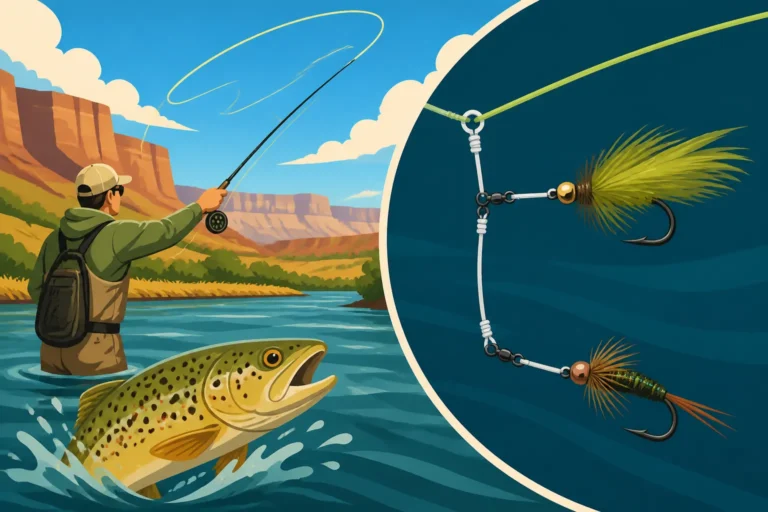
Many of New Mexico's popular trout streams, even before the major runoff, will see increased activity. Trout in these waters, though still somewhat sluggish from winter, will start to key in on emerging insect hatches. Midges are often the first to appear, followed by early season mayflies and caddis. For fly anglers, matching these subtle hatches can lead to rewarding days. Remember to consult the official New Mexico Fishing Season Dates and Limits, as some specific waters might have delayed openings or special regulations that start in spring.
Dealing with Spring Runoff Challenges
While the thaw brings excitement, it also ushers in the infamous spring runoff, especially in our northern mountain rivers. As vast amounts of snow melt, rivers swell, becoming high, fast, and often heavily discolored with sediment. This can be incredibly frustrating for anglers hoping to hit their favorite trout stream. Visibility can drop to near zero, and the sheer force of the water makes effective presentation difficult, if not impossible. Many anglers simply pack up and wait for clearer, lower water.
However, the savvy angler knows there are still ways to find success during runoff. One common strategy is to seek out tributaries that clear up faster than the main river, or fish tailwaters directly below dams, where water flows are regulated and often clearer. Lakes and reservoirs are also less affected by turbidity. If you must fish a high, muddy river, focus on slower eddies, seams, and backwaters where fish can escape the main current and where your bait or lure can actually be seen. Heavier weights are necessary to get your offering down, and brighter, larger lures or baits with strong scent can sometimes entice a bite in murky conditions. Don't be afraid to experiment!
Warm Water Species Waking Up
It's not all about trout in the spring, especially in New Mexico's southern and central regions. As water temperatures steadily climb, warm water species like largemouth and smallmouth bass, crappie, and catfish begin to stir from their winter dormancy. Early spring sees these fish moving into shallower waters to feed and prepare for spawning. This can be a fantastic time to target pre-spawn bass, as they become aggressive and are often found cruising along rocky shorelines, submerged brush, or weed beds.
Lakes like Elephant Butte Lake, Conchas Lake, and Ute Lake can light up with action. Crappie, in particular, will gather in large schools in shallow coves, making them easy targets for jigs and minnows. Catfish, while typically a summer fish, also become more active, especially on warmer days, and can be caught on stink baits or cut bait. Understanding the New Mexico Warm Water Fish Bag Limits is essential before you head out. Spring offers a unique window where you can often target both cold and warm water species, sometimes even on the same day, by strategically choosing your fishing location.
Summer Fishing in New Mexico: High Heat, High Country, and Warm Water Action
When summer officially hits New Mexico, it brings a distinct set of conditions for anglers. The high desert sun can be intense, but cooler escapes and prime warm-water opportunities abound. It's a time for early mornings, late evenings, and sometimes, a journey to higher elevations.
Beating the Heat: Targeting High-Altitude Lakes and Streams
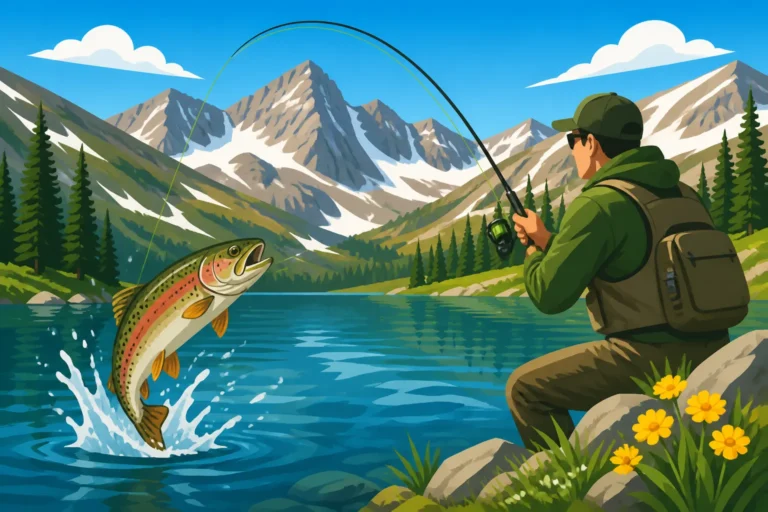
As temperatures soar across much of the state, many trout in lower-elevation streams become stressed by warmer water. This is when experienced anglers pack their gear and head for the high country. New Mexico's mountains, including the Sangre de Cristos, Jemez, and Gila ranges, are home to countless pristine streams and alpine lakes that remain cool and oxygen-rich throughout the summer. These waters often hold wild brown, rainbow, and our state fish, the Rio Grande cutthroat trout.
Fishing these high-altitude spots often involves hiking, sometimes for miles, which adds to the adventure and solitude. Light tackle, small spinners, and fly fishing with dry flies or small nymphs are typically the most effective methods. The fish in these remote waters can be less pressured and more eager to strike. Popular destinations include Pecos Wilderness high lakes like Stewart Lake or Lake Katherine, or streams within the Carson National Forest. Always remember that the weather in the mountains can change rapidly, so proper gear, including rain protection and layers, is crucial. You can find out more about the different Trout Species in New Mexico to know what to expect.
Prime Time for Warm Water Species
While the high country beckons trout anglers, summer is unequivocally prime time for warm water species in New Mexico's larger reservoirs and lower-elevation rivers. Bass, walleye, catfish, and crappie are at their most active, feeding aggressively in the warmer water. This is when Elephant Butte Lake truly shines for striped bass and walleye, and Conchas Lake offers incredible crappie and walleye fishing.
Targeting these species often means fishing during the cooler parts of the day – early morning, late evening, or even at night. Bass will hold to structure like submerged trees, rock piles, or ledges, striking at crankbaits, plastic worms, or topwater lures. Walleye often patrol deeper humps and points, readily hitting jigs, crankbaits, or trolled presentations. Catfish become incredibly active at night, responding well to a variety of stinky baits, cut bait, or worms. Remember, the hot sun can be brutal, so hydrating, wearing sun protection, and keeping your catch cool are essential. Many anglers look for deals on wide-brimmed hats and performance fishing shirts on Amazon to stay comfortable in the heat.
Monsoon Season Considerations
Mid-to-late summer in New Mexico often brings the monsoon season, a period of increased rainfall, thunderstorms, and dramatic weather changes. While these rains are vital for our parched landscape, they can significantly impact fishing. Heavy downpours can cause flash flooding in arroyos and small streams, rapidly turning clear water into muddy torrents. This sudden influx of sediment and debris can temporarily shut down river fishing.
However, the monsoon can also create fantastic fishing opportunities. The cooler temperatures and increased cloud cover often stimulate fish activity, especially for bass and catfish. The runoff into reservoirs can wash in nutrients and baitfish, creating feeding frenzies in areas near inflows. Fishing just before a storm front moves in, or in the calmer periods between downpours, can be highly productive. The key is to monitor local weather forecasts closely and be prepared to move if conditions become unsafe or unproductive. Always exercise extreme caution around arroyos and low-water crossings during and after heavy rains.
Fall Fishing in New Mexico: Crisp Air, Spawning Runs, and Trophy Opportunities
Fall in New Mexico is, for many anglers, the absolute sweet spot. The scorching summer heat gives way to crisp, cool air, the aspens turn golden in the mountains, and fish across the state become incredibly active. This is a season of abundance, aggressive feeding, and some of the best trophy opportunities of the year.
Trout Spawning Season and Aggressive Bites
As water temperatures begin to drop in autumn, trout species like brown trout and brook trout start their annual spawning runs. This physiological imperative makes them incredibly active and often aggressive, as they move into shallower gravel beds in rivers and streams to lay eggs. While it's crucial to respect spawning fish and avoid disturbing their redds (spawning beds), this period often leads to some of the most exciting trout fishing of the year. Brown trout, in particular, will become territorial and highly predatory, striking at larger streamers, lures, and egg patterns.
Rivers like the San Juan River, Pecos River, and Rio Chama become prime destinations for trophy brown trout. Even stocked rainbow trout in lakes and rivers will respond enthusiastically to the cooling water, feeding heavily to bulk up for the upcoming winter. Fly anglers will find excellent dry fly opportunities with fall hatches, while spin fishers can do well with minnow imitations, small spoons, and even PowerBait in stocked waters. This is a fantastic time for a New Mexico Trout Fishing Rules refresher, as specific regulations might apply to certain waters during spawning seasons.
Kokanee Salmon Snagging Excitement
One of New Mexico's most unique fall fishing traditions is the kokanee salmon snagging season. Kokanee, a landlocked sockeye salmon, are stocked in several of our northern lakes, most notably Navajo Lake and Heron Lake. As fall progresses and water temperatures plummet, these salmon turn a brilliant red and migrate en masse into the shallow tributaries or dam areas to spawn. Since they stop feeding once they begin their spawning run, the only effective method to catch them is by snagging.
The New Mexico Department of Game and Fish regulates this season carefully, often opening specific dates and locations for snagging. It's an intense, fast-paced form of fishing where anglers use heavy tackle and large, weighted treble hooks to "snag" the fish. While some might find it unconventional, it's a popular way to fill a cooler with delicious salmon. It's important to understand the specific rules and regulations for salmon snagging, including daily limits and hook restrictions. For more detailed information, check out the New Mexico Salmon Snagging Season guide.
Cooling Waters and Active Warm Water Fish
It's not just trout and salmon that get excited in the fall. Warm water species also experience a resurgence of activity as lake temperatures cool down from the summer highs. Bass, walleye, and crappie, which might have been holding deep or only feeding at night during the summer, become much more accessible and aggressive. They move into shallower to mid-depth ranges, actively chasing baitfish as they prepare for winter.
This "fall turnover" period can offer incredible action on lakes like Elephant Butte, Conchas, and Ute. Bass will hit jigs, crankbaits, and swimbaits with renewed vigor. Walleye can be found cruising points and flats, readily taking trolled lures or vertical jigging presentations. Crappie school up in predictable patterns, often near brush piles or bridge pilings, making them a blast to catch on small jigs or minnows. Many anglers find their favorite bass lures, often from brands like Strike King or Rapala, on Amazon during this time, stocking up for the incredible action. Fall is truly a season where both warm and cold water enthusiasts can find success, making it arguably the best all-around fishing season in New Mexico.
Winter Fishing in New Mexico: Ice, Cold Tailwaters, and Solitude
Winter in New Mexico might signal a slowdown for many, but for the dedicated angler, it opens up unique and often incredibly rewarding opportunities. The landscape transforms, offering serene beauty and, in some cases, surprisingly active fishing, particularly for trout.
Embracing the Chill: New Mexico Ice Fishing Season
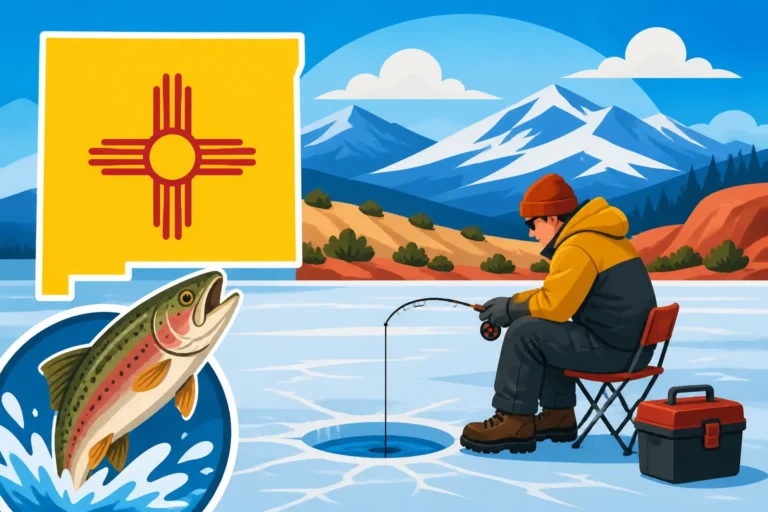
When bitter cold grips our northern mountains, many high-elevation lakes freeze over, ushering in the New Mexico Ice Fishing Season. Lakes like Eagle Nest Lake, Heron Lake, and Fenton Lake become popular destinations for anglers willing to brave the elements. Ice fishing offers a unique experience: drilling a hole through several inches of ice, setting up a shelter, and dropping a line into the frigid depths. The silence, broken only by the crack of the ice or the whir of a reel, can be incredibly peaceful.
Target species for ice fishing typically include rainbow trout, kokanee salmon, and sometimes perch or pike. Techniques involve using small jigs tipped with mealworms, wax worms, or PowerBait, often jigged subtly near the bottom. Specialized ice fishing gear, including augers, short rods, and warm shelters, is essential for comfort and safety. Before heading out, always check ice conditions with local authorities or bait shops – safety on the ice is paramount. While it requires a bit more preparation and tolerance for cold, successful ice fishing can yield fantastic results and a truly memorable experience.
Productive Cold Water Tailwaters
Even when other waters are frozen or sluggish, New Mexico's cold water tailwaters remain productive throughout the winter. These are river sections directly below large dams, where water releases maintain consistent, cold temperatures year-round. The most famous example, and arguably one of the best trout fisheries in the country, is the San Juan River Quality Waters below Navajo Dam. Here, stable flows and an abundance of aquatic insects create a thriving ecosystem for trophy rainbow and brown trout.
Winter on the San Juan River means fishing can be challenging but incredibly rewarding. Fish often congregate in slower, deeper runs and pools. Small midge patterns, tiny annelids, and subtle nymphing techniques are often the keys to success. The fish might be less active, but they are still feeding. Similarly, tailwaters on the Rio Chama below Abiquiu Dam and parts of the Pecos River can also offer good winter trout fishing. These waters often remain open and fishable even when snow blankets the surrounding landscape, providing a crucial escape for anglers seeking a winter fix. If you're planning a trip, definitely read our San Juan River Fishing Guide for in-depth tips.
Strategies for Slow Winter Bites
Regardless of whether you're ice fishing or targeting tailwaters, winter fishing generally demands a more patient and refined approach. Fish metabolism is at its lowest, meaning they won't chase a lure with the same enthusiasm as they might in summer. Presentations need to be slower, more subtle, and often smaller. Fine lines, sensitive rods, and meticulous attention to detail become more important than ever.
For trout, focus on precise nymphing or dead-drifting techniques with very small flies or baits. Allow your offering to sit in the strike zone for an extended period, as fish might take their time to inspect it. For warm water species that are still active (like some catfish in deeper reservoirs), focus on presenting baits directly on the bottom in known wintering holes. Don't be afraid to try different depths, as fish often suspend at specific levels where water temperature and oxygen are most favorable. Layered clothing, hand warmers, and a good thermos of hot coffee or tea are also essential components of a successful and enjoyable winter fishing trip in New Mexico. While the bites might be fewer, the fish you do catch often feel like a hard-earned victory.
Seasonal Strategies for New Mexico's Diverse Waters
Fishing success in New Mexico isn't just about showing up; it's about understanding how to adapt your strategies to the unique characteristics of different water bodies and how those characteristics change with the seasons. From rushing rivers to vast reservoirs, each requires a tailored approach.
Adapting to River and Stream Conditions
Rivers and streams are dynamic environments, constantly changing with flow, temperature, and insect activity. Your approach needs to be just as flexible. In spring, during high runoff, focus on slower pockets, eddies behind obstructions, and the calmer inside bends of the river. Use heavier weights to get your offerings down and opt for larger, more visible flies or lures that stand out in murky water. As the water clears and drops in late spring and early summer, fish will spread out, often holding in riffles and runs where oxygen is plentiful and food drifts by. This is prime time for nymphing or throwing small spinners.
By mid-summer, especially in lower-elevation streams, fish will seek cooler, deeper pools or shady areas. Early morning and late evening become the most productive times. In the high country, even midday can be good with dry flies. Fall sees trout becoming more aggressive as they prepare for spawning, moving into shallower gravel areas. Larger streamers and egg patterns can be deadly. Winter on regulated tailwaters like the San Juan River requires extreme stealth and tiny patterns, fished slowly and precisely in deeper runs. Always "read the water" – look for changes in current, depth, and structure, as these are often where fish hold. Checking current river flow reports online is a non-negotiable step before any river trip in New Mexico.
Mastering Lake and Reservoir Dynamics
Lakes and reservoirs present a different set of challenges and opportunities than rivers. They are vast, and fish can roam widely or concentrate in specific areas based on depth, temperature, and available forage. Seasonal changes here are largely dictated by water temperature and the behavior of baitfish. In early spring, fish will often be found in shallow, sun-warmed coves and bays, feeding after the winter chill. This is a great time for bank fishing or trolling shallow areas.
As summer heats up, many fish, especially trout and walleye, will move to deeper, cooler water. This often means targeting main lake points, humps, ledges, or suspended in the water column over open water. Fish finders become invaluable tools for locating these deeper holding patterns. For bass, they'll relate to submerged structure, brush piles, or rock walls. Fall brings a general "turnover" as the surface water cools, mixing with deeper layers. This can make fish scatter initially, but once they settle, they become highly active, chasing baitfish in open water or along shorelines. Winter on lakes means either ice fishing on frozen bodies of water or targeting deep holes on unfrozen reservoirs where fish school up tightly. The New Mexico Fishing by Season approach means you might need different tackle, from light spinning gear for panfish to heavier trolling setups for kokanee or walleye.
Urban Pond Fishing Year-Round
New Mexico's urban and community fishing ponds offer a fantastic, accessible option for anglers of all ages and skill levels, and many are stocked year-round by the New Mexico Department of Game and Fish. These ponds, often found in cities like Albuquerque, Santa Fe, and Las Cruces, are regularly stocked with rainbow trout during the cooler months (fall, winter, and spring) and channel catfish during the warmer months (late spring, summer, early fall). This consistent stocking means there's almost always something biting, making them ideal for families or beginners.
In winter and spring, trout will readily take PowerBait, corn, worms, or small spinners. Look for them cruising the banks or holding near structure. As summer approaches and water temperatures rise, the trout stocking typically ceases, and catfish become the main target. Chicken liver, stink baits, hot dogs, or worms are excellent choices for catfish. These ponds are also home to panfish like bluegill and sunfish, which can be caught year-round on tiny jigs or small pieces of worm. Because of their accessibility, urban ponds are a great place to introduce kids to fishing, and often feature amenities like paved paths and fishing piers. Just remember to check the specific regulations for each pond, as some might have special rules regarding bait or catch limits. You can learn more about Kids and Fishing Licenses in New Mexico if you're bringing along the little ones.
Planning Your Seasonal Fishing Trip: Essential Gear and Considerations
A successful fishing trip in New Mexico isn't just about knowing where the fish are; it's also about having the right gear and being prepared for the conditions. Our diverse climate means your tackle box and clothing choices will shift dramatically from one season to the next.
Seasonal Gear Adjustments for Success
One of the biggest mistakes an angler can make in New Mexico is trying to use the same gear year-round, everywhere they go. A light trout rod perfect for a mountain stream in summer will be woefully inadequate for snagging kokanee in the fall or jigging for walleye on a windy lake.
- Spring: You'll want versatile gear. For trout, a medium-light spinning rod with 4-6 lb test line or a 5-weight fly rod is a good start. As runoff can be a factor, having a selection of heavier split shot or tungsten weights for spin fishing, and larger, heavier nymphs or streamers for fly fishing, is wise. For warm water species, a medium-action spinning or baitcasting setup with 8-12 lb test will cover most bass, crappie, and catfish scenarios.
- Summer: High country trout fishing calls for lighter gear – a 2-4 weight fly rod for delicate dry fly presentations or an ultralight spinning rod. For reservoirs, bring out the heavy artillery: a medium-heavy baitcaster for bass, a stout spinning rod for walleye jigging, and a strong catfish setup with 15-20 lb test. Many anglers find their preferred fishing lines and leader materials on Amazon.
- Fall: This is "power fishing" season. A medium-heavy to heavy action rod for aggressive trout with larger lures or streamers. For kokanee snagging, you'll need a heavy rod and reel with strong braided line. Walleye and bass will also respond to larger crankbaits and jigs, so ensure your rods have enough backbone.
- Winter: For ice fishing, specialized short, sensitive rods are a must. For tailwaters, a sensitive 4-6 weight fly rod or a light spinning rod for small jigs. Focus on using light leader material (2-4 lb test) for stealth in clear, cold water.
Checking Regulations and Forecasts
Before you even think about packing a single lure, the absolute first step in planning any New Mexico fishing trip, regardless of the season, is to check the current regulations and the weather forecast. New Mexico has very specific and often localized rules. The New Mexico Fishing Regulations Overview is updated annually and is your bible. It details bag and possession limits for various species, special rules for "Quality Waters" or "Special Trout Waters" like the San Juan River, bait restrictions, and season dates for specific species or locations (like salmon snagging). Ignorance of the law is not an excuse, and penalties for violations can be steep.
Secondly, always, always check the weather forecast. New Mexico weather can be incredibly unpredictable, especially in the mountains or during monsoon season. A sunny morning can quickly turn into a raging thunderstorm, a calm lake can become a white-capped nightmare, or temperatures can plummet unexpectedly. Layered clothing is a must for almost any season here. In winter, knowing the wind chill and ice thickness is critical for safety. In summer, understanding the heat index and monsoon storm probabilities can prevent dangerous situations. A quick search for the local forecast, combined with a glance at the state's fishing regulations, will ensure you're prepared for a safe and successful outing.
Staying Safe in Changing Conditions
New Mexico's beauty comes with inherent risks, and being prepared for changing conditions is crucial for angler safety. Whether it's sudden weather shifts, remote locations, or even just the elements themselves, a proactive approach can prevent a great day from turning sour.
- Weather: As mentioned, sudden thunderstorms, especially during the summer monsoon, can bring lightning, heavy rain, and flash floods. Always seek shelter immediately if you hear thunder. In winter, hypothermia is a serious risk. Dress in layers, avoid cotton, and bring extra warm clothes, even if you don't think you'll need them. Sun exposure is a year-round concern; use sunscreen, wear a wide-brimmed hat, and polarized sunglasses (which also help you see fish!).
- Hydration: The dry, often high-altitude climate of New Mexico means dehydration can set in quickly, even in cooler weather. Always carry plenty of water, especially if you're hiking to a remote stream or spending a long day on an open reservoir.
- Wildlife: We share our wilderness with a variety of critters, including bears, mountain lions, and rattlesnakes. Be aware of your surroundings, make noise when hiking, and know how to react if you encounter wildlife. Bear spray is a good idea in bear country.
- Water Safety: Always wear a life jacket when boating, kayaking, or float tubing, especially on large reservoirs or fast-moving rivers. Be aware of currents, submerged obstacles, and slick banks. If you're wading, a sturdy wading staff can be a lifesaver. Never fish alone in remote areas, and always tell someone where you're going and when you expect to return. Many safety essentials, from first-aid kits to personal flotation devices, are readily available on Amazon.
Seasonal Fish Behavior and Hotspots
Understanding how different fish species behave throughout the year and knowing where they tend to congregate during each season is the ultimate secret to consistent success in New Mexico fishing. It's about putting yourself in the right place at the right time.
How Fish Migrate and Feed Throughout the Year
Fish aren't static creatures; their lives are a constant dance dictated by instinct, water conditions, and food availability. Their migrations and feeding patterns are profoundly seasonal.
- Winter: Fish generally move to deeper, more stable water where temperatures are less variable. Metabolism slows, so feeding is less frequent and often opportunistic. Tailwaters are an exception, offering more consistent insect activity.
- Spring: As water warms, fish move shallower to feed and prepare for spawning. Pre-spawn activity is often aggressive. Baitfish also become more active, drawing predators to shallower flats and coves. Runoff can push river fish into calmer areas.
- Summer: In warm water lakes, fish will move to thermal refuges – deeper, cooler water or areas with shade and current. Early mornings and late evenings are key. In cold water mountain streams, fish will spread out, feeding actively throughout the day.
- Fall: Cooling water triggers a "fall feed" as fish aggressively stock up for winter. Spawning runs for trout and salmon make them highly visible and accessible. Warm water fish become very active in mid-depth ranges, chasing baitfish.
Understanding these broad patterns allows you to predict where fish might be and what they might be willing to eat, rather than just casting blindly.
Top Seasonal Destinations
Knowing when and where to go is key. Here's a brief breakdown of top destinations by season:
- Spring:
- Trout: Lower-elevation trout streams (e.g., Cimarron River, Red River, Rio Grande Gorge), thawing mountain lakes (e.g., Eagle Nest Lake, Fenton Lake).
- Warm Water: Elephant Butte Lake, Conchas Lake, Ute Lake (for pre-spawn bass, crappie, walleye).
- Summer:
- Trout: High-altitude streams and lakes (e.g., Pecos Wilderness, Gila National Forest streams, high Jemez lakes). The San Juan River Quality Waters is a year-round trout haven.
- Warm Water: Elephant Butte Lake (striped bass, walleye), Navajo Lake (bass, crappie), Conchas Lake (walleye, bass, crappie), Ute Lake (bass, walleye).
- Fall:
- Trout: San Juan River, Pecos River, Rio Chama (trophy brown trout).
- Kokanee Salmon: Navajo Lake, Heron Lake (for snagging).
- Warm Water: Elephant Butte Lake, Conchas Lake, Ute Lake (aggressive bass, walleye, crappie).
- Winter:
- Trout: San Juan River Quality Waters, Rio Chama tailwater, Cimarron River.
- Ice Fishing: Eagle Nest Lake, Heron Lake, Bluewater Lake (trout, kokanee, pike, muskie).
- Warm Water: Deeper sections of Elephant Butte Lake, Conchas Lake (catfish, walleye).
This isn't an exhaustive list, but it provides a great starting point for planning your adventure. You might want to refer to our Best Places to Fish in New Mexico guide for more detailed spot information.
Understanding Stocking Schedules
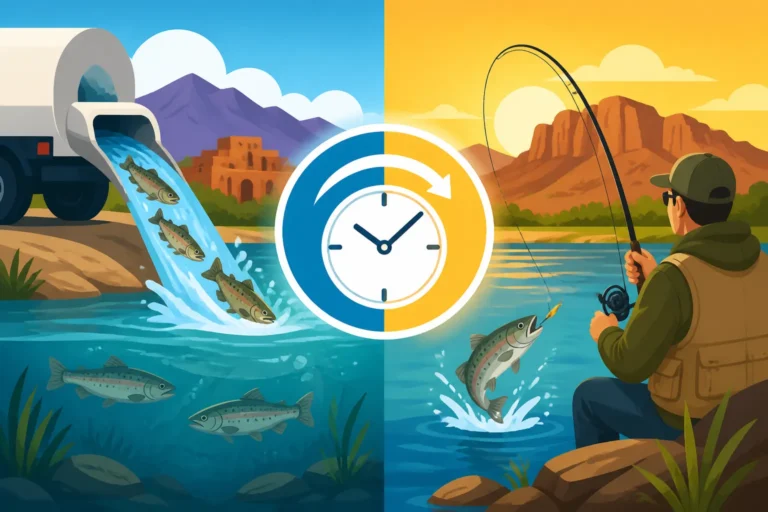
For many anglers, especially those targeting trout and catfish, the New Mexico Department of Game and Fish (NMDGF) stocking schedule is a critical planning tool. The NMDGF actively manages many of our fisheries by stocking millions of fish annually, primarily rainbow trout and channel catfish, into lakes, rivers, and urban ponds across the state. These stockings are designed to enhance recreational fishing opportunities and are particularly important for waters that cannot sustain natural reproduction or experience high fishing pressure.
Trout are typically stocked during the cooler months, from fall through spring, as they thrive in colder water. Catfish stockings usually occur during the warmer months, from late spring through early fall. Knowing when and where fish have been recently stocked can significantly increase your chances of success. Freshly stocked fish are often eager to bite and are less wary than wild populations. The NMDGF publishes its stocking schedule online, usually updated weekly, making it easy for anglers to plan trips to waters that have recently received a delivery. This information is a game-changer for casual anglers and families, ensuring consistent action throughout the year in managed fisheries. You can often find links to the latest New Mexico Seasonal Stocking Schedule on the NMDGF website.
| Season | Key Species (Cold Water) | Key Species (Warm Water) | General Tactics | Prime Locations (Examples) |
|---|---|---|---|---|
| Spring | Rainbow Trout, Brown Trout | Bass (Largemouth, Smallmouth), Crappie, Catfish | Thawing lakes: PowerBait, spinners. Rivers (post-runoff): Nymphs, small lures. Pre-spawn: Jigs, crankbaits in shallows. | Eagle Nest Lake, Fenton Lake, Elephant Butte Lake, Conchas Lake, Rio Grande tributaries |
| Summer | Rainbow Trout, Rio Grande Cutthroat Trout, Brown Trout | Bass, Walleye, Striped Bass, Catfish | High country: Dry flies, small spinners. Reservoirs (early/late): Topwater, plastics. Deeper water: Trolling, jigging. | San Juan River, Pecos Wilderness high lakes, Elephant Butte Lake, Navajo Lake, Conchas Lake |
| Fall | Brown Trout, Rainbow Trout, Kokanee Salmon | Bass, Walleye, Crappie, Catfish | Trout spawning: Streamers, egg patterns. Salmon: Snagging. Reservoirs: Crankbaits, jigs on points, brush. | San Juan River, Navajo Lake, Heron Lake, Elephant Butte Lake, Rio Chama |
| Winter | Rainbow Trout, Brown Trout | Catfish, Walleye (deep) | Ice fishing: Jigs, worms. Tailwaters: Tiny nymphs, midges. Deep reservoir fishing: Slow jigs, dead sticking. | Eagle Nest Lake (ice), San Juan River (tailwater), Bluewater Lake (ice), Elephant Butte Lake (deep) |
Disclaimer
Fishing conditions and regulations in New Mexico can change rapidly. Always consult the most current New Mexico Department of Game and Fish regulations before heading out. Information provided in this guide is for general informational purposes only and should not be considered legal advice. Anglers are responsible for their own safety and for adhering to all applicable laws and regulations.