Anchoring Options for Bank Fishing a Reservoir
Ever found yourself trying to enjoy a peaceful day of bank fishing on a vast New Mexico reservoir, only to have a sudden gust of wind send your rod skittering or your tackle box tumbling towards the water? It's a common and incredibly frustrating scenario that can quickly turn a relaxing outing into a chaotic scramble. Dealing with the elements while trying to keep your gear in place can feel like a constant battle, especially on those wide-open shores. This guide is dedicated to exploring effective anchoring options for bank fishing, ensuring your setup stays put, your focus remains on the fish, and your precious gear is safe and sound.
The Unseen Challenge: Why Bank Anchoring Matters on New Mexico Reservoirs
Many anglers think of "anchoring" as something only boaters need to worry about, but when you're casting from the shore of a large New Mexico reservoir, a different kind of stability becomes absolutely critical. The vast, open expanses of lakes like Elephant Butte, Navajo, or Conchas Lake mean you're often exposed to relentless winds, varied terrain, and sometimes a surprising amount of current or wave action. Without some form of anchoring or securing your gear, you're not just risking a momentary annoyance; you're risking lost equipment, missed bites, and a whole lot of unnecessary stress.
Battling New Mexico's Notorious Winds
Let's face it, New Mexico is famous for its wide-open spaces and, often, its equally wide-open winds. A calm morning can turn into a blustery afternoon in a heartbeat, especially across the large surface areas of our reservoirs. These winds don't just make casting difficult; they can act like a mischievous prankster, pushing your rod from its holder, sending your bait bucket rolling, or even knocking over your chair if you're not careful. This constant battle against the wind breaks your concentration and can spoil an otherwise great day on the water. Properly anchoring your gear means you can set your rod, tie on a new lure, or grab a snack without constantly worrying about it taking flight. It's about securing your investment and your peace of mind.
Navigating Uneven and Unpredictable Terrain
New Mexico's reservoir banks are rarely perfectly flat, manicured lawns. You'll encounter everything from loose, sandy beaches to rocky, steep inclines, and even muddy, soft spots depending on water levels and recent weather. Trying to balance a rod holder on a pile of shifting rocks or stick it into hardened clay can be a futile exercise. A stable anchoring solution takes these unpredictable conditions into account, providing a reliable base regardless of the ground beneath your feet. It prevents your rod from toppling over unexpectedly, keeping your line tight and ready for action, and your rod's tip safe from impact damage. Different bank conditions call for different anchoring strategies, and understanding these nuances is key to success.
Maintaining Your Fishing Spot and Focus
Imagine you've found that perfect seam where the current brings baitfish to a waiting school of walleye, or a brush pile where largemouth bass are holding. If your gear is constantly shifting or threatening to fall over, you're spending valuable time re-positioning, re-securing, and re-setting instead of actively fishing. Effective anchoring isn't just about safety; it's about efficiency and maintaining your concentration. It allows you to set up your multiple rods (if you have a New Mexico Second Rod Validation), bait your hooks, or adjust your tackle without the distraction of unstable equipment. This sustained focus can be the difference between a frustrating day and a successful catch.
Purpose-Built Gear: Specialized Anchoring Tools for Bank Anglers
When it comes to dedicated bank fishing, there's a range of equipment designed specifically to keep your rods and gear secure. These aren't just scaled-down boat anchors, but rather clever solutions crafted to tackle the unique challenges of shore-based fishing. Investing in a few of these specialized items can dramatically improve your comfort and success, especially on those long days spent targeting various species like Elephant Butte Lake Striped Bass Fishing or Conchas Lake Walleye Fishing.
Rod Spikes and Bank Holders
These are arguably the most common and versatile anchoring options for bank anglers. A rod spike, often made of durable metal or heavy-duty plastic, is essentially a sturdy tube or cradle mounted on a pointed stake. You simply push the stake into the ground, and it holds your rod securely, usually at an angle that allows for easy visibility of the tip and quick removal when a fish bites. They come in various lengths and designs, some with adjustable angles or even multiple rod holders.
For softer, sandy banks often found at places like parts of Elephant Butte or Navajo Lake, sand spikes with wider bases or auger-like tips provide better grip. When fishing on harder, rocky shores, you might need a heavier-duty metal spike or one with a wider foot stirrup that allows you to really drive it into cracks or between stones. Brands like Bass Pro Shops offer a wide selection of these, from basic aluminum models to more robust, multi-rod configurations. You can also find a vast array on Amazon, often with customer reviews that give insights into their effectiveness on different terrains. These are essential for keeping your rod stable, preventing it from being pulled into the water by a strong fish, or knocked over by wind.
Tripod and Quad Pod Rod Stands
For situations where the ground is too hard to drive a spike, or you need to hold multiple rods at different angles, tripod or quad pod rod stands are a fantastic solution. These freestanding units are stable on most flat to gently sloped surfaces, making them perfect for rocky points or concrete dam structures where traditional spikes are useless. They typically feature adjustable legs, allowing you to level them on uneven ground, and multiple rod holders that can be angled independently.
These stands are particularly useful for techniques like catfishing or carp fishing, where you might be waiting for a sustained bite and want several lines out. They also keep your reels elevated, protecting them from sand, mud, or spray. While they are bulkier than a single spike, their versatility and stability on diverse terrains make them a worthwhile investment for serious bank anglers. Imagine setting up three rods, each targeting a different depth or presentation, without the worry of them crashing down.
Weighted Rod Holders and Bucket Systems
Sometimes, driving a spike isn't an option, and a freestanding tripod might be too cumbersome or simply not stable enough in extreme wind. This is where weighted rod holders or bucket systems come into play. A weighted rod holder is often a heavy base, sometimes filled with sand or concrete, into which you insert your rod. These are excellent for docks, paved areas, or smooth, hard-packed ground.
Alternatively, some clever anglers use a standard 5-gallon bucket filled with sand, rocks, or even water from the lake, then insert a PVC pipe as a rod holder. This DIY approach, which we'll delve into more later, is surprisingly effective and highly adaptable. The weight provides incredible stability, and the bucket itself can hold other essentials like bait or tools. These systems are particularly beneficial on those flat, featureless sections of reservoir shorelines where other anchoring methods struggle. They offer a heavy-duty solution for preventing your Best Rod for Bank Fishing New Mexico Lakes from heading into the drink.
| Anchoring Option | Best Terrain | Pros | Cons | Typical Use Case |
|---|---|---|---|---|
| Rod/Sand Spike | Soft to medium ground (sand, dirt, gravel) | Lightweight, portable, easy to deploy, good line visibility | Struggles on very hard/rocky ground, can be blown over by extreme wind on loose ground | Single rod setup, general bank fishing for trout/bass |
| Tripod/Quad Pod Stand | Flat to uneven hard ground (rocks, pavement) | Multi-rod capacity, stable on hard surfaces, adjustable angles | Bulkier, less portable, can still be pushed by extreme wind if not weighted | Multi-rod setups, catfishing, areas with no soft ground |
| Weighted Base/Bucket | Any flat surface (pavement, hard ground, sand) | Extremely stable, protects reels, multi-purpose (bucket) | Heaviest, less portable, requires hauling weight | High wind, hard-packed shores, long waiting periods |
| Gear Stake/Peg | Soft to medium ground | Lightweight, small, secures non-rod items like tackle bags | Only for light items, not suitable for rods | Securing tackle bags, bait buckets, chairs |
Getting Creative: DIY and Natural Anchoring Methods
Sometimes you don't have specialized gear, or the conditions call for a more impromptu solution. New Mexico's diverse landscapes offer plenty of natural resources and opportunities for clever improvisation that can effectively anchor your gear or even yourself. These methods are often budget-friendly and can be surprisingly effective when applied correctly.
Harnessing Natural Features: Rocks, Logs, and Trees
Before you buy any specialized equipment, take a look around your chosen fishing spot. New Mexico's reservoir banks are often littered with natural anchoring points. A heavy, strategically placed rock can become an excellent anchor for your rod or tackle box. If you're fishing a relatively calm area, a large rock can act as a natural rod rest, holding your rod securely while you tend to other tasks. Just make sure the rock is truly stable and won't roll.
Logs or fallen branches, especially those half-buried or deeply set, can also provide a sturdy point to secure gear with a bit of rope or even a bungee cord. Tying off your tackle bag or cooler to a substantial log prevents it from being blown away or sliding down a sloped bank. On some reservoir sections, you might find hardy riverside trees or shrubs. A well-placed loop of rope around a sturdy trunk or thick branch can secure your equipment, ensuring it stays exactly where you put it. This is particularly useful in areas with soft, sandy banks where spikes don't hold well. Remember to choose living trees and shrubs carefully to avoid damaging them, and always remove any rope or cord when you leave. These natural anchors are fantastic for improvising stability when you're hiking into more remote New Mexico Fishing Spots Near Albuquerque or other less-developed areas.
The Mighty Bucket Anchor and Improvised Weights
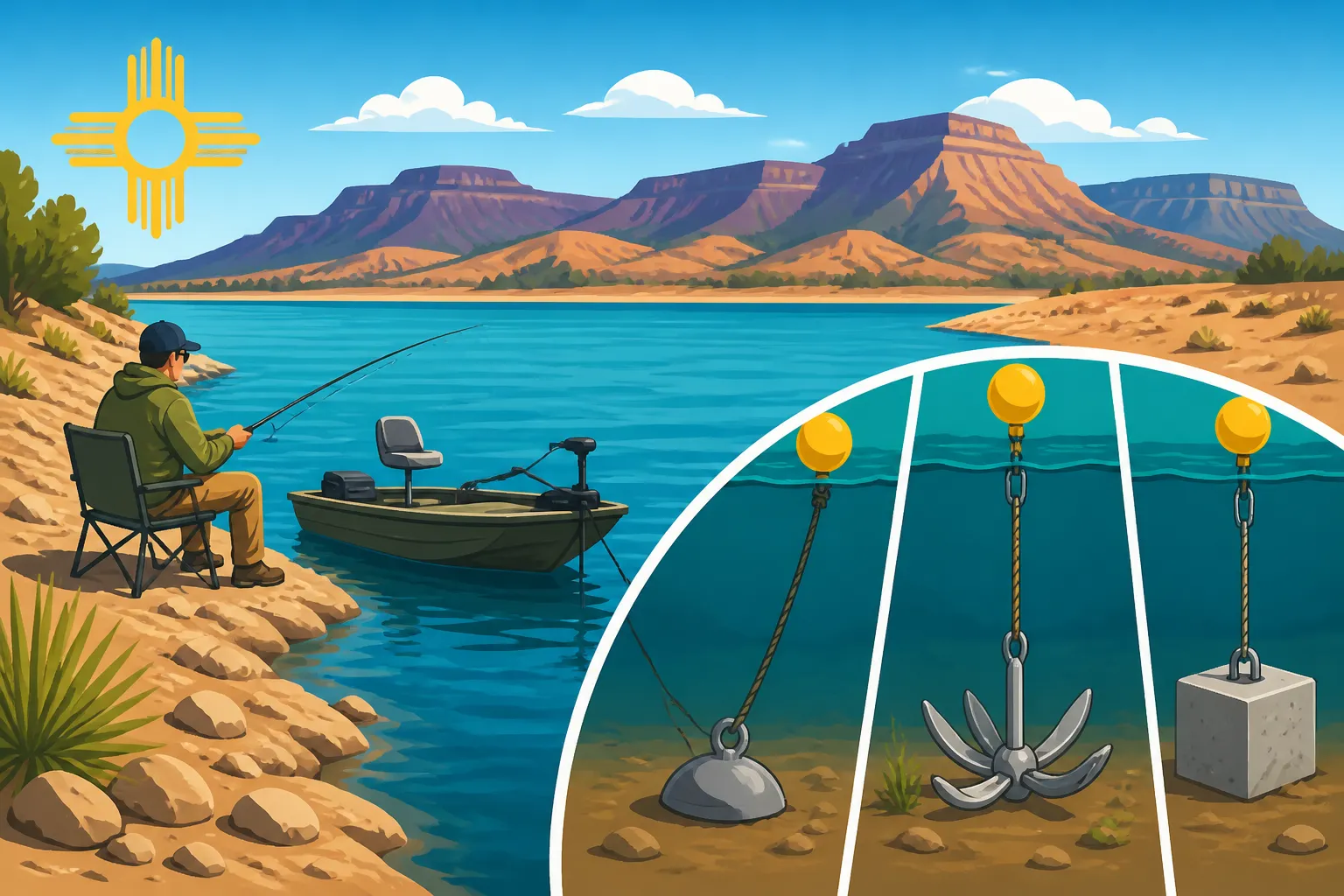
As briefly touched upon earlier, a simple 5-gallon bucket can be one of the most versatile tools for bank anchoring. Fill it with sand, rocks, or water, and you've got a formidable weight. You can place a rod holder (like a PVC pipe) into the bucket, or simply use the weight to secure other items. This method works wonders on sandy beaches, concrete docks, or areas with very hard ground where driving a spike is impossible.
Beyond buckets, consider what other items you've brought that can double as weights. A cooler full of drinks and ice can anchor a light tarp or a small stool. A heavy backpack, strategically placed, can keep a collapsible chair from blowing away. The key is to think creatively about the weight you already have on hand. For example, if you're planning a trip to Elephant Butte Lake Fishing Guide during a windy season, bringing an empty bucket to fill on-site can be a game-changer. These DIY methods are a testament to an angler's ingenuity and ability to adapt to varying conditions.
DIY Rod Holders from PVC and Metal Stakes
For the truly hands-on angler, crafting your own rod holders can be a satisfying and cost-effective project. PVC pipes are incredibly versatile for this. A short section of 1.5 to 2-inch diameter PVC pipe, cut at an angle on one end, can be sharpened into a basic rod spike. You can even glue a larger cap on the top to make it easier to push into the ground. For multiple rods, you can create a simple stand by attaching several PVC sections to a larger piece of wood or another PVC cross-section, then weighting the base.
For more robust solutions, some anglers fashion rod holders from rebar or other strong metal stakes. By welding a small metal sleeve or bending the top into a cradle shape, you can create a virtually indestructible bank holder. While this requires more tools and skill, the result is a custom-made anchoring solution that can withstand the toughest New Mexico winds and terrains. These homemade options, while requiring effort, offer a sense of accomplishment and often outperform basic store-bought versions for specific needs.
Putting It All Together: Best Practices for Reservoir Bank Anchoring
Now that we've covered the different types of anchoring options, let's talk about how to apply these effectively on your next New Mexico bank fishing adventure. It’s not just about having the right gear; it’s about strategic placement and understanding the environment. Just like you'd study the water for Trout Fishing Techniques for New Mexico, you should also assess the bank for the best anchoring strategy.
Assessing Your Spot: Terrain, Wind, and Water Level
Before you even start unpacking your Best Fishing Gear for New Mexico Anglers, take a moment to observe your surroundings. Look at the type of bank you're on: is it soft sand, loose gravel, packed dirt, or solid rock? This will dictate which anchoring method will be most effective. A sand spike won't hold in rocky crevices, and a tripod will be unstable on a steep, crumbly slope.
Next, pay close attention to the wind direction and strength. New Mexico's winds can be fickle, so consider not just the current gusts, but also how the wind might shift throughout the day. If the wind is consistently blowing from the west, you might want to position your rods slightly downwind of your primary setup to prevent them from being pushed over. Water levels also play a huge role; a spot that was a sandy beach last month might be a muddy mess or submerged altogether today. Always check current water levels at New Mexico's major reservoirs if possible, and be prepared to adapt your anchoring strategy based on the conditions you find. A good spot to set up might be a calm cove or a protected point, but even there, anchoring is a good idea.
Strategic Placement for Maximum Stability
Once you've assessed the conditions, it's time for strategic placement. For rod spikes, drive them in at an angle, leaning slightly against the expected pull of a fish or the direction of the prevailing wind. This provides a more secure hold than a perfectly vertical placement. Ensure they are driven deep enough to be stable, sometimes up to a foot or more into the ground, depending on the spike's design and the soil type. If you're using multiple rods, space them out adequately to prevent tangles during a bite or if you need to quickly grab one.
For weighted systems like buckets, place them on flat, stable ground, close enough to your fishing position but out of the way of your casting path. For natural anchors like rocks or logs, ensure they are truly immovable before relying on them to secure your valuable gear. If you're using a Kayak Fishing Gear for New Mexico Lakes but plan to fish from shore for a bit, make sure your kayak is also securely anchored to prevent it from drifting off. Consider a "belt and suspenders" approach – combining methods for ultimate security. For example, a rod spike for your main rod, and a gear stake for your tackle bag and bait bucket.
Securing More Than Just Your Rods
Anchoring isn't just about your fishing rods. Think about everything else you've brought that could be affected by wind or an uneven surface. Your tackle box, bait cooler, chair, and even your backpack are all vulnerable. Use smaller gear stakes or even a simple length of rope to secure these items.
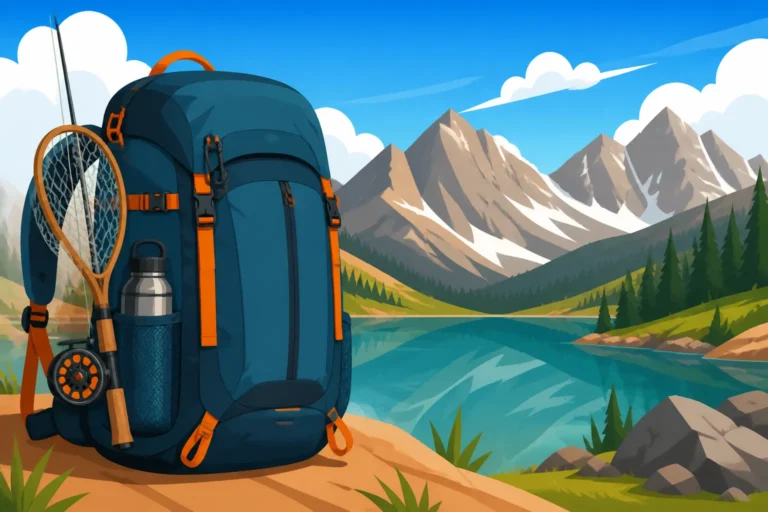
Many modern tackle backpacks and coolers have loops or straps that can be used to tie them down. Even a simple bungee cord can attach your tackle box to a heavy rock or a tree branch, preventing it from taking an unexpected journey. This is especially important for items that hold your essential gear, like the various lures and tools you keep in your Best Tackle Box Setup for New Mexico Anglers. By extending your anchoring efforts beyond just your rod, you create a more comfortable, organized, and stress-free fishing environment, allowing you to fully enjoy your time targeting fish in places like Best Lakes for Family Fishing Trips in New Mexico.
Disclaimer
This article is for general informational purposes only and does not constitute professional advice. Laws, prices and regulations vary by location and change over time. Consult a qualified professional for guidance on your specific situation.