Best Tackle Box Setup for New Mexico Anglers
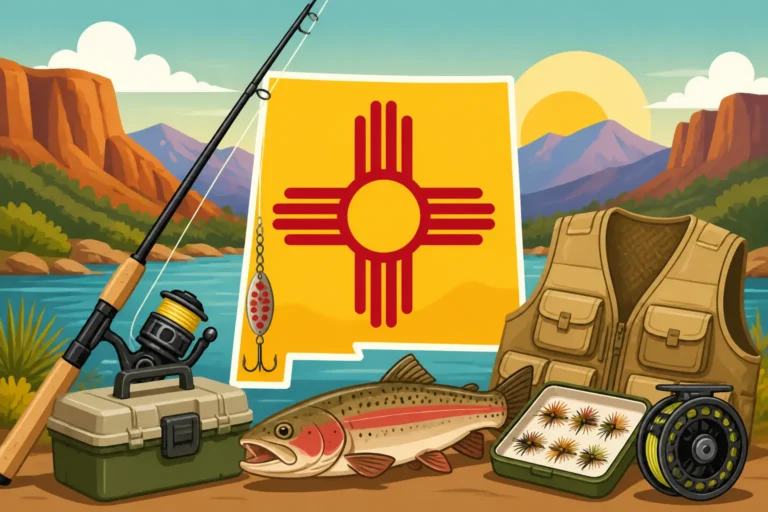
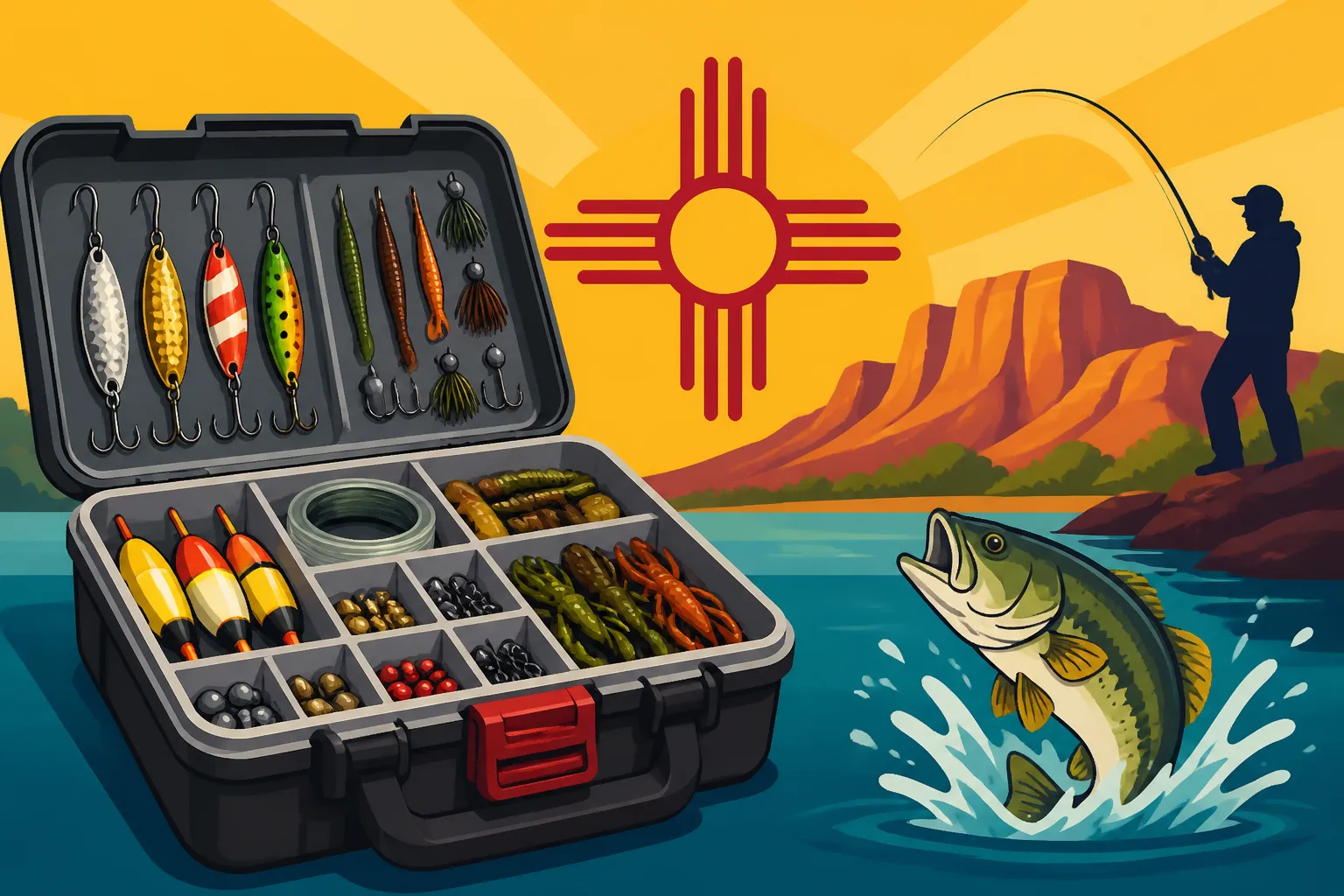
One of the biggest head-scratchers for any angler venturing into New Mexico's incredibly diverse waters is figuring out what exactly to put in their tackle box. It's not just about having some gear; it's about having the right gear that can handle everything from high-mountain trout streams to vast, warm-water reservoirs, often within a short drive. This guide will walk you through building a versatile and efficient tackle box setup tailored specifically for the unique challenges and opportunities New Mexico's fishing scene offers.
Understanding New Mexico's Diverse Fisheries
Before you even think about buying a single lure, it’s crucial to understand the sheer variety of fishing environments New Mexico boasts. This isn't a one-size-fits-all fishing state, and your tackle box needs to reflect that. Each body of water presents different conditions, different fish species, and thus, different tackle requirements.
High Mountain Trout Streams and Lakes
Imagine clear, cold streams tumbling through pine forests in the Gila National Forest, or serene alpine lakes nestled above the tree line in the Pecos Wilderness. These are the domains of rainbow, brown, and native cutthroat trout, often requiring a more delicate approach. The water can be exceptionally clear, making stealth and presentation paramount. You'll encounter smaller fish, but also surprisingly large holdovers in certain areas. Conditions here can change rapidly, from bright sun to afternoon thunderstorms, making adaptable gear essential.
When you're hiking into these pristine areas, every ounce in your pack counts. Your tackle choice here needs to be compact, lightweight, and highly effective. Think minimalist, but don't skimp on quality, especially when it comes to line and leader material. These environments are often subject to New Mexico Trout Fishing Rules and can sometimes be designated as special catch-and-release waters or artificial lure-only zones, which heavily influences your tackle choices.
Warm Water Reservoirs and Rivers
Then there are the giants: Elephant Butte Lake, Navajo Lake, Conchas Lake, and the broader Rio Grande system. These expansive bodies of water are home to an entirely different cast of characters, including largemouth and smallmouth bass, walleye, catfish, and even massive striped bass. The fishing here is often about covering water, deeper presentations, and using more robust tackle to handle stronger, larger fish. The sheer size of these lakes means you might be fishing from a boat, kayak, or off extensive shorelines, each demanding specific gear considerations.
Fishing these reservoirs often means contending with wind, bright sun, and sometimes very deep water. You’ll need lures that can dive, jigs that can reach the bottom, and baits that appeal to predatory species. The scale of the tackle here generally increases – heavier lines, larger hooks, and more substantial lures become the norm. Understanding the seasonal movements of these fish in vast open water is key to choosing the right gear at the right time.
Tailwaters and Special Trout Waters
New Mexico is blessed with incredible tailwater fisheries, most notably the San Juan River below Navajo Dam. This is a world-renowned trout fishery, famous for its abundant and trophy-sized rainbow and brown trout. These waters are characterized by consistent, cold water temperatures and prolific insect hatches, making them ideal for fly fishing and highly technical spin fishing. The "Quality Waters" section of the San Juan has very specific regulations regarding tackle, such as mandatory barbless hooks and artificial lures only.
These specialized fisheries demand precision. Your tackle box for such a place will look very different from one for a bass lake. Fly anglers will have meticulous fly boxes, while spin anglers will opt for very small, subtle lures. The fish in these waters can be incredibly wary due to constant fishing pressure, so fine leaders and exact presentations are critical. If you're heading to the San Juan, your tackle setup needs to be dialed in for highly selective trout. You can learn more about this incredible fishery in our San Juan River Fishing Guide.
Essential Tackle Box Components for Every Angler
Regardless of where you’re fishing in New Mexico, some foundational items belong in every angler's tackle box. These are the non-negotiables, the pieces of gear that ensure you’re prepared for common situations and basic needs on the water.
The Foundation: Lines, Leaders, and Hooks
Your fishing line is your direct connection to the fish, and having the right types and strengths is paramount. For general-purpose fishing, a good quality monofilament line in 6-10 lb test is a great start. Many anglers also carry fluorocarbon leaders for added stealth, especially in clear trout waters, or braided line for its sensitivity and strength when targeting bass or walleye in heavier cover. Don't just spool your reel and forget it; always carry extra spools or at least a good amount of spare line for re-spooling or tying leaders.
Hooks are another fundamental. A variety of sizes and styles is a must. For trout and panfish, small bait hooks (size 10-16) or Aberdeen hooks are perfect. For bass and walleye, offset worm hooks, jig heads (various weights and sizes), and treble hooks (for replacing on lures) will be frequently used. Always choose hooks that are sharp and strong enough for the species you're targeting. You can find excellent value on bulk packs of hooks and weights on Amazon, allowing you to stock up on essentials without breaking the bank.
Basic Tools and Accessories
No tackle box is complete without a few trusty tools. A good pair of needle-nose pliers or hemostats is indispensable for removing hooks, especially from toothy fish or deep-hooked trout, and for crimping split shot. Line clippers (or even a small pair of nail clippers) are crucial for clean cuts when tying knots. You'll want a selection of sinkers – split shot for finesse presentations, and heavier bullet weights or egg sinkers for bottom fishing or punching through vegetation. A few different sized bobbers or strike indicators are also key for presenting bait at specific depths.
Don't forget a small ruler or measuring tape to check fish against New Mexico Fishing Regulations Overview for size limits, and a small, bright headlamp for those early morning starts or late evening bites. A fish gripper can be a lifesaver for handling active or toothy fish safely, protecting both you and the fish. Consider a versatile multi-tool from a reputable brand, easily found at Bass Pro Shops or through online retailers like Amazon, as it can consolidate many of these small tools into one handy device.
Safety and Comfort Items
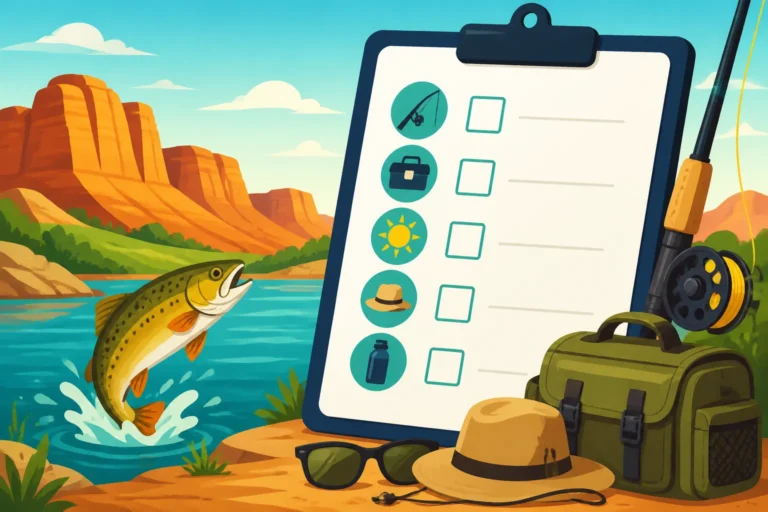
While not strictly "tackle," these items are critical for a successful and safe day on the water. A small, waterproof first-aid kit is non-negotiable for handling minor cuts, scrapes, or hook punctures. New Mexico's sun can be intense, especially on open water, so sunscreen and a good wide-brimmed hat are essential. Insect repellent is your friend, particularly during warmer months near standing water.
A small bottle of water or a hydration pack is a must, even for short trips, as staying hydrated is key in New Mexico's arid climate. A small snack or energy bar can also make a big difference when the bite is hot, and you don't want to stop. Remember, a comfortable and safe angler is a more focused and effective angler. You can't catch fish if you're battling sunstroke or mosquito bites!
Specific Lures and Baits for New Mexico's Key Species
Once the basics are covered, it's time to stock up on the specific offerings that will entice New Mexico's diverse fish populations. This is where your tackle box really starts to take shape for the environments you plan to fish.
Trout-Specific Tackle (Rainbow, Brown, Cutthroat)
For the legions of trout anglers in New Mexico, your tackle box will lean heavily on variety and finesse. If you’re targeting stocked rainbow trout in urban ponds or mountain lakes, PowerBait (in various colors and forms like dough or nuggets) and corn are tried-and-true choices. Small inline spinners, such as Mepps or Rooster Tails, in sizes #0 to #2, are incredibly effective in streams and lakes alike, mimicking baitfish or insects. Small spoons, like Kastmasters or Daredevils, in silver, gold, or brass, are also excellent for casting long distances and covering water.
Fly anglers will need a dedicated fly box, not just a general tackle box. For the famous San Juan River Quality Waters Section, an array of tiny midge patterns (zebra midges, larva, pupa), various ango-worms, egg patterns, and small nymphs (pheasant tail, hare's ear) are crucial. For freestone rivers and high mountain lakes, classic dry flies like Adams or Elk Hair Caddis, along with streamer patterns like Woolly Buggers, will be productive. Don't forget split shot and strike indicators for nymphing. For those focusing solely on spin fishing for trout, make sure your Best Lures for New Mexico Trout selection is varied enough to adapt to different conditions and feeding preferences.
Bass and Walleye Tackle (Largemouth, Smallmouth, Striped Bass, Walleye)
When it comes to the warm waters of New Mexico's reservoirs, you're looking at a different arsenal altogether. For largemouth and smallmouth bass, a selection of soft plastics is essential: Texas-rigged worms, Senkos, creature baits, and plastic craws are incredibly versatile. Pair these with bullet weights and wide-gap hooks. Hard baits like crankbaits (shallow, medium, and deep divers), lipless crankbaits, and jerkbaits are excellent for covering water and mimicking baitfish. Topwater lures, such as poppers and walking baits, are thrilling for early morning or late evening strikes.
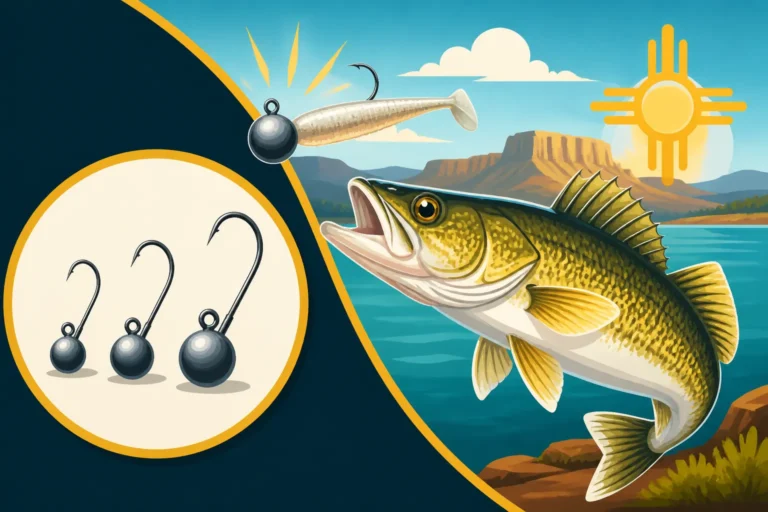
Walleye anglers will want to focus on jigs (especially football head jigs with soft plastic trailers or live bait rigs), bottom bouncers, and trolling crankbaits. Colors like chartreuse, orange, and white are often productive. For the hard-fighting striped bass in places like Elephant Butte Lake, heavier jigs, large swimbaits, and big spoons or bucktail jigs are the go-to. Live bait, like shad or anchovies, can also be highly effective, requiring an additional bait bucket. Your Bass Fishing Techniques for New Mexico Lakes will really benefit from a well-stocked box.
Catfish and Panfish Essentials
New Mexico's rivers and lakes offer fantastic opportunities for catfish and panfish, often with simpler tackle requirements, making them great for beginners or family outings. For channel catfish, stink baits (prepared or homemade), chicken livers, and worms are consistently effective. A basic Carolina rig or a simple bottom rig with an egg sinker and a circle hook is all you need. Consider some glow-in-the-dark sinkers or beads for night fishing, a popular and productive method for catfish.
Panfish like bluegill and crappie are usually caught using small jigs (1/32 to 1/16 ounce) tipped with a small piece of worm, a tiny plastic grub, or a cricket. A simple bobber setup is often the best way to present these baits to panfish schools. Make sure to have a few different colored micro-jigs – often chartreuse, white, or black work well. You'll want small hooks, sizes 8-12, for these smaller-mouthed fish. Check out our guide on Catfish Fishing in New Mexico for more in-depth strategies.
Organizing Your Tackle Box for Efficiency
Having the right gear is only half the battle; being able to find it quickly when the bite is on is equally important. A well-organized tackle box saves time, reduces frustration, and prevents your expensive lures from getting damaged.
Sectioning for Different Fisheries or Species
Consider dedicating specific compartments or even separate smaller boxes to different types of fishing or target species. For example, you might have one modular tray exclusively for trout lures and baits (PowerBait, small spinners, small hooks), another for bass (worms, jigs, crankbaits), and perhaps a third for catfishing essentials. If you frequently switch between fly fishing and spin fishing, dedicated fly boxes are a must. This keeps everything tidy and allows you to grab just what you need for a specific trip without lugging your entire arsenal.
Using clear, partitioned utility boxes (like those made by Plano or similar brands) within your main tackle box is a game-changer. These allow you to see what's inside at a glance and keep hooks, weights, and lures from tangling. Labeling these boxes, either with a permanent marker or small stickers, can further streamline your organization, especially for items that look similar but have different weights or hook sizes.
Smart Storage and Maintenance Tips
Beyond simple organization, proper storage and maintenance will extend the life of your tackle. Always dry your lures and tackle before putting them away to prevent rust. If a lure is particularly dirty or covered in organic matter, give it a quick rinse and let it air dry. Replace any rusty hooks immediately, as a dull or corroded hook will cost you fish. Store soft plastics in their original bags to prevent them from melting or reacting with other plastics, which can be a common issue in a crowded tackle box.
Keep your fishing lines away from direct sunlight and extreme heat when stored for extended periods, as UV rays can degrade the line. Periodically check your knots and leaders before each trip, retying anything that looks frayed or weak. A small, moisture-absorbing packet (like silica gel) placed in your main tackle box can help reduce humidity and prevent rust on metal components. Think of your tackle box as a toolkit – a well-maintained toolkit is always ready for action.
Adapting Your Setup for Seasonal Changes and Specific Trips
New Mexico's climate offers four distinct seasons, each presenting unique fishing conditions. A smart angler knows how to adjust their tackle box to match the time of year and specific trip objectives.
Spring and Fall Transition Tackle
Spring in New Mexico often brings snowmelt and increased runoff, particularly in mountain streams. Water levels can be high and murky, and temperatures are still cool. During this time, larger, brighter lures that create more vibration can be effective, as fish rely more on lateral lines than sight. Worms and PowerBait are often very productive for trout in swollen rivers or newly thawed lakes. As waters clear and warm slightly, fish become more active, and you can transition to your regular trout and bass setups.
Fall is a prime fishing season, often characterized by crisp air and beautiful foliage. Water temperatures start to cool, triggering aggressive feeding behaviors in many species as they prepare for winter. This is a fantastic time for targeting larger trout with streamers and larger nymphs, and bass will hit crankbaits and jigs with renewed vigor. Salmon snagging season in places like Navajo Lake also happens in the fall, requiring specialized snagging hooks and heavier line. Always check the New Mexico Fishing Season Calendar for specific dates and regulations, as some techniques are only allowed seasonally.
Summer Heat and Winter Ice Considerations
Summer in New Mexico can mean intense heat, especially in the lower elevations and on large reservoirs. During these months, fish often seek deeper, cooler water, or become more active during low-light hours (dawn, dusk, or even night fishing). Your tackle box should include deep-diving crankbaits, heavy jigs for vertical presentations, and possibly lighter line for finesse fishing when the bite is slow. Night fishing for catfish and striped bass can be incredibly productive, so having glow-in-the-dark baits or headlamps with red light settings is a smart move.
Winter brings unique challenges and opportunities, particularly for ice fishing in frozen lakes like Eagle Nest Lake or Bluewater Lake. For this, your tackle box will need a complete overhaul. You'll swap out open-water lures for small ice jigs, spoons, and tip-ups. Live bait like mealworms, wax worms, or small minnows becomes king. Heavy winter clothing, an ice auger, and an ice shelter (if you're serious) are also essential additions to your gear, though they won't fit in a standard tackle box. Remember to prioritize safety on the ice!
| Fishing Environment | Primary Target Species | Key Lures/Baits | Line Strength (Avg.) | Essential Accessories |
|---|---|---|---|---|
| High Mountain Streams/Lakes | Rainbow Trout, Brown Trout, Cutthroat Trout | Small spinners, PowerBait, small spoons, flies | 4-6 lb (Mono/Fluoro) | Hemostats, clippers, split shot |
| Warm Water Reservoirs | Largemouth Bass, Smallmouth Bass, Walleye, Striped Bass, Catfish | Soft plastics, crankbaits, jigs, swimbaits, worms, stink baits | 8-20 lb (Mono/Braid) | Pliers, fish gripper, heavier weights |
| Tailwaters (e.g., San Juan) | Rainbow Trout, Brown Trout | Nymphs, midges, egg patterns, small pheasant tails, very small spoons | 2-5 lb (Fluoro leader) | Fly box, forceps, strike indicators, barbless hooks |
| Urban Ponds/Smaller Lakes | Rainbow Trout, Catfish, Bluegill | PowerBait, worms, small jigs, crickets, corn | 6-8 lb (Mono) | Bobbers, small hooks, light sinkers |
Your tackle box is an extension of your fishing knowledge and adaptability. By carefully considering New Mexico's diverse waters, stocking essential components, tailoring lures to specific species, and staying organized, you’ll be well-equipped for whatever the Land of Enchantment throws your way. So, get that box packed, and I’ll see you out on the water!
Disclaimer
This article is for general informational purposes only and does not constitute professional advice. Laws, prices and regulations vary by location and change over time. Consult a qualified professional for guidance on your specific situation.