Best Jig Head Weight for Walleye at Conchas Lake
Anyone who's spent time chasing walleye at Conchas Lake knows that it can be an incredibly rewarding experience, but also one that tests your patience and adaptability. The frustration often comes when you know the fish are there, but you just can't seem to get them to commit, and often, the culprit is something as seemingly simple as your jig head weight. Figuring out the right weight for your jig can feel like cracking a secret code, but this guide is here to help you understand the nuances of selecting the best jig head weight for walleye at Conchas Lake, making your next outing much more successful.
Understanding Conchas Lake's Walleye Environment
Before you even think about tying on a jig, it's crucial to understand the environment you're fishing in. Conchas Lake is a big, dynamic body of water, and what works in one cove might not work in another. Walleye, being the light-sensitive and often structure-oriented fish they are, react strongly to their surroundings, and your jig head choice needs to reflect that.
Water Depth and Structure at Conchas
Conchas Lake is known for its diverse underwater landscape. You've got everything from shallow, rocky points to deep channels and submerged timber. Walleye will relate to these structures differently depending on the time of year, water temperature, and even time of day. In the shallower parts, especially those less than 15 feet, a lighter jig head might be all you need to maintain proper depth and entice a bite. However, when those walleye retreat to the deeper basins or hug the steep drops, you'll need something heavier to reach them quickly and efficiently.
Think about a typical spring day when walleye might be moving up onto shallower flats to feed or stage for spawning. A 1/8 oz or even 1/16 oz jig might be perfect for a slow, seductive presentation near the bottom. But come summer, when they've moved out to the main lake points or are suspended over the old river channel, you're talking 20, 30, or even 40 feet deep. A light jig would take ages to get down there, and you'd lose all "feel" for what's happening. Knowing the contour of the bottom, perhaps from a fish finder showing you where the old creek beds or submerged humps are, is critical for picking your weight. You can get more details on the lake's layout in our Conchas Lake Fishing Guide.
Current and Wind Conditions
Conchas Lake, while a reservoir, can experience significant current, especially near the dam or in narrower channels, and it's almost always susceptible to wind. These two factors are huge game-changers for jig head selection. Even a slight breeze can create enough surface current to push your line, making a lighter jig swing wildly off course or preventing it from reaching the desired depth.
Imagine trying to fish a shallow point on a breezy afternoon. If you're using too light a jig, the wind will create a bow in your line, dragging your lure away from the target zone and making it impossible to feel those subtle walleye bites. Conversely, if you're fishing a deep current break, that current will lift a light jig off the bottom before it ever has a chance to tempt a walleye. You need enough weight to cut through the water column and maintain contact with the bottom, even when the wind tries its best to foil your efforts. This is where having a range of jig head weights in your tackle box, maybe something you picked up from Bass Pro Shops or found online, really pays off.
Forage and Walleye Behavior
Walleye are opportunistic predators, and their behavior, including how they react to your jig, is often dictated by what they're eating. If they're actively chasing schools of baitfish, they might be more inclined to hit a jig that's retrieved a bit faster or mimics a fleeing minnow. In this scenario, a lighter jig that can be worked more erratically might be just the ticket. However, if they're hunkered down near the bottom, conserving energy and waiting for an easy meal, a jig that falls slowly and stays in the strike zone longer could be more effective.
Understanding the typical forage at Conchas, like shad or various minnow species, helps you select not just the jig weight but also the size and color of your soft plastic or live bait trailer. A jig head that's too heavy might make your presentation look unnatural, plummeting to the bottom like a rock rather than mimicking a struggling baitfish. The goal is always to make your offering appear as natural and appetizing as possible, and the correct jig weight is a foundational part of achieving that illusion. When you combine this understanding with techniques like those in Jigging for Walleye in New Mexico, you'll be well on your way to success.
The Science of Jig Head Weight for Walleye
Choosing a jig head isn't just about picking one that looks good; it's a strategic decision rooted in physics and fish behavior. The "science" behind it might sound intimidating, but it's really about optimizing your presentation to get those finicky walleye to bite. It’s all about control, feel, and making your bait irresistible.
Matching Weight to Depth and Presentation
This is probably the most fundamental principle. As we discussed, a heavy jig gets down faster and stays deep, while a light jig falls slower and can be worked in shallower water. But it's more than just getting to the fish; it's about how it gets to them and how it behaves once it's there. A 1/4 oz jig might hit bottom nicely in 15 feet of water with minimal current, allowing for a good "hop" or "drag" presentation. But try that same jig in 30 feet, and it might just pendulum swing down, never truly allowing you to feel the bottom effectively, especially with a long line out.
Conversely, using a 1/2 oz jig in 10 feet of water might make it plunge too quickly, startling the fish or simply passing them by too fast to trigger a strike. The ideal jig head allows for a controlled descent and enables you to present your bait exactly where the walleye are holding and in a manner that triggers their predatory instincts. It’s a delicate balance. You want just enough weight to get down and stay down, but not so much that it kills the natural action of your bait or makes you feel like you're dragging a brick. This sensitivity to depth is crucial for targeting specific fish, especially when they are holding to structures described in How to Locate Walleye at Conchas Lake.
The Importance of "Feel" and Sensitivity
"Feel" is arguably the most critical aspect of jigging for walleye. Walleye bites can be incredibly subtle – sometimes it's just a slight "tick" on the line, or simply the absence of feeling your jig hit the bottom when it should. If your jig is too light for the depth and conditions, your line will have too much slack, and the current or wind will create a bow, making it nearly impossible to detect these delicate takes. You'll be left guessing, and more often than not, missing fish.
The right jig head weight allows you to maintain direct contact with your lure. You should be able to feel it tick along the bottom, distinguish between rocks, sand, or submerged wood, and, most importantly, feel every bump, pluck, or change in pressure that indicates a walleye has taken interest. This isn't just about weight; it's also about your rod, line, and reel combination, but the jig head is the direct connection to the fish. A sensitive rod and a low-stretch line are paramount for transmitting those subtle signals. Check out our guide on Best Rods and Reels for New Mexico Trout Fishing for general principles that apply to walleye as well.
Adapting to Changing Conditions
Conchas Lake, like many New Mexico waters, can change rapidly. A calm morning can turn into a windy afternoon. Clouds can give way to bright sunshine, sending walleye deeper. Water levels can fluctuate. A skilled walleye angler doesn't stick to one jig head weight all day long. They adapt. If the wind picks up, they might bump up a size in jig head. If they move from a deep main lake point to a shallower cove, they'll scale back.
This adaptability extends to presentation as well. If the walleye are lethargic, a slower, more deliberate retrieve with a slightly lighter jig might be needed to keep the bait in their face longer. If they're aggressive and chasing, a heavier jig allowing for faster hops might be preferred. Always start with a versatile weight, but be prepared to experiment. Keep a variety of weights organized in your tackle box – perhaps even some tungsten jigs that are smaller but heavier for when you need to cut through current without spooking fish. This constant adjustment is a hallmark of successful fishing, especially when dealing with the unpredictable weather of the high desert.
Recommended Jig Head Weights for Conchas Walleye
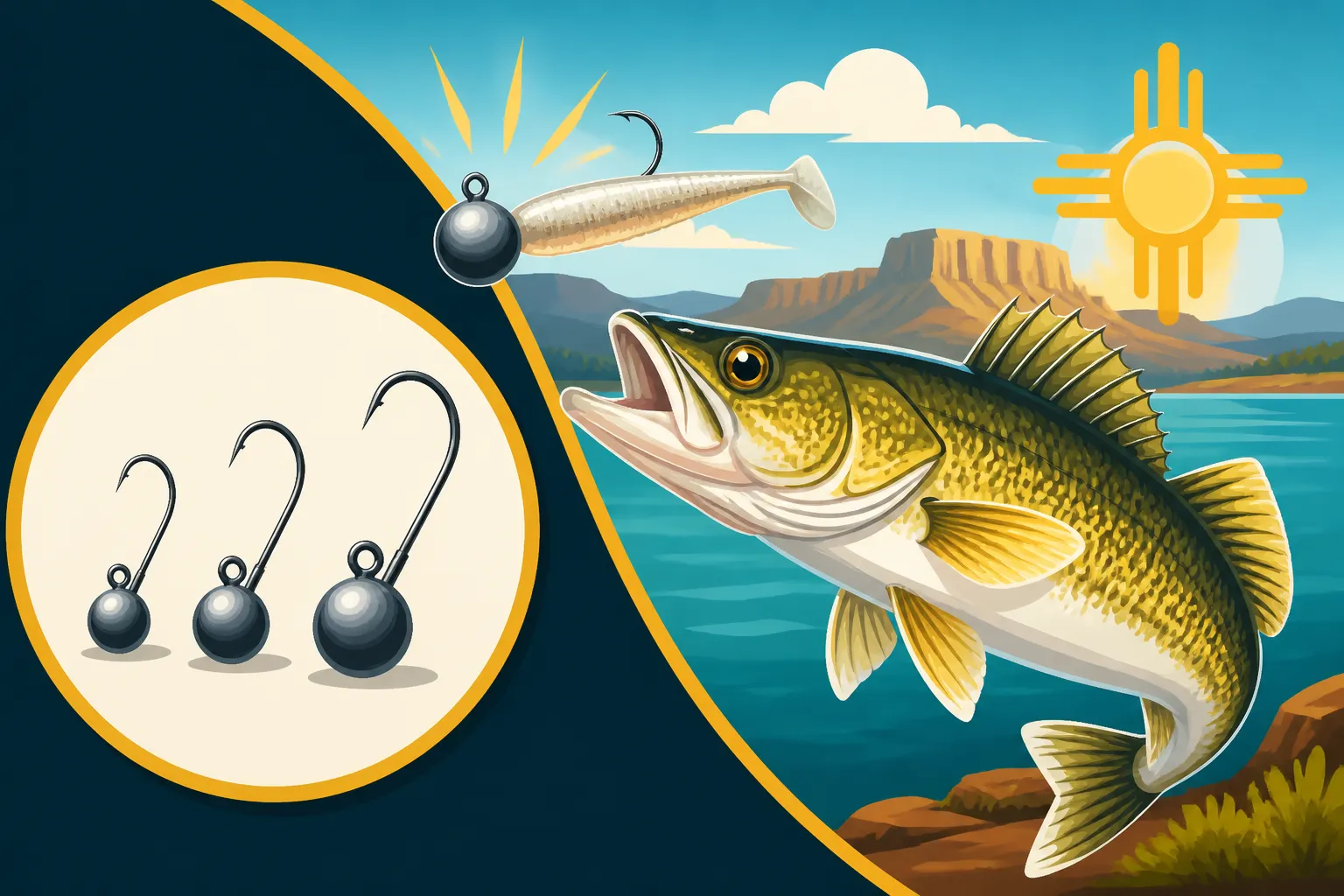
Now that we've covered the "why," let's talk about the "what." While there's no single "best" jig head weight for all situations at Conchas Lake, we can break it down into common categories and provide guidance for when to use each. Remember, these are starting points; your experience on the water will always be your best teacher.
Light Jigs for Shallow and Calm Conditions
When you're fishing in relatively shallow water (think 5-15 feet) or on those glorious calm mornings with little to no wind, lighter jig heads truly shine. These typically range from 1/16 oz to 1/8 oz.
- 1/16 oz: This is your go-to for extremely shallow water, less than 10 feet, or when walleye are super finicky and you need a slow, almost weightless fall. It's fantastic for working weed lines, sparse cover, or casting to visible fish in clear water. The downside is that you lose feel quickly with any significant wind or current. It's often paired with small soft plastics or a small minnow.
- 1/8 oz: This is arguably one of the most versatile light jig weights. It's excellent for 10-15 feet of water, especially when you want a slower fall than a 1/4 oz jig but still need decent bottom contact. It's a great choice for pitching to rocky points, submerged humps, or working along subtle drop-offs. Many anglers start with this weight in calmer conditions because it offers a good balance of fall rate and feel. Best Lures for a New Mexico Tackle Box might include this weight as a staple.
These lighter jigs allow for a more natural, subtle presentation. They don't plummet, but rather "glide" through the water, mimicking a crippled baitfish. This slow fall can be a huge trigger for wary walleye, giving them more time to react and commit to the strike. However, if you find your line bowing excessively or you can't feel the bottom after a few seconds, it's time to bump up to a heavier option.
Medium Jigs for General Purpose Fishing
For a significant portion of your walleye fishing at Conchas Lake, especially when dealing with moderate depths, occasional wind, or a bit of current, you'll find yourself reaching for medium-weight jigs. These typically fall in the 1/4 oz to 3/8 oz range and are the workhorses of many walleye anglers.
- 1/4 oz: If there's one "all-around" jig head weight for walleye at Conchas, this might be it. The 1/4 oz jig is effective in a wide range of depths, from 10 to 25 feet, and can handle light to moderate wind and current. It gets down efficiently without being overly heavy, allowing for good bottom contact and a responsive feel. It's ideal for vertical jigging over deeper structure or casting and retrieving over flats and points. This is a great starting point when you're exploring new areas or conditions are variable.
- 3/8 oz: When you're pushing into slightly deeper water (20-35 feet), facing moderate wind, or experiencing some current, the 3/8 oz jig becomes indispensable. It maintains excellent bottom contact in these conditions, providing the critical "feel" needed to detect subtle bites. This weight is particularly effective when walleye are holding tight to deep structure or when you need a slightly faster fall rate to keep up with active fish or to fish more aggressively. It's a reliable choice for targeting walleye on prominent humps or along the deep edges of old river channels at Conchas.
These medium weights provide enough heft to reach deeper fish and cut through environmental resistance, yet they still allow for a nuanced presentation. They are versatile enough to be tipped with various soft plastics, grubs, or live minnows, making them a staple in any serious walleye angler's arsenal. Many anglers will purchase these in bulk from a sporting goods retailer or online via Amazon.
Heavy Jigs for Deep Water and Strong Currents
There are times at Conchas Lake when you need to pull out the big guns. When walleye are holding in significant depths (35+ feet), or when strong winds whip across the lake creating substantial chop and current, you'll need heavy jig heads. These usually range from 1/2 oz to 3/4 oz, or even 1 oz in extreme conditions.
- 1/2 oz: This is your go-to when you're fishing depths of 30-45 feet. It quickly gets your bait down to the strike zone and allows for positive bottom contact, even in choppy conditions or with moderate current. It's excellent for vertical jigging directly beneath the boat when fish are suspended or tightly schooled on deep humps or break lines. A 1/2 oz jig provides excellent feedback through your rod, letting you know exactly what the bottom composition is.
- 3/4 oz to 1 oz: These heavier jigs are for the most challenging conditions. Think 45+ feet of water, heavy current, or fishing in extremely strong winds that make lighter jigs unmanageable. While they might reduce some of the finesse, their primary purpose is to get to the fish and stay there. These weights are often used for vertical presentations, particularly when targeting fish in deep main lake areas or when you want to quickly drop a bait back down after catching a fish. You sacrifice some subtle action, but gain unparalleled depth control and the ability to punch through tough conditions. If you're specifically targeting walleye that are hugging deep structure, our article How to Fish Deep Structure at Conchas Lake offers additional insights.
Using these heavy jigs ensures that your bait is presented effectively to deep-holding walleye, preventing your line from being swept away and allowing you to feel even the lightest bite. It's a critical tool for success when the walleye decide to go deep.
Here's a quick reference table for jig head weights at Conchas Lake:
| Jig Head Weight | Recommended Depth (Approx.) | Conditions (Wind/Current) | Primary Presentation | Key Benefit |
|---|---|---|---|---|
| 1/16 oz | 5-10 feet | Calm, very light | Slow fall, subtle | Finesse, natural fall |
| 1/8 oz | 10-15 feet | Light to moderate | Pitching, slow hop | Versatility in shallow |
| 1/4 oz | 10-25 feet | Moderate | All-around, responsive | Balanced feel & fall |
| 3/8 oz | 20-35 feet | Moderate to strong | Vertical jigging, faster hop | Deeper contact, quicker fall |
| 1/2 oz | 30-45 feet | Strong | Vertical jigging | Deep penetration, strong feel |
| 3/4 oz – 1 oz | 45+ feet | Very strong, extreme deep | Vertical jigging | Extreme depth & current control |
Tips for Success Beyond Jig Weight
While selecting the perfect jig head weight is paramount, it's just one piece of the walleye fishing puzzle at Conchas Lake. To truly maximize your success, you need to consider the whole system – from what's on your hook to the rod in your hand.
Jig Color and Trailer Selection
The jig head weight gets your lure to the right depth and maintains contact, but the color and what you put on the jig head are what truly entice the bite. Walleye are visually oriented predators, especially in clearer waters like parts of Conchas.
- Jig Head Color: Sometimes, the color of the painted lead itself can make a difference. Natural colors like olive, brown, or black work well in clear water, mimicking natural bottom debris or crayfish. Brighter colors like chartreuse, orange, or pink can be effective in stained water or during low light conditions, providing a visual target for the walleye. Many anglers don't pay enough attention to jig head color, but it can be a subtle differentiator on tough days.
- Soft Plastic Trailers: Grubs, paddle tails, and minnow imitation plastics are excellent additions. Colors should match the local forage if possible (shad patterns, emerald shiner colors), or stand out in stained water (chartreuse, orange). The tail action is crucial; a paddle tail offers a thumping vibration, while a straight grub tail has a more subtle quiver. Experiment with different sizes and shapes to see what the walleye prefer on any given day. Remember, the trailer adds buoyancy and slows the fall slightly, so factor that into your weight selection.
- Live Bait Trailers: When walleye are especially finicky, nothing beats a live minnow or a nightcrawler. Tipping your jig with a piece of nightcrawler or a lively minnow can add scent, natural action, and an irresistible presentation. Hook minnows through the lips or just behind the dorsal fin, making sure they swim naturally. Keep your live bait lively and fresh for the best results.
Having a diverse selection of jig heads and trailers, easily accessible in your tackle box, will allow you to quickly adapt to changing conditions and walleye preferences.
Rod, Line, and Reel Considerations
Your rod, line, and reel combination works in concert with your jig head to give you the ultimate fishing experience. Without the right setup, even the perfect jig head weight won't perform optimally.
- Rod: Look for a sensitive rod, typically medium-light to medium power, with a fast or extra-fast action. This combination provides the backbone to set the hook firmly but has a sensitive tip that transmits those subtle walleye bites. A sensitive graphite rod is invaluable for feeling the bottom and detecting light strikes, especially when using lighter jigs or fishing in deeper water. Rod length can also play a role; a longer rod (7-foot range) can help with casting distance and sweep-setting the hook. Best Rod Length for San Juan River Fishing discusses similar considerations for trout, but the principle of sensitivity applies broadly.
- Line: Low-stretch lines are almost universally preferred for jigging walleye. Braided line (6-10 lb test) with a fluorocarbon leader (6-10 lb test) is a fantastic combination. The braid offers unparalleled sensitivity and strength, while the fluorocarbon leader is nearly invisible underwater and abrasion-resistant, which is crucial around Conchas Lake's rocky structures. Monofilament can also work, especially for beginners, but its stretch reduces sensitivity, making it harder to detect faint bites. Best Line Weight for New Mexico Fishing provides more depth on line choices.
- Reel: A smooth spinning reel in the 2000-3000 size range is ideal. Look for a reel with a good drag system and a quick retrieve ratio. The smooth drag is vital for fighting larger walleye, and a quick retrieve helps take up slack line efficiently, maintaining contact with your jig.
This combination of sensitive rod, low-stretch line, and smooth reel maximizes your ability to feel the bite and effectively present your chosen jig weight.
Mastering the Jigging Retrieve
Even with the perfect jig head, rod, and line, your retrieve is what brings it all to life. Walleye jigging isn't just about dropping and reeling; it's an art form that involves subtle movements and reading the fish's mood.
- The Lift-Drop: This is a classic. Lift your rod tip sharply a foot or two, then immediately drop it, allowing the jig to fall back to the bottom on a semi-slack line. The bite often occurs on the fall. Pay close attention as the jig descends – any hesitation or "thump" could be a walleye.
- The Drag: Sometimes, walleye prefer a more subtle presentation. Cast out and let your jig settle, then slowly drag it across the bottom with your rod tip, pausing frequently. This mimics a crayfish or a bottom-feeding minnow. The bites are often light, feeling like a slight resistance or a sponge-like weight.
- The Snap Jig: For more aggressive fish or when you need to cover water faster, try a snap jig. Give your rod tip a sharp, short snap, then let the jig fall. This creates a darting action that can trigger reaction strikes.
- Vertical Jigging: When you're directly over a school of walleye or a promising piece of structure, vertical jigging is highly effective. Drop your jig straight down, keeping it just off the bottom, and use subtle lifts and drops, always maintaining contact. This is especially useful for targeting fish shown on your fish finder.
- Experimentation is Key: Walleye can be incredibly moody. What worked an hour ago might not work now. Don't be afraid to change your retrieve speed, the height of your lifts, or the length of your pauses. Sometimes a simple dead stick, letting the jig sit motionless for a few seconds, can provoke a strike. The best walleye anglers are constantly experimenting until they find what the fish want. Pay attention to our seasonal guides like Best Time of Year to Fish in New Mexico as walleye behavior and preferred retrieve can change throughout the year.
By understanding the intricacies of jig head weight, pairing it with the right gear, and mastering various retrieve techniques, you'll significantly increase your chances of finding success on the challenging and rewarding waters of Conchas Lake.
Disclaimer
This article is for general informational purposes only and does not constitute professional advice. Laws, prices and regulations vary by location and change over time. Consult a qualified professional for guidance on your specific situation.