Best Lures for a New Mexico Tackle Box
It can feel totally overwhelming staring at the rows and rows of lures at a tackle shop, or endlessly scrolling through online catalogs, trying to figure out what you really need for fishing here in New Mexico. With our incredibly diverse waters – from icy mountain streams to vast, warm reservoirs – what works wonders in one spot might just sit untouched in your box in another. This guide is all about cutting through that noise and helping you build a smart, effective tackle box packed with the best lures to tackle New Mexico's unique fishing challenges and opportunities, ensuring you're ready for whatever the water throws at you.
Decoding New Mexico's Waters: Why Lures Matter
Before we even talk about specific lures, it’s crucial to understand why certain lures work in certain places and for certain fish here in the Land of Enchantment. New Mexico isn't a "one-lure-fits-all" kind of state. Our fisheries are incredibly varied, and a successful angler knows how to adapt their presentation to the local conditions and the specific species they're targeting. Thinking about these factors will guide your lure choices far better than just grabbing whatever looks shiny.
Understanding Different Fish Species and Their Prey
Every fish species has its own preferred diet and hunting style, which directly impacts what lures they’ll strike. Take our trout, for example. In high mountain streams, they’re often opportunistically feeding on aquatic insects, small minnows, or even terrestrial bugs that fall into the water. A tiny spinner or a perfectly presented fly mimicking these food sources can be deadly. However, in a heavily stocked pond, rainbow trout that have spent their lives in hatcheries are often conditioned to eat pellet food, making brightly colored dough baits incredibly effective.
Then you have our warm water species. Largemouth bass in a weedy coves might ambush prey from thick cover, making weedless soft plastics or topwater frogs ideal. Smallmouth bass, often found in rocky areas, might prefer crayfish imitations or jerkbaits that mimic a struggling baitfish. Walleye, on the other hand, are often bottom-dwellers, keen on shiners or perch, and they respond well to jigs or deep-diving crankbaits. Knowing the primary forage in a particular lake or river – whether it's shad, sunfish, crawfish, or aquatic insects – will give you a huge advantage in choosing a lure that "matches the hatch" or imitates something the fish regularly eat. Fish Species Found in New Mexico covers the variety you'll encounter.
The Impact of Water Conditions and Habitat on Lure Selection
The environment itself plays an enormous role. New Mexico boasts everything from crystal-clear, freestone rivers to large, often turbid desert reservoirs. Water clarity affects lure color; in clear water, natural colors and subtle presentations are often best, while in murky water, brighter colors and lures with strong vibrations can help fish locate your offering. Water temperature influences fish activity levels; cold water generally means slower retrieves and smaller presentations, while warm water can trigger more aggressive strikes on faster, larger baits.
Consider the habitat:
- Rocky points and submerged structures: Ideal for jigs, crankbaits, and soft plastics for bass and walleye.
- Weed beds and lily pads: Perfect for weedless lures like Texas-rigged worms, frogs, or spinnerbaits for bass.
- Fast-moving river currents: Inline spinners and heavy spoons that can cut through the water column are excellent for trout.
- Open water in deep reservoirs: Trolling spoons or deep-diving crankbaits can entice kokanee salmon, striped bass, or walleye.
Even the time of day matters. Early morning and late evening might call for topwater lures when fish are feeding near the surface, while midday sun often pushes fish deeper, requiring jigs or crankbaits that can reach them. Understanding these environmental nuances is like having a secret weapon in your tackle box, guiding you to the right lure at the right time.
The Workhorse Lures: Spinners and Spoons
When you're starting to build a tackle box for New Mexico, you absolutely cannot go wrong with a selection of spinners and spoons. These classic lures have stood the test of time for a reason: they catch fish across a wide range of species and conditions. They are incredibly versatile and relatively easy to use, making them perfect for beginners and seasoned anglers alike.
Inline Spinners: Irresistible Flash and Vibration for Trout
Inline spinners are a cornerstone for trout anglers in New Mexico, but they’re equally effective for panfish and even smaller bass. Think of brands like Mepps, Panther Martin, or Rooster Tail; these are staples for a reason. The magic of an inline spinner lies in its rotating blade, which creates both flash and vibration in the water. This combination mimics a struggling baitfish or a buzzing insect, triggering an aggressive strike response from predatory fish.
For New Mexico's numerous trout streams and stocked ponds, a handful of inline spinners in various sizes (from 1/16 oz to 1/4 oz) and colors is essential. Silver and gold blades are often universal producers in clear water, reflecting ambient light beautifully. Blades with bright colors like fluorescent orange, chartreuse, or even black dots on a yellow background can be excellent choices for stained or slightly off-color water, or when you want to attract attention from a distance. The key to fishing an inline spinner is a steady retrieve, just fast enough to get the blade spinning consistently. Experiment with retrieve speeds and occasional pauses to find what the fish prefer on any given day. They are especially effective after a fresh trout stocking, as the fish are often eager to strike anything that moves. For specific regulations, be sure to check the New Mexico Trout Fishing Rules.
Casting and Trolling Spoons: Mimicking Dying Baitfish
Spoons are another classic that deserve a prime spot in your tackle box. These lures are essentially a curved piece of metal designed to wobble and flash as they move through the water, perfectly imitating an injured or dying baitfish. They’re incredibly versatile, effective for casting from shore or a boat, and deadly when trolled in larger reservoirs. Brands like Kastmaster, Daredevle, or Krocodile are widely popular and productive.
For New Mexico, spoons excel when targeting larger trout, lake trout, striped bass in our big reservoirs like Elephant Butte, or even walleye. When casting, let the spoon sink to your desired depth and retrieve it with an erratic stop-and-go motion, allowing it to flutter on the fall. This action often triggers strikes as fish perceive an easy meal. When trolling, spoons can be run at various depths using lead core line, downriggers, or simply by varying their weight and boat speed. Experiment with silver, gold, and brass finishes for natural looks, and don't shy away from brightly colored spoons (like red and white or firetiger) in stained water or for aggressive fish. Spoons are particularly effective in deeper, open water scenarios where fish are suspending or actively chasing schools of baitfish. They are a must-have for anyone planning a trip to a lake known for its trophy trout or for targeting kokanee salmon in places like Navajo Lake or Heron Lake.
Versatile Soft Baits and Jigs for Every Scenario
When you really want to get down to the nitty-gritty of enticing fish, especially those that are a bit more finicky or holding tight to structure, soft plastics and jigs become absolutely indispensable. These lure categories offer an incredible array of shapes, sizes, and actions, allowing for highly realistic imitations and subtle presentations that often outsmart more wary fish. They might take a little more practice to master than a simple spinner, but the rewards are well worth it.
Soft Plastics: The Art of Imitation and Finesse
Soft plastic lures are incredibly diverse, designed to mimic nearly every type of aquatic prey you can imagine: worms, crawfish, minnows, grubs, and even tiny insects. Their soft, pliable texture and natural movements in the water make them exceptionally convincing. For New Mexico anglers, a variety of soft plastics is essential for targeting bass, walleye, and even larger trout, particularly in situations where fish are pressured or less aggressive.
You'll want a selection of plastic worms (straight tail, curly tail, senko-style), creature baits (imitating crawfish or amphibians), and swimbaits (realistic fish profiles). The key to soft plastics often lies in how you rig them. Texas rigging, where the hook point is buried in the plastic, makes them weedless and perfect for fishing around heavy cover like submerged brush or lily pads – a common scenario for largemouth bass in lakes like Conchas or Ute. Carolina rigging presents the bait a bit off the bottom, ideal for covering open flats, while a simple jig head allows for swimming or bouncing a grub or swimbait. Drop-shot rigs are fantastic for suspended fish or when you need a very subtle presentation. Color choice is critical: natural colors like green pumpkin, watermelon, or brown work well in clear water, mimicking crawfish or natural forage. Brighter colors like chartreuse or white can be effective in stained water or to trigger reaction strikes. Scented soft plastics can also give you an edge, appealing to a fish's sense of smell as well as sight. If you're focusing on bass, our guide on Bass Fishing Techniques for New Mexico Lakes can provide even more specialized advice.
Jigs: Bottom-Bouncing and Vertical Presentations
Jigs are perhaps the most versatile lure in any tackle box, capable of catching virtually every freshwater species in New Mexico. At their core, a jig is simply a weighted head with a hook, often adorned with a skirt, hair, or a soft plastic trailer. Their effectiveness comes from their ability to be presented vertically, bounced along the bottom, or swum through the water column, mimicking everything from a struggling baitfish to a crawfish or an insect.
For trout, small marabou jigs or tiny lead-head jigs dressed with a grub tail are fantastic, especially in deeper pools of rivers or in lakes. Walleye anglers rely heavily on jigs, often tipping them with a minnow or a scented soft plastic, to bounce along the bottom of our larger reservoirs like Elephant Butte or Conchas. Bass anglers use a vast array of jigs, from skirted bass jigs paired with craw trailers for fishing heavy cover, to finesse jigs for more subtle presentations. The weight of the jig is crucial for matching depth and current; carry a range from 1/16 oz for light streams up to 1/2 oz or more for deep, windy lakes. Color considerations are similar to soft plastics: natural tones in clear water, brighter colors in stained water. The beauty of a jig is the angler's ability to impart action through rod tip movements – twitching, lifting, dropping – making it an incredibly interactive and rewarding lure to fish.
Hard Baits: Aggressive Action and Depth Control
When fish are actively feeding, chasing bait, or you need to cover a lot of water quickly, hard baits are your best friends. These lures are generally made of plastic or wood, designed with specific actions and diving capabilities that can trigger explosive strikes. They are particularly effective for targeting aggressive warm water species like bass, walleye, and striped bass, but some styles can also be deadly for larger trout.
Crankbaits: Covering Water and Reaching Depths
Crankbaits are fantastic tools for covering vast expanses of water and efficiently targeting fish at specific depths. Their characteristic wobbling action, often accompanied by internal rattles, is incredibly enticing to predatory fish. The key feature of a crankbait is its lip (or bill), which dictates how deep the lure will dive when retrieved. You'll find shallow-diving models that stay within a few feet of the surface, medium-divers reaching 5-10 feet, and deep-divers that can plunge well over 20 feet.
For New Mexico's larger reservoirs like Elephant Butte, Conchas, or Navajo Lake, a selection of crankbaits is invaluable for targeting largemouth bass, smallmouth bass, walleye, and striped bass. When choosing crankbaits, consider the depth you want to fish and the type of cover. Square-bill crankbaits, for instance, are excellent for deflecting off submerged wood or rocks in shallow water without snagging, making them perfect for fishing rocky shorelines or brush piles for bass. Deeper diving crankbaits can be trolled or cast to reach walleye or suspended bass in open water. Color patterns that imitate shad, crawfish, or perch are typically great starting points. On a windy day, when fish might be scattered or difficult to locate, casting or trolling crankbaits allows you to present a lively, appealing target across a large area, often triggering reaction strikes from fish that might not be actively chasing. Our guide on Walleye Fishing in New Mexico provides more detail on how these can be used effectively.
Jerkbaits and Topwater Lures: Surface and Subsurface Strikes
While crankbaits dive, jerkbaits and topwater lures focus their action closer to or directly on the surface, creating some of the most exciting strikes in fishing. Jerkbaits are slender, minnow-shaped lures that typically suspend in the water column when paused. They are designed to be fished with a "jerking" retrieve, followed by pauses, creating an erratic, dying baitfish action that is incredibly effective for triggering strikes from suspended bass, trout, and even walleye. The pause is often when the fish hit, so patience is key! In New Mexico, jerkbaits can be excellent for smallmouth bass around rocky structures or for larger trout in certain lake situations.
Topwater lures, on the other hand, are designed to float and work exclusively on the surface, creating commotion that draws fish up from below. Poppers, chuggers, and "walk-the-dog" style baits (like a Zara Spook) are classic examples. There's nothing quite like the thrill of a bass exploding on a topwater lure at dawn or dusk. These are perfect for low-light conditions, over weed beds, or around shallow cover where fish are actively ambushing prey near the surface. The visual spectacle of a topwater strike makes them incredibly fun to fish, and they can be highly effective in the warmer months in lakes and ponds across New Mexico.
Specialized and Essential Extras for Your New Mexico Box
While the core lures we’ve discussed will cover a huge range of fishing situations in New Mexico, there are a few specialized items and "must-have" additions that can truly complete your tackle box and give you an edge in specific scenarios. These aren't always traditional "lures" in the strictest sense, but they are absolutely essential tackle box inhabitants for many New Mexico anglers.
PowerBait and Dough Baits: The Stocked Trout Secret Weapon
Let's be real: if you're fishing for stocked rainbow trout in New Mexico's ponds, lakes, or easily accessible river sections, PowerBait and other dough baits are practically magic. These aren't natural lures, but they are scientifically engineered to appeal to hatchery-raised trout, which are accustomed to pelleted food. They combine enticing colors, powerful scents, and often a buoyant quality that floats your hook just off the bottom, right into the trout's strike zone.
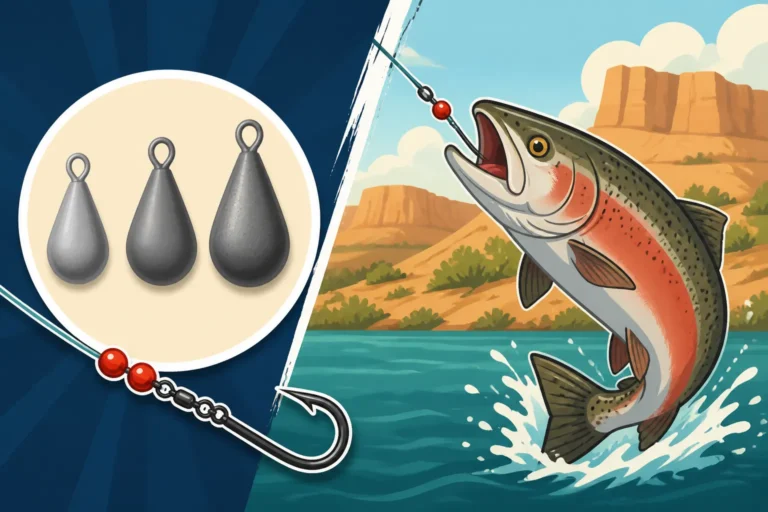
You'll want a variety of colors, from bright fluorescent greens and yellows to more subdued rainbow or chartreuse. Different formulations exist, some designed to float better than others. The key to success with PowerBait is often rigging it on a small treble hook (or a small single hook for easier release), making sure to mold enough bait around the hook to float it off the bottom. A small split shot or two placed a foot or so above the hook will keep your offering anchored, yet tantalizingly suspended. This simple setup is incredibly effective and a cornerstone for many beginners and experienced anglers alike when targeting freshly stocked fish. Check out How to Catch Trout in New Mexico for more tips on using these and other trout-specific techniques.
Beyond the Basics: Kokanee and Catfish Specifics
New Mexico also offers some truly unique fishing opportunities that call for specialized tackle. For example, the landlocked sockeye salmon, known as Kokanee, are a prized catch in lakes like Navajo, Heron, and Eagle Nest. These fish primarily feed on zooplankton, which means traditional lures aren't always the most effective. Instead, anglers use highly specialized gear: dodgers or flashers paired with tiny hoochie squids, wedding rings, or small Kokanee flies. The dodger creates an erratic motion and flash that attracts the Kokanee, while the small, brightly colored trailing lure imitates their microscopic food source. Colors like pink, orange, and chartreuse are often top producers. Understanding these nuances is crucial for success when targeting these delicious salmon. Our guide on Kokanee Salmon Fishing in New Mexico delves deeper into these techniques.
Then there are catfish, a beloved species in many of our warmer lakes and rivers, including the Rio Grande and many of our larger reservoirs. While they will occasionally hit a jig or a spinner, "stink baits" or prepared baits are the go-to for many catfish anglers. These powerful concoctions, often made with cheese, blood, or other strong-smelling ingredients, are designed to appeal to the catfish's highly developed sense of smell. Cut bait (pieces of shad, carp, or sunfish) is also incredibly effective, especially for larger flathead catfish. While not technically "lures," these baits are stored and carried in the tackle box and are absolutely essential for a successful catfish outing. Catfish Fishing in New Mexico provides more information on how to target them.
Assembling Your Ultimate New Mexico Tackle Box
Okay, so we've talked about a whole lot of lures, baits, and techniques. It's easy to get overwhelmed and think you need one of everything. But the truth is, a truly effective tackle box isn't about having the most gear; it's about having the right gear that's versatile and suited to the types of fishing you'll actually be doing in New Mexico. The goal is to be prepared without being burdened.
Curating Your Selection for Target Species and Locations
When building your ultimate New Mexico tackle box, start by thinking about your primary fishing goals. Are you primarily a trout angler who frequents the San Juan River Quality Waters or the stocked lakes? Then your box should be heavy on small jigs, spinners, PowerBait, and maybe some specialized fly fishing gear. Are you obsessed with bass fishing in Elephant Butte or Conchas? Then soft plastics, crankbaits, jigs, and topwater lures will be your focus. If you're a generalist who likes to hit a variety of waters, aim for a balanced selection across the categories we've discussed.
It's wise to start with a solid foundation of proven producers in various sizes and colors, and then gradually expand as you gain experience and discover new favorite spots or techniques. Don't be afraid to ask local anglers or bait shop owners for their recommendations for specific waters; they often have invaluable, hyper-local knowledge. As you learn more about Best Fishing Spots in New Mexico and Best Time of Year to Fish in New Mexico, you'll naturally fine-tune your tackle.
Practical Tips for Purchasing and Organization
Once you have an idea of what you need, it's time to stock up. Local bait and tackle shops are fantastic resources, not just for lures but also for advice and current conditions. Larger sporting goods retailers, like Bass Pro Shops, offer an immense selection and often have sales, making them a great place to stock up on a wide variety of lures and tackle box essentials. For specific brands, unique lure patterns, or competitive pricing, online retailers like Amazon can be incredibly convenient, especially if you know exactly what you're looking for.
Organization is key to an effective tackle box. Nobody wants to spend precious fishing time untangling hooks or searching for a specific lure. Consider tackle boxes with adjustable compartments, allowing you to separate lures by type, size, or even color. Keep your soft plastics in their original bags to prevent them from melting or staining other lures. Have a dedicated spot for your weights, hooks, and swivels. A well-organized tackle box not only makes your fishing trip more enjoyable but also more efficient, allowing you to adapt quickly to changing conditions or fish preferences. Check out our detailed guide on Best Tackle Box Setup for New Mexico Anglers for more in-depth organization strategies.
Remember, fishing is an ongoing learning process. The "best" lures for your New Mexico tackle box might change over time as you explore new waters, target different species, and refine your techniques. Embrace the journey, and happy fishing!
New Mexico Lure Selection Guide
| Lure Type | Primary Target Species | Ideal Conditions | Key Action/Feature |
|---|---|---|---|
| Inline Spinner | Rainbow Trout, Brown Trout, Smallmouth Bass | Clear, moving water; stocked ponds | Flash, vibration, rotation |
| Casting Spoon | Rainbow Trout, Lake Trout, Striped Bass | Deep lakes, open water | Wobbling, fluttering |
| Soft Plastic Worms | Largemouth Bass, Smallmouth Bass | Weedy areas, cover, structure | Subtle movement, imitation |
| Grub Tail Jig | Walleye, Trout, Bass, Crappie | All depths, various retrieves | Erratic darting, bottom hop |
| Crankbait | Largemouth Bass, Walleye, Striped Bass | Reservoirs, covering water, varied depths | Diving, wobbling, rattling |
| PowerBait | Stocked Rainbow Trout | Still water, ponds, lakes | Scent, flotation, color |
| Jerkbait | Largemouth Bass, Smallmouth Bass, Trout | Suspended fish, clear water | Erratic darting, suspending |
| Topwater Lure | Largemouth Bass, Smallmouth Bass | Low light, over weeds, shallow cover | Surface commotion, splash |
| Kokanee Squid/Fly | Kokanee Salmon | Trolling in deep, open reservoirs | Small baitfish, plankton imitations |
| Catfish Prepared Bait | Channel Catfish, Flathead Catfish | Still or slow-moving water, bottom fishing | Strong scent, natural appeal |
Disclaimer
This article is for general informational purposes only and does not constitute professional advice. Laws, prices and regulations vary by location and change over time. Consult a qualified professional for guidance on your specific situation.