Best Rain Gear for New Mexico Monsoon Fishing
There's nothing quite like planning a perfect New Mexico fishing trip, only for the sky to open up with an unexpected monsoon downpour. It can completely wash out your day, leave you shivering, and even damage your gear if you're not prepared. This comprehensive guide is here to ensure that those sudden, dramatic summer storms don't send you packing, but rather equip you to keep casting, comfortable and dry, through New Mexico's unique monsoon season.
Understanding New Mexico's Monsoon Season and Its Challenges
Fishing in New Mexico often means contending with diverse weather, but the monsoon season brings its own specific set of challenges. From roughly July through September, our landscape transforms, not always predictably. You can wake up to clear, crisp skies, only for the afternoon to unleash a deluge that seems to come out of nowhere. Anglers who are prepared can continue to enjoy the waters, while those caught off guard often find themselves miserable, heading back to shore far earlier than planned.
The Unexpected Downpours
New Mexico's monsoon season isn't like a persistent, all-day drizzle you might find in other parts of the country. Here, it's often characterized by intense, localized thunderstorms that can build rapidly. One minute, you're enjoying the sun on Best Places to Fish in New Mexico, and the next, a towering cumulonimbus cloud has unleashed a torrent of rain, complete with lightning and sometimes even hail. These aren't just light showers; they can be heavy enough to cause flash flooding in arroyos and make visibility incredibly poor. This means your rain gear needs to be robust enough to handle a serious soaking, not just a sprinkle, and it needs to be accessible quickly. You don't want to be fumbling in your pack for waterproofs when the first drops start to hit.
The suddenness of these storms can be deceptive. Many anglers might look at a clear morning sky and assume they're safe, leaving their rain gear behind. But the characteristic afternoon buildup, often signaled by darkening skies over mountain ranges or distant thunder, can quickly escalate. Rivers can rise, small streams can become torrents, and what was once a comfortable fishing spot can become treacherous. Having reliable rain gear on hand allows you to stay safe and continue fishing through these transient, but often fierce, weather events. It's about preparedness, understanding that even a clear forecast for the morning doesn't guarantee a dry afternoon in monsoon season.
Temperature Swings and Humidity
Another significant challenge of New Mexico's monsoon season isn't just the rain itself, but the drastic temperature and humidity shifts that accompany it. Before a storm rolls in, the air can be thick and humid, feeling much hotter than the thermometer reads. Then, as the rain falls, temperatures can drop quite dramatically, especially at higher elevations or when the sun disappears behind heavy clouds. If you're wearing non-breathable rain gear, you might quickly find yourself sweating profusely inside your waterproofs, only to get a chill once the rain stops and the wind picks up. This makes for a truly uncomfortable experience.
This constant push and pull between heat, humidity, and sudden cold snaps means your rain gear needs to do more than just repel water; it needs to manage your body's microclimate. Trapping sweat and body heat inside your clothing defeats the purpose of staying dry, as internal moisture can make you just as cold and miserable as external rain. This is especially true for active anglers who are hiking to their spots, wading, or constantly casting. Effective rain gear for New Mexico's monsoon demands a thoughtful balance of waterproof protection and excellent breathability, ensuring you stay dry from both the outside elements and your own exertion. Fishing During Monsoon Season in New Mexico highlights just how important it is to be dressed appropriately for these conditions.
Essential Features of Top-Tier Rain Gear for Anglers
When you're out on the water, whether it's the San Juan River Fishing Guide or a high mountain lake, your rain gear isn't just a luxury; it's a critical piece of safety equipment. Getting soaked and cold can lead to hypothermia, even in summer, and certainly makes for a miserable outing. For the dedicated angler in New Mexico, certain features are non-negotiable when it comes to choosing the best rain gear.
Waterproofing Ratings and Materials
Understanding waterproofing isn't just about a label; it's about knowing how effectively a garment will stand up to the deluge. Most quality rain gear will use waterproof and breathable membranes like Gore-Tex, Pertex Shield, or proprietary technologies from brands like Patagonia, Columbia, or Simms. These materials are designed with microscopic pores that are too small for water droplets to penetrate from the outside, but large enough for water vapor (sweat) to escape from the inside. The outer fabric often has a Durable Water Repellent (DWR) coating, which makes water bead up and roll off, preventing the fabric from "wetting out" and compromising breathability.
Look for a high hydrostatic head rating (measured in millimeters) if available, which indicates how much water pressure the fabric can withstand before leaking. For New Mexico's intense monsoons, you want something that offers serious protection, typically 15,000mm or higher. But waterproofing isn't just about the fabric; it's also about construction. Seams are the weak points where water can seep in. Fully taped seams, where a waterproof tape is applied over every stitch, are crucial for true waterproof performance. Zippers are another entry point for water; waterproof zippers or storm flaps covering zippers are essential details that make a huge difference in keeping you dry during a torrential downpour. Without these critical elements, even a seemingly waterproof fabric will eventually fail, leaving you exposed and uncomfortable.
Breathability for Comfort
As we discussed, breathability is just as important as waterproofing, especially for active anglers. Imagine hiking up to a remote trout stream with a Best Fishing Backpack and Wading Gear for New Mexico on your back, getting a good workout, and then putting on a non-breathable rain jacket when the clouds break. You'll quickly feel clammy and uncomfortable from your own sweat, even if the rain isn't getting in. Quality rain gear allows moisture vapor from your body to escape, preventing that clammy feeling and helping regulate your core temperature. This is where advanced membrane technologies truly shine.
The breathability of a garment is often measured in MVTR (Moisture Vapor Transmission Rate) or RET (Resistance to Evaporative Heat Transfer). While you might not see these numbers on every tag, a reputable brand will boast about its breathable technology. Jackets designed for active pursuits will often incorporate pit zips or other vents that allow you to dump heat quickly when needed, without having to take off your whole jacket. This helps you manage your comfort levels throughout the dynamic weather conditions common during the monsoon season. Good breathability means you can keep casting, moving, and focusing on the fish, rather than feeling like you're wrapped in a plastic bag. It maintains that comfortable microclimate inside your gear, crucial for long days on the water in fluctuating conditions.
Durability and Angler-Specific Design
Fishing isn't a gentle sport. You're brushing against thorny bushes, leaning against rough rocks, reeling in powerful fish, and perhaps even dealing with hooks getting snagged on your clothing. Your rain gear needs to be built to withstand this kind of abuse. Look for durable face fabrics, often ripstop nylon or polyester, especially in high-wear areas like the shoulders, elbows, and seat. Reinforcements in these areas can significantly extend the life of the garment. It's a false economy to buy flimsy rain gear that tears after a couple of trips; investing in robust materials will save you money and frustration in the long run.
Beyond material strength, angler-specific design elements truly set apart the best rain gear. Think about features like strategically placed, easily accessible pockets for tackle, bait, or your phone – preferably with waterproof zippers or storm flaps. An adjustable hood that moves with your head and allows for good peripheral vision, even with a hat on, is crucial. Cuffs that cinch down tightly to prevent water from running up your arm when casting or reaching into the water are another thoughtful detail. A longer cut in the back of a jacket can prevent water from running down your pants when sitting on a boat seat or stream bank. These are the details that show the gear was designed by someone who understands the unique needs of an angler, not just someone trying to stay dry on a city street. You might find excellent options specifically tailored for fishing in stores like Bass Pro Shops, which often stock gear with these exact features.
Types of Rain Gear: Jackets, Pants, and Suits
When it comes to staying dry during a New Mexico monsoon, you have a few options for rain gear, each with its own advantages depending on your specific needs and how much protection you're seeking. From lightweight shells to full-coverage suits, understanding the differences will help you choose wisely.
Rain Jackets: Shells, Insulated, and Packable
The rain jacket is arguably the most common and versatile piece of rain gear. It's often the first line of defense against an unexpected downpour.
-
Shell Jackets: These are lightweight, uninsulated jackets designed purely for waterproof and windproof protection. They're excellent for New Mexico's monsoon season because they offer protection without adding unnecessary warmth, which is crucial given the often-humid pre-storm conditions. They're meant to be layered over your existing clothing. Many shell jackets are designed to be highly packable, stuffing down into their own pocket or a small stuff sack, making them easy to carry in your Best Fishing Backpack for Hiking to High Lakes or boat bag without taking up much space. This is incredibly practical for those sudden, unpredictable New Mexico storms where you need to quickly don your gear. Brands like Columbia or Patagonia offer a range of excellent shell jackets with varying levels of features and price points.
-
Insulated Rain Jackets: While less common for summer monsoon fishing in New Mexico, these jackets combine a waterproof outer shell with an insulating layer, such as fleece or synthetic fill. They are more suitable for colder conditions, like late fall or early spring fishing, or for high-altitude trips where temperatures remain chilly even during a summer rain. For the typical monsoon, an insulated jacket might be too warm, leading to sweat buildup, which defeats the purpose of staying dry. However, for those who fish in mountainous regions where conditions can turn truly cold, even in August, an insulated option might be worth considering, especially if it has good venting options.
-
Packable Rain Jackets: This category overlaps heavily with shell jackets, emphasizing the ability to fold or roll the jacket into a compact size. Their lightweight nature makes them ideal for anglers who prioritize minimal bulk and weight in their gear. They're perfect for throwing into your truck, boat, or backpack, ensuring you're never caught unprepared. While they might sometimes sacrifice a bit of durability compared to heavier-duty shells, modern materials have made packable jackets surprisingly tough. The key is their readiness – they're there when you need them, without being a burden when you don't. Many anglers keep a simple, packable jacket on hand for every trip, regardless of the forecast, just for peace of mind.
Rain Pants and Bibs for Lower Body Protection
Often overlooked, but just as important as a good jacket, are rain pants or bibs. Getting your lower half soaked can be just as miserable, leading to chafing, cold, and overall discomfort, especially if you're wading or sitting in a boat.
-
Rain Pants: These are typically worn over your regular fishing pants or shorts. Like jackets, they come in varying degrees of waterproofness and breathability. For ease of use, look for rain pants with full-length or three-quarter length side zippers. This allows you to pull them on and off over your boots without having to take off your footwear, which is a game-changer when a storm hits suddenly. Articulated knees and a gusseted crotch can offer better mobility, essential for casting, walking along stream banks, or navigating uneven terrain. While they might not be as glamorous as a new Best Lures for New Mexico Trout, reliable rain pants are a fundamental piece of your monsoon fishing kit.
-
Rain Bibs: Bibs offer even greater protection than pants, extending higher up your torso. They provide an excellent seal against water intrusion, especially when paired with a good rain jacket, as there's no gap for water to run down your back or into your waders. This is particularly beneficial for boat anglers who might be sitting for long periods, or for those who spend a lot of time wading in deeper water where splashes are common. Bibs often feature adjustable suspenders for a comfortable fit and may include reinforced sections in the seat and knees for added durability. While they can be a bit more cumbersome to put on and take off than traditional rain pants, the superior protection they offer can be well worth the trade-off during a truly wet day. For serious anglers who fish often in adverse conditions, bibs from specialized brands like Simms are often the preferred choice.
Here's a quick comparison of common rain gear types:
| Rain Gear Type | Key Benefit | Best Use Case | Considerations |
|---|---|---|---|
| Shell Jacket | Lightweight, packable, versatile | Sudden downpours, active fishing, warmer conditions | Needs layering for warmth; minimal pockets |
| Insulated Jacket | Warmth + Waterproofing | Cold rain, high-altitude trips, winter fishing | Can be too warm for typical monsoon; bulkier |
| Rain Pants | Easy to don, lower body dry | Quick protection, over regular clothing, wading | Less upper body coverage; can ride down |
| Rain Bibs | Maximum lower body & torso dry | Boat fishing, deep wading, persistent heavy rain | Can be cumbersome; hotter; higher cost |
| Full Rain Suit | Head-to-toe protection | Extreme conditions, heavy boat spray, prolonged rain | Less flexible; can be hot; often pricier |
Full Rain Suits: Head-to-Toe Coverage
For the angler who demands ultimate protection from the elements, a full rain suit (a matching jacket and bib or pant combination) is the way to go. These suits are designed to work together, often featuring interlocking systems or specific overlaps that prevent any water from finding its way in. Think of it as a complete waterproof barrier, from neck to ankle.
Full rain suits are particularly popular among boat anglers, especially on large reservoirs like Elephant Butte Lake or Navajo Lake, where wind-driven spray can be relentless even without rain. They offer robust protection against driving rain, wind, and boat chop, ensuring that you stay completely dry during long hours on the water. When combined, the jacket and bibs often create a fortress against the weather, allowing you to focus on Trolling Techniques for New Mexico Lakes without worrying about getting soaked. The downside can be their bulk and sometimes a higher price point, but for those who brave the worst weather conditions, the investment is well worth it. Companies like Gill, Grundéns, and some higher-end offerings from Bass Pro Shops specialize in these comprehensive marine-grade rain suits, often built to withstand truly nasty conditions. The peace of mind that comes with knowing you're fully protected allows you to fish harder and longer, no matter what Mother Nature throws your way.
Beyond the Basics: Important Accessories for Monsoon Fishing
While a good rain jacket and pants are the core of your monsoon fishing kit, true comfort and preparedness come from thinking about the often-overlooked accessories. These additional items can make the difference between a tolerable wet day and a truly miserable one. Don't underestimate their power to keep you dry and happy on the water.
Waterproof Hats and Gloves
Getting rain dripping down your neck or having cold, wet hands can quickly turn a fun fishing trip into a test of endurance. A good waterproof hat and gloves are crucial for maintaining comfort and dexterity.
-
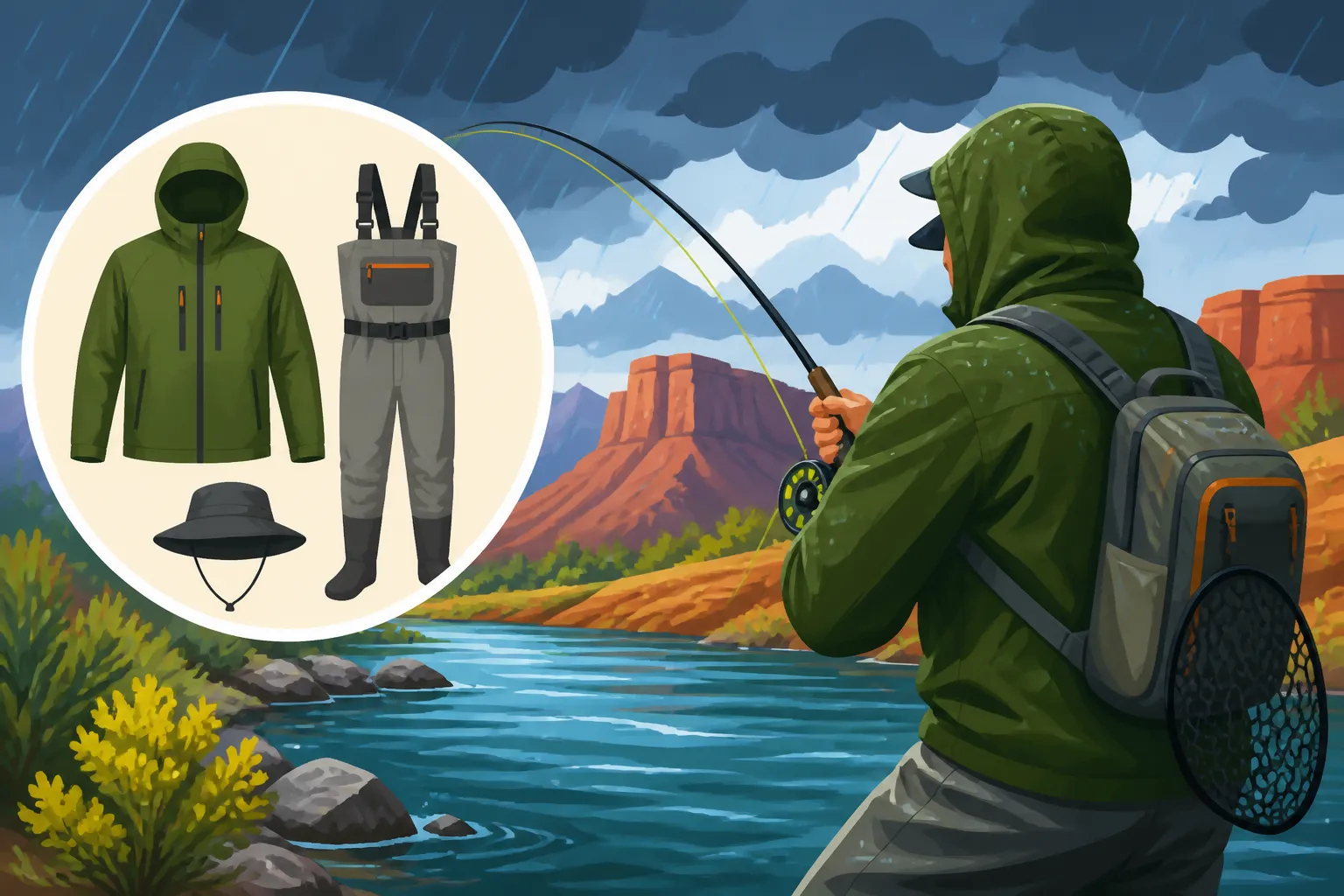
Waterproof Hats: A waterproof hat, often with a wide brim, serves several purposes. Firstly, it keeps rain off your face, allowing for better visibility, especially if you wear glasses. Nothing is more annoying than trying to tie a knot or spot a rising fish with rain constantly pelting your eyes. Secondly, it prevents water from running down your neck and soaking the collar of your jacket, which can quickly lead to an uncomfortable chill. Look for hats made with waterproof, breathable fabrics like Gore-Tex, or simply a well-made waterproof cap. A baseball-style cap can offer some rain protection for your face, but a wide-brimmed hat offers superior coverage for both your face and neck. Protecting your head can also help with warmth, as a significant amount of body heat can be lost from an uncovered head.
-
Waterproof Gloves: Cold, wet hands lose dexterity quickly, making it difficult to tie knots, handle fish, or even grip your rod effectively. Waterproof gloves are a lifesaver in rainy, cool conditions. Look for options that offer a good balance of waterproof protection and feel, allowing you to maintain some sensitivity for fishing tasks. Many angling-specific gloves will have textured palms for better grip, and some even have flip-back finger covers for intricate tasks when maximum dexterity is needed. Neoprene gloves can offer warmth even when wet, making them a popular choice for cooler weather, while lighter waterproof shells can be layered over thin liners for warmer monsoons. Don't let cold, numb fingers cut your fishing day short; invest in a pair of quality waterproof gloves.
Waterproof Footwear and Waders
Your feet are often the first to get wet, especially when bank fishing in soggy grass or wading in a stream. Keeping them dry is paramount for comfort and preventing blisters or worse.
-
Waterproof Footwear: For casual bank fishing or when you're mostly staying on dry land but expect rain, a good pair of waterproof hiking boots or sturdy waterproof rubber boots are indispensable. Ensure they have good traction, as wet banks can be incredibly slippery. Look for boots with a waterproof membrane, similar to what you'd find in a rain jacket, to keep your feet dry from puddles and splashes. Nobody likes the squelching sound of wet socks with every step.
-
Waders: If you're planning on wading in any stream or river, then quality waders are an absolute must. While waders are primarily designed for wading, they also double as fantastic rain protection for your lower body. Breathable waders, typically made from Gore-Tex or similar multi-layer fabrics, are highly recommended for New Mexico's climate. They keep water out while allowing sweat to escape, preventing that clammy, uncomfortable feeling. Even if you're not actively wading deep, standing on a wet bank or crossing shallow areas means your lower half is exposed. Pairing your waders with a waterproof wading jacket creates an almost impenetrable barrier against the rain. Make sure your Best Waders for New Mexico Rivers are well-maintained and free of leaks to ensure maximum protection. Remember to also pair them with appropriate wading boots that offer good grip on slick rocks.
Dry Bags and Backpack Covers
It's not just you that needs to stay dry; your essential gear, electronics, and extra clothing also need protection. Water can wreak havoc on cameras, phones, car keys, and spare layers.
-
Dry Bags: These simple, yet incredibly effective, waterproof sacks are essential for protecting anything you absolutely cannot afford to get wet. Available in various sizes, dry bags are made from durable waterproof materials and typically seal with a roll-top closure. You can stash your wallet, phone, spare socks, lunch, and even a camera inside. For kayak fishing on Heron Lake Fishing Guide, a dry bag is non-negotiable for keeping your valuables safe from splashes and unexpected capsizes. Consider different sizes for different items; a small one for electronics, and a larger one for extra clothing or a first-aid kit. Even if your backpack claims to be water-resistant, a dry bag inside offers an extra layer of peace of mind during a serious downpour. Many reputable outdoor brands and even general retailers like Amazon offer a wide array of reliable dry bags.
-
Backpack Covers: If your fishing backpack isn't fully waterproof (and many aren't, even if they're water-resistant), a separate rain cover is a smart investment. These covers simply stretch over your entire backpack, protecting it and its contents from rain. They're often made from lightweight, waterproof nylon or silnylon and pack down very small. While a dry bag protects individual items inside the pack, a backpack cover protects the entire exterior, preventing your pack fabric from soaking up water and becoming heavy, and also safeguarding any items in external pockets. Even if your pack has a built-in rain cover, it's a good idea to ensure it's in good condition and provides adequate coverage. This small, inexpensive item can save a lot of headaches and keep your gear in prime condition, ready for New Mexico Fishing by Season adventures.
Choosing Your Rain Gear: Budget, Brand, and Activity Level
Selecting the right rain gear is a personal decision that balances several factors. There's no one-size-fits-all solution, but by considering your budget, trusted brands, and how you actually fish, you can make an informed choice that will serve you well during New Mexico's monsoon season.
Balancing Cost and Performance
Let's be real, fishing gear can get expensive, and rain gear is no exception. You might see jackets ranging from fifty dollars to several hundred. It's easy to get sticker shock, but understanding what you're paying for helps in making a value judgment. Generally, higher-priced rain gear features more advanced waterproof/breathable membranes (like Gore-Tex Pro), more durable face fabrics, superior construction (fully taped seams, waterproof zippers), and angler-specific design elements. These premium garments offer maximum comfort, breathability, and longevity. If you fish frequently, or in challenging conditions, and your comfort is paramount, investing in high-end gear can be a wise decision that pays off over many seasons.
However, you don't necessarily need to break the bank to stay dry. Many mid-range options from reputable outdoor and fishing brands offer excellent performance for the average angler. They might use proprietary waterproof/breathable technologies that are slightly less breathable than the absolute top-tier, or perhaps a slightly less robust face fabric, but they will still keep you dry and reasonably comfortable. For anglers who only venture out a few times during the monsoon or mainly stick to easier-access areas, these options provide a fantastic balance of cost and performance. Even budget-friendly rain gear, when chosen carefully, can offer adequate protection for occasional use, especially if you prioritize basic waterproofing and seam sealing. Just remember the old adage: "buy once, cry once." A truly good piece of rain gear can last for years.
Top Considerations for Different Fishing Styles
The "best" rain gear for you largely depends on your personal fishing style and where you typically cast your line in New Mexico.
-
Boat Anglers: If you spend most of your time in a boat on large lakes like Elephant Butte Lake or Conchas Lake, you'll want maximum protection from driving rain and spray. A full rain suit (jacket and bibs) with robust construction, excellent waterproof zippers, and perhaps a high collar and adjustable hood is ideal. Durability is also key, as boat surfaces can be abrasive. Look for gear designed for marine environments, which often prioritizes ruggedness and freedom of movement for casting and maneuvering a boat.
-
Wade Anglers: For those who love to wade the clear waters of the San Juan River Quality Waters or smaller trout streams, breathability and mobility are paramount. A lightweight, highly breathable shell jacket paired with breathable waders (which act as your rain pants) is the perfect combination. You're constantly moving, walking, and casting, so gear that allows sweat to escape is crucial to avoid feeling clammy. Features like adjustable cuffs that prevent water from running up your arm when reaching into the water are also very beneficial. Fly Fishing Techniques for New Mexico Rivers often involve significant wading, making breathable rain gear essential.
-
Bank/Shore Anglers: If you prefer to fish from the bank, whether it's a pond, a lake shore, or a riverbank, versatility is key. A good, packable rain jacket is essential, easily stashed in a small bag. Rain pants with side zips for quick on-and-off over boots are also highly recommended. Comfort and ease of movement are important, but perhaps not to the same extreme as a dedicated wade angler. Your primary concern will be protection from direct rain and keeping your feet dry when navigating wet ground.
-
Backcountry/Hiking Anglers: For those adventurous souls who hike into high mountain lakes or remote sections of rivers, every ounce matters. Ultra-lightweight, highly packable, and supremely breathable rain gear is the priority. Look for minimalist shell jackets and pants that offer serious protection but disappear into your pack when not needed. These pieces might sacrifice some heavy-duty durability for weight savings, so careful handling is advised. New Mexico Fishing Season Calendar provides a good framework for planning these trips, reminding you that weather can change drastically with elevation.
Where to Find Quality Rain Gear
Once you've decided on the type of rain gear that best suits your needs, knowing where to purchase it is the next step. You have several excellent options, both online and in brick-and-mortar stores.
Specialty outdoor retailers are a fantastic resource. Stores like Bass Pro Shops often have dedicated fishing apparel sections where you can try on various jackets and bibs, feel the fabrics, and get advice from knowledgeable staff. They carry a wide range of brands, from entry-level options to high-end fishing-specific gear like Simms or Grundéns. Being able to physically assess the fit, hood design, and pocket placement can be invaluable. This hands-on experience ensures the gear truly meets your comfort and functional expectations before you commit.
Online retailers offer an unparalleled selection and often competitive pricing. Websites like Amazon, for example, carry a vast array of rain gear from countless brands, often with user reviews that can provide valuable insights. Dedicated outdoor and fishing e-commerce sites also provide excellent options. When buying online, pay close attention to sizing charts, as fit can vary significantly between brands. Reading reviews from other anglers is particularly helpful, as they can give you a real-world perspective on how the gear performs in conditions similar to what you'll find in New Mexico. Regardless of where you buy, remember to prioritize features like fully taped seams, good breathability, and durable materials, which are the hallmarks of quality rain gear that will serve you well for many monsoon seasons to come.
Disclaimer
This article is for general informational purposes only and does not constitute professional advice. Laws, prices and regulations vary by location and change over time. Consult a qualified professional for guidance on your specific situation.