Cooler Size Needed for a Fishing Trip
One of the most common dilemmas we face when gearing up for a fishing trip in New Mexico, especially when thinking about packing up the truck or getting the boat ready, is figuring out the right cooler size. It feels like you're always either hauling a behemoth that's half-empty and cumbersome, or you're crammed with too many fish and not enough ice, desperately trying to keep your catch fresh on a scorching afternoon. This guide is here to cut through that confusion, helping you perfectly match your cooler to your angling adventure, ensuring your refreshments stay frosty and your fish stay frosty for the ride home.
Understanding the Variables That Influence Cooler Size
Choosing the right cooler isn't just about grabbing the biggest one you can fit in your vehicle; it's a careful balance influenced by several key factors unique to your fishing expedition. Neglecting these details can lead to spoiled fish, melted ice, or simply lugging around unnecessary bulk, which nobody wants when they're trying to enjoy the stunning landscapes and fantastic fishing New Mexico has to offer.
Duration of Your Fishing Trip
The length of time you plan to spend on the water or at your campsite is perhaps the most significant factor in determining cooler size. A quick morning trip requires far less capacity than a full weekend adventure.
For a short outing, say a few hours at one of our beautiful urban ponds or a quick run to the Rio Grande for some trout, you're mostly concerned with keeping drinks and a snack or two cold, and maybe a handful of fish if the bite is on. A small, personal cooler, perhaps a 20-quart model, often suffices. It's easy to carry, fits almost anywhere, and doesn't demand much space. But if you're planning an overnight camping and fishing trip to a spot like Navajo Lake or Elephant Butte Lake, suddenly that tiny cooler is woefully inadequate. You'll need space for multiple meals, drinks for two days, and potentially a substantial catch of walleye or bass. This quickly pushes you into the realm of 45-quart or larger coolers, designed to hold ice for extended periods and accommodate more provisions. Consider how many meals, snacks, and drinks you'll realistically need, plus enough space for your anticipated fish. Every extra day adds to the ice and food requirement, not just the fish.
Number of Anglers and Passengers
Fishing is often a communal activity, and the number of people joining your trip directly impacts how much cooler space you'll need. More people mean more drinks, more snacks, and potentially, more fish to bring home.
If you're heading out solo, perhaps for some peaceful fly fishing on the San Juan River's Quality Waters, a compact cooler for your lunch, a couple of water bottles, and maybe a few trout is perfectly fine. It keeps your footprint small and your gear manageable. However, if you're bringing the whole family, including kids who might be new to fishing, to one of the Best Lakes for Family Fishing Trips in New Mexico, suddenly you’re looking at a different scenario. A family of four or five will require a significantly larger cooler, perhaps 60-75 quarts, just to manage drinks and snacks for a day trip. Add to that the excitement of multiple catches, and you'll quickly appreciate the extra room. Think about everyone’s beverage preferences, how much lunch meat you'll need for sandwiches, and if anyone has special dietary items that require refrigeration. It adds up fast, and trying to cram everything into a small cooler can be a frustrating exercise in futility.
Target Fish Species and Bag Limits
New Mexico boasts an incredible diversity of fish species, each with its own size and bag limits. Your intended quarry plays a huge role in cooler selection. Catching several smaller panfish is different from landing a few trophy walleye.
If your goal is to fill a stringer with bluegill or smaller rainbow trout from a stocked pond, a medium-sized cooler, say 30-45 quarts, might be plenty. These fish are generally smaller, and their combined volume isn't as demanding. But imagine you're targeting striped bass at Elephant Butte Lake, where these powerful fish can grow quite large. A single legal-sized striper can take up a significant amount of space in a cooler. Or perhaps you're after the impressive largemouth bass or walleye found in reservoirs like Conchas Lake. The New Mexico Statewide Bag Limit for Bass and New Mexico Daily Trout Bag Limit will give you an idea of the maximum number of fish you might be keeping. If you're aiming for a full limit of these larger species, you'll definitely need a cooler in the 60-100+ quart range. It’s always better to have a bit of extra space for a surprise trophy than to be caught short. Consider the largest fish you might realistically keep and make sure your cooler can accommodate it lengthwise without having to bend or cut the fish, which isn't ideal for preservation or presentation.
Weather Conditions and Travel Time
New Mexico's climate can be extreme, from scorching summer days to brisk mountain mornings. The ambient temperature and how long your cooler will be exposed to heat directly affect ice retention and, consequently, the required cooler size.
On a mild spring day, a decent cooler might hold ice for a day or more without much fuss. But when the summer sun beats down on a New Mexico lake, especially during the peak of Summer Fishing in New Mexico, temperatures inside a vehicle or boat can soar. This drastically reduces ice life. You'll need a cooler with superior insulation and often a larger capacity to hold more ice, acting as a thermal buffer. Longer travel times back home, especially after a successful day on a remote high-mountain lake, also demand better ice retention. If you're driving for several hours, you don't want to arrive home to a cooler full of lukewarm water and compromised fish. A larger cooler, even if not fully packed with fish, provides more thermal mass (ice and cold air) to keep things chilled longer. This is where investing in a higher-quality, well-insulated cooler really pays off, minimizing worries about your catch spoiling.
Sizing Up Your Cooler: A Practical Guide
Now that we've thought about the factors, let's break down cooler sizes into practical categories and see what kind of trips they're best suited for. This isn't just about numbers; it's about matching functionality to your specific New Mexico angling lifestyle.
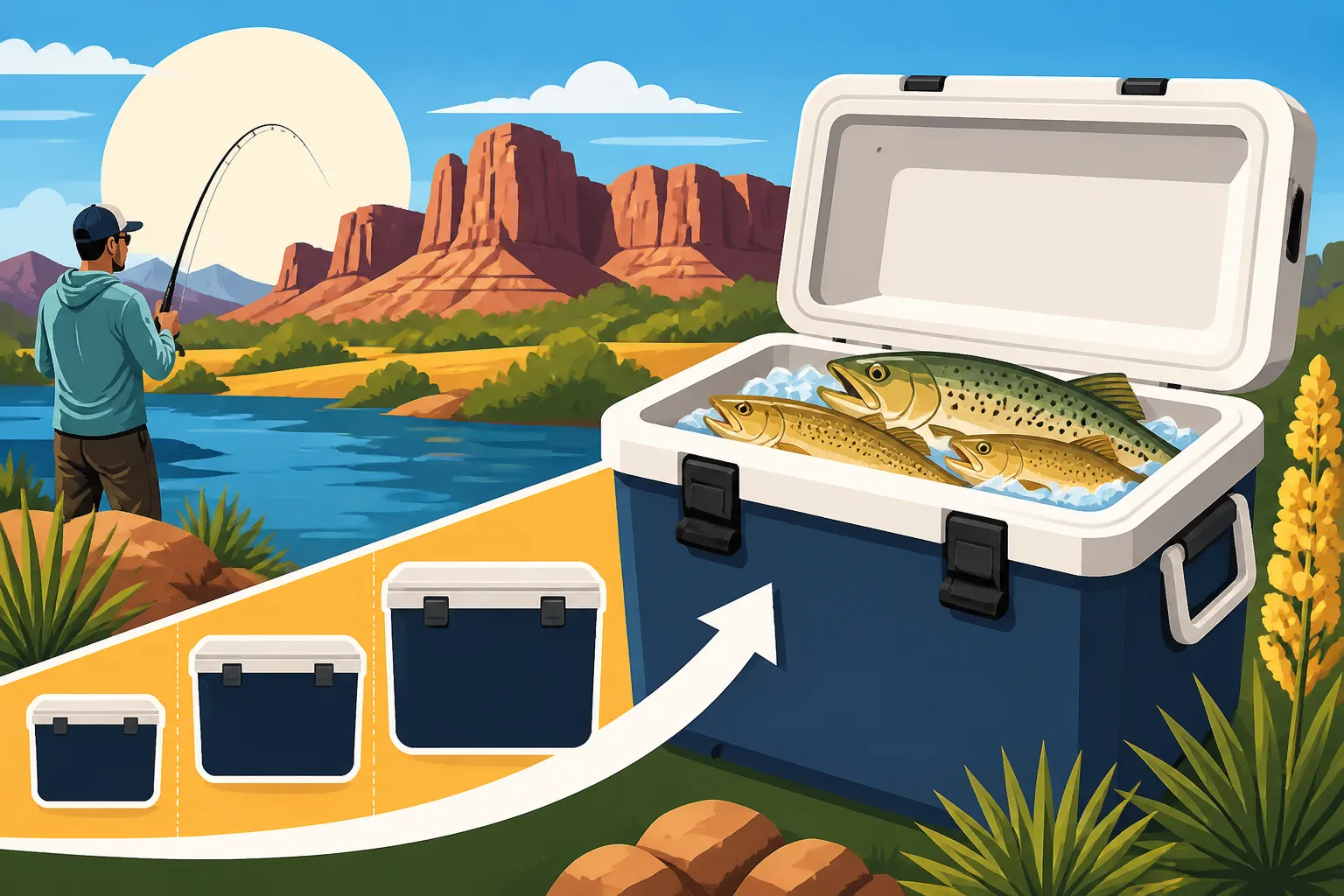
Small Coolers 10-30 Quarts
These compact coolers are fantastic for quick, solo excursions or for use as a dedicated bait/drink cooler on a larger boat. They're incredibly portable and perfect when space is at a premium.
A 10-20 quart cooler is ideal for a solo angler heading out for a half-day of fishing. Think about a quick morning trout session at a local stream or pond, where you might keep a couple of fish, a sandwich, and a few drinks. They fit easily behind a truck seat or in a kayak. While they won't hold ice for multiple days, they're typically sufficient for keeping contents cold for 6-12 hours in moderate temperatures. Brands like YETI offer personal-sized options, but you'll also find many other reliable choices at your local Bass Pro Shops or even online through Amazon that provide ample cooling for short bursts. For example, if you're just driving out to fish Fenton Lake Fishing for the morning, a small cooler for your lunch and a few water bottles, plus space for the two or three trout you might keep, is generally perfect. They are generally lightweight, making them easy to carry down to the water's edge or to load onto a float tube.
Medium Coolers 35-60 Quarts
The mid-range cooler is arguably the most versatile for the average New Mexico angler. It strikes a good balance between capacity and portability.
Coolers in the 35-60 quart range are excellent for day trips with a small family (2-4 people) or for longer solo trips (full day or overnight). They can comfortably hold enough food and drinks for a small group, plus a decent haul of fish. For instance, if you're spending a full day chasing walleye at Ute Lake or targeting a mixed bag at Conchas Lake, a 45-quart cooler provides ample space for a lunch spread, several drinks, and enough room to ice down a limit of fish. These coolers often feature sturdy handles and sometimes wheels, making them easier to transport from the vehicle to your fishing spot, especially if you're bank fishing. Their larger volume means they generally hold ice longer than smaller coolers, often for 1-3 days depending on the quality of the cooler and outside temperatures. This makes them a solid choice for those weekend camping and fishing trips where you're not straying too far from your base camp.
Large Coolers 70-120+ Quarts
When you're planning a serious multi-day expedition, fishing with a large group, or targeting substantial game fish, it's time to bring out the big guns.
These large coolers are essential for extended trips (3+ days) with multiple anglers, or for bringing home a significant harvest of larger fish like trophy striped bass from Elephant Butte Lake or multiple limits of Kokanee salmon from Navajo Lake during the New Mexico Salmon Snagging Season. A 70-quart cooler, for instance, can easily accommodate food and drinks for a group of 4-6 people for a weekend, plus plenty of space for larger fish. Coolers in the 100-quart plus range are often seen on serious fishing boats or at large family gatherings at the lake, providing maximum ice retention and capacity. While they are bulky and heavy when full, their ability to hold ice for 5-7 days (or more with premium brands) is invaluable for keeping valuable catches fresh over several days, or on a long drive back from a remote fishing destination. They might require two people to carry when full, or a cart, but the peace of mind knowing your catch is perfectly preserved is well worth the effort. For those considering a Gear List for a Multi-Day Backcountry Fishing Trip, a large cooler at the trailhead or basecamp is often indispensable.
Here's a quick reference table to help visualize:
| Cooler Size (Quarts) | Best For | Trip Duration | Number of Anglers | Typical Fish Capacity (example) |
|---|---|---|---|---|
| 10-30 | Personal, Bait | 0.5 – 1 day | 1-2 | 2-4 small trout, handful panfish |
| 35-60 | Day trips, Small Family | 1-2 days | 2-4 | 5-8 medium trout, 2-3 bass/walleye |
| 70-120+ | Multi-day, Group, Big Fish | 2-5+ days | 4+ | Full limits of bass/walleye, large stripers |
Beyond Size: Cooler Features That Matter for New Mexico Fishing
While capacity is a primary concern, a cooler's effectiveness in New Mexico's diverse environments also hinges on its construction, insulation, and additional features. It's not just about how big it is, but how well it performs.
Insulation and Durability
The quality of a cooler's insulation directly translates to how long your ice will last, which is crucial in New Mexico's often hot and dry climate. Durability ensures your investment can withstand the rugged outdoors.
Look for coolers with thick, roto-molded construction and high-density foam insulation. These types, often referred to as "rotomolded coolers," are renowned for their superior ice retention and ability to withstand drops, impacts, and general abuse. They often feature freezer-grade gaskets around the lid and heavy-duty latches that create an airtight seal, preventing cold air from escaping and warm air from entering. This is especially vital during summer fishing in New Mexico, where temperatures can easily hit the high 90s or even triple digits. A flimsy, poorly insulated cooler will have your ice melted by noon, leaving you with lukewarm drinks and potentially compromised fish. Brands often tout their "days of ice retention," and while these claims are typically made under ideal conditions, they do indicate a baseline of quality. Investing in a robust, well-insulated cooler means less worry about ice runs and more time enjoying the fishing, whether you’re casting for Rainbow Trout Fishing in New Mexico or setting lines for Catfish Fishing in New Mexico.
Mobility and Ease of Transport
A cooler, regardless of its size, needs to be moved from point A to point B. How easily you can do that is a significant factor in your overall fishing experience.
For smaller coolers, comfortable carrying handles or shoulder straps are key. If you're hiking to a more secluded spot along the Pecos River or walking a fair distance to a bank fishing location, you'll appreciate a cooler that's designed for comfortable transport. For medium to large coolers, wheels are a game-changer. Trying to drag a 75-quart cooler packed with ice and fish across uneven terrain or down a boat ramp is no fun. Integrated, heavy-duty wheels and a sturdy pull handle can transform a cumbersome load into a manageable one. Some larger models even feature robust rope handles with comfortable grips for two-person carries. Think about where you typically fish: if you're always boat fishing, mobility might be less of an issue than if you regularly fish remote stretches of the Gila River. Planning for how you'll get your cooler to and from your fishing spot can save a lot of backache and frustration, ensuring your trip is enjoyable from start to finish.
Drainage and Cleaning
No one enjoys wrestling with a heavy, waterlogged cooler full of melted ice and fish slime. Efficient drainage and easy cleaning features are a blessing after a successful trip.
Look for coolers with oversized drain plugs, ideally ones that are tethered so you don't lose them. A larger drain plug allows water to evacuate quickly, reducing the time and effort needed to empty your cooler. Some high-end coolers even have sloped floors towards the drain, ensuring every last drop of water escapes without having to tilt the cooler excessively. Interior surfaces should be smooth and easy to wipe down, resisting stains and odors. While many coolers have similar plastic interiors, some are made with materials that are less porous, making them easier to sanitize. After a day of fishing, especially if you've been keeping fish, a thorough cleaning is essential to prevent lingering smells and bacteria. Imagine arriving home after a fantastic day on Elephant Butte Lake Fishing Guide with a cooler full of striper, only to find you can't properly clean it without a struggle. Easy drainage and cleaning mean you can quickly get your cooler ready for its next adventure, whether that's another fishing trip or just chilling drinks for a backyard barbecue.
Tips for Maximizing Cooler Efficiency in New Mexico
Even the best cooler can fall short if not used correctly. A few simple practices can dramatically extend ice life and ensure your catch stays pristine, which is especially important during a long haul from a fishing destination in New Mexico.
Pre-Chilling and Ice Management
One of the most overlooked steps in cooler preparation is pre-chilling. Starting with a cold cooler makes a huge difference in how long your ice lasts.
Before you even think about packing your drinks or fish, give your cooler a head start. Fill it with a sacrificial bag of ice the night before your trip, or at least several hours beforehand. Let it sit, closing the lid occasionally, to bring the internal temperature down. Dump out the melted ice just before packing. This simple step prevents your precious trip ice from being used to cool down a warm plastic box. When it comes to the actual ice for your trip, consider using a mix of block ice and crushed ice. Block ice melts slower, providing long-lasting cold, while crushed ice fills gaps and chills items quickly. You can even freeze water bottles or milk jugs to create reusable ice blocks that don't make a watery mess as they melt. Packing your cooler as full as possible also helps; less air space means less warm air to circulate. If your cooler isn't full of provisions, consider adding extra ice or crumpled newspaper to fill the void. These strategies are particularly effective when facing the intense sun while Fishing During Monsoon Season in New Mexico or simply enjoying a warm day on the water.
Strategic Packing and Minimal Opening
How you pack your cooler and how often you open it can significantly impact ice retention. A little thought goes a long way.
Layering is key: start with a base layer of ice, then your items, then more ice. Put items you'll need frequently, like drinks or snacks, near the top for easy access. Items you want to keep coldest, like your catch, should be nestled in the deepest ice. Try to organize things so you don't have to rummage around too much, letting out all the cold air. Perhaps most importantly, resist the urge to constantly open the cooler. Every time that lid comes up, a wave of cold air escapes, replaced by warmer ambient air, accelerating ice melt. Designate someone to be the "cooler opener" or try to retrieve multiple items at once. For drinks, consider bringing a separate, smaller cooler that you open more frequently, reserving your main cooler for fish and essential food items. This "two-cooler system" is often a lifesaver on longer trips, keeping your main cooler's ice pristine for your valuable catch.
Draining Meltwater vs. Keeping It
There's an ongoing debate among anglers about whether to drain melted ice water from a cooler. The answer often depends on what you're trying to achieve.
For optimal ice retention and keeping food dry, especially on multi-day trips, it's generally best to drain the melted water, but replace it with fresh ice. Water acts as a conductor, and while ice water is cold, a slushy cooler will melt remaining ice faster than solid ice in cold air. So, if you're trying to make your ice last as long as possible for frozen goods or sensitive food items, drain and re-ice. However, if your primary goal is to keep your fish as cold as possible for a relatively shorter period (e.g., a day trip home), leaving the melted ice water can actually be beneficial. The super-cold ice water creates a "slurry" that fully envelops the fish, providing excellent contact cooling and preventing air pockets from warming them. Just ensure the fish are clean and well-iced initially. This method is often preferred by those bringing home fresh fillets, as it helps prevent "freezer burn" issues if the fish are destined for immediate processing and freezing. Ultimately, understanding Best Coolers for Keeping Fish Fresh in New Mexico is not just about the cooler itself, but also about how smartly you manage the ice within it.
Disclaimer
This article is for general informational purposes only and does not constitute professional advice. Laws, prices and regulations vary by location and change over time. Consult a qualified professional for guidance on your specific situation.