Best Leader Size for San Juan River Nymphing
Oh, the San Juan River. Just uttering the name brings to mind those incredible, wary trout and the crystal-clear, often challenging waters. One of the biggest head-scratchers for folks hitting this legendary fishery, especially when nymphing, is figuring out the perfect leader setup. It feels like a small detail, but believe me, the right leader can make all the difference between a frustrating day of foul-hooked fish or no bites at all, and a memorable experience with plenty of hookups. This guide is all about cutting through the confusion, helping you choose the best leader size for successful nymphing on the San Juan, and understanding why these choices matter so much.
Understanding the Anatomy of a Nymphing Leader
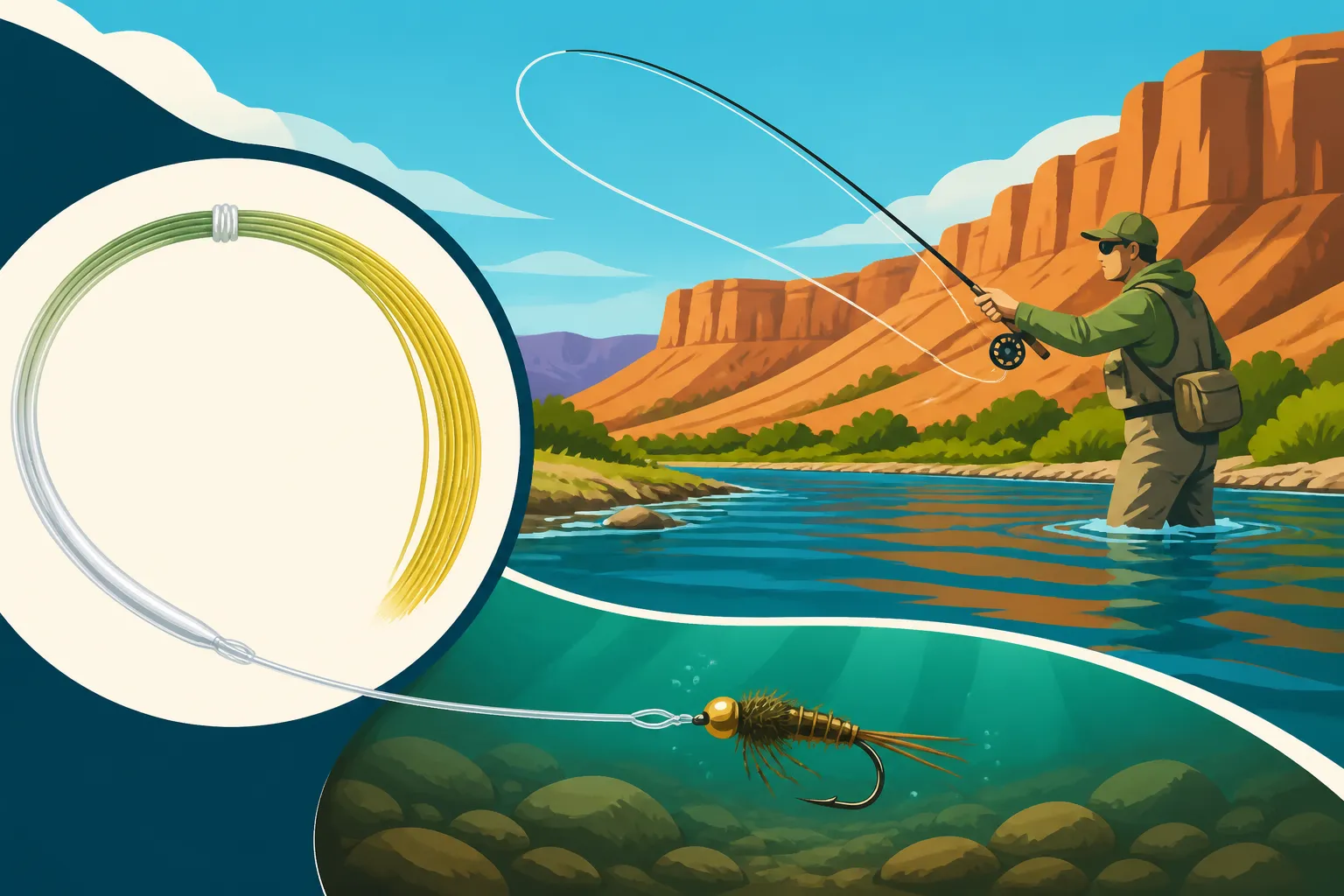
Before we dive into specific sizes, it’s really helpful to understand what a leader is actually made of. It's not just one uniform piece of line; a good leader is a carefully constructed system designed to transfer energy from your fly line, turn over your fly, and present it naturally. When you're nymphing, especially on a technical water like the San Juan, this structure is absolutely critical for getting your flies down and drifting correctly.
The Tapered Section: Power and Presentation
Think of your leader as a miniature fly line, but without the weight. It starts thicker at the butt section, where it connects to your fly line, and gradually gets thinner towards the tip. This "taper" is designed to smoothly transfer the casting energy from your heavy fly line down to your light fly. Without it, your flies would crash-land in a tangled mess, or worse, not even reach their target. For nymphing, a proper taper ensures your heavy nymphs turn over efficiently, landing where you want them without spooking fish or creating unnecessary drag.
The length and steepness of this taper vary between leaders. A shorter, more aggressive taper might be good for turning over heavier nymph rigs or fishing in windy conditions, essentially delivering a punch. However, on the San Juan, where fish are incredibly line-shy and subtle presentations are key, you'll often want a longer, more gradual taper. This helps your leader stretch out softly, laying your flies down gently and promoting a more natural, drag-free drift. Imagine trying to place a delicate dry fly or a small midge nymph exactly where you want it; that gentle transition is what prevents splashdowns and allows for delicate placement.
The Tippet Section: The Business End
Attached to the thinnest part of your tapered leader is your tippet. This is the final, un-tapered section of line to which you directly tie your flies. For nymphing, especially with multiple flies, you'll often have a length of tippet coming off your leader, and then additional sections of tippet to create dropper rigs. This is where the rubber meets the road, so to speak, in terms of your connection to the fish.
The tippet serves several vital roles. First, it's typically the weakest point of your entire line system, designed to break before your much more expensive leader or fly line. This saves you money and heartache. Second, its thin diameter is crucial for stealth. San Juan trout have seen it all, and they are incredibly sensitive to visible line in the water. Thinner tippet means less visibility. Third, the tippet is what allows your flies to drift naturally in the current, unfettered by thicker, stiffer line. If your tippet is too thick, or too stiff for the size of your fly, it can cause unnatural drag, making your fly move differently than the natural insects the trout are feeding on. This is where many anglers go wrong – choosing tippet that's too heavy for the conditions.
Decoding Leader Length and Tippet Size for San Juan Nymphing
Now for the heart of the matter: what specific leader sizes should you be looking at for nymphing on the San Juan? This isn't a one-size-fits-all answer, because conditions on the San Juan can vary, and even within the same day, you might encounter different depths and current speeds. The goal is always to get your flies to the fish's feeding zone as naturally as possible.
General Leader Length for San Juan Nymphing
For most nymphing on the San Juan, particularly in the famous San Juan River Quality Waters Section, you'll generally want a longer leader. The exceptionally clear water and the highly educated trout demand it. A standard 9-foot tapered leader is often a good starting point, but many experienced San Juan anglers will extend this, sometimes up to 12 or even 15 feet total length once tippet is added.
Why so long? A longer leader provides a greater distance between your fly line (which can create drag and spook fish) and your flies. It allows for a more subtle presentation and helps you achieve a truly drag-free drift, which is paramount when trout are inspecting every morsel. The longer leader also helps you maintain a lower profile on the water, keeping your shadow or movement from alerting fish. Imagine you're standing on the bank, trying to drift a tiny midge through a slow, clear eddy. A short, heavy leader would undoubtedly crash down and spook anything within a 10-foot radius. That extra length acts as a buffer.
- Standard Conditions (Most Nymphing): A 9-foot tapered leader, to which you'll add 2-4 feet of tippet. This gives you a total length of 11-13 feet. This setup is versatile and works well for most medium-depth runs and riffles.
- Technical or Shallow Water: Consider a 7.5-foot tapered leader if you're fishing very shallow water and need precise, quick turnover, or if you're targeting specific pockets. However, you'll still add plenty of tippet to maintain stealth.
- Deep Runs or Wary Fish: Many seasoned anglers build their own leaders or use specialized Euro Nymphing leaders that can extend 15-20 feet, often with a sighter built in. While building your own allows ultimate customization, a 9-foot commercial leader with a long section of tippet added is usually sufficient for most folks.
Tippet Size: The Critical Choice
This is perhaps the most crucial decision. The San Juan is known for its prolific midge and annelid hatches, which means you're often fishing tiny flies. Matching your tippet size to your fly size and the conditions is non-negotiable.
Here’s a breakdown of common tippet sizes for the San Juan:
| Tippet Size | Fly Size Range | Typical San Juan Application | Considerations |
|---|---|---|---|
| 5X | #14 – #18 | Larger nymphs (e.g., Annelids, larger Baetis, eggs) | Good starting point for general nymphing, slightly more forgiving if you snag. |
| 6X | #18 – #22 | Most common for midges and smaller Baetis nymphs | The workhorse size for San Juan nymphing. Offers excellent stealth and good knot strength for these fly sizes. |
| 7X | #22 – #26+ | Tiny midges, micro-nymphs, extremely wary fish | Essential for truly small flies, but demands perfect knots and careful fish fighting due to reduced breaking strength. |
| 8X | #26+ | Ultra-small midges, highly technical situations | For the most challenging conditions and smallest flies. Best used with extremely delicate rods and impeccable technique. |
When you're browsing for tippet, whether at a fly shop like the one in Navajo Dam or online from retailers like Bass Pro Shops or Amazon, you'll notice it comes in various materials. For nymphing on the San Juan, fluorocarbon tippet is overwhelmingly favored. Why? Because it's nearly invisible in water, sinks faster than monofilament (helping your flies get down), and is very abrasion resistant. Its low stretch can also help you detect subtle takes, which are common on the San Juan. Monofilament certainly has its place, especially for dry fly fishing, but for getting those tiny nymphs deep and unseen, fluorocarbon is your best friend.
Matching Tippet to Fly Size and Current
A good rule of thumb is to take the size of your fly and divide by three to four to get a general tippet X-rating. So, for a size 20 midge, 20/3 = ~6.6, suggesting 6X or 7X tippet. This helps ensure your fly has natural movement.
- Fast Current: In faster runs, slightly heavier tippet (like 5X or 6X for larger flies) might be acceptable, as the broken surface water offers more concealment. However, the San Juan's main nymphing stretches, particularly the Quality Waters, are often not excessively fast.
- Slow, Clear Water: This is where the San Juan really shines, and where thin tippet is paramount. In these glassy sections, a size 24 midge on 7X or even 8X fluorocarbon is often the ticket. Anything heavier will likely result in refusal after refusal. Remember, the fish have all day to look at your offering!
- Weight of Your Nymphs: If you're using heavily weighted nymphs (like a tungsten-bead Pheasant Tail or a heavily wrapped worm pattern), a slightly heavier tippet (e.g., 5X) can help manage the weight better and prevent snapping on the cast, especially if you're not using a dedicated Euro Nymphing setup. However, always prioritize stealth and natural drift. For most San Juan nymphing, you're not typically slinging huge, heavy bugs, but rather smaller, delicately weighted patterns.
When considering your overall setup, think about the rod action too. A softer, more forgiving fly rod will protect lighter tippets much better than a stiff, fast-action rod. Many anglers choose a 3 or 4-weight rod for San Juan nymphing because it offers that crucial tippet protection. You can find excellent options for specific rod choices in our Best Fly Rods for the San Juan River guide.
Materials and Considerations for Your San Juan Nymphing Leader
Choosing the right leader isn't just about length and X-rating; the material and how it performs in the water can significantly impact your success. For the San Juan, with its ultra-clear water and selective trout, every detail truly counts.
Fluorocarbon vs. Monofilament Leaders
While we touched on tippet materials, it's worth considering the entire leader. Most dedicated nymphing leaders will be made of fluorocarbon or a blend of materials designed to sink.
- Fluorocarbon Leaders: These are generally more expensive but offer unparalleled advantages for nymphing. They are virtually invisible underwater due to their refractive index being very similar to water. They also sink faster than monofilament, which is a huge plus for getting your nymphs into the strike zone quickly without adding extra weight. Furthermore, fluorocarbon is less prone to UV degradation and is more abrasion-resistant, which is important when your leader might be scraping against rocks on the bottom. When you're fishing the deep runs of the San Juan, trying to get that tiny midge down, fluorocarbon's sinking properties make a real difference.
- Monofilament Leaders: Traditional monofilament leaders are still widely used, especially for dry fly fishing or general-purpose angling. They are more supple and float higher on the water, which can be beneficial for certain techniques. However, for deep nymphing on the San Juan, their higher visibility and tendency to float can work against you, making it harder to get a drag-free, deep drift. You might use a mono leader and then attach a long section of fluorocarbon tippet, but a full fluorocarbon leader offers a seamless, sinking advantage.
For building custom leaders or extending store-bought ones, many anglers will start with a section of heavier monofilament (for the butt section) and then transition to fluorocarbon for the main tapered section and tippet. This combines the stiffness of mono for energy transfer with the stealth and sinking properties of fluorocarbon. You can buy bulk spools of both from trusted brands, often found at online retailers like Amazon or specialist shops.
Knots: Your Connection to Success
A leader is only as strong as its weakest knot. For San Juan nymphing, where you're often fishing very light tippet, strong, reliable knots are absolutely critical. A poorly tied knot can snap on the hookset, during a fight, or even on a snag, ruining your day.
- Leader-to-Fly Line Connection: Most fly lines have a welded loop, and leaders often come with a perfection loop. A simple loop-to-loop connection is usually sufficient and allows for quick changes.
- Leader-to-Tippet Connection: The Surgeon's Knot or the Blood Knot are fantastic for attaching new tippet sections to your leader. They are strong, relatively low-profile, and easy to tie once you get the hang of them. For joining different diameter lines, the Surgeon's Knot is particularly forgiving.
- Tippet-to-Fly Connection: The Improved Clinch Knot is a go-to for most anglers for tying flies to tippet. It's strong and dependable. For very small flies (size 20 and smaller), a two-turn Surgeon's Knot or a Davy Knot can be excellent, as they are very small and don't crowd the eye of the hook. Practice these knots at home before you hit the river, especially the ones for small flies. Fumbling with cold hands and tiny flies on the San Juan can lead to a lot of frustration! If you need a refresher, check out guides on common fishing knots.
Indicators and Split Shot: Completing Your Rig
While not strictly part of the leader itself, your indicator and split shot are intimately linked to your leader setup for nymphing. The choice of indicator can impact how your leader lies on the water and how subtly you detect strikes. Small, sensitive indicators like a yarn indicator or a highly visible sighter section built into your leader (common in Euro Nymphing) are often preferred over large, bulky bobbers that can create drag and pull your flies unnaturally.
Split shot, used to add weight and get your flies down, should be strategically placed on your tippet or leader. For the San Juan, you'll generally want to place your split shot above your flies, often 6-12 inches up the tippet. The smaller the split shot, the better, as larger ones can also create drag. It's a delicate balance of getting your flies deep without hindering their natural drift. Sometimes, a single tiny piece of tungsten putty is enough to achieve the perfect sink rate without interfering with your leader's presentation. Learning to balance your weight and leader setup for a perfect drift is a crucial skill for Nymph Fishing on the San Juan River.
Practical Tips and Troubleshooting Your Nymphing Leader Setup
Even with the "best" leader setup, the San Juan can throw curveballs. Conditions change, fish become pickier, and your drift might not be as perfect as you think. Knowing how to adapt and troubleshoot your leader on the water is a huge part of becoming a successful San Juan nymph angler.
Adjusting on the Fly
The fish will tell you what's working (or not working!). Pay close attention to how your flies are drifting and how the fish are reacting.
- No Bites, Despite Good Drifts: If you're confident in your drift but not getting any takes, it might be time to go down a tippet size. Even a subtle change from 6X to 7X can make a world of difference to ultra-wary trout. This is especially true when fish are feeding on very small midges in clear, slow water. It's a common San Juan phenomenon.
- Flies Not Getting Deep Enough: If your flies aren't reaching the bottom, or you're not ticking the bottom occasionally, you might need to add more weight, or try a faster-sinking leader. Alternatively, try a slightly shorter overall leader length, which can sometimes help punch through currents better if you're battling deep seams. Just be mindful of maintaining stealth.
- Too Much Drag/Unnatural Drift: This is often a sign that your leader isn't extending properly, or your tippet is too heavy for the current. A shorter, stiffer butt section might be causing issues, or your tippet might be catching too much current. Consider lengthening your tippet section or going thinner. Sometimes, just repositioning your indicator or adjusting your casting angle can help.
- Breaking Off Fish: If you're breaking off fish, especially on the hookset or during the fight, it's often a knot issue or your tippet is too light for the fish size you're encountering and how aggressively you're fighting them. While it's tempting to go to 8X for ultimate stealth, if you're constantly breaking off, stepping up to 7X (or even 6X if conditions allow) might be necessary, combined with practicing gentler hooksets and more controlled fights.
Leader Maintenance and Longevity
Your leader isn't something you just put on and forget about for the season. Regular inspection and maintenance will save you headaches on the water.
- Check for Abrasion: Running your fingers along your leader and tippet frequently is a good habit. Knots and areas that rub against rocks or structures can get frayed. Even a tiny nick can drastically reduce breaking strength. If you feel any roughness, it's time to replace that section of tippet or even the entire leader.
- Knot Re-Tying: After landing several fish, or if you've snagged and pulled hard, always re-tie your fly-to-tippet knot. The stress can weaken it.
- Tippet Spool Management: Keep a variety of tippet spools (5X, 6X, 7X, maybe 8X) easily accessible in your vest or pack. Brands like Umpqua, Rio, or Seaguar offer excellent fluorocarbon tippet material that you can easily find at Bass Pro Shops or on Amazon. Having spare spools means you can quickly adapt to changing conditions or replace a section that's been damaged. Our Best Tackle Box Setup for New Mexico Anglers guide has more on organizing these essentials.
- Sunlight Exposure: While fluorocarbon is more UV resistant than monofilament, prolonged exposure to direct sunlight can still degrade your leader and tippet over time. Store your spools and leaders in a cool, dark place when not in use.
Mastering leader selection for San Juan nymphing really comes down to a blend of understanding the mechanics, paying attention to what the fish are telling you, and making smart adjustments. It's a journey, not a destination, but with these tips, you'll be well on your way to more successful days on one of New Mexico's most cherished rivers. Don't be afraid to experiment, and remember that even the smallest details, like tippet size, can lead to the biggest rewards.
Disclaimer
This article is for general informational purposes only and does not constitute professional advice. Laws, prices and regulations vary by location and change over time. Consult a qualified professional for guidance on your specific situation.