New Mexico Statewide Bag Limit for Bass
Trying to figure out the exact fishing rules for every species, especially something as popular as bass, can feel like navigating a maze. One minute you think you know the limits, the next you hear about a special rule for a certain lake, and suddenly you're second-guessing everything. This comprehensive guide is here to clear up the confusion surrounding the statewide bag limits for bass in New Mexico, ensuring you can enjoy your time on the water without worrying about accidental violations.
Understanding New Mexico's Bass Fishing Regulations
New Mexico boasts a diverse range of fishing opportunities, from cold-water trout streams to warm-water reservoirs teeming with bass. With such variety, it's no wonder the regulations can sometimes feel a bit complex. However, understanding the core rules for popular game fish like bass is fundamental to responsible and enjoyable angling.
Why Bag Limits Exist
Bag limits aren't just arbitrary numbers; they're a cornerstone of fisheries management designed to protect our precious aquatic resources. Imagine if everyone could keep as many bass as they caught every single day. It wouldn't take long before even the most prolific populations would dwindle, impacting not only the fishing experience for future generations but also the delicate ecosystem itself. New Mexico's Department of Game and Fish (NMDGF) establishes these limits based on scientific research into fish population dynamics, reproductive rates, habitat health, and angler pressure. The goal is always to strike a balance: allowing anglers to enjoy their sport and harvest some fish for the table, while ensuring the long-term sustainability of the species. These regulations are periodically reviewed and updated, which is why it's so important to always check the latest New Mexico Fishing Regulations Overview.
General Statewide Bass Limits
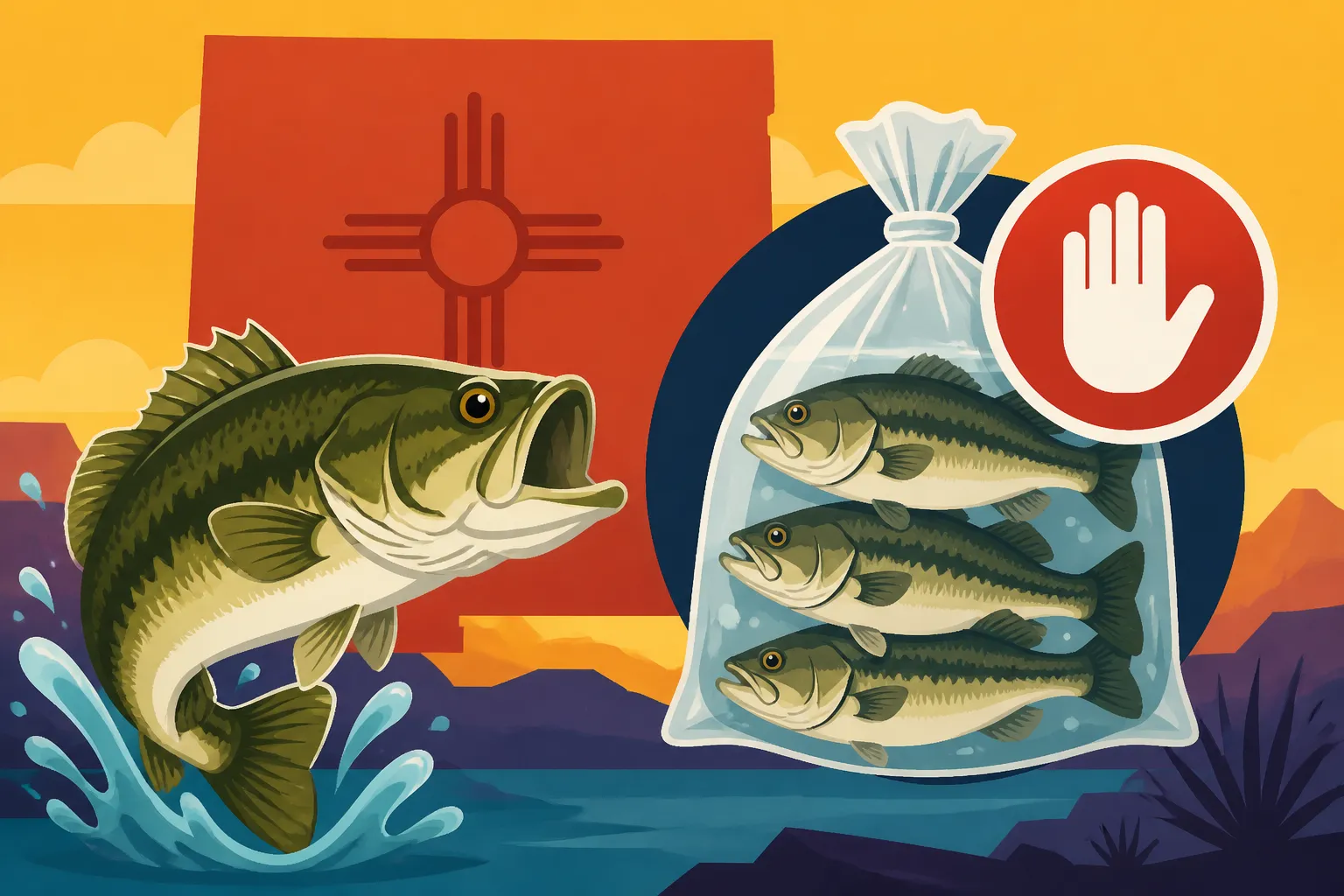
When it comes to bass, New Mexico primarily focuses on "black bass," which includes species like largemouth bass, smallmouth bass, and spotted bass. The statewide aggregate bag limit for these black bass species is generally set to ensure conservation across various waters. Currently, the statewide aggregate bag limit for black bass is a total of 5 fish. This means that, regardless of the combination, you cannot possess more than 5 black bass in total, whether they are largemouth, smallmouth, or spotted bass. There typically isn't a size restriction on these statewide limits, but it's crucial to remember that this can change, and special waters often have unique size slot limits or minimums. For example, some lakes might have a "no-kill slot" for bass between 14 and 18 inches to protect prime breeding fish. Always consult the most current fishing proclamation or the specific regulations for the body of water you intend to fish.
Specific Bass Species and Their Limits
While the aggregate limit of 5 black bass generally applies, it’s helpful to understand the characteristics and typical habitats of each species. This knowledge not only makes you a more effective angler but also helps in identifying your catch accurately, ensuring you comply with the specific rules if a particular water body has additional regulations.
Largemouth Bass Regulations
Largemouth bass are arguably the most popular game fish in the United States, and New Mexico is no exception. These aggressive predators thrive in warmer, weedier waters, making them a common target in many of the state's larger reservoirs like Elephant Butte Lake, Conchas Lake, and Ute Lake. They're characterized by their large mouths, where the jaw extends beyond the eye. When you're out fishing for largemouth bass in New Mexico, remember that they count towards that statewide aggregate limit of 5 black bass. So, if you catch five legal-sized largemouths, your black bass limit for the day is met, even if you haven't caught any smallmouths or spotted bass. Many anglers focus on catch and release, especially for larger breeding fish, but if you plan to keep a few for a meal, ensure they fit within your legal possession limit. For more targeted advice, check out our guide on Largemouth Bass Fishing in New Mexico.
Smallmouth Bass Regulations
Smallmouth bass, often referred to as "bronzebacks," offer a different kind of challenge. Unlike their largemouth cousins, smallmouths prefer cooler, clearer water with rocky bottoms and plenty of structure. You'll often find them in places like Navajo Lake or sections of the Rio Grande. Their fight is legendary, often involving powerful runs and acrobatic jumps. Visually, their jaw typically does not extend past the eye, and they have vertical bars or blotches along their sides. Like largemouths, smallmouth bass also fall under the aggregate statewide bag limit of 5 black bass. This means if you're targeting smallmouths, you can keep up to five, but this also means you can't then keep five largemouths on the same outing. It's a combined total. Anglers often find success using crankbaits or jigs that imitate crawfish, a favorite food source for smallmouths in their preferred rocky habitats. Exploring Smallmouth Bass Fishing in New Mexico can provide additional insights into these fantastic game fish.
Spotted Bass and Other Black Bass
While less common than largemouths and smallmouths in New Mexico, spotted bass are another species that falls under the "black bass" category and contributes to the aggregate 5-fish bag limit. Spotted bass share characteristics of both largemouths and smallmouths, often confusing anglers. They have a jaw that extends slightly past the eye (like a largemouth) but also have a distinct patch of small teeth on their tongue, which neither largemouths nor smallmouths possess. They also typically have rows of small spots on their lower flanks, which is where they get their name. These fish might be found in some of New Mexico's warmer, rockier reservoirs, occasionally mixing with other bass species. If you encounter them, remember they count towards your total 5-fish black bass limit. It's always a good idea to refresh your knowledge on how to identify various bass species, perhaps by looking at a reputable fish identification guide found on sites like Amazon, to ensure you're correctly adhering to the regulations.
Distinguishing Statewide Limits from Special Water Rules
While the statewide aggregate limit for black bass provides a general guideline, New Mexico is famous for its diverse fisheries, many of which have unique, site-specific regulations. It's an absolute must to understand that a statewide limit doesn't necessarily apply to every single lake or river. Failing to check these localized rules is a common mistake that can lead to frustrating and costly penalties.
Quality Waters and Special Regulations
New Mexico takes pride in its "Quality Waters" and other specially managed areas, which are often designated to enhance specific fisheries or protect vulnerable populations. For bass, this might mean certain lakes or sections of rivers have different rules than the general statewide limit. For instance, a particular lake known for producing trophy bass might implement a slot limit, where fish within a certain size range (e.g., 14-18 inches) must be immediately released, allowing them to grow larger and spawn. Conversely, some waters might have a reduced bag limit, say 2 or 3 bass, or even be designated entirely as "catch and release only" for certain species during specific times of the year.
A prime example isn't necessarily for bass, but it illustrates the point: the renowned San Juan River Quality Waters has very strict fly and lure-only, barbless hook, and specific bag/possession limits for trout that are completely different from statewide trout limits. While bass waters generally aren't as stringent as trout Quality Waters, similar principles apply. These special regulations are put in place to maintain the health and quality of that specific fishery, often promoting larger fish or protecting spawning populations. Always verify the rules for the particular body of water you are visiting. A quick search for Best New Mexico Lakes for Bass can give you an idea of popular spots, but always cross-reference with the NMDGF proclamation.
How to Stay Informed About Local Rules
Staying informed is your best defense against accidental violations. Here’s how you can make sure you’re always up-to-date:
- New Mexico Department of Game and Fish (NMDGF) Proclamation: This is the official and most comprehensive source of regulations. The NMDGF publishes an annual fishing proclamation (often available as a physical booklet or a downloadable PDF) that details all statewide and special water regulations. This document is updated annually, so make sure you have the current year's version. You can usually find it on the NMDGF website.
- Online Resources: The NMDGF website is an invaluable tool. Specific lake or river pages often link directly to the relevant regulations. Many apps and websites also compile this information, but always double-check against the official NMDGF source if there's any doubt.
- Local Signage: At boat ramps, fishing piers, and popular access points, you'll often find signs detailing specific regulations for that body of water. Pay attention to these! They are often the most direct source of information for that exact location.
- Local Bait and Tackle Shops: These shops are goldmines of local knowledge. The folks working there usually fish the local waters and are up-to-date on any changes or nuances in regulations. They can also recommend appropriate gear for Bass Fishing Techniques for New Mexico Lakes.
- NMDGF App: The department may offer a mobile app that allows quick access to regulations. Check your app store (like Apple App Store or Google Play Store) for official NMDGF applications.
Never assume. What was true last year, or even last month, might have changed. A quick check can save you from a citation and contribute to better conservation outcomes.
Practical Implications and Compliance for Anglers
Understanding the rules is one thing; putting them into practice on the water is another. Responsible angling goes beyond just knowing the numbers; it involves careful measuring, accurate counting, and a deep respect for the resource.
Measuring and Counting Your Catch
When you're out on the water, especially when multiple anglers are involved, keeping track of your catch can become a bit tricky. Here are some practical tips:
- Carry a Reliable Measuring Device: A simple, flat measuring board or tape measure is essential. Many anglers prefer a bump board for accuracy, which has a solid end to butt the fish's nose against. You can find many reliable and portable options on Amazon. Always measure from the tip of the nose to the tip of the tail, with the fish lying flat.
- Know the Rules for "Pinched Tail" vs. "Unpinched Tail": While most New Mexico regulations don't specify, some states differentiate. Generally, total length is measured with the tail pinched to get the maximum length. If in doubt, measure both ways or err on the side of caution.
- Maintain a Mental or Physical Count: If you're keeping fish, count them as you put them in the livewell or cooler. If fishing with friends or family, clearly communicate whose fish are whose, especially if individual limits apply. If everyone is sharing a cooler, the total number of fish in the cooler must not exceed the combined legal limits of all licensed anglers present.
- When in Doubt, Release: If a fish is borderline on size or you're unsure if you've reached your limit, it's always best to practice catch and release. It's better to let a fish go than to face a penalty.
Consequences of Exceeding Limits
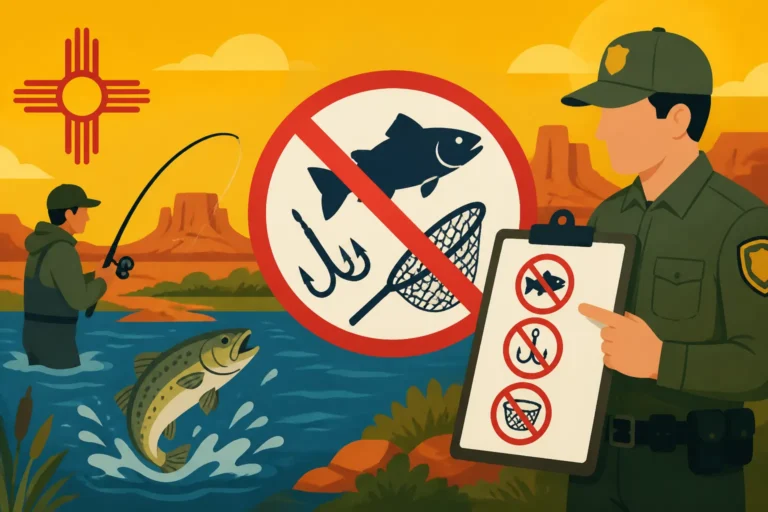
The penalties for violating fishing regulations in New Mexico are not insignificant. Fishing without a license or exceeding bag limits are taken seriously by law enforcement. The exact fines can vary depending on the severity of the violation, the number of fish over the limit, and whether it's a first offense.
Violations can result in:
- Fines: These can range from hundreds to thousands of dollars.
- Seizure of Equipment: Your fishing gear, boat, and even your vehicle might be seized.
- Suspension of Fishing Privileges: You could lose your right to fish in New Mexico for a period, potentially even across state lines depending on interstate agreements.
- Restitution Fees: You may be required to pay a restitution fee for each fish illegally harvested, which is calculated based on the ecological value of the species.
- Criminal Charges: In serious cases, particularly repeat offenses or commercial poaching, criminal charges can be filed.
It's really not worth the risk. A few extra fish simply aren't worth the financial and legal headaches. For more details on the legal side, you can explore information like New Mexico Fishing Violations and Penalties.
Ethical Angling and Conservation
Beyond simply following the letter of the law, ethical angling embraces a broader philosophy of conservation and respect for wildlife. This includes:
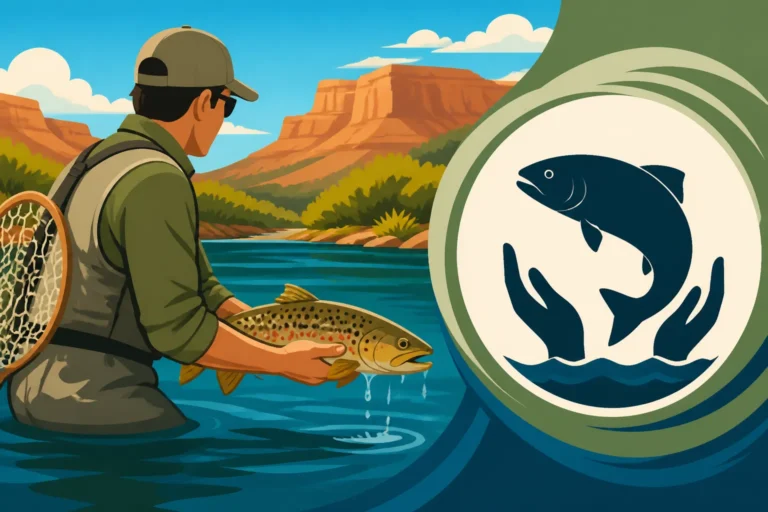
- Catch and Release Best Practices: If you're releasing fish, learn how to do it properly to maximize their survival rate. This means minimizing handling time, keeping the fish in the water as much as possible, using barbless hooks, and avoiding touching their gills or eyes.
- Respecting Other Anglers: Be mindful of others on the water, give them space, and avoid interfering with their fishing.
- Leave No Trace: Pack out everything you pack in. Don't leave trash, fishing line, or bait containers behind. Help keep our beautiful New Mexico waters clean for everyone.
- Reporting Violations: If you witness someone clearly violating regulations, consider reporting it to the NMDGF. This helps protect the resource for all.
- Educating Others: Share your knowledge of regulations and best practices with fellow anglers, especially newer ones.
Ultimately, understanding the New Mexico Fishing Regulations Overview and adhering to the statewide aggregate bag limit for bass is a fundamental part of being a responsible angler. It ensures that the excitement of battling a hard-fighting bass and the joy of a fresh fish dinner can be enjoyed by generations to come. So grab your gear – maybe a new fish gripper or a digital scale from Amazon to ensure accurate measurements – and hit the water, confident in your knowledge!
Disclaimer
The information provided in this guide is intended for general informational purposes only and is subject to change. While we strive to provide accurate and up-to-date content, fishing regulations, laws, and policies can change frequently. It is always the angler's responsibility to consult the official New Mexico Department of Game and Fish (NMDGF) annual fishing proclamation, their website, or contact them directly for the most current and specific regulations before engaging in any fishing activities. Reliance on any information provided in this guide is solely at your own risk.