Rainbow Trout Fishing in New Mexico
Oh, the rainbow trout! Just the name conjures up images of iridescent scales flashing in crystal-clear water, and the thrill of a bending rod. If you're anything like me, you've probably spent countless hours dreaming of that perfect cast or that gentle tug on your line, especially when it comes to these beautiful fish. New Mexico offers some truly spectacular opportunities for rainbow trout fishing, but sometimes knowing where to start, what gear to use, or even what regulations apply can feel like trying to untangle a particularly stubborn bird's nest of fishing line. This comprehensive guide is here to untangle all those questions, helping you discover the magic of pursuing rainbow trout across the diverse landscapes of our incredible state.
Understanding New Mexico's Rainbow Trout Fishery
Rainbow trout are, without a doubt, one of the most popular game fish in New Mexico, and for good reason! They're beautiful, put up a fantastic fight, and let's be honest, they're pretty tasty too. But what makes New Mexico such a great place for these speckled beauties, and where do all these fish come from? It's a fascinating mix of dedicated conservation efforts and the state's unique aquatic environments that truly sets the stage for a thriving rainbow trout fishery.
Stocking Programs and Wild Populations
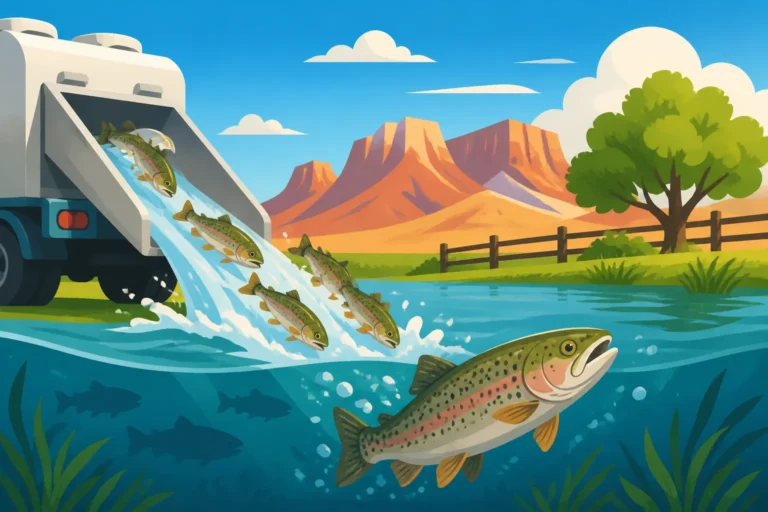
When you hear about fantastic rainbow trout fishing in New Mexico, often you're experiencing the direct result of robust stocking programs. The New Mexico Department of Game and Fish (NMDGF) works tirelessly, raising and releasing thousands upon thousands of rainbow trout into lakes, rivers, and urban ponds across the state. These hatchery-raised fish provide consistent opportunities for anglers, especially in easily accessible areas and during peak seasons. They're often eager to bite, making them a favorite for families and beginner anglers. These stocking efforts ensure that even if a body of water can't sustain a natural, reproducing population, there's still plenty of action to be had.
However, New Mexico isn't just about stocked fish. In certain areas, particularly in colder, higher-elevation streams and rivers, you'll find naturally reproducing populations of rainbow trout. These wild rainbows are often a bit more elusive, a bit more wary, and can offer a truly rewarding challenge for experienced anglers. They tend to be leaner, fight harder, and have a vibrant coloration that reflects their natural diet and environment. Some waters might even hold a mix – stocked fish that have survived and adapted, growing larger and warier, alongside truly wild trout. It's this combination that makes New Mexico's rainbow trout fishing so dynamic, offering everything from a guaranteed family fun day at a stocked pond to a challenging backcountry adventure targeting native-born fish.
Why Rainbows Thrive Here
Rainbow trout, being a cold-water species, naturally gravitate towards environments that mimic their preferred conditions. New Mexico, despite its desert image, has a surprising number of these ideal habitats. Our high-elevation mountains, like those in the Sangre de Cristos, provide a network of clear, cold streams fed by snowmelt. These waters remain cool even in the heat of summer, offering perfect conditions for trout. The consistent flow of these streams also contributes to good oxygen levels, which are crucial for trout health.
Beyond the mountain streams, many of our larger lakes and reservoirs, especially those fed by significant river systems like the San Juan River, also offer excellent cold-water conditions, particularly in their deeper sections. Tailwaters, which are the sections of rivers immediately below large dams, are often phenomenal rainbow trout fisheries because the water released from the bottom of the reservoir is consistently cold and oxygen-rich year-round. These steady flows and stable temperatures create an environment where rainbows can not only survive but truly flourish, finding abundant aquatic insects and smaller baitfish to fuel their growth. The sheer variety of these environments, from high alpine lakes to productive river tailwaters, means that no matter where you are in New Mexico, you're likely not far from a spot where rainbow trout can call home.
Prime Locations for Rainbow Trout Fishing in New Mexico
Now for the exciting part: where do you actually go to chase these shimmering beauties? New Mexico's landscape is incredibly diverse, and so are its rainbow trout fisheries. Whether you're looking for a peaceful mountain stream experience, a big-water challenge, or something close to home for the kids, there's a rainbow trout spot waiting for you.
Iconic Rivers and Tailwaters
When most anglers think of premier trout fishing in New Mexico, one name immediately springs to mind: the San Juan River below Navajo Dam. This is, without a doubt, a world-class trout fishery, famous for its incredibly high density of large, healthy rainbow trout (along with brown trout). The "Quality Waters" section, in particular, has very specific New Mexico Special Trout Water Rules designed to protect and enhance this incredible resource, often requiring artificial flies and lures with barbless hooks. The constant, cold water released from the bottom of Navajo Lake creates an insect-rich environment that allows these fish to grow to impressive sizes. It’s a place where you might find yourself catching and releasing dozens of fish in a day, often measuring 16-20 inches or more.
But the San Juan isn't the only game in town. The Rio Chama, especially sections below El Vado and Abiquiu Dams, also offers fantastic tailwater fishing for rainbows. These areas can be a bit more rugged and require some effort to access, but they reward anglers with breathtaking scenery and often less crowded waters. Further east, the Pecos River, particularly in its upper stretches within the Pecos Wilderness, is home to a mix of stocked and wild rainbow trout. Here, you'll find yourself fishing in a classic mountain stream setting, surrounded by ponderosa pines and aspens, where small, feisty rainbows are eager to hit a well-presented dry fly or spinner. Each of these rivers presents its own unique challenges and rewards, making them angler favorites for good reason.
Productive Lakes and Reservoirs
If stillwater fishing is more your style, New Mexico has an abundance of lakes and reservoirs that are regularly stocked with rainbow trout. Eagle Nest Lake in northern New Mexico is a stunning, high-mountain lake known not only for its kokanee salmon but also for its robust rainbow trout population. It's a popular spot for both boat and bank anglers, offering opportunities for trolling, casting lures, or soaking bait. The rainbows here can grow quite large, especially those that survive multiple seasons.
Fenton Lake, nestled in the Jemez Mountains, is another gem. This picturesque lake is managed specifically as a trout fishery, with special regulations often in place to protect its quality. It's a favorite for fly anglers and bait fishermen alike, known for its clear water and beautiful scenery. Fenton Lake Winter Trout Fishing can be exceptional when conditions allow. For those seeking a truly remote experience, New Mexico's high-mountain lakes, many of which are only accessible via hiking trails in the national forests, offer pristine waters and the chance to catch wilder, more colorful rainbows. Lakes like those in the Pecos Wilderness or the Latir Wilderness are stocked occasionally by air or maintain self-sustaining populations, providing an unforgettable backcountry fishing adventure. These lakes offer a different kind of challenge, but the reward of a wild rainbow against a backdrop of alpine peaks is unparalleled.
Urban Ponds and Family-Friendly Spots
Sometimes, you just want to take the kids out for an easy, fun day of fishing, or perhaps you live in the city and want a quick escape without a long drive. New Mexico understands this need, and the NMDGF maintains several urban and community fishing ponds that are regularly stocked with rainbow trout, especially during cooler months. These ponds are designed to be highly accessible, often featuring paved paths, picnic areas, and restrooms.
In Albuquerque, Tingley Beach is a prime example, offering multiple ponds stocked with rainbows, channel catfish, and sometimes even other species. It's a fantastic place to introduce new anglers to the sport, as the fish are usually quite active, and the facilities make for a comfortable outing. Similarly, cities like Santa Fe, Las Cruces, and Roswell also have community ponds that provide easy access to rainbow trout fishing. These spots are perfect for teaching casting techniques, baiting hooks, and the simple joy of catching a fish. They often have less stringent gear requirements and are a great way to enjoy a day on the water without the need for specialized equipment or extensive travel. Before heading out, always check the NMDGF website or local signage for specific stocking schedules and rules for these community waters.
Essential Gear for New Mexico Rainbow Trout
Having the right gear can make all the difference between a frustrating day and a fantastic one when you're targeting rainbow trout in New Mexico. It's not about having the most expensive stuff, but rather about having the appropriate tools for the job. Our diverse waters demand a bit of versatility in your angling arsenal.
Rods, Reels, and Line Choices
For general rainbow trout fishing in New Mexico, especially in stocked lakes and urban ponds, a light to ultralight spinning rod and reel combo is usually perfect. A rod between 5.5 and 7 feet in length, with a sensitive tip but enough backbone to handle a feisty rainbow, is ideal. Pair this with a small spinning reel spooled with 4 to 6-pound test monofilament or fluorocarbon line. Monofilament is a great all-around choice, offering good knot strength and some stretch, which can prevent hooks from pulling out. Fluorocarbon is less visible underwater and more abrasion-resistant, making it a good choice for clear waters or around rocky structures.
If you're heading to a blue-ribbon fishery like the San Juan River for fly fishing, a different setup is in order. A 9-foot, 4 or 5-weight fly rod is a standard, versatile choice for our rivers. This setup allows for delicate presentations of small flies while still having the power to cast larger nymph rigs or streamers. A matching reel with a smooth drag and appropriate fly line (weight-forward floating line is most common) will complete the package. For those targeting larger rainbows in deep lakes, a slightly heavier spinning setup (6-8 pound line) or even a trolling setup might be beneficial. Remember, having a reliable setup from a trusted brand, readily available on platforms like Amazon, ensures you're ready for any situation our waters throw at you.
Tackle Box Essentials
Your tackle box for New Mexico rainbow trout needs to be versatile. If you're primarily bait fishing, your staples will include PowerBait (in various colors like "chartreuse garlic" or "rainbow"), corn, and worms (nightcrawlers or smaller garden worms). Small hooks, size 8 to 14, are usually sufficient, along with an assortment of split shot weights and small bobbers. Don't forget swivels to prevent line twist.
For lure fishing, you'll want a selection of small inline spinners like Panther Martins or Mepps, in sizes ranging from 0 to 2, and in various blade colors (silver, gold, copper, rainbow trout patterns). Small spoons, such as Kastmasters or Daredevils, are also highly effective, especially in lakes. Soft plastic baits, like tiny grubs or trout worms, fished on a small jig head, can be deadly when the fish are finicky.
Fly anglers will need a well-stocked fly box. For the San Juan River or other tailwaters, essential patterns include various midge pupa and adult patterns (zebra midges, RS2s), tiny annelids (San Juan Worms), small mayfly nymphs (pheasant tail, hare's ear), and attractor patterns like egg imitations. For general stream fishing, don't overlook classic dry flies like Adams or elk hair caddis, especially during hatches. Having a good variety, easily sourced from online retailers or your local fly shop, is key to success.
| Bait/Lure Type | Best Use Case | Recommended Colors/Sizes |
|---|---|---|
| PowerBait | Stocked ponds, lakes, still water | Chartreuse, Garlic, Rainbow, Neon (various dough & nuggets) |
| Worms | All waters, general purpose | Nightcrawlers (pieces), Garden Worms |
| Inline Spinners | Streams, rivers, casting in lakes | Silver, Gold, Copper, Rainbow Trout pattern (size #0-2) |
| Spoons | Lakes, deeper sections of rivers | Silver, Gold, Trout patterns (1/8 – 1/4 oz) |
| Small Jigs | Finicky fish, slow retrieves | White, Chartreuse, Pink (1/32 – 1/8 oz) |
| Midge Nymphs | San Juan River, clear tailwaters | Black, Red, Green (size #18-24) |
| San Juan Worm | Post-runoff, general nymphing | Red, Pink, Orange (size #14-18) |
| Dry Flies | Active surface feeding, hatches | Adams, Elk Hair Caddis (various sizes) |
Waders, Apparel, and Accessories
Comfort and safety are paramount when fishing, especially in New Mexico's varied climate. If you plan on wading in rivers or streams, a good pair of waders is essential. Neoprene waders are excellent for cold weather and winter fishing, providing warmth, while breathable waders are much more comfortable for warmer days. Pair them with sturdy wading boots that offer good ankle support and grip on slippery rocks. Best Wading Boots for New Mexico's San Juan River are a popular topic for a reason – good footing is vital.
Beyond waders, layers are your friend. New Mexico weather can change rapidly, so dress in layers that you can easily add or remove. A good waterproof and windproof jacket is a must, especially during monsoon season or in the mountains. Polarized sunglasses are incredibly helpful for reducing glare on the water, allowing you to spot fish or submerged structure. Don't forget a wide-brimmed hat for sun protection, sunscreen, and plenty of water to stay hydrated. A reliable fishing vest or backpack for carrying your tackle, extra line, and essentials is also key, and you can find many great options on Amazon designed specifically for anglers. Finally, a small landing net with a rubber mesh is highly recommended for safely landing and releasing fish, especially if you plan on practicing catch and release.
Effective Techniques for Catching Rainbow Trout
Knowing where to go and what to bring is only half the battle; actually catching those elusive rainbows requires understanding different techniques. Depending on the water you're fishing and the time of year, one method might be significantly more effective than another. Let's dive into the most common and successful ways to hook into a New Mexico rainbow.
Bait Fishing Strategies
Bait fishing is often the most accessible and effective method for catching stocked rainbow trout, especially in lakes, ponds, and slower-moving rivers. The beauty of bait is that it appeals to a trout's natural feeding instincts and sense of smell. The most popular choice is undoubtedly PowerBait, which comes in various forms like moldable dough, nuggets, or even floating worms. To rig PowerBait, use a small treble or single hook (size 8-14), cover it completely with the bait, and fish it off the bottom using a sliding sinker rig. The PowerBait's buoyancy will lift the hook off the bottom, putting it right in the fish's feeding zone. Different colors can work on different days, so it's always good to experiment with chartreuse, orange, or rainbow-colored varieties.
Natural baits like worms (nightcrawlers or garden worms) are also incredibly effective. You can fish worms under a bobber in still water or drift them naturally downstream in a river. Corn kernels, often a favorite for hatchery trout, can be effective when fished similarly to PowerBait or on a simple split shot rig. Always ensure your hook is appropriately sized for the bait and trout, and present it as naturally as possible. Patience is key with bait fishing; let the trout find your offering and take it decisively. How to Fish PowerBait for Stocked Trout is a skill every New Mexico angler should have in their toolkit.
Lure Fishing Tactics
Lure fishing offers a more active approach and can be incredibly rewarding, particularly for more aggressive or larger rainbow trout. Spinners are a perennial favorite. Inline spinners like Panther Martins, Mepps, or Rooster Tails, in sizes ranging from 0 to 2, are excellent. Cast them across or slightly upstream in rivers and retrieve them just fast enough to get the blade spinning, mimicking a fleeing baitfish or insect. In lakes, cast them out and retrieve steadily, varying your depth until you find where the fish are holding. Silver, gold, copper, and bright fluorescent colors are good starting points.
Spoons, such as Kastmasters or Daredevils, are another classic. Their wobbling action is irresistible to many trout. They work well for casting and retrieving in lakes and can also be trolled from a boat. Jigs, especially small marabou jigs or those tipped with a small soft plastic grub, can be very effective, particularly in colder water or when fish are holding deeper. Fish jigs with a slow, erratic retrieve, bouncing them along the bottom or jigging them vertically from a boat. The key to lure fishing is experimentation: try different retrieves, depths, and colors until you figure out what the trout are responding to on a given day.
Fly Fishing for Rainbows
Fly fishing for rainbow trout is often seen as the most artistic and challenging method, but it's incredibly rewarding, especially on our renowned rivers. New Mexico's diverse fly-fishing opportunities range from delicate dry fly presentations on small mountain streams to complex nymphing rigs on the San Juan River.
Nymphing is probably the most consistently productive fly-fishing method for rainbows, as trout do most of their feeding subsurface. This involves using weighted flies (nymphs) that imitate aquatic insect larvae and pupae, drifting them naturally along the bottom. On the San Juan, multi-nymph rigs with strike indicators are common, allowing you to present several different fly patterns at varying depths. Nymph Fishing on the San Juan River is a specialized technique that yields big results.
Dry fly fishing is the ultimate visual thrill, watching a trout rise to sip your imitation from the surface. This technique is best during insect hatches when trout are actively feeding on adult insects. Classic patterns like Adams, Parachute Adams, Elk Hair Caddis, and various mayfly and caddis imitations are staples. The key is a delicate presentation and accurate cast to avoid spooking the fish.
Streamer fishing involves using larger flies that imitate baitfish or leeches. This method can be incredibly effective for targeting larger, more aggressive rainbows, especially in rivers or deeper sections of lakes. Stripping streamers with an erratic retrieve often provokes a predatory strike. Regardless of the method, matching the hatch (or at least the general food sources available) and presenting your fly naturally are crucial for success.
Seasonal Approaches to Rainbow Trout Fishing
Rainbow trout behavior, and therefore the best way to catch them, changes significantly with the seasons in New Mexico. What works wonders in spring might yield nothing in the heat of summer, and vice-versa. Adapting your approach to the time of year is crucial for consistent success.
Spring Runoff and Post-Stocking Frenzy
Spring in New Mexico often brings the "runoff" season, where melting snow in the mountains swells rivers and streams, making them high, fast, and often muddy. This can make fishing challenging in natural river systems, as trout might move to slower, calmer eddies or side channels. During runoff, targeting lakes and reservoirs, or tailwaters with controlled flows like the San Juan, can be more productive.
However, spring is also prime time for stocking! The NMDGF actively stocks many lakes, rivers, and urban ponds once water temperatures are suitable. This creates a "post-stocking frenzy" where newly introduced rainbows are often very eager to bite anything that looks edible. This is a fantastic time for bait fishing with PowerBait, worms, or corn, and small spinners and spoons can also be incredibly effective. The fish are often congregated in predictable areas near stocking points. Always check the NMDGF stocking schedules to capitalize on these opportunities. Spring Trout Fishing in New Mexico is often synonymous with fresh stockings and active fish.
Summer High Country and Tailwater Tactics
As summer temperatures rise, many lowland rivers and lakes can become too warm for rainbow trout. This is when the high country truly shines. High-elevation streams and alpine lakes, fed by snowmelt and sheltered by dense forests, remain cold throughout the summer, providing a refuge for trout. Backpacking into these remote lakes can offer incredible fishing for wild or naturally reproducing rainbows with stunning scenery as a bonus. Small spinners, dry flies, and nymphs are usually effective here.
For river anglers, tailwaters remain a consistent bet. The San Juan River, with its cold, steady releases from Navajo Dam, is a year-round fishery, and summer is no exception. While hatches might shift, nymphing remains king, with small midges and mayfly patterns often fooling wary trout. Early mornings and late evenings can also be productive on other rivers and lakes as temperatures cool down. Summer Fishing in New Mexico often requires seeking out those cooler water refuges.
Fall Feeds and Pre-Winter Prep
Fall is a truly magical time to fish for rainbow trout in New Mexico. As air and water temperatures begin to drop, trout become more active and start feeding aggressively to pack on weight for the upcoming winter. The scenery is often breathtaking with changing aspens and cottonwoods, and fishing pressure might decrease as hunting seasons begin.
In rivers, trout are actively feeding on larger insects and even small baitfish. This is a great time for streamers, larger nymphs, and even dry flies during sporadic hatches. Lake fishing can also be excellent, with trout cruising shallower waters to feed. Trolling spoons or spinners, or casting jigs and soft plastics, can be very productive. Fall can also see another round of stocking in some waters, providing fresh opportunities. Many anglers consider this one of the best times of year to catch larger, healthier rainbows before the deep cold sets in.
Winter Ice Fishing and Coldwater Challenges
When winter truly grips New Mexico, many of our northern lakes and reservoirs freeze over, opening up opportunities for ice fishing. Lakes like Eagle Nest, Heron, and even some of the high mountain lakes become popular destinations for anglers seeking rainbow trout through the ice. New Mexico Ice Fishing Season can be a chilly but very rewarding experience.
The techniques shift dramatically for ice fishing. Anglers use short rods, small jigs (tipped with wax worms, mealworms, or PowerBait), and sometimes even tiny spoons. The key is to drill multiple holes, use a fish finder to locate schools of trout, and then present your bait or lure vertically. Trout are often sluggish in cold water, so a slow, subtle jigging action is usually most effective. On rivers that remain open, like the San Juan tailwater, fishing can still be excellent, though the bite might be more subtle. Small midge patterns and slow, deep nymphing rigs are often the most productive. Always prioritize safety when ice fishing, checking ice thickness and being prepared for cold weather.
Regulations and Conservation for Rainbow Trout
Fishing is a privilege, and with that comes the responsibility to understand and abide by the rules. New Mexico has a comprehensive set of regulations designed to manage fish populations, protect fragile ecosystems, and ensure fair opportunities for all anglers. Ignoring these rules can lead to fines and loss of fishing privileges, so it's critical to be informed.
Licenses, Stamps, and Special Water Rules
Before you even make your first cast in New Mexico, you absolutely need a valid fishing license. This is non-negotiable for most anglers aged 12 and older. You can purchase a New Mexico Fishing License Online through the NMDGF website, or from various license vendors across the state. Depending on where you plan to fish, you might also need additional validations or stamps. The Habitat Management and Access Validation (HMAV), often referred to as a Habitat Stamp, is frequently required, especially when fishing on Bureau of Land Management (BLM) or Forest Service lands. Always double-check if your chosen fishing spot requires this.
Beyond general licenses and stamps, New Mexico also has "Special Trout Water" rules for certain high-quality fisheries, like sections of the San Juan River, Pecos River, and other specific areas. These rules are designed to protect unique populations or enhance the angling experience. They often include restrictions on bait (e.g., artificial flies and lures only), hook types (barbless hooks are common), and bag/possession limits. Always consult the current New Mexico Fishing Regulations Overview or the NMDGF website for the most up-to-date and specific regulations for the waters you intend to fish. These rules can change annually, so never rely on outdated information.
Bag Limits and Possession Rules
New Mexico implements bag limits and possession limits to ensure sustainable fish populations. The bag limit refers to the number of fish you can legally keep in a single day, while the possession limit is the maximum number of fish you can have in your possession at any given time, including those at home. For rainbow trout, these limits can vary significantly by water body. For instance, the statewide daily bag limit for trout is typically 5 fish, but specific "Special Trout Waters" or even individual lakes might have reduced limits, size restrictions (e.g., slot limits where you can only keep fish within a certain size range), or even be designated as "catch-and-release only."
It's crucial to know the specific rules for the exact body of water you're fishing. For example, New Mexico Daily Trout Bag Limit and New Mexico Trout Possession Limit can be different. If you catch a fish and intend to keep it, count it towards your bag limit immediately. If you've already reached your daily limit for a species, you must stop fishing for that species or switch to catch-and-release methods that ensure the fish's survival. These limits are in place to prevent overfishing and maintain healthy, thriving fisheries for everyone to enjoy for years to come.
Catch and Release Best Practices
For many anglers, especially those pursuing rainbow trout in quality waters, catch and release is a deeply ingrained practice. It's a fantastic way to enjoy the sport without negatively impacting fish populations, particularly for wild trout or in heavily pressured areas. However, proper catch and release techniques are essential to ensure the fish survives to be caught another day.
Here are some key practices:
- Minimize handling: Try to keep the fish in the water as much as possible. If you must handle it, do so with wet hands to avoid removing its protective slime coat.
- Barbless hooks: Using barbless hooks, or crimping down the barbs on your hooks, makes removal much easier and less damaging to the fish's mouth. This is often a requirement on New Mexico Special Trout Water Rules.
- Quick release: Don't play the fish to exhaustion. Land it as quickly and gently as possible.
- Proper de-hooking: Use a de-hooking tool or pliers to quickly remove the hook. If the hook is deeply swallowed, cut the line as close to the hook as possible rather than trying to rip it out.
- Revive the fish: Hold the fish gently in the water, facing upstream, allowing water to flow over its gills until it regains its strength and can swim away on its own. Avoid vigorously shaking it back and forth.
By following these simple steps, you significantly increase the chances of the fish's survival, contributing to the health and longevity of New Mexico's rainbow trout fisheries.
Tips for a Successful Rainbow Trout Outing
Even with the right gear and knowledge of techniques, a successful fishing trip often comes down to a few practical tips and a good dose of preparation. New Mexico's varied landscapes and weather can throw curveballs, so being ready for anything will always improve your chances of a memorable day on the water.
Reading the Water
One of the most valuable skills an angler can develop is "reading the water" – understanding where fish are likely to hold and feed. Rainbow trout, like most fish, are creatures of habit and efficiency. They'll position themselves in spots that offer food, shelter from predators, and a break from strong currents, all while expending the least amount of energy.
In rivers and streams, look for structure like large rocks, fallen trees (log jams), and undercut banks. These provide cover and often create eddies or slower currents where trout can rest and ambush food. Seams where fast and slow currents meet are also prime feeding lanes. Deeper pools, especially those with oxygenated inlets, often hold larger fish. In lakes and reservoirs, fish will often relate to submerged structure, weed lines, drop-offs, or points. During cooler months, they might be shallower, while in summer heat, they'll often retreat to deeper, cooler water. Observing other anglers' success and asking local bait shops can also provide invaluable insights into current patterns. Don't be afraid to move around and explore until you find where the fish are active. How to Spot Trout Holding Water in Clear Streams is an art form that comes with practice.
Weather and Water Conditions
New Mexico's weather can be notoriously unpredictable, especially in the mountains. A sunny morning can quickly turn into an afternoon thunderstorm, particularly during monsoon season. Always check the weather forecast before heading out and pack accordingly – layers, rain gear, and sun protection are a must. High winds can make casting difficult and even dangerous on large reservoirs.
Water conditions are equally critical. Clear water often means fish are warier, requiring lighter lines and more subtle presentations. Turbid or muddy water (common after heavy rains or spring runoff) can push fish to the banks or make them rely more on scent, favoring baits or noisy lures. Water temperature is also paramount. Rainbow trout prefer cooler water, typically between 45-65°F (7-18°C). Fishing during the hottest part of the day in warm water can stress fish, so early mornings and late evenings are often more productive during summer. Pay attention to dam releases on tailwaters, as changes in flow can drastically alter fishing conditions. How Wind Affects Fishing at Elephant Butte Lake is a great example of how conditions dictate strategy.
Safety and Etiquette
Your safety should always be your top priority. When wading in rivers, use a wading staff for stability, especially in swift currents or on slippery bottoms. Be aware of your surroundings, especially for wildlife. Inform someone of your fishing plans, including where you're going and when you expect to return, especially if you're venturing into remote areas. Carry a first-aid kit, plenty of water, and emergency supplies.
Fishing etiquette is also important for a pleasant experience for everyone. If you encounter other anglers, give them plenty of space – especially fly anglers who need room for their backcasts. Don't crowd someone's fishing spot. If you're walking along a bank or stream, avoid casting shadows over the water ahead of you, as this can spook fish. Pack out everything you pack in, and perhaps even pick up any litter you find. Leave no trace. Respect private property boundaries and adhere to all posted signs and regulations. By being prepared, safe, and courteous, you contribute to a positive angling community and ensure that New Mexico's beautiful waters remain enjoyable for all.
Disclaimer
This article is for general informational purposes only and does not constitute professional advice. Laws, prices and regulations vary by location and change over time. Consult a qualified professional for guidance on your specific situation.