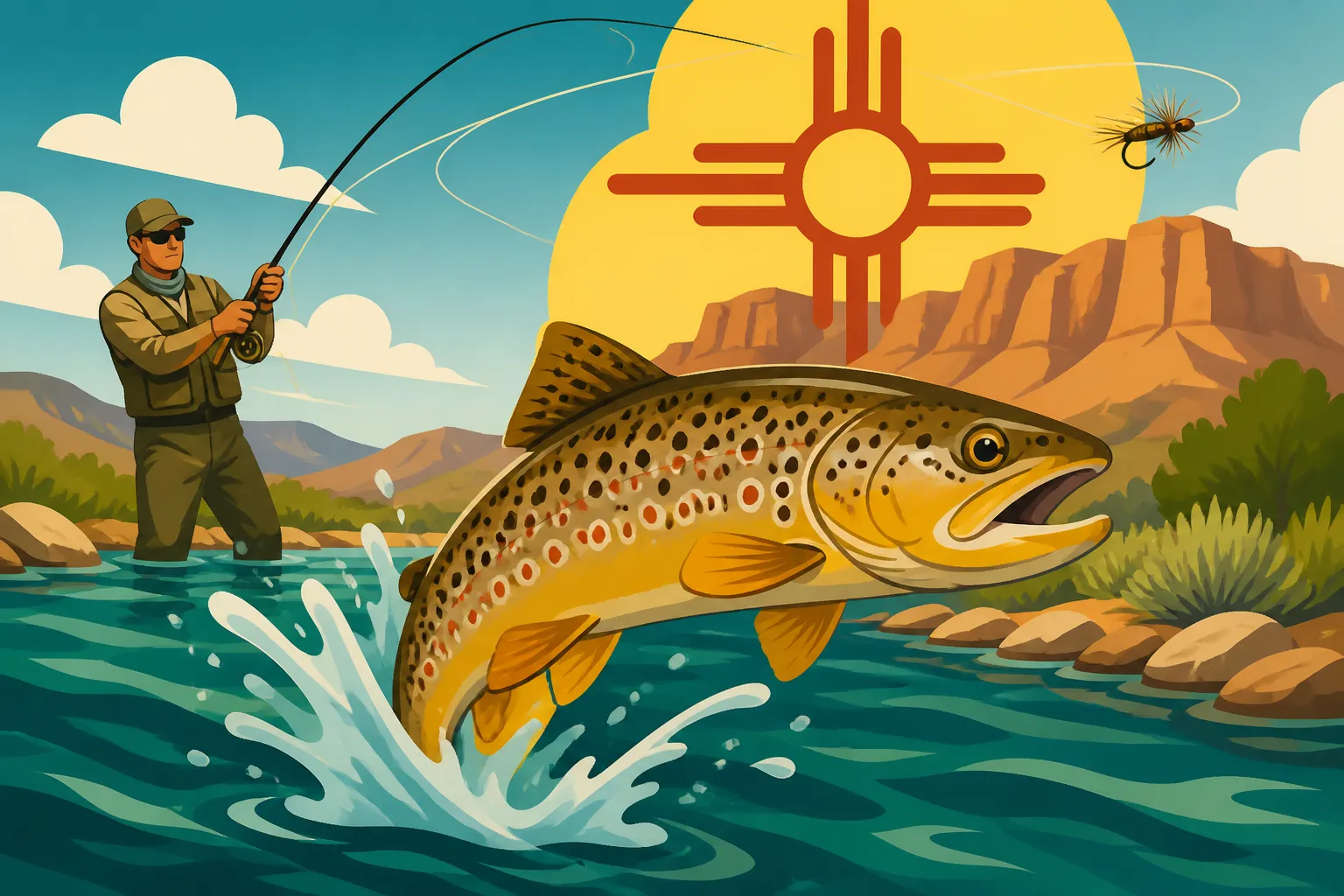
Brown Trout Fishing in New Mexico
Many anglers dream of the thrill of hooking a powerful, intelligent brown trout, but in New Mexico, these wily fish present a unique and exciting challenge. From the high-desert rivers to the tranquil mountain lakes, successfully targeting browns requires a deep understanding of their habits, preferred habitats, and specific techniques tailored to our diverse waters. This comprehensive guide is designed to empower you with the knowledge needed to unlock New Mexico's brown trout potential, turning those elusive encounters into unforgettable fishing memories.
Understanding Brown Trout in New Mexico
Brown trout ( Salmo trutta) are truly a remarkable species, renowned for their incredible fighting spirit, stunning beauty, and elusive nature. In New Mexico, they thrive in a variety of environments, but truly understanding their characteristics and preferences is key to finding and catching them. They are not native to North America, but they have established strong, wild populations in many of our colder waters, becoming a staple of the New Mexico fishing scene.
Biology and Characteristics of New Mexico Browns
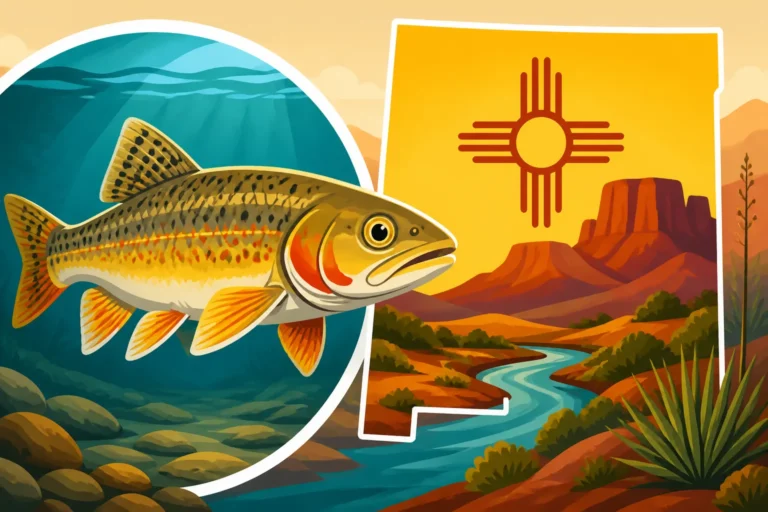
Unlike some of their trout cousins, brown trout are often characterized by their territorial and predatory behavior. They are visual predators, with a keen eye for subtle movements and an uncanny ability to discern natural prey from artificial offerings. Their coloration varies widely depending on their habitat and diet, ranging from silver-sided with faint spots in clear, open waters to dark, golden-brown with prominent red and black spots (often haloed with a lighter ring) when residing in tannin-stained rivers or darker lakebeds. This chameleon-like ability to blend into their surroundings is part of what makes them so difficult to spot and approach.
What truly sets brown trout apart is their longevity and potential for size. While rainbow trout are often stocked for put-and-take fisheries, brown trout tend to live longer, grow larger, and become much more wary with age. They're often referred to as "trophy" fish for a reason – a big brown trout has seen it all and isn't easily fooled. They are more tolerant of warmer water temperatures than some other trout species, which allows them to persist in some New Mexico rivers that might be too warm for rainbows during the peak of summer. This adaptability has allowed them to flourish in many of the state's diverse waterways, from high-altitude streams to larger, more stable rivers.
Natural Habitat Preferences
Brown trout are creatures of structure and current. In rivers and streams, you'll almost always find them near some form of cover that offers both protection from predators and a break from the main current, allowing them to ambush prey without expending too much energy. This includes deep pools, undercut banks, submerged logs, large boulders, and overhanging vegetation. They love areas where fast-moving water transitions into slower, deeper lies, creating natural feeding lanes where insects and small fish are funneled directly to them. Understanding these holding patterns is crucial.
In lakes and reservoirs, brown trout often gravitate towards similar types of structure but on a larger scale. They'll seek out submerged creek channels, rocky points, drop-offs, and areas with abundant aquatic vegetation. They are particularly fond of the cooler, deeper waters during warmer months, often moving into shallower feeding grounds only during low-light conditions or cooler weather. The presence of smaller baitfish like kokanee salmon or chub in a lake often correlates with larger, healthier brown trout populations, as these provide a rich food source. New Mexico offers a unique blend of these habitats, from the freestone rivers flowing out of the Sangre de Cristo Mountains to the large impoundments in the northern part of the state.
Life Cycle and Spawning in New Mexico
The life cycle of brown trout in New Mexico, particularly their spawning habits, significantly influences when and where you'll find them. Brown trout are fall spawners, typically laying their eggs from late October through early December, depending on water temperatures and specific location. During this period, mature brown trout will migrate upstream from lakes or larger river sections into smaller tributaries or shallower, gravelly riffles within the main river system. These areas, known as redds, are where the females excavate nests to deposit their eggs, which are then fertilized by males.
For anglers, the pre-spawn and spawn period is often a time of heightened activity, as the trout become more aggressive and focused on reproduction and feeding to build energy reserves. However, it's also a critical time for their survival, and responsible angling practices are paramount. Disturbing spawning redds or targeting actively spawning fish can severely impact future generations. Many areas have specific regulations during the spawn, including temporary closures or catch-and-release only rules. After spawning, the trout are often exhausted and vulnerable, taking time to recover their strength before returning to their regular feeding patterns. The eggs incubate through the winter, hatching in early spring, and the cycle continues.
Where to Find Brown Trout in New Mexico
New Mexico boasts an incredible variety of waters, and many of them hold thriving populations of brown trout. Knowing which waterways offer the best opportunities, and understanding the specific characteristics of those locations, will dramatically increase your chances of success. It's not just about finding water with browns; it's about finding the right water that aligns with their preferred habitat.
Premier Brown Trout Rivers
When it comes to river fishing for brown trout in New Mexico, a few names always rise to the top. These rivers offer prime conditions and have a reputation for producing quality fish.
- San Juan River: While the Quality Waters section below Navajo Dam is world-renowned for its monster rainbow trout, the sections below the Quality Waters and the upper stretches of the river system also hold strong populations of brown trout. These fish are often wild, incredibly wary, and fight like demons. The "Braids" section and downstream areas can offer excellent opportunities for browns that have migrated out of the highly pressured Quality Waters. You'll often find them lurking in deeper runs, behind large rocks, or under cut banks. Fishing pressure can be high here, so stealth and meticulous presentation are essential. If you're looking for more general information on this renowned fishery, check out our San Juan River Fishing Guide.
- Rio Grande: Stretching the length of the state, the Rio Grande offers diverse brown trout habitat. The upper stretches, particularly north of Española and through the Rio Grande Gorge, are cold, clear, and rocky, providing ideal conditions for browns. These areas are characterized by steep canyon walls, fast riffles, and deep pools. The brown trout here are typically wild, feisty, and perfectly adapted to the rugged environment. Access can be challenging in some gorge sections, requiring hiking, but the reward is often solitude and pristine fishing. Further downstream, as the river warms, brown trout become less common, but pockets can still exist. For a broader overview of this iconic river, consider reading our New Mexico Rio Grande Fishing Guide.
- Pecos River: Flowing out of the Sangre de Cristo Mountains, the Pecos River offers classic freestone trout fishing. Its headwaters and upper sections, within the Pecos Wilderness, are teeming with trout, including a healthy population of browns. These fish tend to be smaller in the higher, faster sections but are abundant and aggressive. As the river gains volume and slows slightly in certain areas, larger browns can be found holding in deeper pools and under brushy banks. The access points along Highway 63 offer a mix of easily reachable and more secluded spots, making it a favorite for many anglers.
- Rio Chama: Similar to the Pecos, the Rio Chama, especially its upper reaches and sections below El Vado and Abiquiu dams, provides excellent brown trout fishing. The sections directly below the dams are cold and nutrient-rich, creating prime conditions for strong trout populations. These tailwaters can be incredibly productive, with browns growing to impressive sizes by feeding on abundant insect life and baitfish. Access can sometimes be tricky depending on water releases, so it's always wise to check flow rates before heading out.
Lakes and Reservoirs Known for Browns
While rivers often get the spotlight for brown trout, New Mexico's lakes and reservoirs, especially those at higher elevations, can also hold some absolute giants.
- Heron Lake: Known for its kokanee salmon, Heron Lake also boasts a significant population of large brown trout. These browns often feed heavily on the abundant kokanee, leading to impressive growth rates. Trolling with spoons or stickbaits that imitate kokanee is a popular and effective method here. The lake's clear, deep waters provide excellent habitat for these apex predators. Due to its no-wake zones, it's also a peaceful place to fish. For more on this lake, see Heron Lake Fishing Guide.
- Eagle Nest Lake: Another high-altitude gem, Eagle Nest Lake is primarily known for its rainbow trout and kokanee, but it also has a strong contingent of brown trout. These browns can reach substantial sizes, often targeting the lake's abundant kokanee. Both boat and bank anglers can find success, particularly during the cooler months or in low-light conditions when the browns venture closer to shore or into shallower feeding grounds. Ice fishing here can also produce some surprising brown trout catches.
- Other High-Country Lakes: Many smaller, less-known high mountain lakes and reservoirs scattered throughout the Carson and Santa Fe National Forests contain self-sustaining populations of brown trout. These often require a hike to access, but the solitude and potential for a truly wild catch are well worth the effort. Names like Lake Maloya, Latir Lakes, and some of the Pecos Wilderness lakes are worth researching for the adventurous angler.
Identifying Promising Water
Once you're at a chosen location, knowing where in that water to cast your line is paramount. Brown trout are masters of efficiency and cover. Look for:
- Undercut Banks: These are classic brown trout lies. The bank provides overhead cover from birds of prey and predators, while the undercut creates a current break where they can hold and ambush prey.
- Large Boulders and Woody Debris: Any significant structure that breaks the current and offers a hiding spot is a potential brown trout haunt. Fish the seams and eddies created by these obstacles.
- Deep Pools and Runs: While browns will venture into shallower riffles to feed, their primary daytime holding spots, especially for larger fish, are often the deepest parts of a pool or a long, dark run.
- Transition Zones: Where fast water meets slow water, or where a riffle drops into a pool, baitfish and insects are often concentrated, making these prime feeding grounds for browns.
- Confluence of Streams: Where two streams meet, it creates a turbulent mixing of water and food sources, often attracting larger trout.
- Shade Lines: During bright days, brown trout will often hug the shade lines created by trees, bushes, or canyon walls.
By methodically targeting these areas, you're not just casting randomly; you're presenting your offering to where a brown trout is most likely to be holding, significantly improving your odds.
Best Times to Fish for Brown Trout in New Mexico
Timing is everything when it comes to consistently catching brown trout, especially in a state like New Mexico with its distinct seasons and varied water conditions. Understanding the seasonal movements and daily habits of these fish will give you a significant edge.
Seasonal Overview
Each season in New Mexico presents different opportunities and challenges for brown trout anglers.
- Spring (March – May): This can be a challenging but rewarding time. As winter ice melts and spring rains begin, rivers often experience runoff from snowmelt, leading to high, cold, and often turbid water. Brown trout, however, are resilient. Early spring, before the peak runoff, can be excellent as fish become more active after winter. Once runoff is in full swing, look for browns in slower, clearer side channels, eddies, and near the banks where the current is less severe. Fishing after runoff in New Mexico can also be highly productive once the water begins to clear. Big browns often feed aggressively on dislodged nymphs and worms.
- Summer (June – August): High summer can be tough for trout, especially in lower elevation rivers where water temperatures rise. Brown trout will seek refuge in cooler, deeper pools, tailwaters below dams, or high-elevation streams and lakes. Early mornings and late evenings are the best times to fish when temperatures are cooler and browns are more likely to be actively feeding. In larger lakes like Heron or Eagle Nest, they'll often go deep during the day. Focus on oxygenated water and shaded areas. Summer Fishing in New Mexico provides a good general overview of this season.
- Fall (September – November): This is arguably the best time of year for brown trout fishing in New Mexico. As water temperatures drop, brown trout become incredibly active, feeding aggressively in preparation for their spawning season. They become less wary and more willing to chase larger flies and lures. The vibrant fall foliage adds to the experience, making for some truly memorable days on the water. This is when you have the best chance at a true trophy brown. Our New Mexico Fishing Season Calendar can help you plan your trips around these prime times.
- Winter (December – February): Winter fishing for brown trout can be surprisingly productive, especially on tailwaters like the San Juan River, where water temperatures remain relatively constant. Browns will congregate in deeper, slower pools, seeking refuge from the cold. Their metabolism slows, but they still need to feed. Focus on very slow presentations with small nymphs, egg patterns, or tiny jigs. Ice fishing on lakes like Eagle Nest can also yield impressive browns for those willing to brave the cold. Check out Winter Fishing in New Mexico for more in-depth winter strategies.
Daily Timing and Weather Factors
Beyond the seasons, the time of day and prevailing weather conditions play a huge role in brown trout activity.
- Low Light Conditions: Brown trout are notoriously nocturnal, especially the larger ones. Dawn, dusk, and even legitimate night fishing can be incredibly effective, particularly during warmer months. During these times, big browns feel more secure venturing into shallower water to hunt baitfish or larger insect patterns. Overcast days, with their diffused light, can also extend good fishing periods throughout the day.
- Cloud Cover and Storms: Overcast skies or approaching storms often trigger increased feeding activity in brown trout. The reduced light penetration makes them feel more secure, and changes in barometric pressure can sometimes put fish on the bite. Just be mindful of safety during thunderstorms, especially in exposed river canyons.
- Post-Front Conditions: After a cold front passes, fishing can be tough as fish often become lethargic and less willing to feed. It might take a day or two for them to resume normal activity. During these times, slow down your presentation, downsize your offerings, and focus on deep, slow-moving water.
Impact of Water Conditions
Water conditions are paramount for brown trout success in New Mexico.
- Water Clarity: Brown trout are visual predators, but extremely clear water can make them incredibly spooky. Conversely, overly turbid water (e.g., during heavy runoff) can make it hard for them to find your offering. Ideal conditions are usually slightly stained or "off-color" water, which provides a bit of camouflage for both the fish and the angler.
- Water Temperature: Temperature is a major driver of trout metabolism. Brown trout prefer water temperatures between 45-65°F (7-18°C). In warmer water, they become stressed and lethargic, seeking cooler depths or springs. In very cold water, their activity slows, requiring slower presentations. Carrying a stream thermometer can be an invaluable tool.
- Flow Rates: River flow rates (measured in cubic feet per second, or CFS) significantly impact where fish hold and how they feed. High flows can push fish to the banks and into slower eddies. Low flows can make fish extremely wary and concentrate them in fewer, deeper pools. Websites like USGS often provide real-time flow data for major rivers, which is critical for planning your trip. For example, knowing how dam releases affect certain tailwaters can make or break a day on the San Juan River Special Trout Water Section.
By diligently observing and adapting to these seasonal, daily, and water conditions, you'll be well on your way to consistent success with brown trout in New Mexico.
Essential Gear for Brown Trout Fishing
Outfitting yourself properly is not just about having the right tools; it's about being prepared for the unique conditions that New Mexico's brown trout fisheries present. From rugged mountain streams to vast reservoirs, the right gear makes a huge difference in comfort, efficiency, and ultimately, success. You don't need to break the bank, but investing in quality essentials is always a good idea. Many anglers find reliable and affordable options for various items, from fly lines to rain gear, on platforms like Amazon.
Rods, Reels, and Line Choices
The specific setup you choose will largely depend on whether you prefer fly fishing or spin fishing, and the size of the water you're targeting.
- Fly Fishing Setups:
- Rods: For most New Mexico brown trout fishing, a 9-foot, 5 or 6-weight fly rod is a versatile choice. A 5-weight is excellent for smaller to medium streams and average-sized browns, offering a delicate presentation. A 6-weight provides more backbone for larger fish, windier conditions, or casting heavier streamers. If you're tackling big rivers like the Rio Grande or targeting truly large browns with heavy streamers, a 7-weight might be beneficial.
- Reels: A reliable reel with a smooth, adjustable drag system is crucial. It doesn't need to be overly expensive, but it should balance well with your rod and hold sufficient backing and fly line.
- Fly Line: Weight-forward floating lines are standard for most nymphing and dry fly applications. For streamer fishing, a sink-tip or full-sinking line can be incredibly effective for getting your offering down to where big browns lurk.
- Leaders and Tippet: Start with a 7.5 to 9-foot tapered leader (3X-5X, depending on water clarity and fly size). Carry spools of fluorocarbon tippet in various sizes (e.g., 3X, 4X, 5X) to match your leader and the conditions. Fluorocarbon is nearly invisible underwater and has good abrasion resistance. For specific river sections, like the San Juan, you might want to look into Best Leader Length for San Juan River Nymphing.
- Spin Fishing Setups:
- Rods: A 6 to 7-foot light or medium-light action spinning rod is ideal. This length offers good casting distance and sensitivity. The light action allows you to feel subtle bites and provides a good fight with smaller fish, while medium-light gives you more power for bigger browns or heavier lures.
- Reels: A quality spinning reel in the 1000 to 2500 size range, known for its smooth drag and reliable bail, is perfect. Look for models with a good retrieve ratio for quick lure action.
- Line: 4 to 8-pound test monofilament or fluorocarbon line is typically sufficient. Monofilament offers good knot strength and shock absorption, while fluorocarbon is less visible and more sensitive. Some anglers prefer braided line for its incredible sensitivity and casting distance, often paired with a fluorocarbon leader for stealth. For more specific recommendations, our guide on Best Rods and Reels for New Mexico Trout Fishing offers further insights.
Lures, Flies, and Bait Selection
What you tie on the end of your line will depend heavily on the season, water conditions, and the specific river or lake you're fishing. Brown trout are opportunistic feeders, but they can also be incredibly selective.
- Fly Fishing:
- Streamers: Large brown trout are piscivorous (fish-eating), making streamers incredibly effective. Patterns like Woolly Buggers (olive, black, brown), articulated streamers (Sex Dungeons, Sculpzillas), and Clouser Minnows are excellent. Vary colors and sizes.
- Nymphs: Throughout the year, brown trout feed heavily on subsurface insects. Carry a variety of nymphs including Pat's Rubber Legs, Pheasant Tails, Hare's Ears, Copper Johns, and San Juan Worms in different sizes and weights. Midge patterns are also crucial on tailwaters. Learning How to Tie a San Juan Worm Fly can be a game-changer.
- Dry Flies: While browns are often subsurface feeders, during active hatches, they will rise to dry flies. Carry attractor patterns (Chubby Chernobyl, Stimulator) and imitative patterns (Elk Hair Caddis, Parachute Adams, BWO, midges) to match the hatch.
- Egg Patterns: Especially effective during and immediately after the fall spawn, these imitate loose trout eggs and can be irresistible to opportunistic browns.
- Spin Fishing:
- Spinners: Classic inline spinners like Mepps, Panther Martins, and Rooster Tails in various sizes (1/8 to 1/4 oz) and colors (silver, gold, black, brown) are highly effective, especially in moving water.
- Spoons: Small casting spoons (Kastmasters, Thomas Buoyants) mimic baitfish and are great for both rivers and lakes.
- Plugs/Stickbaits: Floating or diving minnow imitations (Rapala, Rebel) can trigger aggressive strikes from larger browns, particularly when trolled in lakes or retrieved in river pools.
- Jigs: Small marabou jigs or soft plastic swimbaits rigged on jig heads can be deadly when slowly worked along the bottom, especially in deep pools or lake structure.
- Bait: For bait fishing, natural offerings like nightcrawlers, salmon eggs, or power bait can be very effective, especially for freshly stocked or less pressured fish.
- For comprehensive options, looking for a selection of Best Lures for New Mexico Trout on Amazon can be a good starting point.
Wading Gear and Other Essentials
Beyond your rod and reel, several other items are critical for a successful and comfortable brown trout fishing trip.
- Waders and Wading Boots: If you plan to wade in rivers, breathable chest waders are essential for comfort and warmth, paired with sturdy wading boots (felt or rubber soles, sometimes with studs for extra grip). Given New Mexico's diverse riverbeds, good traction is vital. Our Best Waders for New Mexico Rivers guide has more information.
- Landing Net: A catch-and-release friendly net with a rubberized basket is invaluable. It protects the fish's slime coat and fins, making for a safer release.
- Pliers/Forceps: Essential for safely removing hooks from fish, especially when practicing catch and release. Barbless hooks make this much easier.
- Polarized Sunglasses: These are non-negotiable. They cut glare, allowing you to see into the water, spot fish, and identify underwater structure. They also protect your eyes from hooks and UV rays. You can find a wide range of polarized sunglasses on Amazon.
- Fishing Vest/Pack: A comfortable way to carry all your flies, lures, tippet, tools, and other small essentials.
- Rain Gear: New Mexico's weather can change quickly, especially in the mountains. A lightweight, waterproof rain jacket and pants are highly recommended, even if the forecast looks clear. Again, Amazon offers many choices for reliable Best Rain Gear for New Mexico Monsoon Fishing.
- First-Aid Kit: Always a good idea to have basic medical supplies on hand.
- Water and Snacks: Stay hydrated and energized, especially on longer excursions.
- Sun Protection: High altitude sun is intense. Wear a wide-brimmed hat, use sunscreen, and consider sun gloves and sun shirts.
Being well-equipped not only makes your fishing more enjoyable but also increases your chances of connecting with those elusive New Mexico brown trout.
Effective Techniques for Catching Brown Trout
Brown trout are known for their intelligence and wariness, making them a captivating target for anglers. Successfully catching them often requires a nuanced approach, combining knowledge of their habits with precise presentation techniques. Whether you prefer the artistry of fly fishing or the versatility of spin fishing, there are proven methods to entice these beautiful fish.
Fly Fishing Strategies
Fly fishing for brown trout in New Mexico offers a diverse range of techniques, each suited to different conditions and feeding behaviors.
- Nymphing: This is arguably the most consistent method for catching brown trout year-round, as they feed primarily subsurface. The key is to present your nymphs at the correct depth and drift them naturally, imitating a dislodged insect or one slowly drifting with the current.
- Indicator Nymphing: Using a strike indicator (bobber) allows you to detect subtle bites and control the depth of your flies. A common setup involves two nymphs, often a heavier "point" fly and a smaller "dropper" fly, separated by 12-18 inches of tippet. The indicator helps you maintain a drag-free drift. This technique is highly effective on rivers like the San Juan, where fish are often feeding on specific midge or mayfly nymphs.
- Euro Nymphing (Contact Nymphing): This technique involves no indicator, using a specialized long, light rod and often a sighter line to detect strikes by feel and subtle line movements. It allows for incredibly precise depth control and direct contact with your flies, making it deadly in turbulent water or for very finicky fish. It's particularly useful in pocket water or targeting specific seams where browns hold.
- Rigging: Remember to use split shot or weighted flies to get your nymphs down quickly to the fish's feeding lane. For more detailed insights, you might find our Nymph Fishing on the San Juan River guide helpful.
- Streamer Fishing: Large brown trout are often top predators, readily attacking baitfish. Streamer fishing is all about imitating these forage fish and eliciting an aggressive, territorial strike.
- Presentation: Cast streamers across or slightly upstream, allowing them to swing and sink, then retrieve them with erratic strips and pauses. Experiment with retrieve speed – sometimes a fast, aggressive strip is best, other times a slow, deliberate retrieve with long pauses.
- Target Areas: Focus on deep pools, undercut banks, woody debris, and the confluence of currents where baitfish might be congregating. This method is particularly effective in fall when browns are bulking up for the spawn.
- Equipment: Use a heavier rod (6-7 weight) and often a sink-tip or full-sinking line to get your streamers deep quickly.
- Dry Fly Fishing: While less consistent than nymphing or streamer fishing, catching a brown trout on a dry fly is one of fly fishing's most rewarding experiences.
- Matching the Hatch: The most crucial aspect of dry fly fishing is identifying what insects are hatching and presenting a fly that closely mimics their size, shape, and color. Mayflies, caddis, and stoneflies are common hatches in New Mexico.
- Presentation: Focus on achieving a drag-free drift. Cast upstream and allow the fly to float naturally over suspected fish lies. Keep your leader and tippet as light as possible to ensure a delicate presentation and minimize spooking wary fish.
- Timing: Dry fly action is often best during peak hatch times, which can be sporadic throughout the day, but often occur in the mornings or evenings. Overcast days with light rain can also be excellent for dry fly fishing. Our Dry Fly Fishing in New Mexico article delves deeper into this exciting technique.
Spin Fishing Approaches
Spin fishing offers incredible versatility and is a highly effective way to target brown trout, especially for anglers who prefer a more active, casting-and-retrieving style.
-
Casting Lures: This is a dynamic and exciting way to fish for browns.
- Spinners and Spoons: Cast upstream or quartering upstream and retrieve at a speed that allows the blade or spoon to flutter enticingly without excessive spinning. Experiment with pauses and twitches. In lakes, cast towards structure and retrieve with varied speeds.
- Plugs/Crankbaits: These are excellent for larger browns. Cast them to cover and retrieve, allowing them to dive to their advertised depth. Twitching the rod tip can add an irresistible action. For trolling in lakes, vary your speed and depth to find active fish.
- Jigs and Soft Plastics: Work these slowly along the bottom, mimicking injured baitfish or crawfish. Jigging can be particularly effective in deep pools or lake drop-offs. Let the jig sink, then lift and drop your rod tip, retrieving slack as you go.
-
Drift Fishing with Bait: This is a more traditional and often very effective method, particularly in rivers.
- Setup: Use a minimal amount of weight (split shot or an egg sinker) to get your bait to the bottom without excessive snagging. Rig your bait (nightcrawlers, salmon eggs, power bait) on a small, sharp hook.
- Presentation: Cast upstream and allow your bait to drift naturally with the current, tumbling along the bottom. Keep a tight line to feel subtle bites. Focus on seams, eddies, and the slower edges of runs. This technique can be deadly for browns holding in deep pockets.
-
Reading the Water and Presentation: Regardless of your chosen method, successful brown trout fishing hinges on two critical elements:
-
Stealth: Brown trout are incredibly wary. Approach fishing spots quietly, minimize casting shadows over the water, and avoid bright clothing. Make your first cast count – it's often your best chance at an unspooked fish.
-
Understanding Current: In rivers, learn to "read the water." Identify seams where fast water meets slow, current breaks behind obstacles, and the deep, dark pockets that scream "big brown." Your presentation should mimic natural food items, drifting or swimming with the current in a believable manner.
-
Retrieve and Mend: For spin fishing, vary your retrieve speed and add pauses or twitches. For fly fishing, master the "mend" to control your line and achieve a drag-free drift with your nymphs or dry flies.
-
Targeting Structure: Always aim for areas with cover. Cast beyond your target and retrieve through it, allowing your lure or fly to enter the fish's strike zone naturally.
Mastering these techniques and applying them with patience and observation will elevate your brown trout fishing in New Mexico from hopeful casting to consistent success.
Conservation and Regulations for Brown Trout
As responsible anglers, our role extends beyond simply catching fish; it involves protecting the resource for future generations. Brown trout populations in New Mexico, especially wild, self-sustaining ones, are valuable and require our respect and adherence to specific regulations. Understanding and practicing conservation is key to ensuring these fisheries remain vibrant.
New Mexico Specific Rules
New Mexico's fishing regulations are designed to manage fish populations and protect sensitive species, including brown trout. These rules can vary significantly by location, so always consult the most current New Mexico Fishing Proclamation from the New Mexico Department of Game and Fish before you head out.
- Bag and Possession Limits: While brown trout often fall under general trout limits, some waters may have specific regulations for brown trout that differ from rainbow or cutthroat. For example, some "Quality Waters" or "Special Trout Waters" might have reduced bag limits, size restrictions (e.g., slot limits where only fish within a certain size range can be kept, or minimum/maximum sizes), or even catch-and-release only rules for all trout, including browns. It's crucial to know the specific rules for the stretch of river or lake you are fishing. For general trout limits, see New Mexico Trout Bag and Possession Limits.
- Gear Restrictions: Certain waters, particularly special trout waters, may have gear restrictions in place to promote catch-and-release and reduce harm to fish. These often include:
- Artificial Lures/Flies Only: Prohibiting bait (worms, corn, PowerBait) and allowing only artificial flies or lures.
- Barbless Hooks: Requiring barbless hooks, which makes hook removal easier and causes less damage to the fish's mouth. Many anglers pinch down the barbs on their hooks with pliers.
- Single Point Hooks: Restricting lures to only single-point hooks, rather than treble hooks.
- Habitat Stamp and License Requirements: Almost all anglers 12 years and older need a valid New Mexico fishing license and often a New Mexico Habitat Management and Access Validation (sometimes called a Habitat Stamp) to fish on public lands. There are specific license requirements for residents and non-residents, and certain exemptions may apply. This is crucial to understand before casting a line. You can learn more through our New Mexico Fishing License Guide or specific articles like New Mexico Habitat Stamp Cost and Requirement. Fishing without these valid documents can result in significant penalties.
Always double-check the current year's proclamation for any updates or temporary closures that might affect your planned fishing trip. Ignorance of the law is never an excuse.
Catch and Release Best Practices
Many brown trout fisheries, especially those with wild or trophy-sized fish, benefit greatly from catch-and-release practices. Even if keeping fish is allowed, consider releasing larger browns to ensure they can contribute to future spawning.
- Minimize Handling: The less you handle a fish, the better. Try to keep the fish in the water as much as possible. Wet your hands before touching the fish to protect its delicate slime coat, which is vital for preventing disease.
- Use Barbless Hooks: As mentioned, barbless hooks make removal quick and easy, minimizing stress and injury to the fish.
- Quick Hook Removal: Use forceps or pliers to quickly and gently remove the hook. If the fish is deeply hooked, especially in the gills or throat, it's sometimes better to cut the line as close to the hook as possible rather than tearing internal organs.
- Support the Fish: When holding a fish for a quick photo, support its body horizontally with both hands. Never hold a large fish vertically by its jaw, as this can damage its internal organs and spine. Keep it out of the water for only a few seconds.
- Revive Gently: If the fish seems lethargic after release, hold it gently in the current (facing upstream) until it regains its strength and swims away on its own. Avoid forcing it forward and backward, as this can disrupt water flow over its gills.
- Consider Water Temperature: In warm summer months, water temperatures can be lethal for trout. If the water is above 68°F (20°C), consider suspending your trout fishing or focusing on cooler, higher elevation waters, as even careful catch-and-release can be deadly due to heat stress. Our How to Keep Trout Cool and Alive for Catch and Release guide offers helpful tips.
Habitat Protection and Angler Ethics
Our actions on and off the water directly impact the health of brown trout habitats.
- Leave No Trace: Pack out everything you pack in, including fishing line, wrappers, and any trash. Leave the natural environment as pristine as you found it, or even better.
- Respect Private Property: A significant amount of prime fishing water in New Mexico is on private land. Always know where you are and respect private property boundaries. Obtain permission before accessing private property.
- Prevent Invasive Species: Clean, drain, and dry your waders, boots, boats, and gear between fishing different bodies of water to prevent the spread of aquatic invasive species, which can devastate native fish populations and habitats.
- Report Violations: If you witness poaching, pollution, or other violations, report them to the New Mexico Department of Game and Fish. Protecting the resource is a community effort.
By actively participating in conservation, we ensure that the thrilling experience of brown trout fishing in New Mexico will be available for many generations to come.
Common Challenges and How to Overcome Them
Brown trout are charismatic but challenging fish, and New Mexico's diverse environment only adds to the complexity. Every angler faces hurdles, but anticipating them and having strategies to overcome them is what separates a frustrating day from a successful one.
Finicky Feeders and Educated Fish
One of the most common frustrations when targeting brown trout, especially in popular waters, is their uncanny ability to ignore seemingly perfect presentations. Larger browns, in particular, become incredibly wary over time.
- Problem: You're seeing fish, but they're refusing your offerings. They might follow your fly or lure but turn away at the last second. This often happens in clear water or areas with high fishing pressure.
- Overcoming It:
- Downsize: When fish are picky, often the solution is to go smaller. Try a smaller fly, a tiny spinner, or a more subtle soft plastic.
- Lighten Your Tippet/Leader: Reduce your tippet or leader strength to 5X, 6X, or even 7X. This makes your line less visible and allows your fly or lure to move more naturally. Fluorocarbon tippet is excellent for its low visibility.
- Change Presentation: If your drift isn't perfectly natural, or your retrieve is too fast/slow, fish will notice. For fly fishing, focus on achieving a drag-free drift. For spin fishing, vary your retrieve, adding pauses, twitches, or changes in speed.
- Change Flies/Lures: If one pattern isn't working, don't be afraid to change. Try different colors, profiles, or even completely different types of offerings. Sometimes a subtle change, like adding a bit of flash, can make all the difference.
- Match the Hatch (or Forage): Observe what natural food sources are present. Are there tiny midges hatching? Small baitfish fleeing? Try to imitate what the fish are currently eating.
- Fish During Low Light: As mentioned, large browns are often more aggressive and less wary at dawn, dusk, or even at night. This is a prime time to use larger, more aggressive patterns.
Dealing with Extreme Weather
New Mexico's weather can be a tale of extremes, from scorching summer sun to freezing winter blizzards. These conditions directly impact fish behavior and angler comfort.
- Problem: High Summer Temperatures: Hot air often means warm water, which stresses trout. Fish become lethargic and seek refuge.
- Overcoming It:
- Fish Early/Late: Focus your efforts on the cooler parts of the day – pre-dawn, dawn, and dusk.
- Seek High Elevation: Head to mountain streams and lakes where water temperatures remain colder.
- Target Tailwaters: Rivers below large dams (like the San Juan) release cold water from the bottom of the reservoir, maintaining stable, cold temperatures even in summer.
- Go Deep: In lakes, browns will often seek refuge in deeper, cooler thermoclines. Use sinking lines or weighted lures to get your offering down to them.
- Prioritize Catch & Release: If water temperatures are above 68°F (20°C), consider not targeting trout, or practice extreme care with catch and release, minimizing fight time and handling.
- Problem: Winter Cold and Ice: Freezing temperatures, ice on the guides, and numb fingers can make fishing miserable.
- Overcoming It:
- Dress in Layers: Invest in good quality base layers, insulating mid-layers, and waterproof/windproof outer layers. Merino wool or synthetics are far better than cotton. For more on this, see Staying Warm on Cold Tailwater Mornings.
- Protect Your Hands: Insulated, waterproof gloves or fingerless gloves are essential. Hand warmers can be a lifesaver.
- Fish Tailwaters: As with summer, tailwaters offer more consistent, fishable conditions, often remaining ice-free.
- Consider Ice Fishing: If lakes freeze, embrace Ice Fishing in New Mexico! Proper gear like an auger, shelter, and warm clothing makes it an enjoyable way to catch winter browns.
- Problem: Wind: New Mexico is often windy, which makes casting difficult, creates line drag, and can make boat control a nightmare.
- Overcoming It:
- Adjust Casting: For fly fishing, learn a "double haul" to punch lines through the wind. For spin fishing, use heavier lures that cast better.
- Fish with the Wind: Position yourself so the wind is at your back or quartering to your back to aid casting distance.
- Seek Shelter: Look for sheltered coves on lakes or sections of rivers protected by canyon walls or dense vegetation.
- Use a Kayak/Boat with Anchor: If fishing from a small craft, a sturdy anchor or even a shallow-water anchor can help maintain position against the wind. Kayaks on windy reservoirs can be challenging without proper anchoring systems. Best Kayak Anchor for Windy Reservoirs can provide insight.
Navigating Difficult Terrain
Many of New Mexico's best brown trout waters are in remote, rugged, or challenging terrain, making access a significant barrier.
- Problem: Steep canyon trails, slippery riverbeds, long hikes, or dense riparian vegetation.
- Overcoming It:
- Appropriate Footwear: Sturdy hiking boots for trails and wading boots with good grip (felt or studded soles) for riverbeds are essential. A wading staff can provide crucial stability.
- Physical Fitness: Many prime spots require significant hiking. Be honest about your fitness level and plan accordingly.
- Map and GPS: Carry a physical map and compass, along with a GPS device or a reliable mapping app on your phone (with downloaded offline maps) for remote areas. Tell someone where you're going and when you expect to return.
- Lightweight Gear: For long hikes, a minimalist approach to gear can make a huge difference. Consider a fishing backpack rather than a heavy vest.
- Scout Ahead: If possible, use satellite imagery (like Google Earth) to identify potential access points and terrain challenges before you go.
By being prepared for these common challenges, you can turn potential setbacks into opportunities, enhancing your brown trout fishing adventures in New Mexico.
Local Tips and Tricks for Success
Beyond the general techniques and gear, gaining an edge in brown trout fishing often comes down to tapping into local knowledge and making shrewd observations. New Mexico's specific conditions mean that a few nuanced approaches can greatly improve your success rate.
Hiring a Local Guide
One of the fastest and most effective ways to accelerate your learning curve and increase your chances of catching brown trout, especially trophy-sized ones, is to hire a local fishing guide.
- Benefits of Local Knowledge: A good guide lives and breathes the local waters. They know the current conditions – water flows, clarity, recent hatches, and where the fish are holding today. They'll have intimate knowledge of specific runs, pools, and bends in the river that hold the best fish, often spots that take years for an individual angler to discover.
- Technique Refinement: Guides are expert teachers. They can help you refine your casting, perfect your drift, and instruct you on the subtle nuances of presentation that make all the difference for wary brown trout. They'll also know which flies or lures are currently most effective.
- Access and Safety: Many guides have permits for accessing specific sections of rivers or lakes that might be difficult for the general public to reach. They also understand the local terrain and weather, enhancing your safety, particularly in remote areas.
- Gear and Equipment: A guided trip often includes high-quality gear – rods, reels, and a selection of proven flies or lures – saving you the cost and hassle of bringing or buying everything yourself. This is an excellent way to try out new gear before committing to a purchase.
- Focused Learning: Rather than spending precious fishing time figuring things out, a guide allows you to focus solely on fishing and learning, maximizing your time on the water. This is particularly valuable on complex fisheries like sections of the Rio Grande or the Pecos.
While an investment, a day with a reputable guide can shave years off your learning process and provide an unforgettable experience, often resulting in a new personal best brown trout.
Connecting with Local Fly Shops and Bait Shops
Even if a guide isn't in your budget, local fly and bait shops are treasure troves of up-to-the-minute information and advice. These shops are often staffed by passionate local anglers who want to see you succeed.
- Current Conditions Reports: Before heading to a particular river or lake, call or stop by a local shop. They can tell you about recent flows, water clarity, what's been hatching, and where the fish have been biting. This information is far more current than anything you'll find online days or weeks in advance.
- Hot Flies and Lures: Shop staff will know exactly which specific patterns, sizes, and colors are currently performing best. This can save you hours of trial and error on the water. They can help you stock your fly box with relevant patterns like Fly Patterns Worth Carrying for the San Juan River.
- Gear Recommendations: They can offer advice on local gear needs, from the right waders for a rocky riverbed to the perfect leader length for a specific lake. You might even find some specialized tools or tackle that aren't widely available.
- Access Information: They can often provide directions to specific access points, parking, and warn you of any current closures or difficult terrain.
- Community Connection: Becoming a regular at a local shop can open doors to local fishing clubs, forums, and a network of fellow anglers who share their experiences and passion.
Always be respectful of their time and knowledge. Consider buying a few flies or a local map to show your appreciation for their invaluable advice.
Observing Insect Hatches and Forage
Brown trout are incredibly tuned into their environment, especially their food sources. Learning to observe and adapt to what they're eating is a hallmark of a successful angler.
- Matching the Hatch (Fly Fishing):
- Look for Rises: If you see fish rising to the surface, that's your first clue. Watch for the size, color, and behavior of the insects. Are they tiny midges? Larger mayflies? Caddis skittering across the surface?
- Collect Samples: If possible, carefully scoop a few insects from the water (a small net is useful) to get a precise match for your fly pattern.
- Subsurface Focus: Even if fish aren't rising, hatches mean a lot of nymphs and emergers are active underwater. Try nymphing with patterns that imitate the subsurface stages of the insects you expect to hatch or have seen fluttering around.
- Imitating Forage (Spin Fishing and Streamers):
- Observe Baitfish: In lakes and larger rivers, brown trout frequently feed on baitfish like minnows, dace, or even juvenile kokanee salmon. Look for schools of baitfish or signs of predatory fish chasing them.
- Match Size and Profile: Choose lures and streamers that mimic the size, shape, and color of the local forage. If there are silver-sided minnows, use a silver spoon or a light-colored streamer. If kokanee are present, a red-orange spoon or plug can be deadly.
- Mimic Behavior: Retrieve your lures in a way that imitates an injured or fleeing baitfish – erratic strips, pauses, and sudden bursts of speed can trigger a brown's predatory instinct.
- Crawfish and Worms: Don't forget larger food sources. Crawfish are a staple for many big browns in rocky rivers and lakes. Worms, especially after rain, are also highly effective natural bait. Consider using crawfish-imitating jigs or soft plastics, or drift natural nightcrawlers.
By paying close attention to these ecological cues and adapting your approach accordingly, you'll be speaking the brown trout's language, making your offerings far more appealing and increasing your chances of connecting with these magnificent fish.
| Best Season | Primary Technique | Recommended Flies/Lures | Key Locations | Notes |
|---|---|---|---|---|
| Spring | Nymphing, Bait Fishing | Pat's Rubber Legs, San Juan Worms, Copper Johns, Nightcrawlers | Slower sections of Pecos, Rio Chama; below dams | Watch for runoff; fish edges & seams |
| Summer | Deep Nymphing, Small Streamers, Trolling Lures | Pheasant Tail, Midge patterns, small Woolly Buggers, Kokanee-imitating spoons | High mountain lakes (Heron, Eagle Nest), San Juan tailwater | Focus on early/late day, deepest water |
| Fall | Streamer Fishing, Nymphing, Egg Patterns | Articulated Streamers, Woolly Buggers, Egg patterns, Rapala-style plugs | Rio Grande Gorge, Pecos, Rio Chama, Heron Lake | Prime time for aggressive, pre-spawn browns |
| Winter | Deep Nymphing, Slow Jigging | Midge patterns, small Stoneflies, Egg patterns, tiny jigs | San Juan tailwater, deeper lake sections (ice fishing) | Slow presentation, focus on deep pools & slow runs |
Disclaimer
This article is for general informational purposes only and does not constitute professional advice. Laws, prices and regulations vary by location and change over time. Consult a qualified professional for guidance on your specific situation.