Native Fish Found Only in New Mexico
It’s easy to get caught up in the excitement of fishing for the big, common species in New Mexico's waters – the hefty walleye in Conchas Lake, the abundant rainbow trout in the San Juan River, or the hard-fighting striped bass at Elephant Butte. But for many dedicated anglers, there's a deeper, almost reverent pull towards the truly unique fish that call New Mexico home. Many people wonder if there are any fish species you can only find right here in the Land of Enchantment. While some species might technically have historical ranges that slightly extend beyond our borders, New Mexico is undeniably the critical stronghold for certain genetically distinct and culturally significant native fish. This guide will dive into these special species, focusing on their unique status and the importance of their preservation within our state.
The Iconic Rio Grande Cutthroat Trout
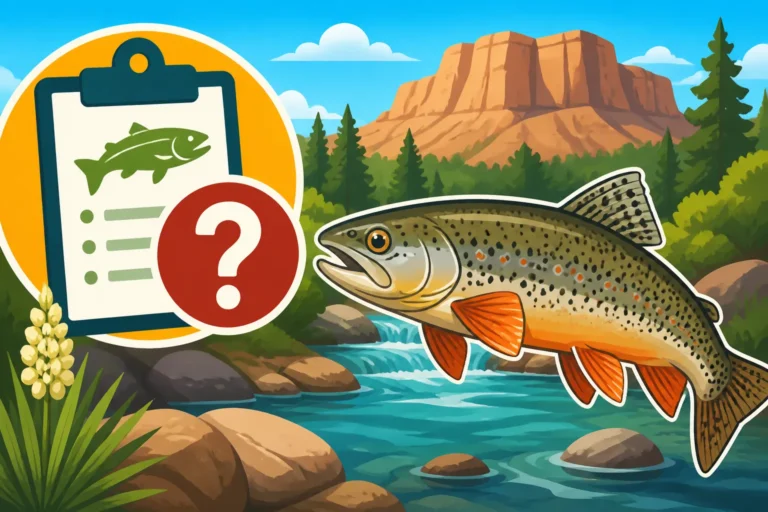
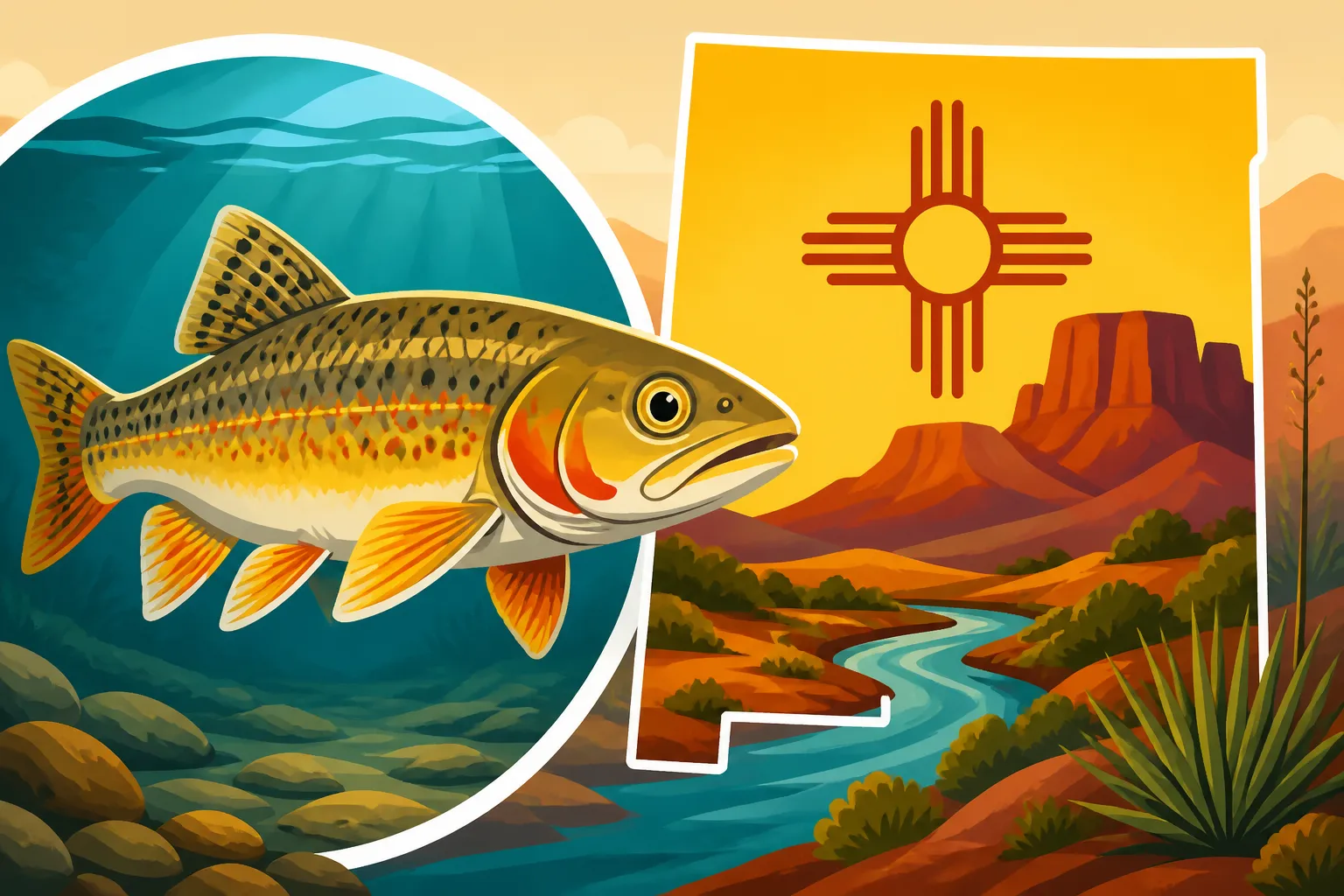
When we talk about fish that are intrinsically linked to New Mexico, the Rio Grande Cutthroat Trout immediately springs to mind. This isn't just another trout; it's our official state fish, a living symbol of the high mountain streams and pristine waters of the northern part of the state. Its connection to New Mexico runs deep, defining a significant part of our aquatic heritage.
A Striking Appearance and Unique Lineage
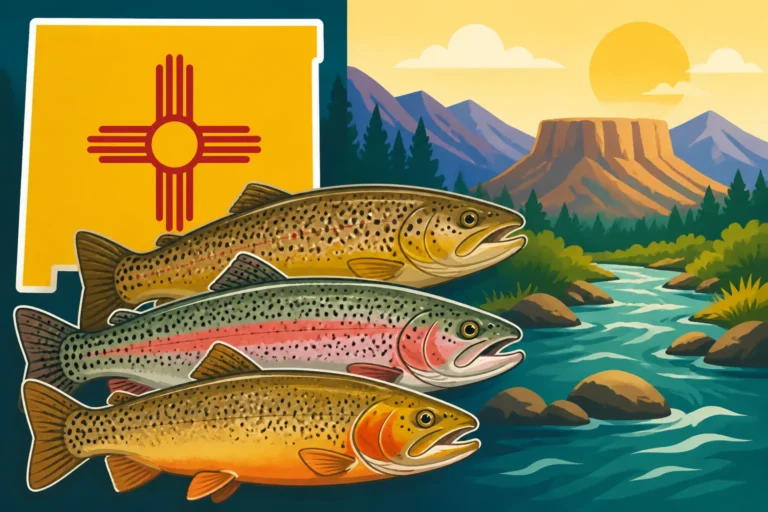
The Rio Grande Cutthroat Trout is truly a beauty to behold. Often displaying vibrant colors, it boasts an olive-green to yellowish-brown back, fading into golden-yellow sides and a lighter belly. Its body is typically adorned with distinct black spots, which are usually larger and more concentrated towards the tail. The most defining feature, of course, are those brilliant red-orange slashes beneath its lower jaw, giving all cutthroat species their name. What sets the Rio Grande Cutthroat apart in particular is its unique genetic lineage, adapted over millennia to the specific conditions of the Rio Grande drainage system. When you're out there, a good pair of polarized sunglasses, maybe even a pair you picked up on Amazon, can really help you spot these beauties in the clear mountain streams.
These trout are not just about looks; they are a testament to adaptation. They thrive in the cold, clear, well-oxygenated waters of high-elevation streams and mountain lakes. Their diet often consists of aquatic insects, terrestrial insects that fall into the water, and small baitfish, reflecting the rich biodiversity of their native habitats. Catching one is often considered a spiritual experience for anglers who appreciate the wildness of these native fish.
Critical Habitats and Conservation Efforts
Historically, the Rio Grande Cutthroat Trout roamed widely across the Rio Grande basin in New Mexico and southern Colorado. However, much like many native species, their populations have faced severe declines due to habitat loss, hybridization with non-native trout (especially rainbow trout), and competition from other introduced species like brown trout. Today, genetically pure populations are much more restricted, often found in isolated headwater streams in places like the Pecos Wilderness and parts of the Carson National Forest.
Conservation efforts for the Rio Grande Cutthroat Trout in New Mexico are ongoing and incredibly important. These efforts include identifying and protecting pure strains, removing non-native fish from critical habitats, and restoring degraded stream ecosystems. For anglers, practicing Catch and Release Best Practices in New Mexico is vital when targeting these delicate fish. The goal is not just to maintain existing populations but to expand their range, ensuring their survival for future generations of New Mexicans. These initiatives are often a collaboration between state agencies, federal partners, and conservation groups, all working together to protect this precious natural resource.
The Resilient Gila Trout
Another gem that truly embodies the spirit of New Mexico's unique aquatic ecosystems is the Gila Trout. Named after the Gila River, the vast wilderness area in southwestern New Mexico that serves as its primary stronghold, this species has a remarkable story of survival and recovery.
A Golden Hue and a Tough Spirit
The Gila Trout is a relatively small, slender fish, typically ranging from a golden-yellow to a brassy olive color, often with dark spots concentrated on its back and upper sides. Its fins might show a yellowish tint, and while it doesn't always have the prominent red slash of its cutthroat cousins, a faint yellow or orange mark might be present under the jaw. Their appearance often blends seamlessly with the rocky, sandy bottoms of the streams they inhabit, making them quite elusive.
These trout are specially adapted to the warmer, often intermittent flows of the desert and mountain streams in the Gila and San Francisco River drainages. Unlike the typically larger and more aggressive non-native trout, Gila Trout are more delicate, feeding on aquatic and terrestrial insects. Their existence is a testament to resilience, having survived in challenging environments where water can be scarce and temperatures can fluctuate dramatically. For those interested in learning more about the specific features to look for, there are some fantastic regional field guides available on Amazon that can help with How to Identify a Rio Grande Cutthroat Trout and Gila Trout.
A Conservation Success Story
The Gila Trout faced a much graver threat than even the Rio Grande Cutthroat. By the mid-20th century, due to habitat degradation, past logging practices, cattle grazing, and hybridization with rainbow trout, the Gila Trout was driven to the brink of extinction. It was listed as an endangered species, a stark reminder of how quickly native populations can disappear.
However, thanks to intensive, multi-agency conservation efforts, the Gila Trout has made a remarkable comeback. Programs focused on habitat restoration, barrier construction to prevent hybridization, and careful reintroductions of genetically pure populations into historical waters have allowed the species to recover significantly. Today, while still considered a threatened species, limited angling opportunities exist in certain waters, allowing enthusiasts to experience fishing for this rare and precious fish. However, these opportunities come with very strict rules and often require a special permit in addition to a standard New Mexico Fishing License Guide. Knowing Where You Can Legally Fish for Gila Trout and understanding the Gila Trout Bag Limit in New Mexico is absolutely critical.
Other Native Fish with Deep New Mexico Roots
While the Rio Grande Cutthroat and Gila Trout are perhaps the most celebrated "local heroes," New Mexico's waters are home to a diversity of other native fish species, many of which are unique in their own right, even if their ranges extend into neighboring states. These fish contribute significantly to the ecological balance and biological richness of our state.
The Nuance of "Found Only"
It's important to understand that the concept of a fish being "found only" in one state is often complex when dealing with wide-ranging river systems. However, species like the Rio Grande Cutthroat Trout and Gila Trout represent populations that are either endemic to major drainages significantly within New Mexico's borders or for which New Mexico holds the most critical remaining pure populations and conservation efforts. Their genetic distinctness and the ecological role they play here are what truly make them unique to our state's identity.
For example, while there are other types of cutthroat trout in the West, the Rio Grande Cutthroat Trout is distinct to the Rio Grande drainage, which is a huge part of our state. Similarly, the Gila Trout, while found in parts of Arizona, has its namesake wilderness right here in New Mexico, underscoring our state's profound connection to its survival. Many anglers seeking these special fish will embark on backcountry trips, where durable and lightweight gear, perhaps found on Amazon, becomes essential for navigating remote terrains to reach pristine waters.
Less Glamorous, But Equally Important Natives
Beyond the trout, New Mexico's native fish diversity includes species like various suckers (e.g., Rio Grande Sucker, Bluehead Sucker), chubs (e.g., Roundtail Chub, Speckled Chub), minnows, and dace. While not typically "game fish" that anglers target, these species are vital indicators of ecosystem health and play crucial roles in the food web. They form the base of the aquatic ecosystem, consuming algae and invertebrates, and in turn, becoming food for larger predators, including the native trout.
Their conservation is just as important, though often less publicized. Protecting their habitats means ensuring healthy rivers and streams for all aquatic life, which ultimately benefits the entire ecosystem. Understanding the full spectrum of Native Fish Species of New Mexico helps paint a complete picture of our state's unique biodiversity.
Fishing for New Mexico's Native Treasures
For many anglers, the opportunity to fish for a native species like the Rio Grande Cutthroat or Gila Trout is less about the size of the catch and more about the experience of connecting with the wilderness and participating in a legacy. It's about casting a line into a pristine mountain stream, knowing that the fish you might encounter has evolved in these very waters for thousands of years.
Special Regulations and Ethical Angling
Because of their conservation status, fishing for these native species often comes with specific regulations that differ from general statewide rules. For the Gila Trout, as mentioned, a special permit may be required, and fishing is strictly catch-and-release, often with barbless hooks only. This is detailed in specific guides such as New Mexico Special Trout Water Rules. For Rio Grande Cutthroat Trout, while sometimes found in general waters, many anglers choose to practice catch and release, especially for larger or particularly vibrant specimens, to help ensure their populations remain strong.
It's paramount to be a responsible and ethical angler when pursuing these fish. This means:
- Know the Regulations: Always consult the current New Mexico Fishing Regulations Overview before heading out, especially for specific waters known to hold native species. Rules can change to protect vulnerable populations.
- Practice Catch and Release: For many native trout, this is the best approach. Handle fish minimally, keep them in the water as much as possible, and use wet hands to avoid removing their protective slime coat. Learn How to Catch Gila Trout Without Harming the Population before you go.
- Use Appropriate Gear: Lighter tackle, fly fishing gear, or small, single barbless hooks often provide the best experience and minimize harm to the fish. Items like barbless hooks or specific fly patterns suitable for delicate presentations in clear water are readily available on Amazon.
- Respect Their Habitat: Stay on designated trails, pack out all trash, and be mindful of stream banks and riparian vegetation. These fragile ecosystems are home to more than just fish.
The Reward of the Chase
Fishing for New Mexico's native fish isn't always easy. Their habitats can be remote, requiring hikes into the backcountry, and their wary nature demands skill and patience. But the reward – a flash of golden scales, the brilliant red slash of a cutthroat, or the sheer satisfaction of knowing you've connected with a truly unique piece of New Mexico's natural history – is unparalleled. It's a reminder of the wild beauty that still exists in our state and our shared responsibility to protect it.
Conclusion: Guardians of the Gully
New Mexico is a land of incredible natural beauty and diverse ecosystems. Within its borders live fish that tell a story of ancient waters, geological change, and remarkable resilience. While the phrase "found only in New Mexico" might require a nuanced explanation, the Rio Grande Cutthroat Trout and Gila Trout unequivocally stand as our state's most iconic and deeply rooted native fish, species for which New Mexico is a vital sanctuary and the center of their continued existence. Their presence enriches our fishing experiences and serves as a powerful reminder of the importance of conservation. By understanding these unique fish and respecting their habitats, anglers can play a critical role in ensuring these living treasures continue to thrive in the Land of Enchantment for generations to come.
Disclaimer
This article is for general informational purposes only and does not constitute professional advice. Laws, prices and regulations vary by location and change over time. Consult a qualified professional for guidance on your specific situation.