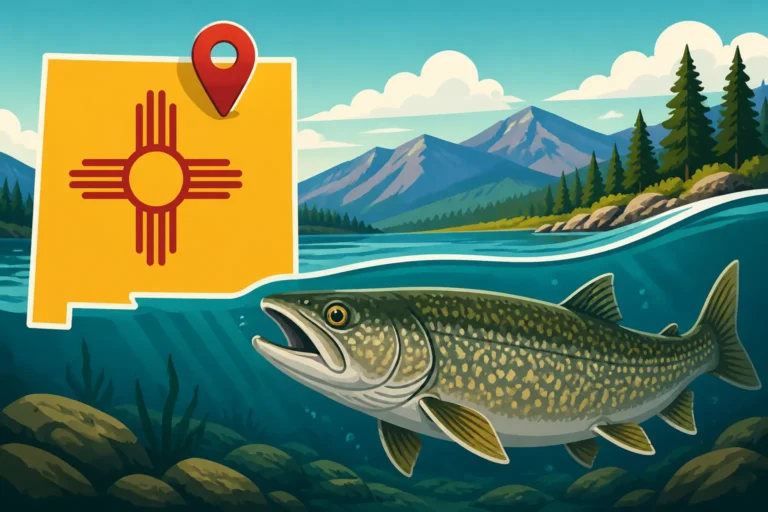
Fish Stocked in New Mexico Farm Ponds
For many folks in New Mexico, the dream of having a private fishing hole right on their property is a powerful one. There’s nothing quite like stepping out your back door and casting a line into a pond you’ve nurtured yourself. But if you’re looking to stock a farm pond in New Mexico, you might be scratching your head, wondering which fish species will thrive in our unique climate and how to even begin the process. This guide is here to demystify pond stocking, helping you choose the right fish and manage your private aquatic paradise effectively.
Popular Fish Species for Stocking New Mexico Farm Ponds
When it comes to stocking a private pond, the first question on everyone's mind is usually, "What fish should I put in it?" The answer really depends on your goals for the pond, the environmental conditions you have, and the amount of effort you're willing to put into management. New Mexico offers a range of options, from cold-water favorites like trout to hardy warm-water species.
Trout Varieties for Colder Ponds
If your farm pond has a reliable source of cold, clean water—perhaps from a spring, a consistent well, or a mountain runoff — then trout can be a fantastic option. They're a favorite among anglers for their fighting spirit and delicious taste.
- Rainbow Trout: These are perhaps the most common choice for stocking programs, both public and private. They grow relatively fast, are fairly tolerant of different conditions (though they still prefer colder water), and provide excellent sport. Rainbows do best in water temperatures that stay below 70°F, ideally much colder. If your pond gets too warm in the summer, you might face issues. A common scenario is someone with a small, deep spring-fed pond in northern New Mexico, where the water stays chilly year-round. They might stock rainbow trout fingerlings in the fall and enjoy fishing for them through the spring. You can learn more about specific angling approaches in Rainbow Trout Fishing in New Mexico.
- Brown Trout: While not as frequently stocked in smaller private ponds as rainbows, brown trout are also a viable option for colder waters, especially if you're looking for a more wary, challenging catch. They tend to be a bit more tolerant of slightly warmer water than rainbows, and they can grow quite large, offering a real trophy potential. However, they're also known for being a bit more elusive. If your pond is part of a stream system or has natural hiding spots, brown trout can flourish. Keep in mind that trout generally require good oxygen levels, so shallow ponds or those with heavy organic matter can struggle to support them.
Warm Water Game Fish for Diverse Ecosystems
For ponds that warm up significantly during New Mexico's hot summers, or for those looking for a more diverse fishery with self-sustaining populations, warm water species are often the way to go. These fish are generally more forgiving of fluctuating temperatures and varying water quality.
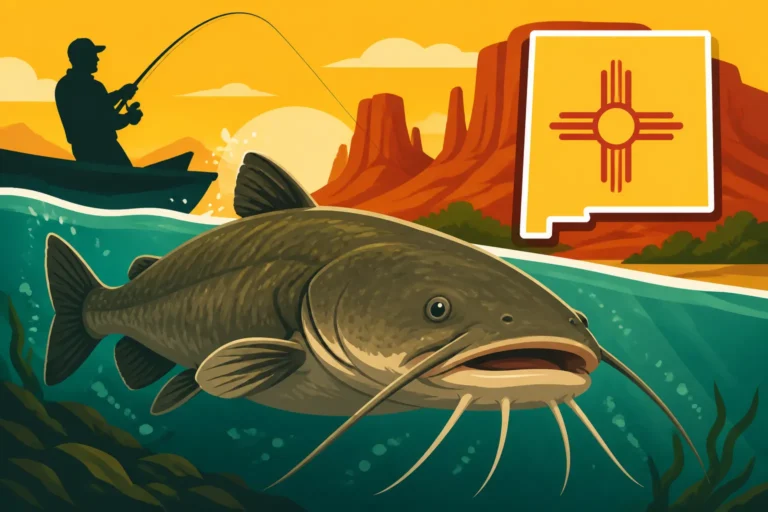
- Channel Catfish: These are the workhorses of many warm-water ponds. Channel cats are incredibly hardy, can tolerate a wide range of water conditions, and grow to an impressive size. They're excellent eating and provide a good fight. Plus, they're relatively easy to catch, making them a fantastic choice for family ponds where kids are learning to fish. Many pond owners in central or southern New Mexico opt for catfish because their ponds naturally get quite warm. You can find more information about these adaptable fish in Catfish Fishing in New Mexico.
- Largemouth Bass: If you dream of sport fishing right outside your door, largemouth bass are an excellent choice. They're aggressive predators that provide thrilling action. To create a sustainable bass fishery, however, you'll need a healthy forage base. This usually means stocking smaller fish for them to eat, like bluegill or other panfish. A classic stocking combination is largemouth bass and bluegill, where the bluegill reproduce rapidly to feed the bass, and the bass help control the bluegill population, preventing overpopulation and stunting. For more on catching these popular game fish, check out Largemouth Bass Fishing in New Mexico.
- Panfish (Bluegill, Crappie, Sunfish): These smaller, prolific fish are perfect for two reasons: they provide excellent forage for larger game fish like bass, and they offer fantastic, easy fishing for kids and beginners. Bluegill, in particular, are extremely hardy and reproduce quickly. They're often the first fish to be introduced into a new pond as a food source for future predator stockings. Crappie are also popular, though they tend to prefer slightly clearer water with more structure. These fish are relatively easy to catch, and a simple bobber and worm setup is often all you need.
Factors to Consider Before Stocking Your Pond
Before you even think about ordering fish, it’s absolutely critical to understand the environment of your pond. Simply dumping a bucket of fish in and hoping for the best is a recipe for disappointment. A little planning goes a long way in ensuring a healthy, thriving fishery.
Water Quality: The Lifeblood of Your Pond
The health of your fish is directly tied to the quality of your pond's water. Ignoring this can lead to fish stress, disease, and even mass die-offs.
- Temperature: This is perhaps the most significant factor in New Mexico's diverse climate. As discussed, trout need cold water, while catfish and bass thrive in warmer conditions. You need to know your pond's typical temperature range throughout the year, especially during the hottest summer months and coldest winter periods. A shallow pond will heat up much faster than a deep one.
- Dissolved Oxygen (DO): Fish need oxygen to breathe, just like us. Shallow ponds, especially those with a lot of aquatic vegetation or decaying organic matter, can experience critically low oxygen levels, particularly at night or during prolonged cloudy periods. Fish kills due to low DO are heartbreakingly common. Consider getting a dissolved oxygen testing kit, which you can often find readily available on Amazon or at specialized aquaculture suppliers, to monitor levels, especially in warmer months.
- pH Levels: The acidity or alkalinity of your water plays a big role in fish health. Most fish prefer a neutral pH (around 7.0), but many can tolerate a range between 6.5 and 8.5. Extremes outside this range can stress fish and even kill them. Soil composition in New Mexico can vary wildly, affecting water pH, so testing is a must.
- Ammonia, Nitrates, and Nitrites: These are waste products that build up in the water, especially in overstocked ponds or those with heavy feeding. High levels are toxic to fish. Regular water testing can help you monitor these and take corrective action if needed.
Pond Size, Depth, and Habitat
The physical characteristics of your pond also dictate what species will do well and how many fish it can realistically support.
- Size and Depth: A good rule of thumb is that deeper ponds with more volume can better regulate temperature and oxygen levels. A pond that's at least 8-10 feet deep in parts is generally more stable than a uniformly shallow one. The overall surface area helps determine how many fish you can stock without overpopulation. A small, shallow "farm pond" might only be suitable for a few catfish, while a larger, deeper impoundment could support a healthy bass and bluegill ecosystem.
- Aquatic Vegetation and Structure: While too much vegetation can cause oxygen problems, some is essential. Submerged plants provide cover for smaller fish, serve as a food source for insects, and help oxygenate the water. Structure, like fallen trees, rock piles, or artificial fish shelters, gives fish places to hide, hunt, and spawn. Without adequate cover, smaller fish can be easily wiped out by predators, and larger fish might not feel secure enough to thrive.
Before stocking, it's also important to remember that even private waters can be subject to broader environmental and wildlife regulations. While a private pond isn't always beholden to the same rules as public waters, understanding general guidelines from organizations like the New Mexico Department of Game and Fish is always a good idea. You might want to review New Mexico Fishing Regulations Overview for context.
The Process of Stocking and Initial Management
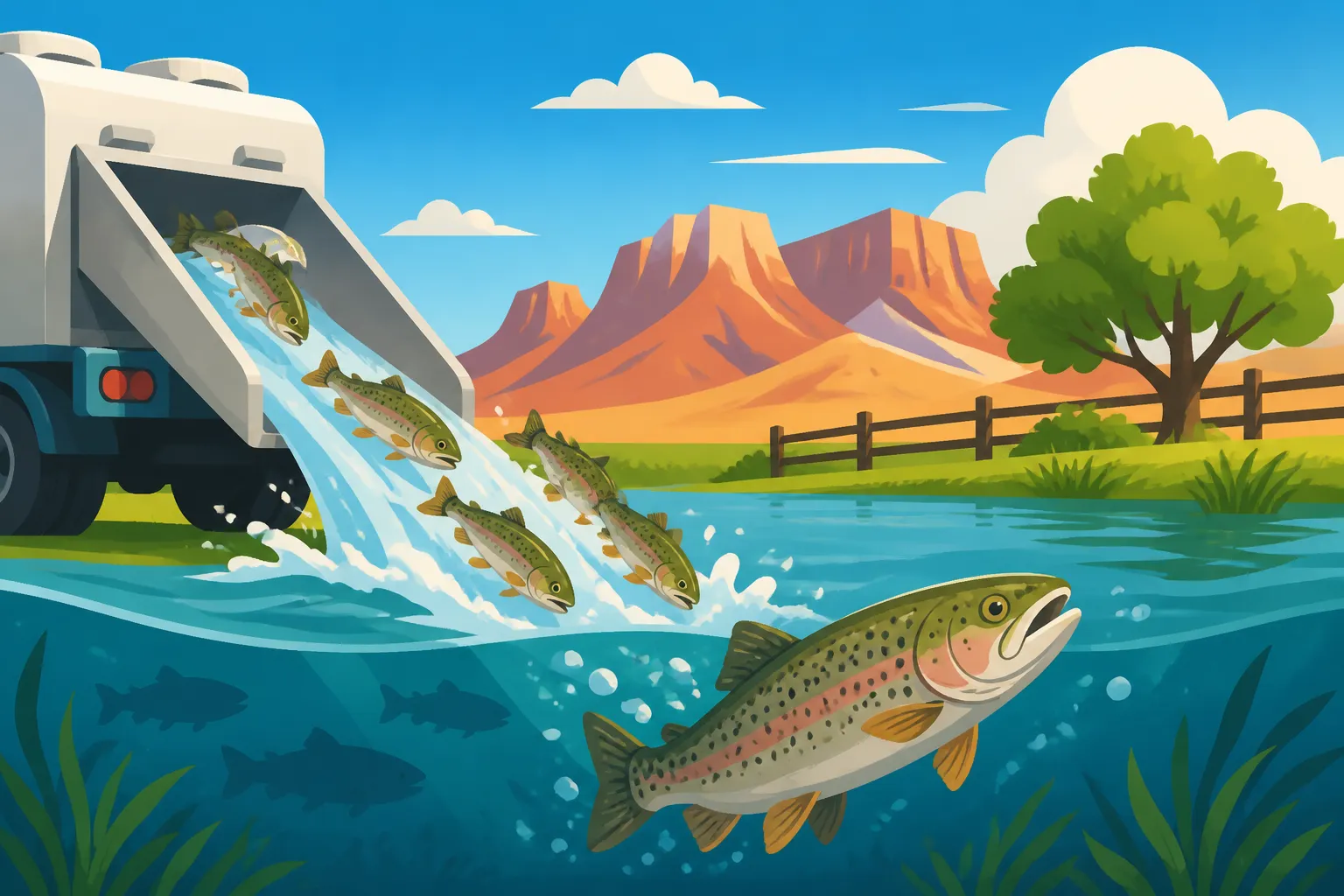
Once you've done your homework on your pond's conditions and decided which fish species are a good fit, it's time to get down to the actual stocking. This isn't just a matter of dropping fish into the water; proper handling and initial care are crucial for their survival and long-term health.
Sourcing Your Fish Wisely
The quality of your fingerlings (young fish) and fry (very young fish) makes a huge difference.
- Reputable Suppliers: Always purchase your fish from a licensed and reputable aquaculture farm or hatchery. Avoid getting fish from unknown sources or transferring them from other wild waters, as this can introduce diseases, parasites, or undesirable invasive species into your pond. A good supplier will provide healthy, disease-free fish and offer advice tailored to your needs. They'll also be knowledgeable about local regulations regarding fish transport and stocking.
- Fingerlings vs. Fry: Most private pond owners stock fingerlings – fish that are a few inches long. These are more robust than fry and have a higher survival rate. Fry are extremely delicate and require very specific conditions. Your supplier can advise on the best size and age of fish for your specific stocking plan.
Acclimation: Easing Fish into Their New Home
This step is perhaps one of the most overlooked, and it's critical for preventing shock and mortality. Fish are sensitive to sudden changes in water temperature and chemistry.
- Transport: Your fish will typically arrive in specialized bags or containers filled with oxygenated water. Get them into your pond environment as quickly and calmly as possible.
- Temperature Acclimation: Float the unopened bags of fish on the surface of your pond for at least 20-30 minutes. This allows the water temperature in the bag to gradually match the temperature of your pond water. This slow transition is vital, especially when there's a significant temperature difference.
- Water Chemistry Acclimation: After temperature acclimation, open the bags and slowly add small amounts of your pond water to the bags every few minutes over another 20-30 minutes. This helps the fish adjust to the pond's pH and other chemical parameters.
- Gentle Release: Gently tip the bags and allow the fish to swim out into the pond. Avoid simply dumping them out or throwing them in, which can cause unnecessary stress and injury. Releasing them near cover (like submerged plants or structures) can also help them feel more secure.
Early Feeding and Monitoring
The first few weeks after stocking are a critical time. Young fish need proper nutrition and a stable environment to establish themselves.
- Initial Feeding: If you've stocked fingerlings, they will need supplemental feeding, especially if your pond doesn't yet have a natural forage base. High-quality commercial fish food (often available on Amazon or from your fish supplier) designed for the species you've stocked is best. Feed small amounts several times a day, only what the fish will consume in a few minutes, to avoid overfeeding and water quality issues.
- Observation: Spend time observing your pond. Are the fish schooling? Are they showing signs of stress (gasping at the surface, unusual swimming patterns)? Are there any signs of disease (spots, lesions, fungus)? Early detection of problems allows for quicker intervention. You might even find some useful pond monitoring tools or books on pond management on Amazon to help you identify issues.
- Predator Control: Keep an eye out for natural predators like large birds (herons, ospreys), snakes, or other animals that might quickly deplete your newly stocked fish. Sometimes, simple deterrents can make a big difference.
Long-Term Pond Management for Sustainable Fishing
Stocking your pond is just the first step. To ensure a healthy, productive fishery that provides enjoyment for years to come, ongoing management is absolutely essential. A neglected pond can quickly become an unproductive, frustrating body of water.
Population Control and Harvest Strategies
It might seem counterintuitive, but consistent fishing and harvesting are crucial for a healthy pond.
- Preventing Stunting: Fish reproduce, and without proper management, a pond can quickly become overpopulated. When there are too many fish for the available food and space, they become stunted, meaning they stop growing or grow very slowly. For example, a bass-bluegill pond needs careful management. If bass are under-harvested, they can decimate the bluegill. If bluegill are under-harvested, they can overpopulate and lead to stunted bass.
- Targeted Harvest: Develop a harvest plan based on the species you've stocked. For a bass-bluegill pond, it's often recommended to remove a certain number of smaller bluegill and larger bass each year to maintain balance. For trout ponds, it's more about catching what you put in, as trout typically don't reproduce successfully in most ponds. Knowing your New Mexico Fishing Season Dates and Limits might give you ideas for general harvest strategies, though private pond limits are often at your discretion.
- Record Keeping: Keep simple records of what you stock, when you feed, and what you harvest. This data can be invaluable in understanding the dynamics of your pond and making informed management decisions.
Maintaining Water Quality and Habitat
Just as critical as initial water quality, ongoing maintenance ensures your pond remains a suitable home for fish.
- Aeration: If your pond experiences low dissolved oxygen, especially in summer, installing an aeration system can be a lifesaver. Aerators pump air into the water, increasing oxygen levels and helping to destratify the water column (mixing warmer surface water with cooler, oxygen-depleted bottom water). These systems can be a significant investment but are essential for heavily stocked or poorly oxygenated ponds. Aeration pumps and diffusers are items you can find on Amazon with various power options.
- Weed Control: While some aquatic vegetation is good, excessive weeds can lead to oxygen depletion and make fishing impossible. Manual removal, biological controls (like grass carp, where legal), or carefully applied aquatic herbicides can be used. Always consult with a pond management professional before using chemicals.
- Shoreline Management: Controlling erosion around your pond helps prevent excessive sediment and nutrient runoff, which can fuel algae blooms and reduce water quality. Planting native vegetation along the banks is an effective way to stabilize the shoreline.
- Nutrient Management: Avoid excessive fertilizer or manure runoff into your pond, as this can lead to explosive algae growth and subsequent oxygen crashes. Maintaining a buffer zone around your pond is a good practice.
Seasonal Considerations for New Mexico Ponds
New Mexico's climate offers unique challenges and opportunities for pond owners.
- Summer Heat: This is the most critical time for warm-water ponds, as high temperatures reduce water's ability to hold oxygen. Monitor water quality closely and be prepared to aerate. For trout ponds, if temperatures consistently push above 70°F, you will likely experience fish stress or mortality.
- Winter Cold and Ice: In colder parts of New Mexico, ponds can freeze solid. While ice cover protects fish from predators and stabilizes water temperatures, prolonged, thick ice can lead to "winterkill" if snow cover blocks sunlight and prevents oxygen production by plants, or if decaying organic matter depletes available oxygen. Keeping a small area of the pond ice-free (with an aerator or bubbler) can help gases exchange.
- Monsoon Season: Heavy summer rains can cause significant runoff, bringing in sediment and nutrients, and potentially altering water levels and clarity. Adjust feeding and monitoring accordingly during these periods.
Ultimately, managing a New Mexico farm pond is a rewarding endeavor that connects you more deeply with nature. By understanding your pond's specific characteristics, selecting appropriate fish species, and committing to ongoing care, you can create a vibrant, healthy fishing spot for yourself, your family, and your friends. For those looking to improve their angling skills in their newly stocked pond, resources like How to Catch Trout in New Mexico, Best Bait for New Mexico Trout, and Best Lures for New Mexico Bass can be incredibly helpful. You might also consider investing in some good general Best Fishing Gear for New Mexico Anglers to fully enjoy your private waters.
Comparative Table of Common Stocked Fish for New Mexico Ponds
Here's a quick comparison of some of the most popular species for New Mexico farm ponds:
| Fish Species | Preferred Water Temperature | Typical Diet | Growth Rate | Best for | Reproduction in Ponds | Hardiness |
|---|---|---|---|---|---|---|
| Rainbow Trout | Cold (<70°F, ideally <65°F) | Insects, small crustaceans, commercial feed | Fast | Sport fishing, good eating, cold water ponds | Rare in most ponds | Moderate |
| Brown Trout | Cold (<70°F) | Insects, small fish, commercial feed | Moderate | Trophy fishing, challenging catch, cold ponds | Rare in most ponds | Moderate |
| Channel Catfish | Warm (65-85°F) | Omnivorous, insects, commercial feed | Fast | Eating, easy to catch, hardy ponds | Yes | High |
| Largemouth Bass | Warm (65-80°F) | Small fish, insects, crawfish | Moderate | Sport fishing, population control | Yes | High |
| Bluegill | Warm (65-85°F) | Insects, zooplankton, commercial feed | Fast | Forage for bass, kid-friendly fishing | Yes | Very High |
Remember, this is a general guide. Your specific pond conditions and management goals will always be the most important factors in determining what fish will thrive in your unique New Mexico farm pond.
Disclaimer
This article is for general informational purposes only and does not constitute professional advice. Laws, prices and regulations vary by location and change over time. Consult a qualified professional for guidance on your specific situation.