Fish Species That Reproduce Naturally in New Mexico Lakes
It's easy to assume that every fish we pull from the beautiful lakes of New Mexico was put there by a truck, especially with all the fantastic stocking programs our state has. But the truth is, a surprising number of our beloved game fish actually thrive and multiply all on their own, right there in the water where you find them! This guide is all about pulling back the curtain on the amazing fish species that successfully reproduce naturally in New Mexico's diverse lakes and reservoirs, helping you understand where they come from and how we can all help them keep their populations healthy.
Why Natural Reproduction is a Big Deal for New Mexico Lakes
When we talk about fish reproducing naturally, it's not just some biological factoid; it profoundly impacts your fishing experience and the overall health of the aquatic environment. There's a real difference between a stocked fish and one that's a true product of its environment.
The Magic of Wild vs. Stocked Fish
Think about it: a fish born and raised in the wild, navigating currents, finding its own food, and dodging predators from the moment it hatches, develops a different set of instincts. These wild-spawned fish are often more wary, making them a greater challenge and a more rewarding catch for many anglers. They tend to be leaner, stronger fighters, too, because they haven't had an easy life in a hatchery pond. When you hook into a naturally reproducing brown trout from a New Mexico lake, you're connecting with a creature that has genuinely conquered its surroundings. This difference isn't just in the fight; it's in the entire story of the fish, adding a layer of authenticity to your angling adventure.
On the other hand, stocked fish are vital for providing consistent angling opportunities, especially in heavily fished areas or waters that can't support natural reproduction due to various environmental factors. But the thrill of knowing you've caught a fish that has beaten the odds from birth, that has survived and thrived without human intervention, is something truly special.
A Sign of a Healthy Ecosystem
The ability of a fish species to reproduce naturally in a lake is like an ecological report card with a big, gold star. It means the water quality is good, there's ample suitable habitat for spawning (like clean gravel beds, submerged vegetation, or rocky crevices), and the food web is robust enough to support young fish. If fish are successfully spawning, hatching, and growing, it tells us that the entire ecosystem is largely in balance.
A naturally reproducing population reduces reliance on constant stocking, which in turn saves resources and allows fish and wildlife agencies to focus on other conservation efforts. It creates a more resilient fishery, less susceptible to sudden drops if stocking programs face budget cuts or environmental challenges. A healthy, self-sustaining population contributes to the long-term viability of the lake itself, supporting a diversity of other aquatic life and indicating a healthy environment for humans too. When you see a lake supporting natural reproduction, you know it's a vibrant, living body of water, not just a holding tank for hatchery fish.
Game Fish That Naturally Reproduce in New Mexico's Lakes
While many of our fantastic New Mexico fisheries rely on consistent stocking, several key species take matters into their own fins, ensuring their survival for generations to come. These are the fish that truly call our lakes home.
Our Native and Naturalized Trout Species
When it comes to trout in lakes, the picture of natural reproduction can be a bit nuanced. Many of our popular trout fisheries are heavily reliant on stocking, especially for rainbow trout. However, some species, particularly brown trout and our native cutthroats, show impressive capabilities for self-sustaining populations in specific lake environments.
The majestic Rio Grande Cutthroat Trout, New Mexico's state fish, primarily thrives in pristine, high-elevation mountain streams. However, there are some rare and precious high-mountain lakes, often fed by these very streams, where small, isolated populations manage to reproduce naturally. These are usually remote, wilderness areas with minimal disturbance and excellent water quality. Catching a naturally spawned Rio Grande Cutthroat from one of these lakes is like finding a hidden treasure – a testament to the wild spirit of New Mexico. Anglers must remember that these populations are sensitive, and extra care should be taken to practice careful catch and release.
Brown Trout are perhaps the most successful trout species at natural reproduction in New Mexico's larger reservoirs and lakes, especially those with significant river inflows. These hardy, adaptable fish seek out gravelly bottoms in stream arms or along shorelines where feeder creeks enter, creating nests (redds) to lay their eggs. Lakes like Navajo Lake, with its substantial San Juan River inflow, and even parts of Heron Lake, can see successful brown trout reproduction, contributing to their robust fisheries. These self-sustaining brown trout often exhibit brighter coloration and a more aggressive demeanor than their hatchery-raised counterparts, making them a prized catch. For more detailed information, check out our guide on New Mexico Trout Fishing Rules.
The Robust Warmwater Lineage: Bass, Walleye, and Panfish
When you think about naturally reproducing fish in New Mexico lakes, the warmwater species truly shine. These fish are masters of adapting and multiplying in our reservoirs.
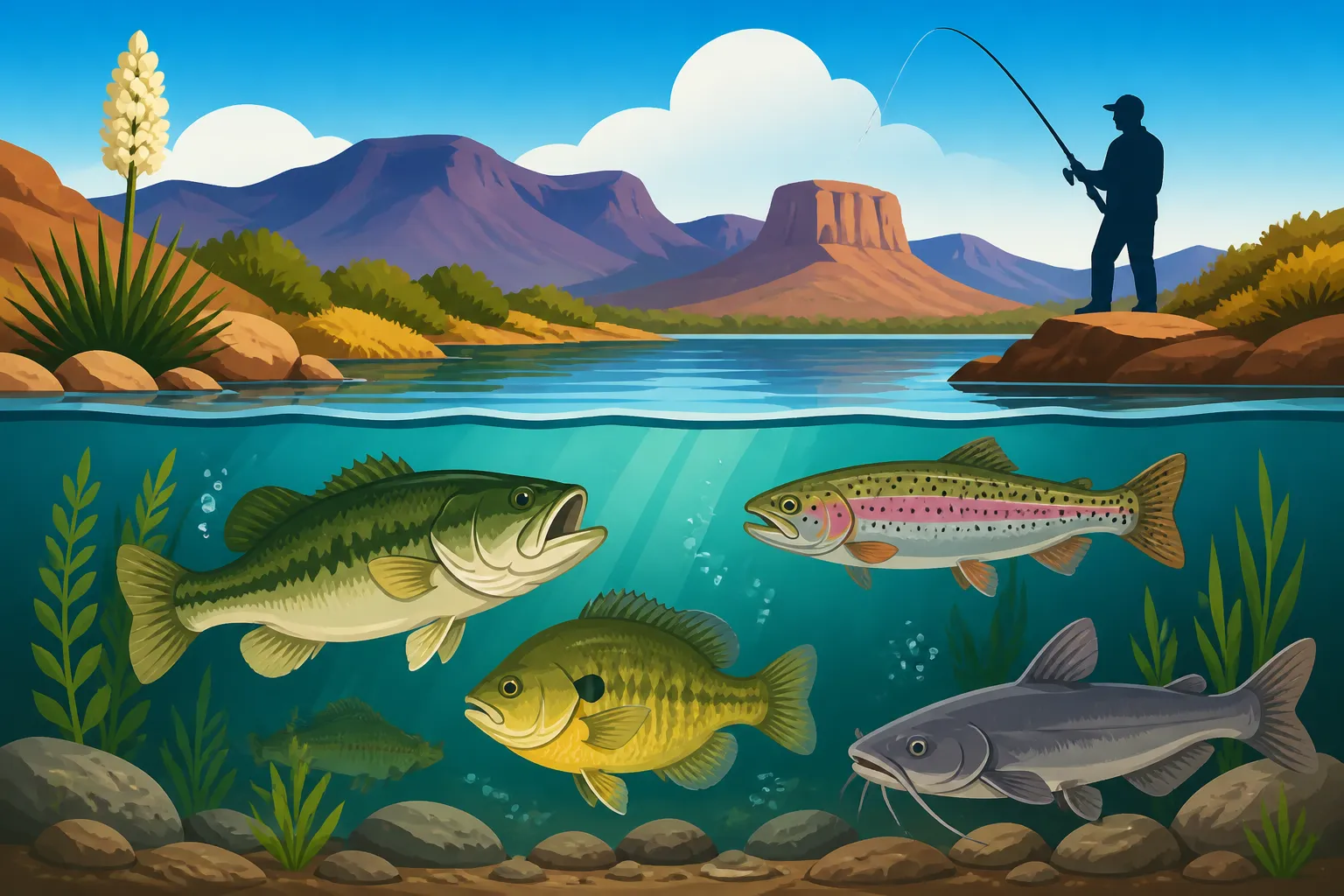
Largemouth Bass are perhaps one of the most prolific naturally reproducing game fish in New Mexico. From the sprawling waters of Elephant Butte Lake to smaller impoundments, largemouth bass actively build nests in shallow, vegetated areas during the spring. The male bass guards the eggs fiercely, ensuring a new generation. This natural cycle means that lakes with good habitat for largemouth bass will almost always have a thriving population, regardless of stocking efforts. Anglers seeking these naturally wild fish can find incredible action, particularly in areas with good cover and structure. Our Largemouth Bass Fishing in New Mexico guide dives deeper into where to find them.
Smallmouth Bass, preferring rocky shorelines and clear water, also reproduce very successfully in many New Mexico lakes, including the likes of Abiquiu Lake and parts of Navajo Lake. They, too, are nest builders, with males protecting the eggs laid on rocky bottoms. Their reliance on specific rocky habitat means that healthy natural reproduction is a strong indicator of good water clarity and suitable structure in these lakes. These feisty fish offer fantastic fishing opportunities, with populations sustained year after year by their own efforts. For more on this, check out Smallmouth Bass Fishing in New Mexico.
Walleye, a highly sought-after species, are also excellent natural reproducers in several key New Mexico lakes. They typically spawn over rocky shoals and gravelly bottoms in early spring, often in shallow water. Lakes such as Conchas Lake, Ute Lake, and Clayton Lake are prime examples where walleye populations are largely sustained by natural reproduction. This makes these fisheries incredibly stable and productive, offering consistent angling for these delicious fish. Understanding their spawning habits can give anglers an edge when targeting them. You can learn more in our Walleye Fishing in New Mexico guide.
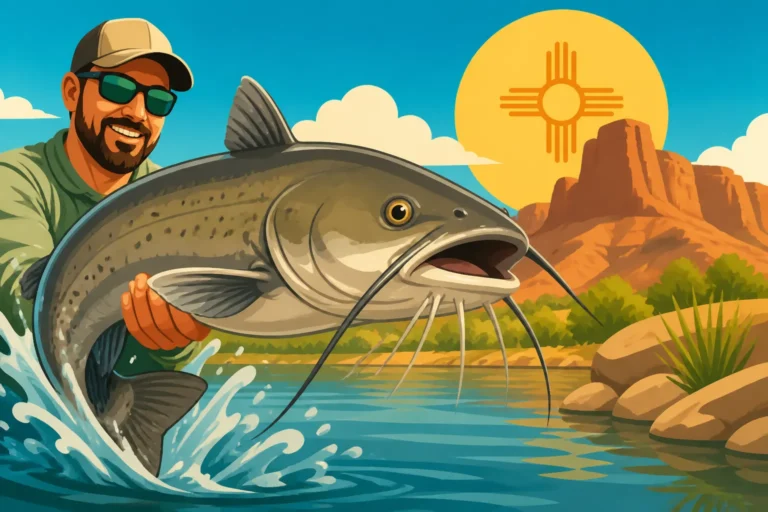
Catfish, including Channel Catfish and Flathead Catfish, are absolute champions of natural reproduction in New Mexico's warmwater lakes and rivers. They seek out dark, secluded spots like submerged logs, rock crevices, or undercut banks to lay their eggs. Their hardiness and prolific breeding ensure strong, self-sustaining populations across nearly all suitable lakes, rivers, and even many smaller ponds. Catching a naturally reproducing channel cat on a warm summer evening is a classic New Mexico experience. These fish are readily available, making them a fantastic target for anglers of all skill levels. To get more into specifics, see our Catfish Fishing in New Mexico resource.
Crappie and Bluegill (and other sunfish species) are often grouped together as "panfish," and for good reason: they are incredibly prolific and naturally reproduce in virtually every New Mexico lake that can support them. These species spawn in vast numbers, with males creating multiple nests in shallow, protected waters, often near vegetation. Their rapid reproductive cycle means that if conditions are favorable, these populations can explode, providing fantastic angling opportunities for families and seasoned anglers alike. A healthy population of naturally reproducing panfish is a cornerstone of a balanced lake ecosystem, providing forage for larger predators and endless fun for anglers. You can find lures and gear for these species easily on Amazon, ensuring you're ready for their abundant numbers.
Unique Cases: Kokanee and Tiger Muskie
Not all fish are built for natural reproduction in our lakes, or at least not consistently. It's important to understand these unique cases to fully grasp the dynamics of New Mexico's fisheries.
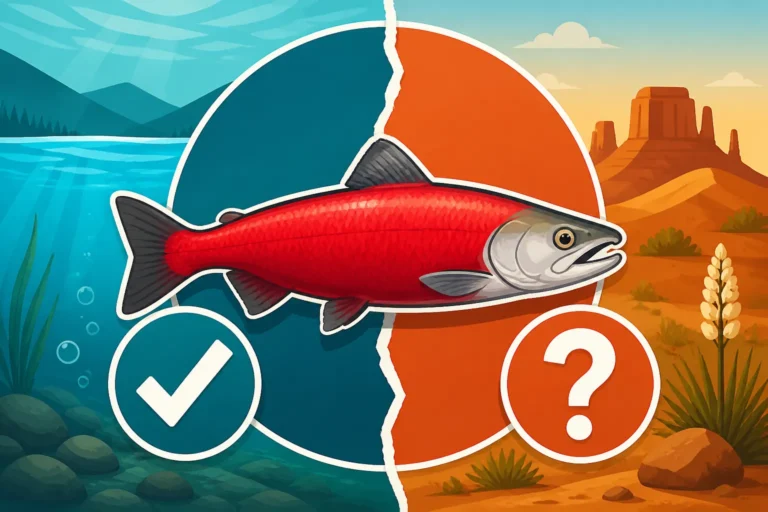
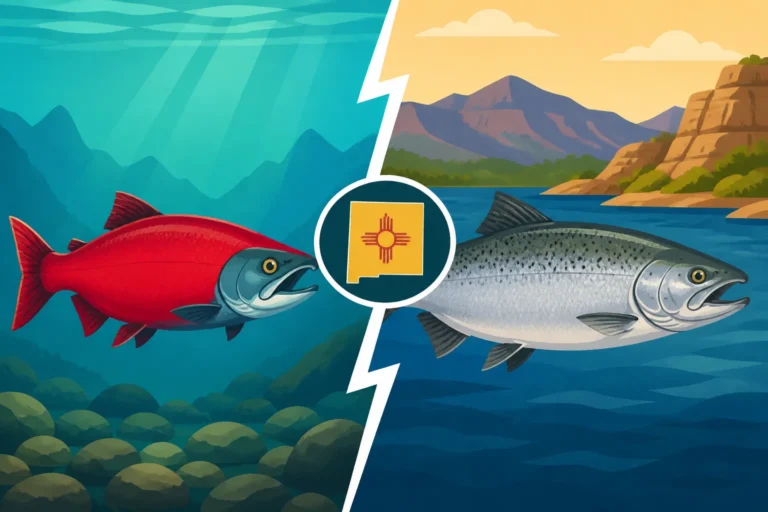
Kokanee Salmon are a fascinating species, and while they can be found in a few high-country lakes like Navajo Lake and Heron Lake, their populations are largely maintained through stocking programs. While some limited natural reproduction can occur in very specific circumstances, usually in feeder streams connected to the main lake body, it's generally not sufficient to sustain the large, robust populations that anglers enjoy. They are very particular about their spawning habitat, requiring pristine, cold, gravelly streams, which are not abundant enough to support widespread self-sustaining lake populations. So, while you might hear anecdotal stories, the vast majority of kokanee you catch in New Mexico were put there by human hands.
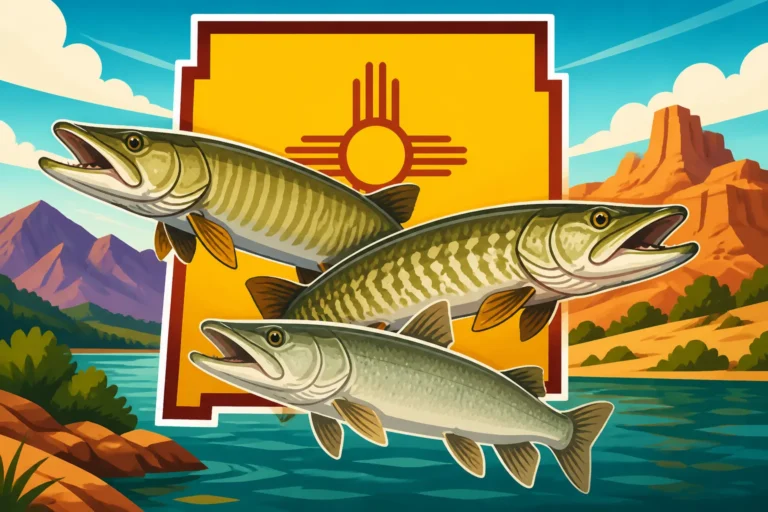
Then we have the Tiger Muskie. These are truly unique in that they are sterile hybrids, a cross between a northern pike and a muskellunge. This means they are biologically incapable of natural reproduction. Every single tiger muskie you find in a New Mexico lake, such as Bluewater Lake, was specifically stocked there by the New Mexico Department of Game and Fish. They are used as a management tool to help control populations of unwanted or overpopulated species like carp or suckers, offering an exciting trophy fishery without the concern of them overpopulating through natural means. So, if you're targeting a tiger muskie, you're definitely aiming for a stocked fish! You might find specialized baits and heavy-duty gear for these toothy predators on Amazon to ensure you're well-equipped.
Here’s a quick overview of some common New Mexico lake fish and their natural reproduction status:
| Fish Species | Primary Reproduction in NM Lakes | Typical Spawning Habitat |
|---|---|---|
| Largemouth Bass | Natural | Shallow, vegetated areas; gravel, sand |
| Smallmouth Bass | Natural | Rocky shorelines, gravel |
| Walleye | Natural | Rocky shoals, gravelly bottoms |
| Channel Catfish | Natural | Cavities, undercut banks, submerged logs |
| Flathead Catfish | Natural | Cavities, undercut banks, large debris |
| Crappie (Black & White) | Natural | Shallow, vegetated areas; gravel, mud |
| Bluegill / Sunfish | Natural | Shallow, protected areas; sand, mud, gravel |
| Brown Trout | Natural (in suitable lakes/rivers) | Gravelly river inflows, shallow lake shoals |
| Rio Grande Cutthroat Trout | Natural (rare in high mt. lakes) | Cold, clean gravel in feeder streams |
| Rainbow Trout | Primarily Stocked | Limited natural reproduction in select streams |
| Kokanee Salmon | Primarily Stocked | Very limited natural reproduction in streams |
| Tiger Muskie | Stocked (sterile hybrid) | None (cannot reproduce) |
Critical Factors for Lake Fish Reproduction in New Mexico
Natural reproduction isn't just a happy accident; it's a delicate balance of environmental factors. For our New Mexico lakes to support thriving, self-sustaining fish populations, several key elements must align. When they don't, even species capable of reproducing naturally might struggle.
The Importance of Habitat and Water Quality
Just like we need a safe, comfortable home, fish need specific conditions to successfully spawn and raise their young. For many species, this means the right kind of spawning grounds. Bass, crappie, and sunfish often need submerged vegetation, woody debris, or sandy/gravelly bottoms in shallow, protected coves where their eggs can be laid and guarded. Walleye and brown trout, on the other hand, frequently prefer rocky shoals or gravel beds in areas with some water flow. If these critical habitats are destroyed by sedimentation, development, or fluctuating water levels, reproduction can suffer dramatically.
Beyond physical structure, water quality is paramount. Fish eggs are incredibly sensitive to pollutants, low oxygen levels, and extreme water temperatures. Clean, clear water allows sunlight to penetrate, supporting the aquatic plants and insects that form the base of the food chain for young fish. High levels of turbidity from erosion, agricultural runoff, or industrial discharge can suffocate eggs, inhibit larvae development, and degrade the overall health of the lake. Maintaining good water quality is a constant challenge and a critical component for natural reproduction. For insights on managing aquatic environments, see New Mexico Habitat Stamp and Validation Requirements, which contributes to these efforts.
Water Levels and Reservoir Management
This is a huge factor in a high-desert state like New Mexico. Most of our larger lakes are reservoirs, meaning their water levels are subject to dramatic fluctuations based on snowmelt, rainfall, and water demands for irrigation, municipalities, and industry. While fish are adaptable, extreme or rapid changes in water levels can be devastating for natural reproduction.
Imagine bass or crappie laying their eggs in a shallow cove during a period of high water. If the water level suddenly drops, those nests and eggs can be left high and dry, exposed to the sun and predators, completely destroying that year's spawn. Conversely, if water levels rise too quickly, eggs laid in previously suitable areas might be inundated with cold, low-oxygen water or covered with silt. The timing and consistency of water levels during critical spawning periods (typically spring and early summer) are vital. Effective reservoir management that considers the needs of spawning fish, where possible, can make a huge difference in the success of naturally reproducing populations. This is an ongoing conversation and a complex balancing act for our state's water resources.
Food Webs and Predator-Prey Balance
A successful spawn is only the first step. For young fish to survive and grow into adults, there needs to be an abundant and accessible food source, and a reasonable balance of predators. Tiny fry (newly hatched fish) rely on microscopic plankton and small invertebrates. As they grow, they need increasingly larger insects and baitfish. If the lake's food web is disrupted – perhaps by invasive species outcompeting native forage, or by pollution affecting insect populations – the survival rate of young fish can plummet.
Equally important is the predator-prey balance. While some predation is natural and healthy (it keeps populations strong by removing weaker individuals), an overabundance of predators can decimate a year class of young fish before they have a chance to grow. Conversely, if a lake becomes overpopulated with a certain species due to excellent reproduction and low predation, it can lead to stunted growth for those fish as food resources become stretched. The intricate dance of who eats whom, and what is available to eat, is fundamental to the long-term success of naturally reproducing fish populations.
How Anglers Can Help Protect Naturally Reproducing Populations
As anglers, we have a vital role to play in supporting the natural reproduction of fish in New Mexico's lakes. It's not just about catching fish; it's about being responsible stewards of these incredible resources. Every choice we make on the water can contribute to the health and future of these wild populations.
Mindful Fishing Practices
One of the most impactful things we can do is practice mindful fishing, particularly when targeting species known to reproduce naturally. Catch and Release Best Practices in New Mexico are paramount. This means minimizing the stress on the fish by handling it gently, keeping it in the water as much as possible, and using appropriate gear that allows for a quick, clean release. Barbless hooks, which can be easily found and purchased on Amazon, are a fantastic way to ensure minimal damage to a fish's mouth, especially for species you intend to release.
Using proper tackle for the size of fish you're targeting also helps. A light rod on a big fish can prolong the fight, exhausting the fish and reducing its chances of survival post-release. Being prepared with a soft, knotless landing net (also readily available on Amazon) can help prevent scale and slime coat damage, which are crucial for a fish's health and protection against disease. Our goal should always be to leave the fish as healthy as possible, ready to spawn again or contribute to the next generation.
Respecting Spawning Grounds and Seasons
Ignorance is not bliss when it comes to fish reproduction. Taking the time to learn where and when different species spawn in your favorite New Mexico lakes is crucial. During these critical periods, fish are often highly concentrated, preoccupied, and more vulnerable. Avoiding direct pressure on known spawning beds can make a huge difference.
For example, if you know bass are spawning in shallow coves in late spring, try to avoid disturbing those areas or consider using techniques that don't target fish actively on beds. Similarly, if a lake has a significant river inflow where brown trout spawn in the fall, being mindful of your wading or boating activities in those specific areas can protect sensitive redds and spawning fish. Some regulations even exist to protect fish during spawning, such as specific closures or gear restrictions in certain waters. Always consult the New Mexico Fishing Regulations Overview before heading out. Our collective respect for these natural cycles ensures that future generations of anglers will have the same opportunities we do.
Supporting Conservation Efforts
Beyond individual actions, supporting broader conservation efforts is incredibly important. Many organizations and state agencies work tirelessly on habitat restoration, water quality improvement projects, and sustainable fisheries management. This might involve volunteering for a lake cleanup day, donating to a reputable conservation group, or simply staying informed about local environmental issues affecting New Mexico's waterways.
Advocating for policies that protect critical fish habitat and ensure responsible water management also plays a significant role. When we speak up for our lakes and rivers, we're speaking up for the fish that call them home and for the natural processes that allow them to thrive independently. Educating fellow anglers, especially newer ones or children, about the importance of natural reproduction and conservation is another powerful way to spread awareness and build a community of responsible stewards. Together, we can help ensure that the magic of naturally reproducing fish continues in New Mexico's beautiful lakes for years to come.
Disclaimer
This article is for general informational purposes only and does not constitute professional advice. Laws, prices and regulations vary by location and change over time. Consult a qualified professional for guidance on your specific situation.