Walleye Fishing in New Mexico
There’s a common misconception that New Mexico is all about trout, especially in our colder mountain streams. While our trout fishing is indeed legendary, many anglers overlook one of the absolute best game fish lurking in our warmer reservoirs: the walleye. If you've been struggling to locate these elusive, sharp-toothed predators or simply haven't known where to start, you're in the right place. This comprehensive guide will equip you with the knowledge, techniques, and confidence to successfully target and catch walleye across New Mexico, transforming your fishing trips and opening up a whole new world of angling adventure.
Understanding Walleye in New Mexico Waters
Before we dive into the nitty-gritty of catching them, it's really helpful to understand what makes walleye tick here in the Land of Enchantment. They're not native to New Mexico, but thanks to decades of successful stocking programs, they've found comfortable homes in several of our larger impoundments. Knowing their natural tendencies and how they adapt to our unique environment is the first step toward putting more of these tasty fish in your cooler.
Walleye Characteristics and Habits in New Mexico
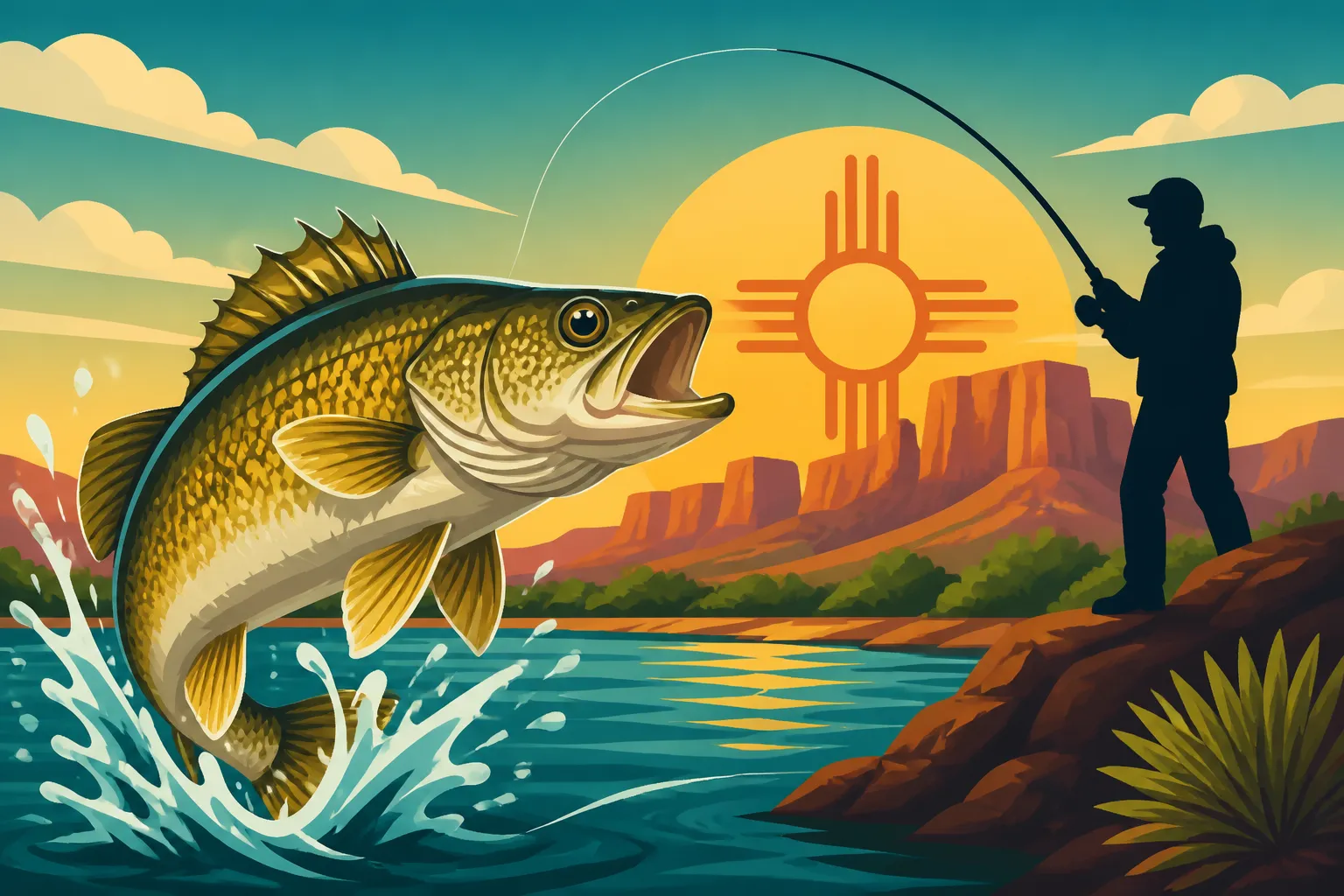
Walleye, named for their large, reflective eyes that are perfectly adapted for low-light conditions, are a truly distinct species. In New Mexico, they typically range from 15 to 25 inches, though trophy-sized fish over 30 inches and weighing into the double digits are absolutely possible. Their slender, elongated bodies, olive-gold coloration with dark mottling, and prominent dorsal fins armed with sharp spines make them easily recognizable. Their mouths are full of needle-sharp teeth, so always be careful when handling them!
These fish are absolute predators, and their behavior is largely driven by their need to find food and comfortable temperatures. They prefer cooler, deeper water when available, often congregating around submerged structure like old creek channels, humps, ledges, and rocky points. You’ll rarely find them cruising in open, shallow water during bright daylight hours. Instead, they hug the bottom or relate closely to cover, ambushing baitfish like shad, perch, or even smaller crappie. Their activity peaks during dawn, dusk, and even throughout the night, which makes night fishing a surprisingly productive tactic in the warmer months. Understanding this pattern is crucial; if you're fishing for walleye in the middle of a sunny afternoon in 10 feet of water, you're likely missing their prime habitat.
Where New Mexico's Walleye Came From (Stocking History)
The story of walleye in New Mexico is a testament to careful fisheries management. Originally, these fish were introduced to control burgeoning populations of forage fish and provide another exciting sportfishing opportunity for anglers. The New Mexico Department of Game and Fish has been instrumental in stocking programs, primarily focusing on reservoirs that offer the right blend of deep water, ample forage, and suitable habitat. This isn't a situation where they naturally migrated here; it's a direct result of dedicated efforts to diversify our fishing landscape.
Over the years, certain lakes have proven to be exceptionally well-suited for walleye, developing into self-sustaining or regularly stocked fisheries that provide consistent angling action. These stocking efforts ensure that despite the lack of natural reproduction in some areas, there's a healthy population for anglers to pursue. It's truly a gift to New Mexico anglers, offering a taste of what many might associate with the Midwest, right here in the desert. The ongoing success of these populations relies heavily on anglers respecting regulations and helping to maintain healthy ecosystems. If you're curious about the diverse array of fish here, you might enjoy our guide to Fish Species Found in New Mexico.
Top Walleye Fishing Lakes in New Mexico
While walleye have been stocked in various waters across the state, a few lakes consistently stand out as prime destinations for targeting these elusive beauties. These are the places where the habitat, forage, and management combine to create excellent opportunities for both quantity and quality.
Conchas Lake: A Walleye Paradise
If you talk to any serious walleye angler in New Mexico, Conchas Lake Walleye Fishing will almost certainly be at the top of their list. This massive reservoir, located in northeastern New Mexico, is widely regarded as the walleye hotspot. Its expansive, deep waters are riddled with submerged structure – old river channels, rocky points, humps, and numerous underwater ledges – all of which are classic walleye haunts. The abundance of baitfish, particularly shad, provides a rich food source that helps the walleye here grow to impressive sizes.
What makes Conchas truly special is the consistent opportunity it presents. During the cooler months, walleye can often be found concentrated in deeper channels, while in spring and fall, they migrate to shallower points and flats to feed aggressively. Summer nights can be particularly productive as they move up to chase bait in lower light. The sheer size of Conchas can be intimidating, but focusing on key structural elements like the main lake points that drop off into the old riverbed, or the numerous coves with submerged brush, will greatly increase your chances. It’s a lake that rewards persistence and a good understanding of contour maps.
Ute Lake: Another Strong Contender
Just a bit further east from Conchas, you'll find Ute Lake Fishing, another excellent walleye destination, particularly for those who prefer a slightly less pressured environment. Ute Lake offers similar characteristics to Conchas, with ample deep water and submerged structure, though perhaps not as sprawling. It's known for producing some truly large walleye, with anglers often boasting about catching fish in the 5-7 pound range, and even bigger ones lurking in its depths.
Ute's appeal for walleye comes from its clear waters and a healthy forage base. While Conchas might be famous for numbers, Ute often shines for its potential for trophy-class fish. Anglers here often focus on trolling deep-diving crankbaits or slow-jigging blade baits along contour lines, especially during the colder parts of the year. The lake's main body, with its expansive open water, means covering ground is key, but don't overlook the arms and coves, which can hold fish, especially during spawning periods. For those visiting, Ute Lake State Park offers convenient access and amenities, making it a comfortable base for a multi-day fishing adventure.
Clayton Lake: Hidden Gem for Walleye
While Conchas and Ute might grab the headlines, Walleye at Clayton Lake is a hidden gem that shouldn't be overlooked, especially for anglers seeking a more intimate experience. Located in far northeastern New Mexico, this smaller state park lake might not have the sheer size of its larger cousins, but it consistently produces solid walleye catches, including some surprisingly large ones. Clayton Lake's appeal lies in its more manageable size and clear waters, which can make locating fish a bit easier if you know what to look for.
Anglers at Clayton Lake often find success by targeting the dam face, rocky shorelines, and the deeper sections of the lake near the old creek channel. Because it's a smaller body of water, changes in water temperature or fish movement can be more pronounced and predictable. Early spring and late fall are particularly good times to fish Clayton for walleye, as they tend to be more active and shallower. Trolling small to medium-sized crankbaits or casting jigs tipped with a minnow imitation are popular and effective strategies here. It's a great spot for a day trip or a quiet weekend, offering a beautiful backdrop for your walleye pursuit.
Other Walleye Opportunities
While Conchas, Ute, and Clayton are undeniably the stars of New Mexico's walleye scene, it's worth noting that smaller, intermittent opportunities might pop up in other reservoirs from time to time due to stocking or successful escapes from other waterways. However, these are often less consistent and typically don't sustain the kind of robust walleye populations found in the primary three. For serious walleye enthusiasts, focusing your efforts on these well-established fisheries will yield the most consistent results and the best chance at a memorable catch.
Best Times to Catch Walleye in New Mexico
Timing is everything when it comes to walleye fishing. These fish are highly sensitive to changes in water temperature, light conditions, and their own biological imperatives like spawning or feeding frenzies. Understanding the seasonal and daily patterns will dramatically increase your success rate and help you know when and where to focus your efforts. Knowing the Best Time of Year to Fish in New Mexico in general will give you a good start, but let’s dial it in for walleye specifically.
Seasonal Breakdown: Spring, Summer, Fall, Winter
New Mexico offers walleye fishing opportunities almost year-round, but each season presents unique challenges and rewards.
Spring: Spawning and Pre-Spawn Frenzy
Spring is arguably the most exciting time for walleye anglers. As ice recedes and water temperatures climb into the 45-55°F range, walleye begin their spawning ritual. This often happens in late March and April. During the pre-spawn phase, fish move into shallower rocky areas, points, and riprap near the main lake, staging for the spawn. They are often incredibly aggressive as they fuel up for the big event. This is an excellent time for casting jigs tipped with plastics or live bait, or slow-trolling shallow-running crankbaits along these transition areas.
Immediately after the spawn, the fish can be a bit lethargic for a week or two, but they quickly regain their appetite. Post-spawn walleye will often move to nearby deeper structure to recover, but will still make forays into shallower feeding grounds, especially during low light. Focus your efforts on those rocky points and submerged humps adjacent to deep water.
Summer: Deep Water and Night Moves
As New Mexico's summer heat sets in and water temperatures rise above 70°F, walleye generally retreat to cooler, deeper water. They'll often be found near the thermocline (the layer where warm surface water meets colder deep water) or hugging bottom structure at depths of 20-40 feet or more, depending on the lake. This is prime time for Trolling Techniques for New Mexico Lakes with deep-diving crankbaits, bottom bouncers with spinner rigs, or vertical Jigging for Walleye in New Mexico over marked schools of fish.
However, summer also opens up incredible night fishing opportunities. As the sun sets and temperatures drop, walleye often move into shallower depths (10-20 feet) to feed on active baitfish. Trolling suspending crankbaits or casting shallow-running stickbaits near lighted areas or along main lake points can be incredibly effective after dark. This is when those light-sensitive eyes really give them an advantage!
Fall: The Feeding Frenzy Returns
Fall is another fantastic season for walleye. As water temperatures begin to cool, the fish become much more active during daylight hours and embark on a serious feeding spree to bulk up for winter. They'll often move back to shallower depths, especially along main lake points, rocky humps, and extended flats, chasing baitfish that are also preparing for the colder months.
Trolling crankbaits at various depths, casting jigs, or using slip bobbers with live bait near structure can all be highly productive. The fall bite can be some of the most consistent and aggressive of the entire year, as walleye are less pressured and more focused on gorging themselves. This period usually runs from late September through November, or until ice forms on the northern lakes.
Winter: Ice Fishing Opportunities
For those brave enough to embrace the cold, winter ice fishing for walleye can be incredibly rewarding, especially on lakes like Clayton Lake and sometimes parts of Ute Lake, when they freeze safely. Walleye activity slows down significantly under the ice, but they are still catchable. They typically hug the bottom in deeper basins or near submerged humps and points.
Tiny jigs tipped with minnow heads or small spoons jigged slowly are often the ticket. The bite can be subtle, so sensitive rods and light line are essential. Always prioritize safety on the ice and ensure it's thick enough before venturing out. While not every New Mexico lake provides safe ice, the ones that do can offer a unique and peaceful walleye experience.
Daily Patterns and Weather Influence
Beyond the seasons, daily timing and weather play a huge role in walleye behavior.
Walleye are notorious for their preference for low-light conditions. Dawn, dusk, and cloudy days are often the most productive times. During bright, sunny periods, they'll usually retreat to deeper water or dense cover. This is why many successful walleye anglers are early risers or night owls.
Weather also plays a significant part. A steady, moderate wind can actually be a good thing, creating a "walleye chop" that breaks up light penetration and disorients baitfish, making walleye more likely to feed shallower. However, extremely high winds can make boat control and presentation difficult. Barometric pressure changes can also influence them; a falling barometer often signals an approaching front and can trigger a feeding burst, while a stable or rising barometer after a front can make them more difficult to catch. Cold fronts, in particular, tend to shut down the bite for a few days, making fishing tough. Always check the forecast and plan your attack accordingly.
Essential Walleye Fishing Techniques
Catching walleye consistently often means employing a range of techniques tailored to the season, lake, and specific conditions. While they can be finicky, a few methods consistently prove effective in New Mexico's walleye waters. Mastering these will give you a significant advantage.
Trolling for Success
Trolling is perhaps the most widely used and effective technique for covering vast expanses of water and locating active walleye, especially on large reservoirs like Conchas and Ute. The goal is to present your lure or bait at the fish's depth for an extended period, enticing strikes from fish that might not be actively chasing.
Crankbait Trolling
Deep-diving crankbaits are a staple for walleye trolling. Choosing the right crankbait involves considering its dive curve, color, and vibration. For deeper walleye, look for lures that can reach 15-30 feet on their own, or use lead core line or snap weights to get them even deeper. Common colors include natural baitfish patterns like shad, perch, or crawfish, as well as bright colors like chartreuse, firetiger, or purple in stained water. The key is to match your speed (typically 1.5-2.5 mph) to the lure's action and the fish's mood. Experiment with zig-zagging patterns to vary the lure speed and depth. Many anglers use planer boards to spread out multiple lines and cover a wider swath of water.
Bottom Bouncing and Spinner Rigs
When fish are hugging the bottom, especially over flatter areas or subtle contours, bottom bouncers paired with spinner rigs or worm harnesses are incredibly effective. A bottom bouncer is a weighted wire rig that keeps your bait near the bottom without constantly snagging. A spinner rig, often featuring a few beads and a small spinner blade ahead of a hook, is usually tipped with a live nightcrawler or a plastic worm. This setup creates flash and vibration while presenting a natural bait. Troll these slowly, just fast enough to get the blade spinning, at around 0.8-1.5 mph. This method is excellent for targeting walleye scattered over structure or for covering mid-depth flats.
Jigging and Live Bait Rigs
For more precise presentations, especially when walleye are concentrated in specific areas or when fishing from the bank, jigging and live bait rigs are indispensable.
Vertical Jigging
When you've located a school of walleye directly beneath your boat using your fish finder, vertical jigging is a deadly technique. This involves dropping a jig (lead head with a soft plastic, hair, or bucktail body) or a blade bait straight down to the fish's depth and working it with short, sharp lifts and drops. The goal is to mimic a fleeing or injured baitfish. Experiment with different jig weights and colors. Bright colors like chartreuse, orange, or white often work well, as do natural baitfish imitations. Pay close attention to your electronics, and when you see fish, drop your jig right into their zone. The bite can often feel like a subtle "tick" or just added weight on your line.
Pitching Jigs and Live Bait
From the bank or in shallower water, pitching jigs or live bait rigs can be very effective. For jigs, cast them out, let them sink to the bottom, and work them back with a series of hops and pauses. Tipping a jig with a minnow or a piece of nightcrawler can significantly increase its appeal. For live bait, a simple slip bobber rig with a minnow or nightcrawler, set to suspend just off the bottom, is often irresistible. This is especially good for Bank Fishing Techniques for New Mexico Lakes where you can't cover as much water and need to wait for the fish to come to you. Don't underestimate the power of a lively minnow or a juicy nightcrawler; sometimes, natural bait is exactly what a finicky walleye needs.
Bank Fishing for Walleye (Yes, It's Possible!)
Many anglers assume walleye are exclusively a boat-angler's game, but that's simply not true! While boat access certainly opens up more water, you can absolutely catch walleye from the bank in New Mexico. The key is to choose your spots wisely and fish during peak times.
Look for areas where the shore drops off quickly into deeper water, such as rocky points, dam faces, or areas adjacent to old creek channels that come close to the bank. These are natural congregation points for walleye. Early morning, late evening, and especially at night are prime times for bank fishing, as walleye move shallower under the cover of darkness.
Using a slip bobber rig with a live minnow or nightcrawler is incredibly effective. Cast it out, let it settle, and wait. You can also cast and retrieve jigs tipped with bait or soft plastics, working them slowly along the bottom. Experiment with different retrieve speeds and jigging actions. Be patient, as bank fishing often requires more waiting, but the reward of a solid walleye from shore is incredibly satisfying. New Mexico Statewide Bag Limit for Walleye and other regulations apply, so always be mindful of local rules.
Walleye Gear and Tackle Recommendations
Having the right gear makes a huge difference in your walleye fishing success. Walleye bites can be subtle, and their sharp teeth demand durable tackle. Investing in quality equipment designed for the task will pay dividends.
Rods, Reels, and Line for Walleye
The type of rod and reel setup you choose will largely depend on your preferred technique.
For Trolling:
You'll want a medium to medium-heavy power rod, typically 7 to 9 feet long, with a moderate or moderate-fast action. This provides enough backbone to handle large fish and absorb the shock of trolling with heavy lures or bottom bouncers, while the softer tip helps keep fish hooked. Pair this with a baitcasting reel (line counter reels are a huge advantage for replicating successful presentations) spooled with 10-15 lb monofilament or fluorocarbon line, or 20-30 lb braided line with a fluorocarbon leader. Mono offers stretch, which can be forgiving, while braid offers incredible sensitivity and strength, which many prefer for feeling those subtle bites.
For Jigging and Casting:
A sensitive spinning rod is often preferred. Look for a medium-light to medium power rod, 6.5 to 7.5 feet long, with a fast or extra-fast action. This sensitive tip allows you to feel even the lightest walleye bite and transmit every bump and tick from the bottom. Match it with a quality spinning reel in the 2500-3000 size range. Spool it with 8-12 lb braided line for maximum sensitivity, using a 6-10 lb fluorocarbon leader. Fluorocarbon is nearly invisible underwater and is more abrasion-resistant than mono, protecting against those sharp walleye teeth. Alternatively, 6-10 lb monofilament can work well if you prefer more stretch.
Must-Have Lures and Baits
A diverse tackle box is key when targeting walleye, as their preferences can change daily.
Crankbaits:
These are indispensable for trolling.
- Deep-diving crankbaits: Brands like Rapala Down Deep Husky Jerks, Berkley Flicker Shad, or Bandit Walleye Deep are excellent choices. Carry a range of colors, including natural shad/perch patterns, as well as bright colors like chartreuse, firetiger, or purple. Dive depths between 15-30 feet are a good starting point.
- Suspending stickbaits: For night fishing or colder water, suspending jerkbaits (e.g., Rapala Husky Jerk, Smithwick Rattlin' Rogue) worked slowly can be irresistible.
You can find a great selection of these on Amazon, often with value packs that offer a variety of sizes and colors to experiment with. Knowing the best lures for New Mexico walleye can also help you narrow down your choices.
Jigs:
A variety of jigs is essential for vertical jigging and casting.
- Lead head jigs: Stock 1/8 oz to 3/4 oz lead heads. Pair them with soft plastic grub bodies (curly tail or paddle tail), minnow imitators (e.g., Keitech Swing Impact), or even just plain hair jigs.
- Blade baits: Lures like the Heddon Sonar or B-Fish-N Tackle B3 Blade are excellent for vertical jigging, creating strong vibrations that call in fish.
Again, platforms like Amazon are great for exploring different brands and styles to build up your jig collection.
Live Bait:
Never underestimate the power of live bait for walleye.
- Minnows: Live minnows (shiners, fatheads, chub minnows) are a perennial walleye favorite. Hooked through the lips or dorsal fin on a plain hook under a bobber, or on a jig head, they're often irresistible.
- Nightcrawlers: Fished on a worm harness behind a bottom bouncer or under a slip bobber, nightcrawlers are also highly effective, especially when walleye are feeding on the bottom.
Essential Accessories
Beyond rods, reels, and lures, a few key accessories will enhance your walleye fishing experience.
- Fish Finder/Sonar: This is arguably the most important piece of electronics for walleye fishing, especially on large reservoirs. A good fish finder allows you to locate structure, baitfish, and the walleye themselves, saving you countless hours of blind casting. Look for models with down imaging and side imaging for a comprehensive view of the underwater world.
- Livewell/Cooler: If you plan on keeping fish, a good livewell or a large cooler filled with ice is crucial to keep your catch fresh.
- Long-nose Pliers or Forceps: Essential for safely removing hooks from toothy walleye, minimizing harm to both you and the fish.
- Landing Net: A sturdy landing net with a rubberized mesh is ideal. It protects the fish's slime coat for catch-and-release, and helps secure your dinner.
- Measuring Board and Scale: If you're chasing trophy fish or participating in tournaments, these are essential for accurately recording your catch.
- Headlamp: For those early morning starts or late-night finishes, a reliable headlamp is a lifesaver.
- GPS/Mapping Unit: Many fish finders include this, but a dedicated unit or a robust app on your phone can help you mark productive spots and navigate unfamiliar waters.
Many of these accessories, from fish finders to headlamps, are readily available on Amazon with various features and price points to suit your needs.
New Mexico Walleye Regulations and Conservation
Fishing responsibly is not just about following the rules; it's about ensuring that future generations can enjoy the same incredible opportunities we have today. Understanding New Mexico's regulations and practicing good conservation habits are vital for maintaining healthy walleye populations. For a broader view, check out our New Mexico Fishing Regulations Overview.
Understanding Bag and Possession Limits
The New Mexico Department of Game and Fish sets specific regulations for walleye, including bag and possession limits, and sometimes size restrictions, to manage fish populations effectively. These regulations can vary by lake and may change, so always consult the most current New Mexico Fishing Rules and Regulations handbook or the NMDGF website before you head out.
Typically, the statewide bag limit for walleye restricts the number of fish you can keep in a single day. The possession limit refers to the total number of fish you can have on hand, including those at your campsite, vehicle, or home. For example, the New Mexico Statewide Bag Limit for Walleye might allow for a certain number of fish per day, with specific size restrictions (e.g., only one fish over a certain length). These size limits are often implemented to protect larger, spawning-capable females, which are crucial for the fishery's health. Taking the time to understand these nuances will prevent accidental violations and contribute to sustainable fishing. It’s always better to be over-informed than under-informed when it comes to regulations.
Responsible Angling and Future of Walleye
Beyond just adhering to the limits, practicing responsible angling is key to walleye conservation in New Mexico.
Catch and Release Best Practices
While many anglers keep walleye for their delicious fillets, releasing some fish, especially larger breeding females, helps ensure the future of the population. If you intend to release a walleye:
- Minimize handling: Try to keep the fish in the water as much as possible.
- Use wet hands: If you must handle the fish, wet your hands first to protect its protective slime coat.
- Remove hooks carefully: Use pliers or forceps to quickly and gently remove the hook. If the fish is deeply hooked, cut the line as close to the hook as possible rather than tearing the fish's insides.
- Revive the fish: Hold the fish gently upright in the water, facing into any current, until it regains its strength and can swim away on its own.
Preventing the Spread of Aquatic Invasive Species
New Mexico's waters are constantly at risk from aquatic invasive species (AIS) that can decimate native fish populations and habitat. Walleye waters are no exception. Always remember the "Clean, Drain, Dry" mantra:
- Clean: Remove all visible mud, plants, fish, or animals from your boat, trailer, waders, and fishing gear before leaving the launch area.
- Drain: Pull your drain plug and drain all water from your boat, livewell, bilge, and engine.
- Dry: Allow all equipment to thoroughly dry before launching into another body of water. This can take days or weeks for some equipment.
By diligently following these practices, you play a critical role in protecting New Mexico's precious aquatic ecosystems and ensuring that walleye fishing remains a vibrant part of our state's angling heritage for years to come.
Tips for Finding and Locating Walleye
Walleye are often called "fish of 10,000 casts" due to their elusive nature. But with a systematic approach and a keen understanding of their preferred habitats, you can significantly reduce those fruitless casts. Finding walleye is often more challenging – and more rewarding – than actually catching them once found.
Reading the Water and Structure
Walleye are structure-oriented fish, meaning they relate closely to changes in the lakebed. They're not usually found swimming aimlessly in open water, especially during the day. Learning to "read the water" and interpret underwater structure is fundamental to consistently finding them.
Points, Humps, and Ledges: The Walleye Highway
These are classic walleye haunts. A point that extends from shore into deeper water provides a natural ambush point and a travel route. Humps (underwater islands) and ledges (sharp drops in depth) offer vertical relief and different depth zones for walleye to utilize based on light, temperature, and prey movement. When you find these features, pay attention to the contour. Walleye will often position themselves on the windy side of a point or hump, or along the breaks of a ledge, waiting for baitfish to be pushed by currents or waves. These areas create natural current breaks and concentrate forage. Think of them as underwater highways and rest stops for hungry walleye.
Submerged Timber and Rock Piles
In lakes like Conchas, which once had terrestrial landscapes, there's often plenty of submerged timber, brush piles, or old foundations. These offer excellent cover and ambush points. Walleye will often sit tight to these structures during the day, moving out to feed during low light. Similarly, rock piles and riprap (rocky banks or dam faces) provide cover, attract baitfish, and warm up quickly in the spring, making them prime early-season spots. Don't be afraid to fish directly in or very close to heavy cover, but be prepared for snags!
Understanding Current and Wind Effects
While many New Mexico reservoirs aren't known for strong currents, any subtle water movement can influence walleye. Wind is a more significant factor. A consistent wind pushing across a lake can stack baitfish on the leeward side of points or coves, and the walleye will often follow. The "walleye chop" (small waves created by a moderate wind) also diffuses light, making walleye more comfortable moving into shallower water to feed. Conversely, dead calm, clear conditions often push walleye to deeper water or denser cover during the day. Always consider the wind direction and how it might be influencing baitfish and walleye location.
Using Electronics to Your Advantage
In modern walleye fishing, your fish finder is your best friend. It takes the guesswork out of locating structure and, more importantly, finding actual fish.
Interpreting Sonar for Walleye
Learning to interpret your traditional 2D sonar is crucial. Look for arches or distinct marks near the bottom, especially over or adjacent to structure. Walleye often appear as tight, elongated arches close to the bottom. Don't just look for fish; look for baitfish schools, which appear as clouds or masses of smaller marks. Walleye won't be far behind their food source. Pay attention to depth, water temperature readings, and especially the contour lines on your mapping display. Many successful walleye anglers spend more time looking at their screens than casting, until they've identified a promising area.
Side Imaging, Down Imaging, and Mapping
Advanced sonar technologies like side imaging and down imaging provide even more detailed views. Down imaging gives you a picture-like view directly beneath your boat, making it easier to identify the type of structure (e.g., differentiating between a rock pile and a submerged tree). Side imaging allows you to scan wide areas to either side of your boat, revealing structure, contours, and fish that you might otherwise troll right over. This is incredibly valuable for efficiently locating those subtle humps, ledges, or scattered rock piles that hold walleye.
Finally, a good GPS mapping unit (often integrated into your fish finder) is indispensable. Use it to mark waypoints of productive spots, follow contour lines precisely, and navigate back to areas where you've previously caught fish. Mapping chips with high-definition contour lines can show you exactly where those crucial ledges and humps are, even before you reach them. Learning to leverage these tools effectively is a game-changer for walleye fishing in New Mexico's vast reservoirs.
| Lake Name | Primary Walleye Features | Best Techniques | Key Seasons | Notes |
|---|---|---|---|---|
| Conchas Lake | Large, deep, abundant structure (channels, points, humps), shad forage. | Trolling (crankbaits, bottom bouncers), jigging, night fishing. | Spring, Summer (night), Fall | Known for high numbers and good size. |
| Ute Lake | Deep, clear water, quality structure, trophy potential. | Trolling (deep crankbaits), vertical jigging (blade baits). | Spring, Fall, Winter (ice) | Excellent for larger walleye; often less crowded than Conchas. |
| Clayton Lake | Smaller, clear, accessible structure (dam face, rocky points). | Casting jigs (with bait), slip bobbers, slow trolling. | Early Spring, Late Fall, Winter (ice) | Hidden gem, good for bank anglers and smaller boats. |
Disclaimer
This article is for general informational purposes only and does not constitute professional advice. Laws, prices and regulations vary by location and change over time. Consult a qualified professional for guidance on your specific situation.