Is It Illegal to Use Live Fish as Bait in New Mexico?
It's incredibly easy to fall into a trap when you're out fishing, especially if you're new to New Mexico or coming from a state with different rules. Many anglers assume that if they caught a small fish, it's fair game to use as live bait for a bigger one. But when it comes to using live fish as bait in the Land of Enchantment, there are specific regulations that are absolutely crucial to understand, and misunderstanding them can land you in hot water. This guide will clarify exactly what's permitted and what's strictly off-limits, helping you protect our precious waterways and avoid any unwanted fines.
Understanding New Mexico's Bait Regulations
Navigating fishing regulations can sometimes feel like trying to untangle a particularly stubborn knot in your fishing line. New Mexico, like many other states, has put specific rules in place regarding the use of live fish as bait, and these aren't just arbitrary guidelines. They're designed to protect our aquatic ecosystems from some very real threats.
The General Rule on Live Bait Fish
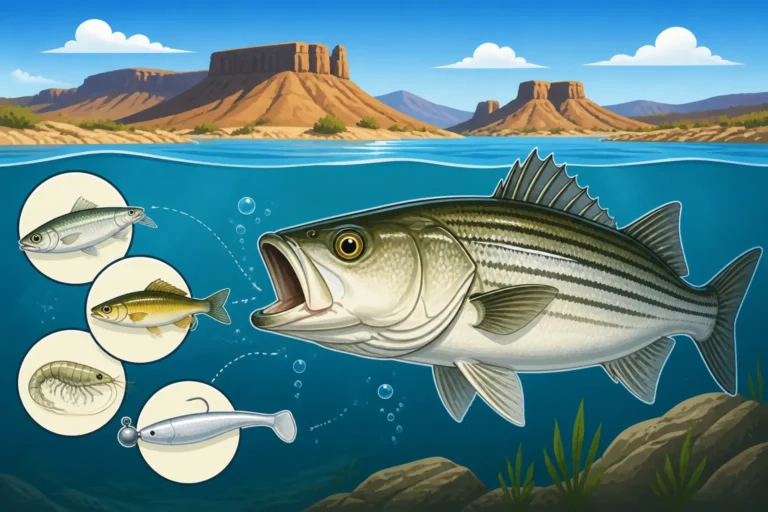
Here's the gist: in New Mexico, it is generally illegal to use any live game fish as bait. This is a fundamental rule that you need to commit to memory. What constitutes a "game fish"? We're talking about species like trout (rainbow, brown, brook, cutthroat), bass (largemouth, smallmouth, striped), walleye, crappie, catfish, and salmon. These are the species that New Mexico manages for sport fishing, and using them as live bait, even if they're small, is a big no-no.
Beyond game fish, there are also strict rules about using any live fish, even non-game species, if they haven't been taken from the same body of water where you intend to use them as bait. This might sound overly cautious, but it's a vital safeguard. Imagine you catch a small minnow in a pond and then drive it to a different lake to use as bait. You could inadvertently be transporting diseases or invasive species along with that minnow, and that's exactly what the regulations aim to prevent. It's about maintaining the health and integrity of each individual fishery.
Why These Rules Matter for Our Ecosystems
You might wonder, "What's the harm in using a small perch I caught in one lake as bait in another?" The answer, unfortunately, is quite a lot. These regulations are fundamentally about protecting New Mexico's fragile aquatic environments. Our waters, from the high mountain streams to the vast desert reservoirs, are unique and susceptible to various threats.
One of the biggest concerns is the spread of invasive species. An invasive species is any plant or animal that is not native to a particular ecosystem and whose introduction causes or is likely to cause harm to the economy, environment, or human health. A small minnow from one body of water, if introduced into another where it doesn't belong, could reproduce rapidly, outcompeting native fish for food and habitat, or even preying on their young. This can throw an entire ecosystem out of balance, leading to declines in native fish populations and long-term ecological damage. For example, imagine introducing a species that eats the eggs of native trout – it could decimate a population in just a few seasons.
Another critical reason for these rules is disease prevention. There are nasty pathogens, like whirling disease, which can be devastating to trout populations. A fish carrying such a disease might look perfectly healthy, but if used as bait and then released (or even if it just escapes the hook), it could introduce that disease into a new waterway, infecting and killing countless fish. Once established, these diseases are incredibly difficult, if not impossible, to eradicate, leading to closures of popular fishing spots and significant economic impact. The New Mexico Department of Game and Fish takes these threats very seriously, and so should every angler who loves to fish our beautiful state.
What Constitutes a "Live Bait Fish" in New Mexico?
It’s crucial to understand the specifics of what is considered a "live bait fish" under New Mexico's regulations. This isn't just about general definitions; it’s about practical application on the water. The rules are designed to prevent specific ecological harm, and knowing the nuances will keep you compliant and help protect our fisheries.
Defining Game Fish vs. Non-Game Fish
In New Mexico, the distinction between "game fish" and "non-game fish" is paramount when it comes to bait. Game fish are those species that are managed by the state for recreational angling and have specific regulations regarding bag limits, size limits, and seasons. This includes, but isn't limited to, all trout species (rainbow, brown, cutthroat, brook, lake trout), all bass species (largemouth, smallmouth, striped, white), walleye, crappie, bluegill, channel catfish, northern pike, and kokanee salmon.
It is strictly illegal to use any live game fish as bait anywhere in New Mexico. This means if you catch a small rainbow trout, a tiny bass, or a juvenile walleye, you cannot put it on a hook and use it to try and catch a bigger fish. Period. This rule is in place to protect these valuable sportfish populations and prevent the spread of disease or invasive traits within managed fisheries.
Non-game fish, on the other hand, are typically species not managed for sport, such as various minnows, suckers, and carp. While you can use certain legally harvested non-game fish as bait, the rules are still very specific, mainly revolving around where those non-game fish were originally caught. We'll delve into that in the next section, but the key takeaway here is: if it's a game fish, live bait is always out of the question. For a full list of species, check out Fish Species Found in New Mexico.
Bait That Is Legal: A Practical Guide
Okay, so live game fish are out. What can you use for live bait? Plenty! New Mexico allows a variety of effective and legal live baits that don't pose the same ecological risks.
- Worms and Nightcrawlers: These are the old standbys for a reason! Red wigglers, nightcrawlers, and other segmented worms are excellent baits for almost any freshwater fish, especially trout, catfish, and sunfish. They are readily available at bait shops, sporting goods stores, and often in your own backyard. You can even find them easily on sites like Amazon if you're stocking up for a trip. They are considered safe because they are not native aquatic species and do not transmit fish diseases.
- Insects and Larvae: Crickets, grasshoppers, mealworms, waxworms, and grubs are all fantastic live baits, especially for trout and panfish. Many anglers even gather their own insects from fields or under rocks. Again, these terrestrial invertebrates pose no threat of introducing aquatic diseases or invasive fish species.
- Legally Harvested Non-Game Fish (with strict caveats): This is where it gets a little nuanced. You can use certain live non-game fish as bait, but only if they were caught from the same body of water where you intend to use them. This "same water" rule is critical. For example, if you catch some shiners in Elephant Butte Lake, you can use those shiners as live bait only in Elephant Butte Lake. You absolutely cannot take them to Navajo Lake, or even a different section of the Rio Grande. This prevents the transfer of diseases or non-native fish species between distinct water bodies. Always check the specific regulations for the water you're fishing, as some waters may have additional restrictions.
Remember, even when using legal live bait, good angling ethics apply. Don't dump unused bait, dead or alive, into the water. Dispose of it properly in the trash to prevent any unintended ecological consequences.
Specific Scenarios and Important Exceptions
Understanding the general rules is a great start, but fishing in New Mexico, much like its diverse landscapes, has its specific nuances. There are particular situations and types of bait that require a closer look to ensure you're always fishing legally and responsibly.
Using Legally Harvested Non-Game Fish as Bait
As we touched on, using live non-game fish as bait can be a highly effective technique for targeting larger predators like big bass or catfish. However, the golden rule you must adhere to is the "source water" principle. You can only use a live non-game fish as bait if it was legally caught from the same body of water in which you intend to use it. This means:
- No Importing: You cannot bring minnows or other baitfish from a bait shop, your backyard pond, or another lake and use them in a new body of water.
- Catch and Use Locally: If you are fishing at Conchas Lake and want to use live baitfish, you must catch those baitfish (e.g., small suckers or fathead minnows, if present and legal) directly from Conchas Lake. Then, you can use them as bait only in Conchas Lake.
- No Transport: Once those non-game baitfish are removed from the water, they should not be transported to another location alive. If you're done fishing, any remaining live baitfish caught from that water must either be used or properly disposed of; they cannot be released into a different water body.
This stringent rule isn't meant to make your life harder; it's a critical defense against the spread of aquatic invasive species and fish diseases like whirling disease, which can decimate fish populations. Even a tiny, seemingly harmless baitfish could be carrying a pathogen or introduce a species that outcompetes native fish or disrupts the food chain. Always consult the official New Mexico Fishing Regulations Overview for the most up-to-date and specific rules regarding baitfish for the particular waterbody you plan to fish.
Artificial Lures and Dead Bait Alternatives
Given the strict regulations on live bait fish, many anglers in New Mexico opt for alternatives that eliminate any ambiguity and still prove incredibly effective.
- Artificial Lures: Spinners, spoons, crankbaits, jigs, and flies are all fantastic options. These can often be more challenging but immensely rewarding, requiring skill in presentation and knowledge of fish behavior. Many of our blue-ribbon trout waters, like sections of the San Juan River, are even designated "Quality Waters" or "Special Trout Waters" where only artificial lures with single barbless hooks are permitted. This is a testament to their effectiveness and the desire to protect the resource. Best Lures for New Mexico Trout provides great ideas. You can find a vast array of artificial lures on platforms like Amazon, making it easy to experiment and find what works best for your target species and fishing style.
- Dead Bait: Believe it or not, dead bait can be incredibly effective, especially for species like catfish. Cut bait (pieces of fish), shrimp, stink baits, and even commercially prepared dough baits are widely used and perfectly legal in most waters. These options carry far less risk of disease or invasive species transmission, making them a safe and viable choice for many fishing scenarios. For example, a piece of dead shad can be irresistible to a large channel catfish in a reservoir like Elephant Butte.
- Other Live Baits: Remember, earthworms, mealworms, crickets, and similar terrestrial insects are generally always legal and highly effective. They don't fall under the "live fish" regulations, providing a readily available and safe live bait option.
Embracing these alternatives not only ensures you're compliant with the law but also often encourages a deeper understanding of fishing techniques and local ecosystems.
Tribal Lands and Private Ponds: Different Rules Apply?
It's a common and very important question: do state regulations apply everywhere, or are there exceptions? The answer is, it depends!
- Tribal Lands: New Mexico is home to numerous Pueblos and Tribal Nations, many of whom have sovereign jurisdiction over their lands and waters. This means that if you plan to fish on tribal lands, such as those of the Navajo Nation or the Mescalero Apache Tribe, you must acquire a separate fishing permit from that specific tribe. State fishing licenses and regulations often do not apply on tribal lands. Their rules for bait, bag limits, and fishing access can be significantly different from state regulations. Always research and confirm the specific rules and permit requirements for any tribal waters you intend to fish before you go. Forgetting this crucial step can lead to fines, confiscation of gear, or even being banned from tribal lands. New Mexico Tribal Land Fishing Permits is a good resource to start your research.
- Private Ponds and Lakes: Generally, if a pond or lake is entirely on private property and is not connected to public waterways, the landowner may set their own rules regarding fishing, including bait. However, this is a tricky area. If the private water has any connection to a public stream, river, or lake, or if fish from public waters can move into the private pond, then state regulations regarding licenses and often bait may still apply. To be absolutely safe, it's always best to assume state regulations apply unless you have explicit, written confirmation from the New Mexico Department of Game and Fish (NMDGF) or the landowner that specific state rules are waived. Most importantly, always get permission from the landowner before fishing on private property. Trespassing is illegal, regardless of bait rules.
When in doubt, always default to the most conservative interpretation of the rules and check with the appropriate authorities (NMDGF, tribal game and fish departments, or landowners) before casting a line.
The Risks and Consequences of Illegal Live Bait Use
Understanding the "why" behind the regulations is one thing, but it's equally important to be aware of the very real "what if." Breaking these rules, even unknowingly, can lead to serious consequences, both for you and for the delicate balance of New Mexico's aquatic environments.
Penalties for Violations
Let's not sugarcoat it: fishing without adhering to bait regulations, especially using illegal live fish, is considered a violation of state wildlife laws. And just like fishing without a valid license, these infractions come with penalties. You're not just getting a slap on the wrist.
Typically, a first offense for using illegal bait can result in a significant fine. These fines are not cheap and are designed to be a deterrent. Beyond the monetary penalty, you also risk the confiscation of your fishing gear, including your rods, reels, tackle box, and even your boat if it was involved in the offense. Imagine having your prized fishing setup seized – it's a real bummer, and a costly one at that.
Repeated offenses can lead to even harsher penalties, including higher fines, longer periods of license revocation, and potentially even misdemeanor charges that could impact your record. Conservation officers are out there, and they are dedicated to protecting New Mexico's natural resources. They take these violations seriously because the potential damage to our fisheries is so severe. The best way to avoid all this stress and expense is simply to educate yourself on the rules, like those detailed in New Mexico Fishing Regulations Overview, and stick to legal bait options. It’s far better to be safe than sorry, and certainly cheaper in the long run!
The Long-Term Impact on New Mexico's Waters
Beyond personal penalties, the true cost of illegal live bait use is borne by New Mexico's precious aquatic ecosystems. This isn't theoretical; the impacts are very real and often irreversible.
- Introduction of Disease: One of the most insidious threats is the spread of fish diseases. As mentioned, whirling disease is a prime example, causing deformities and neurological damage in trout, leading to high mortality rates, particularly in young fish. If an angler introduces a diseased baitfish from one water body to another, they could inadvertently decimate an entire fishery's trout population. Once established, these diseases are nearly impossible to eradicate and can forever alter the quality of a fishing destination.
- Establishment of Invasive Species: A non-native baitfish, if released or escaping a hook, can quickly establish a breeding population in a new environment. These invasive species often lack natural predators in the new ecosystem and can outcompete native fish for food and habitat. They can also introduce new parasites or diseases, disrupt food webs, and even physically alter the environment. Over time, this leads to a decline in native fish populations, reduced biodiversity, and a less healthy, less productive fishery. Consider the impacts of species like common carp, which, while widespread, can degrade habitat by stirring up sediment and uprooting vegetation.
- Genetic Dilution: In some cases, even using native fish from a different strain or genetic lineage as bait could lead to genetic dilution if they interbreed with local populations. This weakens the genetic integrity of the local fish, potentially making them less resilient to environmental changes or diseases.
Protecting New Mexico's waters is a collective responsibility. Every angler plays a role in safeguarding these resources for future generations. Adhering to bait regulations is a fundamental way to contribute to the health and vitality of our state's incredible fishing opportunities. It's about respecting the land, the water, and the fish that call them home.
Here's a quick summary of bait considerations in New Mexico:
| Bait Type | Legality in New Mexico | Key Considerations |
|---|---|---|
| Live Game Fish | ILLEGAL – Absolutely prohibited to use any live sport fish (trout, bass, walleye, crappie, catfish, salmon, etc.) as bait. | Designed to prevent the spread of disease and invasive species, and to protect managed game fish populations. |
| Live Non-Game Fish | Generally Legal, with Strict Caveats – Only if legally caught from the same body of water where you intend to use them. No transport between waters. | Critical "source water" rule to prevent disease transmission and introduction of non-native species. Always confirm local regulations. |
| Earthworms/Nightcrawlers | LEGAL – Widely accepted and effective live bait. | Safe and effective for most freshwater species. Readily available at bait shops, online (like on Amazon), or harvested from your garden. |
| Terrestrial Insects | LEGAL – Crickets, grasshoppers, mealworms, waxworms, grubs, etc. | Excellent for trout and panfish. Pose no aquatic disease or invasive species risk. |
| Dead Bait | LEGAL – Cut bait (fish pieces), shrimp, chicken livers, stink baits, dough baits, corn, marshmallows. | Very effective for catfish, carp, and sometimes trout. Eliminates risks associated with live fish. Check specific waterbody rules for any particular restrictions. |
| Artificial Lures | LEGAL – Spinners, spoons, crankbaits, jigs, flies, soft plastics. Required in "Special Trout Waters" (often barbless hooks). | Environmentally safe, versatile, and highly effective. Many anglers prefer this method for sport and ethical catch-and-release. Explore options for Fly Fishing Techniques for New Mexico Rivers or Bass Fishing Techniques for New Mexico Lakes. |
| Chumming | Generally Prohibited – The act of throwing bait into the water to attract fish. Specific regulations apply, and it's mostly illegal in New Mexico waters. | Can negatively impact water quality and fish behavior. Always check specific water regulations, especially if considering its use for carp or other non-game species where it might be allowed in very specific contexts. Most of the time, it's off-limits. |
Always remember, the responsibility rests with the angler to know and follow the rules. Before heading out, grab a copy of the current New Mexico Fishing Rules & Regulations, or check the NMDGF website. Understanding these guidelines isn't just about avoiding trouble; it's about being a conscientious steward of our incredible natural resources.
Disclaimer
This article is for general informational purposes only and does not constitute professional advice. Laws, prices and regulations vary by location and change over time. Consult a qualified professional for guidance on your specific situation.