Fish That Are Illegal to Possess Alive in New Mexico
It’s a scenario every angler dreads: you’ve had a fantastic day on the water, you’ve caught some beautiful fish, and maybe you’ve even kept a few in a livewell or bucket to show the family or transfer. But what if one of those fish, still very much alive, is actually illegal to possess in that state, even temporarily? This situation is more common than you might think, and the consequences can range from a hefty fine to the loss of your fishing privileges. This guide is here to shed light on which fish species are illegal to possess alive in New Mexico, why these rules exist, and how you can ensure you’re always on the right side of the law to protect our incredible aquatic environments.
Why Certain Fish Are Illegal to Possess Alive in New Mexico
Understanding the "why" behind these regulations is key to truly appreciating their importance. It's not just about arbitrary rules; it's about safeguarding the delicate balance of New Mexico's unique and often fragile aquatic ecosystems. Our state boasts an incredible diversity, from high-mountain trout streams to vast warm-water reservoirs, and each environment has its own set of challenges and needs.
Protecting Native Species and Ecosystems
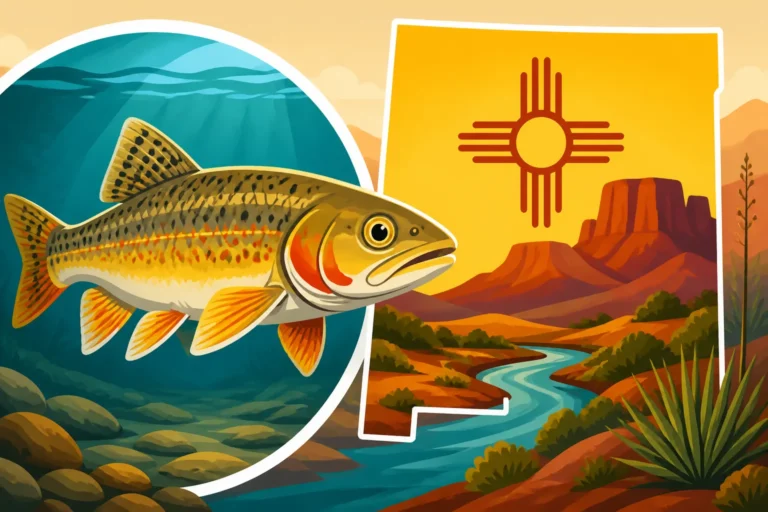
New Mexico is home to several precious native fish species, some of which are found nowhere else in the world. Think about the Rio Grande Cutthroat Trout in New Mexico or the incredibly rare Gila Trout in New Mexico. These fish have adapted over millennia to specific habitats, water conditions, and food sources. Introducing a non-native species, especially a predatory one or one that outcompetes them for food, can be catastrophic. Imagine a non-native bass or perch being released into a stream where native trout are barely hanging on. That new fish could quickly decimate their food supply, prey directly on young trout, or alter the habitat in ways that make it impossible for the natives to survive.
The ecosystem itself is a delicate web. Every organism, from microscopic plankton to large predatory fish, plays a role. When you introduce a species that doesn't belong, it can unravel that web. It's like dropping a wrench into fine machinery – even a small, seemingly insignificant change can have ripple effects that lead to much larger problems, impacting everything from water quality to insect populations that other wildlife rely on. Conservation efforts, like those undertaken by the New Mexico Department of Game and Fish, focus heavily on preventing these accidental introductions.
Preventing the Spread of Disease
Another critical reason for strict live possession laws is to prevent the spread of aquatic diseases. Fish, just like humans, can carry pathogens that might not harm them but could be deadly to other populations. Whirling disease, for example, is a devastating parasite that deforms and kills trout and salmon, particularly juveniles. Viral Hemorrhagic Septicemia (VHS) is another highly contagious and often fatal fish disease that has caused massive die-offs in other parts of the country.
When you move a live fish from one body of water to another, even if it looks perfectly healthy, you risk transporting these invisible killers. A fish carrying a disease in one lake might have developed some immunity, but when introduced to a new population, it could wipe out fish that have no defense. It's an invisible threat, and it's why the rules are so stringent about moving live fish. It protects existing healthy fisheries, ensuring that our children and grandchildren can still enjoy the vibrant angling opportunities we have today.
Avoiding Habitat Degradation and Invasive Species
Beyond direct predation or disease, certain fish species can wreak havoc on an aquatic environment simply by how they live. Common carp, for instance, are notoriously destructive bottom feeders. While they're widespread in many New Mexico waters and can be legally harvested, intentionally introducing live carp to a new, sensitive water body can lead to severe habitat degradation. They root around in the bottom sediment, stirring up mud and reducing water clarity, which can suffocate native fish eggs, destroy aquatic vegetation, and make it harder for sight-feeding fish to find food.
The issue of invasive species isn't just limited to fish. When you move live fish, you can also inadvertently transport aquatic invasive plants (like Eurasian watermilfoil) or tiny organisms (like quagga or zebra mussels) that cling to the fish or their container. These "hitchhikers" can quickly establish themselves in new waters, outcompete native vegetation, clog pipes, and drastically alter the entire ecosystem. Once established, invasive species are incredibly difficult and expensive to remove, often requiring ongoing management for decades. The state invests significant resources in trying to manage Invasive Fish Species in New Mexico and other aquatic nuisances, and preventing their spread is a top priority for every angler.
Specific Fish Species You Cannot Possess Alive in New Mexico
Navigating the specifics of which fish are off-limits can feel like a maze, but generally, the rules boil down to protecting native species and preventing the introduction of harmful non-natives. It's crucial to remember that "illegal to possess alive" often implies illegal to transport alive from one water to another, or even to keep alive in a livewell for extended periods without specific permits, rather than simply catching one and then immediately releasing it.
Non-Native Species and Prohibited Introductions
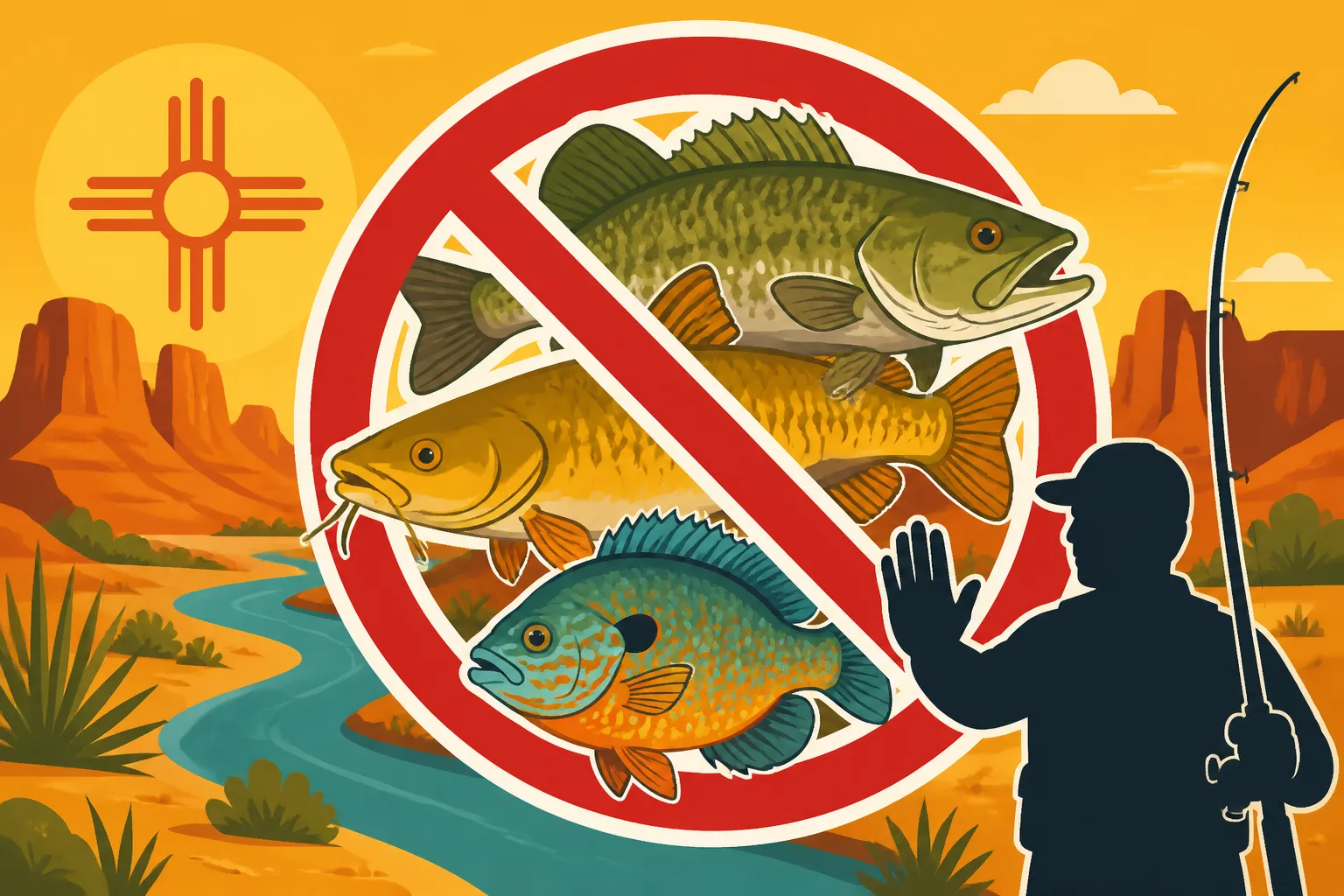
New Mexico's regulations are designed to prevent anglers from taking fish caught in one body of water and releasing them into another, even if those fish are common game species in some areas. This includes species that might be common in one lake but absent (and unwanted) in another sensitive watershed. For example, while certain bass species are popular game fish, moving live bass from a warm-water reservoir to a high-mountain trout lake would be highly illegal due to the devastating impact on trout populations.
The general rule of thumb is: if you catch a fish and intend to keep it, it must be for immediate consumption or taken home as part of your legal bag limit, and it generally must be dead before leaving the waterbody area. You cannot, for example, keep a live bucket of sunfish caught at a local pond to introduce into your private backyard pond, or even to use as live bait in a different lake, unless those specific actions are explicitly permitted under very rare circumstances. This regulation primarily targets the intentional (or unintentional) translocation of species. When in doubt, assume live transport is prohibited unless you've consulted the official regulations and have a special permit.
Endangered, Threatened, or Protected Native Species
This category is probably the most clear-cut: any fish classified as endangered, threatened, or otherwise protected by state or federal law simply cannot be possessed, dead or alive, beyond the point of immediate release. In New Mexico, the Gila Trout and the Rio Grande Cutthroat Trout are prime examples. If you happen to catch one of these rare and magnificent fish, it must be released immediately and with the utmost care. This means minimizing handling, keeping the fish in the water as much as possible, and using barbless hooks to facilitate a quick release.
Regulations for these species often include specific areas designated as "special trout waters" or "quality waters" where extra strict rules apply, sometimes even requiring artificial lures and barbless hooks to minimize harm to the fish. Holding one of these protected fish in a livewell, even briefly, could be considered illegal possession and lead to severe penalties. Anglers have a responsibility to know the species they are targeting and the rules governing the waters they are fishing. Do You Need a Permit to Fish for Gila Trout? is a good resource if you plan to fish in areas where they might be present.
Fish Posing a Significant Ecological Risk
Beyond endangered species, there are other fish that, while not necessarily "native," are considered such a threat to existing fisheries that their live possession or transfer is heavily restricted. For example, Tiger Muskie in New Mexico, a sterile hybrid, are stocked in specific lakes (like Bluewater Lake) to help control other non-native species. However, moving them to a new, unintended water body could disrupt that ecosystem dramatically due to their predatory nature and large size.
Similarly, large predatory species like northern pike, though present in some New Mexico waters, are often viewed with caution. Their voracious appetites can quickly decimate populations of smaller fish, including valuable native species or trout. If you catch a fish like a pike in a water body where it's not supposed to be, or if you're fishing in a lake where their spread is actively being managed, possessing it alive for transport to another water is likely illegal. The intent is to prevent the spread of fish that could become a dominant, detrimental force in a new environment, outcompeting or preying on established populations. Always check the specific regulations for the water you're fishing to understand any special rules about species of concern.
The Rules Around Live Bait and Transport
The world of live bait can be confusing, and it's a common area where anglers accidentally fall afoul of the law when it comes to possessing fish alive. It’s not just about the fish you’re trying to catch; it’s also about the fish you’re using to catch them. New Mexico takes its aquatic health seriously, and that includes what you bring to the water.
Understanding Live Bait Regulations
New Mexico has very clear and often strict rules regarding the use of live bait, especially in waters managed for trout. Many of our pristine trout streams and high-mountain lakes, including designated New Mexico Special Trout Water Rules areas, explicitly prohibit the use of any live bait. This isn't because the fish don't like worms; it's a direct measure to prevent the introduction of undesirable organisms, diseases, or non-native species that might be accidentally released or escape from your bait bucket.
Even in waters where live bait is permitted, there are usually specific regulations about what kind of live baitfish can be used and where they can be obtained. For example, some regulations might state that live baitfish must be obtained from the water you are currently fishing, or from a licensed bait dealer within the state who can certify they are disease-free and legal. Transporting live baitfish from a different state, or even from a different watershed within New Mexico, is often illegal. It’s a huge risk for spreading diseases or introducing new species, and unfortunately, many anglers learn this the hard way. Always consult the New Mexico Fishing Regulations Overview for the specific water you intend to fish, paying close attention to the bait section.
Transporting Fish: What's Allowed and What's Not
This is where many anglers get tripped up. Generally speaking, transporting dead fish for consumption, within legal bag limits and lengths, is perfectly fine. You've caught your dinner, you've dispatched it ethically, and you're taking it home. No problem.
However, transporting live fish is almost universally prohibited in New Mexico without a very specific permit from the Department of Game and Fish. This applies even to fish you intend to eat, or fish you might want to move to another part of the same lake. The rationale is simple: an alive fish, even in a livewell, still has the potential to escape or be accidentally released into an unintended body of water. Imagine you're driving down the road with a livewell full of bass from Elephant Butte Lake, and you get into an accident near a small stream that eventually feeds into a sensitive trout fishery. Those bass could escape and devastate the local ecosystem.
Tournament anglers often have special permits or exceptions for keeping fish alive in livewells for weigh-in purposes, but even then, those fish are typically released back into the same water body they were caught from, or they are transferred to a designated holding tank for management. You should never assume you can take live fish from one lake and move them to another, or even to your home, without first confirming the legality through official channels. The risks to our natural waters are simply too high.
Penalties for Violating Live Possession Laws
Let's be realistic: getting caught violating live possession laws can be a real headache, and often, a costly one. The penalties can vary depending on the specific species, the intent, and whether it's a first offense, but they are rarely minor.
Common penalties can include:
- Significant Fines: You could be looking at hundreds, if not thousands, of dollars in fines.
- Confiscation of Gear: Your fishing equipment, including rods, reels, boats, and even vehicles used in the violation, could be seized.
- Loss of Fishing Privileges: Your fishing license could be revoked, and you might be barred from purchasing another one for a period of time, or even permanently.
- Jail Time: For serious offenses, particularly those involving endangered species or repeated violations, jail time is a possibility.
Ignorance of the law is generally not considered an excuse. As anglers, we have a responsibility to know the rules that govern our sport. Enforcement officers take these regulations very seriously because the consequences of ignoring them can have long-lasting, detrimental effects on New Mexico's fisheries. Before you hit the water, take the time to review the New Mexico Fishing Regulations Overview to avoid an unpleasant and expensive surprise.
Here's a quick summary to help clarify common situations regarding live fish possession:
| Action / Intent | Legality in New Mexico (General) | Rationale |
|---|---|---|
| Catching and keeping for consumption (dead fish) | Generally allowed within bag/size limits and season. | Standard angling practice; no ecological risk once deceased. |
| Transporting live fish for release in another water body | Generally illegal without specific permit. | Prevents spread of invasive species, diseases, and ecological disruption. |
| Using legally sourced live baitfish | Allowed in specific waters, if bait is from an approved list and source. | Controlled practice; ensures bait is disease-free and non-invasive. Strict rules apply. |
| Transporting illegally sourced live baitfish | Illegal. | High risk of invasive species and disease introduction from unknown sources. |
| Catching a protected species (e.g., Gila Trout) and releasing it alive | Mandatory immediate release with minimal harm. | Protects endangered/threatened native populations; any possession is illegal. |
| Catching a protected species and keeping it alive/dead | Highly illegal and carries severe penalties. | Direct violation of conservation laws for protected species. |
| Keeping game fish alive in a livewell for a tournament | Often allowed within tournament rules, but not for release elsewhere (must return to same water). | Specific exception for sporting events; fish typically released back into the water where caught. |
| Keeping live non-game fish (e.g., carp, suckers) in a bucket for later transport/release | Generally illegal if the intent is to move them to a different water body. | Even non-game species can be invasive or harmful if introduced to new ecosystems. |
How to Stay Compliant and Protect New Mexico's Waters
The thought of accidentally breaking a rule can be intimidating, but staying compliant doesn't have to be hard. It mostly comes down to a few key principles and a commitment to responsible angling. By taking these steps, you not only protect yourself from fines but, more importantly, you become a steward of New Mexico's incredible natural resources.
Educate Yourself Before You Go
The single most important thing you can do is to educate yourself about the rules of the specific water body you plan to fish. Before every trip, or at least at the start of each fishing season, get your hands on the latest New Mexico Fishing Proclamation. This official guide, available digitally on the New Mexico Department of Game and Fish website, or in print at most license vendors and sporting goods stores (you can often find a copy near the fishing gear section if you're browsing for new lures on Amazon or at a local shop), is your bible. It details all the general regulations, as well as specific rules for particular lakes, rivers, and special areas.
Pay close attention to sections on:
- Species-specific rules: Bag limits, size limits, and any special conditions for certain fish, including those that are protected and must be released.
- Bait restrictions: Whether live bait is allowed, and if so, what kind.
- Gear restrictions: Rules about barbless hooks, artificial lures only, or New Mexico Second Rod Validation requirements.
- Special water designations: Understand what it means to fish in New Mexico Quality Waters Program or New Mexico Special Trout Water Rules areas, as these often have stricter guidelines.
Local tackle shops are also invaluable resources. The folks working there usually fish the local waters and can offer real-time advice on conditions and specific regulations that might be easy to overlook.
Practice "Clean, Drain, Dry" Principles
This mantra is crucial for preventing the spread of aquatic invasive species, whether they're fish, plants, or microscopic organisms. Every angler needs to adopt the "Clean, Drain, Dry" routine as standard practice.
- Clean: Inspect your boat, trailer, waders, boots, fishing lines, nets, and any other gear that touched the water. Remove all visible mud, weeds, and any debris. Pay special attention to crevices where small organisms might hide. A stiff brush, like one you might find on Amazon for scrubbing boat hulls, can be very helpful.
- Drain: Before leaving any launch area, make sure to drain all water from your boat's bilge, livewell, bait buckets, and motor. If you're wading, drain water from your waders and boots. This prevents the transport of unseen larvae, eggs, or plant fragments.
- Dry: Allow all your fishing gear to completely dry before using it in a different body of water. Sunlight and air are excellent sterilizers. If you're moving between waters quickly, and drying isn't possible, consider a thorough cleaning with hot, pressurized water if facilities are available.
This simple but effective routine is one of the best defenses we have against the ecological havoc caused by invasive species. It's a small effort that yields huge benefits for our fisheries.
Responsible Catch and Release Practices
Even when you're diligently following all the rules, there will be times you catch a fish you didn't intend to, or one that must be released due to size limits, species protection, or simply because you've reached your bag limit. Practicing responsible New Mexico Catch and Release Regulations is vital, especially for protected species or those that are vulnerable.
Here are a few tips:
- Minimize Handling: Try to keep the fish in the water as much as possible, especially if it's a cold-water species like trout. If you must handle it, wet your hands first to protect its delicate slime coat.
- Barbless Hooks: Many special waters require barbless hooks, and even where they're not required, using them makes unhooking much easier and less damaging to the fish. You can often pinch down the barb on your existing hooks with a pair of pliers.
- Quick Release: Have your tools (pliers, hemostats) ready to quickly remove the hook. Don't play the fish to exhaustion, especially in warmer water.
- Revive the Fish: If a fish seems sluggish, hold it gently in the water, facing upstream, allowing water to flow over its gills until it swims away under its own power. Don't just toss it back; make sure it's strong enough to survive.
Being prepared with the right gear, like a wide, knotless rubber landing net (many good options on Amazon), can also greatly reduce stress and injury to fish you intend to release. By adopting these practices, you ensure that the fish you release have the best possible chance of survival, contributing to healthy and abundant fisheries for everyone.
Disclaimer
This article is for general informational purposes only and does not constitute professional advice. Laws, prices and regulations vary by location and change over time. Consult a qualified professional for guidance on your specific situation.