Which New Mexico Lakes Have Smallmouth Bass
It can be incredibly frustrating when you're itching to experience the thrill of a smallmouth bass fight, that tell-tale pull and acrobatic jump, but you're just not sure which New Mexico lakes are truly prime territory for these feisty bronze beauties. Many anglers think of largemouth when they picture bass fishing in our state, but New Mexico actually offers some fantastic opportunities for smallmouth if you know where to look. This comprehensive guide will steer you toward the top lakes where smallmouth bass thrive, giving you the insider knowledge you need to plan your next successful angling adventure.
New Mexico's Prime Smallmouth Bass Havens
When you're chasing smallmouth bass in New Mexico, it's all about finding those clear, rocky waters they absolutely adore. Unlike their largemouth cousins who prefer murky, weed-choked environments, smallmouth are structure fanatics, seeking out boulders, gravel beds, ledges, and submerged timber. Our high desert reservoirs, surprisingly, provide excellent habitat that can grow some truly impressive smallmouth. Knowing which lakes fit this bill is half the battle won, and thankfully, New Mexico has a few standout spots that consistently produce good numbers and sizes.
Elephant Butte Lake's Rocky Realm
Elephant Butte Lake, our largest body of water, might be famous for its striped bass and walleye, but don't let that overshadow its fantastic smallmouth fishery. This massive reservoir, with its sprawling rocky points, submerged ledges, and canyon walls, is a smallmouth paradise. These fish gravitate towards the endless stretches of broken rock and gravel bottoms, especially in the upper reaches of the lake where the Rio Grande feeds in, creating some current. You'll find them holding tight to structure, ambushing baitfish that swim by.
Anglers often report success focusing on the main lake points and steeper banks, particularly those with a good mix of rubble and larger rocks. Early mornings and late evenings during the warmer months are prime times when smallmouth will push shallower to feed. During the heat of the day or in colder periods, they often retreat to deeper ledges and humps, making a good fish finder invaluable. Fishing around the dam area or near the islands can also be productive. Don't forget to explore the various coves and arms, especially where wind has stacked up baitfish against rocky shores. Elephant Butte Lake Fishing Guide offers even more insights into this incredible fishery.
Navajo Lake's Northern Jewels
Up in northern New Mexico, Navajo Lake stands as another jewel for smallmouth bass enthusiasts. This deep, clear reservoir, nestled in the scenic San Juan River Valley, offers cooler water temperatures and an abundance of rocky habitat that smallmouth absolutely love. The lake's irregular shoreline, numerous coves, and steep canyon walls provide endless structure for these fish to call home. You'll often find smallmouth congregating around submerged rock piles, natural reefs, and the sheer rock faces that plunge into the depths.
Navajo Lake's smallmouth tend to grow large, benefiting from the plentiful forage and clean environment. They can be a bit more challenging to locate due to the lake's immense size and depth, but persistence pays off handsomely. Focus your efforts on the main lake points, especially those that drop quickly into deeper water. The Cedar Hill and Sims Mesa areas are known hotspots, providing excellent structure and good access. Anglers often use electronics to scan for submerged timber and rock piles, which are key holding areas. The clarity of the water here often means a stealthier approach and lighter lines can be more effective. If you're planning a trip, be sure to check out the Navajo Lake Fishing Guide for a comprehensive overview.
Abiquiu Lake's Hidden Gems
While perhaps not as widely known for smallmouth as Elephant Butte or Navajo, Abiquiu Lake, northwest of Santa Fe, is rapidly gaining a reputation as a sleeper smallmouth fishery. This beautiful, often less-crowded reservoir is characterized by its deep, clear, and very rocky waters – practically custom-made for smallmouth bass. The smallmouth here are abundant and aggressive, offering exciting action for those who discover its potential.
Abiquiu Lake’s smallmouth population thrives along its extensive rocky shorelines, particularly around the many points, submerged humps, and steep drop-offs. The clear water makes sight fishing a possibility on calm days, allowing you to spot cruising smallmouth near structure. Anglers often target areas where the Chama River once carved channels, which now lie submerged, creating ideal ambush points. Don't overlook the areas around the dam or the mouth of the Chama River arm, as these can hold significant numbers of fish. Patience and careful presentation are key on Abiquiu, and exploring new rocky stretches can lead to uncovering your own secret honey holes. Many anglers are now specifically looking for Abiquiu Lake Smallmouth Bass Fishing opportunities due to its growing reputation.
Other Notable Smallmouth Waters
Beyond these top three, other New Mexico lakes also hold viable smallmouth populations, though perhaps in lesser numbers or with more localized concentrations.
- Ute Lake: Located in eastern New Mexico, Ute Lake has a respectable population of smallmouth, particularly in its rocky, upper stretches and around the main lake points. While often overshadowed by its walleye and largemouth populations, smallmouth provide a fun challenge in the clearer sections.
- Conchas Lake: This lake, also in eastern New Mexico, can produce smallmouth, especially around rocky structures and bluffs in the main channel and larger coves. The habitat is there, and dedicated anglers can certainly find success.
- Quay County Lakes (e.g., Clayton Lake): Smaller, often overlooked lakes in the eastern plains can sometimes surprise you with smallmouth catches, usually around their most prominent rock structures or dam faces.
Remember, regardless of the lake, smallmouth are creatures of habit. If you find one near a specific type of structure, chances are others will be nearby, exhibiting similar behaviors.
The Thrill of the Fight: Why Smallmouth Bass are a True Challenge
There's something incredibly addictive about catching a smallmouth bass. They aren't just fish; they're aquatic acrobats, known for their powerful runs and spectacular leaps once hooked. This spirited fight is precisely why so many anglers specifically seek them out, enduring long drives and challenging conditions for the chance to feel that distinctive tug on the line. Understanding what makes them such formidable opponents and how they differ from other bass species can greatly enhance your appreciation and success.
Smallmouth vs. Largemouth: A Tale of Two Bass
Many newcomers to bass fishing might not immediately differentiate between a largemouth and a smallmouth, but experienced anglers know they are distinct species with different preferences and fighting styles. Largemouth bass, as their name suggests, have a mouth that extends beyond their eye, a darker, often mottled green coloration, and prefer warmer, weedier, and more turbid water. They tend to be ambush predators, hiding in dense cover like lily pads, submerged timber, or thick grass, striking with explosive power. Their fight is often characterized by deep, powerful tugs, sometimes diving into cover.
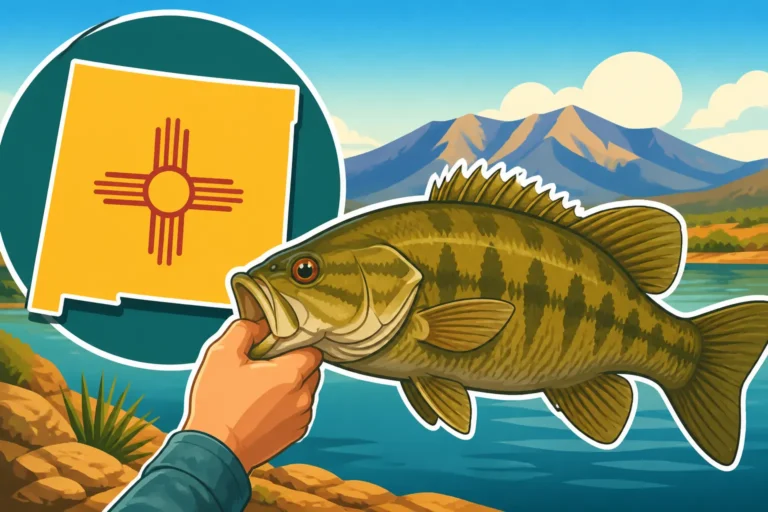
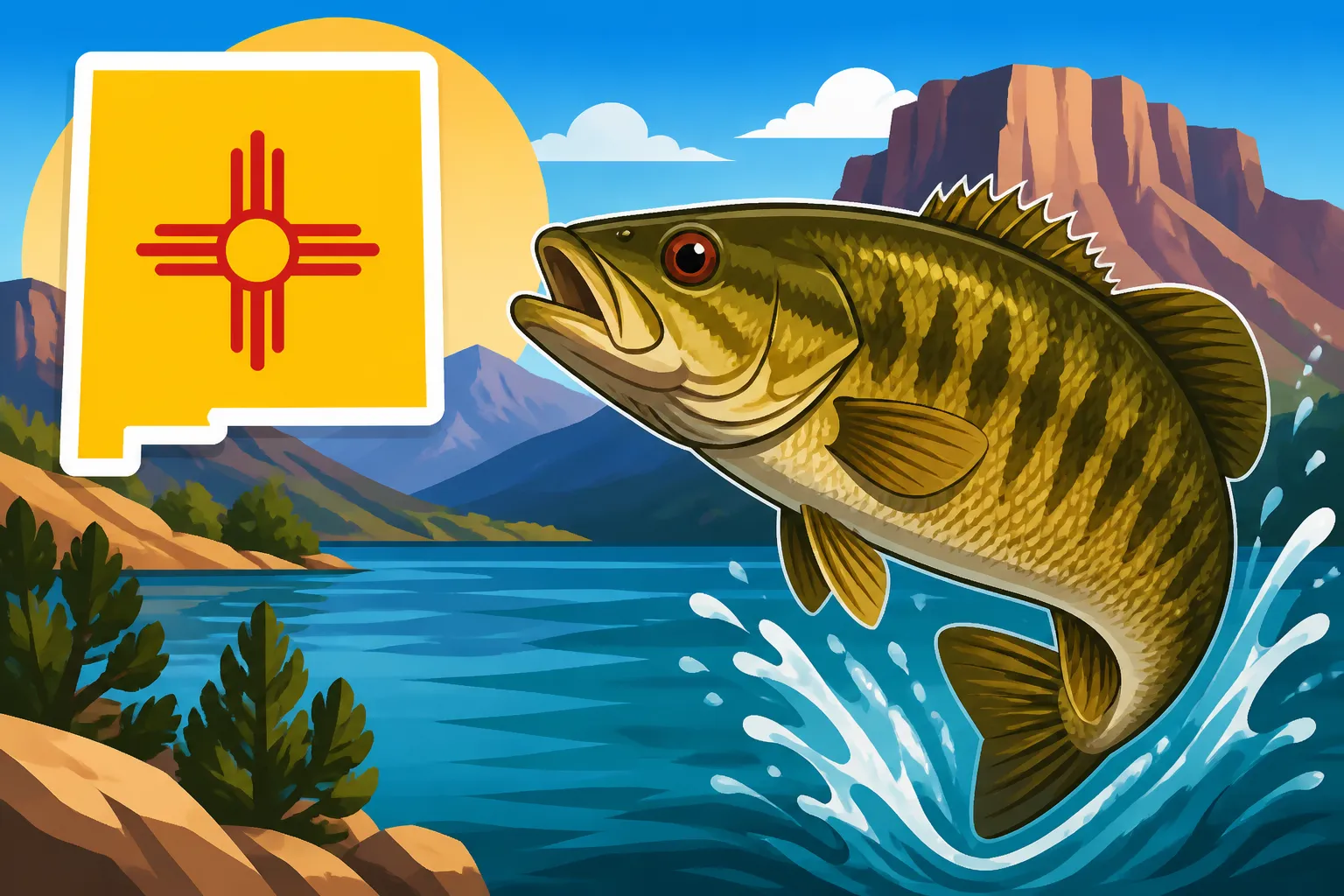
Smallmouth bass, on the other hand, have a mouth that does not extend past the eye, a bronze-brown to yellowish-green coloration with vertical barring, and bright red eyes. They thrive in cooler, clearer waters with rocky bottoms, gravel, and current. Their fighting style is legendary: a smallmouth will often jump clear out of the water multiple times, shaking its head violently to throw the hook. They are also known for strong, sustained runs that can peel line off your reel. This acrobatic display and tenacious spirit make them a favorite target for sport fishermen. The Smallmouth Bass Average Size in New Mexico Lakes can vary significantly depending on the lake and forage availability, but even smaller ones put up a fantastic tussle.
Preferred Habitats and Feeding Habits
Smallmouth bass are quintessential structure-oriented predators. They will always be found near some kind of hard cover, whether it's a massive boulder, a sheer rock wall, a gravel point, or a downed tree limb. These structures provide cover from predators, ambush points for prey, and protection from strong currents. In New Mexico's reservoirs, this means focusing on rocky shorelines, cliff faces, submerged humps, and artificial structures like riprap along dams. The clearer water these fish prefer also means they often rely more on sight for hunting, making lure choice and presentation critical.
Their diet consists primarily of crayfish, baitfish (like shad, minnows, and shiners), and aquatic insects. Understanding this diet helps inform your lure selection. A lure that mimics a crayfish scurrying along the bottom or a baitfish darting through the water will be highly effective. They are opportunistic feeders, but they can also be surprisingly selective, especially in clear water, making matching the hatch or presenting a natural-looking bait essential. Their preference for current also means that fishing near river inflows or dam outflows can be particularly productive at certain times.
Essential Tactics and Gear for New Mexico Smallmouth
Successfully targeting smallmouth bass in New Mexico requires a blend of the right gear, understanding their behavior, and refining your presentation. While these fish are aggressive, they can also be finicky, especially in clear water or under heavy fishing pressure. Having the right tools and techniques in your arsenal will significantly increase your chances of landing these prized fighters.
Choosing the Right Rods, Reels, and Line
For smallmouth bass, you'll generally want a versatile spinning or casting setup. A medium-light to medium power rod, typically 6'6" to 7' in length, with a fast action tip, is ideal. This combination provides enough backbone to fight powerful fish while maintaining the sensitivity needed to detect subtle bites. A good quality spinning reel in the 2500-3000 size range or a baitcasting reel with a smooth drag system is perfect.
Line choice is also critical. Many anglers opt for 6-10 lb test fluorocarbon line as a main line or a leader, especially in clear water, due to its low visibility and abrasion resistance against rocks. Alternatively, 10-15 lb braided line with a fluorocarbon leader (6-10 lb) is a popular choice, offering excellent sensitivity and casting distance. Remember, smallmouth fishing often involves casting around abrasive rocks, so checking your line for fraying is a habit you'll want to adopt. You can find a wide range of suitable rods, reels, and lines for smallmouth fishing on Amazon, often with helpful reviews to guide your choice.
Top Lures for Tempting Smallmouth
Smallmouth bass are not particularly picky, but certain lures consistently outperform others, especially when mimicking their natural forage.
- Jigs and Soft Plastics: These are arguably the most versatile smallmouth lures. Tube jigs (like a 3-inch or 4-inch Gitzit or Strike King Coffee Tube), grub-tailed jigs, and Ned rigs are absolute killers for smallmouth in rocky environments. These mimic crayfish or baitfish and can be worked slowly along the bottom. You can browse a huge selection of jig heads and soft plastic bodies on Amazon.
- Crankbaits: Smallmouth love crankbaits, especially those that dive to appropriate depths to hit submerged structure. Shallow-diving crankbaits work well along rocky banks, while medium-to-deep diving models are excellent for probing ledges and drop-offs. Colors mimicking baitfish (shad, perch) or crayfish are usually effective.
- Spinnerbaits: Compact spinnerbaits with willow or Colorado blades can be deadly, particularly in slightly stained water or when retrieved quickly over rocky points. They create flash and vibration that can trigger aggressive strikes.
- Topwater Lures: When smallmouth are actively feeding on the surface, usually during low light conditions or when baitfish are schooling, topwater lures like poppers, walking baits, and prop baits can provide explosive, heart-stopping strikes. There's nothing quite like seeing a smallmouth blow up on a topwater lure.
- Carolina and Drop-Shot Rigs: For deeper water or when fish are less active, these finesse rigs can be highly effective. They allow you to present a soft plastic bait right in the strike zone near bottom structure.
For a broader perspective on effective baits, consider exploring Best Lures for New Mexico Trout and applying some of that knowledge to smaller, flashier options for bass.
Effective Techniques and Presentation
The key to successful smallmouth fishing lies in understanding how to present your chosen lure effectively in their preferred habitat.
- Fan Casting: When you approach a promising rocky point or cove, don't just cast in one direction. Instead, make a series of casts, fanning out across the area to cover as much water and structure as possible.
- Contact with Structure: Smallmouth are almost always near structure. Whether you're dragging a jig, bumping a crankbait, or slowly retrieving a soft plastic, try to maintain contact with the bottom or whatever structure you believe the fish are holding to. This often means losing a few lures, but it's where the bites happen.
- Vary Your Retrieve: Don't be afraid to experiment with retrieve speeds and pauses. Sometimes a slow, methodical retrieve is best, mimicking a sluggish crayfish. Other times, a fast, erratic retrieve, imitating a fleeing baitfish, will trigger a reaction strike.
- Patience and Persistence: Smallmouth bass, especially larger ones, can be migratory or hold in specific, hard-to-find pockets. Don't get discouraged if you don't find them immediately. Move around, try different depths, and keep casting to prime habitat. Consistency is often rewarded.
- Reading the Water: Look for signs of baitfish activity, changes in water color or current, or visible structure. Pay attention to how the wind is blowing, as it can concentrate baitfish and oxygen on certain shorelines, making them more attractive to smallmouth.
Many of these principles are covered in broader articles like Bass Fishing Techniques for New Mexico Lakes, but tailoring them to the smallmouth's unique preferences is where the true art lies. Always be prepared to adapt your approach based on the conditions of the day and the specific lake you're fishing.
| Lake Name | Primary Smallmouth Habitat | General Water Type | Key Features for Smallmouth |
|---|---|---|---|
| Elephant Butte Lake | Rocky points, ledges, canyon walls, main lake bluffs | Clear to Turbid | Vast rocky structure, river current influence, large size |
| Navajo Lake | Steep rock walls, submerged timber, deep coves | Very Clear | Deep, cool water, abundant natural rock structure |
| Abiquiu Lake | Rocky shorelines, main lake points, steep drop-offs | Clear | Developing fishery, less pressure, prolific rocky habitat |
| Ute Lake | Rocky upper arms, main channel points | Clear to Stained | Good numbers in specific rocky areas, diverse fishery |
| Conchas Lake | Rock bluffs, main lake channel banks, riprap | Clear to Stained | Rocky sections offer opportunities, multi-species lake |
Fishing for smallmouth bass in New Mexico's lakes is a truly rewarding experience. From the expansive rocky shores of Elephant Butte to the clear, deep canyons of Navajo, and the emerging potential of Abiquiu, these waters offer fantastic opportunities to tangle with one of freshwater's most exciting game fish. With the right knowledge, gear, and a bit of persistence, you'll be enjoying those explosive fights in no time.
Disclaimer
This article is for general informational purposes only and does not constitute professional advice. Laws, prices and regulations vary by location and change over time. Consult a qualified professional for guidance on your specific situation.