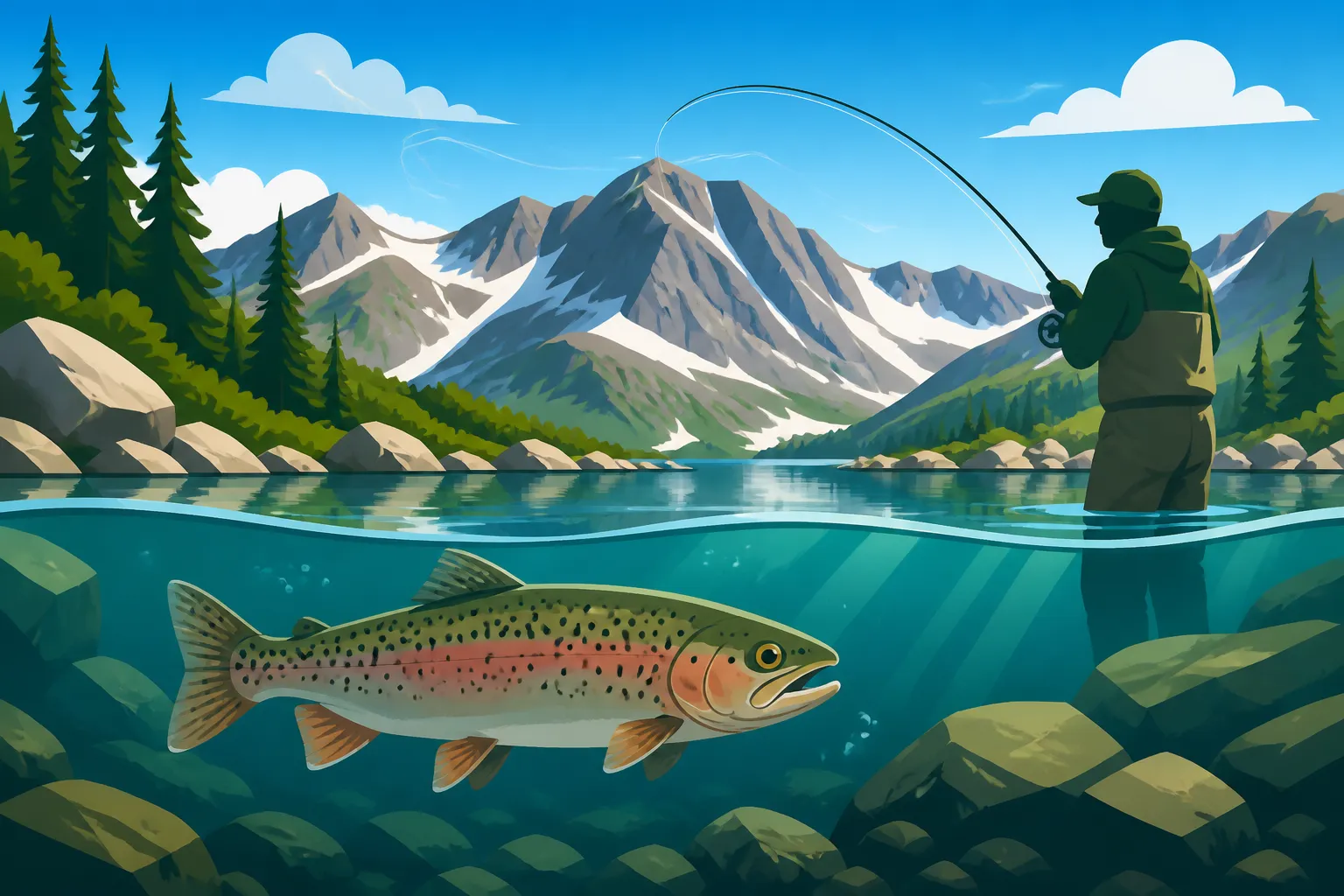
Do New Mexico High Mountain Lakes Hold Trout Year-Round?
It’s a common daydream, isn't it? You picture those crystal-clear, deep blue high mountain lakes in New Mexico, nestled amongst the towering pines and rocky peaks. Immediately, your mind probably jumps to the glorious summer or crisp autumn days, when the air is cool, the hiking is superb, and the trout are actively rising. But what about the rest of the year? Many anglers wonder if these majestic waters actually sustain trout through the harsh New Mexico winters or if the fish simply vanish until spring. This guide dives deep into the fascinating reality of year-round trout populations in our high-country lakes, separating myth from the often challenging truth for those hardy enough to chase them.
The Resilience of Trout in New Mexico's High-Altitude Waters
When we talk about high mountain lakes in New Mexico, we're envisioning those gems often found above 8,000 or even 9,000 feet, where the air is thin, and winter's grip is long and severe. It's easy to assume that once the ice forms, everything below simply freezes solid or goes dormant to the point of no return for fish life. However, the truth is far more complex and a testament to the incredible resilience of trout species that call these environments home.
Dispelling the Winter Disappearance Myth
The idea that trout somehow vanish or perish en masse once winter descends is a widespread misconception. While the surface of these lakes can indeed become a thick sheet of ice, sometimes several feet deep, the water underneath remains liquid. This is due to a natural phenomenon called thermal stratification, where water reaches its maximum density at around 39 degrees Fahrenheit (4 degrees Celsius). This denser, slightly warmer water sinks to the bottom, creating a vital refuge for fish during the coldest months.
Anglers accustomed to the hustle and bustle of summer fishing might feel a deep skepticism, imagining fish trapped and starving. But these fish have evolved over millennia to handle extreme cold. Their metabolic rates slow dramatically, requiring far less food and energy to survive. They become lethargic, conserving energy, and often congregate in deeper, more stable areas where temperatures are just above freezing but consistently warmer than the surface. So, no, they don't disappear; they just get very, very quiet.
How Trout Weather the High-Country Storm
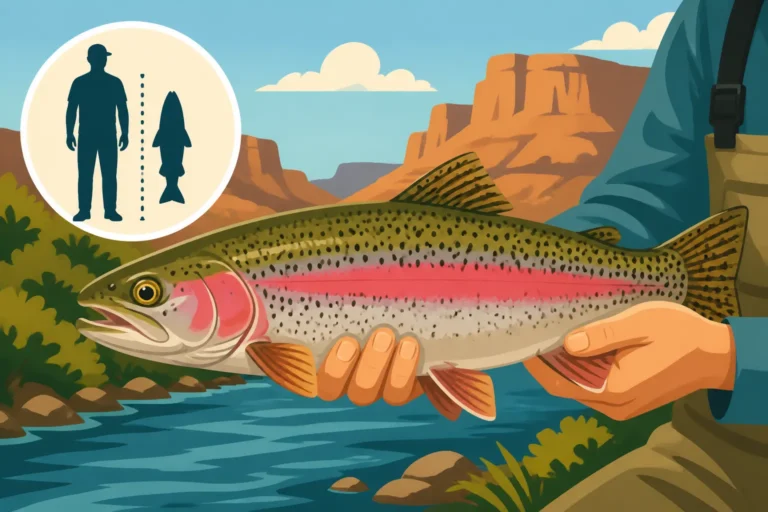
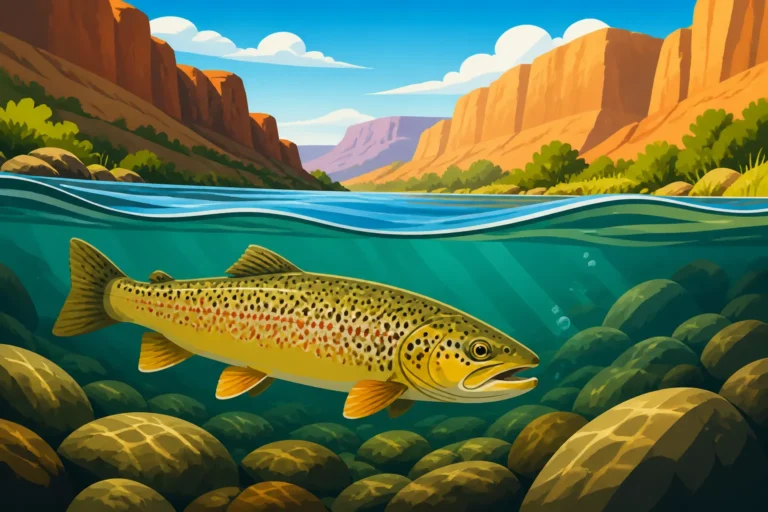
Trout species like rainbows, browns, and our native cutthroat are incredibly well-adapted to the rigors of high-altitude life. They don't just "survive" the winter; they possess specific physiological and behavioral traits that allow them to endure.
One crucial factor is the depth of these lakes. Many high mountain lakes are surprisingly deep, providing ample volume of water that resists freezing solid. The deeper pockets act as thermal sanctuaries. Additionally, many of these lakes have springs or feeder creeks, even if small, that can introduce slightly warmer water or, more importantly, vital oxygen to the under-ice environment. Without sufficient oxygen, fish would indeed struggle, but in many of New Mexico's pristine high mountain lakes, natural processes usually maintain adequate levels. You can learn more about specific regulations that help protect these fish in our article New Mexico Trout Fishing Rules.
The Biological Mechanisms of Winter Survival
Understanding that trout survive winter is one thing, but knowing how they do it adds a whole new layer to appreciating these resilient creatures. It’s a delicate balance of biology, physics, and ecology playing out beneath the frozen surface.
Thermal Refuges and Oxygen Dynamics
Under a thick blanket of ice, a lake essentially becomes a giant, cold-storage unit. The water at the very bottom, typically the deepest parts, hovers around that magic 39-degree Fahrenheit mark. This is where trout often retreat, conserving energy in the relatively "warmest" available water. They reduce their activity to a minimum, sometimes barely moving for weeks on end.
Oxygen levels, however, can be a concern. Unlike open water, where wind and current constantly mix the water and introduce oxygen, an ice-covered lake is sealed off. Oxygen can deplete over a long winter as fish and other aquatic organisms consume it, and decaying organic matter uses it up. However, healthy high mountain lakes typically have sparse aquatic vegetation and cold, clean water, which holds oxygen more efficiently. Furthermore, any inflowing springs or streams continue to deliver fresh, oxygenated water, acting as vital lifelines throughout the winter.
Metabolism Slowdown and Feeding Strategies
Imagine eating very little, moving even less, and burning minimal calories for months. That's essentially the trout's winter strategy. Their metabolism drops significantly, allowing them to subsist on stored fat reserves. While they might still opportunistically feed on tiny aquatic insects or even smaller fish if the chance arises, their primary goal is energy conservation. This slowdown means they're less aggressive, harder to tempt, and require different tactics if you're brave enough to venture out for Ice Fishing in New Mexico.
For those fish populations that are naturally reproducing, survival through the winter ensures the next generation. For lakes supplemented by the New Mexico Department of Game and Fish, Seasonal Stocking Schedule in New Mexico information helps maintain healthy populations even if natural reproduction isn't robust enough in all waters.
Accessing and Fishing High Mountain Lakes Through the Seasons
While trout absolutely live year-round in many of New Mexico's high mountain lakes, actually getting to them and successfully fishing for them is a completely different story that changes drastically with the seasons.
The Ease of Summer and Fall
Summer and early fall are undeniably the prime times for accessing these beautiful, often remote, fisheries. Trails are clear, temperatures are pleasant, and the fish are generally more active, feeding on abundant insect hatches. You can backpack in, enjoy the scenery, and typically find responsive trout using various methods, from fly fishing with dries and nymphs to casting small spinners or spoons. This is the time when the "fishing for joy" really shines, and the adventure feels more about the journey than the extreme challenge.
However, even in summer, high mountain weather can be unpredictable. Afternoon thunderstorms are common, and temperatures can drop rapidly. Always be prepared for quick changes. For a successful trip, consider what How to Fish High Mountain Lakes in Summer covers, including packing appropriate rain gear and layers.
The Challenge of Winter and Early Spring
This is where the rubber meets the road for the dedicated angler. Once winter sets in, accessing these lakes becomes a significant undertaking, often requiring snowshoes, skis, or even snowmobiles to reach trailheads, let alone the lake itself. The trails disappear under feet of snow, and navigation becomes a skill unto itself.
When you do get there, you're faced with ice fishing. This means specialized gear: ice augers, ice fishing rods, tip-ups, and warm shelters. Safety is paramount when How Thick Does Ice Need to Be to Fish Safely?. Ice conditions can be deceptive, especially in early winter or late spring. While the trout are indeed down there, their lethargic state means you'll need patience and finesse. Tiny jigs, small spoons, or even just a natural bait presented subtly can be effective. It’s an incredibly rewarding experience, but not for the faint of heart. When gearing up, you might find specific ice fishing equipment on platforms like Amazon.
Come early spring, the transition can be the trickiest. Melting snow makes trails muddy, unstable, and sometimes impassable. The ice might still be present but breaking up, creating hazardous conditions. Runoff can also cloud the waters, making fishing difficult. Patience is key during this shoulder season, waiting for safer access and clearer waters.
| Season | Accessibility | Trout Activity Level | Common Fishing Methods | Key Gear Considerations |
|---|---|---|---|---|
| Summer | Generally good, clear trails, some require hiking | High | Fly fishing (dries, nymphs), spinning (spinners, spoons) | Light tackle, sturdy hiking boots, rain gear, bug spray |
| Fall | Good, clear trails (until first snow), crisp air | Medium-High | Fly fishing (nymphs, streamers), spinning, bait fishing | Layers, warm clothing, sturdy boots, possibly snow gear late fall |
| Winter | Extremely challenging, snowshoes/skis required | Low | Ice fishing (jigs, small spoons, bait) | Ice auger, shelter, specialized ice fishing rod, extreme cold weather gear, safety picks |
| Early Spring | Variable, muddy trails, breaking ice, runoff | Low-Medium | Limited, post-ice-out near inlets | Waterproof boots, wading gear, warm layers, patience |
Planning Your Year-Round High Mountain Trout Adventure
So, you're convinced that these trout stick around, and you're ready to tackle the challenges of fishing New Mexico's high mountain lakes beyond the typical summer season? Fantastic! But planning is crucial, as is a healthy respect for the mountains themselves.
Gear Up for the High Country
Regardless of the season, high mountain environments demand proper gear. In summer, that means reliable hiking boots, layers of clothing (even if it's hot, weather changes fast), rain gear, and a solid backpack to carry it all. A quality pair of polarized sunglasses, available from retailers like Amazon, will help you spot fish even in bright conditions. For specific tackle, check out Best Lures for New Mexico Trout to get an idea of what works.
In winter, the gear list escalates dramatically. You'll need insulated, waterproof outerwear, thermal base layers, multiple pairs of gloves, and insulated boots suitable for deep snow and ice. An ice auger, a flasher or fish finder, and a selection of small jigs are essential. Safety items like ice picks, a rope, and a first-aid kit are non-negotiable. Knowing What to Wear Ice Fishing in New Mexico is critical for comfort and safety. Seriously, this isn't a casual affair; the mountains demand respect.
Timing is Everything
When planning your trip, "timing is everything" takes on new meaning. While the trout are technically there year-round, your chances of success and even reaching the lake vary wildly.
- Peak Summer (July-August): Best for comfortable access and active fish, but can be crowded at popular spots. Expect afternoon thunderstorms.
- Early Fall (September-October): Beautiful colors, fewer crowds, and often aggressive trout stocking up for winter. Access becomes dicey with early snows.
- Winter (November-March): Ice fishing season. Requires significant effort and specialized gear. Check ice conditions meticulously. This is where patience is truly tested.
- Spring Thaw (April-June): Challenging. Trails are often muddy or snow-covered, and ice might be unsafe. Fishing can be slow as fish recover from winter. This can be a great time to target specific inlets where snowmelt brings in fresh oxygen and food.
Always check local conditions, weather forecasts, and trail reports before you head out. A simple search for "New Mexico Department of Game and Fish lake reports" can provide invaluable current information.
Safety First and Foremost
Fishing in New Mexico's high mountain lakes is an adventure, but it comes with inherent risks. Remote locations mean help is far away if you get into trouble.
- Tell Someone: Always let a responsible person know your itinerary, including where you're going, your planned route, and when you expect to return.
- Pack Smart: Beyond your fishing gear, carry essentials like extra food and water, a map and compass (or GPS device), a headlamp, fire-starting materials, and a first-aid kit.
- Weather Watch: Mountain weather can change on a dime. Sunny skies can turn into whiteout blizzards or intense thunderstorms in minutes. Be prepared to turn back if conditions worsen.
- Ice Safety: If ice fishing, never go alone. Always check ice thickness in multiple spots. Be aware of springs or inlets that can weaken ice. Remember, New Mexico Fishing Regulations Overview and specific rules for winter access are there to keep you safe.
Ultimately, New Mexico's high mountain lakes do indeed hold trout year-round. These resilient fish tough out the harshest conditions, waiting for the brave and well-prepared angler. Whether you prefer the gentle hum of a summer cast or the quiet solitude of an ice-covered winter landscape, the high country offers a unique fishing experience for every season – provided you're ready for the adventure. For general information on the types of gear you might need, a good starting point is our guide on Best Fishing Gear for New Mexico Anglers.
Disclaimer
This article is for general informational purposes only and does not constitute professional advice. Laws, prices and regulations vary by location and change over time. Consult a qualified professional for guidance on your specific situation.