Best Fishing Gear for New Mexico Anglers
Trying to figure out what fishing gear you really need for a trip to New Mexico can feel like a head-scratcher. With everything from high-altitude mountain streams to vast warm-water reservoirs, the Land of Enchantment offers an incredibly diverse range of angling experiences, each demanding slightly different tools. This comprehensive guide will cut through the confusion, helping you assemble the perfect kit to tackle New Mexico's unique and rewarding fisheries.
Understanding New Mexico's Diverse Fisheries
Before you even think about buying a new rod or a fancy reel, it's crucial to understand the vast differences in New Mexico's fishing landscapes. This isn't a one-size-fits-all state for anglers, and what works wonderfully on a small trout stream in the Pecos Wilderness might be utterly useless on the open waters of Elephant Butte Lake. The beauty of fishing here lies in its variety, but that variety also necessitates a thoughtful approach to gear selection.
High Mountain Trout Streams and Lakes
Imagine clear, cold water tumbling over ancient rocks or reflecting crisp mountain air in an alpine lake. This is the realm of New Mexico's mountain trout. We're talking about pristine environments, often requiring a hike to access, where rainbow, brown, and native cutthroat trout thrive. The waters can range from tiny, brush-choked creeks where presentation is key, to wider, freestone rivers like sections of the Rio Grande or Rio Chama, which demand a bit more casting distance. High mountain lakes, sometimes stocked, sometimes wild, offer a different challenge, often requiring stealth and precise lure placement from shore or a float tube. The type of gear best suited here prioritizes finesse, sensitivity, and portability for those treks.
Fishing these serene spots often means contending with varying water levels and clarity, especially after spring runoff or monsoon rains. You might be targeting wary wild trout in gin-clear conditions, or freshly stocked rainbows eager for a meal. The fishing can be technical, making a good understanding of trout behavior and appropriate imitations or bait presentations absolutely critical. Think about what kind of experience you want: a quiet hike-in trip to a secluded lake, or a day spent wading a picturesque stream? Your gear choices will directly impact that experience.
Warm Water Reservoirs and Rivers
Then you have New Mexico's big, sprawling warm-water reservoirs and wider, slower rivers. Lakes like Elephant Butte, Navajo, Conchas, and Ute are legendary for species like largemouth and smallmouth bass, walleye, catfish, crappie, and even striped bass. These are entirely different beasts, requiring different tactics and, consequently, different gear. Here, you're often covering vast expanses of water, dealing with potential wind, and targeting fish that might be holding deep on submerged structures or chasing baitfish schools in open water.
Power fishing, trolling, and fishing with larger baits or lures become much more prevalent in these environments. You might be casting heavy jigs, working deep-diving crankbaits, or soaking cut bait for monstrous catfish. The sheer size of these lakes means boat access is often preferred, but there are still plenty of fantastic Best Bank Fishing Spots on Elephant Butte Lake or other reservoirs for shore anglers. The gear here needs to be more robust, capable of handling bigger fish and heavier lines, and often designed for covering a lot of water efficiently.
Unique Waters: Special Trout and Tiger Muskie Fisheries
New Mexico also boasts some truly unique fisheries that demand specific attention. The San Juan River Quality Waters, for instance, is world-renowned for its incredible numbers of large, healthy trout, but it comes with very strict regulations on tackle and technique. New Mexico Special Trout Water Rules often dictate barbless hooks, artificial lures only, and specific bag limits. This is a highly technical fishery, primarily fly-fishing focused, where ultra-light spinning gear can also be effective if used correctly.
Then there's the excitement of tiger muskie fishing at places like Bluewater Lake. These toothy predators require heavy-duty gear, strong lines, and specialized lures designed to withstand their powerful strikes and sharp teeth. Targeting kokanee salmon at Navajo Lake or Heron Lake during their seasonal runs also calls for specialized trolling setups or snagging gear. These unique opportunities are what make New Mexico so special, but they underscore the need for a well-thought-out tackle strategy.
Essential Rods and Reels for New Mexico Fishing
The rod and reel are your primary tools, the direct connection between you and the fish. Choosing the right setup isn't just about brand names; it's about matching the rod's power, action, and length, and the reel's retrieve ratio and drag system, to the species you're targeting and the environment you're fishing. Skimping here can lead to frustration, lost fish, and a less enjoyable experience.
Trout-Specific Rod and Reel Setups
For most trout fishing in New Mexico's rivers, streams, and smaller lakes, a lightweight and sensitive setup is paramount.
- Spinning Gear for Trout: A light to ultra-light spinning rod, typically 5'6" to 6'6" in length, paired with a small spinning reel (size 1000 or 2000) spooled with 4-6 pound test monofilament or fluorocarbon line, is an excellent all-around choice. This setup provides the sensitivity needed to detect subtle bites from trout, the finesse to cast small lures or baits accurately, and enough backbone to handle a respectable fish. Look for rods with a fast action, meaning the top third of the rod bends easily, which helps with casting light lures and providing good hook sets. A good quality reel with a smooth drag is crucial, as even a 12-inch trout can put up a surprisingly strong fight in swift current. Brands like Shimano, Daiwa, or even some of the higher-end offerings from manufacturers available at Bass Pro Shops provide excellent options for this category.
- Fly Fishing Gear for Trout: If you're heading to the San Juan River Fishing Guide or other dedicated fly-fishing waters, a fly rod is indispensable. A 4-weight to 6-weight fly rod, 8'6" to 9' in length, is generally ideal. A 5-weight is often considered the most versatile for New Mexico trout, capable of handling small dries, nymphs, and even smaller streamers. Pair this with a matching fly reel with a smooth, reliable drag and appropriate weight-forward floating fly line. Don't forget a selection of leaders and tippet in varying strengths (typically 4x to 6x for most trout). Having a variety of fly patterns, from tiny midges and mayflies for technical waters to larger stoneflies and streamers for quicker rivers, is also key.
Whether you're spinning or fly fishing, the goal for trout gear is precision and sensitivity. You'll often be fishing clear water, and a heavy, clumsy setup will spook fish and make accurate presentations difficult. This is where subtle differences in gear quality really shine, allowing you to feel every bump and tick as your lure drifts or your fly tumbles.
Versatile Rods and Reels for Warm Water Species
When you're chasing bass, walleye, or larger catfish in the state's bigger lakes, you'll need more substantial gear capable of handling bigger fish and heavier lines.
- Medium-Heavy Spinning or Baitcasting Rods: For largemouth and smallmouth bass, a medium-heavy power rod, 6'6" to 7'6" in length, is a workhorse. Baitcasting setups are popular for bass, offering excellent control and power for casting heavier lures and fighting fish in cover. Pair this with a baitcasting reel with a fast retrieve ratio (7.1:1 or higher) for quickly taking up slack and a strong drag system. Spinning gear in the same power range (size 3000-4000 reel) is also effective, especially for finesse techniques or for anglers who prefer spinning reels. Spool with 10-20 pound test monofilament, fluorocarbon, or braided line, depending on your preferred technique and the cover you're fishing.
- Medium Power Rods for Walleye and Crappie: For walleye, a medium power rod, often 6' to 7' long, with a sensitive tip but good backbone, is excellent for jigging or trolling. A 2500-3000 series spinning reel with 8-10 pound test line is a common choice. For crappie, a lighter, more sensitive setup—perhaps a light or medium-light rod, 6-7 feet, with a small 1000-2000 size spinning reel—allows you to detect those incredibly subtle bites and handle small jigs or minnows.
- Heavy Duty Catfish Rigs: For New Mexico's substantial channel and flathead catfish, you'll need gear that can take a beating. A heavy or medium-heavy power rod, 7' to 9' in length, with a robust conventional or large spinning reel (size 5000+) spooled with 20-40 pound test monofilament or braided line is essential. You need the leverage to pull big cats out of cover and the line capacity to handle long runs. Look for rods with a parabolic bend that can absorb powerful head shakes.
Having a few different setups can make a big difference, allowing you to quickly switch between techniques or target species without re-tying constantly. A good medium-heavy spinning rod can often bridge the gap if you're only bringing one setup for general warm-water fishing, but dedicated rods for specific tasks will always perform better.
Specialized Gear for Unique Targets
New Mexico's waters hold some truly unique angling opportunities that warrant specific gear.
- Tiger Muskie Setups: If you're serious about chasing the elusive tiger muskie at Bluewater Lake, you'll need heavy gear. Think stout baitcasting rods, often 7'6" to 9' long, with a heavy or extra-heavy power rating, capable of casting massive lures. Pair this with a large, robust baitcasting reel designed for big baits and big fish, spooled with 50-80 pound braided line and a heavy fluorocarbon or wire leader. These fish have razor-sharp teeth and incredible power, so your gear needs to be up to the task. Tiger Muskie in New Mexico are apex predators and demand respect in your tackle choice.
- Kokanee Salmon Trolling Gear: For Kokanee Salmon Fishing in New Mexico at lakes like Navajo or Heron, specialized trolling gear is often employed. This usually involves light to medium-light trolling rods, often 7' to 8' long, with very sensitive tips to detect the subtle bites of kokanee. Small line counter reels are popular, allowing you to precisely track your depth, spooled with 8-12 pound test monofilament or fluorocarbon. Downriggers are frequently used to get lures down to the deep-dwelling kokanee.
- Ice Fishing Specifics: When winter rolls around, and lakes like Eagle Nest or Bluewater freeze over, ice fishing comes into play. You'll need short, sensitive ice fishing rods (24-36 inches), specifically designed for fishing through a hole in the ice. Pair these with small spinning reels (size 500-1000) spooled with 2-6 pound test line. An ice auger, either hand-powered, gas, or electric, is absolutely essential for cutting holes. Ice shelters, chairs, and warm clothing are also critical for comfort and safety. Ice Fishing in New Mexico requires specialized gear, but it's an incredibly rewarding experience.
| Species/Water Type | Recommended Rod Power | Recommended Rod Length | Recommended Reel Size | Line Weight (Test) | Primary Lure/Bait Types |
|---|---|---|---|---|---|
| Small Trout Streams | Ultra-Light to Light | 5'6" – 6'6" | 1000 – 2000 | 2-6 lb mono/fluoro | Small spinners, spoons, worms, PowerBait, flies |
| Larger Trout Rivers | Light to Medium-Light | 6'6" – 7'6" | 2000 – 2500 | 4-8 lb mono/fluoro/braid | Spinners, soft plastics, flies, salmon eggs |
| Largemouth/Smallmouth Bass | Medium-Heavy | 6'6" – 7'6" | 3000 – 4000 (Spin) / Casting | 10-20 lb mono/fluoro/braid | Jigs, crankbaits, soft plastics, topwaters |
| Walleye | Medium | 6' – 7' | 2500 – 3000 | 8-12 lb mono/fluoro/braid | Jigs, crankbaits, crawler harnesses, swimbaits |
| Catfish (Channel/Flathead) | Heavy | 7' – 9' | 5000+ (Spin) / Conventional | 20-40 lb mono/braid | Cut bait, stink baits, live bait |
| Tiger Muskie | Extra-Heavy | 7'6" – 9' | Large Casting | 50-80 lb braid w/leader | Large swimbaits, jerkbaits, bucktails, crankbaits |
| Kokanee Salmon | Medium-Light (Trolling) | 7' – 8' | Small Line Counter | 8-12 lb mono/fluoro | Trolling flies, dodgers, small spoons |
Terminal Tackle and Lures for Success
You can have the best rod and reel combo money can buy, but without the right terminal tackle and lures, you're just casting a line with nothing to tempt the fish. This is where the real nuance of New Mexico fishing comes in, as fish preferences can vary wildly based on species, water conditions, and even time of year. Having a well-stocked tackle box is key, and understanding what to tie on when is even more critical.
Go-To Lures and Baits for Trout
Trout in New Mexico can be caught on a wide array of presentations, from natural baits to artificial flies and lures.
- Natural Baits: For many anglers, especially those just starting out or fishing stocked waters, natural baits are incredibly effective. Worms (nightcrawlers, red wigglers) are universal trout candy. PowerBait, in its various forms (dough, nuggets, floating eggs), is a staple for stocked rainbow trout, especially when fished off the bottom with a small treble hook and a sliding sinker. Corn and salmon eggs can also be deadly. When using natural baits, remember that a light line and small hook will always lead to more bites. Always check local regulations, as some "Special Trout Waters" prohibit natural baits entirely.
- Spinners and Spoons: Small inline spinners like Mepps, Rooster Tail, or Panther Martin are fantastic for covering water in streams and lakes. Sizes from 1/16 oz to 1/8 oz are generally perfect. Their flash and vibration mimic small baitfish, often triggering aggressive strikes. Small spoons, such as Kastmasters or Daredevils, also work wonders, especially in larger streams or lakes where you need to cast a bit further. Vary your retrieve speed and depth until you find what the fish prefer.
- Soft Plastics and Jigs: Tiny soft plastic grubs, tubes, or worm imitations rigged on equally tiny jig heads (1/32 oz to 1/8 oz) can be incredibly effective, especially when trout are finicky. Drifting these through current seams or slowly retrieving them along drop-offs often produces bites. Micro jigs or small marabou jigs are also excellent, particularly in cooler water. The key is to match the size of your offering to the natural forage available and to fish it slowly and subtly. You can find a huge selection of these at any good tackle shop or through online retailers like Amazon.
Don't forget the essentials like swivels (small, black, and barrel or ball-bearing), split shot weights for adjusting depth, and a variety of hooks (Aberdeen, egg hooks, treble hooks) in small sizes (size 8-14). Having a small landing net is also a good idea for safely handling trout for release. For more details, check out Best Lures for New Mexico Trout.
Effective Lures for Bass and Walleye
Bass and walleye demand a different set of artificial lures, often larger and designed for specific actions and depths.
- Bass Lures: For largemouth bass, crankbaits (deep-diving for offshore structure, shallow-diving for cover), spinnerbaits, chatterbaits, and topwater lures (frogs, poppers, walking baits) are all highly effective depending on the season and water conditions. Soft plastics are also critical; think Texas-rigged worms, Senkos, creature baits, and jigs with trailers. Smallmouth bass often prefer tubes, grubs, small crankbaits, and jerkbaits, especially in rocky areas. Color choice often depends on water clarity: natural colors in clear water, brighter or darker colors in stained or muddy water.
- Walleye Lures: Walleye are often found deeper, so jigging and trolling are common techniques. Jigs tipped with live minnows, worms, or soft plastic trailers are a walleye staple. Blade baits, spoons, and deep-diving crankbaits are also excellent for trolling. When choosing colors, many walleye anglers swear by chartreuse, orange, and metallic finishes. A good fish finder can be invaluable for locating walleye, which often hold near submerged structures or along ledges.
- Essential Terminal Tackle for Warm Water: For these species, you'll need a stronger assortment of hooks (worm hooks, jig hooks, treble hooks), sinkers (bullet weights, drop shot weights, bell sinkers), swivels, and perhaps some heavy-duty snaps or split rings for changing lures quickly. Fluorocarbon leaders are often used to provide a nearly invisible connection to your lure, especially in clear water, while braided main lines offer sensitivity and strength.
A well-organized tackle box or bag is crucial when fishing warm water reservoirs, as you'll often need to adapt quickly to changing conditions. Having a range of depths, colors, and actions in your lure selection will maximize your chances.
Rigging for Catfish and Panfish
Catfish and panfish (crappie, bluegill, sunfish) offer some of New Mexico's most accessible and enjoyable fishing, often requiring simpler rigging but still benefiting from specific approaches.
- Catfish Rigs: For channel catfish, simple bottom rigs with a bell sinker or egg sinker above a swivel, and a snelled hook (size 4/0 to 8/0 depending on the bait and target size) are classic and effective. Baits like cut bait (shad, carp, perch), chicken liver, hot dogs, and various commercial "stink baits" are popular. For flathead catfish, live bait (bluegill, perch, large minnows) fished on a similar rig but with a stouter hook and heavier line is usually the ticket. Look for deep holes, submerged logs, or river bends.
- Panfish Rigs: Panfish are a blast, especially for kids! Simple bobber rigs are incredibly effective: a small bobber, a few feet of line to a small split shot, and a tiny hook (size 10-14) tipped with a piece of worm, a tiny jig, or a small beetle spin. Crickets, grasshoppers, and small mealworms are also fantastic panfish baits. These fish often school up around docks, submerged vegetation, or brush piles, making them relatively easy to locate.
- General Terminal Tackle: For these species, keep it simple. Assorted small hooks, split shot, and small bobbers are the core. A leader of lighter line (4-6 pound test) can be beneficial for panfish if the main line is heavier. Always have extra hooks and sinkers, as snags can happen, especially when fishing near cover.
The joy of fishing for catfish and panfish often lies in its simplicity. You don't always need the fanciest gear, but having the right baits and a basic understanding of their habitats will put you on fish. Many families start their fishing journey with a bucket of worms and a bobber, and New Mexico offers abundant opportunities for this kind of fun.
Essential Apparel and Personal Gear
New Mexico's weather can be notoriously unpredictable, swinging from scorching sun to sudden thunderstorms or chilly winds in a single day, especially in the mountains. Being prepared with the right apparel and personal gear isn't just about comfort; it's about safety and extending your time on the water. Don't let a sudden change in weather cut your fishing trip short!
Layering for New Mexico's Variable Weather
The key to comfort in New Mexico's climate is layering. You need to be able to add or shed clothing quickly as conditions change.
- Base Layers: Start with moisture-wicking base layers, even in summer. Materials like merino wool or synthetic blends will pull sweat away from your skin, keeping you dry and comfortable. This is especially crucial during early morning starts or late evening finishes, or if you're hiking into a high-mountain lake. Avoid cotton directly against your skin, as it absorbs moisture and stays wet, chilling you quickly when temperatures drop.
- Mid-Layers: A fleece jacket or a lightweight puffy vest makes an excellent mid-layer for insulation. These can be easily packed and provide warmth without excessive bulk. On cooler days, you might wear this over your base layer, or under a waterproof shell when rain or wind kicks up. Think about options that allow for a good range of motion, so your casting isn't impeded.
- Outer Shell: A waterproof and windproof jacket is non-negotiable, particularly if you're fishing in the mountains or on large, open reservoirs where winds can pick up quickly. Look for breathable options that offer good protection from rain without making you feel like you're in a sauna. A good quality rain jacket can save a trip when an unexpected monsoon shower rolls in. Many brands specializing in outdoor gear, found through retailers like Bass Pro Shops or Amazon, offer excellent technical outerwear.
Even on what seems like a perfectly clear, warm day, always pack an extra layer or a lightweight rain jacket. You never know when a quick storm might blow through, especially during the summer monsoon season. Being prepared ensures you stay on the water, comfortable and focused on fishing, not shivering or soaked.
Wading Gear for River Anglers
For those who love to wade New Mexico's beautiful rivers and streams, proper wading gear is essential. It keeps you dry, warm, and provides crucial traction.
- Waders: Chest waders are generally preferred over hip waders for New Mexico's varied river conditions. They offer more protection from deeper water, unexpected slips, and chilly air. Look for breathable waders made from Gore-Tex or similar materials, especially if you're hiking to your fishing spot, as they prevent overheating. Neoprene waders can be great for colder winter fishing, but they're too warm for most of the year. Make sure they fit well, allowing for freedom of movement without being baggy or restrictive.
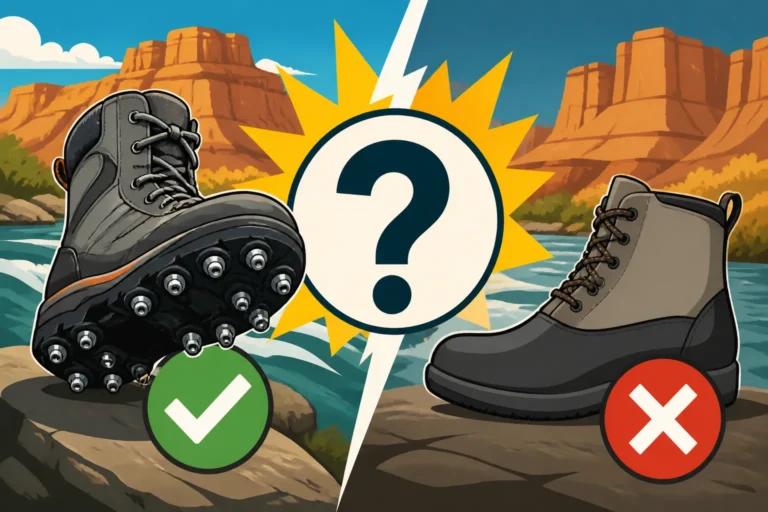
- Wading Boots: Wading boots, worn over the neoprene booties of stockingfoot waders, are critical for traction and ankle support. Felt soles provide excellent grip on slick, algae-covered rocks, but some areas may have restrictions on felt to prevent the spread of aquatic invasive species. Rubber soles with studs or a good aggressive lug pattern are a versatile alternative. Ensure your boots are sturdy and comfortable, as you'll be spending a lot of time on your feet, often on uneven terrain. A Best Wading Staff for the San Juan River Current is also highly recommended for stability in faster flows.
- Wading Belt: Always wear a wading belt, cinched snugly. This isn't just about keeping water out if you stumble; it's a critical safety device that helps prevent your waders from filling completely with water, which can make it incredibly difficult to stand up in a current.
Investing in quality wading gear pays dividends in comfort and safety. Nothing ruins a day faster than wet feet or a cold, soaked body. Proper wading technique and gear also help protect the delicate river environment and ensure your safety.
Sun Protection and Comfort Essentials
The New Mexico sun, especially at higher elevations, can be incredibly intense. Protecting yourself from its rays is paramount.
- Sunscreen and Lip Balm: A broad-spectrum sunscreen with a high SPF (30+) is an absolute must. Apply it generously to all exposed skin and reapply frequently, especially if you're sweating or getting splashed. Don't forget your ears, the back of your neck, and your hands. Sun-protective lip balm is also crucial to prevent chapped, burned lips.
- Hats and Sunglasses: A wide-brimmed hat or a baseball cap with a neck gaiter will provide excellent protection for your face, ears, and neck. Polarized sunglasses are another non-negotiable item. They not only protect your eyes from harmful UV rays but also significantly reduce glare on the water, allowing you to see submerged structure, detect subtle bites, and even spot fish. This visual advantage can dramatically improve your success, especially when sight fishing for wary trout.
- Hydration: Always carry plenty of water, especially during warmer months or if you're hiking. Dehydration can quickly set in at higher altitudes or in arid conditions, leading to fatigue and impaired judgment. A reusable water bottle or a hydration pack is a smart addition to your gear.
- Bug Repellent: Depending on the season and location, mosquitoes, gnats, and other biting insects can be a nuisance. A good insect repellent can make your experience much more enjoyable, allowing you to focus on the fishing rather than swatting bugs.
Prioritizing sun protection and hydration will not only make your fishing trips more comfortable but also help ensure your long-term health. Don't underestimate the power of the New Mexico sun.
Boating and Watercraft Considerations
For many of New Mexico's larger reservoirs and even some wider rivers, having a boat or personal watercraft significantly expands your fishing opportunities, allowing you to access areas unreachable from shore and cover vast amounts of water. However, owning and operating a boat comes with its own set of gear requirements and regulations.
Kayaks and Float Tubes for Smaller Waters and Access
For anglers seeking stealth, portability, and access to more remote or shallow areas, kayaks and float tubes are fantastic options.
- Fishing Kayaks: Modern fishing kayaks are incredibly stable, maneuverable, and often rigged with features like rod holders, gear tracks, and even pedal drives. They are perfect for exploring the coves of Heron Lake or fishing quieter sections of larger reservoirs where motorboats might be less practical or prohibited. Their relatively light weight makes them easier to transport and launch, opening up many more fishing spots. Consider a sit-on-top kayak for ease of entry and exit, and superior stability. Always wear a PFD (personal flotation device) when on a kayak, even in calm water.
- Float Tubes and Pontoon Boats: For small lakes, ponds, and slower-moving rivers, a float tube or a small inflatable pontoon boat offers excellent mobility and a low profile that allows you to sneak up on fish. These are relatively inexpensive, highly portable, and provide a unique "in-the-water" fishing experience. They are particularly popular for fly fishing high mountain lakes or urban ponds. Just like with kayaks, a PFD is mandatory, and fins for propulsion are essential.
- Essential Accessories: Regardless of whether you choose a kayak or float tube, you'll need a paddle (for kayaks), fins (for float tubes), a small anchor (often a grappling anchor), and a dry bag for personal items like your phone, keys, and snacks. A small cooler for drinks and keeping your catch fresh is also a good idea. Consider investing in a fish finder designed for kayak use; many compact models are available and can be invaluable for locating fish and structure. You can find many Kayak Fishing Gear for New Mexico Lakes options available online.
These smaller watercraft provide incredible flexibility and access to diverse fisheries, often at a lower cost and with less hassle than a full-sized motorboat. They allow for a more intimate connection with the water and the fish.
Motorized Boats for Large Reservoirs
For those serious about tackling New Mexico's vast reservoirs, a motorized boat is often the best way to maximize your time and success.
- Types of Boats: Bass boats are designed for speed and fishing efficiency, perfect for covering large lakes and targeting bass. Jon boats are versatile, stable, and can be rigged for various types of fishing, including bass, walleye, and catfish. Deep-V boats or multi-species boats offer excellent rough-water handling, which can be crucial on windy days at lakes like Elephant Butte or Navajo Lake. Consider the primary species you'll target and the typical conditions you'll face.
- Motors and Trolling Motors: The outboard motor is your primary propulsion, dictating how quickly you can get to your fishing spots. A reliable motor is crucial. Beyond the main engine, an electric trolling motor (bow-mounted or transom-mounted) is almost a necessity for precise boat positioning, stealthy approaches, and slow trolling. Modern trolling motors often include GPS-enabled features like spot-lock (to hold your position) and autopilot, which can dramatically enhance your fishing efficiency.
- Trailers: A sturdy and reliable boat trailer is essential for transporting your motorized boat. Ensure it's properly sized for your boat, has working lights, and that the tires are in good condition. Regular maintenance of wheel bearings and brakes is also important, especially if you're traveling long distances.
Operating a motorized boat comes with responsibilities, including understanding navigation rules and safety procedures. Always check the water levels and launch conditions for your chosen lake, as they can fluctuate dramatically, especially in New Mexico's arid climate.
Essential Boat Safety and Registration Gear
Regardless of the type of boat you choose, safety and legal compliance are non-negotiable.
- Personal Flotation Devices (PFDs): New Mexico law requires that all vessels, including kayaks and float tubes, have at least one wearable PFD for each person on board. Children under a certain age are often required to wear a PFD at all times when the vessel is underway. Make sure PFDs are properly sized and in good, serviceable condition.
- Required Safety Equipment: Beyond PFDs, motorized boats typically need additional safety gear, including:
- Fire Extinguisher: Required for most motorized vessels over a certain size or those with enclosed compartments.
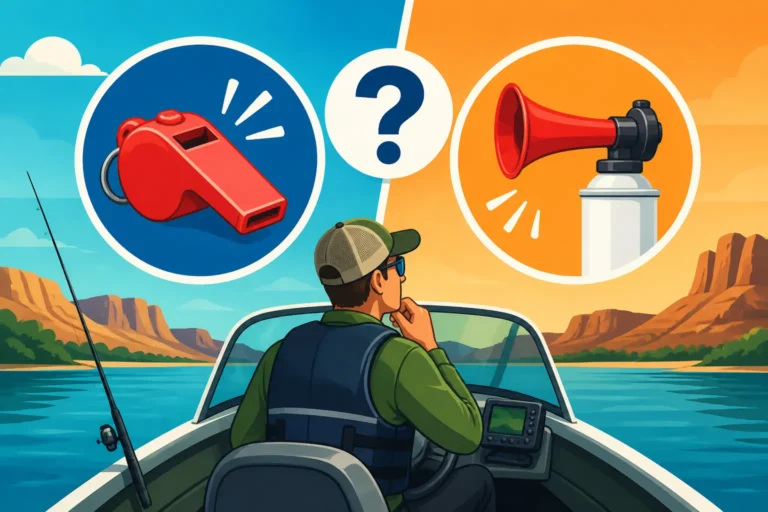
- Sound-Producing Device: A whistle, horn, or bell to signal other boaters.
- Visual Distress Signals: Flares or an orange flag for use in emergencies, especially on larger lakes.
- Navigation Lights: If operating between sunset and sunrise.
- Paddle or Oar: Even on motorized boats, for emergency propulsion.
- First-Aid Kit: Always a good idea to have readily accessible.
- Registration and Titling: All motorized vessels, and sailboats over a certain length, must be registered and titled with the New Mexico Motor Vehicle Division. This involves displaying registration numbers and a valid decal. Check out the New Mexico Boat Registration and Titling Guide for detailed information on requirements and fees. Even non-motorized vessels like canoes and kayaks may have specific requirements depending on the body of water or if they are temporarily equipped with a motor.
- Proof of License: While not boat gear, always remember to carry your valid New Mexico Fishing License Guide and any necessary stamps or validations, like the New Mexico Habitat Stamp and Validation Requirements, whenever you're on the water, whether from shore or boat.
Taking the time to ensure your boat is properly equipped and legally compliant is crucial. It protects you, your passengers, and helps maintain a safe environment for everyone enjoying New Mexico's waterways.
Advanced Tools and Accessories for the Dedicated Angler
Beyond the basic rod, reel, and tackle, a host of advanced tools and accessories can significantly enhance your fishing experience, making you more efficient, safer, and ultimately more successful on the water. These are the items that often separate the casual angler from the truly dedicated.
Fish Finders and Navigation for Larger Lakes
When fishing New Mexico's vast reservoirs, knowing what lies beneath the surface and how to navigate efficiently can be a game-changer.
- Fish Finders/Sonar: Modern fish finders are incredibly sophisticated, utilizing sonar technology to display underwater structure, depth contours, and even individual fish or schools of bait. Features like Down Imaging and Side Imaging provide photo-like views of the bottom, helping you locate hidden humps, submerged timber, or rock piles where fish congregate. GPS mapping capabilities allow you to mark waypoints, track your trolling paths, and navigate back to productive spots. Brands like Humminbird, Garmin, and Lowrance offer a wide range of models, from compact units for kayaks to large, networked displays for bass boats.
- GPS and Chartplotters: Integrated GPS on your fish finder or a standalone chartplotter is invaluable for navigating large bodies of water like Elephant Butte Lake or Navajo Lake, especially in low light or foggy conditions. They help you stay within legal fishing zones, avoid hazards, and precisely return to marked fishing spots. Many units come pre-loaded with detailed lake maps, showing contours, boat ramps, and other points of interest.
- Portable vs. Mounted Units: For smaller boats, kayaks, or even bank fishing, portable fish finders with suction cup transducers are available. For larger, dedicated fishing boats, a permanently mounted unit with a through-hull or transom-mounted transducer provides the best performance and integration. Consider your vessel type and fishing style when choosing.
Learning to interpret what your fish finder is telling you takes practice, but the insights it provides into fish behavior and underwater topography are invaluable. It allows you to fish smarter, not just harder, by putting your lure where the fish are holding.
Specialty Tools for Catch and Release
Many anglers in New Mexico practice catch and release, especially for native species or in "Quality Waters." Having the right tools ensures the fish you release have the best chance of survival.
- Forceps or Pliers: A good pair of long-nosed forceps or fishing pliers is essential for quickly and safely removing hooks from a fish's mouth. This is especially important for trout in delicate areas like the San Juan River. They allow for minimal handling of the fish, reducing stress. Look for models made from corrosion-resistant materials, as they'll constantly be exposed to water.
- Rubberized Landing Net: A landing net with a soft, knotless, rubberized mesh is far superior for catch and release than traditional nylon nets. The rubberized mesh protects the fish's slime coat (its primary defense against disease), prevents fins and scales from getting damaged, and reduces tangles with hooks. A net with a long handle can also be very helpful for safely landing fish from a boat or from shore.
- Fish Grips/Lip Grips: For larger, toothy species like bass or tiger muskie, a lip grip tool allows you to safely control the fish without putting your hands near sharp teeth or gill plates. This minimizes stress on the fish and protects the angler.
- Measuring Board and Camera: If you plan to measure and photograph your catch before release, a soft, accurate measuring board ensures you get precise dimensions without harming the fish. A waterproof camera or phone case is also great for quickly capturing memories without endangering your electronics.
Practicing responsible catch and release is a hallmark of ethical angling. These tools not only protect the fish but also make the process easier and more enjoyable for the angler.
Storage and Transport Solutions
Getting your gear to and from the water, and keeping it organized, can sometimes be as challenging as the fishing itself. Good storage and transport solutions simplify the process.
- Tackle Boxes and Bags: A well-organized tackle box or bag is crucial for keeping your lures, hooks, weights, and other small items in order. Hard-sided tackle boxes offer robust protection, while soft-sided tackle bags with utility boxes are often preferred for their portability and flexibility. Consider a backpack-style tackle bag for bank fishing or hiking into remote spots, leaving your hands free.
- Rod Holders: Whether you're fishing from a boat, kayak, or even a bank, rod holders are incredibly useful. They keep your rods secure, off the ground, and easily accessible. Boat-mounted rod holders are great for trolling or storing rods while underway. Bank sticks or tripod rod holders are perfect for catfish or bait fishing from shore.
- Coolers: A high-quality cooler is essential for keeping your drinks and snacks cold, and for preserving any fish you decide to keep. Look for coolers with good insulation that can hold ice for extended periods, especially during New Mexico's hot summers. A smaller personal cooler for a few drinks and bait, and a larger one for your catch, is often ideal.
- Vehicle Storage: For transporting rods, reels, and other gear in your vehicle, consider rod socks to prevent tangles and damage, or a dedicated rod rack. For larger items like kayaks or small boats, a roof rack or a truck bed extender might be necessary. Keeping your valuable gear secure and protected during transit is vital.
Being organized and having proper storage not only prolongs the life of your gear but also makes your time on the water more enjoyable and less stressful. Nobody wants to waste precious fishing time untangling lines or searching for a specific lure.
Planning Your New Mexico Fishing Kit
Putting together your ultimate New Mexico fishing kit isn't about buying every piece of gear you see. It's about being strategic, understanding your goals, and building a versatile collection that serves your specific angling adventures. Remember, the best gear is the gear you'll actually use and that helps you catch fish safely and effectively.
Building a Basic Kit for Beginners
If you're new to fishing in New Mexico, don't feel overwhelmed. You don't need to break the bank to get started. A solid beginner kit will get you on the water and catching fish.
- All-Purpose Spinning Combo: Start with a medium-light to medium power spinning rod (6'6" to 7' length) paired with a 2500 or 3000 size spinning reel, spooled with 8-10 pound monofilament line. This is a versatile setup that can handle smaller trout, bass, walleye, and panfish in many different waters. Many reputable brands offer affordable, quality combos that are perfect for learning the ropes.
- Essential Terminal Tackle: A small tackle box with a variety of hooks (size 6-12), split shot weights, a few small bobbers, a couple of small inline spinners (1/8 oz), and some PowerBait or worms will cover most basic fishing scenarios. Don't forget a pair of small pliers for hook removal.
- Basic Comfort and Safety: A wide-brimmed hat, polarized sunglasses, sunscreen, a bottle of water, and a valid How to Get a New Mexico Fishing License are your absolute minimum personal essentials. If you're going to be near water deep enough to fall in, a PFD is a wise investment even for shore fishing.
- Where to Start: Many local sporting goods stores or large retailers like Bass Pro Shops or Amazon offer starter kits that provide a good foundation. Don't be afraid to ask questions; local bait shops are treasure troves of information for beginners.
The most important thing for beginners is to simply get out there. Start simple, learn the basics, and you'll naturally discover what other gear might enhance your experience.
Customizing Your Gear for Target Species
Once you've got the basics down, you can start specializing. This is where you tailor your gear to specific fish species, optimizing your chances for success.
- Trout Enthusiast: If trout become your passion, you might invest in a dedicated fly rod setup for the San Juan River, or an ultra-light spinning rod specifically for small mountain streams. You'll expand your fly box or lure selection to include more nuanced patterns and colors. Consider specialized wading gear for comfort and safety in cold rivers.
- Bass Angler: For the dedicated bass fisherman, this means adding baitcasting combos, a wider array of soft plastics, crankbaits, and jigs. You might consider a fishing kayak or a bass boat with a good fish finder to cover more water and target structure effectively. Understanding Bass Fishing Techniques for New Mexico Lakes will guide your gear choices.
- Catfish Hunter: If you're chasing those big whiskered giants, you'll want heavy-duty rods and reels, strong lines, and specialized catfish baits. A good rod holder for bank fishing and a sturdy cooler for your catch are key.
- Multi-Species Angler: Many New Mexico anglers enjoy targeting a variety of species. This often means having 2-3 different rod and reel setups, each rigged for a different purpose (e.g., one for trout, one for bass, one for catfish), allowing you to adapt quickly to different opportunities.
The beauty of customization is that it reflects your evolving interests and skills as an angler. As you gain experience, you'll naturally gravitate towards the gear that best suits your preferred fishing styles and target species.
Seasonal Adjustments to Your Tackle Box
New Mexico's distinct seasons profoundly impact fish behavior and, consequently, what gear you should be using.
- Spring: As waters warm, fish become more active. This is a great time for trout, bass, and crappie. Focus on lures and baits that mimic emerging insects or baitfish. In high country, expect runoff, which can make some rivers unfishable, while others thrive. Refer to New Mexico Fishing Season Dates and Limits for specific timing.
- Summer: The heat drives some fish deeper, while others become active in low light or early mornings. Bass and walleye fishing can be excellent, often requiring deeper presentations or night fishing for catfish. High mountain trout fishing is often at its peak. Ensure you have plenty of sun protection and hydration.
- Fall: Cooling water temperatures often trigger aggressive feeding frenzies before winter. This is prime time for trout, bass, and especially kokanee salmon. Lures and flies that imitate larger baitfish or spawning salmon can be very effective.
- Winter: Ice fishing becomes an option on certain lakes, requiring specialized ice fishing gear. For open water, trout in tailwater fisheries remain active, often responding to small, subtle presentations. Warm clothing and proper layering are critical.
Regularly review and adjust your tackle box based on the season and the specific waters you plan to fish. Keeping an eye on local fishing reports and stocking schedules will also help you make informed decisions about your gear. With a thoughtful approach to gear, you'll be well-equipped to enjoy the incredible fishing opportunities that New Mexico has to offer, year-round.
Disclaimer
This article is for general informational purposes only and does not constitute professional advice. Laws, prices and regulations vary by location and change over time. Consult a qualified professional for guidance on your specific situation.