Ice Fishing in New Mexico
Many anglers dream of cutting a hole in the ice, dropping a line, and feeling that satisfying tug, but for folks in New Mexico, that dream often feels a world away from our sun-baked mesas and high desert. You might think ice fishing is impossible here, just a fantasy reserved for colder, more northern states. But let me tell you, that couldn't be further from the truth! This comprehensive guide is going to walk you through everything you need to know to experience the magic of ice fishing right here in the Land of Enchantment, from finding the right spots to gear, techniques, and staying safe.
The Reality of New Mexico Ice Fishing: Beyond the Desert Image
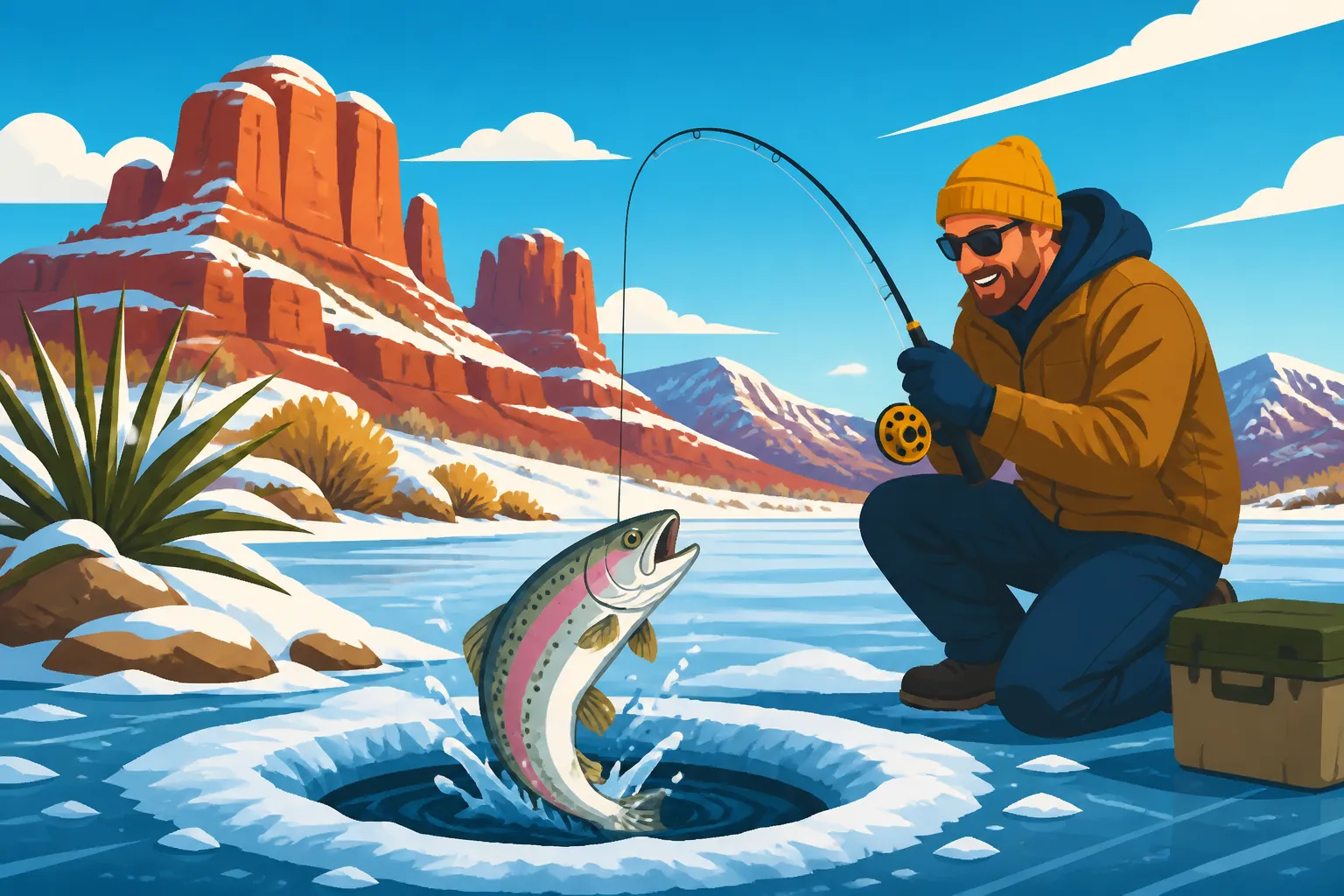
It’s completely understandable if the idea of ice fishing in New Mexico sounds a bit… odd. When most people picture New Mexico, they think of scorching summer days, red rock canyons, and perhaps a tumbleweed or two. But what they often forget are our majestic mountain ranges, our high-altitude lakes, and the crisp, cold winters that transform these waters into prime ice fishing destinations. The reality is, while our ice fishing season might be shorter and more dependent on specific conditions than, say, Minnesota, it’s absolutely a vibrant and rewarding part of our state's angling culture. We get some truly incredible opportunities to pull fish through the ice, and the serene, stark beauty of a frozen New Mexico lake is an experience all its own.
Dispelling Myths and Setting Expectations
One of the biggest myths is that New Mexico simply doesn't get cold enough for consistent, safe ice. While it's true that not every lake freezes solid every year, and certainly not our larger, deeper reservoirs in the southern part of the state, several high-elevation lakes reliably develop fishable ice. The key is knowing where to go and when. You're not going to be ice fishing at Elephant Butte Lake, for instance. That's just not going to happen. But head north, up into the Sangre de Cristo Mountains, and a different world emerges.
Another common misconception is that the fishing will be slow or the fish will be small. On the contrary! The cold water often concentrates fish, making them easier to locate, and many of our stocked trout, kokanee salmon, and even tiger muskie can grow to impressive sizes, offering exciting battles through a hole in the ice. You also need to adjust your expectations regarding the length of the season. Unlike states where ice fishing can last for months, our season typically runs from late December or early January through February, sometimes into early March, depending entirely on the weather patterns and elevation. It's a precious window, and you have to be ready to seize it when conditions are right. This means staying informed about local ice conditions and forecasts is absolutely paramount.
Key Factors for Safe Ice Formation
Safety is, without a doubt, the number one consideration when it comes to ice fishing. You absolutely cannot rush out onto questionable ice. The formation of safe ice in New Mexico is a delicate balance of several factors: prolonged cold temperatures, minimal snow cover, and stable weather patterns.
- Consistent Freezing Temperatures: We need several consecutive nights and days well below freezing (around 20-30°F or colder) to build up a solid layer of ice. A few cold nights followed by warm, sunny days just won't cut it. Shallow bays and smaller lakes or ponds generally freeze first and safest.
- Lack of Insulating Snow: While a fresh blanket of snow looks beautiful, it actually acts as an insulator, slowing down the ice formation process. Heavy snow on thin ice can also create slush, making it unsafe and difficult to traverse. Ideal conditions are clear, cold days and nights with little to no snow.
- Absence of Strong Winds: High winds can break up newly formed ice, especially on larger, more exposed lakes. They also create dangerous pressure ridges and weak spots. Calm, cold conditions are best for uniform ice growth.
- Water Depth and Flow: Shallower areas and smaller, stagnant bodies of water will freeze faster than deep, large lakes or moving water like rivers. Avoid areas with currents, feeder streams, or underwater springs, as these will always have thinner or unstable ice. Even on a safely frozen lake, these spots can be treacherous.
Always remember that ice is never 100% safe, and its thickness can vary dramatically even within a few feet. What looks solid on shore might be dangerously thin a few yards out. This is why vigilance and proper safety equipment are non-negotiable.
Top New Mexico Lakes for Ice Fishing
When it comes to ice fishing in New Mexico, you're looking for specific bodies of water that consistently offer safe, thick ice and a good chance at catching fish. These aren't necessarily the largest lakes, but rather those nestled in higher elevations where winter holds a firmer grip. Each lake offers a slightly different experience and targets different species, making it worth exploring a few options throughout the season.
Northern Gems: Eagle Nest and Heron Lakes
These two northern New Mexico lakes are often the first to freeze and among the most popular destinations for ice anglers, and for good reason. They are nestled in the stunning northern mountains and provide reliable access and good fishing. If you're planning an ice fishing trip, these should definitely be on your radar, and you'll want to check out our dedicated guides on Eagle Nest Lake Fishing and Heron Lake Fishing for more in-depth information.
Eagle Nest Lake: Located just outside the village of Eagle Nest, this beautiful lake is a true gem. It's renowned for its kokanee salmon, rainbow trout, and pike. During the ice fishing season, anglers here often set up tip-ups for pike, hoping for a trophy, while jigging for trout and kokanee. The lake sits at a high elevation, which means it usually gets solid ice from late December into March. Access is generally good, with several parking areas near the state park. The key to success here, especially for kokanee, is finding the right depth. These fish often suspend in the water column, so a fish finder is invaluable. For trout, try jigging small spoons or PowerBait, while pike will readily hit larger minnows on a tip-up. The sheer beauty of the surrounding mountains, often snow-covered, adds immensely to the experience.
Heron Lake: A bit further west, near Chama, Heron Lake is another prime spot. What makes Heron unique is its "no-wake" designation, which means it’s always calm, a true haven for silent sports enthusiasts. This calm environment often contributes to a more consistent freeze. Heron is famous for its large lake trout and kokanee salmon. While the lake trout can be challenging to locate, they offer a tremendous fight. Kokanee here are abundant, and anglers often have great success jigging small jigs tipped with corn or wax worms. The average kokanee size can be quite good, making for excellent table fare. Because it's a no-wake lake, it tends to attract a quieter crowd, making for a very peaceful day on the ice. Remember to always check the official New Mexico Fishing Season Dates and Limits before heading out, as regulations can vary between species and specific waters.
High-Altitude Havens: Fenton Lake and Smaller Ponds
Moving south but still staying in the high country, Fenton Lake and numerous smaller, lesser-known ponds offer fantastic, often less-crowded ice fishing opportunities. These smaller bodies of water are especially attractive because they often freeze earlier and more reliably than their larger counterparts.
Fenton Lake: Nestled in the Jemez Mountains, Fenton Lake is a small, picturesque state park lake primarily known for its excellent trout fishing. It's often one of the first lakes to develop safe ice in northern New Mexico. The lake is regularly stocked with rainbow trout and also holds brown trout. Due to its size, it's a fantastic spot for families or beginners. The best strategy here is often jigging small spoons or tiny jigs tipped with wax worms or mealworms, or simply using PowerBait on a small treble hook near the bottom. The scenery is absolutely stunning, especially after a fresh snowfall. Because it's a state park, amenities like restrooms are often available, making for a more comfortable outing. For more detailed information on this picturesque spot, our Fenton Lake Fishing guide is a great resource.
Smaller, Stocked Ponds: Beyond the well-known lakes, New Mexico has numerous smaller, often municipally or privately managed ponds, particularly in high-altitude areas like Taos, Red River, and even some urban ponds in cities like Santa Fe and Albuquerque (though the latter rarely get thick enough ice). These ponds are frequently stocked by the New Mexico Department of Game and Fish (NMDGF) and can offer excellent, convenient ice fishing. The key is to find out which ones freeze reliably and are open to the public. Local tackle shops or the NMDGF website are your best bet for current information. These smaller waters are often perfect for teaching kids the ropes of ice fishing, as the fish are typically more active and easier to catch. Always ensure you have your New Mexico Fishing License Guide in hand, and be aware of any specific rules for these smaller, often regulated, bodies of water.
The Wild Card: Bluewater Lake and its Unique Draw
While many think of northern New Mexico for ice fishing, Bluewater Lake, located west of Grants in west-central New Mexico, offers a truly unique and exciting opportunity, though it's much more of a "wild card" in terms of consistent ice.
Bluewater Lake: This lake is legendary for one reason: tiger muskie. These ferocious, hybrid predators were stocked to help control invasive fish populations, and they've thrived, growing to impressive sizes. While ice fishing for muskie anywhere is a challenge, Bluewater offers one of the best chances in the state to catch one through the ice. It doesn't freeze as reliably or as early as the northern lakes, but when it does, usually in late January or February, it draws dedicated muskie anglers. Targeting tiger muskie through the ice requires heavy-duty gear, large baits (often dead suckers or large shiners on quick-strike rigs), and immense patience. It's not for the faint of heart or the beginner, but the reward of landing a toothy tiger muskie through an ice hole is an unforgettable experience. For more on this unique species, check out our article on Tiger Muskie in New Mexico. Due to its location and slightly lower elevation, always, and I mean always, verify ice conditions directly with the state park or local sources before making the drive to Bluewater Lake.
Essential Gear for a Successful New Mexico Ice Fishing Trip
Ice fishing is a gear-intensive sport, and skipping essential items, especially safety gear, is just not an option, particularly in the unpredictable New Mexico climate. You're heading into cold, potentially remote conditions, so being prepared is crucial for a comfortable, safe, and successful trip. Think of your gear as your lifeline and your ticket to an enjoyable day on the frozen water.
Safety First: Ice Augers, Picks, and Flotation
Let's start with the absolute non-negotiables: your safety equipment. No matter how experienced you are or how solid the ice looks, these items are paramount.
- Ice Auger: You can't ice fish without holes, and an ice auger is how you make them. For New Mexico's typically moderate ice thicknesses (usually 4-12 inches), a hand auger is perfectly sufficient and lightweight, making it a great choice for hiking to more secluded spots. However, if you plan on fishing frequently or want to drill many holes quickly, a power auger (gas, propane, or electric) is a fantastic investment. Brands like Eskimo or Strikemaster are popular and widely available on platforms like Amazon. Choose an 8-inch auger for general-purpose fishing; it's wide enough for most fish but not too cumbersome. Always check your blades and keep them sharp!
- Ice Picks/Claws: These are simple, inexpensive tools that can literally save your life. Worn around your neck, they consist of two sharp, pointed handles connected by a rope. If you fall through the ice, you use them to gain purchase and pull yourself out. Do not go on the ice without them. They're a small investment for massive peace of mind.
- Spud Bar (Ice Chisel): A heavy, pointed metal bar used to test ice thickness as you walk. Before stepping onto new ice, give it a solid thrust with the spud bar. If it goes through easily, turn back. It's especially useful for checking ice transitions and identifying weak spots.
- Personal Flotation Device (PFD): While not always strictly worn on the ice, having a PFD readily accessible, or even wearing a float suit, is highly recommended. Some anglers wear inflatable PFDs under their coats for unobtrusive safety. This is especially important if you're venturing far from shore or fishing alone.
- Rope/Throw Bag: A length of sturdy rope (50-100 feet) with a floatable bag at the end. If someone falls through, you can throw the bag to them while maintaining a safe distance.
Remember, the NMDGF recommends a minimum of 4 inches of clear, solid ice for safe walking, and more for groups or snowmobiles. Our guide on How Thick Does Ice Need to Be to Fish Safely? provides even more critical details on this topic.
Staying Warm: Layering for the High Desert Cold
New Mexico's high-altitude winters can be deceptively cold, especially when you're sitting still on a frozen lake. Proper layering isn't just about comfort; it's about preventing hypothermia. Our article on What to Wear Ice Fishing in New Mexico offers an even deeper dive into this.
- Base Layer: Start with moisture-wicking synthetic or merino wool base layers. These pull sweat away from your body, which is crucial because dampness leads to rapid heat loss. Avoid cotton at all costs; it absorbs moisture and stays wet.
- Mid-Layers: Fleece jackets, down vests, or heavy wool sweaters provide insulation. You want multiple layers here that you can easily add or remove as conditions change throughout the day.
- Outer Shell: A waterproof and windproof jacket and bibs or pants are essential. Look for insulated options designed for ice fishing, as they often have reinforced knees and seats, and built-in flotation (like a float suit). Brands like Clam Outdoors or Striker Ice make excellent gear that can be found on Amazon or at specialty outdoor retailers.
- Headwear: A warm hat (beanie or trapper hat) is critical, as a significant amount of body heat is lost through your head. Consider a balaclava or neck gaiter for extra protection against wind and cold.
- Gloves/Mitts: Waterproof, insulated gloves or convertible mitts (with flip-back finger covers) are a must. Keeping your hands warm and dry is tough, but essential for handling gear and fish.
- Footwear: Insulated, waterproof boots are non-negotiable. Look for boots rated for extremely cold temperatures (e.g., -40°F). Wear good wool or synthetic socks, possibly two pairs (a thin liner and a thick outer sock), to keep your feet toasty. Ice cleats or "yak-traks" are also a wise addition for traction on slippery ice.
Rods, Reels, and Tackle for Under the Ice
Ice fishing gear is specialized, designed for fishing in a small hole and detecting subtle bites in cold water.
- Ice Rods: These are typically short (24-36 inches), stiff rods designed for jigging. The short length makes them easy to handle in a shelter or while kneeling by a hole. The stiffness helps set hooks and fight fish without much rod bend.
- Ice Reels: Small spinning reels are common. Look for models that perform well in cold temperatures, as cheaper reels can seize up. A smooth drag is important for fighting larger fish like trout or pike.
- Line: Fluorocarbon or monofilament lines are popular for their low stretch and invisibility. For trout and kokanee, 4-6 lb test is usually sufficient. For tiger muskie, you'll need much heavier braided line (30-50 lb test) with a heavy fluorocarbon or wire leader.
- Baits and Lures:
- Trout/Kokanee: Small jigging spoons (like Swedish Pimples, Kastmasters, or Northland Forage Minnow Spoons), tiny lead head jigs tipped with wax worms, mealworms, or Gulp! maggots, and of course, PowerBait (especially for stocked rainbows).
- Panfish (Perch/Bluegill): Smaller versions of the above, often tiny tungsten jigs tipped with a single wax worm or a micro-soft plastic.
- Tiger Muskie: Large dead baits (suckers or shiners) presented on a quick-strike rig under a tip-up. Also large jigging spoons or heavy glide baits.
- Tip-Ups: These are passive fishing devices. A spool of line is submerged, and when a fish takes the bait, a flag springs up, signaling a bite. They're excellent for covering more water and are indispensable for targeting pike and muskie with dead baits. Many anglers run a tip-up or two for bigger fish while actively jigging another hole.
Setting Up Your Portable Shelter
An ice fishing shelter, or shanty, isn't just for comfort; it can significantly extend your time on the ice by protecting you from wind and cold.
- Portable Pop-Up Shelters: These are incredibly popular. They fold down into a relatively compact bag for transport and then "pop up" in minutes to create a warm, windproof enclosure. Many are insulated and can be heated with a small propane heater. They come in various sizes, from one-person models to larger versions that comfortably fit several anglers and gear. Brands like Clam, Eskimo, and Shappell offer excellent options.
- Sled-Style Shelters (Flip-Overs): These shelters are built on a durable sled base, which allows you to drag all your gear to your spot. The tent portion then "flips over" to cover the sled, creating a complete shelter. They're fast to deploy and often have built-in seating. They are generally heavier but offer convenience for mobility once on the ice.
- Heaters: A small, portable propane heater (like a Mr. Heater Buddy) is a game-changer for keeping warm inside your shelter. Always ensure adequate ventilation to prevent carbon monoxide buildup. Most modern ice fishing shelters have vents for this purpose.
- Portable Seating: A comfortable bucket, chair, or built-in seating in your flip-over is essential for long hours on the ice.
- Fish Finder (Flasher/Sonar): While not strictly a shelter item, a portable fish finder (often called a flasher for ice fishing) is invaluable. It helps you find fish, identify structure, and see your bait in real-time. Brands like Vexilar and Marcum are industry leaders.
Investing in quality gear ensures your safety and enjoyment. Don't scrimp, especially on safety and warmth!
Mastering Ice Fishing Techniques for New Mexico Species
Ice fishing isn't just about drilling a hole and dropping a line. To be truly successful in New Mexico, you need to understand the behavior of the fish under the ice and adapt your techniques accordingly. The cold water changes how fish feed and move, and subtle presentations often make all the difference.
Targeting Trout: Jigging and Deadsticking Strategies
Trout are by far the most commonly targeted species through the ice in New Mexico, thanks to the NMDGF's excellent stocking programs in lakes like Eagle Nest, Heron, and Fenton. Rainbow trout are the most prevalent, but you'll also encounter brown trout and occasionally lake trout.
- Active Jigging: This is the bread and butter of ice fishing for trout. It involves imparting action to your lure to attract fish.
- The Setup: Use a light to medium-light ice rod (28-32 inches) with a small spinning reel spooled with 4-6 lb fluorocarbon or monofilament line.
- Lure Choice: Small jigging spoons (1/8 oz to 1/4 oz) like a Kastmaster, Swedish Pimple, or a Tube Jig. Add a small piece of bait (wax worm, mealworm, or a bit of Gulp! Maggot) to the hook for added scent and attraction.
- The Action: Drop your lure to the desired depth (often just off the bottom, or suspended if you see fish on your flasher). Then, use subtle lifts and drops of your rod tip. A common retrieve involves a 6-12 inch lift, then letting the lure flutter back down. Experiment with different speeds and pauses. Sometimes a rapid jigging motion followed by a long pause is what triggers a strike; other times, a very subtle twitch is best. Fish are often lethargic in cold water, so don't overdo it. Focus on detecting those often very light bites.
- Deadsticking (Passive Fishing): This technique complements active jigging perfectly, allowing you to cover multiple presentations.
- The Setup: Use a second rod (where regulations allow, always check New Mexico Fishing Regulations Overview) or a tip-up. Set your bait at a fixed depth, often just above the bottom.
- Bait Choice: For rainbows, PowerBait is king. Form a small ball around a treble hook, ensuring the hook point is exposed. Other options include corn, salmon eggs, or a live minnow (if legal and available).
- Presentation: Set the rod in a holder (often a specialized ice fishing holder) so the tip is just above the hole. Allow the bait to sit still, relying on its scent and visual appeal. The lack of movement can be highly effective for wary trout. Often, you'll be actively jigging one hole while a deadstick rod waits patiently nearby. When a fish bites, the rod tip will dip or the tip-up flag will fly.
Remember that trout often follow contours or gather around underwater structure. Using a portable fish finder can dramatically increase your success by showing you where the fish are holding and how they're reacting to your bait.
Hunting for Perch and Other Panfish
While trout often get the spotlight, don't overlook the abundant panfish in some New Mexico lakes, especially yellow perch. These smaller, schooling fish can provide fast action and make for excellent eating. Lakes like Eagle Nest and some smaller ponds can hold good numbers of perch.
- Locating Schools: Perch are often found in schools, so once you find one, you're likely to find more. They tend to relate to soft bottom areas, weed edges (even under the ice), or subtle transitions in depth. A fish finder is invaluable for spotting these schools.
- Micro Jigging: Panfish have smaller mouths and are attracted to smaller presentations.
- The Setup: Use an ultralight ice rod (24-28 inches) with a very small spinning reel and 2-4 lb test monofilament or fluorocarbon line.
- Lure Choice: Tiny tungsten jigs (1/32 oz to 1/16 oz) are perfect. Their density allows them to sink quickly despite their small size. Tip them with a single wax worm, a couple of maggot larvae, or a small piece of soft plastic (like a Gulp! Minnow Head).
- The Action: Use very subtle, short twitches of the rod tip. Think vibrations rather than big lifts. Perch often respond well to a bait that's just barely moving or dancing in place. Sometimes, simply holding the bait perfectly still a few inches off the bottom is all it takes. Be prepared for very light taps or just a feeling of "weight" on your line when a perch bites.
Panfish can be a fantastic option, especially for kids or beginners, as they are often more willing biters than trout and provide consistent action.
The Elusive Tiger Muskie: A Different Approach
Ice fishing for tiger muskie at Bluewater Lake is a specialized pursuit, requiring patience, dedication, and robust gear. This isn't a numbers game; it's about targeting a single, large, aggressive fish.
- Heavy Duty Gear: Forget your trout rods. You need heavy-action ice rods or even short saltwater rods, equipped with large, durable spinning or baitcasting reels spooled with 30-50 lb braided line. A heavy fluorocarbon leader (80-100 lb test) or a bite-proof wire leader is absolutely essential due to their razor-sharp teeth.
- Large Baits and Tip-Ups: The primary method for muskie through the ice is using large dead baits on tip-ups.
- Bait Choice: Large suckers, shiners, or even small trout (check regulations on legality of using game fish as bait) are ideal. Rig them on a quick-strike rig, which has two treble hooks to ensure a good hookup without deep-hooking the fish.
- Presentation: Set the bait a few feet off the bottom, or at the depth where you've seen activity on your flasher. Let the tip-up do the work. When the flag flies, don't immediately set the hook. Muskie often "mouth" the bait before fully swallowing it. Give them a minute or two to ensure they have the bait completely. When you pick up the line, feel for consistent weight or a steady pull before setting the hook with authority.
- Jigging for Muskie: While less common, some anglers also try jigging large spoons or heavy glide baits like Salmo Slider or Rapala Jigging Rap for muskie. This is a more active, tiring approach but can sometimes trigger a reaction strike from a curious muskie.
- Patience and Persistence: Muskie fishing is notoriously tough, and ice fishing for them is even more so. You might sit all day for one strike, but when it comes, it's usually a fish of a lifetime. Be prepared for a long battle and bring a large gaff or cradle for landing.
Always consult the current New Mexico Fishing Regulations Overview for specific rules on species, bag limits, and bait restrictions for each lake, especially when targeting unique species like tiger muskie.
Navigating Seasons, Regulations, and Safety
Ice fishing in New Mexico is a seasonal and location-dependent activity, meaning that understanding when and where to go, coupled with stringent adherence to regulations and safety protocols, is absolutely crucial. Without this knowledge, your trip can quickly go from enchanting to exasperating, or worse, dangerous.
When to Hit the Ice: Peak Season and Conditions
Unlike summer fishing which has longer, more predictable windows, ice fishing in New Mexico operates on a much tighter schedule dictated entirely by Mother Nature.
-
The Typical Window: Generally, the ice fishing season in northern New Mexico lakes like Eagle Nest and Heron usually kicks off in late December or early January. By mid-January through February, these lakes are typically in their prime, offering the most consistent and safest ice conditions. Depending on winter severity, the season might extend into early March. Lower elevation lakes, if they freeze at all (like Bluewater Lake), typically see their potential ice season later in January and usually don't last as long.
-
Factors Affecting Timing:
- Persistent Cold Fronts: We need prolonged periods of below-freezing temperatures, especially at night, to build solid ice. A few warm, sunny days in between can set ice formation back significantly.
- Snowfall: Heavy snowfall early in the winter can insulate the water, preventing thick ice from forming, or creating slushy, unsafe conditions on existing ice. Less snow allows for better ice formation.
- Elevation: Higher elevation lakes freeze first and stay frozen longer. This is why the northern mountains are the primary ice fishing grounds.
- Spring Thaw: As temperatures begin to rise in late February and March, ice rapidly deteriorates from the edges inward and from the bottom up. This is when ice becomes most unpredictable and dangerous.
-
Stay Informed: The most critical advice is to always check current ice conditions before you head out. Websites for New Mexico State Parks (which manage many of these lakes), local tackle shops in towns like Eagle Nest or Chama, and the NMDGF website (especially their weekly fishing reports) are your best resources. Do not rely on old information or general predictions. Always confirm current, localized ice conditions. A great resource for general seasonal planning is the New Mexico Fishing Season Calendar.
Understanding New Mexico's Ice Fishing Regulations
Just like any other form of fishing, ice fishing in New Mexico comes with a specific set of rules and regulations designed to protect fish populations and ensure fair sport. Failing to comply can lead to fines, confiscation of gear, and even loss of fishing privileges.
- Fishing License and Habitat Stamp: Everyone 12 years of age and older needs a valid New Mexico Fishing License Guide. Additionally, most anglers will need a New Mexico Habitat Management and Access Validation Stamp. There are specific exemptions for some seniors and disabled veterans, so always check if you qualify. These are annual licenses, generally valid from April 1st to March 31st of the following year.
- Number of Lines: Generally, in New Mexico, an angler is allowed to fish with two rods/lines. However, this can change for specific waters or species. For instance, some lakes might allow more lines for certain species, or specialized validations like the New Mexico Second Rod Validation might allow you to use an additional rod (totaling three). Always check the current NMDGF fishing proclamation booklet for the specific water you plan to fish. When using tip-ups, each tip-up counts as one line.
- Bag and Possession Limits: These vary significantly by species and by water. For example, the statewide trout bag limit is generally 5 fish per day, but some lakes might have special regulations for trout (e.g., specific size limits or bait restrictions on Quality Waters). Kokanee salmon often have their own specific bag limits. It's crucial to know the limits for the species you are targeting at the specific lake. For detailed trout rules, refer to our New Mexico Trout Fishing Rules page.
- Live Bait Restrictions: There are strict rules regarding the use of live bait, especially live minnows. In many New Mexico waters, it is illegal to use live game fish as bait, and the use of certain non-native live baits is also prohibited to prevent the spread of invasive species. Always verify what is permissible for your chosen location.
- Hole Size: Generally, ice fishing holes are limited to a maximum diameter of 10-12 inches. This is for safety and to prevent excessive weakening of the ice.
- Shelters: Most personal portable shelters are allowed, but some state parks might have rules regarding overnight stays or specific placement. Always check with the managing authority of the lake.
- Leaving Gear: You cannot leave lines or tip-ups unattended. You must be within a reasonable distance to respond to a bite.
It's your responsibility to be aware of and abide by all current regulations. Pick up a copy of the annual New Mexico Fishing Rules & Regulations booklet, available at license vendors and online, or visit the NMDGF website.
Prioritizing Ice Safety: A Non-Negotiable Guide
I cannot stress this enough: ice safety is paramount. No fish is worth risking your life. Every year, tragic accidents occur because anglers underestimate the dangers of unstable ice.
- Check Ice Thickness:
- Minimums: The NMDGF generally recommends a minimum of 4 inches of clear, solid ice for safe walking for a single person.
- For Groups/Snowmobiles: At least 5-7 inches for small groups, and 8-12 inches for snowmobiles or ATVs.
- Never trust visual appearance: Clear ice is significantly stronger than opaque, slushy, or snow-covered ice.
- Test as You Go: Use a spud bar (ice chisel) to continually test the ice thickness in front of you as you walk out. Tap it vigorously. If it goes through easily, you've found thin ice – turn back immediately.
- Avoid Dangerous Areas:
- Inlets/Outlets: Areas where streams or rivers flow in or out of a lake often have dangerously thin ice due to currents.
- Underwater Springs: These can create localized thin spots.
- Pressure Ridges: These are cracks or upheavals in the ice caused by expansion and contraction. They are often weak and unstable.
- Areas Around Docks/Pilings: Ice around objects that absorb heat can be weaker.
- Discolored Ice: Dark spots can indicate thinner ice.
- Open Water: Obviously, if you see open water nearby, the ice is unstable.
- Go with a Buddy: Never ice fish alone. If an accident occurs, having someone else there can be the difference between life and death.
- Share Your Plan: Tell someone reliable where you are going and when you expect to return.
- Carry Safety Gear: Always have ice picks (worn around your neck!), a throw rope, and a whistle. Consider an inflatable PFD or a float suit.
- Dress in Layers: As discussed, proper clothing is vital for preventing hypothermia if you do get wet.
- Know What to Do If You Fall Through:
- Don't Panic: Conserve energy.
- Turn Towards Where You Came From: That's where the ice was last solid.
- Use Ice Picks: Drive them into the ice and pull yourself forward, kicking your legs.
- Get Onto the Ice: Once you're out, roll away from the hole to distribute your weight, then crawl or slide back to thicker ice.
- Seek Warmth Immediately: Get to shore, change into dry clothes, and get warm.
Ice fishing is incredibly fun, but it demands respect for the environment and the inherent dangers of frozen water. Prioritizing safety ensures you'll have many more seasons to enjoy this unique New Mexico experience.
Planning Your New Mexico Ice Fishing Adventure
Embarking on an ice fishing trip in New Mexico requires more than just knowing where to go and what gear to bring; it demands careful planning and awareness of current conditions. Being prepared is the key to a successful, enjoyable, and safe experience in the Land of Enchantment's frozen landscapes.
Checking Ice Conditions and Forecasts
This is perhaps the most critical step in planning your New Mexico ice fishing trip. As we've discussed, ice conditions can be highly variable and change rapidly.
- Official Sources are Best:
- New Mexico Department of Game and Fish (NMDGF) Weekly Fishing Report: This is your primary source for up-to-date fishing conditions across the state, including ice thickness and safety advisories for popular ice fishing lakes like Eagle Nest, Heron, and Fenton. These reports are usually updated weekly during the fishing season.
- New Mexico State Parks Websites: For lakes located within state parks (e.g., Eagle Nest Lake State Park, Heron Lake State Park, Fenton Lake State Park, Bluewater Lake State Park), check their specific websites or call their park offices directly. Park rangers are often the best source for localized, real-time ice conditions, access points, and any specific park rules.
- Local Bait and Tackle Shops: These small businesses are absolute goldmines of information. Stores in towns near ice fishing destinations, like Eagle Nest, Chama, or Grants, often get daily reports from anglers. They can tell you where the bite has been good, what baits are working, and crucially, what the current ice thickness and stability are like. A quick phone call can save you a long, wasted drive.
- Weather Forecasts: Pay close attention to extended weather forecasts, specifically focusing on overnight low temperatures and daytime highs. A string of warm days can rapidly degrade ice. Also, look for wind predictions, as strong winds can make a day on the ice miserable and contribute to weak spots.
- Community Forums and Social Media: While not official sources, many regional fishing forums or local Facebook groups dedicated to New Mexico fishing can provide anecdotal reports and tips from fellow anglers. Use these as supplementary information and always cross-reference with official sources.
Never assume. Always verify. A few minutes of research can prevent a dangerous situation or a frustrating trip to an unfrozen lake.
Local Resources and Community Tips
Once you've confirmed the ice is safe, leveraging local knowledge can significantly enhance your experience. New Mexico's ice fishing community, while smaller than in some other states, is passionate and often very welcoming.
- Tackle Shop Expertise: As mentioned, local tackle shops are invaluable. They don't just sell gear; they sell information. Ask them about:
- Current Hot Spots: "Where are people catching fish right now?"
- Effective Baits/Lures: "What's been working for trout/kokanee/muskie?" They'll know the local preferences and recent successes.
- Access Points: "Where's the easiest/safest place to get onto the ice?"
- Rental Gear: Some shops might offer auger or shanty rentals, which is great for trying out ice fishing without a full investment. You might find specialized ice fishing equipment, jigs, and PowerBait that are popular in New Mexico right on their shelves.
- Guided Trips: If you're completely new to ice fishing or to a particular lake, consider hiring a local guide. A good guide can provide all the necessary gear, teach you techniques, keep you safe, and put you on fish. It's an excellent way to learn the ropes quickly and confidently.
- Connect with Other Anglers: Once you're on the ice, don't be shy about striking up a conversation with fellow anglers. Most are happy to share tips, especially if you're respectful and offer to share your own experiences. The ice fishing community is often tight-knit and helpful. Just remember, some anglers prefer solitude, so always gauge the situation.
These local connections are part of the charm of ice fishing in New Mexico. You're not just fishing; you're often engaging with a small, dedicated group of outdoor enthusiasts.
Respecting the Environment and Leaving No Trace
As with all outdoor activities, responsible stewardship of our natural resources is paramount. This is especially true for ice fishing, where certain practices can have a magnified impact on the fragile winter environment.
- Pack It In, Pack It Out: This is the golden rule. Every piece of trash, from bait containers and broken line to food wrappers and discarded propane canisters, must leave the ice with you. Wind can easily scatter lightweight debris across the frozen landscape, which then melts into the water, harming wildlife and polluting the environment. A simple mesh bag or small backpack from Amazon can make hauling out your trash easy.
- Dispose of Waste Properly: If you're using a portable toilet in your shelter, ensure all waste is contained and disposed of off-site in an appropriate facility. Never leave human waste on the ice.
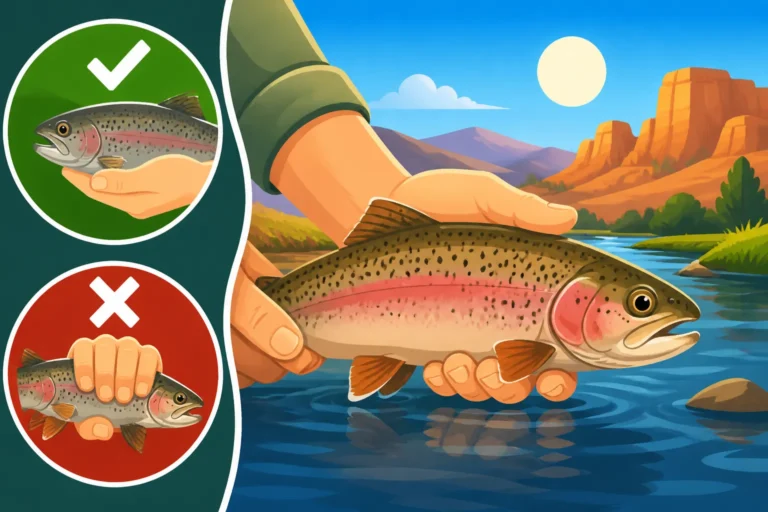
- Responsible Fish Handling: Practice catch and release with care, especially if targeting species like large lake trout or tiger muskie. Minimize their time out of the water, handle them gently with wet hands, and release them quickly through the hole. If you are keeping fish for consumption, dispatch them humanely and store them properly.
- Protect the Ice: Avoid driving vehicles on the ice unless absolutely certain of its safety and legality. When drilling holes, spread them out to maintain ice integrity.
- Respect Wildlife: You're sharing the winter landscape with local wildlife. Observe them from a distance and avoid disturbing them.
- Fire Safety: If you're using a portable heater, ensure it's in good working order and always follow manufacturer guidelines for safe operation and ventilation. Never leave a heater unattended.
By adhering to these principles, you help preserve the pristine beauty and health of New Mexico's ice fishing destinations for future generations of anglers. Ice fishing in New Mexico truly offers a unique and memorable experience, connecting you to the wild heart of the state in a way that few other activities can. With proper planning, safety measures, and a respectful approach, you’ll find yourself eagerly anticipating the next freeze.
| Lake Name | Primary Target Species | Typical Ice Season | Key Features / Tips |
|---|---|---|---|
| Eagle Nest Lake | Kokanee Salmon, Rainbow Trout, Pike | Late Dec – Early Mar | Good access, known for kokanee, often windy. |
| Heron Lake | Lake Trout, Kokanee Salmon | Early Jan – Early Mar | No-wake lake, serene, large lake trout potential. |
| Fenton Lake | Rainbow Trout, Brown Trout | Late Dec – Late Feb | Smaller, picturesque, great for beginners/families, stocked. |
| Bluewater Lake | Tiger Muskie, Rainbow Trout, Channel Catfish | Late Jan – Mid Feb (Variable) | Legendary for trophy tiger muskie, highly variable ice. |
Disclaimer
The information provided in this guide is for general informational purposes only and is not intended as legal advice or an exhaustive list of all regulations. Fishing regulations, ice conditions, and safety recommendations can change frequently. Always consult the most current New Mexico Department of Game and Fish (NMDGF) regulations, local state park advisories, and reliable ice condition reports before planning and embarking on any ice fishing trip. Ice fishing inherently carries risks; prioritize safety above all else.