Eagle Nest Lake Fishing
Many anglers dream of finding a peaceful, productive fishing spot, but often get bogged down in crowded shores or complicated regulations. Eagle Nest Lake, nestled high in the Sangre de Cristo Mountains, offers a refreshing escape, promising incredible fishing experiences for trout and salmon in a truly breathtaking setting. This guide will walk you through everything you need to know to make your next trip to this New Mexico gem a resounding success.
Discovering the Appeal of Eagle Nest Lake
Eagle Nest Lake isn't just another body of water; it's an experience. Located at a stunning elevation in northern New Mexico, it's a place where the air is crisp, the views are panoramic, and the fishing can be nothing short of spectacular. For those seeking both solitude and the thrill of a good catch, it truly stands out.
A High-Altitude Gem for Anglers
Situated within the charming village of Eagle Nest, this expansive reservoir sits at an impressive 8,300 feet above sea level. The surrounding landscape, a mix of dense ponderosa pine forests and wide-open meadows, creates a dramatic backdrop for your fishing adventures. The high altitude not only provides cooler temperatures, even in the summer, but also contributes to the lake's unique ecosystem, fostering a rich environment for its cold-water inhabitants. The clear, deep waters of Eagle Nest Lake are fed by the Cimarron River, ensuring a consistent influx of fresh, oxygenated water that fish absolutely thrive in. It's a truly picturesque location that draws anglers and nature lovers alike.
Beyond its natural beauty, Eagle Nest Lake State Park provides excellent infrastructure, making it accessible for a variety of fishing styles. Whether you prefer to cast from the shore, launch a boat, or even venture out onto the ice in winter, the park accommodates all. The elevation might take a little getting used to for some, but the reward of reeling in a feisty trout or a vibrant kokanee salmon against such a stunning backdrop is well worth it. You'll often find yourself sharing the views with various wildlife, including elk, deer, and diverse bird species, adding to the overall outdoor experience.
Prime Species for Your Tackle Box
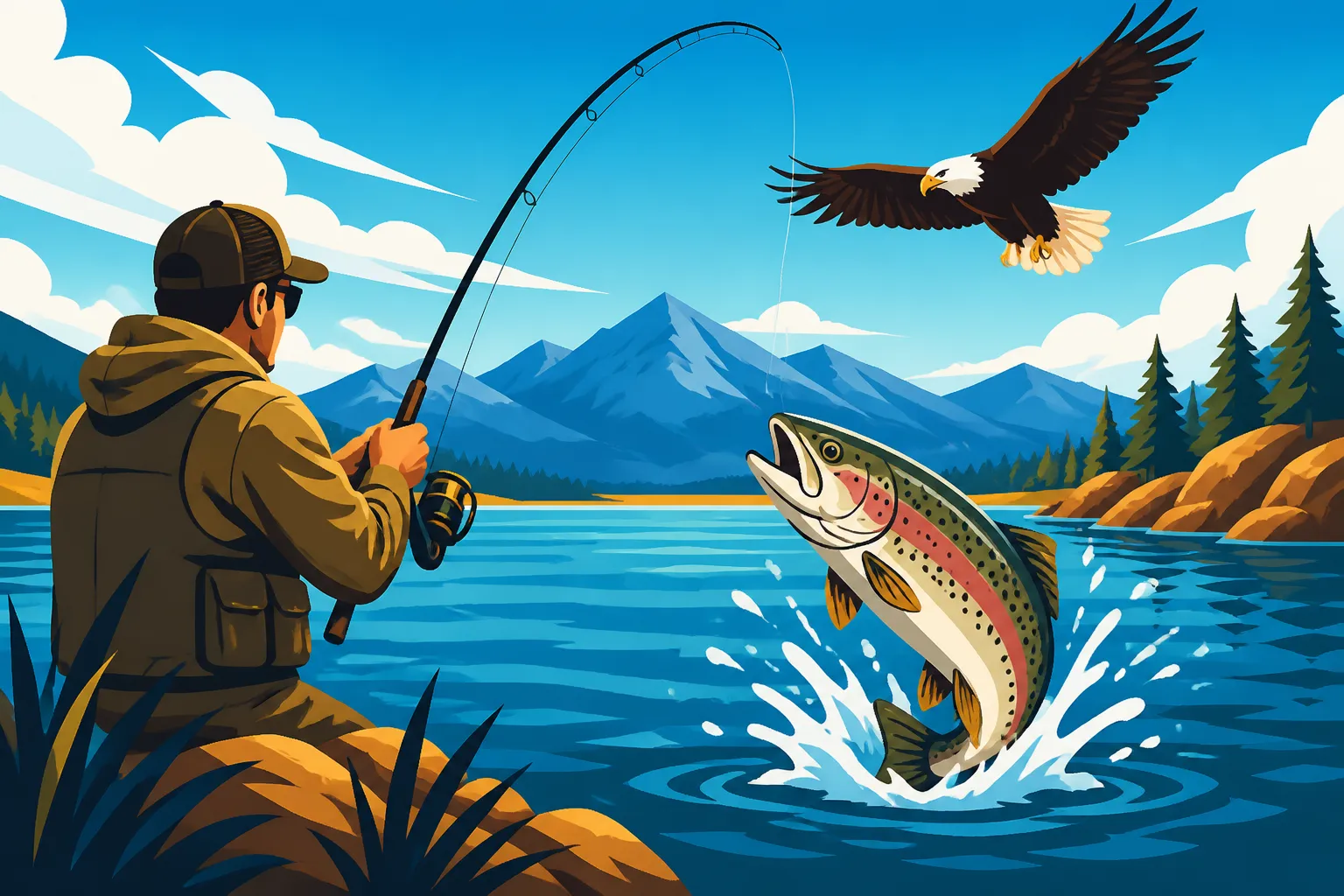
Eagle Nest Lake is renowned for its excellent cold-water fishing, primarily for trout and kokanee salmon. These species are regularly stocked by the New Mexico Department of Game and Fish, ensuring healthy populations and consistent action for anglers throughout the year. Rainbow trout are perhaps the most common catch, known for their aggressive bites and spirited fights, making them a favorite for many.
Beyond rainbows, you might also hook into brown trout, which tend to be a bit more elusive but often larger, offering a significant challenge and a rewarding catch. In certain areas, particularly closer to the Cimarron River inlet, you might even encounter the native Rio Grande cutthroat trout, a beautiful and highly prized species. Understanding the preferred habitats and feeding patterns of each trout species can greatly improve your chances of success here. For a broader look at what's swimming in the state's waters, check out our guide on Fish Species Found in New Mexico.
However, the real star for many at Eagle Nest Lake is the kokanee salmon. These landlocked sockeye salmon are distinct for their vibrant colors, especially during their fall spawning run, and their delicious, firm flesh. Kokanee fishing here can be incredibly exciting, requiring specific techniques like trolling with downriggers or, during peak season, the unique experience of salmon snagging. The lake also holds populations of yellow perch and even northern pike, offering additional angling opportunities for those looking to diversify their catches.
Understanding Eagle Nest Lake's Unique Fishery
Fishing at Eagle Nest Lake requires a nuanced approach, given its high-altitude environment and the specific species that thrive there. It's not just about casting a line; it's about understanding the habits of the fish and adapting your methods accordingly. The diverse population offers something for every angler, from the casual bank fisherman to the dedicated fly caster.
Trout Tactics and Techniques
When it comes to trout at Eagle Nest Lake, variety is key. Rainbow trout, being the most abundant, are often eager to bite. For bank anglers, popular baits include PowerBait, salmon eggs, or even a simple worm suspended under a bobber. Casting small spinners or spoons, like Panther Martins or Kastmasters, can also be incredibly effective, especially when retrieved at varying speeds near drop-offs or submerged structures. Targeting the areas around the Cimarron River inlet or near the dam often yields good results, especially in cooler weather. Our comprehensive guide on How to Catch Trout in New Mexico offers even more general tips that can be adapted for Eagle Nest.
For boat anglers, trolling is a highly productive method for rainbow and brown trout. Using small crankbaits, spoons, or even wedding ring spinners tipped with a piece of worm behind a dodger or flasher can cover a lot of water and locate active fish. Adjusting your trolling speed and depth is crucial, as trout often hold at specific thermoclines, particularly in warmer months. Fly fishing is also gaining popularity, especially in the calmer sections of the lake and near the river's entry points. Standard trout patterns like Woolly Buggers, Hare's Ears, and Prince Nymphs can entice strikes, particularly when stripped slowly or fished under an indicator.
The Thrill of Kokanee Salmon
Kokanee salmon at Eagle Nest Lake provide a unique and exciting fishery. These plankton-eaters are typically found in deeper, cooler water, making trolling the most effective method for targeting them during much of the year. Anglers often employ downriggers to get their lures or dodger-and-squid rigs down to the precise depth where kokanee are schooling. The key is to use small, bright lures in colors like pink, orange, or chartreuse, often scented with a dab of Kokanee Krill or corn. For more detailed insights into this specific fishery, consider diving into our Kokanee Salmon Fishing in New Mexico guide.
The most unique aspect of kokanee fishing at Eagle Nest Lake, however, is the salmon snagging season. Typically occurring in the fall when the salmon congregate to spawn, this method allows anglers to "snag" the fish by intentionally hooking them in the body, as they are no longer actively feeding. This season is highly anticipated, drawing crowds to the lake's shores and providing a fast-paced, action-packed experience. It's important to be aware of the specific dates and regulations for New Mexico Salmon Snagging Season, as they are strictly enforced. Snagging requires heavy tackle, sharp treble hooks, and a strong retrieve, and while it's a controversial method for some, it's a traditional and exciting part of the Eagle Nest Lake fishing calendar.
Other Notable Catches
While trout and kokanee are the main draw, Eagle Nest Lake offers a few other species that can add variety to your day. Northern pike, though not as numerous as in some other New Mexico lakes, can grow to impressive sizes here. They are ambush predators, often found lurking in weed beds or around submerged structures. Targeting pike requires stout gear, wire leaders to prevent bite-offs, and large, flashy lures like spoons, spinnerbaits, or swimbaits. Early mornings and late evenings are often the best times to find these toothy predators on the hunt.
Yellow perch also inhabit Eagle Nest Lake and can provide excellent fishing, especially for families or beginners. They are schooling fish, so once you find them, you can often catch several. Small jigs tipped with a grub or a piece of worm, or even a simple bait rig with a minnow, are effective. Perch tend to prefer slightly shallower areas with some vegetation or structure. Although less common, occasional reports of largemouth bass have been made, particularly in warmer, shallower coves during the summer months. While not a primary bass fishery, keeping an eye out for these opportunistic feeders can sometimes lead to a surprising catch.
Navigating Eagle Nest Lake Fishing Seasons and Conditions
Understanding the rhythm of Eagle Nest Lake throughout the year is crucial for a successful fishing trip. The high-mountain environment means distinct seasonal changes that directly impact fish behavior and accessibility. Being prepared for these variations will significantly enhance your angling experience.
Spring and Summer Fishing Strategies
As the ice melts away in late spring, usually around April or May, Eagle Nest Lake awakens. This period, often referred to as "ice-off," can be absolutely phenomenal for trout. The newly oxygenated water and abundant emerging insect life bring trout closer to the surface and shorelines, making them more accessible to bank anglers and those casting from boats. This is an excellent time for throwing spinners, spoons, or even soaking PowerBait in shallow coves. The water is still quite cool, and fish are actively feeding after a long winter.
Throughout the summer, as water temperatures rise, fish tend to move deeper to find cooler, more comfortable zones. This is when boat anglers truly shine, utilizing downriggers for kokanee and trout, or trolling at various depths with a fish finder to locate schools. Early mornings and late evenings become prime times for shore fishing, as the fish move into shallower water to feed under the cover of darkness or cooler temperatures. During the day, targeting shaded areas, drop-offs, and submerged structures becomes vital. Be sure to check the New Mexico Fishing Season Dates and Limits for any specific regulations that might apply to certain species during these warmer months. Even during peak summer, the high altitude of Eagle Nest means it rarely gets uncomfortably hot, making it a pleasant destination year-round.
Fall and Winter Opportunities
Fall is a season of transformation at Eagle Nest Lake, both in scenery and fishing. As temperatures drop and the leaves turn golden, the kokanee salmon begin their spawning run, turning a brilliant crimson. This is the time for the much-anticipated New Mexico Salmon Snagging Season, drawing anglers from all over to participate in this unique event. Beyond snagging, fall can also be excellent for trout, as they become more active in the cooling waters, feeding aggressively before winter sets in. Trolling and casting along shorelines, particularly with baitfish-imitating lures, can be very productive.
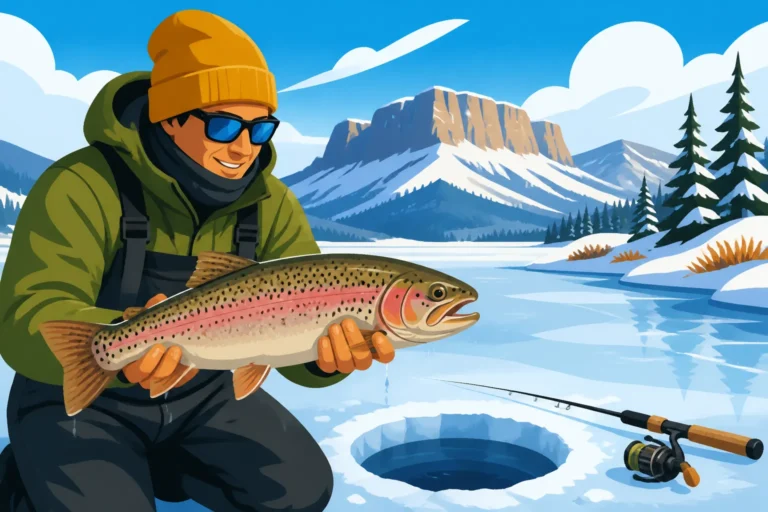
Winter brings a magical, albeit colder, experience to Eagle Nest Lake: ice fishing. Once the ice is safely thick enough, typically from December through February, anglers bundle up and venture out onto the frozen surface. The lake is a prime destination for Eagle Nest Lake Ice Fishing, offering opportunities for trout, kokanee, and perch. Common techniques include jigging small spoons or ice jigs tipped with a piece of worm or grub, or setting up tip-ups with live bait. Safety is paramount, so always check ice conditions with local authorities or bait shops before heading out. Our guide on Ice Fishing in New Mexico provides essential safety tips and gear recommendations to make your winter trip enjoyable and secure.
Water Levels and Weather Impacts
Like any large body of water in the high desert, fishing at Eagle Nest Lake can be significantly influenced by water levels and weather patterns. Drought conditions or heavy precipitation can impact water clarity, depth, and fish distribution. It's always a good practice to check the current water levels and local weather forecasts before you head out. Websites like the New Mexico Department of Game and Fish often provide updates on lake conditions, or a quick call to a local tackle shop in Eagle Nest Village can give you the most current intel.
Strong winds, common in mountain environments, can make boating challenging and even impact shore casting. On windy days, consider fishing sheltered coves or areas that offer some protection. Rapid changes in barometric pressure, often associated with approaching storms, can also affect fish behavior, sometimes triggering a feeding frenzy before a front or making them lethargic afterward. Being observant of these subtle environmental cues can give you an edge. The overall Best Time of Year to Fish in New Mexico can vary by species and your preferred fishing method, but Eagle Nest Lake truly offers year-round opportunities for the prepared angler.
Essential Gear and Access for Eagle Nest Lake
Having the right gear and knowing how to access the lake are fundamental to a successful and enjoyable fishing trip to Eagle Nest. From the rods and reels you choose to understanding boat ramps and license requirements, preparation is key.
Recommended Rods, Reels, and Tackle
For trout fishing from the bank or a boat with spinning gear, a light to medium-light action spinning rod, typically 6 to 7 feet long, paired with a matching spinning reel spooled with 4-8 pound monofilament or fluorocarbon line, is ideal. This setup provides enough sensitivity for delicate bites and sufficient backbone for fighting feisty rainbows or browns. For bait fishing, a simple slip sinker rig or a bobber setup works wonders. When casting lures, an assortment of small spinners (like Mepps or Rooster Tails), spoons (such as Kastmasters or Daredevils), and small crankbaits are excellent choices. Don't forget popular trout baits like PowerBait (especially in bright colors like rainbow or chartreuse), salmon eggs, and live worms. Our guide on the Best Lures for New Mexico Trout offers specific recommendations.
For kokanee salmon, particularly when trolling, a slightly heavier setup is preferred. A medium-light action rod with a sensitive tip, around 7-8 feet in length, coupled with a baitcasting reel (often a line counter reel to track depth precisely) spooled with 10-15 pound braided line with a fluorocarbon leader is a common choice. Downriggers are essential for getting your lures down to the deep-dwelling kokanee. Lures typically include small dodgers or flashers paired with kokanee squid, hoochies, or small spoons in bright, reflective colors. For those participating in the fall snagging season, a stout, heavy-action salmon/steelhead rod and a strong reel with 20-30 pound mono or braid are necessary to handle the unique demands of this method.
Boating and Shoreline Access Points
Eagle Nest Lake State Park provides excellent access for both boat and shore anglers. The main boat ramp, located within the state park, is well-maintained and provides easy launch and retrieval for various types of watercraft, from small aluminum boats to larger fishing vessels. It's important to remember that all motorized boats in New Mexico must be registered and titled, so be sure your vessel is compliant. For details on this, see our article on New Mexico Boat Registration and Titling Guide. Kayaks, canoes, and stand-up paddleboards are also popular options for accessing quieter coves and covering more water than bank fishing allows. For those considering purchasing a paddle craft, check out our insights on Best Kayaks for New Mexico Lakes.
Shoreline access is ample, particularly along the eastern and southern edges of the lake, within the state park boundaries. Popular spots include areas near the dam, the various picnic areas, and along the paved trails. There are also numerous pull-offs and informal access points along the roads bordering the lake. Anglers should always be mindful of private property signs and respect designated fishing areas. Even during busy periods, the sheer size of Eagle Nest Lake often allows anglers to find a secluded spot to cast a line. During the winter ice fishing season, access points are typically clearly marked on the ice for safety.
Regulations and License Requirements
Before you even think about casting a line in Eagle Nest Lake, you absolutely need to make sure your New Mexico Fishing License Guide is in order. Every angler 18 years and older needs a valid New Mexico fishing license. Depending on whether you're a resident or non-resident, and how long you plan to fish, you might opt for a New Mexico Annual Fishing License or a New Mexico One-Day and Five-Day Fishing Licenses. Licenses can be purchased online through the New Mexico Department of Game and Fish website, at various vendors around the state (including many local sporting goods stores or gas stations in the Eagle Nest area), or sometimes even by phone.
In addition to your general fishing license, a New Mexico Habitat Stamp and Validation Requirements is usually mandatory for anyone 18 or older who is fishing on most public lands managed by federal agencies (like the Forest Service or BLM) or by the state (like State Parks). While often included with an annual license purchase, it's a critical component to verify. Always check the current year's New Mexico Fishing Rules and Regulations booklet (available online or at license vendors) for specific bag and possession limits for each species in Eagle Nest Lake. These limits, such as the New Mexico Trout Bag and Possession Limits, are subject to change and may include special regulations for particular bodies of water, ensuring sustainable fisheries for everyone. Don't risk a fine; always know the rules.
Planning Your Eagle Nest Lake Fishing Adventure
A successful fishing trip is often as much about the planning as it is about the actual fishing. Eagle Nest Lake offers a fantastic destination, but a little foresight can turn a good trip into a truly memorable one.
Lodging and Amenities Around the Lake
The village of Eagle Nest, located right on the lake's northern shore, offers a range of lodging options to suit different preferences and budgets. You can find cozy cabins, comfortable motels, and vacation rentals that provide convenient access to the lake and its amenities. Many of these accommodations cater specifically to outdoor enthusiasts, offering amenities like fish cleaning stations and ample parking for boats and trailers. The charm of the small mountain town, with its local eateries and shops, adds to the overall experience.
For those who prefer a more rustic experience, Eagle Nest Lake State Park provides developed campgrounds with sites suitable for tents and RVs. Camping allows you to be immersed in nature and wake up just steps away from prime fishing spots. These campgrounds typically offer basic amenities like restrooms and water, with some having electric hookups. Booking campsites in advance, especially during peak season (summer and the fall kokanee snagging season), is highly recommended as they fill up quickly. Nearby Red River and Angel Fire also offer additional lodging and dining choices, just a short scenic drive away, providing even more options for your stay.
Hiring a Local Guide or Charter
While Eagle Nest Lake is accessible for independent anglers, hiring a local fishing guide or charter can significantly enhance your experience, especially if it's your first time on the lake or if you're targeting a specific species like kokanee salmon or trophy trout. A good guide brings invaluable local knowledge, knowing exactly where the fish are biting, what lures or baits are most effective, and how to navigate the lake's nuances. They often provide all the necessary specialized gear, such as downriggers for kokanee trolling, and can offer expert instruction to improve your technique.
Several reputable guide services operate in the Eagle Nest and surrounding areas, specializing in both open-water boat fishing and winter ice fishing. Websites like FishingBooker are excellent resources for finding and booking experienced local guides who know Eagle Nest Lake inside and out. They list various charters, detailing their specialties, available dates, and pricing, making it easy to compare options and find the perfect fit for your trip. Even if you're an experienced angler, a few hours with a guide can unlock secrets to the lake that would take years to discover on your own. It's a fantastic investment to maximize your time and increase your chances of landing that dream catch.
Respecting the Environment and Wildlife
Fishing in a pristine environment like Eagle Nest Lake comes with a responsibility to protect it. Practicing "Leave No Trace" principles is paramount: pack out everything you pack in, and dispose of trash properly. This helps preserve the natural beauty of the area for all to enjoy. Be mindful of fragile ecosystems, particularly around shorelines and river inlets, and avoid disturbing wildlife. Observing animals from a distance is part of the joy of being in such a wild setting.
When practicing catch and release, handle fish gently and return them to the water as quickly as possible. Wet your hands before touching fish, support their body weight, and use barbless hooks if possible to minimize injury. For trout and salmon, especially, avoid prolonged exposure to air. This ensures the health and vitality of the fish populations for future generations of anglers. By following these simple guidelines, you contribute to the sustainability of Eagle Nest Lake's incredible fishery and help maintain its status as a top-tier New Mexico fishing destination.
Local Insights and Pro Tips for Success
Beyond the basic gear and regulations, a few local insights and pro tips can truly elevate your Eagle Nest Lake fishing experience. These tidbits come from years of local knowledge and can make a big difference in your overall success and enjoyment.
Best Times of Day and Hidden Gems
Just like with most fishing, the "golden hours" at Eagle Nest Lake—early morning and late evening—often prove to be the most productive. During these times, light levels are lower, water temperatures are typically cooler (especially in summer), and fish are often more active, moving into shallower waters to feed. For bank anglers, setting up before dawn or staying until dusk can lead to some incredible catches, especially for trout. When targeting kokanee, particularly by trolling, the fish may be active throughout the day, but often exhibit peak feeding periods.
While popular spots like the dam area and the Cimarron River inlet are well-known for good reason, don't be afraid to explore. The lake has numerous coves and points that receive less pressure and can hold excellent fishing. Consider studying a detailed bathymetric map of the lake to identify hidden underwater structures, humps, or channels that might attract fish. These "hidden gems" often require a boat to access, but can be incredibly rewarding. For ice fishing, moving around and drilling several holes until you locate a school of fish is a common strategy, rather than sticking to one spot for too long. Checking with local bait shops like Eagle Nest Lake Hardware & Bait can often provide real-time updates on what's biting where, and what specific baits or lures are working best.
Adapting to Mountain Fishing Challenges
Fishing in a high-altitude mountain lake like Eagle Nest comes with its own set of challenges, and being prepared for them is key. The weather can change rapidly and dramatically. A sunny morning can quickly turn into a windy, stormy afternoon, even in summer. Always pack layers of clothing, including rain gear and warm jackets, regardless of the forecast. Sun protection is also crucial due to the higher elevation, so bring a wide-brimmed hat, polarized sunglasses, and high-SPF sunscreen.
The winds at Eagle Nest Lake can be particularly strong, making boat control difficult and shore casting a challenge. If fishing from a boat, consider a quality trolling motor with anchor lock features to help maintain your position. For bank anglers, casting into the wind or finding sheltered areas can make a big difference. Additionally, the clear mountain water means fish can be spooky, especially in shallow areas. Using lighter lines, longer leaders, and making subtle presentations can increase your chances of success. Altitude sickness can also be a concern for some visitors; remember to stay hydrated, take it easy the first day, and be aware of your body's signals. Embracing these challenges as part of the adventure will lead to a more enjoyable and ultimately successful trip.
Disclaimer
Fishing conditions and regulations in New Mexico can change. While every effort has been made to provide accurate and up-to-date information in this guide, it is essential for all anglers to consult the latest official New Mexico Department of Game and Fish regulations booklet or website before heading out. Always prioritize safety, especially when on the water or ice.