Best Way to Catch Bluegill With Kids
Trying to introduce kids to the joys of fishing can feel like a daunting task, can't it? You want them to have fun, catch something, and not get frustrated, but sometimes it feels like a marathon of tangled lines and impatient sighs. The good news is, there's a perfect finned ambassador for young anglers: the humble, yet enthusiastic, bluegill. This guide is all about setting you and your little ones up for a successful, memorable, and frustration-free bluegill fishing adventure right here in New Mexico.
Why Bluegill are Perfect for Kids
When you're trying to spark that lifelong love for the outdoors in a child, the first fishing trip has to be a hit. You don't want them sitting for hours, getting bored, or struggling with complicated gear. That's where bluegill shine; they are truly the ultimate starter fish for budding anglers in New Mexico. Their cooperative nature makes them incredibly rewarding for kids, ensuring plenty of action and a real sense of accomplishment.
Their Abundant and Eager Nature
One of the biggest reasons bluegill are fantastic for kids is their sheer abundance in many New Mexico waters. You’ll find them in lakes, ponds, and even slower sections of rivers across the state. They're often schooling, which means if you find one, you're likely to find many more. This dramatically increases the chances of a bite, and for a child, getting that consistent tug on the line is absolutely essential for keeping their interest. We're talking about a fish that's not picky, often hitting a bait within seconds of it touching the water. That rapid gratification is gold when you're fishing with a short attention span.
Their eagerness isn't just about biting; it's also about how they fight. While not trophy-sized, a bluegill puts up a surprisingly spirited struggle for its size, giving kids that exciting feeling of battling a fish without being too overwhelming. It teaches them how to "play" a fish, reel it in steadily, and experience the thrill of the catch. This is a foundational lesson that will serve them well as they move on to bigger species, or even explore other pursuits like learning How to Catch Trout in New Mexico.
Accessible Fishing Spots
Another huge benefit of targeting bluegill with kids in New Mexico is how accessible they are. You don't need a fancy boat or to hike deep into the wilderness. Many of our urban ponds, state park lakes, and community fishing waters are teeming with bluegill, making it easy to just pull up, set up, and start fishing. Think about places like the popular Tingley Beach in Albuquerque, some of the smaller ponds in Los Alamos, or state parks like Storrie Lake near Las Vegas. These spots are often designed with easy bank access, picnic tables, and restrooms, which are absolute lifesavers when fishing with children.
These readily available spots also mean less travel time, which, let's be honest, is a major win when you have excited (or restless) kids in the car. You can often plan a quick afternoon outing without it turning into an all-day logistical challenge. Knowing that bluegill are likely present in these family-friendly locations reduces the pressure on you as the adult, allowing you to focus on the fun rather than constantly searching for the "perfect" spot. You can almost always find a calm, shallow cove or a dock where bluegill congregate, making the experience pleasant and productive.
Building Confidence and Patience
Successful fishing, even for bluegill, isn't just about catching fish; it's about building confidence and fostering patience. When a child casts out and almost immediately gets a bite, it does wonders for their self-esteem. They see that their actions have a direct, positive result, reinforcing their belief in their own abilities. This positive feedback loop is crucial for turning a fleeting interest into a genuine passion.
While bluegill are eager, there will still be moments of waiting, tangled lines, or missed bites. These moments, handled with a gentle hand and encouraging words, teach valuable lessons in perseverance and patience. It's about enjoying the quiet moments by the water, observing nature, and understanding that not every cast will yield a fish. Over time, these small lessons accumulate, developing character traits that extend far beyond the fishing bank. Fishing for bluegill provides a low-stakes environment to learn these critical life skills, all while having a blast. It’s an ideal way to spend time outdoors and introduce them to the Easiest Fish to Catch in New Mexico for Beginners.
Essential Gear for Kid-Friendly Bluegill Fishing
One of the biggest mistakes you can make when taking kids fishing is overcomplicating the gear. You don't need a tackle box the size of a suitcase or a high-tech sonar system. Bluegill fishing with kids is all about simplicity, comfort, and safety. Keeping it basic ensures less frustration for both you and your young angler, allowing the focus to remain on the fun of the catch.
Simple Rods and Reels
For kids, a simple spincast rod and reel combo is absolutely the way to go. These setups are designed for ease of use, featuring a button that a child can easily press to cast, and a crank handle for reeling. The line is enclosed, which greatly reduces tangles, a common source of frustration for beginners. Look for combos that are shorter, perhaps 4 to 5 feet, with a light action that allows them to feel even the smallest bluegill bites. You can often find durable, brightly colored options that appeal directly to children.
When shopping, check out options at your local sporting goods store or even online through retailers like Amazon, where you can read reviews and compare models specifically marketed for youth. Don't worry about breaking the bank; an inexpensive fiberglass rod with a simple plastic reel will work perfectly. The goal here is functionality and durability, not high performance. Pair it with some 4-6 pound test monofilament line, which is strong enough for bluegill but still thin enough for easy casting and good sensitivity. For more ideas on setups, you might consider tips from Best Rod Setup for New Mexico Trout Fishing and adapt them for lighter bluegill use.
Basic Tackle Box Essentials
Your tackle box for bluegill fishing with kids should be minimal and focused. All you truly need are a few key items:
| Item | Purpose | Notes |
|---|---|---|
| Small Hooks | Size 8 or 10, bait-holder style | Easy for small mouths, keeps bait on |
| Small Split-Shot Weights | Lightly sink bait to strike zone | Allows bait to drift naturally but get down |
| Small Bobbers | Visual indicator of a bite | Crucial for kids to see the action |
| Live Bait | Worms, mealworms, crickets | Irresistible to bluegill, easy for kids to handle |
| Small Pliers/Forceps | For hook removal and safety | Essential for quick, safe unhooking |
| Small Cooler | For bait, drinks, and snacks | Keeps bait fresh, keeps kids hydrated and happy |
You can pick up pre-packaged bluegill kits at many retailers, or build your own from scratch. When you're buying bait, consider options like red wigglers or mealworms. They’re relatively clean, easy for kids to handle (with a little encouragement!), and bluegill absolutely love them. PowerBait, specifically the dough varieties, can also be quite effective and less "icky" for some kids. Remember, the less fuss with gear, the more time spent fishing. Sometimes, the simpler the setup, the more enjoyable the experience, and you can always browse a wide selection of these basics on Amazon.
Comfort and Safety Gear
Fishing with kids isn't just about the rod and reel; it's about the overall experience, and that means prioritizing their comfort and safety. Always bring plenty of water, even on cooler days, as dehydration can sneak up quickly in the New Mexico sun. Sunscreen is non-negotiable, and wide-brimmed hats and sunglasses will further protect them from harmful UV rays. A small first-aid kit with bandages, antiseptic wipes, and any personal medications is also a must.
Beyond that, consider comfortable chairs or a blanket if you're bank fishing, especially if you foresee longer stretches of waiting. Snacks, and plenty of them, are vital for keeping energy levels and spirits high. And don't forget insect repellent, particularly if you're near water during dawn or dusk. Lastly, while bluegill are small, teaching kids how to handle them gently, and how to safely remove a hook (with your help, of course), is an important part of the learning process. Always have a pair of small pliers or forceps handy for easy hook removal, and consider bringing a small bucket with water to keep the fish in before release, minimizing stress on the fish and allowing your child to admire their catch for a moment. This kind of mindful approach aligns well with Catch and Release Best Practices in New Mexico.
Foolproof Techniques for Landing Bluegill with Little Anglers
Getting a kid excited about fishing largely hinges on them actually catching fish. Luckily, bluegill are incredibly cooperative, and with a few simple techniques, you can ensure a successful outing. The key is to keep things as straightforward as possible, focusing on the basics that lead to consistent bites.
Baiting Up for Success
When it comes to bluegill, simplicity wins. There's no need for fancy lures or complex presentations. Live bait is almost always the most effective and easiest option for kids to manage (or for you to manage for them!). Garden worms, red wigglers, or mealworms are bluegill magnets. You can often find these at bait shops, or even dig up your own from the garden if you're feeling adventurous. Crickets are another excellent choice, especially later in the season.
To bait the hook, use a small piece of worm, just enough to cover the hook point. For mealworms or crickets, simply thread them onto the hook. The goal is to make the bait look appealing and natural. For very young children, you'll likely be doing the baiting, but as they get older, encourage them to try. It's a great lesson in handling bait and overcoming any initial squeamishness. Explain why the bait works and how it attracts the fish. This simple act of baiting is the first step in the chain of success and is part of the overall experience of How to Fish a Bobber and Worm Setup for Beginners.
Reading the Water and Casting Basics
While bluegill are common, they do prefer certain areas. Look for shallow, calm water with some sort of cover, like submerged weeds, lily pads, docks, or overhanging trees. These spots provide shelter and food for bluegill. Often, you'll find them just off the bank in these types of areas. Before casting, take a moment to observe the water. Do you see any ripples or disturbances? Are there any visible structures? These observations can help you decide where to aim.
For casting, keep it simple. Teach your child the basic "press the button, lift the rod, sweep forward, release the button" motion with a spincast reel. Start with practice casts on grass away from the water to build confidence and avoid snags or frustrations. Once they get the hang of it, aim for those target areas with cover. Don't worry about extreme accuracy; just getting the bait near the bluegill's preferred habitat is usually enough. Remember, it's about the process and the learning, not perfection. Many of New Mexico's urban ponds, which you can read more about in Best Fishing Spots Near Albuquerque, are perfect for this kind of easy access and practice.
The Art of the Bobber Watch
This is where the magic truly happens for kids. A bobber isn't just a float; it's a visual indicator of excitement. Once the bait is cast, position the bobber so that the bait is suspended a foot or two below the surface, or just above any visible structure. Then, it's all about watching that bobber. Explain to your child what to look for: a twitch, a dip, or the bobber completely disappearing under the water.
When the bobber goes down, teach them to slowly reel in the slack line until they feel the weight of the fish, then gently lift the rod tip to set the hook. Bluegill have small mouths, so a hard, fast hook set isn't usually necessary and can often pull the bait right out. The visual cue of the bobber is incredibly engaging for kids, turning the waiting game into an active observation period. It's a fundamental part of the joy of panfishing and often the first real interaction they have with a biting fish. This is the moment when all the patience and anticipation pay off, leading to shrieks of delight as they reel in their first bluegill. The excitement of seeing that bobber disappear is a memory that will last a lifetime and is a key part of teaching them Best Way to Introduce a Kid to Fishing in New Mexico.
Making the Day an Unforgettable Family Experience
While catching fish is undeniably exciting, a truly great fishing trip with kids in New Mexico is about more than just the number of bluegill landed. It's about the shared moments, the lessons learned, and the memories created. It’s about building a positive relationship with nature and the sport.
Beyond the Catch: Fun Activities
Remember that kids have varying attention spans. Fishing might hold their interest for 15 minutes, or an hour, but rarely much longer without a break or a change of pace. Be prepared to pivot! Bring along a small magnifying glass for examining bugs, a nature journal for drawing, or even a simple frisbee for some off-water fun. Point out birds, explain the different types of plants growing by the water, or simply tell stories.
Turn the fishing trip into a mini-adventure. Perhaps there’s a short, easy trail nearby that you can explore if the fish aren't biting, or if the kids need to burn off some energy. Teach them about the local ecosystem, like the various Fish Species Found in New Mexico or the different kinds of plants and animals they might see. The goal is to make the entire outing enjoyable, not just the act of reeling in a fish. This holistic approach ensures that even if the fishing is slow, the day is still a success, packed with learning and laughter.
Handling Fish and Promoting Conservation
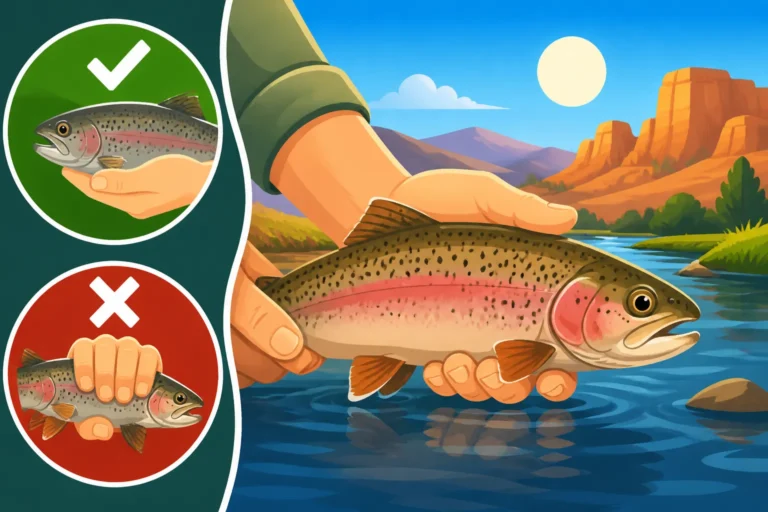
Catching a fish is exciting, but it's also a teaching moment for responsibility and respect for nature. Teach your children how to hold a bluegill gently, supporting its body. Explain that fish are living creatures and we need to treat them kindly, whether we're keeping them for dinner or releasing them. Show them how to safely remove the hook, or do it for them while narrating the process. If you plan to release the fish, show them how to gently place it back into the water, wishing it well as it swims away.
This is a perfect opportunity to discuss conservation, even in simple terms. Talk about why we have fishing regulations (like those covered in the New Mexico Fishing License Guide), why we protect certain habitats, and why it's important not to leave trash behind. These foundational lessons instill a sense of stewardship that goes far beyond the fishing itself, helping to raise responsible outdoor enthusiasts who understand the value of preserving our natural resources for future generations.
Snacks, Breaks, and Managing Expectations
This might be the most crucial tip for a successful fishing trip with kids: manage expectations, starting with your own. You're not aiming for a record catch; you're aiming for a positive experience. That means being flexible. If the kids are getting restless, take a break. If they're hungry, offer a snack. If they'd rather skip rocks than cast, let them skip rocks for a bit. A successful trip might mean only one fish caught, or even no fish caught at all, but a whole lot of giggles and shared moments.
Pack an abundance of kid-friendly snacks and drinks. Hydration and sustained energy are key to maintaining a good mood. Set up a comfortable base camp with chairs or a blanket. Embrace the unplanned moments – the duck that swims by, the cool bug on a leaf, the funny way the bobber bobs. The memories children cherish most often aren't the biggest fish, but the simple, joyful experiences shared with their family. And remember, before you even head out the door, check the rules regarding Do Kids Need a Fishing License in New Mexico?, to ensure your trip is smooth from start to finish!
Disclaimer
This article is for general informational purposes only and does not constitute professional advice. Laws, prices and regulations vary by location and change over time. Consult a qualified professional for guidance on your specific situation.