How Thick Does Ice Need to Be to Fish Safely?
There's nothing quite like the crisp air, the vast silence, and the anticipation of a bite when you're out ice fishing in New Mexico. But let's be honest, that serene picture can quickly turn into a nightmare if you're not absolutely sure about the ice beneath your feet. The fear of falling through is very real, and it's a concern that keeps many would-be ice anglers from even trying. This guide is all about helping you understand exactly how thick the ice needs to be to fish safely, covering critical safety measures and practical tips so you can enjoy New Mexico's frozen waters with confidence.
Understanding the Risks of Thin Ice Fishing in New Mexico
When we talk about ice fishing, the biggest, most undeniable factor is safety. And safety, in this context, almost always boils down to one thing: the thickness and quality of the ice. It’s not just about getting cold or wet; a fall through thin ice can be life-threatening, especially in the often remote and high-altitude locations where many of New Mexico's best ice fishing spots are found. The challenge here in the Land of Enchantment is that our winters can be surprisingly varied. One lake might have solid, thick ice, while another just a short drive away could be dangerously thin due to warmer springs, strong currents, or fluctuating overnight temperatures.
Why Ice Thickness Matters More Than You Think
Sure, the immediate thought when you consider thin ice is "I might fall in!" And yes, that's a huge, immediate danger. Hypothermia can set in rapidly, even on a relatively mild winter day, and the shock of cold water can quickly incapacitate someone. But the risks extend beyond just your personal safety. Imagine losing your valuable fishing gear, your auger, your tackle box, or even your vehicle if the ice gives way. Beyond the personal tragedy, emergency services in rural New Mexico might be stretched thin or a significant distance away, making rescue efforts complex and time-sensitive. Every year, accidents occur that could have been prevented with a better understanding of ice safety. This isn't meant to scare you away from the joy of Ice Fishing in New Mexico but rather to equip you with the knowledge to enjoy it responsibly.
Common Misconceptions About Ice Strength
It's easy to fall prey to common myths about ice. Many anglers assume that if they see other people or even vehicles on the ice, it must be safe. This is a perilous assumption. Those individuals might be taking unwarranted risks, or they might be on a different part of the lake where conditions are safer. Ice conditions can vary drastically across a single body of water. Another common misconception is that simply because the weather has been consistently cold, the ice will be uniformly thick and strong. While cold weather is a primary ingredient for ice formation, factors like underlying currents, underwater springs, and even the insulating effect of recent snowfall can create dangerously thin spots, even when overall temperatures are well below freezing. Finally, the idea that "new ice is always stronger than old ice" isn't entirely accurate. While clear, newly formed black ice (formed from a rapid, deep freeze) is incredibly strong, new ice formed over slush or mixed with snow can be much weaker than older, solid ice that has been continuously building. Understanding these nuances is crucial for staying safe.
The Golden Rules of Safe Ice Thickness
Let's get down to the brass tacks: what are the actual numbers you need to be aware of? These aren't just arbitrary figures; they're based on years of experience and safety research. However, it's vital to remember these are guidelines for clear, solid, new ice. Slushy ice, ice with air bubbles, or ice that has thawed and refrozen can be significantly weaker, even if it measures up to these thickness standards. Always err on the side of caution.
Minimum Ice Thickness for Different Activities
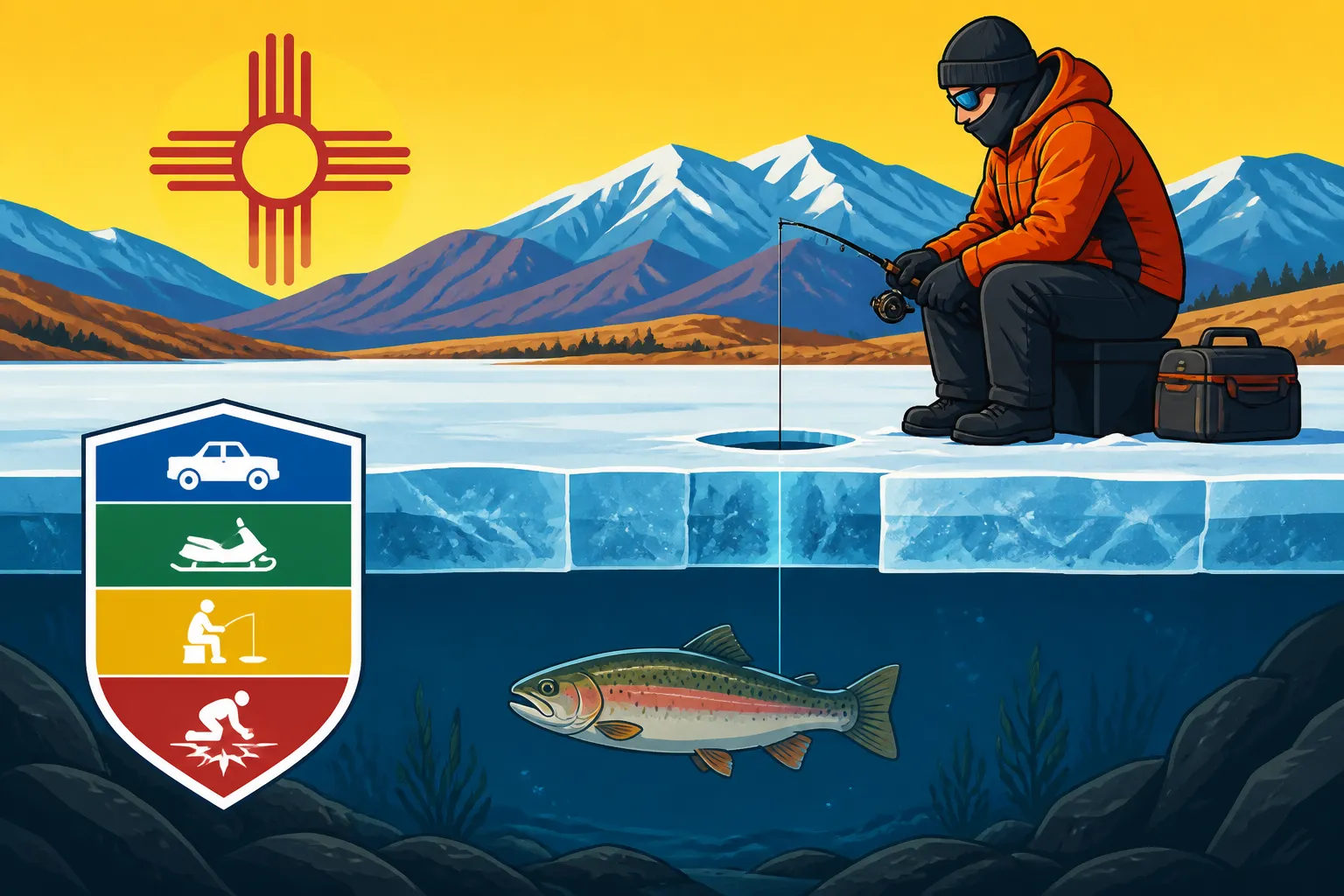
When you're venturing out onto a frozen lake, whether it's for a solo quiet afternoon or a family outing, different activities require different minimum ice thicknesses. Here's a general guideline that's widely accepted across North America for good, clear ice:
- 2 inches or less: Absolutely stay off! This ice is highly unsafe and can barely support a small animal, let alone a human.
- 4 inches: This is the minimum thickness for ice fishing on foot. If you're walking out alone, with minimal gear, 4 inches is generally considered the threshold. Remember, this is for clear, solid ice. If it's slushy or honeycombed, double the thickness.
- 5-7 inches: Ideal for small groups of anglers or for activities like snowmobiling or ATV travel. If you're heading out with a few friends and hauling sleds full of gear, aim for this thickness or more.
- 8-12 inches: Safe for light pickup trucks or small passenger vehicles. Many experienced ice anglers at larger New Mexico lakes like Eagle Nest or Bluewater might use their vehicles to get closer to their spots, but this requires substantial, proven ice.
- 12-15 inches: Supports medium-sized trucks or heavier vehicles. This is serious ice, but even then, caution is always paramount.
To make it easy to remember, here's a quick reference table:
| Activity | Minimum Safe Ice Thickness (Clear, Solid Ice) |
|---|---|
| Stay off! | 2 inches or less |
| Ice Fishing (on foot, alone) | 4 inches |
| Small Groups / Snowmobile | 5-7 inches |
| Light Pickups / Small Cars | 8-12 inches |
| Medium Trucks / Heavy Vehicles | 12-15 inches |
Factors That Affect Ice Strength in New Mexico
It's not just about the measurement; it's about the quality of that measurement. New Mexico's unique environment, with its high desert and mountain regions, presents a few specific factors that influence ice strength:
- Type of Ice Formation: Clear, or "black," ice is the strongest. It forms slowly from cold air directly contacting still water. White or "snow ice," which forms from frozen slush or snow, is much weaker, often only half as strong as clear ice, due to trapped air bubbles.
- Currents and Springs: Lakes and rivers with strong currents or active underwater springs will always have thinner, weaker ice in those areas. The moving water prevents consistent freezing. The inlets and outlets of many New Mexico lakes, even seemingly frozen ones, are often highly dangerous.
- Fluctuating Temperatures: Our New Mexico winters can have dramatic temperature swings. A few warm, sunny days, even if followed by cold nights, can significantly degrade ice strength, especially the top layers. This melt-refreeze cycle can create weak, honeycombed ice.
- Depth of Water: Shallow areas tend to freeze faster, but they can also be more susceptible to temperature changes. Deeper water takes longer to freeze initially but can often maintain more consistent ice once formed.
- Snow Cover: A blanket of snow acts as an insulator, slowing down the ice-making process. Heavy snow can also weigh down the ice, pushing water up through cracks to create slush, which then freezes into weaker, cloudy ice.
- Size and Location of Water Body: Smaller, higher elevation lakes like Fenton Lake or some of the ponds in the Jemez Mountains often freeze more consistently and earlier in the season due to less wind exposure and consistently colder temperatures. Larger, windier reservoirs or those at lower elevations may have more variable and less reliable ice. When planning your trip, consider checking Which New Mexico Lakes Freeze Over for Ice Fishing?.
How to Measure and Assess Ice Safety
Knowing the recommended thicknesses is only half the battle; the other half is being able to accurately measure and assess the ice conditions yourself. Never rely solely on visual inspection. What looks solid from shore can be deceiving.
Essential Gear for Ice Thickness Measurement
Before you even step foot on the ice, you need the right tools to check its integrity. Think of these as your first line of defense:
- Ice Auger: This is your primary tool for drilling test holes. For serious ice anglers, a power auger makes quick work of thick ice, but a good quality hand auger will certainly do the trick, especially when you're just starting out or targeting panfish. When you're considering your options, a search on Amazon will show you a wide variety of ice augers, from manual models to battery-powered ones, perfect for drilling those crucial test holes.
- Ice Chisel or Spud Bar: This long, heavy steel bar with a chisel point is invaluable for testing ice ahead of you as you walk. You can pound it into the ice to check for thin spots. It's an essential safety device, especially when exploring new areas or if you're concerned about fluctuating conditions.
- Tape Measure: A simple retractable tape measure is all you need to get an accurate reading of the ice thickness once you've drilled a hole.
Step-by-Step Ice Testing Procedures
Now that you have your gear, here’s how to safely assess the ice:
- Start at the Edge: Always begin your ice assessment from the very edge of the lake. Never just run out onto the ice. Use your spud bar to test the ice near the shore. If it's less than 4 inches of clear, solid ice, turn back.
- Drill Initial Holes: Once you've confirmed safe ice near the shore, carefully proceed, drilling holes every 10-20 feet with your auger. Measure the thickness at each hole. Pay attention to the color of the ice: clear or blue ice is generally strong, while white, opaque, or slushy ice is weaker. Grey or rotten ice is extremely dangerous.
- Listen and Observe: As you walk, listen for cracking sounds. A healthy "ping" or "thunk" usually means strong ice. A continuous creaking or groaning sound can be a warning sign. Look for changes in ice color, cracks, or areas of slush.
- Continuous Checking: This isn't a one-and-done deal. Ice conditions can change as you move across the lake. Drill holes regularly, especially when moving into new areas, around points, near inlets/outlets, or where you notice a change in ice appearance. If you're at a popular spot like Bluewater Lake or Eagle Nest Lake, don't assume the ice is consistent across the entire body of water.
- Reverse Your Path: If you find ice that is significantly thinner than expected or appears unsafe, carefully retrace your steps back to where you know the ice was solid. Don't try to find a "shortcut" through questionable areas.
Additional Safety Precautions for New Mexico Ice Anglers
Beyond just knowing how thick the ice is, a truly safe ice fishing experience in New Mexico requires a broader approach to preparedness. Our beautiful landscapes can also be unforgiving if you're caught unprepared.
The Buddy System and Communication
This is perhaps one of the most fundamental rules of outdoor safety, and it's doubly true for ice fishing. Never, ever venture out onto the ice alone. An accident, even a minor one, can become life-threatening without someone there to help. If the worst happens and you do go through the ice, a fishing buddy can be your lifeline, helping to pull you out or at least call for help.
Before you leave home, make sure someone knows exactly where you're going, your planned route, and when you expect to return. In remote areas of New Mexico, cell service can be spotty at best. Consider investing in a personal locator beacon (PLB) or a satellite communicator if you plan on exploring less-traveled areas. These devices can send an SOS signal even without cell service, providing your exact location to emergency responders. Even a simple whistle can be a lifesaver, allowing you to signal for help if you're in distress and your voice can't carry.
Emergency Preparedness and What to Carry
Being prepared for an emergency is about mitigating risks and increasing your chances of survival should an incident occur. Your ice fishing kit should always include more than just your rods and bait.
- Ice Picks: These are absolutely non-negotiable. Worn around your neck, they are two short, spiked handles connected by a cord. If you fall through, you can use them to grip the edge of the ice and pull yourself out. They are compact and inexpensive, and you can easily find a good pair on Amazon or at any sporting goods store.
- Rope: A length of sturdy rope (at least 50 feet) with a buoyant object (like a small buoy or a empty plastic bottle) tied to one end is crucial. If your buddy falls in, you can throw the rope to them.
- Throwable Flotation Device: A dedicated throw bag or even a spare life preserver can be thrown to someone who has fallen through.
- Spare Warm Clothes in a Dry Bag: If you do get wet, quickly changing into dry, warm clothes is essential to prevent hypothermia. Keep these clothes in a waterproof dry bag. Again, Amazon offers a wide range of reliable dry bags in various sizes.
- Fully Charged Phone: Keep your phone in a waterproof case or bag to protect it from moisture and cold. While service can be unreliable, it's your best tool for calling for help if available.
- Personal Flotation Device (PFD): Consider wearing a lightweight, inflatable PFD, especially when you're venturing onto new or questionable ice. It might seem like overkill, but it can be the difference between life and death if you unexpectedly plunge into the icy water.
- First-Aid Kit: A basic first-aid kit for cuts, scrapes, and other minor injuries is always a good idea.
- Headlamp: For early morning starts or late evening finishes, a headlamp frees up your hands.
- Layered Clothing: New Mexico weather can change quickly. Dress in layers to regulate your body temperature. Check out our guide on What to Wear Ice Fishing in New Mexico for more detailed advice.
Specific New Mexico Ice Fishing Considerations
New Mexico offers some truly fantastic ice fishing opportunities, from the high mountain lakes that freeze solid to larger reservoirs. But understanding the local nuances is key to a safe and successful trip.
Monitoring Local Ice Conditions and Reports
Unlike some regions with consistently deep freezes, New Mexico's ice conditions can be dynamic and highly localized. It's crucial to get up-to-date information before you head out.
- New Mexico Department of Game and Fish (NMDGF): The NMDGF website is an excellent resource for general conditions and any safety advisories. While they don't provide daily ice thickness reports for every lake, they are your go-to for New Mexico Fishing Regulations Overview and general season updates.
- Local Bait and Tackle Shops: These are often the best source for real-time, hyper-local ice conditions. Shops in towns like Eagle Nest, Chama, or Ruidoso will have staff and customers who are out on the ice regularly and can provide invaluable, up-to-the-minute information on specific lakes such as Eagle Nest Lake, Heron Lake, or Bluewater Lake. They can tell you where the good spots are and, more importantly, where the bad spots are.
- Online Forums and Social Media Groups: Many local and regional fishing groups on platforms like Facebook or dedicated fishing forums will have anglers sharing their experiences and conditions. Always cross-reference this information and use your own judgment, but it can be a good starting point.
- Weather Forecasts: Keep a close eye on both daytime and nighttime temperatures. Extended periods of above-freezing temperatures, especially during the day, will weaken ice rapidly. Strong winds can also create open water or shift ice, making conditions dangerous.
Recognizing Warning Signs and Unsafe Areas
Even with careful measurements, you need to be constantly vigilant for visual cues that indicate unsafe ice. Your eyes can be just as important as your auger.
- Discolored Ice: As mentioned, clear (black) ice is strongest. White, opaque ice (snow ice) is weaker. Grey or dark ice indicates water saturation and is often rotten and extremely dangerous. Never trust grey ice.
- Cracks and Pressure Ridges: While minor cracks are normal, large, spiderwebbing cracks or prominent pressure ridges (where ice sheets have buckled) are major warning signs. These areas are inherently unstable and should be avoided.
- Slushy Areas: Patches of slush on the ice indicate melting or water seeping up through cracks. Slush acts as an insulator, preventing the ice from thickening further and potentially hiding dangerously thin spots underneath.
- Areas Around Inlets and Outlets: Rivers or streams flowing into or out of a lake will always create thinner ice due to moving water. Stay far away from these areas, even if the rest of the lake seems solid.
- Areas Around Docks, Piers, and Structures: Anything that absorbs heat (like dark pilings) or disrupts ice formation (like boat ramps) can create weak spots. Avoid fishing too close to these structures.
- Bubbles Under the Ice: While some bubbles are natural, large concentrations of bubbles, especially if they are continually surfacing, can indicate gas escaping from vegetation decay, which can weaken the ice significantly from below.
By combining reliable thickness measurements with constant visual assessment and local knowledge, you'll be well on your way to a safe and enjoyable ice fishing adventure in New Mexico. Remember, the fish aren't worth the risk if the ice isn't safe. For more specifics on when the season typically kicks off, you might want to look into New Mexico Ice Fishing Season and Best Time to Ice Fish in New Mexico. And if you're just getting into it, a guide like Ice Fishing Gear for New Mexico can help you get equipped properly.
Disclaimer
Please be aware that ice conditions are dynamic and can change rapidly due to weather and other environmental factors. This guide provides general safety information and recommendations. Always exercise extreme caution, use your best judgment, and prioritize your safety above all else when venturing onto ice. The author and publisher are not responsible for any accidents or injuries that may occur. Always consult local authorities and current conditions before ice fishing.