Best Time to Ice Fish in New Mexico
For those of us who dream of hard water and jigging for trout, figuring out the "best time" to hit the ice in New Mexico can feel like a real puzzle. It's not like the northern states where a precise ice fishing season is practically a given. Here, we battle fluctuating temperatures and variable conditions, making timing absolutely everything. This guide will meticulously break down the typical ice fishing calendar, key factors influencing ice safety, and the prime windows for success, so you can plan your chilly adventures with confidence and a much better chance of a full bucket.
Understanding New Mexico's Ice Fishing Season
Unlike other fishing seasons, ice fishing in New Mexico doesn't kick off with a single, statewide date. It's a much more nuanced affair, heavily dependent on elevation, localized weather patterns, and persistent cold. Knowing when the season typically begins and what influences safe ice formation is crucial for any angler eager to brave the cold.
When Ice Fishing Typically Begins
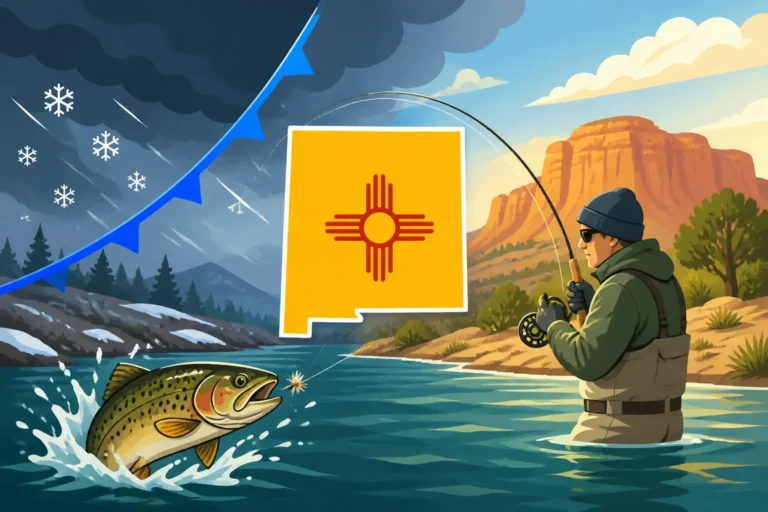
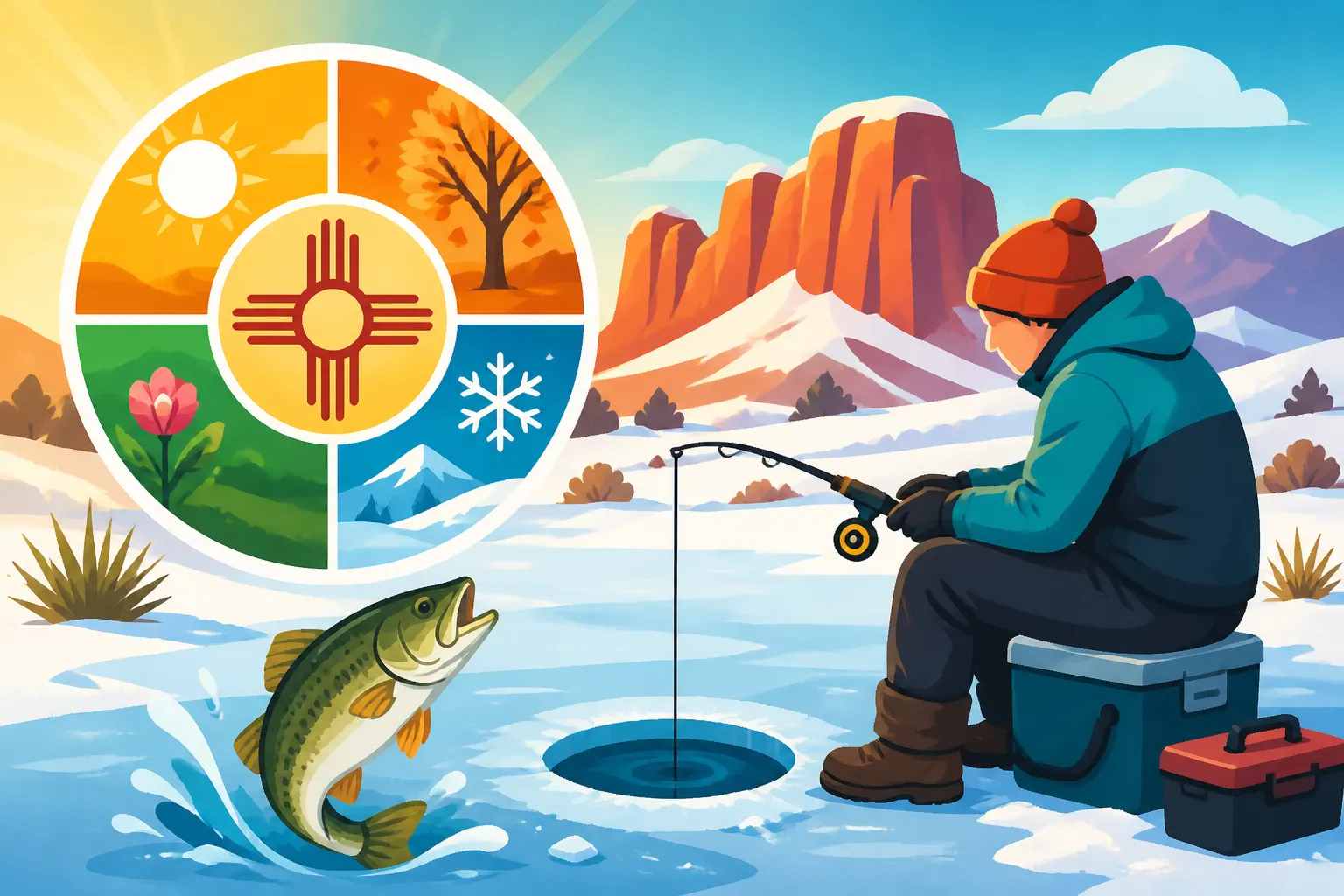
Generally, the New Mexico ice fishing season typically begins in late December and can extend through early March. However, this isn't a hard and fast rule. Higher elevation lakes, nestled in the northern mountains, are usually the first to freeze over and become safe for ice fishing. Think about spots like Eagle Nest Lake, Heron Lake, and Fenton Lake – these often see "first ice" opportunities a bit earlier than lower-lying waters.
It’s less about a calendar date and more about sustained cold. We need several consecutive nights and days of below-freezing temperatures to build solid, safe ice. This means that one year, you might be out on the ice by Christmas, while another year, you might have to wait until mid-January. The key is never to rush it. That feeling of anticipation for the hard water bite can be intense, but a little patience for truly safe ice is always the smart play. Always remember to check local conditions and ice reports from the New Mexico Department of Game and Fish (NMDGF) or reputable local bait shops before heading out.
Factors Influencing Ice Formation and Safety
So, what makes a lake safe for ice fishing? It's not just about seeing a layer of white on the surface. Several critical factors dictate ice formation and, more importantly, its safety:
- Consistent Cold Temperatures: This is the absolute paramount factor. You need prolonged periods of temperatures consistently below freezing. A few cold nights followed by a warm, sunny day won't cut it. The ice needs time to build thickness from the bottom up.
- Wind: Wind can be a friend or foe. Early in the season, high winds can actually prevent ice from forming evenly or break up nascent ice sheets. Once ice has formed, however, a lack of wind allows it to continue growing thicker without disturbance.
- Snow Cover: While a beautiful winter scene, heavy snow can actually insulate the ice, slowing down its thickening process. It can also hide dangerous thin spots or slush layers. Always be wary of snow-covered ice, as it might be concealing unstable conditions.
- Water Depth and Flow: Shallower coves and smaller bodies of water often freeze faster than deep, open sections of a lake. Rivers or areas with strong currents rarely freeze uniformly and should always be approached with extreme caution, if at all, for ice fishing.
- Sunlight: Even in winter, strong New Mexico sunshine can degrade ice, especially during late season or after a warm spell. The sun's energy can melt the ice from the top and weaken its crystalline structure.
Understanding these variables is key to assessing ice conditions. Many seasoned anglers use an ice spud bar to test thickness as they walk, a practice highly recommended, especially when exploring new areas or early in the season. Remember, ice is never 100% safe, and conditions can change rapidly. For detailed safety information, you might want to review important guidelines on what to wear ice fishing in New Mexico.
Prime Windows for Success on the Hard Water
Knowing when the ice is safe is one thing, but knowing when the fish are biting is another. The ice fishing season can generally be broken down into three phases, each with its own advantages, challenges, and ideal strategies.
Early Season Opportunities Late December Mid-January
This is often referred to as "first ice," and for many hardcore ice anglers, it's the most exciting time of year.
The initial freeze-up, typically from late December through mid-January, presents unique conditions. The ice might be thinner, often in the crucial 4 to 6-inch range that requires extreme caution and constant vigilance. However, the reward can be substantial. Fish, particularly trout, tend to be incredibly active and aggressive after the lake has just capped over. They haven't seen much fishing pressure for a while, and their metabolism is still relatively high from the pre-winter feeding frenzy.
This is a fantastic time for scouting. You might find fish still holding in areas they were in during late fall, such as near weed lines, drop-offs, or submerged structures. The challenge, of course, is safety. You'll need reliable gear like a spud bar, ice picks worn around your neck, and a buddy system is absolutely non-negotiable. Don't venture out alone, and continuously check the ice thickness as you move. Some of the smaller, higher-elevation lakes are often the best candidates for these early season outings. For example, smaller coves at Eagle Nest Lake or specific spots at Fenton Lake might offer these first-ice opportunities. Anglers looking for a true adventure often relish the chance to target fish when they're still feisty and exploring newly accessible feeding grounds under the ice.
Mid-Season Peak Action Mid-January Mid-February
As the season progresses into mid-January through mid-February, we usually hit the sweet spot: peak ice conditions. This is when the ice is typically at its thickest and most stable, often reaching depths of a foot or more on many of New Mexico's popular ice fishing lakes. With safer ice comes greater accessibility. You can venture further from shore, explore deeper basins, and feel more comfortable setting up a full camp with an ice fishing shelter and all your gear.
Fish behavior during mid-season can be a bit more nuanced. They've been under the ice for a while and might be less aggressive than during first ice, especially in heavily pressured areas. You might need to scale down your presentations, use lighter lines, and employ more subtle jigging techniques. This is often when the "finesse game" really shines. However, don't let that discourage you! The sheer variety of accessible locations and the stability of the ice make this the prime time for many anglers. If you're planning a trip with friends or family, this window offers the best chance for a comfortable and relatively safe experience. Lakes like Bluewater Lake and Heron Lake often provide consistent mid-season action for trout and kokanee salmon, respectively. Understanding what to wear ice fishing in New Mexico is especially important during this colder, more stable period.
Late Season Thaw Late February Early March
The "last ice bite" is another highly anticipated, albeit often fleeting, period for New Mexico ice anglers, usually occurring from late February through early March. As the days lengthen and temperatures begin to climb, the ice starts its inevitable retreat. This can create a fantastic, aggressive feeding frenzy as fish sense the change and become more active. They'll often move closer to shorelines or into shallower areas where melting snow is introducing fresh oxygen and food sources.
However, the late season comes with significant risks. Ice conditions can deteriorate rapidly and unpredictably. What was safe solid ice in the morning could become slushy and dangerous by afternoon, especially around points, inlets, or areas exposed to direct sunlight. "Rotten ice" or "honeycomb ice" can look thick but be extremely weak. This is a time for extreme caution. Keep a close eye on weather forecasts, pay attention to local ice reports, and be ready to pack up and leave at the first sign of softening ice. While the fishing can be phenomenal, no fish is worth risking your safety. Always remember that ice near inlets or outlets, areas with current, or around submerged structures will be the first to weaken. For those venturing out, consider bringing a quality ice auger that can quickly cut through varying ice conditions. You can find robust options on Amazon that offer both reliability and ease of use.
Beyond the Calendar Daily Timing and Conditions
While the general seasonal windows provide a great framework, truly optimizing your ice fishing success often comes down to understanding the daily nuances of fish behavior, influenced by time of day and prevailing weather conditions.
Best Times of Day for Ice Fishing
Just like open water fishing, there are certain times of day when fish under the ice are typically more active. The general rule of thumb for many species, especially trout, is that early morning and late afternoon/evening tend to be the most productive periods.
- Sunrise to Mid-Morning: As the sun rises (even if obscured by ice and snow), there's often a burst of activity. Fish that have been relatively dormant overnight may start cruising for food. This is a prime time to target active feeders.
- Midday Lull: From late morning through early afternoon, the bite can often slow down significantly. The fish might retreat to deeper water or become less aggressive. This is a good time to focus on exploring new holes, trying different baits, or simply taking a break to warm up. However, don't write off midday entirely; sometimes a slow, subtle presentation can entice a bite when others have given up.
- Late Afternoon to Sunset: Just before dusk, there's often another surge of feeding activity, sometimes even more intense than the morning bite. Fish might be trying to get their last meal before the long, dark night under the ice. This can be an excellent time for aggressive presentations or targeting larger, more elusive fish.
- Low Light Conditions: Don't underestimate the power of low-light conditions under the ice. Many species, particularly walleye and even some larger trout, are more comfortable feeding when there's less light penetrating the water. This is why a good headlamp is essential for early morning or late evening excursions.
Remember, these are general guidelines. Fish can be unpredictable, and sometimes the best bite happens when you least expect it!
Impact of Weather and Pressure Systems
Weather plays a huge role in open water fishing, and it's no different under the ice. Understanding how atmospheric conditions affect fish behavior can give you a significant edge.
- Stable Weather: Generally, periods of stable weather—consistent temperatures, calm winds, and clear skies—tend to be good for ice fishing. Fish get into a routine, and their feeding patterns become more predictable.
- Approaching Fronts: Just before a major cold front moves in, there can often be a furious bite. The drop in barometric pressure seems to trigger an aggressive feeding response in many fish species, as if they're trying to fill up before the tougher conditions arrive. This is often considered a prime time to hit the ice.
- Post-Frontal Conditions: After a cold front has passed and high pressure settles in, fishing can become notoriously tough. The fish often become lethargic, hunker down, and are much less willing to chase baits. You'll need extreme patience and subtle tactics during these times.
- Snowfall: A light, consistent snowfall can actually be beneficial. It diffuses light entering the water, making fish feel more secure and active. However, heavy snowfall can insulate the ice, making it harder to thicken, and can also lead to slushy conditions on the surface, making travel difficult.
- Barometric Pressure: As mentioned, changing barometric pressure is a key driver. A falling barometer often signals an active bite, while a rising barometer after a front can shut down the bite. Investing in a simple weather app that tracks barometric pressure can be a useful tool for planning your trips.
Paying attention to these subtle shifts in weather can make a significant difference in your catch rates. It's not just about the ice being thick enough, but about the fish being willing to bite!
Regional Considerations for New Mexico Ice Fishing
New Mexico is a diverse state geographically, and its ice fishing opportunities reflect this. While it's not known as a national ice fishing mecca, the northern half of the state offers some truly fantastic hard water experiences.
Northern New Mexico Hotspots and Their Seasons
Northern New Mexico is where the vast majority of our ice fishing action happens. The higher elevations mean colder temperatures and more reliable ice formation. Here are some key hotspots and their typical ice fishing seasons:
- Eagle Nest Lake: Perhaps New Mexico's most popular ice fishing destination. Located in the Sangre de Cristo Mountains, Eagle Nest typically sees safe ice by late December, often lasting into early March. It's famous for rainbow trout, kokanee salmon, and northern pike. The lake's elevation (over 8,000 feet) helps it freeze consistently.
- Heron Lake: Another high-elevation gem, Heron Lake is a no-wake lake known for its excellent kokanee salmon fishing, as well as rainbow and brown trout. Its ice season usually mirrors Eagle Nest, starting in late December and extending through February, sometimes into early March. The clear water makes sight fishing for kokanee a thrilling experience.
- Fenton Lake: Nestled in the Jemez Mountains, Fenton Lake is a smaller, often fly-fishing-only lake that also offers great ice fishing for rainbow and German brown trout. Due to its smaller size and elevation, it can often be one of the first lakes to get safe ice, sometimes even before Christmas, and usually holds ice through February. You can learn more about Fenton Lake winter trout fishing conditions to help plan your visit.
- Bluewater Lake: Located west of Grants, Bluewater Lake is known for its tiger muskie and rainbow trout. While slightly lower in elevation than the previous three, it typically provides a good ice fishing season from mid-January through late February. The unique challenge of targeting tiger muskie through the ice adds an extra thrill here.
- Cochiti Lake: Although not primarily an ice fishing lake, some years, depending on severe cold snaps, parts of Cochiti Lake, especially shallower coves, might get fishable ice. However, this is far less reliable and generally not recommended for consistent ice fishing.
Always, always check the current ice conditions and regulations with the NMDGF or local bait shops (like Eagle Nest Lake Marina or Heron Lake State Park) before planning a trip to any of these locations. Conditions can vary wildly year to year and even week to week.
Less Common Southern and Central Opportunities
For anglers in southern or central New Mexico, consistent ice fishing opportunities are much rarer. The warmer climate means that lakes like Elephant Butte Lake or Caballo Lake almost never freeze over with ice thick enough for safe access. Even if a thin skim of ice forms during an extreme cold spell, it's typically far too dangerous to walk on.
Some small, high-elevation private ponds in mountainous regions of central New Mexico might offer sporadic ice fishing, but these are usually not publicly accessible. For the most part, if you're looking for reliable hard water action in New Mexico, your best bet is to plan a trip to the northern part of the state. It's simply too risky and often fruitless to expect consistent ice fishing south of Albuquerque.
Here’s a quick overview of typical ice formation windows for New Mexico's popular lakes:
| Lake Name | Elevation (approx.) | Typical Ice Onset | Typical Ice Off | Primary Fish Species | Notes |
|---|---|---|---|---|---|
| Eagle Nest Lake | 8,200 ft | Late December | Early March | Rainbow Trout, Kokanee, Pike | Most popular, reliable ice. |
| Heron Lake | 7,200 ft | Late December | Late February | Kokanee Salmon, Rainbow Trout | No-wake lake, great for kokanee. |
| Fenton Lake | 7,700 ft | Early December | Late February | Rainbow Trout, Brown Trout | Smaller, often first to freeze, sometimes fly-fishing only. |
| Bluewater Lake | 7,400 ft | Mid-January | Late February | Tiger Muskie, Rainbow Trout | Good for muskie, check for safe ice. |
| Cabresto Lake | 9,000 ft | Early December | Mid-March | Trout (various) | High mountain, less accessible, but excellent potential. |
| Lake Maloya | 7,600 ft | Early January | Late February | Rainbow Trout | Near Raton, often good for family outings. |
| Rio Costilla Ponds | 9,000+ ft | Early December | Mid-March | Rio Grande Cutthroat Trout | Remote, requires special permits, stunning scenery. |
This table provides a general guide, but remember that actual conditions are always dependent on specific year-to-year weather patterns.
Disclaimer
Fishing conditions, regulations, and safety guidelines can change. Always consult the latest New Mexico Department of Game and Fish regulations and local ice conditions before heading out on any ice fishing adventure. Your safety is paramount.