How Does Monsoon Season Affect New Mexico Fishing?
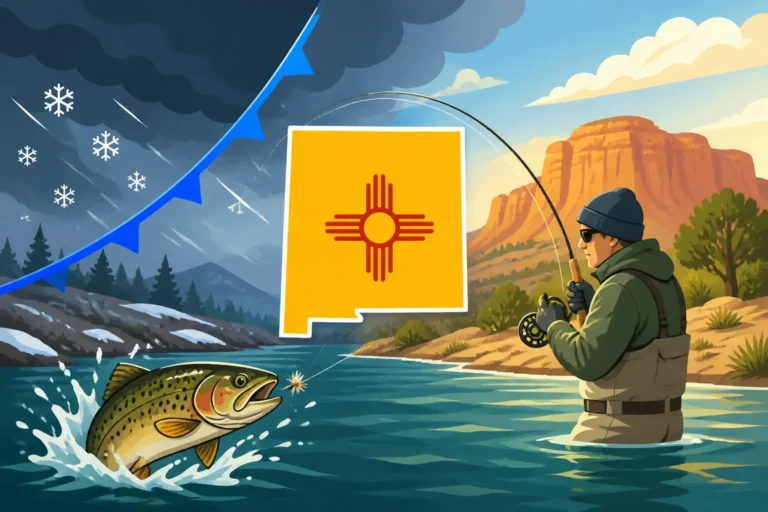
Ah, the New Mexico monsoon season! If you've spent any time planning a fishing trip here between July and September, you've likely experienced that familiar pang of anxiety staring at a weather forecast filled with "chance of thunderstorms." It's incredibly frustrating when you've got your gear ready and your destination picked out, only for Mother Nature to throw a wrench in your plans with unpredictable, intense downpours. But don't despair! This guide is here to unravel the mysteries of how those summer rains truly impact our beloved New Mexico fisheries and, more importantly, how you can adjust your approach to still find success, or at least stay safe, when the skies open up.
Understanding New Mexico's Monsoon Season
Before we dive into how it affects our fishing, let's get a handle on what the New Mexico monsoon season really is. It's not just a fancy name for summer rain; it's a distinct meteorological phenomenon that dramatically changes our dry, arid landscape, albeit temporarily.
What Defines the Monsoon Season?
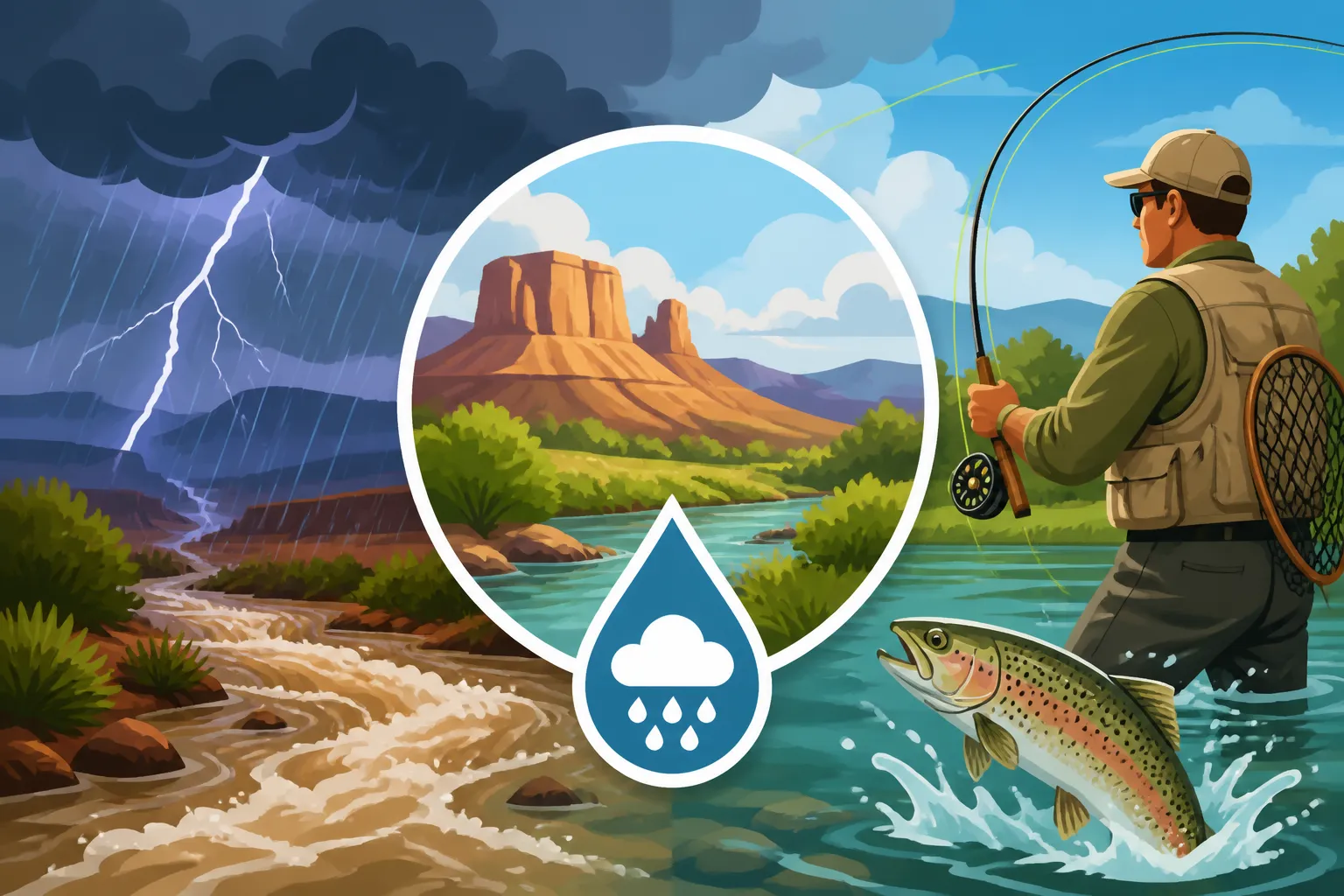
In New Mexico, the monsoon season typically kicks off in early July and can extend all the way into September, sometimes even October. What characterizes it isn't continuous rain, but rather short, intense, and often highly localized thunderstorms. These aren't your gentle, all-day drizzles. We're talking about massive amounts of rain falling in a very short period, sometimes just an hour or two, over a relatively small area. One side of a canyon can be bone dry, while the other experiences a torrential downpour and flash flood. This extreme variability is what makes it so challenging for anglers.
The monsoon is driven by a shift in wind patterns that brings moisture from the Gulf of California and the Gulf of Mexico into the Southwest. As this humid air is heated by the sun and rises, it creates instability, leading to those dramatic cloud buildups and powerful storms we see almost daily during peak season.
How Monsoon Weather Patterns Impact Water Bodies
The immediate and most obvious impact of these storms is on our water. When you have intense, localized rainfall in an arid environment, several things happen very quickly:
- Flash Flooding: This is perhaps the most dangerous aspect. Arroyos and dry washes can turn into raging rivers in minutes, carrying immense amounts of sediment and debris. Rivers and streams can swell rapidly, increasing current and making wading incredibly hazardous. Always check the weather forecast and be aware of your surroundings, especially if you're fishing in a canyon or near a typically dry wash.
- Increased Turbidity: All that rushing water picks up dirt, silt, and organic matter from the land, turning clear streams and lake edges into murky, muddy messes. This dramatically reduces visibility for both fish and anglers.
- Temperature Fluctuations: The heavy rain, often much cooler than the surface water, can significantly drop the temperature of smaller streams and the upper layers of lakes. This can be a boon in the scorching summer heat, revitalizing fish.
- Oxygen Boost: The violent churning of floodwaters and heavy rain hitting the surface injects much-needed oxygen into the water, which can be particularly beneficial in warmer, slower-moving waters that might suffer from oxygen depletion during summer.
Understanding these underlying mechanisms is crucial for adapting your approach. It’s not just about the rain itself, but the chain reaction it sets off in our aquatic environments.
How Monsoon Rains Impact River Fishing
River fishing in New Mexico during the monsoon season is truly a tale of two extremes: before the storm and after the deluge. The rapid changes can be exhilarating for some, frustrating for others, and downright dangerous if you're not paying attention.
The Dangers of Flash Flooding and Strong Currents
Let's not sugarcoat it: flash floods are a serious threat during the monsoon. Our typically low-flow rivers, like sections of the Rio Grande or Pecos River, can turn into roaring torrents in a matter of minutes if heavy rain falls upstream. The force of this water can be deceptive, sweeping away people, vehicles, and anything else in its path. You absolutely must prioritize safety. Before you even head out, check the local weather radar and river gauges. Websites like the USGS often provide real-time flow data for many New Mexico rivers. If you see dark clouds building or hear distant thunder, it's often best to pack up and head to higher ground. It's better to miss a few bites than to risk being caught in a dangerous situation.
Even if a full-blown flash flood doesn't occur, the increased water levels and strong currents can make wading impossible and even bank fishing challenging. Rivers like the San Juan, which are typically very stable due to dam releases, are generally safer from flash floods but can still see slight flow bumps if local runoff is intense. However, smaller, freestone streams in the mountains are highly susceptible. For more detailed information on river conditions, you might want to consult a comprehensive guide on New Mexico Fishing Regulations Overview before planning your trip.
Navigating Increased Water Levels and Turbidity
When the water swells and becomes murky, fishing techniques need a serious overhaul. Fish rely heavily on sight, and when visibility drops from several feet to mere inches, they become much less likely to see your perfectly presented fly or lure.
- Impact on Fish Behavior: Fish often retreat to slower, less turbulent water along the banks, in eddies, or behind structure where they can escape the main current and the silt. They also become more reliant on their lateral lines and sense of smell to detect food.
- Lure and Bait Choices: This is where you swap out your delicate presentations for something more aggressive. Bright, flashy lures that create a lot of vibration are excellent. Think vibrant spinnerbaits, chatterbaits, or large spoons. For bait fishing, natural baits like worms, PowerBait in strong colors, or even scented soft plastics can be effective because fish can smell them. If you're wondering how to deal with this, an article on How to Fish Muddy Water in New Mexico could be incredibly helpful.
- Fly Fishing Adjustments: Fly anglers often switch to larger, darker, and more heavily weighted nymph patterns or streamers. Patterns like Woolly Buggers, San Juan Worms, or egg patterns in dark colors (black, purple, olive) can stand out in murky water. Adding split shot to get your flies down quickly is often essential.
Temperature Drops and Oxygen Boosts
Paradoxically, the monsoon can actually improve fishing conditions after the initial turmoil, especially in warmer lowland rivers. The cooler rainwater and churning currents inject vital oxygen into the water. This can invigorate lethargic fish that were stressed by high summer temperatures and low oxygen levels. Trout, in particular, will become more active and willing to feed in these cooler, oxygenated conditions. This is often when you'll find them venturing out from their shaded hiding spots. While the initial blast of muddy water can be a deterrent, if you hit the river a day or two after a significant, localized storm when the water is starting to clear but is still high and cool, you might find some surprisingly aggressive fish. Always verify conditions before going, a good resource for this is Checking River Flow Before Fishing the San Juan.
Monsoon Effects on Lake and Reservoir Fishing
Lakes and reservoirs respond differently to monsoon rains than rivers, largely due to their larger volume and slower currents, but the impact is still significant and can dramatically shift fish behavior and your angling strategy.
Surface Runoff and Nutrient Influx
When heavy rains hit the land surrounding a lake or reservoir, the water doesn't just flow into the main body; it picks up everything in its path. This includes sediment, but also a wealth of nutrients like insects, worms, and various terrestrial organisms washed from the shorelines.
- Baitfish Bonanza: This influx often attracts baitfish to the areas where runoff enters the lake, particularly around coves and points. Where the baitfish go, the predators follow. This creates fantastic opportunities for targeting bass, walleye, or even striped bass.
- Turbidity Hotspots: The most noticeable effect here is often localized turbidity. Instead of the entire lake turning murky (though this can happen in smaller bodies of water or after prolonged rain), you'll often see plumes of muddy water near inflow points, like where a river or large arroyo enters the lake.
- Concentrated Feeding: These turbid, nutrient-rich zones become temporary feeding grounds. Fish will often hold just outside the mud line, ambushing prey that ventures too close, or even move directly into the muddy water if it offers a cover for their ambush. This means instead of scattering across the entire lake, fish might be more concentrated in these runoff-affected areas.
Temperature Stratification Disruption
Many of New Mexico's larger reservoirs, like Elephant Butte Lake or Navajo Lake, experience thermal stratification in summer. This means the water forms distinct layers: a warm, oxygen-rich top layer (epilimnion), a cooler, oxygen-depleted bottom layer (hypolimnion), and a transition zone (thermocline). Monsoon rains, especially cooler ones, can temporarily disrupt this.
- Surface Cooling: The cooler rain hitting the surface can cool the upper layer of the water column. While this might not fully break the thermocline in large, deep lakes, it can make the very top layers more comfortable for fish that were seeking deeper, cooler water.
- Oxygenation: The churning action of heavy rain on the surface also helps inject oxygen into the upper water column. This can make a big difference for warm-water species that might be sluggish due to warm, slightly oxygen-depleted surface conditions.
- Relocation of Fish: Fish that were holding deep to escape heat might move up into the more comfortable, oxygenated upper layers, making them more accessible to anglers. Targeting fish in these conditions can be quite rewarding, and learning How to Fish Muddy Water in New Mexico will prove invaluable.
Lake-Specific Strategies
Fishing reservoirs during and after a monsoon event requires a specific game plan:
- Focus on Inflows: The absolute best places to start are near any area where significant runoff is entering the lake. This includes river mouths, large culverts, and even small drainages that are actively flowing.
- Look for Seams: Fish will often position themselves on the edges of the muddy water seams, where the dirty water meets the clearer water. They can dart into the murky water to ambush baitfish, then retreat to clearer water.
- Go Big and Bright (or Scented): Just like in rivers, visibility is key. Use lures with strong vibrations, large profiles, and bright, contrasting colors that can be seen or felt in the murk. Crankbaits, spinnerbaits, and jigs with large soft plastic trailers are excellent. Don't forget scented baits like Berkley PowerBait for crappie or walleye. You can find a wide variety of these lures and baits easily on Amazon.
- Depth Adjustment: Keep an eye on your fish finder if you have one. Fish might be shallower than usual, taking advantage of the refreshed surface water, or they might be holding just off the bottom in slightly clearer, cooler water.
Adapting Your Fishing Strategy for Monsoon Season
Alright, so you know what the monsoon does. Now, how do you actually catch fish when it's happening, or immediately after? It’s all about preparation, safety, and adjusting your tactics.
Essential Gear Adjustments for Monsoon Conditions
You're going to need to make some tweaks to your tackle box and personal attire to tackle the monsoon season effectively.
- Heavier Line: Increased current in rivers and added debris mean your line will take more abuse. Bumping up a pound or two in line strength can prevent frustrating break-offs. For lakes with strong runoff, heavier line can also help manage larger lures.
- Lures and Baits for Reduced Visibility: As discussed, visibility is your enemy.
- Colors: Think chartreuse, bright orange, hot pink, black, or dark purple. These colors often create a stronger silhouette or glow in murky water.
- Vibration: Lures that displace a lot of water or have rattles are crucial. Spinnerbaits, chatterbaits, lipless crankbaits, and even larger soft plastic worms with paddle tails create vibrations that fish can detect with their lateral lines.
- Scent: Don't underestimate scent. Added scent sprays, pre-scented soft plastics, or natural baits like worms and cutbait become incredibly effective when fish are relying on smell. You can load up on a good variety of these options from retailers like Amazon, ensuring you're ready for any condition.
- Rain Gear: This might seem obvious, but good rain gear is non-negotiable. A quality waterproof jacket and pants will make your experience infinitely more comfortable. Look for something breathable to avoid getting soaked from the inside out. When you're considering Best Rain Gear for New Mexico Monsoon Fishing, focus on durability and waterproof ratings.
- Waders and Wading Boots: If you're river fishing, having reliable waders and wading boots with good traction is essential, especially if water levels rise. Studded soles can provide extra grip on slippery, mud-covered rocks.
Prioritizing Safety Precautions
I can't stress this enough: safety first! The monsoon season is no joke.
- Check Forecasts and River Flows Constantly: Your phone is your best friend here. Before you leave, check the radar. While you're out, keep an eye on developing weather. If you're on a river, be aware of sudden rises in water level, even if it's not raining where you are. Upstream rain can hit you later. Apps that provide real-time river flow data, like the USGS Water Data app, are invaluable.
- Avoid Arroyos and Dry Washes: Never, ever camp or fish in an arroyo or dry wash during monsoon season. They are nature's highways for flash floods.
- Seek High Ground: If a storm hits or water levels rise rapidly, get to higher ground immediately. Don't wait.
- Tell Someone Your Plan: Always let someone know where you're going and when you expect to be back. This is good practice year-round but is even more critical during the monsoon.
- Carry a First Aid Kit and Emergency Supplies: A basic first aid kit, extra water, snacks, and a way to signal for help (fully charged phone, whistle) can be lifesavers.
Targeting Specific Fish Behaviors
Fish behavior shifts drastically during the monsoon. Understanding these changes will help you predict where they might be and what they'll be willing to eat.
- Active Feeders After the Rush: Often, the best fishing is not during the heaviest rain, but shortly after it, as the water begins to drop and clear slightly. The increased oxygen and influx of nutrients often trigger aggressive feeding binges. Fish that were hunkered down in the main current will now be actively searching for food.
- Seeking Structure: In rivers, fish will seek refuge behind large rocks, fallen trees, or in eddies where the current is slower. In lakes, they'll congregate around points, submerged structure, or along the edges of new inflows. This makes structure fishing a prime tactic.
- Ambush Predators: In turbid water, fish become more ambush-oriented. Instead of actively chasing, they'll sit in cover and dart out. Present your lures or baits in a way that allows them to linger in these ambush zones. Slow your retrieve, pause frequently, and make sure your presentation is right in their face. This is particularly true for species like trout, bass, and walleye. For species-specific tips, you may want to look into How to Catch Trout in New Mexico or Bass Fishing Techniques for New Mexico Lakes.
Best Times to Fish During Monsoon Periods
It’s not just about what you use, but when you go. Timing is everything during the monsoon season.
- Before the Storm Hits: If you can hit the water early in the morning before the daily thunderstorms typically build up, you might get a few hours of good fishing in relatively stable conditions. Often, there’s a noticeable uptick in fish activity right before a storm due to barometric pressure drops.
- Immediately After a Localized Storm (as water clears): This is often the sweet spot. If a storm has passed, the sun is coming out, and the water is still high but starting to lose its "chocolate milk" consistency, fish can be incredibly active. The cooler, oxygenated water will have them feeling feisty.
- Rain-Shadowed Areas: Sometimes, one side of a mountain range or a particular canyon might receive less rain than another. Keep an eye on local radar and reports to identify these "rain-shadowed" areas where conditions might be more favorable.
- Cooler Hours: Even without rain, the general cooling effect of the monsoon cycle can extend the prime fishing hours. Fish might stay active longer into the morning or start feeding earlier in the evening if the overall temperatures are lower. This is a contrast to the brutal heat often experienced during summer, making it easier to fish during hours when the sun is high. So, while Best Time of Day to Catch Trout in Summer Heat usually suggests dawn and dusk, monsoon can make midday fishing more palatable.
| Condition | River Fishing Strategy | Lake/Reservoir Fishing Strategy | Recommended Lures/Baits | Safety Considerations |
|---|---|---|---|---|
| During Heavy Rain/Runoff | Avoid entirely, especially small streams. Dangerous. | Focus on inflows/mud lines, deeper structure near shore. | Large, vibrating, bright lures; natural baits with scent. | Extreme caution. Monitor weather/water levels constantly. Be ready to leave. |
| Immediately After Rain (Turbid) | Target eddies, slower water, structure. Go heavy/dark. | Fish active inflow areas; target seams of dirty/clear water. | Darker/brighter jigs, large worms, spinnerbaits, scented baits. | Watch for receding high water. Banks can be slippery. |
| 1-2 Days After (Clearing/Cool) | Active feeding likely as oxygen/temps improve. | Fish throughout the water column; explore new feeding areas. | Standard lures/flies as water clears; PowerBait, worms. | Still be mindful of potential remaining high flow/mud. |
| General Monsoon Period (No Rain) | Fish early/late. Look for refreshed areas from previous storms. | Fish normal patterns, but be prepared for sudden changes. | Standard summer tackle. | Always check forecast, even on sunny days. |
Ultimately, while the monsoon season in New Mexico can be challenging for anglers, it also presents unique opportunities. By understanding its characteristics, adapting your gear and techniques, and always prioritizing safety, you can still enjoy some fantastic fishing, even when the skies decide to open up! For more comprehensive planning, remember to check out resources like the New Mexico Fishing Season Calendar to align your trip with both the fish and the weather.
Disclaimer
The information provided in this guide is for general informational purposes only and does not constitute professional advice. Fishing conditions, regulations, and safety requirements can change rapidly. Always consult the official New Mexico Department of Game and Fish regulations, local authorities, and real-time weather and water conditions before planning any fishing trip. Angling involves inherent risks, and it is your responsibility to ensure your safety and adhere to all applicable laws.