How to Fish New Mexico’s High Country in Fall
Autumn in New Mexico's high country is absolutely breathtaking, but if you've ever planned a fall fishing trip only to be surprised by sudden snow or unexpectedly warm days, you know how tricky it can be. This comprehensive guide will walk you through everything you need to know to successfully navigate the unique challenges and incredible rewards of fishing New Mexico's alpine lakes and streams when the aspens turn gold and the air gets crisp.
The Magic and the Challenges of Fall High-Country Fishing
There's just something magical about being high in the mountains of New Mexico as fall paints the landscape in fiery hues. The crowds thin out, the air becomes invigorating, and the trout often go on a feeding frenzy before winter sets in. But let's be real, it's not always a postcard-perfect day. The weather can be wildly unpredictable, and fish behavior changes drastically from summer, presenting a whole new set of puzzles for even seasoned anglers.
Why Fall is a Game-Changer (and Sometimes a Head-Scratcher)
Fall in the high country brings a lot of changes that directly impact your fishing. First off, water temperatures start to drop. This is a huge factor for trout, which are cold-water species. As the water cools, their metabolism usually speeds up, and they become more active, feeding aggressively to build up fat reserves for the lean winter months. This can translate into some of the best fishing of the year, with trout that are feisty and willing to chase down a meal.
However, it's not always easy street. The cooler water also means fish might move to different parts of the lake or stream than where you found them in August. They might congregate in deeper pockets, hang around submerged structures longer, or become more particular about what they'll eat. This transition period, especially in early fall, can be a head-scratcher if you're not paying attention to subtle clues. The days are shorter, too, which means you have less prime fishing light, making your timing even more crucial. You're trying to hit that sweet spot when the fish are most active, often in the late morning or early afternoon when the sun has had a chance to warm things up a bit.
Navigating the Weather Rollercoaster
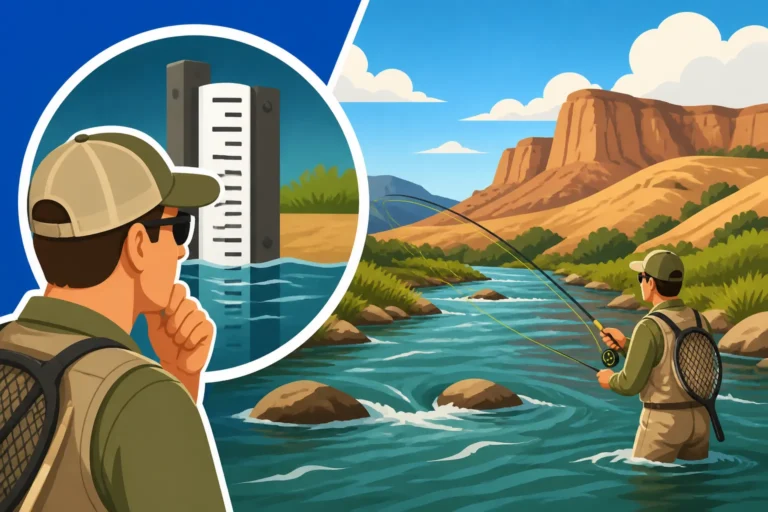
One of the biggest frustrations, and honestly, one of the biggest dangers, of fishing New Mexico's high country in the fall is the weather. You can wake up to a crisp, sunny morning that feels like late summer, only to have a blizzard roll in by lunchtime. I've had trips where I started in a t-shirt and ended up bundled in every layer I owned, dodging snowflakes. It's a true rollercoaster, and being unprepared is a recipe for a miserable (and potentially risky) experience.
You'll see days where temperatures swing by 30-40 degrees from dawn to dusk. Wind can pick up out of nowhere, making casting difficult and chilling you to the bone. And then there's the chance of early snow. While a light dusting can make the scenery stunning, a full-blown snowstorm can make hiking in and out treacherous, especially if you're far from your vehicle. Checking the forecast, not just for the day you leave, but for the entire duration of your trip, is non-negotiable. Even then, assume the forecast might be wrong, especially above 9,000 feet. Always pack for conditions worse than predicted.
Essential Gear and Tackle for Autumn Alpine Angling
When you're heading into the high country in fall, your gear setup needs to be dialed in for both comfort and effectiveness. This isn't your casual summer creek fishing trip where a light vest and a single rod might suffice. You're looking at variable conditions, colder temperatures, and often more challenging access, so preparation is paramount.
Dressing for Success: Layering is Key
This cannot be stressed enough: layers, layers, layers! Forget about thick, bulky sweaters; think smart, breathable, and adaptable. Your base layer should be moisture-wicking synthetic or merino wool, to pull sweat away from your skin. On top of that, a mid-layer like a fleece jacket or a down vest provides insulation. Finally, an outer shell that is both waterproof and windproof is your best friend against those sudden mountain squalls. Even if the sun is shining, I always pack a good rain jacket and pants. You never know when the weather will turn.
Don't forget your extremities either. A warm hat that covers your ears is essential, as is a pair of gloves, especially for those chilly mornings or when handling cold water. Good quality hiking boots, waterproofed and broken in, are crucial for navigating uneven terrain, stream crossings, and potential slushy trails. If you're wading, ensure your waders are in top shape and consider thermal underwear underneath. For a deeper dive into staying warm, you might want to check out information on What to Wear Ice Fishing in New Mexico, as many of the principles apply to cold-weather fall fishing.
Your Rod, Reel, and Line Setup for Crisp Air
For most high-country trout fishing, a medium-light to medium action spinning rod in the 5'6" to 7' range is a versatile choice. It gives you enough backbone to handle a decent trout but still allows for delicate presentations. Pair that with a reliable spinning reel spooled with 4-6 lb test fluorocarbon or monofilament line. Fluorocarbon is fantastic for its low visibility and sensitivity, which can be key when trout are finicky in clear, cold water. Monofilament offers a bit more stretch and is often easier to handle in cold conditions.
If you're a fly angler, a 3-weight or 4-weight fly rod, about 7'6" to 9' long, is ideal. It's light enough for smaller high-country streams but can still punch out casts on larger lakes when the wind picks up. A weight-forward floating line will cover most situations, and having a good selection of tapered leaders (3X to 5X) and tippet material is a must. Remember, stealth can be crucial in the clear waters of fall, so a longer leader and fine tippet can make a big difference. For more details on setups, consider reading Best Rods and Reels for New Mexico Trout Fishing.
Fall Fly and Lure Selection
This is where the fun begins! As insect activity wanes, trout often become more opportunistic feeders. They're looking for bigger meals that are worth the energy expenditure.
For Spin Anglers:
- Small Spinners: Classic Mepps and Panther Martin spinners in gold, silver, or black remain deadly. Sizes #0 to #2 are usually best.
- Spoons: Tiny Kastmasters or Dardevles can imitate baitfish or dying insects.
- Inline Spinners: Rooster Tails with various colored hackle can be very effective.
- Small Jerkbaits/Stickbaits: These can mimic minnows that might be trying to hide in deeper water.
- Soft Plastics: Small trout worms or grub tails fished under a bobber or on a tiny jig head can be irresistible.
- PowerBait/Worms: Don't underestimate the effectiveness of bait, especially in heavily stocked high-country lakes. PowerBait in earthy tones or brighter colors like chartreuse, often fished off the bottom, can entice stubborn trout. Live or artificial worms are also consistent producers.
For Fly Anglers:
- Streamers: This is prime streamer time! Patterns like Woolly Buggers (black, olive, brown), sculpin patterns, or small Kreelex streamers can imitate baitfish or leeches that trout are actively hunting. Fish these with short strips and pauses.
- Nymphs: Larger, heavier nymphs that imitate stoneflies (Pat's Rubber Legs, Copper Johns), caddis larvae, or even crane fly larvae work well. Prince Nymphs and Pheasant Tails are always good to have. Often, a two-nymph rig can be very effective, especially on days when fish are hugging the bottom.
- Egg Patterns: As fish prepare to spawn, egg patterns can become incredibly effective.
- Dry Flies: While fewer insects might be hatching, terrestrials like ants or beetles can still be around on warmer days. And if you hit a midge hatch, small midge patterns can be gold. Keep a few larger attractor dries like stimulators or royal wulffs, just in case.
Remember to vary your retrieve, depth, and presentation. Trout can be surprisingly picky, even when they're feeding hard. Carrying a diverse selection is easy with a compact tackle box or a quality fishing backpack you can find on Amazon.
| Fly/Lure Type | Common Patterns/Colors | Best Conditions | Notes |
|---|---|---|---|
| Spinners | Gold, Silver, Black, Rainbow | Sunny to overcast | Vary retrieve speed; good for active fish. |
| Spoons | Silver, Gold, Copper, Firetiger | Clear to slightly stained water | Jig or retrieve; imitate wounded baitfish. |
| Streamers | Olive, Black, Brown Woolly Bugger | Any light, especially overcast/dawn | Strip and pause; imitate larger prey. |
| Nymphs | Prince, Copper John, Pat's Rubber Leg | Deeper pockets, seams, slower water | Dead drift; use split shot for depth. |
| PowerBait/Worms | Chartreuse, Garlic, Cheese (PB); Red, Brown (Worms) | Still water, stocked ponds/lakes | Fished off bottom with light leader. |
| Terrestrials | Ant, Beetle, Grasshopper | Warmer, sunny days, near banks | Dead drift; target feeding fish near cover. |
Strategies for Finding and Catching Fall High-Country Trout
Catching trout in the fall high country isn't just about having the right gear; it's about understanding how the fish react to the changing season and adjusting your approach. Think like a trout: where would you go to find food and stay comfortable as the water cools down?
Locating Trout as Water Temperatures Drop
As water temperatures start their descent, trout typically become more active, but their location can shift. They're often in prime condition and looking to pack on calories.
-
Lakes: In high-country lakes, trout might move from the shallower, warmer summer haunts to deeper waters during the day, especially if the sun is high and bright. Look for them around drop-offs, submerged structures, rocky points, and even deep channels. However, during the warmer parts of the day, particularly on sunny afternoons, they might cruise into shallower flats or along the edges where the sun has warmed the water slightly and food sources (like aquatic insects or minnows) are more active. Concentrate your efforts on these transitional zones. If it's a cold, windy day, they might hunker down closer to the bottom, so a deep presentation with nymphs or PowerBait might be your best bet. Always check current conditions for New Mexico Fishing Season Dates and Limits to know if any specific rules apply.
-
Streams: In streams and rivers, trout will often consolidate into deeper pools, slower runs, and behind larger rocks or logs that offer protection from currents and potential predators. These spots also tend to hold more food as insects get washed down. Don't overlook the tail-outs of pools, where food congregates, or the slower water along cut banks. During the early and late hours, they might venture into shallower riffles to feed, but as the day progresses and the water chills, they'll likely retreat to their deeper holding lies. Focus on reading the water carefully, looking for subtle changes in current and depth.
Presentation is Paramount: Tricks for Tricky Fish
Fall trout can be aggressive, but in the clear, cold waters of the high country, they can also be incredibly wary. Your presentation needs to be spot on.
-
Stealth: Approach slowly and quietly. In clear water, fish can spot you from a distance. Wear subdued clothing and keep a low profile, especially when fishing small streams or the clear edges of lakes. For bank anglers, making long casts away from the bank and slowly retrieving towards you can be more effective than casting directly into a spot you've already spooked.
-
Depth Control: This is critical. Whether you're fly fishing with nymphs or spin fishing with lures or bait, getting your offering to the right depth is key. For fly anglers, using split shot or a heavier indicator rig can help. For spin anglers, consider suspending bait under a bobber or using jig heads that allow your soft plastic to get down quickly. Experiment with different depths until you find where the fish are holding. Many anglers also find success slow-trolling on lakes, allowing their lures to run at precise depths.
-
Matching the Hatch (or Lack Thereof): While fall might not have the big summer hatches, there are still insects around. Pay attention to what you see. If you notice midges, tiny midge patterns are a must. If there are crane flies or stoneflies present, larger nymphs are good. But also remember the opportunistic nature of fall fish. They might be keying in on terrestrials that have fallen into the water, or even small baitfish if available. Sometimes, throwing something a little larger or more flashy can trigger a reaction strike, even if it doesn't perfectly imitate a natural food source. A quick check on New Mexico Trout Fishing Rules can give you specifics on what's allowed.
Embracing the "High-Country Hike-In" Advantage
Many of the most pristine and productive high-country fishing spots in New Mexico require a hike, sometimes a significant one. While this might deter some, it's often your biggest advantage in the fall. Fewer people means less pressure on the fish, and a more peaceful, solitary experience for you.
-
Preparation for the Trek: A sturdy, comfortable hiking backpack is essential. Pack plenty of water, high-energy snacks, a first-aid kit, a headlamp (for early starts or late finishes), and navigation tools (map, compass, or GPS app). Layers of clothing, as discussed, are non-negotiable. Don't forget bear spray in some areas, as fall is when bears are actively foraging before hibernation. Consider a portable water filter for refilling bottles from streams. You can find excellent options for Best Fishing Backpack and Wading Gear for New Mexico on Amazon.
-
Scouting Remote Waters: Sometimes, the best fishing is found by going a little further off the beaten path. Look at topographical maps to identify smaller, unnamed lakes or stretches of stream that are less accessible. These can often hold larger, less-pressured trout. Plan your route carefully, inform someone of your itinerary, and be honest about your physical capabilities. The high country in fall, while beautiful, demands respect.
-
Benefits of Solitude: Beyond the potentially better fishing, the solitude of a fall high-country trip is a reward in itself. The quiet, the stunning scenery, the crisp air – it's an immersive experience that recharges the soul. You get to truly connect with nature and focus on the art of fishing without distractions. This is the kind of trip that creates lasting memories and stories you'll tell for years. And don't forget to practice Catch and Release Best Practices in New Mexico, especially for wild trout, to preserve these incredible fisheries for others. A good rubber net, easily found on Amazon, helps minimize harm to the fish.
Safety First and Enjoying the Solitude
Fishing in New Mexico's high country during the fall is an unparalleled experience, but it comes with responsibilities. Beyond the fishing techniques, prioritizing safety and respecting the wilderness are paramount for an enjoyable and ethical trip.
Be Prepared for Anything
The unpredictable nature of mountain weather in the fall means you should always assume conditions can change rapidly. A sunny morning can turn into a cold, windy, and even snowy afternoon.
- Emergency Essentials: Always carry a fully charged phone (though service can be spotty in remote areas), a physical map, a compass, and know how to use them. A first-aid kit, emergency shelter (like a space blanket or small tarp), and fire-starting materials are crucial. Extra food and water, even for a day trip, are also wise. A good knife or multi-tool can get you out of a bind.
- Layered Clothing and Rain Gear: Reiterate the importance of a layered clothing system and having a waterproof outer shell. Getting wet and cold in the mountains can quickly lead to hypothermia, which is a serious concern in fall.
- Inform Others: Always tell someone where you are going, your planned route, and when you expect to return. This is a simple but critical safety measure for any backcountry excursion.
Respecting the Wilderness and the Fish
Part of the joy of high-country fishing is the pristine environment. Let's keep it that way.
- Leave No Trace: Pack out everything you pack in, including all trash, food scraps, and fishing line. Leave the area cleaner than you found it. Avoid disturbing wildlife and stay on marked trails whenever possible to prevent erosion.
- Responsible Angling: Understand and follow all New Mexico Fishing Regulations Overview and specific rules for the waters you're fishing. Many high-country lakes and streams have special regulations, such as tackle restrictions or specific bag and possession limits.
- Handle Fish with Care: If you are practicing catch and release, handle fish gently and minimize their time out of the water. Wet your hands before touching them, support their body weight, and release them quickly. Barbless hooks are highly recommended, or crimp the barbs on your hooks to make releases easier and less damaging. This ensures these beautiful Trout Species in New Mexico can continue to thrive.
Fall high-country fishing offers a unique blend of challenge and reward. With the right preparation, knowledge, and a deep respect for the environment, you can have an unforgettable experience chasing trout amidst the stunning autumn colors of New Mexico.
Disclaimer
This article is for general informational purposes only and does not constitute professional advice. Laws, prices and regulations vary by location and change over time. Consult a qualified professional for guidance on your specific situation.