Best Fishing Backpack and Wading Gear for New Mexico
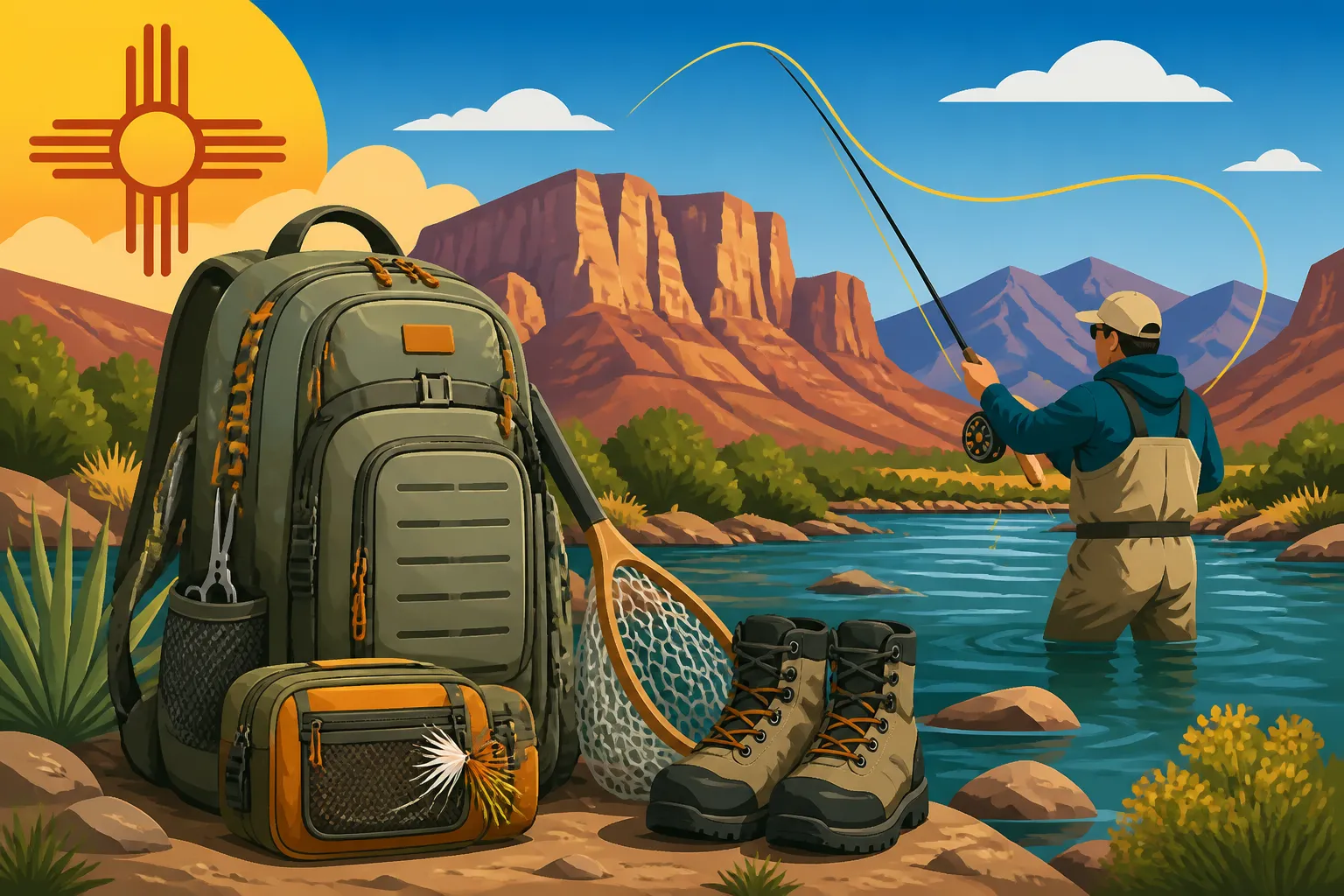
Navigating New Mexico's incredible and often rugged fishing landscapes can be a real challenge if you're not properly equipped. From the high mountain streams that demand nimble footing to the wide, rocky rivers where a slip could mean a cold dip, having the right fishing backpack and wading gear isn't just about comfort; it's about safety, efficiency, and ultimately, whether you enjoy your day on the water or spend it battling uncomfortable, ill-fitting, or inadequate equipment. This guide dives deep into choosing and caring for the best gear to make your New Mexico fishing adventures truly memorable.
Why Specialized Gear Matters in New Mexico's Diverse Waters
Fishing in New Mexico isn't a one-size-fits-all endeavor. We have everything from arid high desert reservoirs to snow-fed alpine lakes and legendary trout streams like the San Juan River. Each environment presents its own unique set of challenges, and trying to tackle them with generic gear can quickly lead to frustration, discomfort, and even missed opportunities. Many anglers have learned the hard way that a poorly chosen backpack means a soggy lunch or a crushed fly box, and cheap waders can spring a leak faster than you can say "cutthroat trout."
The Challenges of High Desert and Mountain Waters
Imagine you're hiking into a remote high mountain lake, the kind that promises trophy brookies or native cutthroats. The trail is steep, uneven, and often brushy. A flimsy backpack with uncomfortable straps will chafe your shoulders, make the hike miserable, and potentially cause you to lose your footing if it shifts awkwardly. Or consider wading a fast-flowing, rock-strewn river like the Rio Chama. Without proper wading boots providing excellent grip and ankle support, you're constantly fighting for balance, turning what should be a serene experience into a nerve-wracking ordeal. The extreme temperature swings, from scorching midday sun to chilly mountain evenings, also put gear to the test.
Beyond the physical demands, the nature of the fishing itself dictates specialized needs. Fly fishing small, brushy streams requires a different approach to gear organization than throwing big swimbaits for stripers on a massive reservoir. If your gear isn't tailored to the environment and the technique, you'll find yourself fumbling for tackle, struggling with a tangled line, or simply being unable to access what you need when that crucial moment arises. It's about preparedness, ensuring that when you finally reach that pristine spot, your focus is entirely on the fish, not on your aching back or soggy feet.
Protecting Your Gear and Yourself
One of the biggest frustrations for anglers is having their expensive fishing equipment damaged by the elements or tough terrain. A waterproof, durable fishing backpack protects your reels, fly boxes, and essential electronics from sudden rain showers, dusty trails, or an accidental tumble into a stream. Imagine finally reaching a secluded bend on the Pecos River, only to discover your carefully tied flies are crushed because your pack lacked proper compartmentalization. Similarly, high-quality waders shield you from the biting cold of snowmelt rivers and the abrasive rocks, preventing cuts, scrapes, and hypothermia.
Moreover, specialized gear is designed with your safety in mind. Wading boots with aggressive traction are paramount when navigating slippery riverbeds, drastically reducing the risk of falls. A well-fitting wading belt is not just for comfort; it's a critical safety device that prevents your waders from completely filling with water should you take an unexpected plunge, giving you precious seconds to regain your footing or reach shore. Investing in gear that protects both your valuable equipment and your physical well-being is not an extravagance; it's a necessity for any serious New Mexico angler. When you're far from the nearest road, self-reliance is key, and reliable gear is a huge part of that.
Enhancing Your Fishing Experience
Ultimately, the goal of specialized gear is to remove distractions and let you fully immerse yourself in the joy of fishing. When your backpack is comfortable and your gear is organized, you can move efficiently, hike further, and spend more time with a line in the water. When your waders keep you perfectly dry and warm, even in icy currents, you can focus on reading the water, presenting your fly, or detecting a subtle bite. It's about creating a seamless connection between you and the environment.
Think about the ease of casting on the San Juan River Fishing Guide when your movement isn't restricted by ill-fitting waders, or the confidence you feel navigating slick rocks with sturdy wading boots. This gear isn't just functional; it contributes directly to your success and enjoyment. It allows you to stay out longer, explore more remote areas, and tackle challenging conditions with greater comfort and confidence. When you're comfortable and prepared, you're simply a better, more focused angler.
Choosing the Right Fishing Backpack for New Mexico Adventures
Picking out a fishing backpack might seem straightforward, but in New Mexico, where you could be battling thick brush one moment and wading knee-deep water the next, the right choice makes all the difference. It's not just about carrying your stuff; it's about carrying it efficiently, safely, and comfortably through varied terrain. Think about your typical fishing trip: are you hiking miles to a secluded mountain lake, or are you mostly bank fishing at Elephant Butte? Your answer will heavily influence the best pack for you.
Types of Fishing Backpacks: From Sling to Technical Pack
The world of fishing backpacks is surprisingly diverse, each type designed for specific styles of angling.
-
Sling Packs: These are incredibly popular, especially for fly anglers and those who prefer to travel light. Worn over one shoulder and resting on your back, they can be easily swung around to your front for quick access to tackle without having to take the pack off. This is fantastic when you're wading a river like the San Juan and need to change a fly quickly. They typically offer enough space for a few fly boxes, leaders, tippets, a water bottle, and some snacks. The downside? Limited capacity, and the single-shoulder design can become uncomfortable if overloaded or used for long hikes. However, for a short day trip where mobility is key, they are tough to beat. Many brands offer great sling packs, and you can often find a good selection on sites like Amazon.
-
Chest Packs: Even smaller than sling packs, chest packs are worn on the front, keeping essential items like fly boxes, tools, and tippet materials immediately accessible. They're often paired with a traditional backpack for longer hikes, allowing you to keep vital items close while your main gear is stowed on your back. They're excellent for pure fly fishing expeditions where minimal gear is needed and constant access is a must. The trade-off is very limited storage, and some anglers find them a bit bulky on their chest, especially when casting.
-
Waist Packs (or Fanny Packs): These sit around your waist and are another minimalist option, great for light tackle or for complementing a larger backpack. They keep items below your casting arm and offer decent accessibility. They're less common for fly fishing due to water immersion, but excellent for spin fishing small ponds or short bank fishing excursions. Some models integrate a shoulder strap for added support when carrying a bit more weight.
-
Traditional Backpacks: For longer excursions, such as hiking into those remote high mountain lakes or when you need to carry extra layers, food, water, and perhaps even camping gear, a full-sized fishing backpack is essential. These come in various capacities, from daypacks to multi-day hiking packs with integrated fishing features like rod holders and specific pockets for tackle boxes. They distribute weight evenly across both shoulders, making them much more comfortable for extended periods or heavy loads. Companies like Bass Pro Shops offer a wide array of these larger packs, suitable for diverse New Mexico adventures.
-
Waterproof Backpacks/Dry Bags: For those adventures where getting wet is inevitable, like kayak fishing or crossing deep sections of a river, a truly waterproof backpack or dry bag is invaluable. These ensure your electronics, extra clothes, and anything else sensitive to water stays bone-dry. Many brands now offer roll-top waterproof backpacks specifically designed for angling, featuring external pockets for quick-access items that don't need to be fully submerged.
Key Features to Look For: Comfort, Capacity, and Organization
Once you've decided on the type of pack, it's time to dive into the details that make a good pack great for New Mexico fishing.
-
Comfort: This is paramount, especially if you plan on covering significant ground. Look for packs with well-padded, adjustable shoulder straps, and if it's a larger backpack, a supportive hip belt that transfers weight from your shoulders to your hips. Breathable back panels are a huge plus, helping to reduce sweat build-up, which is a real concern when hiking in the New Mexico sun. Try on the pack, load it with some weight, and walk around a bit to get a feel for how it distributes weight and moves with you.
-
Capacity: How much gear do you realistically need to carry for a typical outing? Don't just think about tackle; consider water bottles (hydration is critical in New Mexico!), snacks, a first-aid kit, a rain jacket, and perhaps a small camera. A pack that's too small will leave you frustrated, while one that's too large might encourage you to overpack and become cumbersome. Most packs are measured in liters; a 15-25 liter pack is good for a day trip, while 30+ liters is better for longer treks or if you tend to carry a lot.
-
Organization: This is where a fishing-specific backpack truly shines. Look for multiple compartments, internal dividers, and external pockets designed for specific fishing tools. Rod holders on the side are a godsend for hiking with your hands free. Daisy chains or loops on the outside allow you to attach extra gear like a net or a wading staff. Quick-access pockets for tippet, leader, and essential tools mean less fumbling when the fish are biting. Some packs even have integrated, removable tackle boxes or trays, which is a fantastic feature. Having a dedicated, waterproof pocket for your phone or car keys is also a smart design element.
Material Considerations and Weather Protection
The rugged New Mexico environment demands tough gear, and the materials your backpack is made from are key to its longevity and performance.
-
Durability: Look for packs made from heavy-duty nylons (like Cordura) or ripstop polyester. These materials resist tears, abrasions, and punctures, which are common hazards when bushwhacking through dense riverside vegetation or scrambling over rocky terrain. Reinforced stitching at stress points, like where straps attach to the main pack, is also a sign of quality construction. A backpack isn't going to last long if it can't stand up to the elements and abuse of repeated use.
-
Water Resistance/Waterproofing: While not every pack needs to be fully submersible, a good degree of water resistance is essential. Look for fabrics with a durable water repellent (DWR) coating, taped seams, and water-resistant zippers. Many packs also come with an integrated rain cover that can be deployed quickly in a sudden downpour, protecting all your contents. For situations where full submersion is a possibility (like kayak fishing or crossing deep sections of the San Juan River), a fully waterproof roll-top dry bag style backpack is the way to go. Brands found on Amazon often highlight these features in their product descriptions.
-
Weight: While durability is important, the material's weight also matters. A heavy pack, even when empty, will contribute to fatigue on long hikes. Modern materials offer an excellent balance of strength and light weight, so you don't have to sacrifice one for the other. Consider what you're willing to carry versus the protection it offers. A heavier pack might be more durable, but if it makes the hike miserable, it's not the right choice for you.
Understanding Waders: Your Footwear for New Mexico's Rivers
Stepping into a New Mexico river, whether it's the chilly San Juan or a warmer, slower moving stretch of the Rio Grande, almost always means getting wet. But staying dry and comfortable is crucial for an enjoyable and safe fishing experience. That's where waders come in. These specialized garments allow you to stand in the water, giving you access to prime fishing spots that bank anglers can only dream of. However, not all waders are created equal, and choosing the right pair is vital for conquering New Mexico's diverse aquatic environments.
Stockingfoot vs. Bootfoot Waders: Which is Right for You?
The first big decision you'll face when buying waders is whether to go with stockingfoot or bootfoot. Each has distinct advantages and disadvantages that make them better suited for different types of fishing and conditions.
-
Stockingfoot Waders: These waders have neoprene "socks" integrated into the bottom. You then wear separate wading boots over these neoprene socks.
- Pros: The biggest advantage is versatility. You can pair them with different wading boots depending on the terrain—felt soles for slippery stream beds, rubber soles for hiking, or studded boots for extreme traction. This modularity means you can choose specific boots for Best Wading Boots for New Mexico's San Juan River or a rocky mountain stream. They also offer a more precise fit, as you can choose your wader size independently of your shoe size, and the separate boots often provide superior ankle support for navigating uneven river bottoms. When hiking to your fishing spot, they can feel lighter and less cumbersome than bootfoot waders, especially if you carry your boots separately until you reach the water's edge. This flexibility makes them a favorite among serious fly anglers who tackle various New Mexico rivers.
- Cons: The main drawback is the added cost of buying separate wading boots. It's also an extra step to put on and take off both waders and boots. Plus, you have two items to dry and pack, which can be a minor inconvenience. Sometimes, pebbles or sand can get between the neoprene stockingfoot and the wading boot, creating discomfort.
-
Bootfoot Waders: These waders have the boots permanently attached to the wader legs.
- Pros: Convenience is the name of the game here. You simply step into them, and you're ready to go. This makes them ideal for situations where you're frequently getting in and out of the water, such as short fishing stints or moving between different bank spots without long hikes. They also eliminate the problem of sand or gravel getting into your wading boots. For colder weather, bootfoot waders often come with insulated boots, providing extra warmth. They tend to be a more budget-friendly option since you're not buying separate boots.
- Cons: The biggest disadvantage is the lack of versatility. You're stuck with whatever sole type comes on the boot, limiting your adaptability to different river conditions. The fit can also be less precise; if the boot fits perfectly, the wader might be a bit loose, or vice versa. The attached boots can also make them heavier and bulkier for long hikes, and they generally offer less ankle support than dedicated wading boots. For serious New Mexico wade fishing that involves significant hiking or varied water types, stockingfoot waders are usually the preferred choice.
Here's a quick comparison:
| Feature | Stockingfoot Waders | Bootfoot Waders |
|---|---|---|
| Boots | Separate, interchangeable wading boots | Boots permanently attached |
| Versatility | High (can change boots for different conditions) | Low (fixed sole type) |
| Fit | More precise (separate wader and boot sizing) | Less precise (compromise between wader and boot size) |
| Ankle Support | Generally better (from dedicated wading boots) | Varies, often less than separate boots |
| Hiking | Better for long hikes (lighter, less bulky) | Heavier, bulkier, less comfortable for long hikes |
| Cost | Higher (waders + boots) | Lower (all-in-one) |
| Convenience | More steps to put on/take off | Quick to put on/take off |
| Best For | Serious fly fishing, varied rivers, long hikes | Cold weather, frequent in/out, short fishing sessions |
Wader Materials: Breathable vs. Neoprene
After deciding on stockingfoot or bootfoot, your next major consideration is the wader material. The choice between breathable and neoprene significantly impacts comfort, especially with New Mexico's often dramatic temperature swings.
-
Breathable Waders: These are by far the most popular choice for active anglers, particularly in New Mexico. Made from multi-layered synthetic fabrics like Gore-Tex or proprietary membranes (e.g., those found in Simms or Orvis waders), they are designed to allow perspiration vapor to escape while preventing water from entering.
- Pros: Incredible comfort, especially during warmer weather or strenuous activity like hiking. They prevent you from overheating and getting clammy inside, which can quickly lead to chilling once you stop moving. They are lightweight and packable, making them ideal for hiking into remote spots. You can easily layer underneath them to adapt to changing temperatures, from a thin base layer in summer to heavy fleece in winter. This adaptability is critical for places like the high country or the New Mexico Fishing Season Dates and Limits changes.
- Cons: Generally more expensive than neoprene waders. They can be more susceptible to punctures and tears from thorns or sharp rocks if not cared for properly, though modern breathable fabrics are becoming increasingly durable. They don't offer much inherent insulation, meaning you'll need to rely on layering for warmth in cold water.
-
Neoprene Waders: Made from the same material as wetsuits, neoprene waders are thick, stretchy, and insulating.
- Pros: Excellent thermal insulation, making them perfect for fishing in extremely cold water or during late fall and winter in places like Eagle Nest Lake or when Ice Fishing in New Mexico. They are generally more puncture-resistant than breathable waders due to their thickness. They are also typically less expensive.
- Cons: They do not breathe, meaning you'll quickly sweat and overheat if you're active or if the air temperature rises. This can lead to discomfort, chafing, and a chilling effect when you stop. They are much bulkier and heavier than breathable waders, making them less ideal for hiking. Their lack of breathability also means they take longer to dry and can develop odors if not properly aired out. For the majority of New Mexico's fishing conditions, breathable waders are the more versatile choice, with neoprene reserved for specific cold-weather scenarios.
Sizing and Fit for Comfort and Safety
Getting the right fit for your waders is absolutely non-negotiable. Ill-fitting waders are uncomfortable, restrict movement, and can even be dangerous.
-
Importance of Proper Fit: Waders that are too tight will restrict your movement, especially when bending, kneeling, or climbing. This can lead to premature wear and tear on the seams and crotch area. Too much slack, however, creates excess fabric that can bunch up, chafe, and pose a tripping hazard when wading through current. It also means more material to get cold or drag in the water. For stockingfoot waders, the neoprene foot must fit snugly but not constrictively, without wrinkles that could cause blisters inside your wading boots.
-
Measuring Yourself: Most wader manufacturers provide detailed sizing charts. Don't just guess your size! You'll typically need your chest, waist, hip, inseam, and sometimes your shoe size (for stockingfoot booties). Measure yourself while wearing the layers you anticipate fishing in—a fleece pant or thermal base layer, for instance. This ensures there's enough room without being baggy. Remember to consider your torso length too; many brands offer stout or tall sizes for better overall coverage.
-
Trying Them On: If at all possible, try waders on in person, especially for your first pair. Walk around, squat, lift your knees high (as if stepping over a log), and sit down. Pay attention to how the crotch area feels – it should not pull tight or restrict movement. Check that the suspenders are comfortable and adjustable. Ensure the neoprene booties (if stockingfoot) fit snugly without being stretched or having excess material. A good fit ensures comfort all day and prolongs the life of your expensive gear. Don't hesitate to consult sales staff at stores like Bass Pro Shops for expert advice on fit.
Wading Boots: The Foundation of Your River Comfort
For stockingfoot waders, your wading boots are just as crucial as the waders themselves. They are your primary point of contact with the riverbed, responsible for grip, stability, and protecting your feet as you navigate often treacherous underwater terrain. Skimping on wading boots is like buying a high-performance car and putting bald tires on it – you're just asking for trouble. In New Mexico, where riverbeds can range from slick algae-covered rocks to loose gravel and sandy stretches, the right sole type and boot construction are critical.
Sole Types: Felt, Rubber, and Studded Options
The sole of your wading boot is arguably its most important feature, directly impacting your safety and confidence in the water. Each type has its pros and cons, making certain soles better suited for specific New Mexico river conditions.
-
Felt Soles: For decades, felt has been the gold standard for wading boots due to its exceptional grip on extremely slick, algae-covered rocks. The porous nature of felt allows it to conform to irregular surfaces and shed water quickly, creating excellent friction.
- Pros: Unparalleled traction on wet, slimy rocks, common in many New Mexico trout rivers, including sections of the San Juan River. They are often lighter than rubber soles.
- Cons: They offer very poor traction on dry land, making approaches to the river (especially on muddy banks or snowy trails) quite treacherous. Felt also has a reputation for potentially harboring invasive species, as small organisms can get trapped in the fibers. For this reason, felt soles are banned in some states and specific New Mexico waters might have restrictions; always check New Mexico Fishing Regulations Overview for updates. They also wear down faster than rubber soles, especially with significant hiking.
-
Rubber Soles: Modern rubber-soled wading boots have come a long way and are now a strong contender for the most versatile option. They feature aggressive lug patterns, similar to hiking boots, designed to grip both wet and dry surfaces.
- Pros: Excellent traction on dry land, gravel, sand, and even snow, making them ideal for long hikes to remote fishing spots. They are generally more durable and longer-lasting than felt. Rubber soles are also much easier to clean and less likely to transfer invasive species, a huge environmental benefit. Many anglers choose rubber for their all-around utility.
- Cons: While good, they generally don't offer the same "stick" on extremely slick, algae-covered rocks as felt. However, many manufacturers now offer proprietary rubber compounds that significantly improve wet rock traction.
-
Studded Soles (Felt or Rubber with Metal Studs): For the ultimate in traction, some anglers opt for boots with metal studs, either embedded in felt soles or screwed into rubber soles.
- Pros: Provides superior grip on the slickest, most challenging river bottoms, giving you maximum confidence. The studs dig into algae and rock, offering a very secure footing. This can be a game-changer on heavily mossed boulders or in strong currents.
- Cons: The studs can be very damaging to boat floors (rafts, drift boats, kayaks) and can chew up trails on dry land. They are also incredibly noisy on hard surfaces. Like felt, they can potentially carry invasive species if not meticulously cleaned. You also need to be careful not to scratch your waders with the studs. They are often overkill for simpler wading conditions, but for extreme grip on challenging New Mexico rivers, they are unmatched.
Many anglers choose a rubber-soled boot and then add screw-in studs as needed for specific conditions. This offers a good balance of versatility and customizable traction.
Ankle Support and Durability for Rocky Terrain
Beyond the sole, the overall construction of your wading boot is crucial for long-term comfort and safety in New Mexico's rugged fishing environments.
-
Ankle Support: New Mexico's rivers are often uneven, filled with loose rocks, and can have strong currents. Good ankle support is non-negotiable. Look for boots that come up high enough to cradle your ankle and provide rigid support. This helps prevent twists and sprains, especially when wading through currents or climbing over boulders. Some boots feature internal support systems or stiffer materials around the ankle for added stability. Without this support, a seemingly minor stumble can turn into a serious injury, far from medical help. Brands like Patagonia and Simms offer boots renowned for their robust ankle support.
-
Durability and Construction: Wading boots take a beating. They are constantly exposed to water, abrasive rocks, mud, and intense sun. Look for boots with heavy-duty construction, reinforced toe and heel caps, and durable stitching. The eyelets for the laces should be corrosion-resistant, as they will be repeatedly submerged. Many quality boots feature rubber rands that wrap around the boot, providing extra protection against abrasion. A well-constructed boot might cost more upfront, but it will easily outlast cheaper options, saving you money and frustration in the long run.
-
Drainage: Good wading boots are designed to drain water quickly. This prevents them from becoming waterlogged and heavy, which can make walking cumbersome and even hazardous. Look for mesh panels or drain holes that allow water to escape efficiently. Quick-drying materials also help prevent mildew and odors, which are a common complaint with poorly draining boots.
Cleaning and Preventing Invasive Species Transfer
New Mexico, like many states, is keenly aware of the threat of aquatic invasive species (AIS). These can devastate native fish populations and alter delicate ecosystems. Your wading boots, especially felt-soled ones, can inadvertently act as a vehicle for their spread.
-
The "Clean, Drain, Dry" Ethos: This mantra is critical for all anglers. After every fishing trip, especially if you're moving between different bodies of water (say, from the San Juan to a small mountain lake), thoroughly clean your boots.
- Clean: Remove all visible mud, plants, and debris from your boots (and waders, and all other gear). A stiff brush is your best friend here. Pay close attention to felt soles, lace eyelets, and seams where tiny organisms can hide.
- Drain: Ensure all water is drained from your boots.
- Dry: This is perhaps the most important step. Thoroughly dry your boots in the sun for at least 48 hours, or longer if possible. High temperatures and complete dehydration kill many invasive species. If you can't thoroughly dry them, freezing them for a period can also be effective.
-
Specific Practices: Consider having separate pairs of felt-soled boots for different regions if you fish extensively, or dedicate one pair strictly to waters where felt is allowed and rubber for others. Using a strong disinfectant solution (like a diluted bleach solution or a commercial AIS disinfectant) on your boots after fishing, particularly if you've been in waters known to have invasive species, is an excellent preventative measure. Never introduce foreign baitfish or plants into new waters. Your diligence in cleaning your gear is a vital part of protecting New Mexico's precious fisheries for future generations.
Essential Wading Accessories for New Mexico Anglers
While waders and boots form the core of your river gear, a few key accessories can dramatically enhance your safety, comfort, and efficiency on the water. These aren't just "nice-to-haves"; many are critical for a truly successful and secure wading experience, especially in New Mexico's often challenging currents and varied terrain. From staying upright to keeping your essentials at hand, these items complete your wading setup.
Wading Belts and Their Critical Role
A wading belt might seem like a simple strap, but its importance cannot be overstated, extending far beyond simply holding up your waders.
-
Safety First: The primary function of a wading belt is safety. In the event of an accidental fall into deep water, a properly cinched wading belt around your waist creates a seal, preventing your waders from rapidly filling with water from the top. If your waders fill with water, they become incredibly heavy, making it nearly impossible to stand up, swim, or get to shore. A belt gives you precious extra time to recover or make your way to safety. It's a critical piece of Boat Safety Equipment Required in New Mexico for wading anglers, even if you're just fishing a shallow stream. Never wade without one!
-
Comfort and Support: Beyond safety, a wading belt also improves comfort. It helps keep your waders snug and prevents them from sagging, which can cause chafing or restrict movement. Some modern wading belts are wider and padded, offering lumbar support, which can be a huge benefit when standing in a river for hours. Many belts also come with D-rings or loops to attach various accessories, keeping them out of your pack and within easy reach.
-
Choosing a Belt: Look for a durable, wide belt that offers easy adjustment and a secure buckle. Many waders come with a basic belt, but investing in a more robust, padded option with integrated loops for accessories can significantly improve your experience. Just remember, a wading belt is only effective if it's worn properly—snugly tightened around your natural waist.
Wading Staffs for Stability and Safety
If you spend any time wading in strong currents or on uneven, slick riverbeds, a wading staff will quickly become your best friend. It acts as a crucial third point of contact, dramatically increasing your stability and confidence.
-
Enhanced Stability: Imagine navigating the swift, rocky currents of the San Juan River or crossing a deeper section of the Chama. A wading staff provides an invaluable point of balance, allowing you to probe the riverbed ahead of you, gauge depth, and find secure footing before committing your full weight. This drastically reduces your risk of slipping or falling. For anglers with any balance issues or those carrying a heavy pack, a wading staff is virtually essential.
-
Safety and Confidence: Beyond preventing falls, a staff provides a sense of security, especially in murky water where you can't see the bottom. It helps you brace against currents and can even be used to help a fellow angler who might be struggling. For those fishing alone in remote areas of New Mexico, a wading staff offers an extra layer of self-reliance and peace of mind.
-
Types and Features: Wading staffs are typically collapsible, folding down into a compact size that can be clipped to your belt or backpack. Look for durable, lightweight aluminum or carbon fiber construction. A comfortable grip, a secure locking mechanism (to prevent accidental collapse), and a robust tip (often carbide or rubber) are important features. Some even come with an integrated lanyard to prevent loss if dropped in the current. Brands like Simms, Orvis, and Fishpond offer excellent wading staffs.
Other Must-Have Add-ons: Nippers, Forceps, and Fly Patches
Beyond the big items, a handful of small, easily accessible tools can make your fishing day much smoother and more enjoyable. These are the unsung heroes of the tackle world, always there when you need them.
-
Nippers: These small, sharp tools are essential for cutting fishing line, whether it's trimming tag ends, snipping tippet, or cutting off a tangled mess. They're far more efficient and safer than trying to bite through line with your teeth. Look for a pair that's sharp, corrosion-resistant, and ideally has an integrated needle for clearing out clogged fly eyes. Many anglers attach them to a retractable zinger or lanyard on their vest, pack, or wading belt for quick access. This is one of those items you realize you desperately need only when you don't have it.
-
Forceps/Hemostats: These are invaluable for a variety of tasks, particularly for safely removing hooks from fish. Their long, narrow jaws allow you to reach into a fish's mouth without causing undue stress or injury, especially important for catch-and-release practices. They're also great for crimping split shot, straightening bent hooks, or even picking up tiny flies. Like nippers, keep them easily accessible on a zinger or magnet. For larger fish or hooks, longer jawed forceps are available. Protecting the fish is paramount, so a good pair of forceps is a core tool in your kit.
-
Fly Patches/Drying Patches: For fly anglers, a fly patch (often foam or fleece) is a simple but incredibly useful accessory. It's a place to temporarily store wet flies to dry, or to hold flies you've just changed out but plan to reuse later. This prevents them from getting lost or crushing them back into a fly box while still soggy. A drying patch can be clipped to your vest, pack, or waders. Some fishing packs or vests have integrated patches. Keeping your flies organized and in good condition means you're always ready for the next cast.
-
Landing Net: While not strictly a wading accessory, a lightweight, rubberized landing net is often carried by wade anglers. It's crucial for safely landing fish, especially when practicing Catch and Release Best Practices in New Mexico. A rubberized net protects the fish's slime coat and is less likely to tangle hooks. Look for a net with a strong, extendable handle that can be easily clipped to your wading belt or backpack when not in use.
Gear Maintenance and Longevity in New Mexico's Conditions
Investing in good fishing backpacks and wading gear for New Mexico is like buying a reliable vehicle; it's a significant purchase that deserves proper care to ensure it lasts for many seasons. Neglecting your gear, especially after exposure to mud, water, and sun, can drastically shorten its lifespan, leading to premature leaks, tears, and odors. Proper maintenance not only protects your investment but also ensures your gear performs optimally every time you hit the water.
Proper Cleaning and Drying Techniques
The most fundamental aspect of gear longevity is consistent and correct cleaning and drying. It's tempting to just toss everything in the garage after a long day of fishing, but that's a recipe for disaster.
-
Waders: After each trip, especially if you've been in muddy or silty water, rinse your waders thoroughly with fresh water. Pay attention to seams, zippers (if applicable), and the neoprene booties. Use a soft brush to gently remove any stubborn dirt or algae. Turn them inside out and hang them to dry completely in a well-ventilated area, out of direct sunlight. Direct sunlight can degrade the fabric and seam tape over time. Once the inside is dry, turn them right side out and dry the exterior. Ensuring they are completely dry, both inside and out, is crucial to prevent mildew, mold, and unpleasant odors. Never store them damp.
-
Wading Boots: These are often the dirtiest culprits. Remove any visible mud, sand, or gravel using a stiff brush. Pay close attention to the sole (especially felt) to remove any debris that could harbor invasive species. Rinse them thoroughly, inside and out, with fresh water. Stuff them loosely with newspaper or paper towels to help absorb moisture and maintain their shape, changing the paper periodically. Allow them to air dry completely in a well-ventilated area, again avoiding direct, intense sunlight. If possible, consider treating them with an anti-microbial spray to combat odor and bacteria growth.
-
Fishing Backpacks: Empty your backpack completely after each trip. Shake out any crumbs, dirt, or stray fishing line. If it's muddy, wipe it down with a damp cloth or rinse it with a hose, using a mild soap if necessary. Pay attention to zippers and buckles. Hang it upside down in a well-ventilated area to dry thoroughly. For heavily soiled packs, a gentle hand wash with a technical gear cleaner might be appropriate, always following the manufacturer's instructions. Ensure all pockets are open for maximum air circulation during drying.
Repairing Waders and Extending Their Life
Even the most durable waders can suffer a puncture or tear from an errant branch or sharp rock. Don't despair; many common wader problems are fixable, significantly extending their life.
-
Locating Leaks: Finding a tiny pinhole leak can be frustrating. One common method is to turn your waders inside out, spray them lightly with rubbing alcohol (which evaporates quickly), and then spray water on the outside. The alcohol will darken at the leak point. Another method is to fill them with air or gently block off the legs, hold them underwater (in a bathtub, for example), and look for bubbles. You can also put on clean, dry clothes, put on your waders, stand in the water, and feel for damp spots.
-
Patching Leaks: For small punctures, most wader manufacturers sell repair kits, or you can purchase general wader repair glue (like Aquaseal or similar urethane-based adhesives). Clean the area around the leak, apply a small dab of glue, and let it cure completely (often 12-24 hours). For larger tears, a patch kit with fabric patches and adhesive is usually required. Follow the instructions precisely. It's often a simple process that saves you from buying a whole new pair of waders. Knowing how to quickly fix a minor leak can literally save a fishing trip.
-
Seam Sealing: Over time, the internal seam tape on waders can begin to delaminate or wear, leading to leaks. Special seam sealers are available that can be applied to reinforce or re-seal these areas. This can be a proactive measure to prevent leaks or a fix for a minor weeping seam. Regularly inspecting your waders for these signs of wear can help you catch problems before they become major leaks.
Off-Season Storage Tips
When the fishing season slows down or you're taking a break, proper off-season storage is essential to keep your gear in prime condition.
- Clean and Dry Everything: Before putting anything away, ensure your waders, boots, and backpack are meticulously clean and bone-dry. Any residual moisture will lead to mildew, mold, and material degradation.
- Waders: Hang your waders from the suspenders in a cool, dry, dark place where they won't be crushed or folded sharply. Avoid hanging them by the boots, as this can stretch the material at the ankle. A closet rod or a dedicated wader hanger is ideal. Do not store them in an airtight container, as some airflow is beneficial.
- Wading Boots: Ensure they are completely dry, then store them upright in a dry place. You can leave them unlaced or loosely laced. Avoid leaving them in direct sunlight or extreme heat, which can degrade rubber and synthetic materials.
- Backpacks: Empty your backpack, clean it, and ensure it's dry. Store it in a cool, dry place. Avoid compressing it too tightly, as this can damage the foam padding in the straps and back panel.
- Check and Organize: The off-season is a great time to inspect all your gear for wear, make any necessary repairs, and reorganize your tackle. This way, when the next fishing season rolls around, you're ready to hit the water without scrambling for equipment. Having everything clean, repaired, and organized makes for a much smoother start to your next adventure.
Putting It All Together: Recommended Setups for Different New Mexico Scenarios
Alright, we've talked a lot about individual pieces of gear, their features, and how to care for them. Now, let's bring it all together. What does an actual setup look like for different kinds of fishing here in New Mexico? Because let's face it, the gear you need for chasing wild trout in a remote mountain stream is probably going to be a bit different from what you'd wear while throwing lures for bass from the bank of a big reservoir. Understanding these distinctions will save you money, increase your comfort, and ultimately make you a more prepared angler.
Setup for High-Mountain Stream Fly Fishing
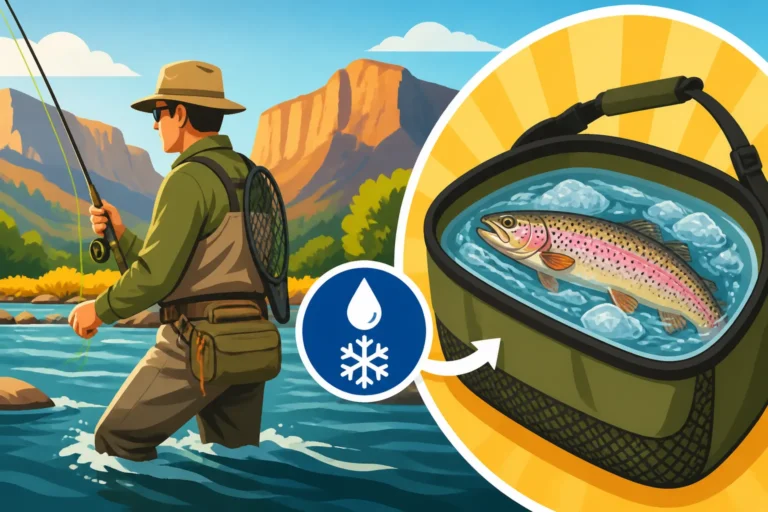
Picture this: you're hiking for an hour or two into the Pecos Wilderness, aiming for a small, crystal-clear stream where native Rio Grande Cutthroat Trout thrive. This scenario demands gear that is lightweight, durable, and provides excellent mobility.
- Fishing Backpack: For this kind of adventure, a lightweight but sturdy daypack (around 20-30 liters) is ideal. It needs to be comfortable for hiking, so look for good shoulder padding and a hip belt to distribute the load. Organization is key for smaller items. You'll want a main compartment for layers, lunch, and a first-aid kit, plus external pockets for water bottles (you'll need plenty for the hike!). Integrated rod tubes or loops on the side for your fly rod are a huge bonus, keeping your hands free for scrambling. Think about a pack that allows for easy access to your fly boxes and tippet without having to fully unshoulder it. This is where a small, integrated chest pack could be invaluable, or a sling pack worn over your shoulders in conjunction with a larger daypack. Look at outdoor retailers and online options like Amazon for reputable brands.
- Waders: Breathable stockingfoot waders are the undisputed champions here. You'll be doing a lot of hiking and potentially climbing, so neoprene would quickly lead to overheating and discomfort. The breathability keeps you dry from the inside out. Layer appropriately underneath: light base layers for warm days, and fleece pants for cooler water or higher altitudes.
- Wading Boots: Rubber-soled wading boots are generally preferred for the hike in and out, offering excellent grip on varied trail surfaces. However, consider adding screw-in studs if the stream is known for extremely slick, mossy rocks. Ankle support is paramount, as you'll be navigating uneven stream bottoms and rocky banks. A lightweight boot that drains quickly is best.
- Key Accessories:
- Wading Staff: Absolutely essential for navigating uneven stream bottoms, crossing deeper pools, and providing stability on slippery rocks. The High Altitude Fishing Tips for New Mexico often stress safety, and a staff is a big part of that.
- Wading Belt: Non-negotiable for safety.
- Small Landing Net: A compact, rubberized net that can clip to your pack or belt for safe catch and release of these delicate fish.
- Forceps and Nippers: Easily accessible, perhaps on a zinger on your pack strap.
Setup for Larger River Wade Fishing
Now, let's switch gears to a larger, more accessible river, like the San Juan River Quality Waters below Navajo Dam, or a popular stretch of the Rio Grande. Here, the focus shifts slightly from hardcore hiking to prolonged wading in potentially deeper, stronger currents.
- Fishing Backpack: A comfortable sling pack or a mid-sized traditional fishing backpack (15-25 liters) works well. The key here is quick access to tackle without compromising your balance in the current. A sling pack allows you to swing it to your front to grab a new fly or tippet while remaining stable. If you prefer a traditional backpack, ensure it has easily accessible external pockets and a comfortable fit that doesn't hinder your casting motion. Look for packs specifically designed for fly fishing, often with dedicated pockets for multiple fly boxes, spools of tippet, and tools. Bass Pro Shops often carries various specialized fishing packs that fit this description.
- Waders: Again, breathable stockingfoot waders are the top choice. You'll be spending a lot of time in the water, and breathability prevents clamminess. Layering is important, especially when fishing New Mexico's Cold Tailwaters in Winter. In winter, you might opt for heavier fleece layers underneath.
- Wading Boots: For the San Juan River, which is known for its smooth, slick rocks, studded felt or studded rubber soles are highly recommended. The extreme traction they provide will give you the confidence to wade safely and reach prime fishing lies. Make sure they offer excellent ankle support, as currents can be deceptive. Remember to clean them meticulously to prevent AIS transfer when moving between waters. For example, the specific Hook Requirement in San Juan River Special Trout Water and its delicate ecosystem demand responsible angling.
- Key Accessories:
- Wading Staff: Even more critical here than in smaller streams, especially in deeper, faster currents. Stability is paramount.
- Wading Belt: Always.
- Fly Boxes, Leaders, Tippet: Organized and easily accessible within your pack or chest pouch. Consider a Best Leader Length for San Juan River Nymphing pre-tied setup for quick changes.
- Forceps, Nippers, and a Landing Net: Essential for efficient and responsible angling.
Considerations for Bank Fishing with a Backpack
Finally, let's consider fishing from the bank of a large reservoir like Elephant Butte Lake or Conchas Lake, or even an urban pond. While you won't be wading, a well-organized fishing backpack is still a tremendous asset.
- Fishing Backpack: Here, capacity and organization become the primary concerns. You're not typically worried about water resistance from wading, but rather carrying enough gear for diverse species (bass, walleye, catfish, crappie) and possibly different techniques. A larger, traditional fishing backpack (25-40+ liters) with multiple compartments for tackle boxes, soft plastics, crankbaits, and spinnerbaits is ideal. Look for dedicated storage for various lure sizes and bait containers. External rod holders are still useful, allowing you to carry multiple rigged rods. A pack with insulated pockets for drinks or bait is a nice touch.
- Waders/Wading Boots: Not typically needed for pure bank fishing. You might wear comfortable hiking shoes or waterproof boots, depending on the terrain and weather. If you anticipate wet banks or muddy areas, waterproof hiking boots are a good call.
- Key Accessories:
- Multiple Tackle Boxes/Trays: Organized within your pack for quick selection of lures.
- Water Bottle/Hydration Pack: Especially in the New Mexico heat, staying hydrated is crucial.
- Cooler: A small soft-sided cooler for snacks, drinks, or keeping any harvest fresh.
- Pliers/Grippers: For unhooking bigger fish like striped bass or catfish.
- Sun Protection: Wide-brimmed hat, polarized sunglasses, and sunscreen are non-negotiable for open reservoir fishing.
- Comfortable Chair/Stool: For those long waits on the bank.
Choosing the right gear setup based on your specific New Mexico fishing adventure will not only make you more comfortable and safer but will also allow you to focus on the pure enjoyment of the sport. Don't be afraid to mix and match elements to create a personalized kit that perfectly suits your style and the diverse waters of our beautiful state.
Disclaimer
This article is for general informational purposes only and does not constitute professional advice. Laws, prices and regulations vary by location and change over time. Consult a qualified professional for guidance on your specific situation.