Best Rod Holders for Boat Fishing New Mexico Lakes
Fishing on New Mexico's beautiful lakes and rivers offers some incredible experiences, but let's be real – juggling a rod, managing your lines, handling the boat, and trying to land that trophy catch can feel like a three-ring circus sometimes. It's frustrating to miss a bite because your hands are full, or worse, have a valuable rod slip overboard. This comprehensive guide is here to simplify your on-water experience by breaking down everything you need to know about choosing and using the best rod holders for boat fishing across the diverse waters of New Mexico.
Why Rod Holders Are Indispensable for New Mexico Boat Fishing
When you're out on a New Mexico lake, whether it's the vast expanse of Elephant Butte or the more intimate waters of Heron Lake, multitasking is practically a requirement. From trolling for walleye to still-fishing for catfish or even just taking a break to re-tie a lure, having a secure place for your rod is a game-changer. Rod holders aren't just a convenience; they're a crucial piece of gear that enhances safety, efficiency, and your overall enjoyment of the fishing experience.
Enhancing Efficiency and Multi-Tasking
Imagine you're slowly cruising across Ute Lake, trolling for those elusive striped bass. Without a rod holder, you're constantly holding your rod, your arm getting tired, and you can't really do anything else. With a robust rod holder, your rod is perfectly positioned, allowing you to steer, adjust your electronics, grab a drink, or even help a fishing buddy without missing a beat. This frees up your hands to manage your boat, check your Best Fish Finders for New Mexico Reservoirs, or even prepare another bait, ensuring you're always ready when a fish decides to strike. It's about maximizing your time on the water and making every moment count, especially when dealing with multiple lines.
Consider a scenario where you're fishing with kids on a smaller boat at a spot like Bill Evans Lake. Keeping their rods secure when they're not actively reeling in can prevent tangled lines, lost tackle, and general chaos. Rod holders create a designated, safe spot for each rod, teaching good habits and allowing everyone to enjoy the outing more. They become an extra pair of hands, an invaluable asset when you're trying to keep multiple rods in the water or simply need to step away from your rod for a moment.
Protecting Your Valuable Gear
Let's face it, fishing rods and reels are an investment, and the last thing you want is for one to accidentally fall into the depths of Navajo Lake. A sudden bump, a sharp turn, or even an excited fish striking your bait can send an unsecured rod overboard in a flash. Rod holders provide a secure cradle, locking your rod firmly in place and protecting it from accidental loss or damage. This is particularly important on windy days or when navigating choppy waters, which are not uncommon on larger New Mexico reservoirs.
Beyond preventing loss, rod holders can protect your rods from superficial damage. Leaning a rod against the side of the boat or laying it on the deck can lead to scratches, dings, or even snapped rod tips if someone steps on it. A dedicated rod holder keeps your gear elevated and protected, extending the life of your valuable equipment. Think of it as a safety deposit box for your fishing rods, giving you peace of mind that your gear is safe while you focus on the fish. For a comprehensive look at protecting your investment, you might want to check out Best Rods and Reels for New Mexico Trout Fishing.
Increasing Your Catch Potential
This might sound like a bold claim, but rod holders can genuinely improve your fishing success. By allowing you to run multiple lines simultaneously, they increase the amount of bait or lures in the water, covering more ground and experimenting with different depths or presentations. This is particularly effective for techniques like trolling for kokanee salmon at Heron Lake or searching for walleye at Conchas Lake. Each rod can be set at a different depth or with a different lure, helping you quickly identify what the fish are biting on.
Furthermore, some rod holders are specifically designed to optimize lure presentation. Adjustable angles mean you can position your rod tip closer to the water for trolling, or higher for drift fishing, giving your lure the most natural action possible. When you’re focused on the subtle nuances of a bite, having your rod in a stable, consistent position provided by a holder means you’re less likely to miss those light taps that signal a tentative fish. It's about putting the odds in your favor by ensuring your lines are always fishing effectively.
Types of Rod Holders: Matching Your Fishing Style and Boat
The world of rod holders is surprisingly diverse, with various designs engineered for different boat types, fishing methods, and angler preferences. Choosing the right type is crucial for maximizing their effectiveness and ensuring they integrate seamlessly with your vessel and fishing approach. Whether you're in a bass boat, a pontoon, or a simple jon boat, there's a rod holder solution for you.
Flush Mount Rod Holders
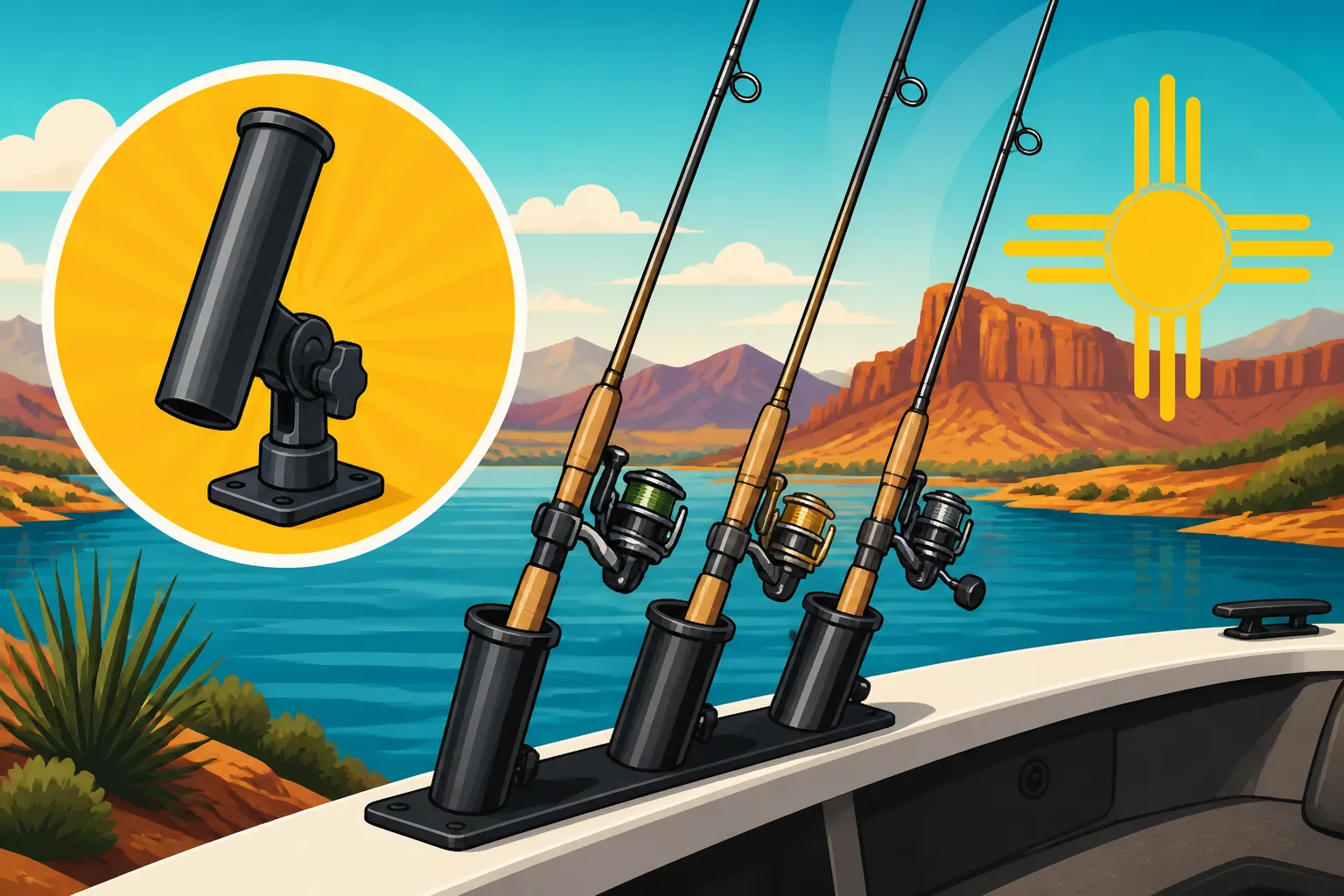
These are perhaps the sleekest and most integrated rod holders available, often seen on larger fishing boats, cruisers, and even many center consoles. Flush mount rod holders are installed by drilling a hole into the boat's gunwale (the upper edge of the side of a boat) and then securing the holder within that opening. Once installed, the top of the holder is flush with the boat's surface, offering a clean, snag-free profile when not in use. They typically feature an open tube design, often angled at 15, 30, or 90 degrees, to hold the rod in a specific position.
The primary advantage of flush mounts is their permanent, sturdy installation, which makes them incredibly robust for heavy-duty applications like offshore trolling or handling powerful fish. They don't clutter the deck and provide a very clean aesthetic. However, their permanence also means they require drilling into your boat, which can be a commitment. They are generally fixed in their angle, limiting adjustability once installed, though some newer designs offer slight rotational capabilities. These are a fantastic option for dedicated fishing platforms where you know exactly where you want your rods positioned for specific techniques, such as trolling for striped bass at Elephant Butte Lake.
Clamp-On and Rail Mount Rod Holders
If you're not keen on drilling holes into your boat, or if you need more flexibility in rod holder placement, clamp-on and rail mount options are excellent alternatives. These holders attach directly to the boat's rails, gunwales, or other existing structures using a clamping mechanism. They come in a vast array of designs, from simple tube holders to more complex, fully adjustable models.
Clamp-on holders are perfect for smaller boats, rental boats, or for anglers who want the flexibility to move their rod holders around the boat as needed. They are quick to install and remove, leaving no permanent marks. Rail mount holders are designed specifically for boats with existing rails, common on pontoons or deck boats, and offer a secure attachment point without drilling. The downside is that not all boats have suitable rails or gunwales for every clamp design, and some cheaper models might not offer the same heavy-duty stability as a flush mount. However, for most freshwater fishing applications on New Mexico lakes – whether it's setting lines for catfish on a lazy afternoon or trolling a couple of lines for trout – these provide plenty of security and versatility. Many anglers find great utility in these, often stocking up on various sizes from retailers like Bass Pro Shops for different applications.
Track System Rod Holders
Track systems represent the pinnacle of versatility and adjustability in rod holder technology. They consist of a length of aluminum or heavy-duty plastic track that is permanently mounted to the boat (often requiring drilling). Once the track is installed, a wide variety of accessories, including rod holders, cup holders, tool holders, and even fish finder mounts, can be slid into the track and locked into place. This allows for infinite adjustability along the length of the track and the ability to quickly reconfigure your setup.
These systems are favored by serious anglers who employ multiple techniques and want to customize their boat's layout on the fly. You can easily slide a rod holder forward or backward, change its angle, or even swap it out for a different accessory in seconds. This adaptability is invaluable when you're switching between trolling, jigging, or still fishing throughout the day. While the initial installation of the track does involve drilling, the subsequent flexibility is unmatched. Brands like Ram Mounts and Scotty offer popular track systems, and you can find extensive reviews and purchase options on platforms like Amazon. For anglers who fish a variety of species and techniques across New Mexico, from bass to walleye to trout, a track system might be the ultimate solution for optimizing their Best Fishing Gear for New Mexico Anglers.
Here's a quick comparison of common rod holder types:
| Rod Holder Type | Installation Method | Permanence | Adjustability | Typical Use Case |
|---|---|---|---|---|
| Flush Mount | Drill into gunwale | Permanent | Fixed Angle, limited rotation | Offshore, heavy trolling, sleek aesthetic |
| Clamp-On | Clamps to gunwale/transom | Removable | Often adjustable | Smaller boats, temporary use, versatile placement |
| Rail Mount | Clamps to existing boat rails | Removable | Often adjustable | Pontoons, boats with rails, no-drill option |
| Track System | Track drilled to boat surface | Permanent Track | Highly Adjustable | Multi-technique anglers, customized layouts, multiple accessories |
Key Features to Look For in New Mexico Rod Holders
When you're outfitting your boat for fishing on New Mexico's diverse waters, simply grabbing the cheapest rod holder won't cut it. You need something that can stand up to the elements, secure your prized gear, and perform reliably whether you're battling a big striper or gently soaking bait for trout. Several key features dictate a rod holder's effectiveness and longevity, and paying attention to these details will save you headaches down the line.
Material and Durability
The material a rod holder is made from directly impacts its strength, corrosion resistance, and overall lifespan. New Mexico's climate, with its intense sun and occasional monsoon downpours, means your gear needs to be tough. You'll primarily find rod holders made from marine-grade stainless steel, anodized aluminum, or heavy-duty reinforced nylon or composite plastics.
- Stainless Steel: Offers superior strength and excellent corrosion resistance, making it ideal for saltwater environments (though we don't have those in NM, it means it'll laugh at our freshwater). It's incredibly durable but can be heavier and more expensive. Perfect for flush mount applications where maximum strength is desired.
- Anodized Aluminum: Provides a great balance of strength, lightweight construction, and good corrosion resistance. It's often used for adjustable and track-mounted systems where weight is a factor and precision is needed.
- Reinforced Nylon/Composite Plastics: These are very popular due to their affordability, lightweight nature, and resistance to rust. Modern plastics are surprisingly strong and UV-resistant, making them suitable for many freshwater applications. However, they can degrade over time with prolonged sun exposure and may not handle the extreme stress of very large, powerful fish as well as metal alternatives. For most bass, walleye, or trout fishing, high-quality composite holders are more than adequate. Always check for UV stabilization if choosing plastic, especially for the high desert sun.
Ultimately, prioritize materials that can withstand the elements and the strain of fighting fish, ensuring your rods remain secure.
Adjustability and Versatility
The ability to adjust your rod holder is paramount for adapting to different fishing techniques, changing conditions, and targeting various species. A fixed-angle holder might work for one specific purpose, but a versatile one will serve you much better across the different New Mexico Fishing by Season and diverse fishing spots.
Look for rod holders that offer:
- Angle Adjustment: Can you change the upward or downward tilt of the rod? This is crucial for trolling (often a lower angle to get the lure closer to the water) versus still fishing (a higher angle for visibility and easy grabbing).
- Rotational Adjustment: Can the holder swivel left or right? This allows you to orient your rod exactly where you need it, whether you're following a drift or positioning multiple lines away from the boat.
- Height Adjustment: Some holders offer a telescoping or extendable arm, letting you raise or lower the rod. This is especially useful on pontoon boats or when you need to clear obstructions on the deck.
More adjustability generally means more flexibility in your fishing approach. For instance, when you're trolling for walleye at Conchas Lake, you might want your rods spread out and angled low to keep your lures running smoothly. Later, if you switch to jigging for crappie, you might want a higher, more vertical position to quickly grab the rod when you get a bite. Rod holders with multiple pivot points or a ball-and-socket design offer the most versatility.
Ease of Installation and Removal
While some anglers are happy to make permanent modifications to their boats, many prefer options that are easier to install, remove, or relocate.
- Permanent Installation: Flush mounts and track systems require drilling, which means careful planning and commitment. If you're confident in your layout and plan to keep your boat for a long time, these are incredibly sturdy options.
- Clamp-On/Semi-Permanent: These are fantastic for anglers who want flexibility. They typically attach with bolts, screws, or cam levers that secure the holder to a rail, gunwale, or transom. Installation usually involves a simple wrench or hand-tightening, making them easy to move or take off when the boat is used for other activities. For folks who rent boats or want to test different placements, these are invaluable.
- Tool-Free Adjustments: Once installed, consider how easy it is to adjust the holder itself. Are there large knobs that are easy to grip with wet hands? Do you need tools to change the angle or rotation? The easier it is to adjust on the fly, the more likely you are to actually use its full capabilities.
When purchasing, consider if the necessary mounting hardware is included. Many quality rod holders from brands like Scotty or Cabela's (often found at Bass Pro Shops) come with everything you need.
Installation and Placement: Maximizing Efficiency on Your Boat
You've picked out the perfect rod holders – now where do they go? Proper installation and strategic placement are just as critical as choosing the right type. A poorly installed holder is a hazard, and one placed incorrectly can hinder your fishing or even be unsafe. On New Mexico's waters, where you might encounter anything from calm mornings to sudden afternoon winds, secure placement is non-negotiable.
Secure Mounting Techniques
The method for mounting your rod holders will vary based on their type, but the universal rule is security. A rod holder that wiggles, comes loose, or breaks under strain is not only useless but potentially dangerous for your gear and for anyone on board.
- For Flush Mounts: This is the most permanent option. You'll need a hole saw of the correct diameter for your chosen holder. Carefully measure and mark the spot, ensuring no critical wiring or structural components are directly beneath. Drill the pilot hole, then use the hole saw. After inserting the holder, it's typically secured from below with screws or bolts through a flange, often with a marine sealant applied around the edges to prevent water intrusion. Always use marine-grade stainless steel fasteners to prevent rust and corrosion. A firm, waterproof seal is crucial for the longevity of your boat's structure.
- For Clamp-On/Rail Mounts: These are generally simpler. For clamp-on models, identify a sturdy part of your gunwale or transom that provides enough surface area for the clamp to grip firmly. Tighten the clamp securely, ensuring it won't slip or vibrate loose. For rail mounts, make sure the clamp mechanism matches your rail diameter. Many come with rubber inserts to protect the rail and provide a tighter grip. Periodically check these clamps for tightness, especially after rough water or extended use. Even a slight loosening can compromise the holder's stability when a fish strikes.
- For Track Systems: The track itself needs to be mounted securely. This involves drilling pilot holes and using appropriate stainless steel screws or bolts to attach the track to a flat, strong surface on your boat. Again, marine sealant is advisable to protect drill points from water damage. Once the track is in place, the rod holders (and other accessories) simply slide in and lock down, offering fantastic flexibility. For detailed instructions on your particular boat and the complexities of New Mexico Boat Titling and Registration, always consult your boat's manual or a marine professional.
Regardless of the type, always test the holder's stability by tugging on it firmly before trusting it with a rod. Better a loose holder now than a lost rod later!
Optimal Placement for Different Fishing Methods
Where you place your rod holders depends heavily on what kind of fishing you're doing and the layout of your boat. Thoughtful placement maximizes their utility and keeps your deck clear and safe.
- Trolling: For trolling, which is popular for species like walleye at Conchas Lake, kokanee salmon at Navajo Lake, or even trout in some areas, you'll want rod holders positioned to spread your lines out and away from the prop wash.
- Stern (Rear): Often the primary spot for two or more holders, angled outwards to create a wide spread.
- Mid-ship/Sides: If your boat has gunwales or rails towards the middle, adding holders here can allow for even more lines or a different angle, helping to prevent tangles and cover more water. Remember to consider how many New Mexico Second Rod Validation you might have.
- Adjustable Angles: Critical here. You want to be able to angle the rod tips low to the water to minimize line drag and keep your lures running true.
- Still Fishing/Anchoring: When anchored or drift fishing for catfish at Elephant Butte Lake, or soaking bait for trout in a calm cove, you'll want holders that keep your rods easily accessible and visible.
- Side of the Boat: Positioned to allow clear views of rod tips for bite detection, but also out of the way of walking paths.
- Near Seating: If you're fishing from a specific seat, place the holder within easy reach.
- Vertical or Angled Upwards: Often preferred for still fishing to give better visual cues of a bite and keep the line out of the water.
- Casting/Jigging: While you'll typically be holding your rod for active casting or jigging, rod holders are still useful for temporary storage when you need to re-tie, unhook a fish, or take a break.
- Convenient but Out-of-the-Way: A single holder near your primary casting position, or a couple distributed around the boat, can be handy. They should hold the rod securely but allow for quick retrieval.
- Consider the Swing: Ensure a rod in a holder won't interfere with your casting motion or a partner's.
Always consider your boat's layout, access points, and the natural flow of movement on board. You don't want a rod holder to create a tripping hazard or block access to safety equipment.
Maintenance and Longevity: Keeping Your Holders in Top Shape
You've invested in good rod holders to keep your gear safe and your fishing efficient. Now, it's about making sure those holders last through countless fishing trips on New Mexico's lakes and rivers. A little bit of regular care goes a long way in ensuring they remain functional, corrosion-free, and ready for action.
Regular Cleaning and Inspection
Just like any other piece of marine equipment, rod holders are constantly exposed to the elements: sun, water, dirt, fish slime, and sometimes even bait residue. Neglecting them can lead to buildup, corrosion, and degraded performance.
- Rinse After Every Trip: This is the simplest and most effective maintenance step. After each outing, especially if you've been in dusty or muddy conditions (common around some New Mexico lake access points), give your rod holders a thorough rinse with fresh water. This washes away salt, dirt, fish blood, and any residual bait or sunscreen. Pay special attention to any moving parts, clamps, or pivot points where grime can accumulate.
- Deep Clean Periodically: Every few trips, or if you notice significant buildup, give them a deeper clean. A mild soap and water solution, applied with a brush or sponge, can help remove stubborn grime. For metal components, especially stainless steel, you might want to use a specialized marine cleaner designed to remove water spots or light oxidation. Avoid harsh abrasive cleaners that can scratch finishes.
- Inspect for Wear and Tear: While cleaning, take a moment to visually inspect all components.
- Check Fasteners: Are all screws, bolts, and clamps tight? Vibration from boat travel and engine use can loosen things over time.
- Look for Cracks: Especially on plastic or composite holders, check for stress cracks, particularly around mounting points or pivot areas. The intense New Mexico sun can degrade plastics over many years.
- Test Moving Parts: Ensure all adjustable mechanisms move freely. If they're stiff, they might need lubrication.
- Corrosion: On metal holders, look for any signs of rust or pitting, which can indicate a breakdown of the protective finish or the use of non-marine grade materials. Address small spots early before they spread.
Regular inspection helps you catch small issues before they become major problems, potentially preventing a lost rod or a broken holder when you least expect it.
Lubrication and Rust Prevention
For rod holders with moving parts – swivels, hinges, clamping mechanisms – proper lubrication is key to smooth operation and preventing seizing up. For metal components, rust prevention is paramount.
- Lubricate Moving Parts: After cleaning, apply a marine-grade lubricant or silicone spray to any pivots, adjustment knobs, and clamping threads. This keeps them moving freely, reduces wear, and helps prevent corrosion within the mechanisms. Don't overdo it; a light, even coating is usually sufficient. This is especially important for more complex adjustable holders that have multiple axes of movement.
- Rust Prevention for Metal: Even marine-grade stainless steel can develop "tea staining" or surface rust if not cared for.
- Protective Waxes/Polishes: For exposed metal surfaces, consider applying a marine wax or polish that creates a barrier against moisture and environmental contaminants.
- Address Rust Early: If you spot any rust, address it immediately. Small spots can often be removed with a fine abrasive pad (like Scotch-Brite, always rubbing with the grain) and then polished. Larger rust issues might require more aggressive treatment or even replacement of components.
- Protect from UV Damage: For plastic or composite holders, UV protectants can help extend their life. Products like aerospace protectants or similar UV-blocking sprays can be applied periodically to prevent the plastic from becoming brittle and faded due to the intense New Mexico sun. Store your boat under cover or use a boat cover when not in use to minimize sun exposure.
By dedicating a small amount of time to these maintenance practices, your rod holders will serve you faithfully for many seasons, securing your Best Tackle for New Mexico Bass Fishing and other valuable gear, allowing you to focus on the thrill of the catch.
Specific Scenarios: Rod Holders for Different New Mexico Species & Lakes
New Mexico offers an incredible diversity of fishing experiences, from the cold, clear trout streams to massive warm-water reservoirs. Your choice and placement of rod holders should ideally reflect the specific type of fishing you plan to do, and the species you're targeting. One size doesn't always fit all, and optimizing your setup can make a real difference.
Trolling for Walleye and Kokanee Salmon
Trolling is a highly effective technique for covering large expanses of water and finding schooling fish, particularly walleye and kokanee salmon, which are popular targets in New Mexico. Lakes like Conchas Lake are renowned for walleye, while Navajo Lake and Heron Lake are prime kokanee salmon destinations. When trolling, you typically want to run multiple lines simultaneously, each at a different depth or with a different lure, to maximize your chances.
For this kind of fishing, highly adjustable rod holders are key. You'll want holders that can:
- Angle Outwards: To spread lines horizontally and prevent tangles, especially when turning the boat. A wider spread allows each lure to work independently.
- Angle Downwards: To get the rod tip closer to the water's surface, reducing line belly and helping your downriggers or weighted lines achieve their target depth more efficiently. This also improves the bait's action.
- Offer Quick Retrieval: When a walleye or kokanee strikes, it's often a subtle bite, but they can be quick to spit the hook. Being able to grab the rod swiftly and smoothly from the holder is crucial. Holders with quick-release mechanisms or easy-lift designs are beneficial.
Track systems are fantastic for trolling setups because they allow you to fine-tune the spacing and angle of multiple rod holders. Many anglers using downriggers for kokanee at Navajo Lake will integrate their rod holders directly into their downrigger mounts or use sturdy, adjustable holders positioned to fan out their lines around the boat's stern and sides. You might even consider specialized holders designed for specific rod butt sizes to ensure a snug fit. How to Troll for Kokanee at Navajo Lake or Best Trolling Motors for New Mexico Lakes can provide more context for this type of fishing.
Still Fishing for Catfish and Panfish
If your idea of a perfect day is anchoring up, casting out a few lines, and relaxing while waiting for a bite, then still fishing is your game. This is a common and highly enjoyable method for targeting catfish, often found in warmer lakes like Elephant Butte Lake or Caballo Lake, and panfish like bluegill or crappie, which are widespread. For this style, security and easy visibility are top priorities for your rod holders.
- Sturdy and Secure: Catfish can hit hard, and you need a holder that can withstand a powerful jerk without letting your rod fly overboard. Simpler, robust clamp-on or flush mount holders are often preferred for their stability.
- Angled for Visibility: Most anglers prefer to have their rod tips angled upwards when still fishing. This provides a clear visual indicator of a bite – you can see the tip dip, twitch, or bend over, even from a distance. A slightly upward angle also keeps more line out of the water, reducing interference from current or snags near the bottom.
- Easy Access: While security is important, you also need to be able to grab the rod quickly once a fish starts biting. The holder should allow for a smooth, swift lift without snagging the line or requiring excessive force.
- Strategic Placement: Consider placing holders near your seating area for comfort, but also spread them out enough to prevent tangles if you're running multiple lines. For a lazy day targeting channel catfish in a quiet cove, a couple of robust clamp-on holders strategically placed along the gunwale of your jon boat or pontoon can be perfect. If you're using live bait, you might also want to position your rod holders where they allow for quick re-baiting.
Bass Fishing: Largemouth and Smallmouth
Bass fishing, whether it's for largemouth at Santa Rosa Lake or smallmouth at Abiquiu Lake, often involves a more active approach: casting, retrieving, and moving from spot to spot. While you'll typically be holding your rod during active fishing, rod holders are still incredibly useful for temporary storage and managing multiple rods.
- Temporary Storage: Bass anglers often carry several rigged rods, each with a different lure or setup ready to go. Rod holders provide a safe, organized place to stash these extra rods without them getting tangled, stepped on, or bouncing around the deck. Flush mount holders are excellent for this on bass boats, offering a low profile.
- Transport and Navigation: When running across the lake at speed, or navigating through tight channels, having your rods securely stowed in holders prevents them from getting damaged or flying out of the boat.
- Bank Fishing from a Boat: If you're approaching a shoreline or structure and plan to cast repeatedly, having a holder ready for when you need to re-tie, unhook a fish, or take a quick break means your rod is safe and out of the way, but immediately accessible.
For bass fishing, versatility in storage rather than constant active use might be the primary consideration. You might have several flush mounts built into your deck or gunwales, offering quick drop-in spots for your rods as you move between fishing spots. Alternatively, a few well-placed clamp-on or track-mounted holders can serve the same purpose on a smaller vessel. The key is quick access and protection during those moments when your hands are occupied with something other than actively reeling in a lunker.
Disclaimer
This article is for general informational purposes only and does not constitute professional advice. Laws, prices and regulations vary by location and change over time. Consult a qualified professional for guidance on your specific situation.