How Many Flies a Beginner Should Carry
It’s a feeling almost every new fly angler experiences: standing in front of an overwhelming wall of flies at a tackle shop, or endlessly scrolling through countless patterns online, and having absolutely no idea where to start. You’re probably thinking, "How many flies do I really need? And which ones?" This guide is here to cut through that confusion, giving you a practical, no-nonsense approach to stocking your first fly box specifically for fishing in New Mexico. We’ll focus on the essential patterns that will cover most situations you’ll encounter as a beginner, without breaking the bank or leaving you paralyzed by too many choices.
The Beginner's Dilemma: Overwhelm at the Fly Shop
Stepping into a well-stocked fly shop, or even browsing the expansive fly selection on sites like Amazon or through a specialty retailer like Bass Pro Shops, can feel like walking into a labyrinth. There are thousands of patterns, each with a catchy name, a specific size, and a story about how it's the "secret weapon" for a particular fish or condition. For someone just starting out, it’s easy to feel like you need one of everything, leading to an unnecessarily heavy wallet and a tackle box overflowing with flies you don't even know how to use.
Understanding the Fear of Missing Out (FOMO)
That overwhelming feeling often stems from a fear of missing out. You worry that if you don't have that exact pattern in that exact size and that exact color, you'll miss the big one. The truth is, while fly patterns can be incredibly specialized, most fish aren't quite as picky as we anglers imagine, especially when you're just getting started. A well-presented, general-purpose fly is often far more effective than the perfect, but poorly cast, imitation. Think about it: you're learning to cast, read water, and detect strikes – adding the pressure of having the "perfect" fly is just another barrier.
The Importance of a Focused Starter Kit
Instead of trying to collect every fly under the sun, a beginner in New Mexico is much better served by building a focused, versatile starter kit. This isn't about having a hundred different flies; it's about having a handful of proven patterns in various sizes and colors that can imitate the most common insects and baitfish found in New Mexico's waters. This approach helps you learn the basics without getting bogged down in endless choices. It also allows you to develop confidence in a few patterns, understanding how they behave in the water and how different fish react to them. We’re aiming for effectiveness and simplicity, not a museum-worthy collection.
Key Factors Influencing Your New Mexico Fly Selection
Before we dive into specific patterns, it's important to understand why certain flies are more suitable than others for a beginner in New Mexico. It’s not just about what looks pretty; it's about what works reliably in the diverse waters across the state.
Target Species and Water Type
New Mexico boasts a fantastic array of fishing opportunities, from cold, clear mountain streams teeming with trout to large, warm-water reservoirs holding bass, walleye, and catfish. While this guide primarily focuses on trout, as they are often the target of fly anglers, understanding your specific quarry is paramount.
If you’re heading to a high-mountain lake for cutthroat trout, your fly selection will be different than if you're nymphing for rainbow trout on the San Juan River Quality Waters Section. Similarly, while fly fishing for warm-water species is gaining popularity, the beginner’s fly box is typically geared towards trout. For trout, you'll generally be thinking about aquatic insects like mayflies, caddisflies, stoneflies, and midges, along with some smaller baitfish or leeches. Knowing whether you're fishing a fast-flowing river, a calm pond, or a large reservoir will also guide your choices in terms of fly size, weight, and presentation.
Local Conditions and Seasonal Changes
The Land of Enchantment lives up to its name with incredibly varied conditions. What works perfectly in the spring runoff in the Pecos Wilderness might be useless during the low, clear flows of late summer on the Jemez. Water temperature, clarity, and seasonal insect hatches all play a huge role.
For instance, during the spring and early summer, you might encounter strong caddisfly hatches, making caddis emergers and dry flies crucial. Later in the summer, terrestrials like grasshoppers and ants become more important, especially on smaller streams. Winter fishing, particularly on tailwaters like the San Juan River, often revolves around tiny midge and annelid patterns. As a beginner, you don't need to be an entomologist, but having a basic understanding of general seasonal patterns and being open to asking locals at bait shops or guides for current conditions can be incredibly helpful. Always check the New Mexico Fishing Season Calendar before you head out, as seasonal changes impact not only what fish are biting, but also regulations.
Simplicity Over Sheer Quantity
One of the biggest mistakes beginners make is buying too many different patterns. Instead, focus on a few proven, versatile patterns in a range of sizes and colors. A size 16 Elk Hair Caddis in tan can imitate a multitude of caddis species. A bead-head Pheasant Tail Nymph in size 18 can mimic countless mayfly nymphs. The ability to properly present these flies, mend your line, and detect subtle takes will yield far more success than having a box full of obscure patterns you don't know how to fish. Prioritize quality over quantity, and choose patterns that have a reputation for consistent production across various New Mexico waters. If you're wondering which specific trout species you might encounter, a quick look at Trout Species in New Mexico can help you tailor your initial selection.
Building Your Essential New Mexico Beginner Fly Box
Alright, let's get down to brass tacks: what flies do you actually need? For a beginner, I recommend a core set of flies that are universally effective in New Mexico's trout waters. We'll break them into nymphs, dry flies, and streamers, and then give you a suggested quantity.
Must-Have Nymphs for Subsurface Success
Nymphs are often the bread and butter of fly fishing, especially for trout. Fish spend most of their lives feeding subsurface, where insect larvae and pupae reside. If you only had one type of fly to choose, nymphs would be it for consistent success.
- Pheasant Tail Nymph (PTN): This is perhaps the most famous and effective nymph ever created. It imitates a huge variety of mayfly nymphs.
- Sizes: #16, #18, #20
- Colors: Natural (brown/olive)
- Why it works: It’s subtle, sinks well, and just looks "buggy" to fish. It's an absolute must-have for almost any trout water, including tailwaters and freestone streams.
- Hare's Ear Nymph: Another classic, the Hare's Ear has a shaggy, buggy profile that mimics a wide range of aquatic insects, from caddis larvae to mayfly nymphs.
- Sizes: #14, #16, #18
- Colors: Natural (brown/tan)
- Why it works: Its scruffy texture and natural materials give it a lifelike appearance in the water. It's a fantastic searching pattern when you're not sure what else to use.
- Copper John: This fly is a fantastic attractor pattern and sinks like a rock. It can imitate stonefly nymphs, caddis larvae, or simply be perceived as a juicy meal.
- Sizes: #14, #16
- Colors: Copper, Red, Chartreuse
- Why it works: The weight gets it down fast, and the flash from the copper wire is irresistible to trout, especially in slightly off-color water.
- San Juan Worm: A simple but deadly pattern, especially after rain or during high flows when aquatic worms are dislodged. It also works as a general attractor.
- Sizes: #12, #14
- Colors: Red, Pink, Worm Brown
- Why it works: Trout readily eat worms, and this fly is a direct imitation. It's especially effective in rivers like the Rio Grande or Pecos when water levels fluctuate. You can learn more about specific regulations in the New Mexico Fishing Regulations Overview.
- Egg Patterns: Often overlooked by beginners, egg patterns can be incredibly effective, especially during spawning seasons or in waters where trout feed on the eggs of other fish.
- Sizes: #16, #18
- Colors: Orange, Chartreuse, Pink (often with a small bead for weight)
- Why it works: They represent a high-protein meal and are often picked up opportunistically by trout.
Dry Flies for Surface Action
There’s nothing quite like seeing a trout rise to a dry fly on the surface. While not always the most productive, dry fly fishing is incredibly exciting. These flies imitate adult insects that have hatched and are floating on the water's surface.
- Elk Hair Caddis: This is a top-tier searching dry fly. It’s buoyant, easy to see, and can imitate a wide range of adult caddisflies.
- Sizes: #14, #16, #18
- Colors: Tan, Olive, Grey
- Why it works: It floats well, even in choppy water, and its realistic profile is appealing to trout. A must-have for Dry Fly Fishing in New Mexico.
- Parachute Adams: Another all-purpose dry fly, the Parachute Adams can imitate many different species of mayflies. Its parachute post makes it ride low in the water, looking very natural.
- Sizes: #16, #18, #20
- Colors: Grey/Brown body, white post
- Why it works: Its versatility is its strength. If mayflies are hatching and you're not sure what kind, this is a great default.
- Stimulator: A larger, bushier dry fly that can imitate large stoneflies, caddisflies, or even a grasshopper. Great for prospecting in faster water.
- Sizes: #10, #12, #14
- Colors: Orange, Yellow, Green (often mixed)
- Why it works: Its bulk and buoyancy make it easy to see and float in turbulent water. It's a great choice for enticing larger trout to the surface.
- Griffith's Gnat: A simple, effective pattern that imitates tiny clusters of midges, which are often present on the water, especially in colder months.
- Sizes: #20, #22
- Colors: Black
- Why it works: Midge hatches can be prolific and frustrating, but this small fly often seals the deal when trout are sipping tiny insects.
Streamers for Bigger Bites
Streamers are designed to imitate baitfish, leeches, or larger aquatic invertebrates. They can be incredibly effective for targeting larger, more aggressive trout. They don't always get a bite, but when they do, it's often a memorable one!
- Woolly Bugger: The ultimate versatile streamer. It can be fished in countless ways to imitate everything from sculpins and leeches to crayfish.
- Sizes: #8, #10, #12
- Colors: Black, Olive, Brown, White
- Why it works: Its pulsating marabou tail and hackled body give it lifelike movement. It's an excellent searching pattern for larger fish in both rivers and lakes.
- Conehead Sculpin: A weighted streamer that mimics sculpins, which are a major food source for larger trout.
- Sizes: #6, #8
- Colors: Olive, Natural Sculpin
- Why it works: The conehead helps it get down quickly and gives it a jigging action, imitating a bottom-dwelling baitfish.
The "How Many" Breakdown for Each Category
So, how many of each should you carry? As a beginner, you want enough to last a day's fishing without fear of losing your only "good" fly, but not so many that your box is a jumbled mess.
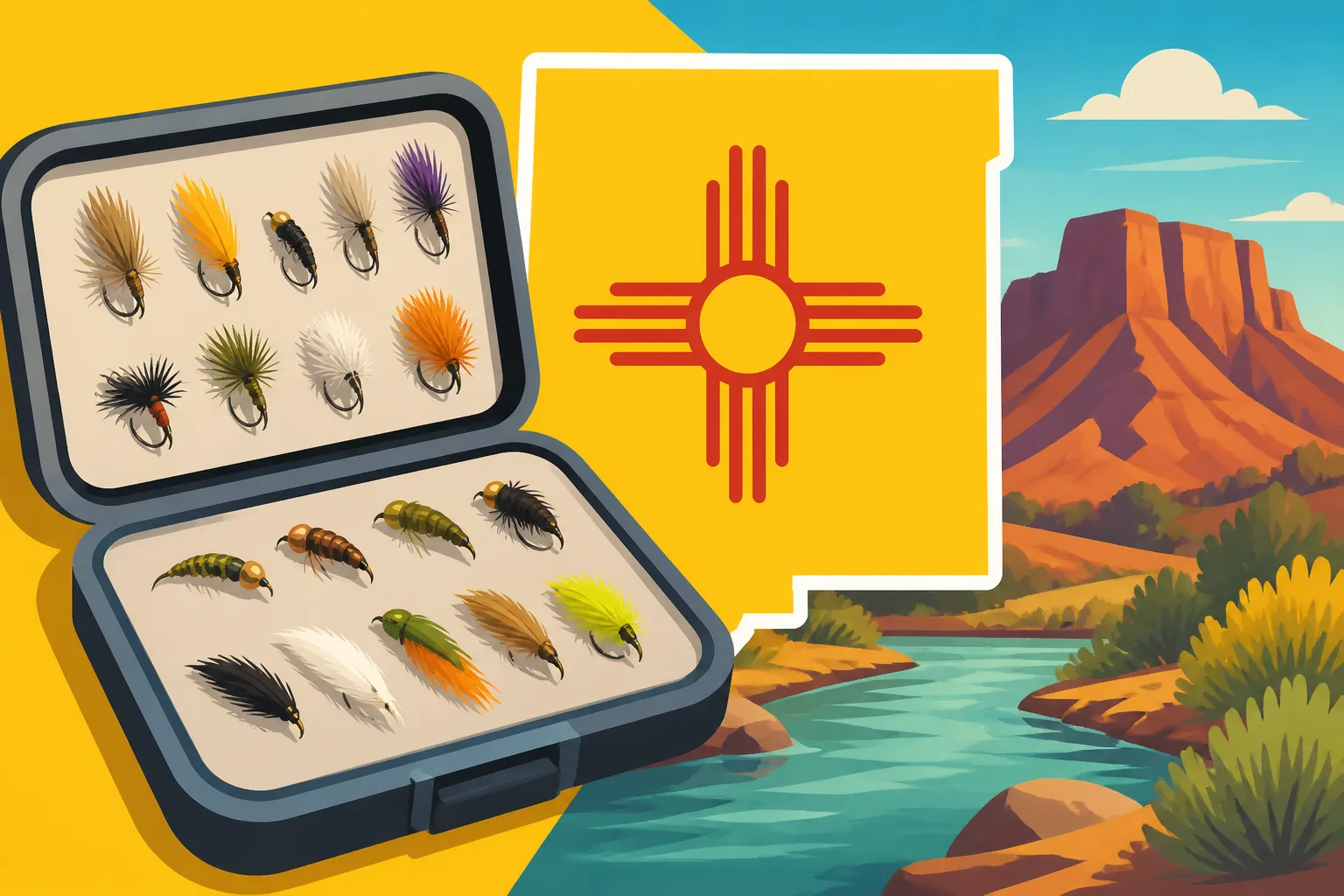
Here’s a practical suggestion for your first fly box, designed for general trout fishing in New Mexico:
| Fly Type | Pattern | Suggested Sizes | Suggested Colors | Quantity Per Size/Color | Total Quantity |
|---|---|---|---|---|---|
| Nymphs | Pheasant Tail Nymph | #16, #18, #20 | Natural | 3 | 9 |
| Hare's Ear Nymph | #14, #16, #18 | Natural | 3 | 9 | |
| Copper John | #14, #16 | Copper, Red | 2 | 8 | |
| San Juan Worm | #12, #14 | Red, Pink | 2 | 4 | |
| Egg Patterns | #16, #18 | Orange, Chartreuse | 2 | 4 | |
| Dry Flies | Elk Hair Caddis | #14, #16, #18 | Tan, Olive | 2 | 6 |
| Parachute Adams | #16, #18, #20 | Grey | 2 | 6 | |
| Stimulator | #10, #12, #14 | Orange, Yellow | 2 | 6 | |
| Griffith's Gnat | #20, #22 | Black | 3 | 6 | |
| Streamers | Woolly Bugger | #8, #10, #12 | Black, Olive, Brown | 1 | 3 |
| Conehead Sculpin | #6, #8 | Olive | 1 | 2 | |
| TOTAL FLIES | ~63 |
This gives you a total of around 60-65 flies. This quantity might seem significant, but it ensures you have backups for when you inevitably lose flies to snags or hungry fish. It provides a good range of sizes and colors for the most effective patterns across different categories. You can pick these up at your local fly shop, or find great deals on assortments from retailers like Bass Pro Shops or on Amazon. Remember, these are starting points – you'll adjust based on your experiences. Don't forget to review New Mexico Trout Fishing Rules before you go, as some waters have specific fly restrictions.
Expanding Your Arsenal: Growing Beyond the Basics
Once you've mastered the basics with your initial kit, you'll naturally want to broaden your horizons. This is where the true fun and challenge of fly fishing come into play – matching the hatch and discovering new effective patterns.
Observing Local Hatch Charts and Online Resources
As you gain experience, you'll start paying more attention to what insects are present in the water you're fishing. Local fly shops in areas like Farmington (for the San Juan River) or Taos often have "hatch charts" that detail the prevalent insects and their seasonal appearance. Websites and forums dedicated to New Mexico fishing can also provide invaluable, up-to-date information on current conditions and effective patterns. Pay attention to what's flying around, what you see under rocks, and what's floating in the water. This biological detective work is a huge part of becoming a more skilled angler. Understanding which flies work best for specific areas like Fly Selection for New Mexico's San Juan River will become easier with practice.
When and How to Add New Patterns
Don't rush to buy new flies just because you saw someone else catch a fish on something different. Only add new patterns when you genuinely feel a need for them, or when you notice a specific hatch that your current flies aren't imitating well. For instance, if you consistently see large stoneflies on the water but your Stimulator isn't getting bites, you might consider adding some specific stonefly dry patterns.
When adding new flies, buy just a few in one or two sizes to test them out. Don't commit to a whole dozen until you know they work for you. Always consider versatility; a pattern that can imitate several different insects is often a better investment than a highly specific pattern that only works a few days a year.
Storage and Organization for Your Growing Collection
As your fly collection grows, good storage becomes crucial. A quality fly box with individual compartments or foam inserts is essential. This not only protects your flies but keeps them organized, allowing you to quickly find the right pattern when you need it. Consider having separate boxes for nymphs, dry flies, and streamers, or even a specific box for a particular river you frequent. This organization prevents tangles and damage, ensuring your flies are ready for action whenever you hit the water. If you're looking for Best Fly Boxes for New Mexico Trout Flies, you'll find a wide variety available at Bass Pro Shops or online platforms like Amazon. Keeping your gear tidy will contribute to a more enjoyable and efficient fishing experience in New Mexico.
Disclaimer
This article is for general informational purposes only and does not constitute professional advice. Laws, prices and regulations vary by location and change over time. Consult a qualified professional for guidance on your specific situation.