Best Rod for Bank Fishing New Mexico Lakes
Many anglers in New Mexico find themselves facing the unique challenge of effective bank fishing, whether it's battling winds on a vast reservoir or navigating rocky shorelines for elusive trout. Choosing the right fishing rod for these diverse conditions can make all the difference between a frustrating outing and a successful day filled with tight lines and memorable catches. This guide is dedicated to helping you pinpoint the best rod for bank fishing New Mexico lakes, ensuring you're well-equipped for whatever the Land of Enchantment's waters throw your way.
Understanding New Mexico Bank Fishing Challenges
Bank fishing in New Mexico is often a test of adaptability. Unlike boat fishing, where you can chase schools of fish across vast expanses, bank anglers are limited to what they can reach from shore. This limitation, however, also presents an opportunity to hone specific skills and gear choices. Our lakes and reservoirs vary wildly, from the deep, clear waters of Navajo Lake to the wide, often windy shores of Elephant Butte, each demanding a slightly different approach.
Diverse Lake Environments
New Mexico's lakes are incredibly diverse, from the high-altitude, cold-water havens to the expansive, warm-water reservoirs in the southern part of the state. A rod that excels at pitching small lures in a calm, clear mountain lake might be entirely outmatched when trying to cast heavy baits into the wind on a larger body of water like Ute Lake. Consider the typical environment you'll be fishing in. Are you scrambling over boulders on a riverbank, or settling into a comfortable chair on a sandy beach? These practical considerations impact not only your rod choice but your overall comfort and success. The nature of the shoreline – be it rocky, muddy, or brushy – will also influence how much space you have for backcasting and how easily you can maneuver a longer rod.
For instance, fishing a place like Elephant Butte Lake Fishing Guide often means contending with vast open spaces and strong winds, necessitating longer rods for casting distance. Conversely, a smaller, more intimate lake might allow for a shorter, more sensitive rod that's easier to transport through dense vegetation to a secluded spot. The depth and clarity of the water also play a role; sometimes, you need to cast further out to reach deeper channels where fish are holding, especially if the shallow banks are clear and offer little cover. Understanding the specific characteristics of your chosen fishing spot before you even arrive can help you select the most appropriate rod.
Varying Target Species and Techniques
New Mexico is home to an incredible variety of game fish that can be targeted from the bank, from feisty rainbow trout and wily brown trout to hard-hitting bass, walleye, and powerful catfish or striped bass. Each species often requires different techniques, which in turn influences the ideal rod characteristics. Are you delicate-finesse fishing for trout with light lines and small baits, or are you chucking heavy cut bait for a monster catfish? The answer will steer you towards a particular rod power and action.
A rod designed for precise, light-tackle presentations for trout might not have the backbone needed to haul a twenty-pound carp out of heavy cover, for example. Similarly, a heavy surf-casting rod, while great for distance, would be overkill and cumbersome for casting small jigs for crappie. Understanding your primary target species and the associated techniques is paramount. It’s not uncommon for dedicated bank anglers to have a small arsenal of rods, each tailored to a specific fishing scenario or species they regularly pursue. Thinking about what fish you most often try to catch and how you prefer to catch them is the first step in narrowing down your options. This approach ensures your gear is optimized for the kind of action you’re seeking.
Logistics of Shoreline Access
Bank fishing inherently comes with certain logistical challenges that boat anglers don't typically face. You might have to hike to your desired spot, navigate tricky terrain, or squeeze into a tight space between trees. This makes portability and durability key considerations for your rod. A fragile, multi-piece rod might be a joy to fish but a nightmare to transport through dense brush.
Consider how you'll get your gear to the water. Will you be carrying it a long distance? Will you be packing it in a vehicle with limited space? These questions often lead anglers to consider rods that break down into multiple pieces or even telescopic rods for ultimate compactness. While many seasoned anglers might shy away from telescopic rods due to past issues with durability or sensitivity, modern advancements have made them a viable option for situations where space is at an absolute premium. The best rod for you isn't just about how it performs when a fish bites; it's also about how well it fits into your lifestyle and fishing habits before you even make that first cast. This also factors into decisions about how much additional gear you can realistically carry, like a separate tackle box or a cooler for your catch.
Key Rod Characteristics for Bank Fishing
When you're standing on the bank, trying to launch your bait or lure out to where the fish are, every aspect of your rod's design becomes critical. From its ability to cast far and accurately, to its strength for fighting a stubborn fish, these characteristics define its suitability for the diverse scenarios you'll encounter in New Mexico.
Rod Length: Reach vs. Portability
Rod length is perhaps the most immediately noticeable characteristic and one that has a significant impact on your bank fishing experience. Longer rods generally allow for greater casting distance, which is often crucial when you're limited to the shoreline and need to reach deeper water or distant structures. A longer rod also helps keep your line out of shoreline snags like brush or rocks, which can be a lifesaver in many New Mexico locations. Think of casting over lily pads or shallow debris near the bank – a longer rod gives you that extra leverage and helps avoid hang-ups.
However, longer rods can be cumbersome to transport, especially if you're hiking to a remote spot or fishing from a crowded bank with limited backcasting room. They can also be harder to handle in tight quarters, such as fishing under low-hanging branches. For general bank fishing in New Mexico, a rod in the 7 to 9-foot range often strikes a good balance between casting distance and manageability. If you’re targeting smaller streams or very tight spots, a 6 to 6.5-foot rod might be more appropriate. Conversely, for serious long-distance casting on large open reservoirs, some anglers opt for surf-casting style rods that can exceed 10 or even 12 feet. It's a trade-off: more length for more distance, but less maneuverability and portability.
Rod Power: Fighting Fish from Shore
Rod power, often referred to as taper or weight, describes how much force it takes to bend the rod. It dictates the strength of the rod and the size of the line and lures it can effectively handle. Rods are typically categorized from Ultra-Light to Heavy, or even Extra Heavy. For bank fishing in New Mexico, you'll likely find yourself in the Light to Medium-Heavy range for most species. An Ultra-Light rod, while incredibly fun for panfish, might struggle to cast anything substantial against a strong headwind or effectively fight a larger bass, particularly if it's headed for cover.
A Medium-Heavy power rod offers the backbone to cast heavier baits and wrestle larger fish away from cover, which is often crucial when you can't maneuver a boat around obstacles. If you're primarily pursuing trout with small lures and light lines, a Light or Medium-Light rod provides excellent sensitivity and a sporting fight. For species like catfish or large striped bass, a Medium-Heavy or Heavy power rod is almost a necessity to apply the necessary pressure. The right power allows you to set the hook firmly, control the fish during the fight, and bring it to the bank without putting undue stress on your gear or risking a break-off, especially if you're pulling fish up onto a steep bank.
Rod Action: Sensitivity and Casting Distance
Rod action refers to where the rod bends when pressure is applied. It typically ranges from Fast to Slow (or parabolic). A Fast action rod bends mostly in the tip, offering high sensitivity and quick hook sets. This is excellent for detecting subtle bites from finicky fish like walleye or for setting the hook quickly on bass. The stiff backbone also aids in casting accuracy and can help drive heavier lures with precision, allowing you to hit small targets from a distance.
A Moderate or Medium action rod bends through the middle of the blank. This provides a smoother, more parabolic bend, which can be more forgiving during a fight, reducing the chance of pulling the hook out of a fish's mouth. It's also great for casting crankbaits or other lures where a softer presentation is desired, absorbing the sudden shock of a strike. Slow action rods bend throughout the entire blank, offering maximum forgiveness and casting capabilities for very light baits, but with less power and sensitivity. For most bank fishing in New Mexico, a Fast or Moderate-Fast action rod is a versatile choice, offering a good blend of sensitivity, casting performance, and fighting power. This balance allows you to feel those delicate nibbles while still having the power to launch your bait a good distance and control a strong fish when it takes the hook.
Types of Rods Best Suited for Bank Fishing New Mexico
Navigating the sheer variety of fishing rods available can feel overwhelming, but for bank fishing in New Mexico, a few primary types consistently stand out for their versatility and performance. Your choice will largely depend on your preferred fishing style, target species, and the specific lake environments you frequent.
Spinning Rods: The All-Around Workhorse
For many New Mexico bank anglers, a spinning rod is the go-to choice, and for good reason. They are incredibly versatile and user-friendly, making them ideal for beginners and seasoned pros alike. Spinning rods excel at casting lighter lures and baits with ease, which is perfect for targeting trout, panfish, and even smaller bass in many of our lakes and ponds. Their open-face spinning reel design minimizes tangles and allows for long, smooth casts, even with minimal weight, proving invaluable on windy New Mexico days.
A good 7-foot medium-light to medium power spinning rod with a fast action can handle a wide array of situations in New Mexico. You could be tossing PowerBait for stocked trout at a local pond one day, then switching to small crankbaits for crappie at a larger reservoir the next. Brands like Ugly Stik and St. Croix offer durable and sensitive spinning rod options that are readily available at stores like Bass Pro Shops or online via Amazon. The ease of use, coupled with the ability to fish various lures and baits, makes spinning rods an indispensable tool for bank anglers across the state, from the high country to the desert lakes. They are particularly effective when using lighter lines, making subtle presentations possible where fish might be spooky.
Casting Rods: Power and Precision for Larger Species
While spinning rods are fantastic for versatility, casting rods (often paired with baitcasting reels) offer distinct advantages when you need more power, precision, and control, especially with heavier lines and lures. These rods shine when targeting larger, hard-fighting fish like walleye, largemouth bass, or even the formidable striped bass found in waters like Elephant Butte. Baitcasting setups provide superior casting accuracy for pinpointing structures or cover, and their direct line-to-spool contact offers excellent feel and immediate control over a hooked fish, making them a favorite for many experienced anglers.
Casting rods typically come in medium-heavy to heavy power with fast actions, giving you the backbone to drive hooks through tough mouths and muscle fish out of thick vegetation or rocky areas – critical when you can't reposition a boat. If your primary goal is to target trophy bass with jigs and heavy soft plastics, or to hurl large swimbaits for lurking walleye, a casting rod is often the superior choice. While they have a steeper learning curve than spinning gear, mastering a baitcaster unlocks a new level of fishing prowess, offering unparalleled command over your presentation. Remember to practice your casting to avoid those frustrating backlashes, especially if you're new to this type of reel, but the investment in learning is well worth it.
Telescopic and Travel Rods: Convenience on the Go
For anglers who prioritize portability and convenience, especially those who enjoy hiking to remote high-mountain lakes or packing light for a spontaneous trip, telescopic and travel rods are a game-changer. Telescopic rods collapse down into a compact size, making them easy to stash in a backpack, suitcase, or even under a car seat. Travel rods, typically 3- or 4-piece designs, offer similar portability without compromising as much on performance as some telescopic options historically have.
Modern telescopic and travel rods have come a long way in terms of sensitivity and durability, though they might not quite match the performance of a dedicated one-piece or two-piece rod of comparable quality. They are perfect for those instances where carrying a full-sized rod is simply impractical. Imagine trekking into the Pecos Wilderness to fish a secluded alpine lake – a travel rod becomes your best friend. While they might not be your primary "workhorse" rod, having a quality telescopic or multi-piece travel rod in your arsenal ensures you're always ready for an impromptu fishing adventure anywhere in New Mexico. When selecting one, pay close attention to the quality of the ferrules (the joints where sections connect) on travel rods, as these are critical for maintaining the rod's strength and action. You'll find many reputable brands offering these compact solutions that perform surprisingly well.
| Rod Type | Best Use Cases in New Mexico Bank Fishing | Key Advantages | Potential Drawbacks |
|---|---|---|---|
| Spinning Rod | Trout, panfish, small bass, light lures, bait fishing, general versatility | Easy to cast, forgiving, good for light baits | Less power for heavy cover, less accurate with heavy lures |
| Casting Rod | Largemouth/smallmouth bass, walleye, catfish, heavy lures, jigs, plastics | Power, precision, control for big fish/heavy cover | Steeper learning curve (baitcaster), less ideal for very light baits |
| Telescopic/Travel Rod | Hiking to remote lakes, spontaneous trips, limited storage space, backup rod | Portability, compact storage | Can be less sensitive or durable than one/two-piece rods, more joints mean potential weak points |
Matching Your Rod to Target Species
One of the most effective ways to choose the right bank fishing rod for New Mexico is to consider the specific species you're most eager to catch. Different fish have different habits, sizes, and fighting styles, and your rod should be optimized to handle these factors for maximum success and enjoyment.
Trout and Panfish: Light and Responsive
For the abundant trout (rainbow, brown, cutthroat) and various panfish (crappie, bluegill, perch) found in New Mexico's rivers, streams, and many lakes, a light and responsive rod is ideal. These species typically respond best to lighter lines, smaller baits, and subtle presentations. A rod with a light to medium-light power and a fast or moderate-fast action will allow you to feel even the most delicate bites, which is crucial for finicky trout.
A 6 to 7-foot spinning rod is often the perfect choice here. It provides enough length for decent casting distance without being unwieldy, and the lighter power ensures a fun fight, even with smaller fish. For instance, when fishing the San Juan River Quality Waters Section for its legendary trout, a light-action spinning rod or a dedicated fly rod (which has its own specific considerations) would be vastly more effective than a heavy bass rod. The sensitivity helps detect light takes, and the forgiving nature prevents you from tearing small hooks out of soft-mouthed fish. You want a rod that loads well with small spinners, spoons, or a basic bobber-and-worm setup.
Bass and Walleye: Versatile Medium-Heavy Options
When you're chasing the aggressive largemouth and smallmouth bass in lakes like Elephant Butte, Navajo Lake, or Abiquiu Lake, or the elusive walleye in Conchas Lake, you'll need a rod with more backbone and casting power. These species often require casting heavier lures like crankbaits, jigs, spinnerbaits, or various soft plastics, and they put up a significant fight, frequently around heavy cover.
A medium to medium-heavy power rod, typically in the 6.5 to 7.5-foot range, is an excellent all-around choice. A fast action is highly beneficial for the quick hook sets needed for bass and the sensitivity to detect the subtle "thump" of a walleye bite. Both spinning and casting rods can be effective here. A medium-heavy casting rod is fantastic for pitching jigs into submerged timber for largemouth, while a medium spinning rod might be preferred for covering water with lighter topwater lures or shaky heads for smallmouth. The extra power allows you to control a hooked fish, preventing it from burying itself in snags or breaking off against abrasive structures, which is a common scenario when fishing for these species from the bank. If you're looking for Best Lures for New Mexico Bass, ensure your rod can comfortably cast them.
Catfish and Striped Bass: Heavy-Duty Performance
For the really big brawlers of New Mexico's waters, such as large channel catfish, flathead catfish, or the powerful striped bass that prowl Elephant Butte Lake Fishing Guide, you need a rod that can withstand extreme pressure. These fish can grow to impressive sizes and are known for their strong, relentless runs, demanding a heavy-duty setup.
A heavy to extra-heavy power rod, often 8 to 10 feet in length, is your best bet for these species from the bank. This longer length helps with casting heavy baits like cut bait or large chunks of shad, provides better leverage during a fight, and helps keep your line elevated over shoreline obstacles. A moderate-fast to fast action is generally preferred, offering enough sensitivity to detect bites while retaining the immense power needed to turn a big fish's head. Conventional reels (baitcasters or large spinning reels) spooled with heavy monofilament or braided line are typically paired with these robust rods. You want a rod that feels almost unbreakable, one that you can lean into with confidence when a powerful fish tries to spool you or run into a submerged tree. This is where durability truly shines, as a flimsy rod will quickly buckle under the strain.
Essential Companion Gear for Bank Fishing
While your fishing rod is undoubtedly the star of the show, a truly successful and enjoyable bank fishing experience in New Mexico relies heavily on having the right supporting cast of gear. These items enhance your rod's performance, improve your comfort, and ensure you're prepared for whatever the day brings.
Reel Selection and Line Considerations
The best rod in the world is only as good as the reel it's paired with. For spinning rods, match the reel size to the rod's power and the line weight you intend to use. A 2000-3000 series spinning reel is a good all-around choice for light to medium power rods, suitable for trout and smaller bass. For heavier bank fishing with medium-heavy spinning rods, a 4000 or 5000 series reel might be more appropriate. For casting rods, select a baitcasting reel that balances well with the rod and can handle the heavier lines and larger lures. Modern baitcasters offer various gear ratios, with faster retrieves useful for covering water quickly and slower ratios providing more torque for cranking in big fish.
Line choice is equally critical. Monofilament is forgiving and easy to tie, good for general purpose. Fluorocarbon offers invisibility and sensitivity, excellent for clear water and wary fish. Braided line provides incredible strength, sensitivity, and casting distance, but requires a leader for stealth. For bank fishing, a good quality braided line with a fluorocarbon leader is often a versatile choice, offering the best of both worlds – strength and stealth. Make sure your reel has a smooth drag system, as this is your ultimate insurance policy against break-offs when fighting a strong fish from a fixed position on the bank. Learning how to properly set and adjust your drag is just as important as selecting the right line, especially for the unexpected fight. For more specific advice, check out Best Line Weight for New Mexico Fishing.
Terminal Tackle and Lure Storage
Bank fishing means carrying all your gear on foot, so efficient terminal tackle and lure storage is paramount. Forget the giant boat tackle box; think compact and organized. A small, multi-compartment tackle box or a quality tackle backpack (many available from Bass Pro Shops) allows you to carry essential hooks, weights, swivels, and a selection of your most effective lures without excessive bulk. Prioritize versatility – a few different sizes of hooks, some split shots, a couple of bobbers, and a handful of go-to lures that cover various depths and actions.
Consider soft-sided tackle bags or small satchels with clear plastic utility boxes. These are easier to carry, less likely to clank around, and help protect your gear. For instance, if you're targeting trout, a small fly box or a compact case with various PowerBait sizes and scents would be essential. If bass fishing, a few different jigs, soft plastics, and a couple of crankbaits might be all you need. The goal is to be prepared without being burdened. Having a small, designated container for each type of terminal tackle helps keep things organized and easily accessible when you're fumbling for a new setup with a fish on the line. This organization prevents frustration and keeps your focus on the water.
Comfort and Portability Aids
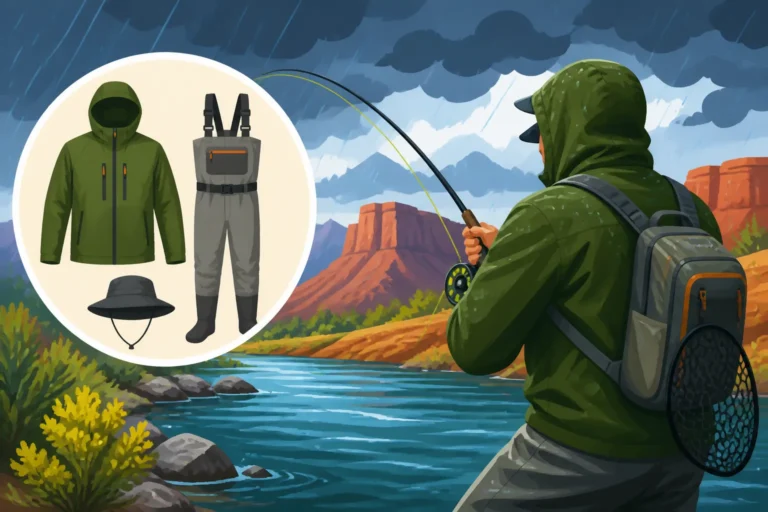
Beyond the rod and reel, several items significantly improve the comfort and efficiency of your bank fishing trips. A comfortable fishing vest or a lightweight backpack with ample pockets for water, snacks, sunscreen, and a small first-aid kit is invaluable. A pair of polarized sunglasses (essential for spotting underwater structure and fish in New Mexico's bright sun), a wide-brimmed hat, and appropriate clothing for varied weather conditions are also crucial.
For portability, consider a rod case or a simple rod sleeve to protect your rod during transport, especially if you're hiking through brush. A small, folding chair or stool can make a long day on the bank much more enjoyable, particularly if you're waiting out catfish or soaking bait. Don't forget a small pair of line clippers or scissors, needle-nose pliers for hook removal, and a measuring tape or small scale if you plan to keep or document your catch. Finally, a small cooler or stringer for keeping your fish fresh is important if you're fishing for dinner. Check out Amazon for a vast selection of these practical items, often with reviews that can help guide your choices based on specific needs. For more general advice, see Beginner Fishing Gear Checklist for New Mexico.
Maintenance and Care for Your Bank Fishing Rod
Your fishing rod is an investment, and proper maintenance is key to ensuring its longevity and consistent performance, especially when it's subjected to the often rugged conditions of bank fishing in New Mexico. A well-cared-for rod won't let you down when that trophy fish bites.
Post-Trip Cleaning and Inspection
After every fishing trip, especially if you've been in dusty, sandy, or muddy conditions, take a few minutes to clean and inspect your rod. Start by wiping down the rod blank with a damp cloth to remove dirt, grime, and any fish slime. Pay particular attention to the guides, ensuring they are free of debris, which can abrade your line over time and weaken it considerably. Saltwater fishing (though less common for lakes in New Mexico, some waters can be brackish) absolutely necessitates a thorough rinse with fresh water to prevent corrosion.
While cleaning, inspect all components of your rod. Check the guides for any cracks or bent frames; even a tiny crack can fray your line. Feel the inside of the guide rings with a cotton swab – if it snags, there's damage that needs attention. Examine the reel seat to ensure it's still tight and secure, and check the cork or foam grips for any signs of damage. A quick inspection can catch minor issues before they become major problems, potentially saving you from losing a fish or damaging expensive line. This routine check also helps you identify any weak points that might need addressing before your next outing.
Storage Best Practices
How you store your rod between trips is almost as important as how you care for it after a trip. Avoid leaning rods against walls or in corners where they can be easily knocked over, potentially bending guides or snapping tips. Ideally, store your rods horizontally on a wall rack or vertically in a rod holder, away from direct sunlight and extreme temperatures. Sunlight can degrade rod blanks and grips over time, and extreme heat or cold can weaken materials, leading to premature aging of your gear.
If you have multi-piece rods or travel rods, disassemble them and store them in their protective cases or sleeves. This prevents damage to individual sections and keeps them organized. Never store a rod with tension on the blank, such as leaving a lure hanging from the tip. This can create a permanent warp in the rod over time, affecting its action and casting performance. Proper storage not only protects your investment but also ensures that your rod is in prime condition, ready to go when you spontaneously decide to hit a favorite fishing spot. Think of your rod as a precision instrument; treating it with care will pay dividends in its performance and lifespan. You can find excellent rod storage solutions at Bass Pro Shops.
Addressing Common Wear and Tear
Even with the best care, fishing rods experience wear and tear. One of the most common issues is damage to guide inserts (the ceramic or metal rings inside the guide frame). These can crack or pop out, and if not replaced, they will quickly cut your fishing line, leading to frustrating break-offs. Learning how to replace a guide insert or knowing a local tackle shop that offers rod repair services can be invaluable. Ferrules on multi-piece rods can also become loose over time; a small amount of ferrule wax can help keep them snug, preventing accidental separation during a cast or fight.
Grips can become worn, sticky, or damaged. While not always critical to performance, a comfortable grip enhances your fishing experience and reduces hand fatigue. Replacements are available, or you can use grip tape for a quick fix. Addressing minor issues promptly prevents them from escalating. For example, a small crack in a guide frame might just bend a little now, but under stress, it could easily snap, taking part of your line with it. Regular, proactive maintenance and addressing small problems as they arise will keep your "best rod for bank fishing New Mexico lakes" performing at its peak for many seasons to come. It’s all about appreciating your gear and ensuring it’s ready for the next cast.
Disclaimer
This article is for general informational purposes only and does not constitute professional advice. Laws, prices and regulations vary by location and change over time. Consult a qualified professional for guidance on your specific situation.