Beginner Fishing Gear Checklist for New Mexico
Stepping into the world of fishing in New Mexico can feel like diving into a massive, shimmering lake with no idea where to cast your first line. It's exhilarating to think about catching your first trout in a mountain stream or a bass in one of our beautiful reservoirs, but the sheer volume of gear choices can quickly turn that excitement into overwhelm. This guide is here to untangle the lines and provide you with a straightforward, realistic checklist of essential fishing gear, making your entry into New Mexico angling as smooth and enjoyable as possible.
The Absolute Essentials: What You Can't Fish Without
Before you even think about hooks and lures, there are a few non-negotiable items every angler needs. These aren't just about legality, but about safety and making sure your first trip out is a legitimate and successful one.
Fishing License and Habitat Stamp
Let's start with the absolute basics, the bedrock of any fishing trip here in New Mexico: your license. It's easy to get caught up in the excitement of choosing a rod or picking out lures, but without a valid fishing license, you're not going anywhere, or at least you shouldn't be. This isn't just a bureaucratic formality; it's how New Mexico funds its conservation efforts, fish stocking programs, and maintenance of public access points. Think of it as your entry ticket to all the incredible fishing opportunities the Land of Enchantment offers. You'll find specific details on getting your pass in our New Mexico Fishing License Guide.
Beyond the general license, many anglers, especially those heading to federal lands like National Forests or BLM areas, will also need a New Mexico Habitat Management and Access Validation (HMAV) or a Habitat Stamp. It can be a little confusing trying to figure out if you need one, but generally, if you're fishing on land managed by the U.S. Forest Service or Bureau of Land Management – which covers a huge portion of our best fishing spots – you'll need one of these validations. This stamp helps fund the maintenance and improvement of access to these crucial public lands, ensuring you have a place to fish. Don't skip this step, as wardens do check, and it's simply a good way to contribute to the environment you enjoy. You can learn more about this crucial requirement in our New Mexico Habitat Stamp and Validation Requirements article.
Rod, Reel, and Line Basics
Once you've got your legal ducks in a row, it's time for the core tools of the trade: your rod, reel, and line. For a beginner in New Mexico, I always recommend starting with a spinning combo. They're incredibly versatile, easy to learn, and forgiving for those first few casts that inevitably end up in a tree (we've all been there!). A medium-light to medium action rod, typically between 6 to 7 feet long, is a fantastic all-around choice. This length gives you enough casting distance for larger lakes but is still manageable for smaller streams or ponds. It's robust enough for a feisty bass but sensitive enough to feel a trout nibble.
Pair that rod with a spinning reel in the 2000-3000 size range. This size is well-balanced for the rod and provides enough line capacity and drag power for most of New Mexico's freshwater species. When it comes to line, a 6 to 8-pound test monofilament is a perfect starting point. Monofilament is affordable, has good knot strength, and offers a bit of stretch, which can be forgiving when a fish strikes hard or you set the hook a little too enthusiastically. Brands like Berkley Trilene or Stren are widely available and reliable. You can often find decent rod and reel combos at stores like Bass Pro Shops or even on Amazon, which take the guesswork out of matching components for a first-timer.
The beauty of starting with a spinning setup is its adaptability. Whether you're targeting rainbow trout in one of New Mexico's regularly stocked urban ponds, chasing smallmouth bass in a clear reservoir, or trying your hand at channel catfish in the Rio Grande, this setup will serve you well. It allows you to cast a wide variety of baits and lures, from simple worms and corn to small spinners and soft plastics, giving you a chance to experiment and discover what you enjoy fishing for most. Plus, learning to cast with a spinning rod is relatively quick, meaning you'll be spending less time untangling and more time actually fishing.
Terminal Tackle: Hooks, Weights, and Bobbers
"Terminal tackle" sounds fancy, but it just refers to all the bits and pieces at the end of your fishing line. For a beginner, keeping it simple is key. You'll need hooks, weights, and bobbers. For hooks, a basic assortment of bait holder hooks in sizes 6, 8, and 10 will cover most of your needs, especially for trout and panfish. These sizes are small enough for common catches but strong enough not to bend out on a bigger fish. If you plan on targeting larger fish like bass or catfish, you might want a few larger hooks, maybe size 1/0 or 2/0, but start small and simple.
Weights, often called sinkers, come in many forms, but for beginners, split-shot weights are invaluable. They're tiny, easy to crimp onto your line, and allow you to adjust the weight precisely. Get an assorted pack with different sizes so you can go lighter in shallow water or still conditions and heavier when you need to cast further or get your bait down in current. Finally, bobbers are fantastic for visible strike indication, especially when fishing with kids or in calm waters. A simple red-and-white clip-on bobber is perfect. These items are inexpensive and can be found in any fishing aisle, making it easy to stock up without breaking the bank.
Having a selection of these fundamental terminal tackle items means you're prepared for most common fishing scenarios in New Mexico. If you're fishing a stocked pond for trout, a small hook with a piece of PowerBait under a bobber is often a winning combination. If you're trying to get a worm down to the bottom for catfish, a heavier split-shot and no bobber might be the ticket. Don't overthink it or buy every gadget you see. A small variety pack of each of these essentials will give you plenty of options for your first several trips, allowing you to focus on the experience rather than juggling too many specialized items.
Basic Comfort and Safety Gear for New Mexico Waters
Fishing is a lot more enjoyable when you're comfortable and safe. New Mexico's climate can be extreme, and being prepared for sun, thirst, or minor mishaps is just as important as having the right lure.
Sun Protection: Hats, Sunglasses, and Sunscreen
New Mexico lives up to its "Land of Enchantment" moniker, offering incredible scenery and often, abundant sunshine. While beautiful, that sun can be intense, especially when you're out on the water for hours. Protecting yourself from UV rays isn't just about avoiding a sunburn; it's crucial for your long-term health and comfort. A wide-brimmed hat is your first line of defense, keeping the sun off your face, neck, and ears. Baseball caps are fine, but for serious sun protection, something that covers more real estate is a better bet.
Next up, a good pair of polarized sunglasses. These are game-changers for fishing. Not only do they protect your eyes from harmful UV rays, but they also cut down glare off the water, allowing you to see into the depths more clearly. This means you might spot fish, submerged structure, or even your bait moving in the water – a huge advantage, especially when sight fishing for trout in clear streams. Finally, don't forget high-SPF sunscreen, and apply it liberally to any exposed skin, even on cloudy days. You'd be surprised how quickly you can get a nasty burn out on the water, even if it feels cool.
Many anglers also add a Buff or neck gaiter to their sun protection arsenal. These versatile pieces of fabric can be pulled up over your face and neck, offering an extra layer of defense against the sun and even acting as a barrier against wind or dust. Think about a long day fishing a big, open lake like Elephant Butte or Navajo Lake; the sun's intensity magnified by the water can be relentless. Having all these items ensures you can enjoy your time without ending up looking like a lobster or squinting your way through the day.
Hydration and Snacks
There's nothing worse than being out on the water, having a blast, and suddenly realizing you're parched or your stomach is rumbling. Staying hydrated is absolutely non-negotiable, especially in New Mexico's often arid climate, where dehydration can sneak up on you quicker than you think. Bring more water than you think you'll need. A good reusable water bottle or a small cooler filled with cold drinks is essential. On a hot summer day, you'll be amazed at how quickly you can go through a gallon of water, so plan accordingly.
Along with hydration, a few easy-to-eat snacks can make a world of difference in your comfort and energy levels. Granola bars, nuts, fruit, or sandwiches are all excellent choices. Fishing, even when relaxing, can burn more calories than you realize, and a dip in blood sugar can quickly turn a fun outing into a grumpy one. If you're out with family or friends, it's a good practice to bring enough for everyone, just in case someone forgets. A small backpack or cooler that can hold these items will be your best friend.
Consider the length of your trip and the conditions. A quick hour at an urban pond might only require a single water bottle, but a full day exploring a remote stretch of the Rio Grande or a large reservoir will demand much more. Having these provisions means you can extend your time on the water, comfortably waiting for that bite, rather than having to cut your trip short because hunger or thirst got the better of you. Being prepared allows you to focus on the joy of fishing, rather than the discomforts.
First-Aid Kit and Multi-Tool
Accidents happen, even on the most relaxing fishing trips. A small, well-stocked first-aid kit is something you hope you never need but will be incredibly grateful to have if you do. Fishing involves sharp hooks, potentially slippery surfaces, and sometimes, unexpected encounters with wildlife or thorny bushes. Your kit doesn't need to be elaborate, but it should contain the basics: band-aids, antiseptic wipes, pain relievers, gauze, and some medical tape. Tweezers are especially handy for splinters or removing small hooks that might get embedded in skin (yours, not the fish's!).
Beyond a first-aid kit, a good quality multi-tool can be an absolute lifesaver. These compact tools often include pliers, screwdrivers, a knife, and sometimes even a can opener. For anglers, the pliers are invaluable for crimping split-shot weights, removing hooks from fish (especially if you're practicing New Mexico Catch and Release Regulations), or even bending a hook back into shape. The knife can be used for cutting line, opening bait packages, or any number of small tasks that pop up. Carrying these two items ensures you're prepared for both minor injuries and practical challenges that might arise.
Think about the environment you're fishing in. Are you at a developed state park with amenities nearby, or are you deep in a remote area of the Gila National Forest? The more isolated your fishing spot, the more critical it is to have these safety items readily accessible. These aren't just for emergencies, either. A simple band-aid can save you from having to end a fishing trip prematurely due to a blister or a minor cut. Prioritizing safety allows you to fish with peace of mind, knowing you can handle small setbacks yourself.
Picking Your First Baits and Lures for New Mexico
This is often the most exciting part for new anglers: choosing what to put on the end of your line! New Mexico has a diverse range of fish, but for beginners, simplicity and versatility are key.
All-Around Bait Options for Variety
When you're just starting, natural baits are often the easiest and most effective way to catch fish. They appeal to a wide variety of species and require less finesse in presentation than artificial lures. For New Mexico, a few staples stand out. Worms are king – earthworms, nightcrawlers, red worms – fish love them. You can buy them at almost any bait shop, many convenience stores, and even some grocery stores. They work for trout, bass, catfish, and panfish. Just thread a small piece onto your hook, add a split-shot weight a foot or so above it, and you're ready.
Another fantastic option for beginners, especially when targeting stocked trout, is PowerBait or similar scented dough baits. These come in a dizzying array of colors and scents, but the classic neon green, orange, or rainbow glitter often work wonders. They float, so when rigged with a small weight below them, they'll lift off the bottom, presenting perfectly to cruising trout. Corn is another surprisingly effective and inexpensive bait for panfish and even trout in some areas, though check local regulations to ensure it's allowed. Having a small container of each of these means you're prepared for most common freshwater species you'll encounter.
The beauty of starting with bait is its simplicity. You don't need to worry about intricate retrieves or making your bait look "alive." The scent and natural appeal do most of the work for you. It's a great way to build confidence and feel that first tug on the line, which is an unforgettable experience. As you gain more experience, you might start experimenting with different types of live bait or more complex artificials, but for your first few trips, stick to these tried-and-true winners.
Beginner-Friendly Lures for Trout and Bass
While bait is excellent, there's a unique thrill to catching a fish on a lure you've actively worked through the water. For beginners in New Mexico, I recommend starting with a couple of types of artificial lures that are easy to use and consistently effective. Small inline spinners, like those made by Mepps or Rooster Tail, are fantastic for trout and smaller bass. Their spinning blade creates flash and vibration that fish can't resist. Simply cast them out and retrieve them at a steady, moderate pace. Different sizes and colors can make a difference, but a silver or gold blade with a white, black, or yellow dressing is a great starting point.
For bass, especially largemouth and smallmouth that inhabit many of our reservoirs, soft plastic worms rigged "Texas style" are incredibly forgiving and effective. You'll need a worm hook and a bullet weight for this. The Texas rig is weedless, meaning you can cast it into cover without getting snagged, and fish often hold near structure. Slowly dragging or twitching the worm along the bottom is a deadly technique. Again, don't get overwhelmed by color choices; a natural green pumpkin or black-and-blue worm is often all you need. Many tackle shops, like those at Bass Pro Shops, offer pre-packaged beginner kits for these lure types.
The key with lures is experimentation and observation. Pay attention to what colors or retrieves seem to be working on a given day. Sometimes a fast retrieve works, other times a slow, deliberate one. It’s a process of learning the water and the fish, and it adds an extra layer of engagement to your fishing experience. While bait often draws fish in with scent, lures rely on mimicking prey, and successfully fooling a fish with an artificial presentation is a truly rewarding feeling. You can check out more specific lure recommendations in articles like Best Lures for New Mexico Trout and Best Lures for New Mexico Bass.
Understanding Local Regulations on Bait
It's absolutely critical to understand that not all baits are allowed in all New Mexico waters. Our state has a rich diversity of fisheries, including precious native species and special management areas, and regulations are put in place to protect these resources. For example, some "Special Trout Waters" or "Quality Waters," like certain sections of the San Juan River, have very strict rules regarding what you can use. You might find regulations that only permit artificial lures with single, barbless hooks, and absolutely no bait.
Before you head out to a new fishing spot, always, always check the current New Mexico Fishing Rules and Regulations booklet. This guide, usually available online through the New Mexico Department of Game and Fish website or at license vendors, is your bible for understanding what's permitted. Ignoring these rules, even unintentionally, can lead to fines and a ruined fishing trip. It’s also important to be aware of rules regarding live baitfish; in many New Mexico waters, it's illegal to use live fish you've caught from one body of water as bait in another, to prevent the spread of diseases and invasive species.
Being a responsible angler means being knowledgeable about the rules. Take the time to read up on the specific regulations for the lake, river, or stream you plan to visit. It shows respect for the resource and ensures that these fantastic fishing opportunities remain available for future generations. If you're ever unsure, err on the side of caution or ask a local bait shop owner; they are usually a wealth of information about local conditions and rules. Our New Mexico Fishing Regulations Overview provides a great starting point for understanding these important guidelines.
Practical Accessories for a Successful Trip
You've got your rod, your tackle, your sun protection, and some snacks. What else makes a day on the water smoother and more efficient? A few practical accessories can significantly enhance your experience.
A Good Tackle Box or Bag
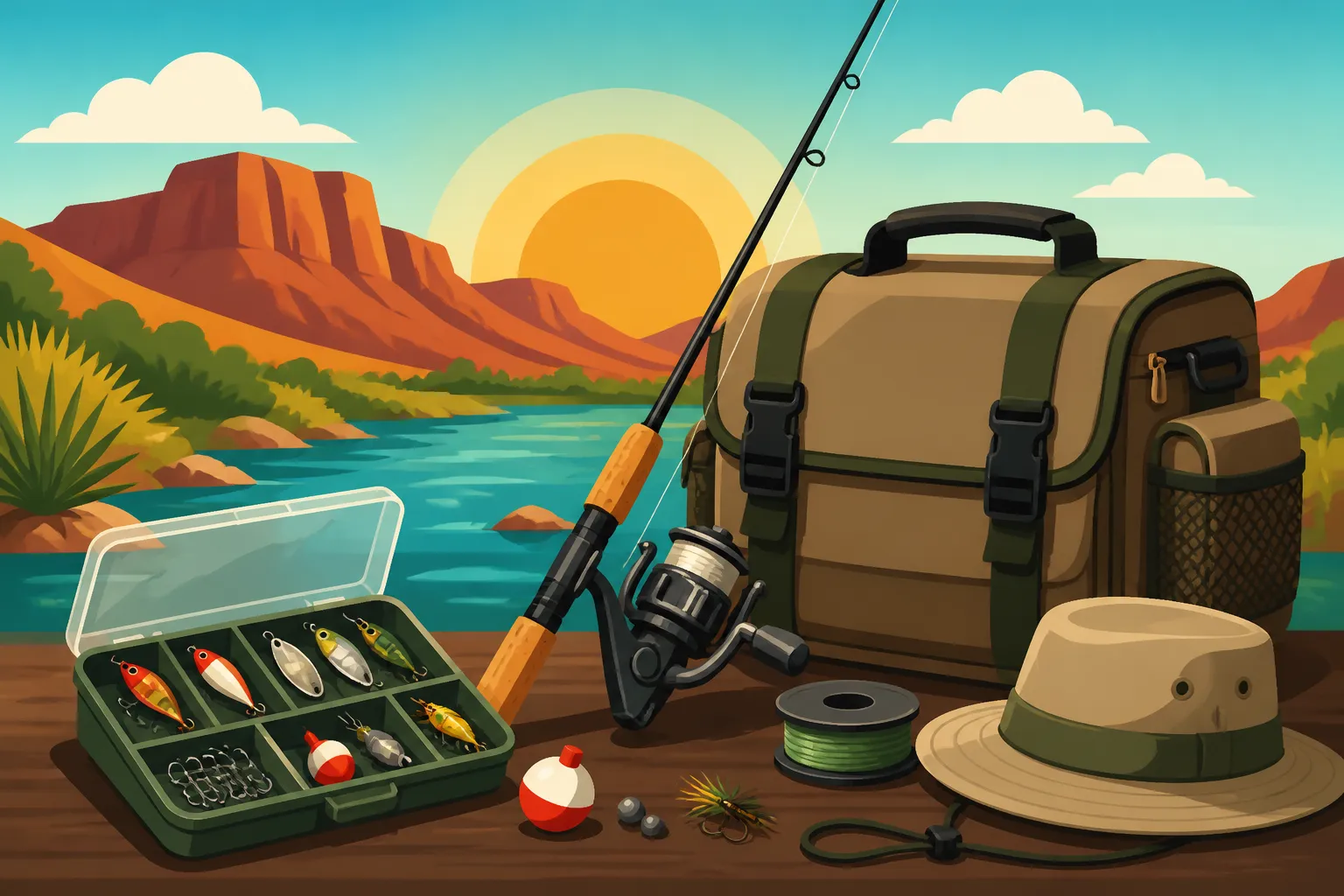
There’s nothing more frustrating than digging through a disorganized mess to find the right hook or sinker. A good tackle box or bag is essential for keeping your gear organized, protected, and easily accessible. For a beginner, you don't need a huge, multi-level behemoth. A small, simple tackle box with a few compartments is perfect. Look for one that's durable, has a secure latch, and is easy to carry. Plastic utility boxes with adjustable dividers are excellent for keeping hooks, weights, and lures separated so they don't become a tangled jumble.
If you prefer something lighter and more flexible, a small fishing bag or backpack designed for tackle can also be a great choice. These often have dedicated pockets for smaller boxes, a place for pliers, and even a water bottle holder. The key is finding something that works for your style of fishing. If you plan to hike to remote spots, a lightweight backpack is ideal. If you're mostly bank fishing from a single spot, a classic tackle box might be more convenient. The goal is to spend less time fumbling for gear and more time fishing.
Keeping your tackle organized not only saves time but also prolongs the life of your gear. Hooks stay sharp, lures don't get tangled and damaged, and everything is where you expect it to be. This means you can react quickly when the fish are biting, making the most of your time on the water. Plus, a tidy tackle box just feels good, signaling that you’re ready for action. You can find many affordable options at general sporting goods stores or through online retailers like Amazon, often bundled with some starter tackle.
Pliers and Line Clippers
These two small tools are absolute necessities for any angler, regardless of experience level. First, a good pair of fishing pliers. These aren't just for getting hooks out of fish, though they excel at that. They're invaluable for cutting wire, bending hooks, crimping split shot, and generally manipulating small components of your tackle setup. Look for a pair that's comfortable in your hand, has a sturdy grip, and preferably includes a built-in line cutter. Many fishing-specific pliers are made from corrosion-resistant materials, which is a plus for longevity.
Line clippers might seem like a luxury, but trying to bite through fishing line with your teeth is a recipe for disaster (and bad for your teeth!). A small pair of clippers, often resembling nail clippers but with sharper, more robust blades, makes quick, clean cuts. This is important for tying knots properly and efficiently. Having clean tag ends on your knots ensures they're strong and less likely to unravel. Some pliers include clippers, but a dedicated pair can be faster and more precise for trimming line.
These tools might be small, but their utility is immense. Imagine trying to remove a deeply set hook from a feisty fish without pliers – it's dangerous for both you and the fish. Or trying to re-tie a lure with frayed line ends because you couldn't get a clean cut. These simple additions to your gear bag will save you frustration, improve your knot tying, and make the whole process of rigging up and landing fish much smoother. Keep them handy, perhaps clipped to your tackle bag or attached to a lanyard around your neck.
Measuring Tape and Camera
For many anglers, especially beginners, understanding the size of your catch is part of the fun. A simple measuring tape can help you record your personal bests and ensures you comply with any length limits for species like trout or bass in New Mexico. Some fish have minimum or maximum size requirements for keeping, so a tape measure helps you quickly determine if your catch is legal to take home. Even if you're practicing catch and release, knowing the length gives you a tangible record of your success.
And speaking of records, don't forget a camera! Whether it's your smartphone or a dedicated waterproof camera, capturing those moments – the scenery, the fish, the smiles – is a huge part of the fishing experience. You'll want to remember that first fish, that beautiful sunset over a New Mexico lake, or the proud moment when a child lands their biggest catch yet. Just remember to handle fish gently if you're planning to release them, minimize their time out of water for photos, and make sure your hands are wet to protect their slime coat.
A small, foldable measuring tape that can fit in your tackle box is ideal. As for a camera, most modern smartphones are more than capable, just be mindful of water exposure. Consider a waterproof case or a Ziploc bag for protection. These items add to the memories and allow you to share your adventures, fostering a deeper connection to the sport. They're not about catching more fish, but about cherishing the experience.
Choosing Your Footwear and Clothing for New Mexico's Climate
New Mexico’s weather can be notoriously unpredictable, swinging from warm and sunny to cool and windy, sometimes all in the same day. Being prepared with the right clothing layers and footwear will keep you comfortable and focused on fishing, rather than shivering or overheating.
Appropriate Footwear for Bank or Wading
Your feet are your foundation when fishing, so comfortable and appropriate footwear is crucial. If you're primarily going to be bank fishing from developed areas like state park shorelines or urban ponds, a sturdy pair of waterproof hiking shoes or even old sneakers with good grip will suffice. The key here is comfort and protection from uneven terrain, mud, or stray thorns. You don't want to be slipping on wet grass or getting poked by a cactus spine.
However, if you plan to venture into rivers or streams, or access less developed lake shores, you might consider wading boots or even waders. Wading boots provide excellent grip on slippery rocks and protection for your ankles, allowing you to venture into shallow water to access better casting positions. If you invest in waders, you can stand directly in the water, opening up a whole new world of fishing opportunities, especially for trout in rivers like the Rio Grande or the Pecos. For your first few trips, stick to bank fishing with robust, waterproof shoes, and see if wading is something you truly enjoy before making a bigger investment.
Regardless of your choice, make sure your footwear is comfortable and broken in. There’s nothing worse than blisters cutting a fishing trip short. If you're wearing waders, remember to layer appropriately underneath with warm, moisture-wicking socks. Good footwear ensures stability and comfort, allowing you to traverse varied New Mexico terrain confidently and concentrate on the task at hand: catching fish!
Layering for Variable Weather
New Mexico's climate can be a bit of a chameleon. A crisp morning might give way to a warm afternoon, only to be followed by a chilly evening as the sun drops. The key to staying comfortable throughout the day is layering your clothing. Start with a moisture-wicking base layer, especially if you anticipate any strenuous activity or warmer temperatures. This will help draw sweat away from your body, keeping you dry and preventing chills.
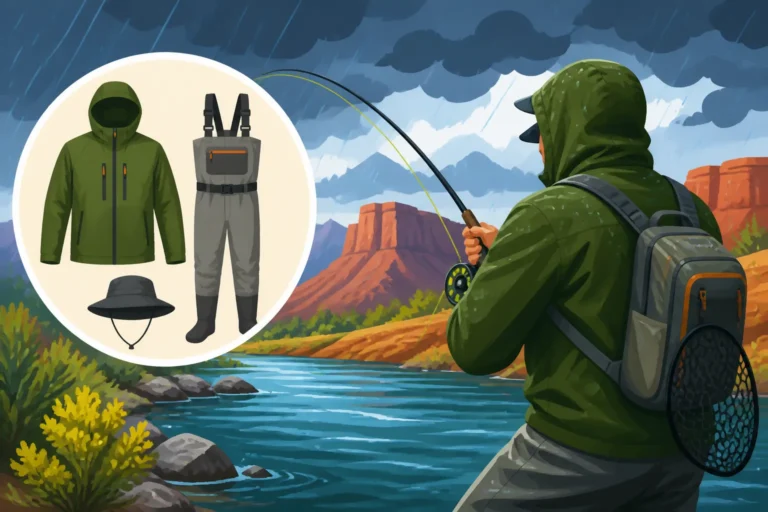
On top of your base layer, a light long-sleeve shirt provides sun protection and a bit of warmth. Choose light-colored fabrics that reflect the sun. For your mid-layer, a fleece jacket or a warm flannel shirt is excellent for adding warmth when the temperature dips in the morning or evening, or when a cloud passes over. Finally, an outer shell, like a light waterproof or water-resistant jacket, can protect you from unexpected wind or light rain. This modular approach allows you to add or shed layers as conditions change, maintaining optimal comfort.
Think about a spring day fishing at Heron Lake, where the mornings can be quite cool, but the midday sun feels glorious. Being able to shed your fleece without getting rid of your sun-protective long-sleeve, and then putting it back on when the afternoon breeze picks up, makes all the difference. Cotton is generally discouraged for active outdoor wear as it absorbs moisture and stays wet, making you cold. Opt for synthetics or wool for better performance. A quick check of the weather forecast before you leave can help you decide which layers to pack, but always be prepared for more than what's predicted.
Rain Gear Considerations
While New Mexico is known for its sunshine, we do experience monsoon season in the summer, and high-country weather can be notoriously unpredictable year-round. Getting soaked can quickly turn a fun fishing trip into a miserable one. A lightweight, packable rain jacket is an invaluable piece of gear that every New Mexico angler should consider, even if the forecast looks clear. It doesn't have to be heavy-duty; something that can shed a sudden shower or protect against a persistent drizzle will do.
Look for a jacket that's easy to stash in your tackle bag or backpack and doesn't take up too much space. Some jackets are designed specifically for fishing, offering features like waterproof pockets or a longer cut for better coverage. If you're planning an extended trip or fishing during the monsoon season (typically July and August), a pair of waterproof rain pants could also be a wise investment. They'll keep your lower half dry and warm, preventing that miserable, clammy feeling that comes with wet clothes.
Even outside of the official monsoon season, a surprise thunderstorm can roll over the mountains quickly, especially in areas like the Carson National Forest or Pecos Wilderness. Being able to quickly pull on a waterproof layer can mean the difference between continuing to fish comfortably or having to pack up and head back to the car. Don't let a little rain dampen your spirits or your clothes; be prepared, and you'll extend your time enjoying New Mexico's beautiful waters.
Beyond the Basics: Thinking About Your Next Steps (Optional Gear)
Once you've got the essentials down, you might start thinking about a few items that aren't strictly necessary but can definitely improve your fishing experience, especially if you're aiming for specific goals like catch and release or finding fish in bigger waters.
Landing Net for Catch and Release
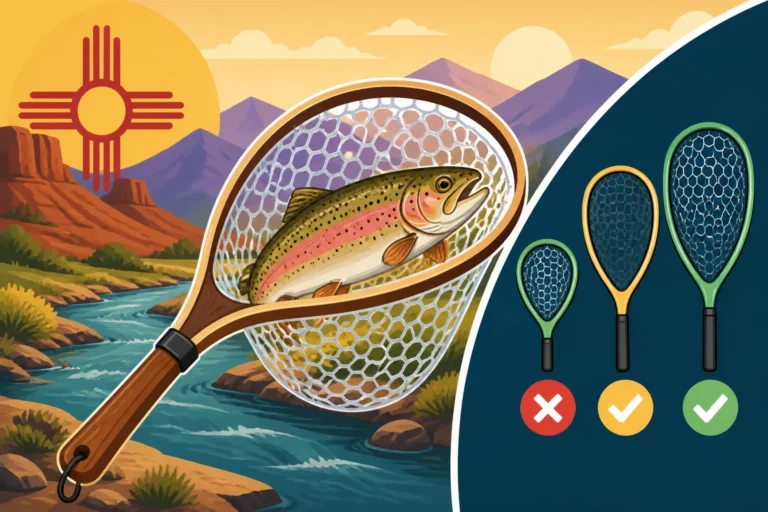
For many, fishing is about the thrill of the catch, and then the joy of releasing the fish unharmed back into the water. If you plan to practice catch and release, especially with larger fish like trout or bass, a landing net is a fantastic investment. Trying to land a thrashing fish by hand can be difficult, stressful for the fish, and potentially dangerous for you (those hooks are sharp!). A net allows you to scoop the fish quickly and safely, minimizing its time out of water.
Look for a net with a rubberized or silicone mesh. Traditional nylon nets can strip the protective slime coat off a fish, leaving it vulnerable to disease. Rubberized nets are much gentler on the fish, and they're also less likely to tangle hooks, which is a huge bonus. A net with a telescoping handle is convenient for both bank fishing and wading, allowing you to extend your reach when needed. Having a net makes the landing process smoother, less stressful for both angler and fish, and significantly increases the chances of a successful release. This practice is particularly important when fishing in designated "Quality Waters" or "Special Trout Waters" that often emphasize the health of the fish population.
The goal of catch and release is to ensure the fish swims away strong, ready to be caught another day. A good landing net is one of the best tools to help achieve that. It's a small investment that shows a lot of respect for the fish and contributes to healthier fisheries overall. You can find excellent options at Bass Pro Shops or specialized fly fishing stores.
Cooler for Keeps
If your fishing goal includes taking some of your catch home for dinner – and who can blame you, fresh fish is delicious! – then a good cooler is an absolute must-have. Keeping your fish fresh and cool from the moment they're caught until you get home is crucial for taste and safety. A small to medium-sized cooler filled with ice is all you need for most day trips.
Place a layer of ice at the bottom, then your cleaned fish, and then more ice on top. This direct contact with ice helps drop their temperature quickly and keeps them in prime condition. Avoid simply throwing fish into a warm bucket of water or leaving them exposed to the sun; this drastically reduces their quality and can make them unsafe to eat. For longer trips, or if you're targeting larger species like walleye or striped bass, you might need a bigger cooler to accommodate your potential catch.
A cooler isn't just for fish, either. It doubles as a great way to keep your drinks and snacks cold throughout the day, which, as we discussed, is vital for comfort in New Mexico's often warm climate. So, even if you're not planning on keeping fish every time, a cooler is a versatile piece of gear that will get plenty of use. Just be sure to rinse it out thoroughly after each trip, especially if you've had fish in it, to prevent odors.
Beginner-Friendly Fish Finder (if applicable)
For bank anglers, a traditional fish finder might seem overkill, but some newer, portable models are becoming incredibly popular and useful, even for beginners. These compact devices, often castable from shore or attachable to a kayak, use sonar to show you what's beneath the surface. They can reveal water depth, temperature, bottom contours, and even identify potential fish.
Knowing the depth and if there's a drop-off or submerged structure can dramatically improve your success, especially in larger lakes and reservoirs where fish often relate to specific features. For example, if you're fishing at Conchas Lake for crappie, knowing there's a brush pile at 15 feet can tell you exactly where to cast. These portable units often connect to your smartphone via Bluetooth, displaying the sonar readings on an easy-to-read screen.
While definitely an "extra" and not an absolute necessity for your very first trips, a portable fish finder can be a fantastic learning tool. It helps you understand what's happening under the water, giving you insights into fish behavior and habitat that you might not otherwise get. It can accelerate your learning curve and lead to more consistent catches as you gain experience. Brands like Deeper or Garmin Striker offer excellent beginner-friendly options.
Planning Your First Outing: Where to Start in New Mexico
Now that you're geared up, the final step is planning your actual fishing adventure. A little preparation goes a long way in ensuring a successful and enjoyable first trip.
Researching Beginner-Friendly Fishing Spots
New Mexico offers an incredible array of fishing locations, from high-mountain lakes to desert reservoirs and meandering rivers. For your first trip, choose a spot that's known for being beginner-friendly and offers a good chance of success. Stocked ponds and urban lakes are often excellent choices because they are easily accessible, have amenities nearby, and are regularly stocked with rainbow trout, making success more likely. Many of these spots are found near cities like Albuquerque, Santa Fe, and Las Cruces.
State parks often provide excellent fishing opportunities with good infrastructure. Places like Tingley Beach in Albuquerque, or smaller state park lakes like Storrie Lake near Las Vegas (NM), are ideal. They usually have ample parking, restrooms, and clear bank access. Don't try to tackle a remote, challenging stream in the Pecos Wilderness on your very first outing. Start simple, build confidence, and then gradually explore more adventurous locations as your skills grow. Resources like Best Places to Fish in New Mexico can help you narrow down your choices, and specific guides like Best Fishing Spots Near Albuquerque are great for local information.
Talking to local bait shop owners is also a fantastic resource. They know what's biting, where to go, and what gear is working best. They often provide real-time, invaluable advice that you won't find in guidebooks. Remember, the goal of your first trip is to have fun and experience the joy of fishing, so choosing a spot that maximizes your chances of a positive experience is key.
Checking Weather and Water Conditions
Before you head out, always, always check the weather forecast. New Mexico weather can change rapidly, and being caught unprepared for a cold front, strong winds, or a sudden downpour can quickly ruin your day. Pay attention to temperature highs and lows, wind speed and direction, and precipitation chances. This will help you decide which layers to wear, whether you need rain gear, and if the conditions will be comfortable for fishing. High winds, for instance, can make casting very difficult and make conditions on larger reservoirs choppy and less enjoyable.
Beyond the weather, it's also a good idea to check water conditions if possible. For rivers, look for flow rates (often available through USGS streamflow websites or local fishing reports) to see if the water is high or low, clear or muddy. For lakes and reservoirs, recent stocking reports from the New Mexico Department of Game and Fish can tell you if a particular body of water has recently received a fresh batch of fish, often leading to better immediate success. Water temperature can also influence fish activity, though this might be harder to find for a beginner.
Being informed about these conditions allows you to make smart choices. If the river is blown out and muddy from recent rains, you might pivot to a clearer lake. If high winds are predicted for a large reservoir, perhaps a smaller, more sheltered pond would be a better choice. This level of preparation ensures you're setting yourself up for the best possible experience and maximizing your chances of a productive and enjoyable day on the water. You can often find updates on conditions and stocking schedules through the New Mexico Department of Game and Fish website.
Understanding Basic New Mexico Regulations
We touched on licenses and habitat stamps, but there are other fundamental regulations every beginner angler in New Mexico should know. These typically include bag limits (how many fish of a certain species you can keep per day), possession limits (how many fish you can have in your cooler or at home), and sometimes size limits for specific species or bodies of water. These rules are in place to ensure sustainable fishing and healthy fish populations for everyone.
For example, New Mexico generally has a statewide five-fish bag limit for trout, but some special waters might have lower limits or require catch-and-release only. Bass often have different limits, and warm water species like catfish might have more generous allowances. Always consult the official New Mexico Fishing Rules and Regulations booklet before you go. It's available online and at most license vendors. Pay close attention to any special rules for the specific lake or river you plan to fish, as these can override general statewide regulations.
| Category | Essential Items (First Trip) | Optional/Next Step Items | Why You Need It |
|---|---|---|---|
| Legal | Fishing License, Habitat Stamp | N/A | Required by law for all public waters; funds conservation. |
| Basic Gear | Spinning Rod & Reel (6-7 ft, Med-Light/Med Action) | Fly Fishing Setup, Baitcasting Setup, Specialized Rods | Your primary tool for casting and retrieving. |
| Terminal Tackle | Hooks (sizes 6-10), Split-Shot Weights, Bobbers | Swivels, Leaders, Jig Heads, Specialized Lures | Attaches bait/lure to line; aids presentation. |
| Comfort/Safety | Hat, Polarized Sunglasses, Sunscreen, Water, Snacks, Basic First-Aid Kit, Multi-Tool | Rain Gear, Waders, Headlamp, Bug Spray | Protects from elements, keeps you hydrated/fed, handles minor issues. |
| Bait/Lures | Worms, PowerBait, Inline Spinners, Soft Plastic Worms | Crankbaits, Jigs, Topwater Lures, Specific Flies | Attracts and catches fish. |
| Accessories | Small Tackle Box/Bag, Pliers, Line Clippers | Landing Net, Cooler, Portable Fish Finder, Camera | Organizes gear, aids fish handling, captures memories. |
| Apparel | Sturdy Shoes, Layered Clothing | Wading Boots, Waterproof Jacket/Pants | Ensures comfort and protection from terrain and weather. |
Understanding these regulations isn't just about avoiding penalties; it's about being a responsible steward of our natural resources. Following the rules helps ensure that New Mexico's fisheries remain healthy and productive for generations of anglers to come. If you have any questions, don't hesitate to ask a game warden if you see one, or inquire at a reputable local tackle shop. They're there to help you enjoy your fishing safely and legally. Learning the ropes can seem like a lot, but taking it step-by-step makes it all part of the grand adventure of fishing in New Mexico.
Disclaimer
This article is for general informational purposes only and does not constitute professional advice. Laws, prices and regulations vary by location and change over time. Consult a qualified professional for guidance on your specific situation.