Best Starter Tackle Box for a New Angler
Oh, the joy (and sometimes, the sheer overwhelm!) of starting a new hobby, especially one as rich and rewarding as fishing here in beautiful New Mexico. You've probably found yourself staring at rows of lures, hooks, and mysterious gadgets in a store, wondering, "Where on earth do I even begin?" It's a common feeling. This guide is all about cutting through that confusion to help you assemble the perfect starter tackle box, one that's practical, efficient, and ready for your first cast into New Mexico's diverse waters.
Why Your First Tackle Box Matters and Isn't Just for Lures!
When you're just dipping your toes into the world of fishing, it's easy to think a tackle box is simply a fancy container for all your hooks and shiny lures. But trust me, as someone who’s spent countless hours untangling lines and rummaging for a forgotten pair of clippers, it's so much more than that. Your tackle box is your personal command center on the water, your mobile workbench, and often, your emergency kit all rolled into one.
Beyond Just Storage: Organization and Protection
Imagine this: You've finally found that perfect quiet spot on the Rio Grande, the water is shimmering, and you can practically feel a bite coming. You reach into your bag for a specific lure, only to pull out a bird's nest of tangled line, rusty hooks, and a half-eaten granola bar. Frustrating, right? A well-organized tackle box or bag prevents this chaos. It means less time fumbling and more time focused on the peaceful rhythm of casting and retrieving.
But it's not just about neatness. Our New Mexico sun can be relentless, and those unexpected afternoon monsoon showers are a real thing. Your tackle box needs to protect your precious (and often sharp!) gear from the elements. A sturdy box keeps hooks from rusting, lines from weakening, and delicate lures from getting crushed. Think of it as a small investment in preventing major headaches and saving money on replacing damaged equipment down the line. It's about ensuring your gear lasts and is ready to go whenever the fishing bug bites.
The New Mexico Angler's Unique Needs
New Mexico offers an incredible variety of fishing environments, from the high-altitude, crystal-clear streams of the Pecos Wilderness to the vast, open waters of Elephant Butte Lake, and the winding stretches of the mighty Rio Grande. This diversity means that while a basic tackle box works anywhere, a thoughtfully assembled one, tailored for the Land of Enchantment, will serve you much better. You might be targeting rainbow trout one weekend and channel catfish the next, so versatility is key in your initial setup.
Considering the unique challenges and opportunities here, your starter tackle box should be able to handle a little bit of everything. This doesn't mean you need every single gadget under the sun. Rather, it means selecting items that are adaptable across different species and water types. For instance, knowing you might encounter both small stream trout and larger lake bass will influence your hook sizes and lure choices. Getting familiar with New Mexico Fishing Season Dates and Limits will also help you anticipate what species are most active when and where.
Choosing the Right Tackle Box Style for Your New Mexico Adventures
Picking the physical tackle box itself is almost as important as what you put inside. There are generally a few main types, each with its own advantages depending on how and where you plan to fish in New Mexico. Don't feel pressured to get the biggest, most expensive one right off the bat. Start with what fits your current needs and budget, and you can always upgrade or expand later.
Classic Tray Boxes: Tried and True
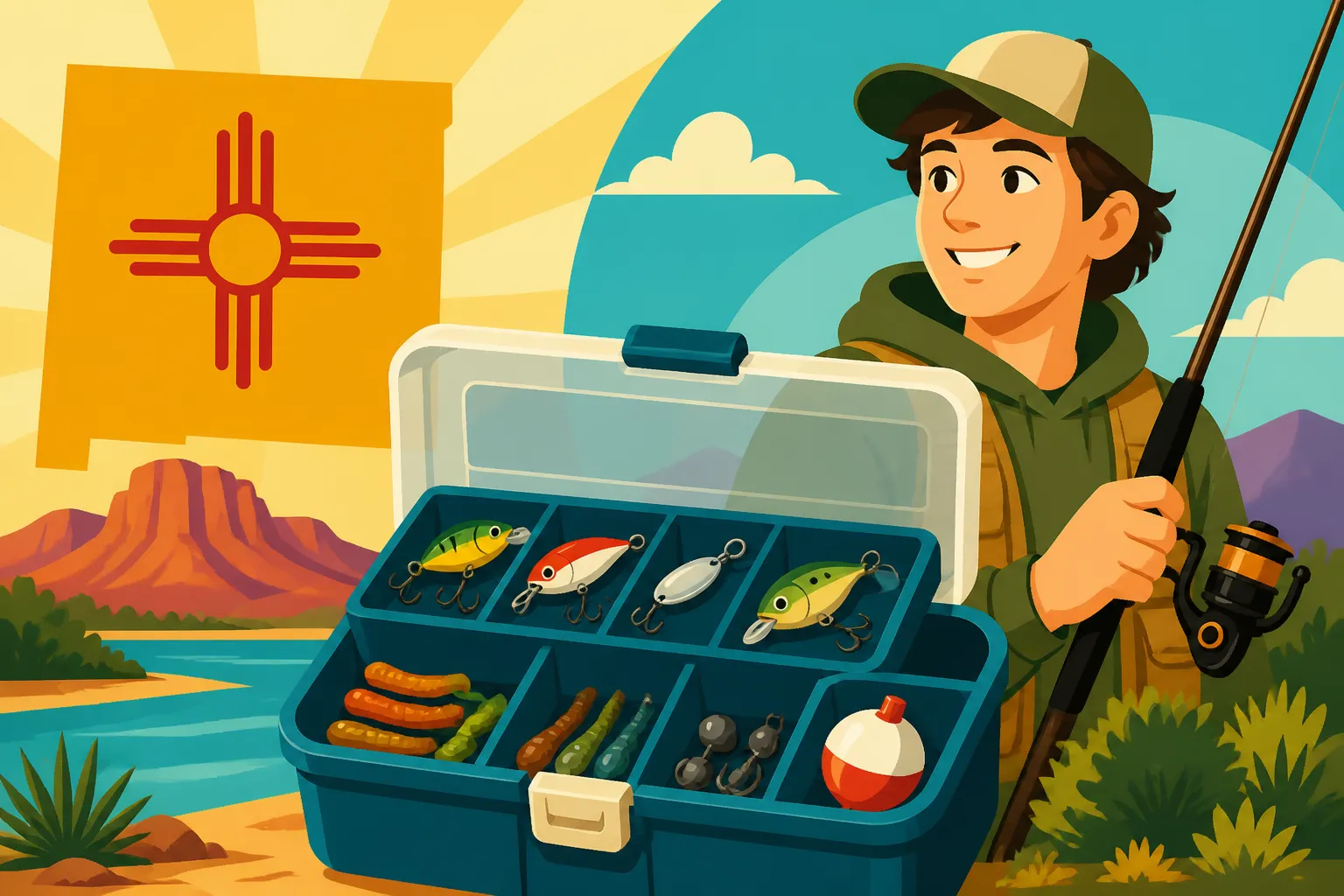
The image that probably pops into most people's heads when they hear "tackle box" is the classic multi-tray design. These are typically hard plastic boxes with cantilevered trays that fan out when you open the lid, revealing several compartments. They're a fantastic choice for beginners because they offer a clear, visual way to organize your gear. Hooks can go in one tray, sinkers in another, and a few favorite lures in a third.
The biggest pro of these boxes is their straightforward organization and often, their affordability. You can easily see what you have, which is super helpful when you're still learning the names and purposes of different items. However, they can be a bit bulky and less convenient to carry long distances, especially if you're hiking to a remote stream. While many have decent latches, they aren't always completely watertight, so a sudden downpour can be a concern. You can find a huge variety of these at places like Bass Pro Shops or even general retailers like Amazon, often at very reasonable prices. They're excellent for bank fishing at local ponds or from a boat where you don't need to carry your gear far.
Soft-Sided Bags and Backpacks: The Mobile Angler's Choice
For those of us who love to explore New Mexico's more remote fishing spots, like a high-mountain lake or a secluded stretch of the Gila River, a soft-sided tackle bag or fishing backpack is often the way to go. These bags are designed for portability and comfort, making it much easier to hike in to your chosen spot. They typically feature a main compartment that holds several plastic utility boxes (often called 3600 or 3700 series boxes), which are then subdivided for your lures, hooks, and weights.
The beauty of these systems is their modularity. You can easily swap out utility boxes depending on what species you're targeting that day. Heading for trout? Grab your trout box. Chasing bass? Switch to your bass box. Many also have external pockets for water bottles, a New Mexico Fishing License Guide, snacks, and other essentials. While they offer great customization and carrying comfort – check out options mentioned in Best Fishing Backpack for Hiking to High Lakes – they might not offer the same rigid protection as a hard box, and smaller items can sometimes be harder to locate quickly if not perfectly organized within the utility boxes. Still, for active anglers, they're often preferred.
Specialty Boxes: When You Know Your Niche
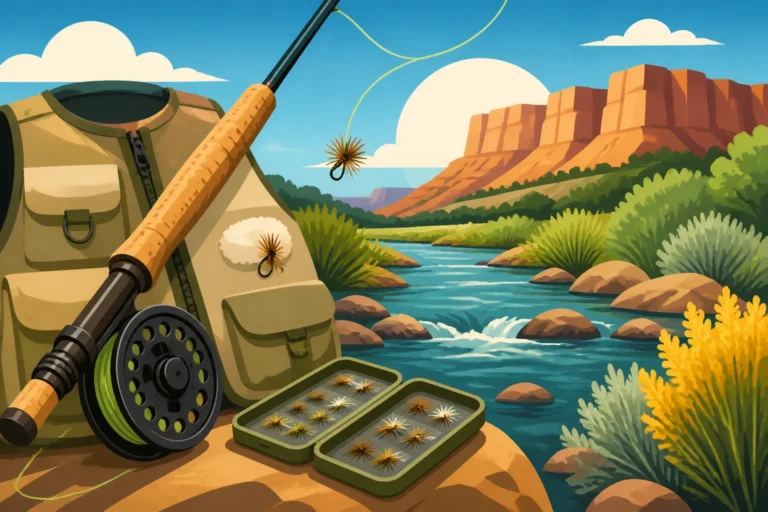
As you gain experience, you might find yourself gravitating towards a specific type of fishing, like fly fishing for trout on the San Juan River or ice fishing at Eagle Nest Lake. At this point, you might invest in specialty boxes. A dedicated fly box, for instance, has foam inserts to keep delicate flies organized and protected. Ice fishing buckets often double as seats and carry a specific set of gear for drilling holes and jigging.
For a new angler, these are usually overkill. Focus on a versatile general-purpose box first. You can always add a smaller, specialized container later on if you discover a particular passion. For example, a small, waterproof box just for your most prized trout lures might make sense once you've been out a few times and found what truly works for you in New Mexico Trout Fishing Rules compliant waters.
Essential Items to Stock Your Starter Tackle Box for New Mexico
Now that you've got your vessel, it's time to fill it! Remember, the goal here is not to buy everything on the shelf. It's to assemble a practical, versatile collection of items that will cover most common fishing scenarios you'll encounter as a beginner in New Mexico.
The Absolute Must-Haves: Safety and Basic Tools
Before we even get to the fun stuff like lures, let's talk about the absolute necessities that will make your trip safer and more enjoyable. These are the unsung heroes of every tackle box:
- Pliers/Multi-tool: A good pair of needle-nose pliers is indispensable. They help you remove hooks from fish safely (and from yourself, if you're unlucky!), cut line, crimp weights, and fix small issues. A multi-tool with pliers, a knife, and maybe a screwdriver is even better.
- Line Clippers: Trying to bite through fishing line is a recipe for dull teeth and frustration. A small pair of dedicated line clippers (or even nail clippers) makes quick, clean cuts.
- First-Aid Kit: Hooks happen. Cuts happen. Scrapes happen. A small, waterproof first-aid kit with bandages, antiseptic wipes, and pain relievers is non-negotiable. Better safe than sorry, especially when you're out in nature.
- Sunscreen and Insect Repellent: New Mexico's sun is no joke, even on cloudy days. Protect your skin. And if you're fishing near water, especially during dawn or dusk or in warmer months, mosquitoes and other biting insects can ruin a peaceful outing.
- Small Flashlight/Headlamp: Whether you stay out longer than planned or just need to tie a knot in dim light, a compact light source is incredibly useful.
- Fish Gripper/Rag: If you're planning to handle fish, especially toothy ones like a big bass or pike, a fish gripper can protect your hands. A simple rag also helps with slimy fish.
Hooks, Weights, and Floats: The Foundation of Any Rig
These are the fundamental components of nearly any fishing setup. You'll want a variety to adapt to different situations.
- Hooks: Don't buy every size, but get a decent range.
- Small hooks (sizes #8 to #12): Perfect for trout, panfish (like bluegill and crappie) and smaller baits. Great for places like Fenton Lake or many of the smaller stocked ponds around the state.
- Medium hooks (sizes #2 to #1/0): Versatile for bass, smaller catfish, and larger panfish. Good for lakes like Conchas or Cochiti.
- Larger hooks (sizes #2/0 to #4/0): For bigger catfish or when using larger baits for species like striper at Elephant Butte.
- Consider both J-hooks (standard bait hooks) and circle hooks (which are great for catch-and-release as they usually hook in the corner of the fish's mouth, minimizing harm).
- Weights/Sinkers:
- Split-shot weights: Small, round weights that you crimp onto your line. Get a variety of sizes (BB, 3/0, 5/0). They're easy to add or remove to adjust your bait's depth.
- Egg sinkers or bullet weights: Good for bottom fishing, especially for catfish or when fishing in strong currents. A few in 1/4 oz to 1 oz will suffice.
- Bobbers/Floats: These indicate when a fish is biting and help suspend your bait at a certain depth.
- Clip-on bobbers: Easy for beginners to attach and detach. Get a few in medium sizes.
- Slip bobbers: A bit more advanced but allow you to fish deeper, as the line slips through the bobber until it hits a stopper knot. Great for targeting specific depths. For more on this basic setup, check out How to Fish a Bobber and Worm Setup for Beginners.
Baits and Lures: Starting Your Collection
This is where things get exciting! For your starter kit, focus on universal appeal and proven effectiveness in New Mexico. You don't need dozens of types.
- Natural Bait: Sometimes, simplicity is key.
- Worms: Nightcrawlers or red worms are irresistible to almost any freshwater fish. They are probably the most versatile bait you can carry.
- PowerBait (or similar dough bait): A staple for stocked trout in New Mexico. Get a couple of popular colors like chartreuse, rainbow, or garlic scent. This stuff works, especially in many of our state's lakes and ponds. Read more on specific choices in Best Bait for New Mexico Trout.
- Corn/Marshmallows: Believe it or not, these are simple, effective baits for trout and panfish.
- Artificial Lures: Start with a few versatile options.
- Spinners: Classic trout catchers like Mepps or Panther Martin spinners (sizes #0 to #2) are fantastic. They cast well and their flashing blades attract fish.
- Spoons: Small casting spoons can imitate baitfish and work for trout and even smaller bass.
- Soft Plastics: For bass, a few packs of plastic worms or creature baits (green pumpkin, black/blue) paired with bullet weights are a great start for various New Mexico lakes. Learn more about effective choices in Best Lures for New Mexico Bass.
- Small Crankbaits: One or two small, shallow-diving crankbaits in a natural baitfish pattern can entice bass and larger trout.
- When shopping for these, both Bass Pro Shops and Amazon offer extensive selections, allowing you to compare options and read reviews from other anglers.
Line and Leaders: Don't Skimp Here
Your fishing line is the only connection between you and the fish. Don't cheap out!
- Monofilament Line: A spool of fresh monofilament (mono) line, 6 to 10-pound test, is a great all-around choice for your spinning reel. It's forgiving, easy to tie knots with, and relatively inexpensive. This weight class is versatile enough for most beginner targets in New Mexico.
- Fluorocarbon Leader Material: As you gain experience, you might want a small spool of fluorocarbon leader (4-8 pound test). Fluorocarbon is nearly invisible underwater and more abrasion-resistant, which can be a huge advantage in clear waters or around rocky structures. You'd tie a short length of this to the end of your main line. Understanding different line types and weights can greatly improve your success; dive deeper with Best Line Test for New Mexico Fishing.
- Extra Spool: Always a good idea to have an extra spool of fresh line on hand, or at least enough to re-spool your reel entirely if you experience a major backlash or snag.
Organizing Your Tackle Box for Peak Efficiency
Having all the right gear is one thing; being able to find it quickly and keep it in good condition is another. A well-organized tackle box is a joy to use and extends the life of your equipment.
Compartmentalization is Your Friend
Whether you have a classic tray box or a soft-sided bag with utility boxes, use those dividers! Compartmentalize everything. Dedicate specific sections or smaller containers to:
- Hooks: Keep different sizes separate. Consider small, clear plastic containers or even small zip-top bags within a larger compartment to prevent them from mixing and tangling. Nothing's worse than trying to untangle five different hook sizes from each other when the fish are biting.
- Weights: Again, keep various sizes separated. A small, multi-compartment box made for crafts can be perfect for tiny split-shot weights.
- Lures: Give each lure enough space so their hooks don't snag other lures or your fingers. If using soft plastics, keep them in their original bags to prevent them from melting or reacting with other plastics.
- Tools: Have a designated spot for your pliers, clippers, and flashlight so they're always easy to grab.
The idea is to create a logical system that makes sense to you. When you reach for a #10 hook, you should know exactly where it is without digging through everything else.
Labeling and Maintenance
While you might know what's in each compartment today, after a few trips, it can get blurry. Small labels, even handwritten ones, can save you precious minutes on the water. Label hook sizes, lure types, or even dates if you want to track when you bought certain baits.
After every fishing trip, especially if you've been in wet conditions or saltwater (though less common in New Mexico, it can still happen if you venture out of state or into brackish areas), take a few minutes to clean out your tackle box.
- Remove any wet items and let them air dry completely before returning them.
- Check for rusty hooks or lures and replace them. Rust can spread quickly and ruin other tackle.
- Wipe down the inside of your box if it's dirty or sandy.
- Inspect your line on your reel and inside your box for any nicks or fraying. Replace if necessary.
- Make sure all your containers are securely closed to prevent spillage in transit.
A well-maintained tackle box not only keeps your gear in top shape but also makes future outings much more enjoyable. It means less time troubleshooting and more time enjoying the peace and thrill of New Mexico fishing!
Starter Tackle Box Essentials Checklist
To help you get started, here’s a handy checklist of items you might want for your first New Mexico fishing adventures. Remember, this is a starting point, and you can always expand as you learn more about your preferences and the fish you love to chase.
| Category | Item | Description |
|---|---|---|
| Tackle Box Choice | Classic Tray Box OR Soft-Sided Bag | Depends on portability needs; consider durability and organization. |
| Safety & Tools | Needle-Nose Pliers/Multi-tool | For hook removal, line cutting, general fixes. |
| Line Clippers | Essential for clean line cuts. | |
| Small First-Aid Kit | Bandages, antiseptic wipes for minor cuts and hook pokes. | |
| Sunscreen | Protect from New Mexico's strong sun. | |
| Insect Repellent | Keep biting bugs at bay, especially near water. | |
| Small Flashlight/Headlamp | For low-light conditions or night fishing. | |
| Fish Gripper / Rag | Safely handle fish. | |
| Rigging Essentials | Assorted Hooks | Sizes #12 to #4/0 (J-hooks, Circle hooks). |
| Assorted Split-Shot Weights | Various sizes (BB, 3/0, 5/0) for adjusting depth. | |
| Egg/Bullet Sinkers | 1/4 oz – 1 oz for bottom fishing or current. | |
| Clip-on Bobbers | 2-3 medium sizes for suspending bait. | |
| Monofilament Line | Fresh spool of 6-10 lb test (for your reel). | |
| Fluorocarbon Leader (optional) | Small spool of 4-8 lb test for clear water. | |
| Baits & Lures | Worms (live or artificial) | Universal fish attractor. |
| PowerBait (or similar dough bait) | For stocked trout. | |
| Small Spinners | #0 to #2 (Mepps, Panther Martin) for trout, panfish. | |
| Assorted Soft Plastics | Worms, grubs for bass, catfish. | |
| Small Crankbait | 1-2 shallow divers in natural colors. |
With a thoughtfully assembled starter tackle box, you’re not just carrying gear; you’re carrying confidence and readiness for whatever the waters of New Mexico have in store for you. Happy fishing!
Disclaimer
This article is for general informational purposes only and does not constitute professional advice. Laws, prices and regulations vary by location and change over time. Consult a qualified professional for guidance on your specific situation.