Lures Worth Carrying for New Mexico Bass
You've finally made it to one of New Mexico's fantastic bass lakes – maybe Elephant Butte, Navajo Lake, or Conchas Lake – rod in hand, sun shining. But as you stare at your tackle box, a familiar frustration bubbles up: which lure do I even start with? New Mexico's diverse bass fisheries, from clear mountain reservoirs to murky desert lakes, demand a versatile approach, and trying to pick the "perfect" lure can feel overwhelming. This guide is all about cutting through that confusion, helping you stock your tackle box with the most effective lures for catching bass across the Land of Enchantment.
Navigating New Mexico's Diverse Bass Habitats
New Mexico isn't just a land of desert and mountains; it's a hidden gem for bass anglers, offering a surprising variety of environments that challenge and reward. From the vast, open waters of Elephant Butte to the clearer, rockier shores of Navajo Lake, the conditions can change dramatically, and so should your lure choices. Understanding these different habitats is the first step in building a tackle box that truly works for you.
The Clear Water Challenge
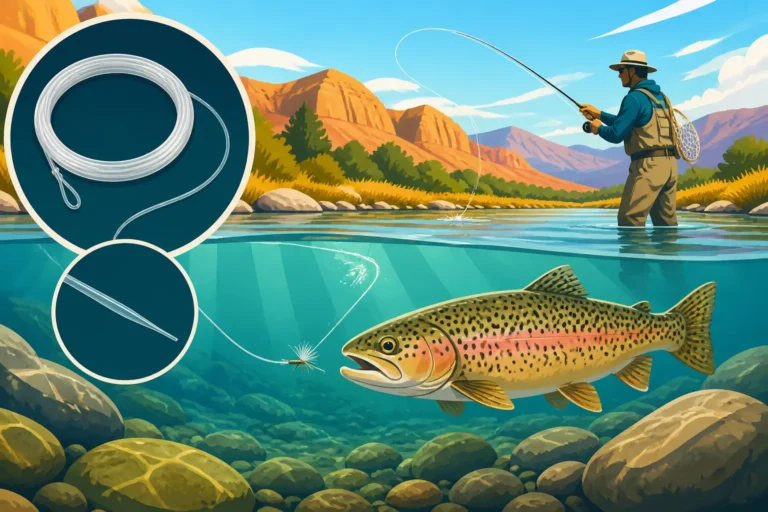
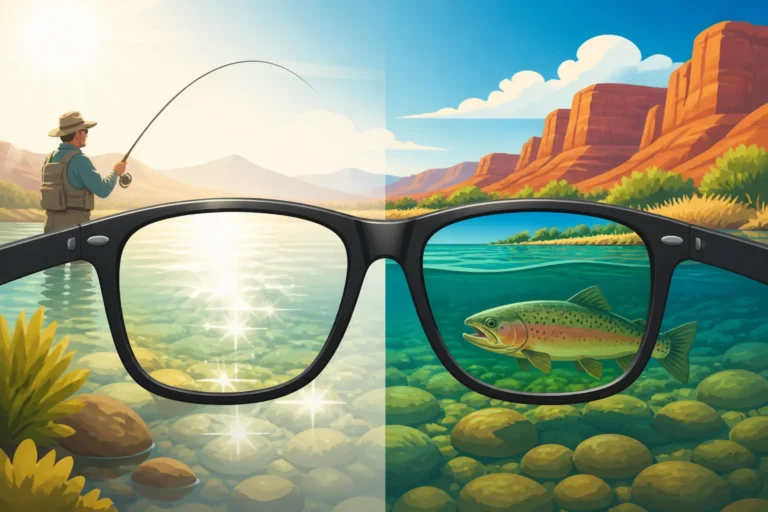
Many of New Mexico's premier bass fisheries, especially those in the northern and central regions, boast incredibly clear water. This clarity can be a double-edged sword: it allows bass to see your lure from a greater distance, but it also means they can spot your line, your boat, and any unnatural movements much more easily. In these conditions, subtlety often wins the day. Think natural colors, lighter lines, and presentations that mimic real forage with precision. You'll find that bass in clear water can be incredibly wary, inspecting lures closely before deciding to strike.
For instance, when fishing a lake like Navajo, where visibility can be excellent, throwing a large, flashy bait in broad daylight might spook more fish than it attracts. Instead, you might reach for a finesse worm in a natural green pumpkin color, rigged weightless or on a light shaky head. The key is to make your offering appear as natural and unthreatening as possible, blending into the environment rather than sticking out like a sore thumb. Remember, the clearer the water, the more critical it is to focus on subtle movements and natural presentations.
Varying Depths and Structure
New Mexico's lakes and reservoirs are famous for their dramatic depth changes and diverse underwater structure. You might go from a shallow, rocky flat to a 50-foot drop-off within a few boat lengths. These deep ledges, submerged brush piles, standing timber, and rock formations are prime hiding spots for both largemouth and smallmouth bass. Your lure selection needs to account for these changes, allowing you to effectively target fish at different depths and navigate challenging cover.
Consider the incredible structure at places like Conchas Lake Fishing Guide, where submerged trees and rocky points offer endless ambush points. A single lure won't cut it here; you'll need options that can delve deep, crawl over rocks, or punch through vegetation. This is where a varied selection of lures becomes indispensable. Heavy jigs can penetrate thick cover, while deep-diving crankbaits can bounce off submerged timber, often triggering reaction strikes. Being prepared to fish vertically, horizontally, and everywhere in between will dramatically increase your success rate.
Different Bass Species, Different Preferences
New Mexico is home to several popular bass species, primarily largemouth, smallmouth, and striped bass. While they all share a predatory nature, their preferred diets and hunting styles can vary significantly, influencing which lures they'll strike. Largemouth Bass Fishing in New Mexico often hide in thick cover, preferring slower, more substantial meals, while Smallmouth Bass Fishing in New Mexico are known for chasing down smaller prey in open water and around rocky structures. Striped Bass Fishing in New Mexico, particularly at Elephant Butte, are pelagic hunters that often chase schools of baitfish in open water.
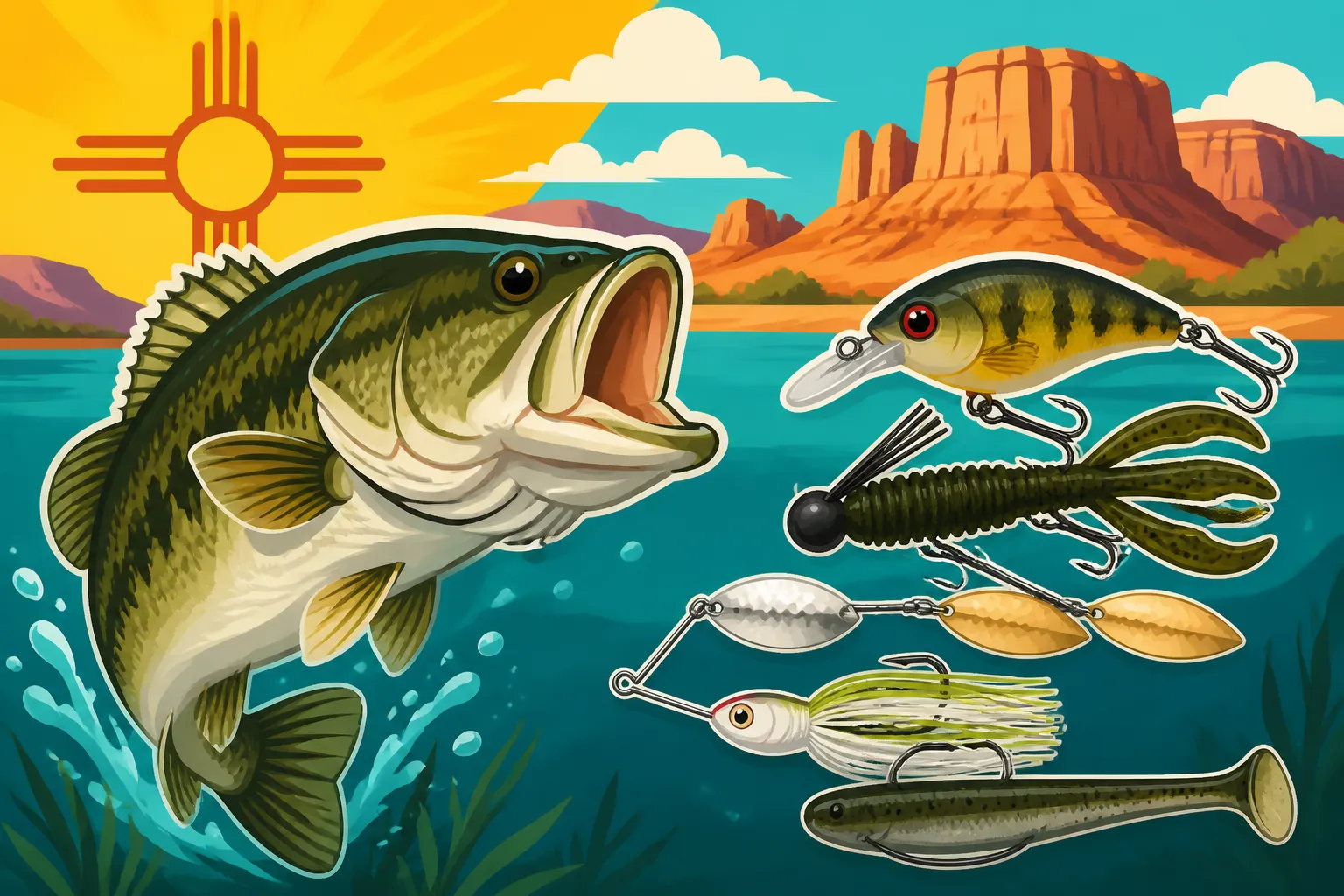
Knowing which species you're targeting – or being prepared for a mixed bag – will guide your lure choices. For largemouth, you might lean towards creature baits, jigs, and larger worms. For smallmouth, tubes, small crankbaits, and jerkbaits often excel. And for striped bass, especially the big ones, spoons, swimbaits, and topwater lures that mimic schooling baitfish can be absolute dynamite. The beauty of bass fishing in New Mexico is that you can often target all three in the same general area, but a strategic lure selection will help you maximize your chances with each.
Topwater and Crankbaits: Exciting Hard Baits for New Mexico Bass
When you think of bass fishing, the explosive strike on a topwater lure or the hard thud of a crankbait hitting structure probably comes to mind. These hard baits are indispensable for New Mexico anglers, offering incredible versatility and producing some of the most thrilling bites. They're perfect for covering water, drawing reaction strikes, and exciting fish that might not be interested in a slower presentation.
Topwater Lures: The Surface Spectacle
There’s nothing quite like a bass blowing up on a topwater lure. In New Mexico, especially during low light conditions (dawn, dusk) or on overcast days, topwater fishing can be phenomenal. Poppers, walk-the-dog baits, and frog imitations are must-haves. These lures excel around shallow cover like emergent vegetation, flooded timber, or rocky shorelines. The key is to entice bass to commit to a surface strike, which is often a pure reaction bite.
- Poppers: These lures have a cupped face that "pops" or "chugs" water when twitched. They're fantastic for drawing bass out of tight cover or over submerged grass. Colors that mimic small baitfish or frogs work well. Think about working them with a stop-and-go retrieve, letting them sit for a few seconds after each twitch – sometimes that pause is what triggers the strike.
- Walk-the-Dog Baits: Lures like a Heddon Super Spook or a Zara Spook are iconic for their side-to-side "walk-the-dog" action. This erratic, gliding motion perfectly imitates a wounded baitfish struggling on the surface. These are excellent for covering open water, especially along points or over submerged humps. A steady cadence is crucial to getting the right action. You can often find a great selection of these on Amazon, making it easy to experiment with different sizes and colors.
- Frog Imitaions: Hollow-bodied frogs are phenomenal in heavy cover like lily pads, matted grass, or thick brush. They're weedless by design, allowing you to cast into places no other lure would dare go. The retrieve is usually a series of twitches and pauses, making the frog "walk" or "jump" across the cover. When a bass strikes, be patient and wait for the rod to load up before setting the hook.
Crankbaits: Diving for Dollars
Crankbaits are workhorses in any bass angler's tackle box, and they shine in New Mexico's diverse environments. They come in various shapes and sizes, each designed to dive to specific depths and produce different actions. Whether you're targeting fish suspending over deep water or bouncing off rocky bottom, there's a crankbait for the job.
- Shallow-Diving Crankbaits: These lures run from 0-6 feet deep and are excellent for fishing shallow flats, rocky banks, or the tops of submerged hydrilla. Squarebills are particularly effective for bumping off cover without snagging, mimicking a crawfish or fleeing baitfish. Think of the retrieve as a "power fishing" technique – cast, reel, and let the lure do its work. Bright colors can work in stained water, while more natural patterns are better for clear lakes.
- Medium and Deep-Diving Crankbaits: When bass move to deeper structure – ledges, humps, or submerged timber – medium and deep divers are your go-to. These lures have larger lips that allow them to plunge to depths of 10, 15, even 20+ feet. They are fantastic for covering large areas quickly and triggering reaction strikes as they deflect off underwater objects. For example, at Elephant Butte Lake Fishing Guide, where bass often relate to deep contours, a deep-diving crankbait can be incredibly effective. Make sure your retrieve allows the bait to occasionally contact the bottom or structure; that contact is often what gets a bite. You can find a huge variety of crankbaits, from budget-friendly options to high-end choices, at Bass Pro Shops.
- Lipless Crankbaits: These versatile lures sink quickly and produce a tight wobbling action and loud rattle. They can be fished at any depth, from ripping them through shallow grass to yo-yoing them off deep ledges. They are excellent for cold water, windy conditions, or when you need to cover a lot of water quickly. The vibration and sound are often irresistible to active bass.
| Lure Type | Best Conditions | Typical Depth Range | Key Action/Presentation |
|---|---|---|---|
| Topwater Poppers | Low light, calm water, shallow cover | Surface | Pop-pause-retrieve, mimic struggling baitfish |
| Walk-the-Dog | Calm to choppy water, open water, points | Surface | Erratic side-to-side "walk" |
| Hollow-Body Frogs | Heavy matted vegetation, lily pads, thick brush | Surface | Hop, twitch, pause over cover |
| Shallow Crankbaits | Shallow flats, rocky banks, sparse grass | 0-6 feet | Steady retrieve, bump off cover |
| Deep Crankbaits | Deep ledges, humps, submerged timber, open water | 10-25+ feet | Steady retrieve, contact structure |
| Lipless Crankbaits | All depths, windy days, cold water, covering water | All depths | Rip-and-fall, steady retrieve, yo-yo |
Jigs and Soft Plastics: The Versatile Angler's Arsenal
When the bite gets tough, or you need to slow down and pick apart specific cover, jigs and soft plastics are your best friends. These lures offer incredible versatility, allowing for subtle presentations that mimic natural forage with lifelike precision. They are absolutely essential for Bass Fishing Techniques for New Mexico Lakes and often responsible for catching some of the biggest bass.
Jigs: Heavy Hitters for Heavy Cover
Jigs are perhaps the most versatile and productive lures for bass fishing, especially for larger, more discerning fish. They imitate crawfish, baitfish, and other bottom-dwelling creatures. The beauty of jigs lies in their ability to penetrate heavy cover and get right into the strike zone where big bass often hide.
- Flipping and Pitching Jigs: These jigs typically feature a heavy weed guard and a compact profile, designed to be "flipped" or "pitched" into dense cover like brush piles, flooded trees, or thick docks. Pair them with a craw or creature bait as a trailer for added bulk and action. The presentation is usually a lift-and-drop, imitating a crawfish scurrying along the bottom. For a deeper dive into this, check out Best Tackle for New Mexico Bass Fishing. The thump and subtle movement often trigger a reaction bite from bass waiting in ambush.
- Football Jigs: Named for their football-shaped head, these jigs excel on hard bottoms, like rocky points, gravel beds, and deep ledges. The head design allows them to roll over rocks and structure without snagging, making them perfect for dragging along the bottom. Again, a craw or chunk trailer adds to the appeal. These are particularly effective for smallmouth bass but will also tempt largemouth relating to deeper structure.
- Swim Jigs: Unlike their bottom-bouncing counterparts, swim jigs are designed to be retrieved horizontally through the water column, often through sparse vegetation or open water. They typically have a sleeker head design and are often paired with a paddle-tail swimbait or grub trailer to give them a lifelike swimming action. Think of them as a more subtle alternative to a spinnerbait. These can be incredibly effective when bass are cruising or when you want to imitate a baitfish moving through cover.
Soft Plastics: Endless Possibilities
Soft plastics are the chameleon of the bass fishing world. With countless shapes, sizes, and colors, they can imitate almost any forage and be rigged in a multitude of ways to suit various conditions. They are often the key to unlocking bites when other lures fail.
- Plastic Worms (Texas Rig & Carolina Rig):
- Texas Rig: This is perhaps the most fundamental soft plastic rig. A worm, creature bait, or craw is threaded onto a worm hook, with the hook point embedded back into the plastic to make it weedless. A bullet weight is then slid onto the line above the hook. This rig is fantastic for fishing through grass, wood, and rocks with minimal snagging. The retrieve can vary from slow dragging to subtle hopping, letting the worm's tail enticingly flutter. When fishing New Mexico's clear waters, natural colors like green pumpkin, watermelon, or black and blue are often highly productive. You can stock up on a huge variety of soft plastics from Bass Pro Shops.
- Carolina Rig: For covering deeper flats or points, or when bass are scattered, the Carolina rig is an excellent choice. It involves a heavy lead sinker (usually 1/2 oz or more) followed by a bead and then a swivel, with a 2-4 foot leader attached to a hook and your soft plastic bait. This setup allows the weight to dredge the bottom, stirring up sediment, while the plastic bait floats or glides enticingly above it. It's a great way to present a larger profile bait to hesitant bass.
- Creature Baits & Craws: These soft plastics mimic crawfish or various other aquatic invertebrates. They have appendages that flap, wiggle, and undulate with even the slightest movement, making them incredibly lifelike. They are exceptional as jig trailers or fished on a Texas rig in heavy cover. The aggressive action of creature baits can often trigger a strike from an otherwise inactive bass.
- Swimbaits: Soft plastic swimbaits, with their paddle tails, are designed to imitate baitfish. They can be rigged on a weighted swimbait hook, a jig head, or as a trailer for a bladed jig. They're excellent for targeting fish suspended in open water or for covering water quickly along points and ledges. Sizes can range from small 3-inch baits for finesse presentations to large 6+ inch baits for trophy hunting. For learning more about general gear, consider Best Fishing Gear for New Mexico Anglers.
- Finesse Baits (Dropshot, Neko Rig, Wacky Rig): When the water is super clear, or the bass are highly pressured, finesse presentations are often the answer.
- Dropshot: This rig keeps your bait suspended off the bottom, above a weight, allowing for subtle, natural movement with minimal retrieve. It's incredibly effective for targeting suspended bass or those holding tight to deep structure.
- Wacky Rig: A plastic worm hooked through its middle, allowing both ends to wiggle seductively as it falls. It's often fished weightless or with a small nail weight, creating a slow, tantalizing fall that bass find hard to resist, especially around docks or sparse cover.
- Neko Rig: Similar to a wacky rig, but with a nail weight inserted into one end of the worm, causing it to sink head-first with a unique undulation. It's another excellent finesse presentation for clear water and pressured fish. For a selection of these specialized items, many anglers turn to Amazon for convenience.
Beyond the Basics: Specialized Lures and Seasonal Adjustments
While topwater, crankbaits, jigs, and soft plastics form the backbone of your New Mexico bass arsenal, there are a few other specialized lures and strategic seasonal adjustments that can put you ahead of the game. Being adaptable is key to consistent success in the Land of Enchantment.
Spinnerbaits and Bladed Jigs: Vibration and Flash
Sometimes, bass need a little extra persuasion, especially in stained water, windy conditions, or when they're feeding aggressively. This is where spinnerbaits and bladed jigs truly shine.
- Spinnerbaits: These lures feature a lead head, a skirt, and one or more spinning blades that create flash and vibration in the water. They are incredibly weedless, making them perfect for cranking through submerged grass, around standing timber, or over rocky points. They can be retrieved at various speeds, from slow-rolling along the bottom to burning them just under the surface. Different blade combinations (Colorado for thump, Willowleaf for flash and speed) allow you to fine-tune your presentation. For instance, when fishing in a lake with a bit more color like Ute Lake, a spinnerbait can be an excellent choice to cut through the murk and get noticed.
- Bladed Jigs (Chatterbaits): Combining the flash of a spinnerbait with the erratic action of a crankbait, bladed jigs have become incredibly popular. The vibrating blade in front of the jig head creates a unique thumping action and causes the skirt and trailer to pulse and dance enticingly. They excel at imitating a fleeing baitfish or crawfish and are fantastic for covering water, especially through grass or around wood. They can trigger incredibly aggressive strikes from bass.
Seasonal Strategies for Lure Selection
New Mexico experiences distinct seasons, and bass behavior shifts with them. Matching your lure selection to the time of year is critical for consistent success. If you're wondering about the best times to fish, check out Best Time of Year to Fish in New Mexico.
- Spring (Pre-Spawn & Spawn): As water temperatures rise, bass move to shallower areas to feed and eventually spawn. This is a prime time for reaction baits. Lipless crankbaits, spinnerbaits, and medium-diving crankbaits can be great for covering water and locating active fish. During the spawn, softer presentations like weightless worms, jigs, and creature baits are excellent for targeting bedding bass. Look for areas with slightly warmer water.
- Summer (Post-Spawn & Hot Water): After the spawn, bass often move to deeper, cooler water, relating to structure like ledges, humps, and submerged timber. Early morning and late evening can see them move shallow for topwater action. During the heat of the day, focus on deep-diving crankbaits, football jigs, Carolina rigs, and dropshots. These presentations allow you to target fish effectively at depth. For ideas on where to fish, consider Best Lakes for Bass. Night fishing for bass, especially largemouth and striped bass, can also be highly productive during the summer, often with large dark-colored jigs or worms.
- Fall (Feeding Frenzy): As temperatures begin to drop and baitfish schools migrate, bass go on a feeding frenzy to fatten up for winter. This can be one of the best times to fish, as bass are often highly aggressive. Spinnerbaits, crankbaits (both shallow and deep), swimbaits, and even topwater lures (especially on warmer days) can be incredibly effective. Focus on areas where baitfish are congregating, such as creek channels, points, and humps.
- Winter (Slow & Deep): When water temperatures plummet, bass become lethargic and seek out the warmest, deepest water available. Their metabolism slows, and they prefer smaller, slower-moving meals. Finesse techniques dominate here: dropshots, shaky head jigs with small worms, football jigs dragged slowly, and even ice fishing techniques in certain frozen lakes can produce. The bites will be subtle, so sensitive gear, like a good spinning rod, is essential. For more gear insights, look into Best Rods and Reels for New Mexico Trout Fishing.
Building a versatile tackle box for New Mexico bass fishing isn't about having every lure ever made, but rather having a selection that allows you to adapt to the diverse conditions you'll encounter. Start with these essential categories, experiment with colors and sizes, and you'll be well on your way to consistent success on the Land of Enchantment's incredible bass waters.
Disclaimer
This article is for general informational purposes only and does not constitute professional advice. Laws, prices and regulations vary by location and change over time. Consult a qualified professional for guidance on your specific situation.