Best Tackle for New Mexico Bass Fishing
Navigating the world of bass fishing in New Mexico can feel overwhelming when you're staring at an aisle full of lures and gear, wondering what on earth actually works in our high desert lakes and rivers. It's a common struggle – what's the right tackle for our unique waters, where bass behavior can be different from other states? This comprehensive guide is designed to cut through the confusion, helping you understand precisely what gear you need to confidently target and catch bass across the Land of Enchantment.
Understanding New Mexico's Diverse Bass Habitats
New Mexico isn't exactly famous for its "bass country" in the same way places like Florida or Texas are, but don't let that fool you. We have some fantastic bass fisheries, each with its own quirks and challenges. The key to successful bass fishing here often starts with understanding the specific environment you're dropping a line into. From sprawling reservoirs to winding rivers, the tackle that excels in one spot might fall completely flat in another. That's why a one-size-fits-all approach just won't cut it.
Reservoir Dynamics and Bass Behavior
Our larger reservoirs, like Elephant Butte Lake and Conchas Lake, are the superstars for bass anglers. These are vast, often deep bodies of water that can fluctuate significantly in water level throughout the year. Bass in these reservoirs are often chasing baitfish like shad, and they'll relate to submerged structures like old creek channels, points, humps, and standing timber. The clear water found in some of these lakes also plays a huge role in tackle selection; finesse techniques often shine here, especially when the fish are pressured or the bite is tough. You'll need tackle that can effectively cover large areas, reach significant depths, and present baits subtly. Understanding seasonal movements, like Best Month to Catch Striped Bass at Elephant Butte or Best Time to Catch Walleye in New Mexico, can also indirectly inform bass strategies, as baitfish patterns often overlap.
When fishing these reservoirs, anglers often face wind, waves, and expansive open water. This means your tackle needs to be robust enough to handle these conditions. Long casts are frequently necessary to reach offshore structure, and baits need to mimic the local forage. The structure can be anything from rocky points to submerged brush piles, demanding lures that can navigate these obstacles without constant snagging. Bass in these environments can be incredibly active, chasing down fast-moving baits, but they can also hug the bottom in deeper, cooler water when the summer sun beats down.
Riverine Challenges for Bass
While New Mexico isn't known for its smallmouth bass rivers like some eastern states, we do have sections of the Rio Grande and other tributaries that hold both largemouth and smallmouth bass. River fishing presents a different set of challenges: current, varying water clarity, and unique structure like eddies, log jams, and undercut banks. Smallmouth bass, in particular, love rocky bottoms and swift current, often found in the upper reaches of our river systems. Largemouth bass tend to prefer slower-moving backwaters, oxbows, and areas with more vegetation or laydowns.
Tackle for river bass needs to be adaptable. You might be making shorter, more accurate casts to specific pockets behind rocks or log jams, or working lures upstream against the current. The constant flow means lighter baits can get washed away too quickly, so slightly heavier options or those designed to "dig in" against the current are often preferred. Stealth and precision are sometimes more critical in rivers than in large open lakes. Knowing how to Fish New Mexico Rivers After Heavy Rain or How Does Monsoon Season Affect New Mexico Fishing can be crucial, as water levels and clarity changes drastically impact fish location and feeding behavior.
Pond Perfection for Bass
Don't overlook the smaller impoundments and community ponds scattered across New Mexico. These can be fantastic places to target bass, especially for beginners or those looking for a quick fishing fix close to home. Ponds are often shallower, can warm up faster, and typically have more bank access. Bass in ponds tend to be less pressured and more predictable in their movements, often relating to weed lines, docks, or any available cover. These waters are often stocked with various species, offering a chance for a mixed bag.
Tackle for pond fishing can be a bit simpler, often leaning towards more accessible and versatile options. Shorter casts might be the norm, and you'll typically be fishing in shallower water, often targeting visible cover. Topwater lures, weedless soft plastics, and smaller crankbaits can be incredibly effective here. These spots are also perfect for introducing kids to fishing, as the action can be more consistent. Understanding the basics of Best Way to Catch Bluegill With Kids or Best Fish Species to Target With Kids often applies to pond bass fishing too, as many of these fish share similar habitat preferences in smaller waters.
Essential Rods and Reels for Bass Anglers
Choosing the right rod and reel isn't just about matching colors; it's about matching your gear to the fishing style, the lure, and the bass you're trying to catch. New Mexico's diverse bass fisheries demand a versatile approach, meaning you might need more than one setup if you're serious about targeting these aggressive fish. Each piece of your rod and reel combo plays a crucial role in casting, presenting your lure, feeling bites, and fighting fish.
Spinning Setups for Finesse Techniques
Spinning reels paired with spinning rods are the go-to choice for finesse fishing. This means using lighter lines, smaller baits, and subtle presentations – techniques that often excel in New Mexico's clear reservoir waters or when bass are heavily pressured. A medium-light to medium power spinning rod, typically 6'6" to 7'0" in length, with a fast action tip, is ideal. This setup allows for sensitive bite detection and effortless casting of lightweight lures like shaky heads, drop shots, small jerkbaits, and weightless worms.
The beauty of a spinning setup lies in its ease of use and ability to cast light baits accurately. For beginners, it's often the easiest to learn, minimizing frustrating backlashes. When a bass subtly picks up a worm in 20 feet of water at Navajo Lake, that sensitive rod tip is what translates that barely-there bump into a hookset. A good spinning reel should have a smooth drag system, which is paramount for fighting bigger bass on lighter lines, preventing line breaks and ensuring you can tire out the fish without putting too much strain on your gear. This setup is particularly effective for Smallmouth Bass Fishing in New Mexico in clearer waters.
Baitcasting for Power and Precision
Baitcasting setups are the workhorses of bass fishing, designed for heavier lines, larger lures, and situations demanding power and accuracy. A medium-heavy to heavy power baitcasting rod, ranging from 6'8" to 7'6" or even longer for specific techniques, combined with a corresponding baitcasting reel, allows you to throw jigs into heavy cover, launch big crankbaits, or flip stout plastics into dense vegetation. The direct line contact and higher gear ratios of baitcasting reels provide incredible control, allowing for quick lure retrieval and powerful hooksets that spinning gear simply can't match.
While they have a steeper learning curve (those infamous backlashes!), mastering a baitcaster opens up a whole new world of bass fishing techniques. The accuracy you can achieve with a baitcaster, especially for pitching and flipping into tight spots, is unparalleled. Imagine needing to drop a jig precisely next to a submerged tree stump in Elephant Butte; a baitcaster gives you that surgical control. Furthermore, when you hook into a feisty Largemouth Bass Fishing in New Mexico around thick brush, the backbone of a heavy baitcasting rod and the strength of heavier line are essential for pulling that fish out before it buries itself in cover. Many experienced anglers keep several baitcasting setups rigged with different lures to quickly adapt to changing conditions.
Combo Considerations for New Mexico
Given the varied conditions in New Mexico, having at least two different rod and reel combos can significantly enhance your success. A spinning setup for finesse and lighter presentations, and a baitcasting setup for power techniques, heavier lures, and fishing around dense cover, creates a versatile arsenal. When choosing your gear, consider the balance between the rod and reel; a well-balanced combo feels lighter, casts better, and reduces fatigue over a long day on the water.
Material matters too. Graphite rods are generally lighter and more sensitive, ideal for feeling subtle bites. Fiberglass rods, or composites, offer more durability and a slower action, which can be beneficial for throwing reaction baits like crankbaits. The reel's gear ratio also influences your retrieve speed – a high ratio is great for quick lure retrieval or working topwater baits, while a lower ratio provides more torque for winching in deep-diving crankbaits or battling big fish. Think about your most common fishing scenarios and build your combos around those, expanding as you explore more techniques and locations.
Top Lure Categories for New Mexico Bass
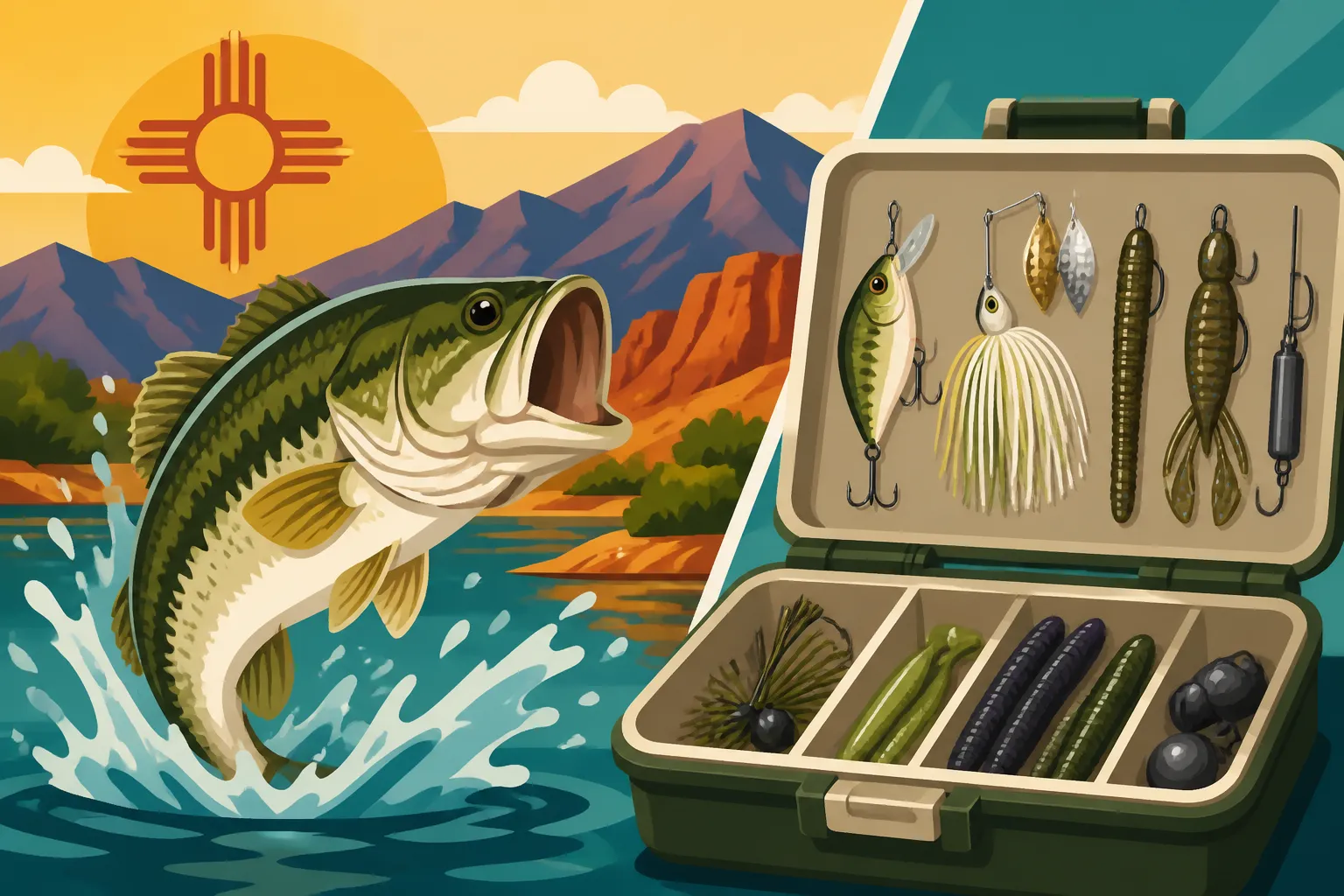
Lures are where the magic happens, transforming into tempting meals that bass can't resist. For New Mexico's diverse bass populations, a well-rounded tackle box will include a variety of lure types, each designed for specific conditions, depths, and bass behaviors. Understanding when and where to deploy each category is key to maximizing your catch rate.
Soft Plastics for Unmatched Versatility
Soft plastics are arguably the most versatile and effective lures for bass fishing in New Mexico, especially when dealing with clear water, pressured fish, or subtle bites. This category includes everything from worms, creature baits, and senkos to swimbaits and flukes. Their realistic texture and action make them incredibly appealing to bass, mimicking natural forage or simply presenting an easy meal. They can be fished in countless ways: Texas-rigged, Carolina-rigged, wacky-rigged, drop-shotted, or on a jig head.
Consider a 7-inch plastic worm in a natural green pumpkin or watermelon red color. Rigged weightless and allowed to slowly flutter down, it's irresistible to a largemouth cruising a weed line in a private pond. Or, Texas-rigged with a bullet weight, it can be punched through sparse vegetation at Ute Lake to entice a bass hiding in the shade. For Smallmouth Bass Fishing in New Mexico in rocky areas, a grub or small swimbait on a lightweight jig head can mimic a crawfish or baitfish perfectly. The sheer adaptability of soft plastics means you can always find a presentation to match the mood of the fish, making them an indispensable part of your tackle. Many anglers find great deals on bulk packs of soft plastics from online retailers like Amazon.
Hard Baits for Reaction Strikes
Hard baits are designed to elicit a reaction strike, often through aggressive action, flash, or sound. This category encompasses crankbaits, jerkbaits, spinnerbaits, chatterbaits, and topwater lures. They are excellent for covering water quickly, locating active fish, and drawing strikes from bass that might be ignoring softer presentations. The key is understanding their specific actions and diving depths.
- Crankbaits: These lures dive to various depths based on their lip size and retrieve speed. Shallow divers are great for covering flats and shallow points, while deep divers can reach bass holding in 15-20 feet of water over submerged structure at Conchas Lake. Their wobbling action and internal rattles mimic a fleeing baitfish, triggering aggressive strikes.
- Jerkbaits: With their erratic darting and suspending action, jerkbaits are deadly when bass are chasing baitfish near the surface or suspended over deeper water. A series of jerks and pauses makes them incredibly lifelike.
- Spinnerbaits & Chatterbaits: These lures combine flash, vibration, and often a skirted body to create a lot of commotion. They're fantastic for fishing around sparse cover like flooded timber or weed edges, especially in stained water, as the vibration helps bass locate them.
When bass are active and feeding, a well-chosen hard bait can often out-fish anything else. They're particularly effective for locating schools of bass or for triggering strikes from aggressive fish during feeding windows.
Jigs for Structure and Heavy Cover
Jigs are a cornerstone of any serious bass angler's tackle box, excelling at fishing heavy cover and structure where big bass often hide. This category primarily includes football jigs, swim jigs, and flipping/pitching jigs, often adorned with a skirt and tipped with a soft plastic trailer (like a crawfish or creature bait). Their compact profile and weedless design allow them to penetrate dense cover, making them ideal for targeting bass in wood, rocks, or thick vegetation.
A football jig, for example, is perfect for dragging along rocky bottoms and points in deep reservoirs. Its unique head shape helps it crawl over rocks without snagging, mimicking a crawfish scurrying along the bottom. For targeting bass in submerged brush piles or heavy timber, a flipping jig with a stout hook and weed guard is your best friend. Its compact design allows for precise presentations in tight windows. Swim jigs, on the other hand, are designed to be retrieved through water with a swimming action, often over grass beds or along submerged contours, mimicking a baitfish. The beauty of jigs lies in their ability to present a tempting, compact meal directly to a bass's doorstep, often resulting in powerful, unmistakable strikes. Using them effectively often means paying close attention to your line and feeling for those subtle "thumps" or "ticks" that indicate a bite.
| Lure Category | Primary Application | Target Bass Behavior | Ideal New Mexico Conditions |
|---|---|---|---|
| Soft Plastics (Worms, Creatures) | Finesse, subtle presentations, cover | Cruising, finicky, hiding in cover | Clear water, pressured fish, shallow cover, drop-offs |
| Crankbaits (Shallow/Deep) | Covering water, reaction strikes | Active, chasing baitfish | Open water, points, humps, varying depths |
| Jigs (Flipping, Football, Swim) | Heavy cover, structure, vertical | Ambush predators, hiding in cover | Wood, rocks, brush piles, submerged vegetation |
| Spinnerbaits/Chatterbaits | Vibration, flash, covering water | Active, curious, low visibility | Stained water, wind, sparse cover, weed edges |
| Jerkbaits | Suspended fish, clear water | Chasing baitfish, suspended | Clear water, open water, sudden drops |
| Topwater Lures (Poppers, Frogs) | Surface strikes, shallow cover | Ambush predators, active, aggressive | Calm mornings/evenings, shallow weed mats |
Terminal Tackle: The Unsung Heroes
While flashy lures get all the glory, your terminal tackle – the bits and pieces that connect your line to your lure – are the unsung heroes of bass fishing. Hooks, weights, and line might seem like minor details, but they are absolutely critical to getting bites, presenting your bait correctly, and ultimately landing fish. Skimping on these components can lead to lost fish and endless frustration, especially when that trophy bass finally strikes.
Hook Types and Sizes for Bass
Selecting the right hook depends entirely on the bait you're using and the presentation you're aiming for. For soft plastics, there's a myriad of options:
- Extra Wide Gap (EWG) Hooks: These are incredibly popular for Texas-rigging worms, creature baits, and senkos. The wide gap allows for excellent hook penetration even with bulky plastics, ensuring the hook point clears the bait and finds the fish's mouth. Sizes range from 1/0 for smaller baits to 5/0 or 6/0 for larger worms and creature baits.
- Straight Shank Hooks: Often favored by flipping and pitching enthusiasts, these hooks provide a more direct, powerful hookset and are excellent for punching through heavy cover with stout plastics.
- Wacky Hooks: Specifically designed for wacky-rigging senkos, these small, light wire hooks penetrate easily and allow the bait to shimmy enticingly.
- Drop Shot Hooks: Small, fine-wire hooks that are perfect for nose-hooking small worms or plastics on a drop shot rig, offering maximum bait action and easy hooksets.
For hard baits, hooks are usually pre-rigged, but replacing dull or weak treble hooks with sharper, stronger ones can dramatically improve your hook-up ratio and prevent fish from throwing the lure during a fight. Consider brands known for their sharp, durable hooks, as a clean hookset is paramount for keeping that bass on the line.
Weight Selection and Applications
Weights are essential for getting your lure to the desired depth and providing a natural fall or retrieve. The type and size of weight you use will vary greatly depending on the lure, depth, cover, and current.
- Bullet Weights: These are most commonly used for Texas-rigging soft plastics. Their pointed shape helps them slide through cover with minimal snagging. Tungsten weights are increasingly popular over lead due to their smaller profile, increased sensitivity (they transmit vibrations better), and environmental benefits. Sizes range from 1/8 oz for light presentations to 1 oz or more for punching through thick vegetation.
- Carolina Rig Weights: Typically egg-shaped or cylindrical, these are used for the Carolina rig, allowing your bait to float freely behind the weight on a leader.
- Drop Shot Weights: Designed to attach to the bottom of a drop shot leader, these often feature a swivel or line clip for easy adjustment and quick release if snagged. They come in various shapes (round, cylindrical, teardrop) and weights to match the depth and current.
- Jig Heads: While part of the lure, the weight of a jig head is crucial. From 1/16 oz for small grubs to 1 oz for deep structure jigs, matching the weight to the depth, current, and desired fall rate is vital.
Using the lightest weight possible that still allows you to reach your target depth and maintain contact with your lure is generally a good rule of thumb. This provides a more natural presentation and increases sensitivity to subtle bites.
Line Choices and Benefits
Your fishing line is the direct connection between you and the fish, and choosing the right type, test, and diameter can make a huge difference in your success.
- Monofilament (Mono): This is a classic choice, known for its stretch, knot strength, and ease of handling. The stretch acts as a shock absorber, which can be beneficial for certain crankbait presentations or for anglers prone to setting the hook too hard. It's a great all-around line, especially for topwater and spinnerbaits.
- Fluorocarbon (Fluoro): Almost invisible underwater due to its refractive index, fluorocarbon is a favorite for clear water applications and finesse techniques. It has less stretch than mono, offering increased sensitivity, and sinks, making it ideal for deep-diving crankbaits or Carolina rigs. However, it can be stiffer and more prone to memory.
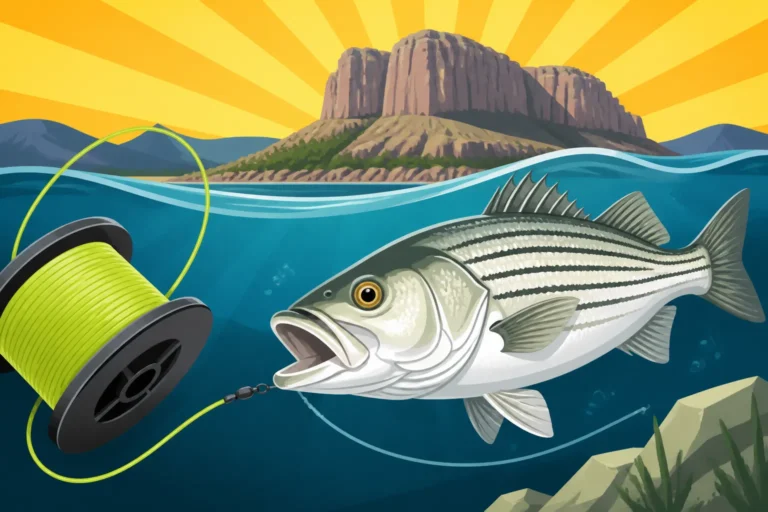
- Braided Line (Braid): With virtually no stretch, incredible strength-to-diameter ratio, and high abrasion resistance, braid is the ultimate line for fishing heavy cover, punching, flipping, and throwing frogging lures over mats. Its sensitivity allows you to feel the faintest bites, even in deep water. However, it is highly visible, so anglers often use a fluorocarbon or monofilament leader with braid, especially in clear New Mexico waters. Check out Best Line Test for Elephant Butte Striped Bass for insights into line strength, which is also applicable to powerful bass.
The "right" line often depends on the technique. For example, you might use 10-12 lb fluorocarbon for drop-shotting, 15-20 lb monofilament for crankbaits, and 50-65 lb braided line for flipping heavy jigs. Having a variety of spools or even entire combos rigged with different lines allows you to adapt to whatever the bass (and the water) throws at you.
Seasonal Tackle Adjustments for New Mexico Bass
Bass behavior isn't static; it changes dramatically throughout the year in response to water temperature, light conditions, and spawning cycles. What works in the heat of summer probably won't be effective in the dead of winter. Understanding these seasonal shifts and adjusting your tackle accordingly is a cornerstone of consistent bass fishing success in New Mexico. This is where truly becoming a savvy angler comes into play, rather than just throwing the same old thing year-round.
Spring Spawning Patterns and Tackle
Spring is prime time for bass fishing in New Mexico, as water temperatures rise and bass move from their deeper winter haunts to shallower areas for spawning. This is when they become more aggressive and territorial, making them susceptible to a variety of presentations. Early spring, during the pre-spawn, bass are gorging themselves to build energy for spawning. They'll often be found on main lake points, channel swings, and secondary points leading into spawning coves. This is a great time for lipless crankbaits, spinnerbaits, and medium-diving crankbaits to cover water and find these aggressive fish. Jigs and creature baits slowly worked along the bottom can also be deadly.
As the water warms further and bass move onto beds for the actual spawn, your tackle needs to shift to more precise, "sight fishing" presentations. Soft plastics like lizards, tubes, and bulky worms become highly effective. Bass on beds are protective, not necessarily feeding, so presentations that annoy or threaten their nest often trigger a strike. Flipping and pitching these baits right into their beds can draw furious reactions. Post-spawn, bass are recovering and often move to nearby cover such as submerged brush, docks, or weed lines. Topwater lures, weightless flukes, and light jigs can be excellent choices as they start to feed again. For more general seasonal strategies, Best Time of Year to Fish in New Mexico provides a good overview.
Summer Deep Dives and Tackle
New Mexico summers can be brutally hot, and as water temperatures soar, bass often seek refuge in deeper, cooler water. This means your tackle needs to be geared towards targeting fish off main lake points, humps, ledges, and creek channels, often at depths of 15-30 feet or more in our larger reservoirs like Elephant Butte. Deep-diving crankbaits that can reach these depths are essential for covering water and triggering reaction strikes from suspended or bottom-hugging fish. Look for crankbaits that are designed to dive 15-25 feet or more, and use a longer rod to help maximize casting distance and leverage.
Soft plastics remain highly effective in summer, but presentations shift. Carolina rigs, drop shots, and heavy football jigs excel at targeting deep structure. A Carolina rig allows a weightless bait to suspend enticingly above the bottom, perfect for tempting wary bass. Drop shots offer unmatched finesse for precise presentations on specific pieces of structure. Early mornings and late evenings might see some bass move shallower to feed, making topwater lures or buzzbaits viable for a short window, especially over deep water adjacent to shallow flats. However, during the main heat of the day, be prepared to fish vertically or drag baits along the bottom in the cooler depths.
Fall Feeding Frenzies and Tackle
Fall in New Mexico is often a favorite time for bass anglers. As temperatures begin to drop, bass become incredibly active, going on a "feeding spree" to fatten up before winter. They often follow baitfish into shallower creeks and coves, or school up on main lake points and humps. This is a fantastic time to cover water with aggressive baits. Lipless crankbaits are particularly deadly as they mimic shad schools moving through the water. Medium-diving crankbaits, spinnerbaits, and jerkbaits also shine during this period, especially around points and submerged cover.
Soft plastics, particularly swimbaits and flukes, can also be highly effective when retrieved to imitate wounded baitfish. As fall progresses and water temperatures continue to drop, the bass might start to move deeper again, but they'll often remain active longer than in summer. Keep an eye on the water temperature; as it approaches the 50s, consider slowing down your retrieve and focusing on jigging or slower presentations with soft plastics. The cooler, crisp air and often less crowded waters make fall fishing a true pleasure, and the bass can be incredibly cooperative.
Winter Slow Bites and Tackle
Winter bass fishing in New Mexico can be challenging, but it can also yield some of the biggest fish of the year if you approach it correctly. Bass are generally lethargic in cold water, conserving energy, and often school up tightly in deep water near vertical structure, such as channel bends, bluff walls, or steep drops. The key here is to slow down, downsize your baits, and focus on precision presentations.
Finesse techniques are paramount in winter. Small jigs, jigging spoons, blade baits, and especially drop shots fished vertically over deep structure can be incredibly effective. Small, slender soft plastics on a light jig head, slowly dragged or shaken on the bottom, can entice a sluggish bass. Jerkbaits with long pauses can also work wonders, mimicking a dying baitfish that's an easy meal. Your bites will often be extremely subtle – a slight "tick" or just added pressure on the line – so heightened sensitivity in your rod and line is crucial. Patience is your biggest asset in winter bass fishing; it might take hours for a single bite, but that bite often comes from a quality fish.
Organizing Your Bass Tackle: Efficiency on the Water
Having the best tackle in the world won't help if you can't find what you need when you need it. A well-organized tackle system is crucial for efficiency, especially when conditions change rapidly on the water. Imagine the frustration of fumbling through a messy bag while a school of actively feeding bass disappears. Investing a little time in organization pays huge dividends in saved time and missed opportunities.
Tackle Boxes and Bags for Accessibility
Your primary tackle storage solution will depend on how you fish.
- Hard Tackle Boxes: These traditional boxes with multiple trays are great for storing a wide variety of lures and small items. They offer robust protection for your gear and are often segmented, making it easy to see and access different lure types. For bank anglers or those with smaller boats, a compact hard box can be sufficient.
- Soft-Sided Tackle Bags: Increasingly popular, these bags hold multiple clear plastic utility boxes (like those from Plano or Bass Pro Shops), allowing for highly customizable organization. Each utility box can be dedicated to a specific lure type (e.g., one for crankbaits, one for jigs, one for soft plastics). The soft bag often has external pockets for tools, extra line, and other essentials. This system is incredibly versatile, letting you grab just the boxes you need for a particular outing. For anglers who fish from a boat, these bags are easy to transport and store, and you can swap out boxes based on your target species or technique, which is great for a full day out on Elephant Butte Lake Fishing Guide or Conchas Lake Fishing Guide.
- Backpacks: For anglers who hike into remote spots or fish high mountain lakes, a dedicated fishing backpack is a game-changer. These typically have integrated utility box storage, rod holders, and plenty of space for water, snacks, and extra layers. They make it easy to carry all your essentials comfortably over long distances.
Regardless of your choice, aim for a system that keeps your lures dry, protected, and easily identifiable. Clear utility boxes are invaluable for quick visual identification of contents. Labeling your boxes can also save precious seconds on the water.
Essential Tools and Accessories
Beyond lures, several essential tools and accessories belong in every bass angler's tackle system. These items might not catch fish directly, but they make your fishing experience smoother, safer, and more productive.
- Pliers/Forceps: Crucial for removing hooks from fish (especially important for catch and release), cutting line, and bending wires. Look for rust-resistant options with a good grip.
- Line Cutters/Scissors: Sharp cutters are essential for clean cuts on all types of line. Some multi-tools include these, or you can carry dedicated fishing scissors.
- Fish Grips/Scale: If you plan to weigh your catch, a digital scale combined with fish grips can protect your hands and the fish. It's especially useful for documenting those personal bests.
- Lip Grips: Ideal for safely handling larger bass, especially those with sharp fins or treble hooks, reducing harm to both you and the fish.
- Measuring Tape/Board: Essential for accurately measuring fish, especially if you're adhering to specific size limits or participating in tournaments.
- Sunscreen and Hat: New Mexico's sun can be intense. Protect your skin and eyes.
- Polarized Sunglasses: These are not just for style! They cut glare, allowing you to see into the water, spot structure, and even sight-fish for bass, giving you a huge advantage.
- First-Aid Kit: Accidents happen. A small kit for cuts, scrapes, and hook punctures is always a good idea.
- Headlamp: Invaluable for early morning starts, late evening finishes, or New Mexico Night Fishing Guide adventures.
Keep these items organized within your tackle bag or boat console so they are always within reach. A small utility box dedicated to tools and miscellaneous items can prevent them from getting lost at the bottom of a larger bag. Remember, being prepared allows you to focus on the fishing, not on scrambling for a lost item.
Specialty Tackle for Specific New Mexico Scenarios
While a general tackle box will get you far, sometimes New Mexico's unique bass fishing challenges or specific angler preferences call for specialized gear. Thinking outside the box and having a few targeted pieces of tackle can unlock new opportunities and lead to memorable catches.
Topwater Excitement and Frogging
Few things in fishing compare to the explosive strike of a bass on a topwater lure. These lures float on the surface, mimicking baitfish, frogs, or injured prey, and are incredibly exciting to fish, especially during low-light conditions (dawn, dusk) or on overcast days. Poppers, walking baits (like a Zara Spook), and prop baits are classic topwater choices. For New Mexico anglers, especially those fishing shallow, vegetated ponds or weedy backwaters of larger lakes, hollow-bodied frogs are a must-have.
Frogs are designed to be fished over thick mats of vegetation, lily pads, or other dense cover where bass love to hide. Their weedless design allows them to slide over obstacles that would snag any other lure. The key is to twitch and pause them, making them walk or gurgle across the surface, enticing bass to erupt from the cover below. This often requires a heavy power baitcasting rod, stout braided line (50-65 lb), and a reel with a fast gear ratio to quickly pull the bass out of the thick stuff before it gets tangled. The adrenaline rush of a bass blowing up on a frog is truly addicting!
Deep Diving Strategies and Electronics
When bass retreat to the depths during summer or winter, specialized tackle and techniques are required to reach them. This often involves deep-diving crankbaits that can hit depths of 20+ feet, heavy football jigs, and metal jigging spoons. A critical tool for deep water bass fishing is a good fish finder and sonar unit. Modern electronics allow you to locate submerged humps, ledges, creek channels, and even schools of baitfish and bass themselves. Without these, you're essentially fishing blind in vast open water.
When fishing deep, your line choice becomes even more critical. Fluorocarbon is often preferred for its low stretch and invisibility, which translates to increased sensitivity and fewer missed bites. Your rod length and power also play a role in casting those heavy, deep-diving plugs and providing the leverage needed to fight a strong bass from significant depths. Downsizing your baits with a drop shot rig setup for New Mexico and utilizing light line can also be deadly effective when bass are in a neutral or negative mood and holding tight to deep structure. The patience and precision required for deep water fishing are immense, but the rewards can be significant, often producing some of the largest bass.
Cover and Structure Fishing with Precision
Bass are inherently ambush predators, and they love to relate to cover and structure. This could be anything from flooded timber, rock piles, submerged brush, docks, or thick vegetation. Fishing these areas effectively requires tackle that can get your lure into tight spaces and then extract a fighting bass without getting snagged. This often means flipping and pitching techniques with stout gear.
Flipping and pitching jigs and Texas-rigged soft plastics into heavy cover demands a heavy power, fast action baitcasting rod, typically 7' to 7'6" in length. This long rod provides the leverage to make accurate short casts and the backbone to control a bass once it's hooked. Heavy braided line (50-65 lb) is a must for abrasion resistance and pulling power through dense cover. The weedless design of these lures is paramount, allowing them to penetrate thick brush or vegetation without snagging, presenting a tempting meal directly to a bass's hiding spot. The precision required for these techniques can be learned, and once mastered, it opens up some of the most productive bass fishing in New Mexico.
Where to Find Your New Mexico Bass Tackle
Once you've got a handle on what tackle you need, the next step is actually acquiring it! There are several excellent avenues for building your New Mexico bass fishing arsenal, each with its own advantages. Whether you prefer to see and touch your gear in person or enjoy the convenience of online shopping, you've got options.
Local Shops vs. Online Retailers
When it comes to buying tackle, you typically have two main routes: local brick-and-mortar stores or vast online retailers.
- Local Tackle Shops: Shopping at a local tackle shop in New Mexico offers a unique advantage – local knowledge. The staff often fish the same waters you do and can provide invaluable advice on what's biting, what colors are working, and specific techniques for nearby lakes and rivers. You can physically inspect rods, reels, and lures, feeling their weight and action before you buy. Plus, supporting local businesses helps the community and keeps those crucial sources of information alive. For unique local baits or specific seasonal insights, a good local shop is hard to beat.
- Online Retailers: The sheer selection and competitive pricing found at large online retailers like Amazon or dedicated fishing sites such as Bass Pro Shops are undeniable. You can browse thousands of products, read reviews, and often find items that aren't available in smaller local stores. This is particularly useful for bulk purchases of soft plastics, specialized components, or hard-to-find gear. The convenience of having tackle delivered right to your door is also a major plus. Just be sure to do your research on products, as you can't physically examine them before purchase. Comparing prices between online retailers and local shops can often lead to the best deals.
Many experienced anglers use a hybrid approach: visiting local shops for advice, fresh bait, and unique finds, while utilizing online retailers for staples, bulk items, or specific gear that offers better value online.
Building Your Starter Kit for Bass
If you're just starting your journey into New Mexico bass fishing, it can be daunting to know where to begin. Here's a practical approach to building a versatile starter kit without breaking the bank. The goal is to get a functional setup that allows you to experiment with different techniques before investing heavily in specialized gear.
- Versatile Rod and Reel: Start with one good spinning combo (6'6" to 7' medium power, fast action) or a medium-heavy baitcasting combo. If you're new, spinning is usually easier to learn. This single setup can handle a surprisingly wide range of lures and techniques.
- Essential Lure Categories: Grab a few key lures from each versatile category:
- Soft Plastics: A pack of 5-inch Senko-style worms (green pumpkin or watermelon), a pack of creature baits, and some related EWG hooks and bullet weights (1/8 oz to 3/8 oz).
- Crankbaits: One shallow diver and one medium diver in natural baitfish patterns.
- Jigs: A couple of black/blue or green pumpkin jigs (3/8 oz) and matching craw trailers.
- Spinnerbait: One white or chartreuse spinnerbait (3/8 oz) for covering water.
- Topwater: A simple popper or walking bait for those exciting surface strikes.
- Basic Terminal Tackle: A spool of 10-12 lb fluorocarbon or monofilament line, a small selection of extra wide gap hooks (2/0, 3/0), bullet weights (1/8, 1/4, 3/8 oz), and some swivels and snaps.
- Key Tools: A pair of fishing pliers, line cutters, and polarized sunglasses are non-negotiables.
This starter kit gives you the flexibility to try finesse presentations, throw reaction baits, and fish some cover, covering many common New Mexico bass fishing scenarios. As you gain experience, you'll naturally discover which techniques you enjoy most and which areas you fish most frequently, guiding your future tackle purchases. Don't forget that learning about Best Rod Setup for New Mexico Trout Fishing or Best Line Weight for San Juan River Fly Fishing can inform your understanding of gear, even if the target species is different.
Disclaimer
This article is for general informational purposes only and does not constitute professional advice. Laws, prices and regulations vary by location and change over time. Consult a qualified professional for guidance on your specific situation.