Best Month to Catch Striped Bass at Elephant Butte
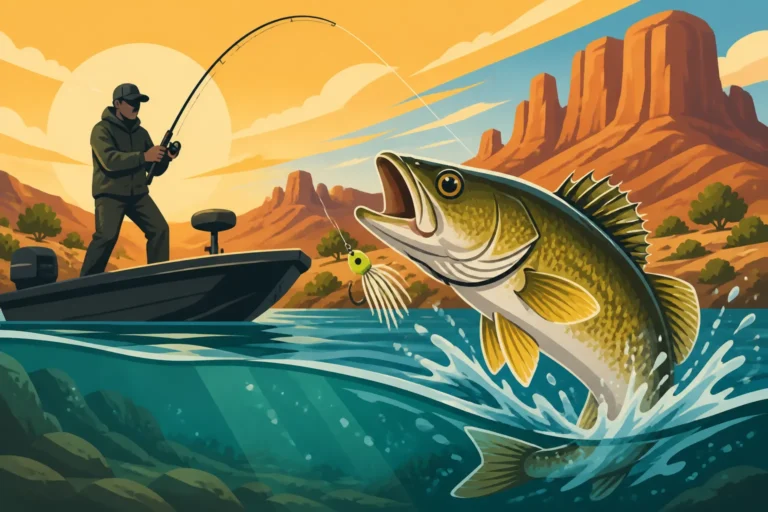
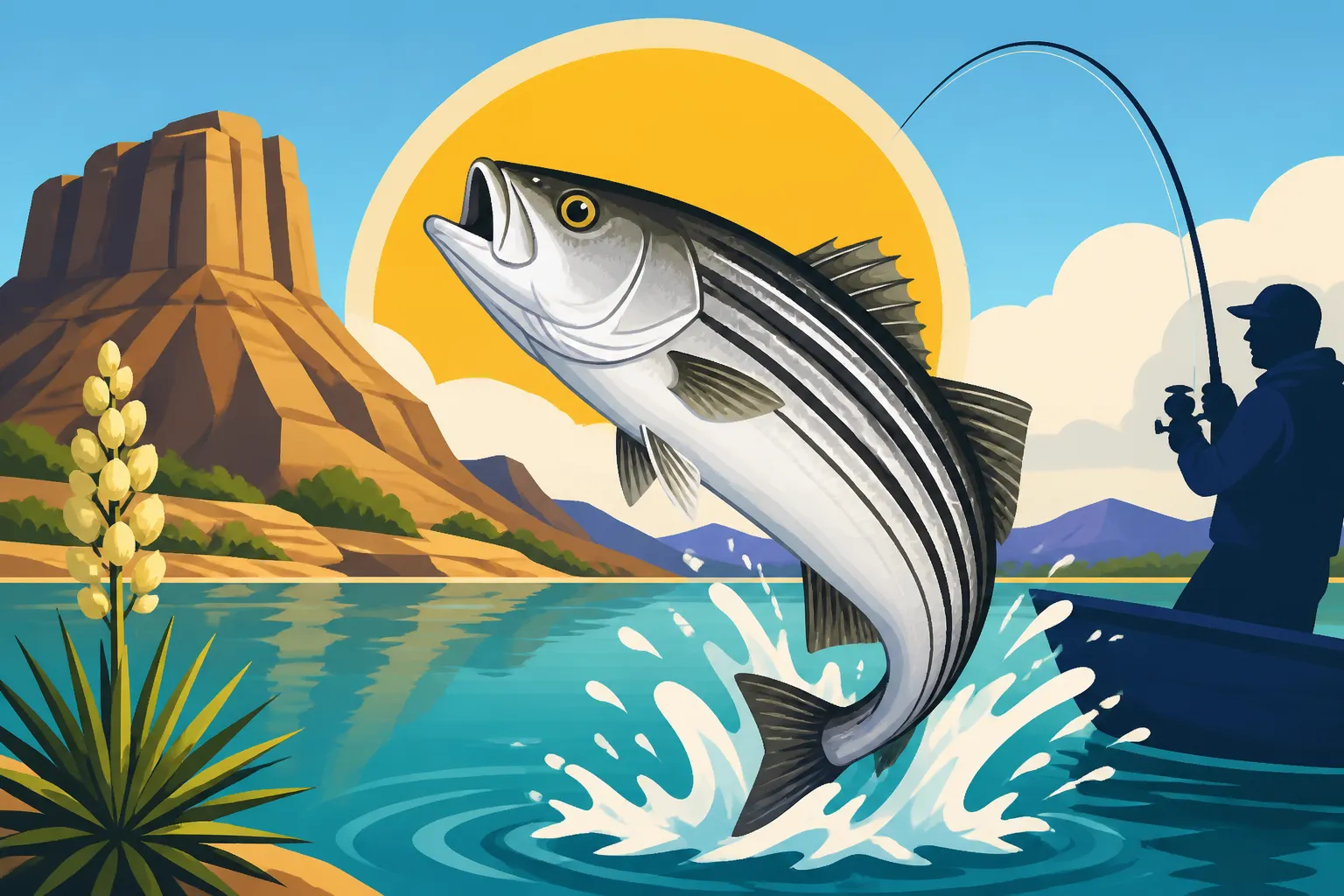
There’s nothing quite like the rush of a striped bass hitting your line, especially when you’re fishing the vast waters of Elephant Butte Lake. But let's be honest, finding those elusive stripers can feel like chasing ghosts sometimes, leaving you wondering if you're even fishing the right time of year. This guide is here to cut through the guesswork, revealing the absolute best month to target striped bass at Elephant Butte and arming you with the strategies to make your next trip a resounding success.
Understanding Striped Bass Behavior at Elephant Butte Lake
Before we dive into the calendar, it’s crucial to grasp what makes striped bass tick, especially in a unique environment like Elephant Butte Lake. These are powerful, predatory fish, and their behavior is heavily influenced by water temperature, baitfish availability, and their own spawning cycles. They are constantly on the move, chasing schools of shad, and understanding these patterns is your first step to consistent success.
Striped bass are open-water predators. Unlike largemouth or smallmouth bass that often relate to structure, stripers at Elephant Butte will often suspend in the water column or cruise open flats, herding baitfish. When the water is cooler, they might be shallower, but as temperatures climb, they'll seek out deeper, cooler, more oxygenated water, often congregating around the thermocline. Knowing this helps you predict not just where they might be, but also when they'll be most active. Their aggressive nature means when you find them, the action can be fast and furious, making them an incredibly rewarding species to pursue. For more general information on this fantastic fishery, check out our comprehensive Elephant Butte Lake Fishing Guide.
The Role of Water Temperature and Baitfish
Water temperature is arguably the biggest driver of striped bass behavior at Elephant Butte. In cooler months, stripers are often found shallower, sometimes even right off the bank, as they don't need to seek thermal refuge. As the lake warms up in late spring and summer, the stripers move to deeper water where temperatures are more comfortable, usually around the thermocline—the layer where warm surface water meets cooler, deeper water. This is often where baitfish like gizzard shad and threadfin shad also concentrate, creating a buffet for the hungry stripers.
The presence and movement of these baitfish are paramount. Striped bass are sight hunters that rely on schooling bait. If the shad are scattered or too deep, it can be tough to locate the stripers. Conversely, when shad are balled up, the stripers will be right there, often pushing them to the surface, resulting in explosive topwater action or "boils." Keeping an eye on sonar for bait balls is key, and understanding the seasonal patterns of shad will inherently improve your chances of finding stripers.
Seasonal Movements and Feeding Habits
Throughout the year, striped bass at Elephant Butte undertake distinct movements and feeding behaviors. In the spring, after the winter chill, they become incredibly active as the water warms, preparing for and recovering from spawning. They'll actively chase bait in shallower areas. As summer progresses, they move deeper, often becoming nocturnal feeders or hitting hard during dawn and dusk.
Fall sees another surge of activity. As water temperatures begin to cool, the stripers again become very aggressive, putting on weight for the colder months ahead. This is often when you'll find them schooling up intensely and pushing bait to the surface, especially early in the morning. Winter is generally slower, with stripers holding deep and being less active, but they can still be caught with the right finesse techniques in the coldest months. Understanding these broad strokes helps set the stage for pinpointing the prime time.
Peak Seasons and Why They Matter for Striped Bass
While striped bass can technically be caught year-round at Elephant Butte, certain seasons offer significantly better opportunities due to the fish's biology and environmental factors. Generally, the transition periods of spring and fall tend to be the most productive, with summer requiring specific tactics for success. Winter is the slowest but can still yield trophy fish for dedicated anglers.
Spring Aggression and Post-Spawn Recovery
Spring at Elephant Butte, particularly from late March through May, is a period of intense activity for striped bass. As the water temperatures rise from the mid-50s into the 60s Fahrenheit, the stripers become incredibly active. This is their primary spawning period, and while they don't reproduce naturally in large numbers in the lake, their instinctual drive leads to aggressive feeding. Post-spawn, they are hungry and recovering, making them highly susceptible to various presentations.
During this time, you'll find stripers more willing to chase lures and baits in shallower water, often near points, humps, and submerged timber where baitfish congregate. The longer daylight hours and warming trend energize both the fish and their prey. This season is fantastic for covering water with trolling, casting swimbaits, or even throwing topwater lures in the right conditions.
Summer's Deep Dive and Nocturnal Feasts
As New Mexico's summer heat kicks in, typically from June through August, Elephant Butte Lake's surface temperatures can soar. This pushes striped bass into deeper, cooler water. They'll often suspend in the thermocline, sometimes 30 to 60 feet down, or even deeper, depending on the lake's profile and current water levels. While challenging, summer fishing can be highly rewarding, especially if you adapt your approach.
Night fishing becomes incredibly popular and effective during summer. Under the cloak of darkness, stripers will move shallower to feed, chasing baitfish closer to the surface, especially under dock lights or around areas with artificial illumination. During the day, trolling deep-diving crankbaits or vertically jigging spoons and heavy plastics are excellent strategies for reaching these deep-holding fish. Understanding Striped Bass Summer Holding Depth is crucial for success during these warmer months.
Fall Feeding Frenzy
Autumn, from September through November, brings another fantastic window for striped bass fishing at Elephant Butte. As the brutal summer heat wanes and water temperatures begin to cool, the stripers sense the coming winter and engage in a vigorous feeding frenzy to pack on calories. This behavior can lead to some of the most exciting fishing of the year.
During the fall, stripers will often school up in massive numbers, pushing vast schools of shad to the surface. These "boils" are unmistakable, with birds diving and water erupting as stripers attack. Locating these feeding frenzies can lead to non-stop action, often with topwater lures, spoons, or fast-retrieved swimbaits. It’s a period of intense, aggressive feeding that no striper angler wants to miss.
Month-by-Month Breakdown for Striped Bass Success
Now, let's get down to the nitty-gritty: which month truly stands out for catching striped bass at Elephant Butte? While consistency can be found in both spring and fall, many seasoned Elephant Butte anglers will point to a specific window in spring as the absolute prime time.
The Best Month: April and Early May
Drumroll please… The consensus best month to catch striped bass at Elephant Butte Lake is April, extending into early May. This period offers the perfect storm of rising water temperatures, active baitfish, and post-spawn hunger that drives stripers into a feeding frenzy.
During April, water temperatures typically hover in the 60s, which is ideal for striper activity. They've either recently spawned or are in the process, making them incredibly aggressive. You'll find them cruising shallower flats, points, and channel edges, often within the top 20 feet of water. This allows for a variety of effective techniques, from trolling to casting, and even some topwater action on warmer days. The fish are less lethargic than in winter and haven't yet retreated to the extreme depths of summer. The weather is also generally pleasant, making for enjoyable days on the water. This is when the most consistent, widespread action for quality stripers occurs.
Other Prime Times: March, May, and September-October
While April is the reigning champion, other months offer excellent, albeit different, opportunities:
- March: As water temperatures start climbing from the 50s, stripers begin to shake off their winter dormancy. They'll start to move up in the water column and become more active, especially on sunny days. This can be a great month for pre-spawn staging fish, often found in the main lake basins near drop-offs. Trolling deeper diving baits or slow-retrieving swimbaits are good bets.
- May: Following April, May continues to be a very strong month. The stripers are still active post-spawn, feeding aggressively. As the month progresses and temperatures continue to rise, they'll start to transition deeper, but mornings and evenings can still provide fantastic shallow-water action. May is a great time to experiment with topwater baits as the fish are very willing to chase.
- September-October: These fall months are a close second to spring. As noted, the cooling water triggers a strong feeding instinct. If you hit a "boil" during this time, it can be an unforgettable experience. The fish are actively chasing bait, and trolling or casting spoons, swimbaits, and topwater lures can be incredibly productive. The fish are often fat and healthy, having fed all summer.
The Challenging Months: Summer and Winter
- June-August (Summer): This is when it gets tough for many anglers. The scorching sun pushes stripers deep. You'll need to focus on deep-water techniques like downrigging, lead core trolling, or vertical jigging. Night fishing, especially under lights, can be your best friend. It's a grind, but the rewards can be massive for those willing to put in the effort.
- November-February (Winter): The slowest months for stripers. They retreat to the deepest parts of the lake and are much less active. Sonar becomes essential for locating bait balls and the stripers holding with them. Vertical jigging with heavy spoons or blade baits directly over deep-sitting fish can entice a bite, but don't expect fast and furious action. For the patient angler, however, winter can produce some truly massive, sluggish stripers.
Here's a quick overview of striper activity by month at Elephant Butte:
| Month | Striped Bass Activity | Typical Depth | Key Techniques | Notes |
|---|---|---|---|---|
| March | Moderate to High | 15-30 ft | Trolling, Swimbaits, Jigging | Pre-spawn staging, becoming active. |
| April | VERY HIGH | 10-25 ft | Trolling, Casting (swimbaits, topwater), Jigging | Peak month! Post-spawn aggression, widespread activity. |
| May | High | 15-35 ft | Trolling, Casting (topwater, swimbaits), Jigging | Continues strong, fish starting to transition deeper. |
| June | Moderate | 30-60+ ft | Deep Trolling (downriggers), Vertical Jigging | Summer deep dive, night fishing productive. |
| July | Moderate | 30-60+ ft | Deep Trolling (downriggers), Vertical Jigging | Similar to June, very deep during day. |
| August | Moderate | 30-60+ ft | Deep Trolling (downriggers), Vertical Jigging | Similar to July, night fishing can be best. |
| September | High | 15-40 ft | Casting (topwater, spoons), Trolling, Live Bait | Fall feeding frenzy, surface boils can be common. |
| October | High | 15-30 ft | Casting (spoons, swimbaits), Trolling, Live Bait | Excellent fall fishing, stripers aggressively packing on weight. |
| November | Moderate | 20-50 ft | Trolling (deeper), Vertical Jigging | Cooling water, stripers moving deeper, still active but slowing. |
| December | Low | 40-70+ ft | Vertical Jigging (slow), Deep Trolling | Winter lethargy, hard to find. |
| January | Low | 40-70+ ft | Vertical Jigging (slow), Deep Trolling | Slowest month, very deep and inactive fish. |
| February | Low to Moderate | 40-60 ft | Vertical Jigging (slow), Deep Trolling | Still slow, but signs of life appear late in the month with warming trends. |
Essential Gear and Techniques for Elephant Butte Stripers
Regardless of the month, having the right gear and knowing the effective techniques can drastically improve your chances. Striped bass are powerful fish, so don't skimp on your tackle. You'll want sturdy rods, smooth reels, and reliable line.
Rods, Reels, and Line
For general striped bass fishing at Elephant Butte, a medium-heavy to heavy action spinning or baitcasting rod, typically 7 to 8 feet long, is ideal. This length provides good casting distance and leverage for fighting large stripers. Pair it with a robust reel capable of holding at least 200 yards of 15-30 pound braided line. Braided line is highly recommended for its strength, sensitivity, and lack of stretch, which helps with hooksets at long distances. You can easily find high-quality braided line and other fishing essentials on Amazon. For specific gear recommendations, you might find our guide on Best Rod Setup for New Mexico Trout Fishing helpful, though stripers require heavier gear.
A 20-40 pound fluorocarbon leader of about 2-4 feet is a good idea, especially in clear water, as it's nearly invisible to fish and provides abrasion resistance against their rough mouths.
Top Lures and Baits
Striped bass are opportunistic feeders, but certain lures and baits consistently produce results:
- Spoons: Heavy jigging spoons (like a Castmaster or Hopkins spoon) are phenomenal, especially when stripers are deep or schooling on bait. Drop them to the desired depth and rip them up aggressively. Silver, chrome, or white are excellent colors.
- Swimbaits: Soft plastic paddle-tail swimbaits on jig heads (3/4 oz to 2 oz) are incredibly versatile. They imitate shad perfectly and can be cast, trolled, or jigged vertically. Brands like Keitech or Warbaits are popular choices.
- Topwater Lures: During low-light conditions or when stripers are actively busting bait on the surface (especially in spring and fall), topwater lures like poppers, walking baits, or pencil poppers can be absolutely exhilarating. The explosion of a striper on a topwater is unmatched!
- Jerkbaits/Stickbaits: These can be very effective when stripers are cruising slightly shallower. Suspending jerkbaits that can be retrieved with a twitch-pause-twitch cadence can mimic dying baitfish perfectly.
- Live Bait: Live shad, if legally caught and kept alive, is perhaps the most effective bait for striped bass. Present them on a Carolina rig or under a slip bobber. Gizzard shad are a favorite.
- Cut Bait: Cut shad or even cut mackerel can be effective, especially for larger, more lethargic stripers, often fished on the bottom with a Carolina rig.
For a deeper dive into lure selection, take a look at our article on the Best Lures for Striped Bass at Elephant Butte.
Effective Fishing Techniques
- Trolling: This is arguably the most consistent method for covering vast amounts of water at Elephant Butte, especially when stripers are scattered. Use deep-diving crankbaits, swimbaits, or even umbrella rigs. Vary your speed and depth until you find the fish. For more on this, check out Trolling Techniques for New Mexico Lakes.
- Casting: When stripers are spotted on the surface or concentrated in specific areas, casting spoons, swimbaits, or topwater lures can be highly effective. Fan cast to cover the area.
- Vertical Jigging: Essential when stripers are holding deep, often around the thermocline or over submerged structure. Drop a heavy spoon or jig straight down to the fish you see on your sonar and work it aggressively.
- Night Fishing: As mentioned, summer nights can be fantastic. Focus on areas with artificial lights or use submersible fishing lights to attract baitfish, which in turn attract stripers. Use glow-in-the-dark lures or jigs.
- Bank Fishing: While less common for the biggest stripers, bank fishing can still yield results, especially in spring and fall. Cast large swimbaits or use cut bait from points or accessible coves. Learn more about How to Catch Striped Bass From Shore for targeted advice.
Remember, always consult the current New Mexico Fishing Regulations Overview and ensure you have a valid New Mexico Fishing License Guide before heading out. Elephant Butte Lake is a vast, incredible fishery, and with the right knowledge and persistence, April can truly be your golden month for those exhilarating striped bass battles!
Disclaimer
Fishing conditions and regulations in New Mexico can change frequently. Always consult the latest New Mexico Department of Game and Fish regulations before planning your fishing trip. This guide provides general information and recommendations based on typical patterns and should not be considered legal advice. Stay safe and always practice responsible angling.