Is Trout Fishing Open Year-Round in New Mexico?
It's a common and understandable question for anyone looking to cast a line in the Land of Enchantment: Is trout fishing open year-round in New Mexico? Many states have distinct "open" and "closed" seasons, especially for trout, leading to confusion. The good news is that, for the most part, trout fishing in New Mexico is indeed a year-round affair, offering incredible opportunities no matter when you feel the call of the water. This guide will clarify the statewide regulations, delve into specific exceptions, and help you understand how to navigate the seasons for successful trout angling throughout the year.
The General Rule: Trout Fishing is Open Year-Round
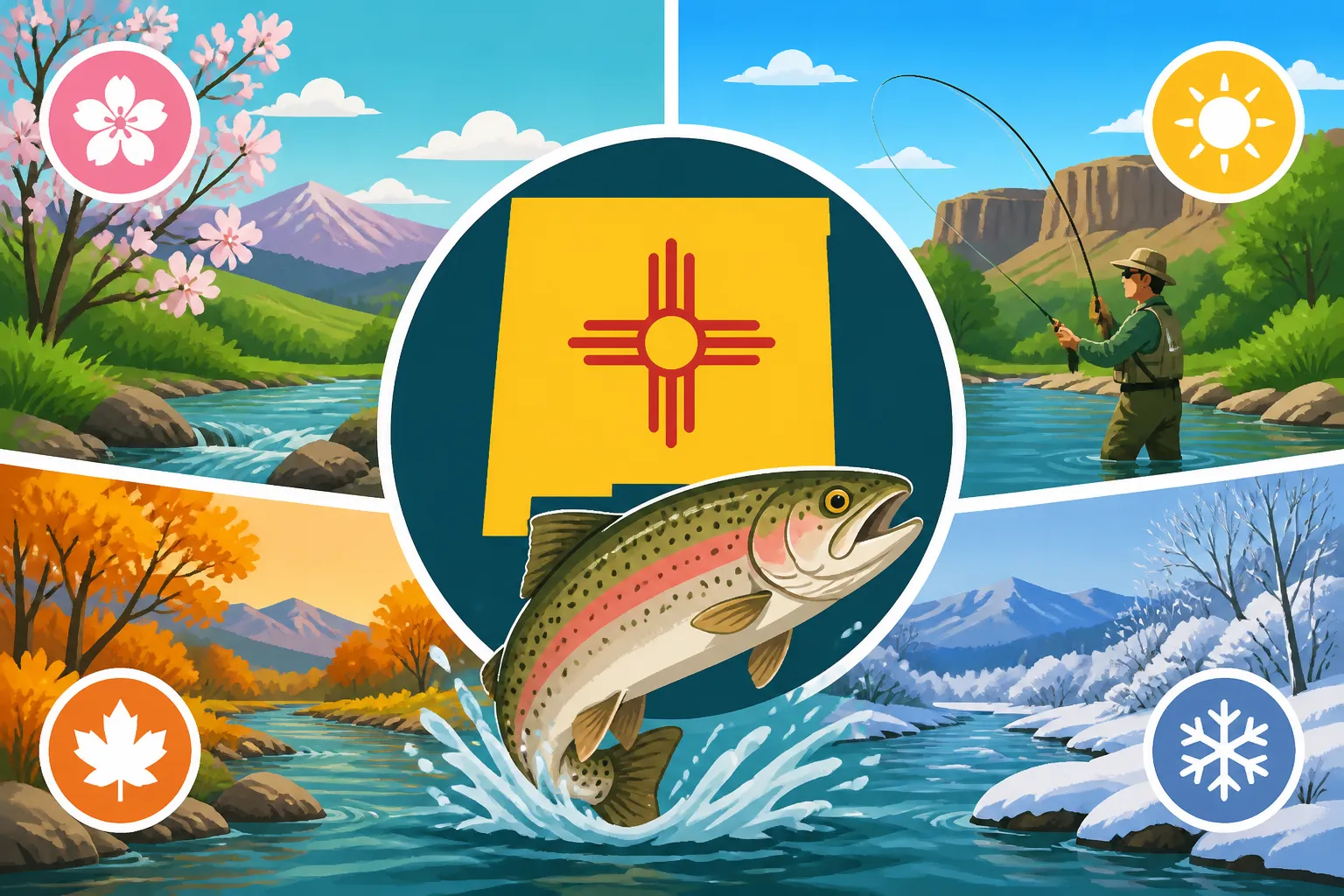
One of the most appealing aspects of fishing in New Mexico is the continuous access to its diverse trout waters. Unlike some neighboring states where rivers might close for spawning or habitat protection during certain months, New Mexico generally maintains an open season for trout all twelve months of the year. This means that whether it's the crisp chill of winter, the vibrant bloom of spring, the heat of summer, or the golden hues of autumn, you can always find a spot to pursue rainbow, brown, cutthroat, or brook trout.
Statewide Open Season for Trout
The general rule across New Mexico's vast network of rivers, streams, and lakes is that trout fishing is permitted continuously. This consistency is a huge benefit for resident anglers and visitors alike, allowing for flexible trip planning without the worry of a hard closure date. You don't have to wait for a specific "opening day" or lament a "closing day"; the opportunity is always there. This broad access applies to most stocked ponds, community waters, and many of the larger reservoirs and river stretches. It's designed to maximize recreational opportunities while still managing fish populations effectively.
However, this statewide open season doesn't mean a complete lack of rules. While the ability to fish for trout is constant, the how and what you can keep can change dramatically depending on where you are. Think of it as always having the doors open, but sometimes you need a specific key, or certain rooms might have special rules.
Always Check Specific Water Regulations
While the overarching policy is year-round trout fishing, it is absolutely crucial to consult the most current New Mexico Fishing Regulations Overview. The state manages its fisheries with a detailed approach, meaning that specific lakes, rivers, or even stretches of the same river can have unique rules that supersede the general statewide guidelines. These special regulations are put in place for various reasons, such as protecting fragile native trout populations, enhancing trophy fishing opportunities, or managing highly pressured waters.
For instance, a small, high-mountain stream might have different gear restrictions or catch limits compared to a large, heavily stocked reservoir. Ignoring these specific rules, even unintentionally, can lead to serious penalties. It's always best to have the current regulations handbook (either a physical copy or the digital version on your phone) readily available when you're out fishing. This due diligence ensures you're fishing legally and contributing to the conservation efforts that make New Mexico's trout fisheries so special.
Navigating Special Trout Waters and Quality Waters
New Mexico is renowned for certain prized trout fisheries that operate under stricter, yet year-round, regulations. These are often designated as "Special Trout Waters" or fall under the "Quality Waters Program," and understanding their specific rules is paramount for any angler.
Distinguishing Special and Quality Waters
When we talk about "Special Trout Waters" or "Quality Waters," we're referring to specific locations that are managed to create exceptional fishing experiences, often for larger trout or unique native species. A prime example is the world-famous San Juan River Special Trout Water Section below Navajo Dam. These areas are not closed seasonally but are instead managed with specific rules to maintain their high-quality status. The aim is usually to promote catch-and-release, encourage natural reproduction, or protect fish from overharvest.
These designated waters are identified in the annual New Mexico fishing regulations, often with detailed maps and very clear instructions on acceptable methods. They are truly special places, offering a chance to hook into truly impressive fish, but they demand a higher level of awareness and adherence to the rules from anglers.
Unique Rules and Restrictions for Premier Fisheries
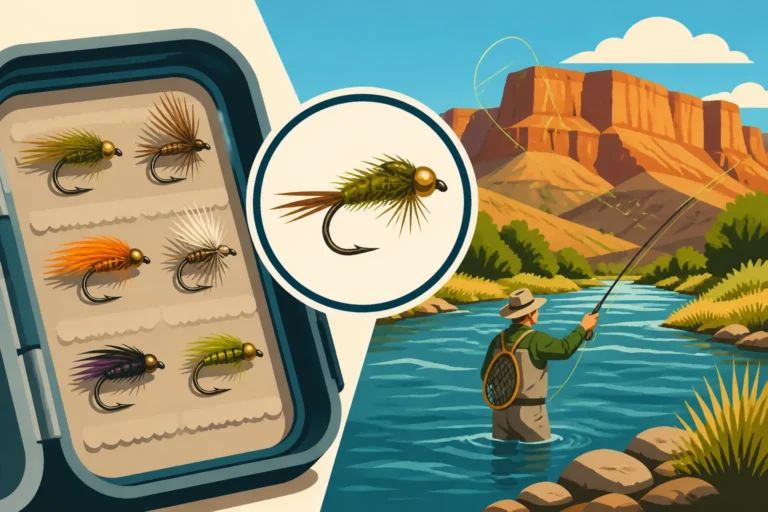
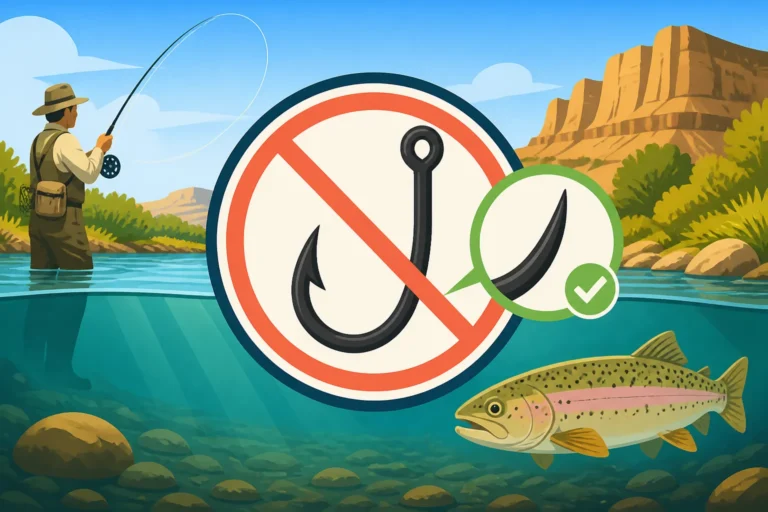
The regulations in Special and Quality Waters commonly differ from general statewide rules in several key ways. You might encounter requirements for artificial lures or flies only, meaning live bait is completely prohibited. Single, barbless hooks are frequently mandated to minimize harm to fish during catch-and-release, allowing trout to be returned to the water with the best chance of survival. In some of the most sensitive or trophy-managed sections, fishing might be entirely catch-and-release, meaning no trout can be kept, regardless of size or species.
A classic real-life scenario: Imagine planning a trip to the San Juan River Quality Waters. If you pack your usual tackle box filled with power bait and barbed treble hooks, you'd quickly find yourself in violation of the rules. Instead, you'd need to outfit yourself with appropriate fly-fishing gear or spinning tackle designed for artificial, single-hook lures. Many anglers purchase these specialized items, like specific fly patterns or barbless hooks, from online retailers like Amazon before their trip to ensure they're prepared. Understanding these nuances, as outlined in the New Mexico Trout Fishing Rules, is vital for a rewarding and legal experience in these premier areas. These stricter regulations are a small price to pay for the incredible fishing opportunities these waters provide year-round.
Seasonal Dynamics and Practical Considerations for Trout
While trout fishing is open all year, the experience of angling for trout in New Mexico definitely shifts with the seasons. Fish behavior, preferred habitats, and even the most effective techniques can change dramatically from winter to summer.
Winter Fishing Opportunities and Challenges
Don't let the cold keep you indoors! Winter in New Mexico offers fantastic trout fishing, often with fewer crowds. Many rivers and streams remain open and fishable, though access might be a bit more challenging due to snow and ice on roads or trails. For lake anglers, winter means the exciting world of Ice Fishing in New Mexico opens up on various high-elevation lakes like Eagle Nest Lake, Heron Lake, or Bluewater Lake, once the ice is thick enough. Here, anglers bundle up, drill holes, and target trout, Kokanee salmon, and other species.
Even in open water, winter trout fishing often requires different tactics. Trout tend to slow down, become less active, and concentrate in deeper, slower pools where water temperatures are more stable. Light line, small baits or lures, and a slower presentation are usually key. The challenge is often more about staying warm and finding accessible water than about whether the fish are biting, as they certainly do bite, albeit subtly. Always check ice conditions if you're venturing out onto a frozen lake; safety should be your top priority.
Spring, Summer, and Fall Dynamics
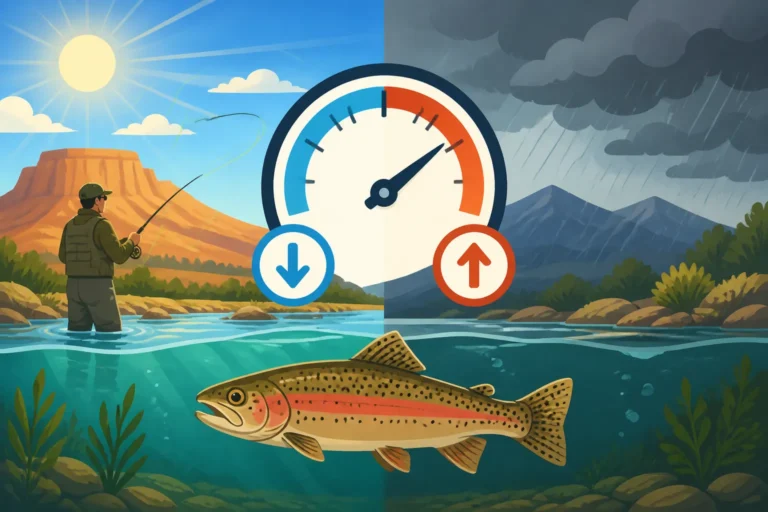
Each season brings its own flavor to New Mexico trout fishing. Spring often sees increased activity as waters warm and insects hatch, but it also brings snowmelt and runoff, which can make rivers high and muddy. Summer pushes trout into cooler, deeper waters in lakes or higher elevations in streams. Early mornings and late evenings become prime times, and anglers might need to adapt by using deeper presentations or focusing on shaded areas.
Fall is a favorite for many, as water temperatures cool, trout become more active, and brown trout begin their spawning rituals, making them more aggressive and visible. The vibrant fall foliage also adds to the beauty of the experience. Throughout these seasons, the fish are always present and catchable, but success often hinges on adapting your approach. You might find yourself experimenting with different Best Lures for New Mexico Trout or adjusting your retrieve speed. Staying abreast of the New Mexico Fishing Season Calendar can help you anticipate these changes and plan your tactics accordingly.
Consistent Bag and Possession Limits
No matter the season, all anglers must adhere to New Mexico's specific bag and possession limits for trout. The general statewide limit is typically five trout per day and ten in possession. "Bag limit" refers to the number of fish you can legally keep within a 24-hour period, while "possession limit" is the maximum number of fish you can have on your person, in your cooler, or at your campsite at any given time.
However, as discussed with Special and Quality Waters, these limits can be significantly reduced, or even set to zero for catch-and-release sections. For example, some native trout streams might have a one-trout limit, or certain high-mountain lakes might have a specific size restriction. It's not uncommon for an angler to mistakenly assume the statewide limit applies everywhere, only to find they've over-harvested in a restricted area. Always double-check the New Mexico Trout Bag and Possession Limits for the specific body of water you intend to fish. These regulations are designed to sustain healthy fish populations for future generations of anglers.
Essential Permits and Licenses for Year-Round Access
To enjoy New Mexico's year-round trout fishing, having the correct permits is non-negotiable. This isn't just about legality; it's about contributing to the conservation efforts that make these fisheries possible.
The Basic Requirements: License and Validation
Anyone aged 12 and older needs a valid New Mexico fishing license to fish in public waters. This is your primary permit for accessing the state's diverse fisheries. There isn't a separate "trout stamp" in New Mexico as there might be in some other states, but there is a crucial additional requirement: the Habitat Management and Access Validation (HMAV) stamp. The HMAV stamp is required for anyone engaged in fishing, hunting, or trapping on lands managed by the New Mexico Department of Game and Fish (NMDGF) or on other public lands for which the NMDGF has obtained rights. It's typically a small fee that helps fund critical habitat improvement projects and public access initiatives.
Both your annual fishing license and the HMAV are valid from April 1st through March 31st of the following year. So, if you purchase them in April, they will cover you for a full year of continuous fishing opportunities. This makes it easy to stay compliant year-round with a single purchase. For a comprehensive breakdown, check out the New Mexico Fishing License Guide and understand the New Mexico Habitat Stamp and Validation Requirements.
Where and How to Obtain Your Permits
Getting your New Mexico fishing license and HMAV is a straightforward process, designed for convenience so you can get out on the water quickly. The easiest way for many is to purchase them online through the New Mexico Department of Game and Fish website. This allows you to print your license at home immediately, getting you ready for that spontaneous fishing trip.
Alternatively, licenses are available from a wide network of authorized vendors across the state. These include many sporting goods stores, local tackle shops, and even some larger retailers like Walmart. These in-person locations can be helpful if you have questions or need to pick up some last-minute bait or tackle. It's smart to plan ahead and renew your license annually, perhaps setting a reminder for late March. That way, you're always covered, whether you're heading to the Best Places to Fish in New Mexico for trout or just exploring a local pond. And remember, if you need to stock up on new fishing lines, waders, or other gear for your year-round adventures, Amazon offers a convenient way to browse and buy everything you need before your next trip.
Year-Round Trout Fishing Comparison Table
To help clarify the general versus specific regulations for trout fishing in New Mexico, here's a quick comparison:
| Water Type | General Open Season | Typical Regulations | Notes |
|---|---|---|---|
| General Waters | Year-round | Statewide bag & possession limits (e.g., 5 trout/day, 10 in possession) | Most lakes, reservoirs, and non-designated river stretches. Bait, lures, and flies generally permitted. Always double-check for any local exceptions. |
| Special Trout Waters | Year-round | Artificial lures/flies only, single barbless hooks. Reduced bag/possession limits or catch-and-release only. | Specific, high-quality areas managed for exceptional trout fishing. Requires careful attention to specific regulations (e.g., San Juan River Quality Waters). |
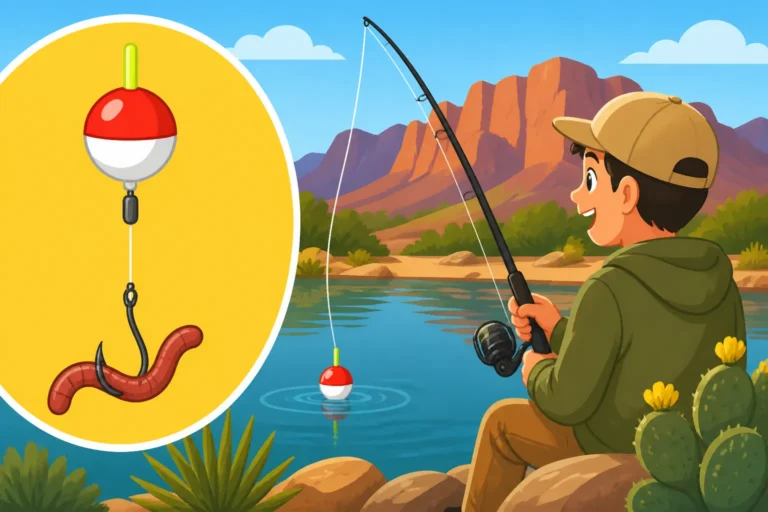
| Community Ponds | Year-round | Often statewide limits, but may have unique rules (e.g., specific youth limits, restricted hours, or gear) | Frequently stocked, designed for easy access, especially for families and beginners. Always check signage at the pond. |
| High Mountain Lakes/Streams | Year-round (access dependent) | Can vary from statewide limits to special restrictions for native trout (e.g., Gila Trout, Rio Grande Cutthroat). | Accessible seasonally due to snow. Often require hiking or backpacking. Check for species-specific regulations. |
| Ice Fishing Lakes | Seasonal (Winter) | Statewide limits apply, but specific species may have unique limits (e.g., Kokanee Salmon snagging). | Only open when ice is safe. Requires specialized gear for Ice Fishing in New Mexico. Always verify ice conditions before venturing out. |
In summary, New Mexico truly embraces the spirit of year-round angling for trout. While the general answer to "Is trout fishing open year-round?" is a resounding "Yes!", the key to a successful and legal trip lies in understanding and respecting the specific rules for the particular water you're visiting. Happy fishing!
Disclaimer
The information provided in this guide is for general informational purposes only and is not intended as legal advice. Fishing regulations in New Mexico are subject to change, and it is the sole responsibility of the angler to consult the official New Mexico Department of Game and Fish regulations handbook for the most current and accurate information before engaging in any fishing activity.